Home / The Book / Part III · Craft, genres and media

Part III · Craft, genres and media · Chapter 26 of 31

Watercolour and gouache

Watercolour is transparent: the white of the paper is your lightest light. Gouache is the same gum-arabic binder with more pigment and chalk, so it is opaque and matte. Dürer, Turner and Cézanne used both.
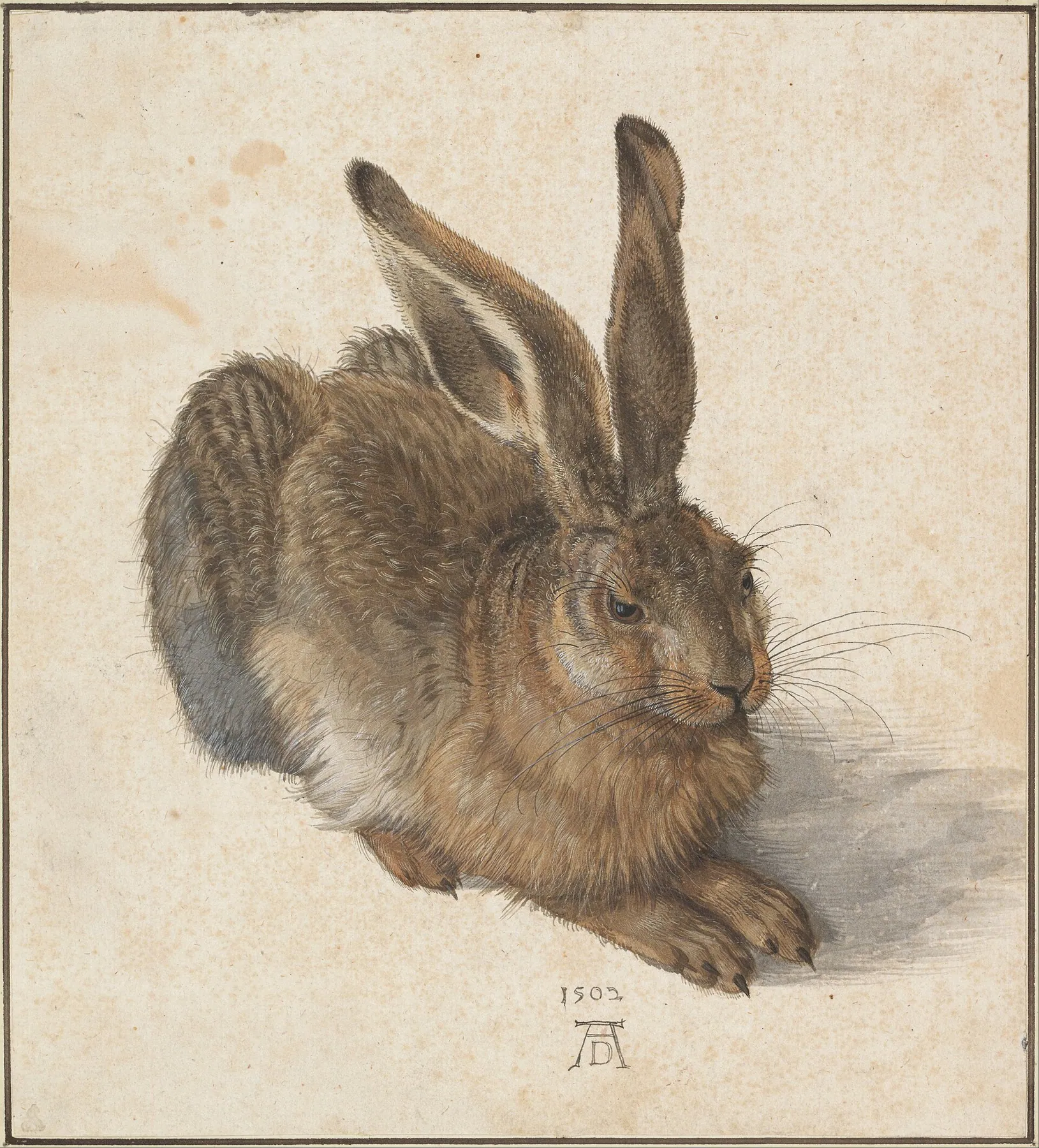
Young Hare by Albrecht Dürer
Young Hare, Albrecht Dürer (1502). Watercolour and bodycolour on paper. Albertina, Vienna. Source: Wikimedia Commons · Public domain

Watercolour

Plan your whites — once they are covered you cannot get them back. Work light to dark. Wet-on-wet gives soft blooms and skies; wet-on-dry gives crisp edges. Use 300 gsm (140 lb) paper so it doesn't buckle.

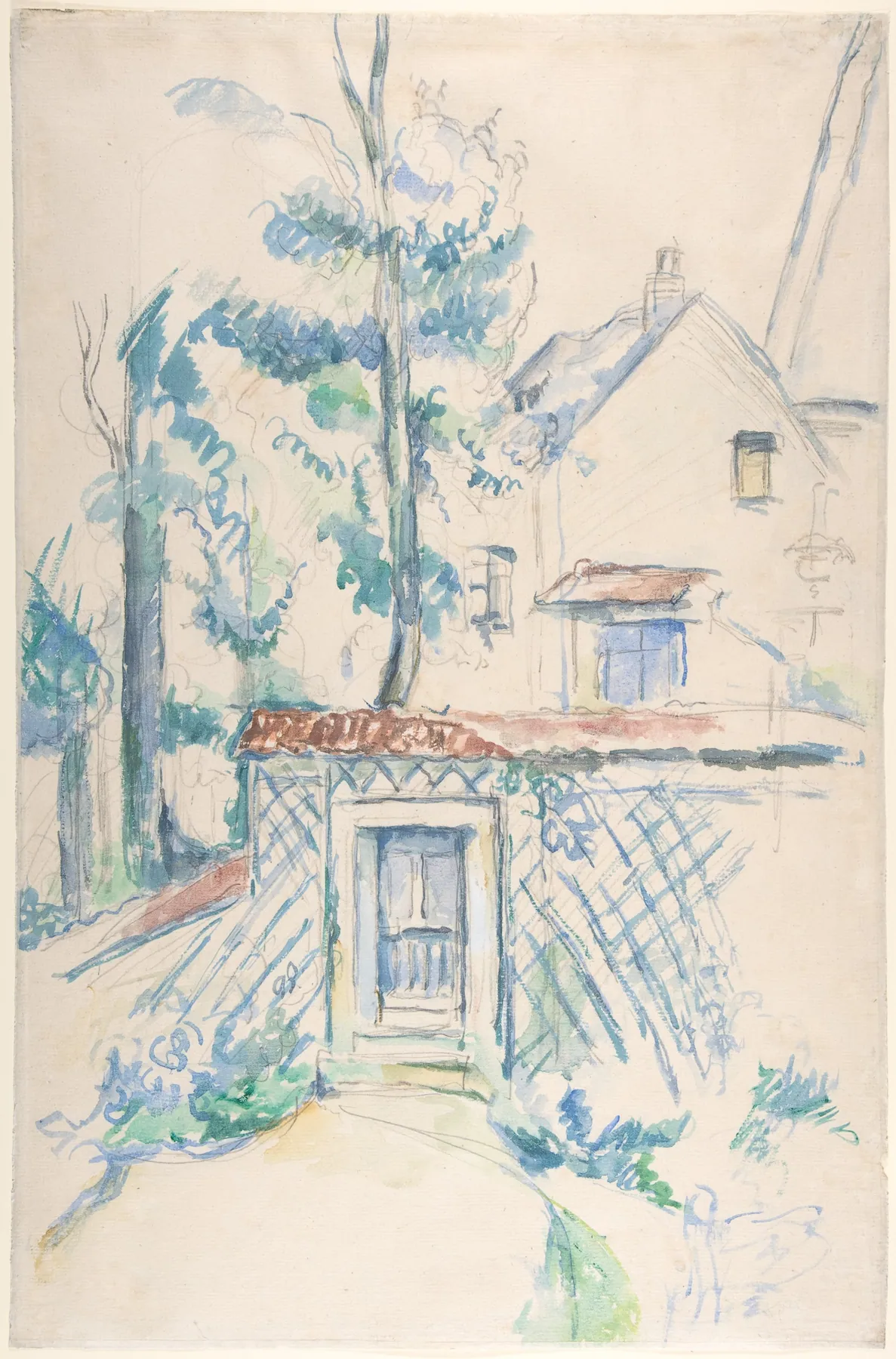
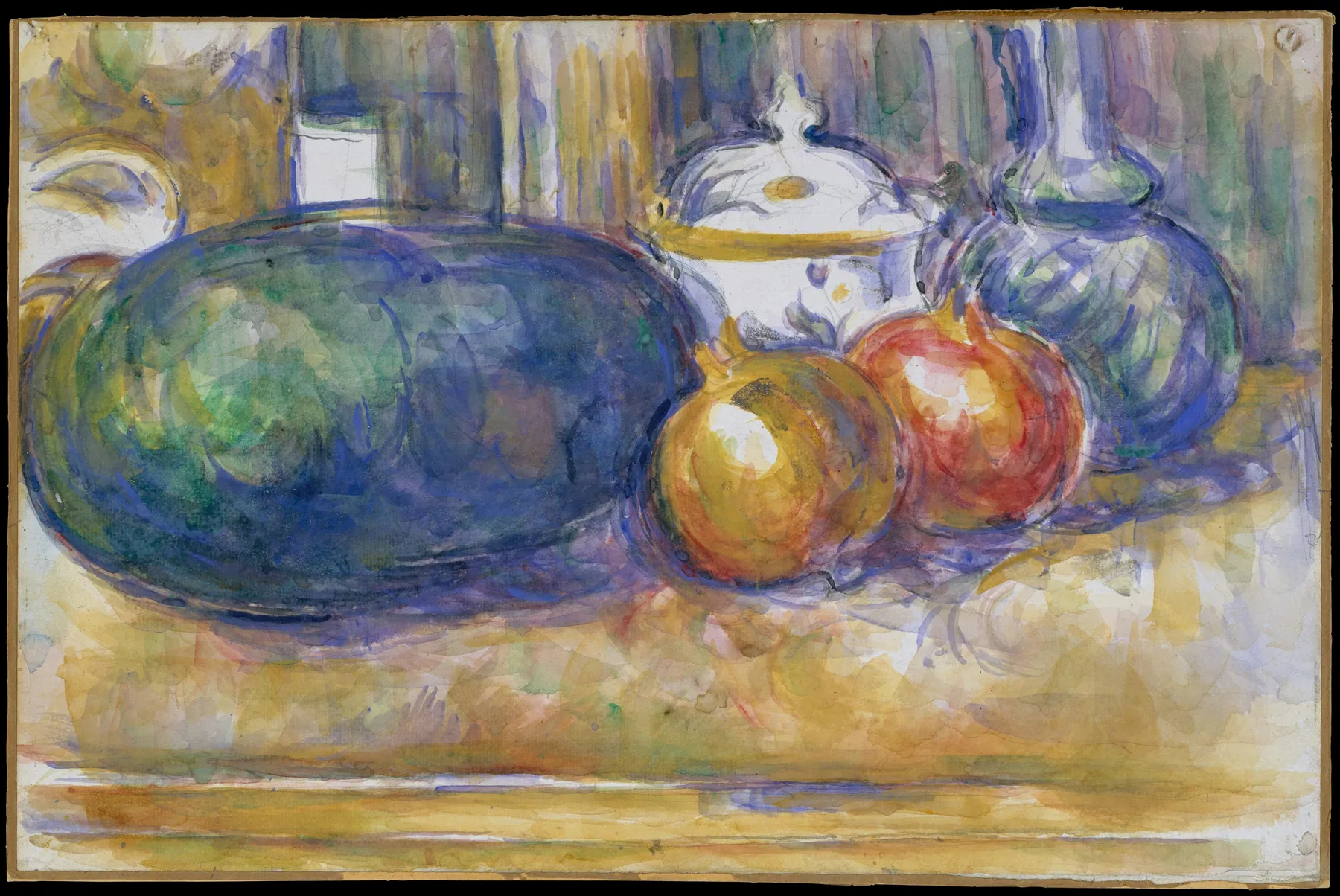
Cézanne's late watercolours leave lots of bare paper; small overlapping patches of colour describe the planes of each form. Turner's alpine watercolours use scraping and lifting for light.

Gouache

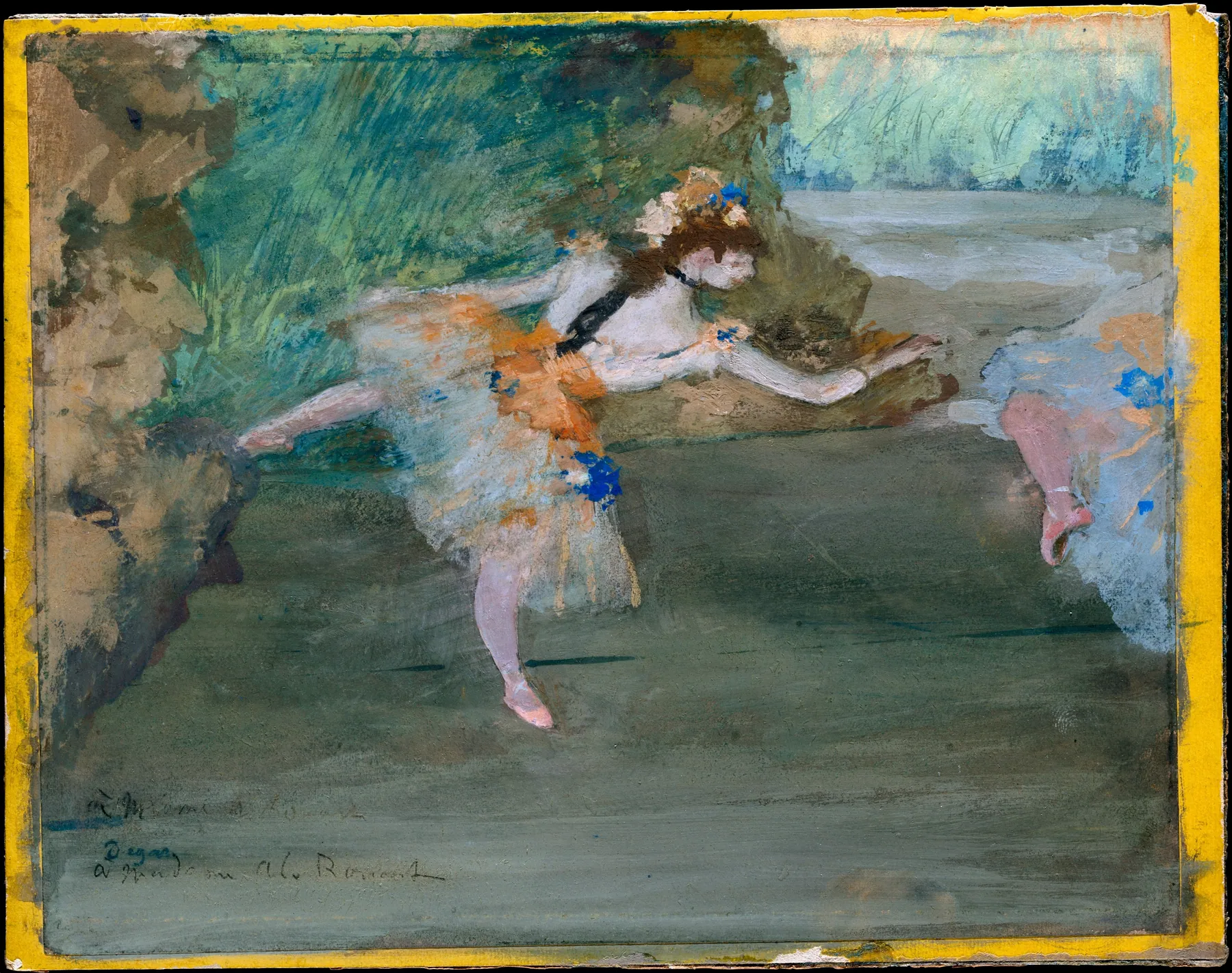
Gouache dries lighter or darker than it looks wet, so test first. You can paint light over dark, which makes it forgiving. Degas used it over graphite in Dancer Onstage. Keep layers thin — thick gouache cracks.

Try it

  1. Paint a graded wash from dark to light.
  2. Paint a sky wet-on-wet, then a crisp tree line wet-on-dry.
  3. Copy a small detail of Dürer's Young Hare in gouache.

Examples to study
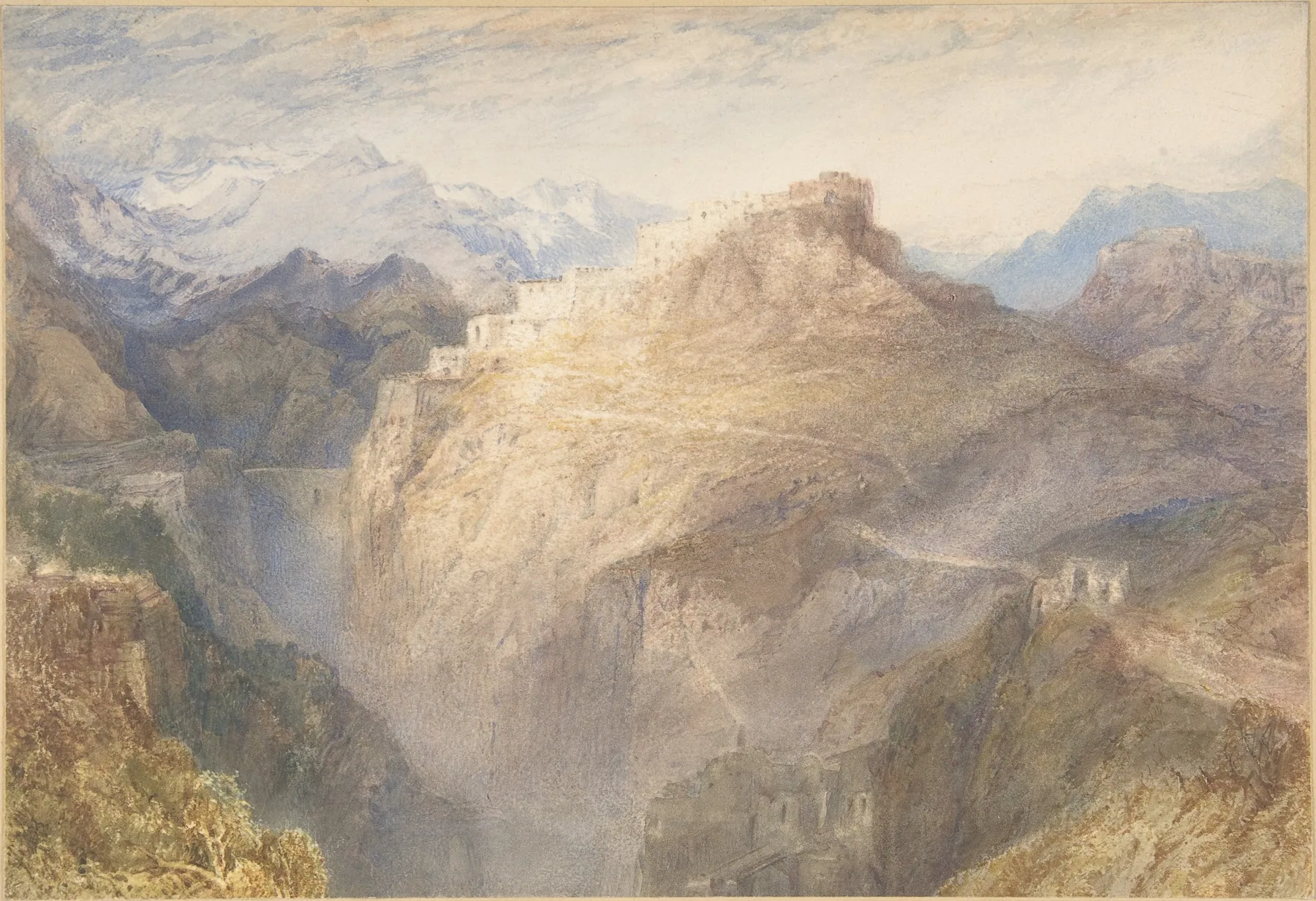
The Fort of L'Esseillon, Val de la Maurienne, France by Joseph Mallord William Turner
The Fort of L'Esseillon, Val de la Maurienne, France, Joseph Mallord William Turner (1835–36). Watercolor. The Metropolitan Museum of Art, New York. Source: The Metropolitan Museum of Art · CC0 (Met Open Access)
Entrance to a Garden by Paul Cézanne
Entrance to a Garden, Paul Cézanne (1878–80). Watercolor over graphite. The Metropolitan Museum of Art, New York. Source: The Metropolitan Museum of Art · CC0 (Met Open Access)
Still-Life with a Watermelon and Pomegranates by Paul Cézanne
Still-Life with a Watermelon and Pomegranates, Paul Cézanne (1900–1906). Watercolor over graphite on laid paper. The Metropolitan Museum of Art, New York. Source: The Metropolitan Museum of Art · CC0 (Met Open Access)
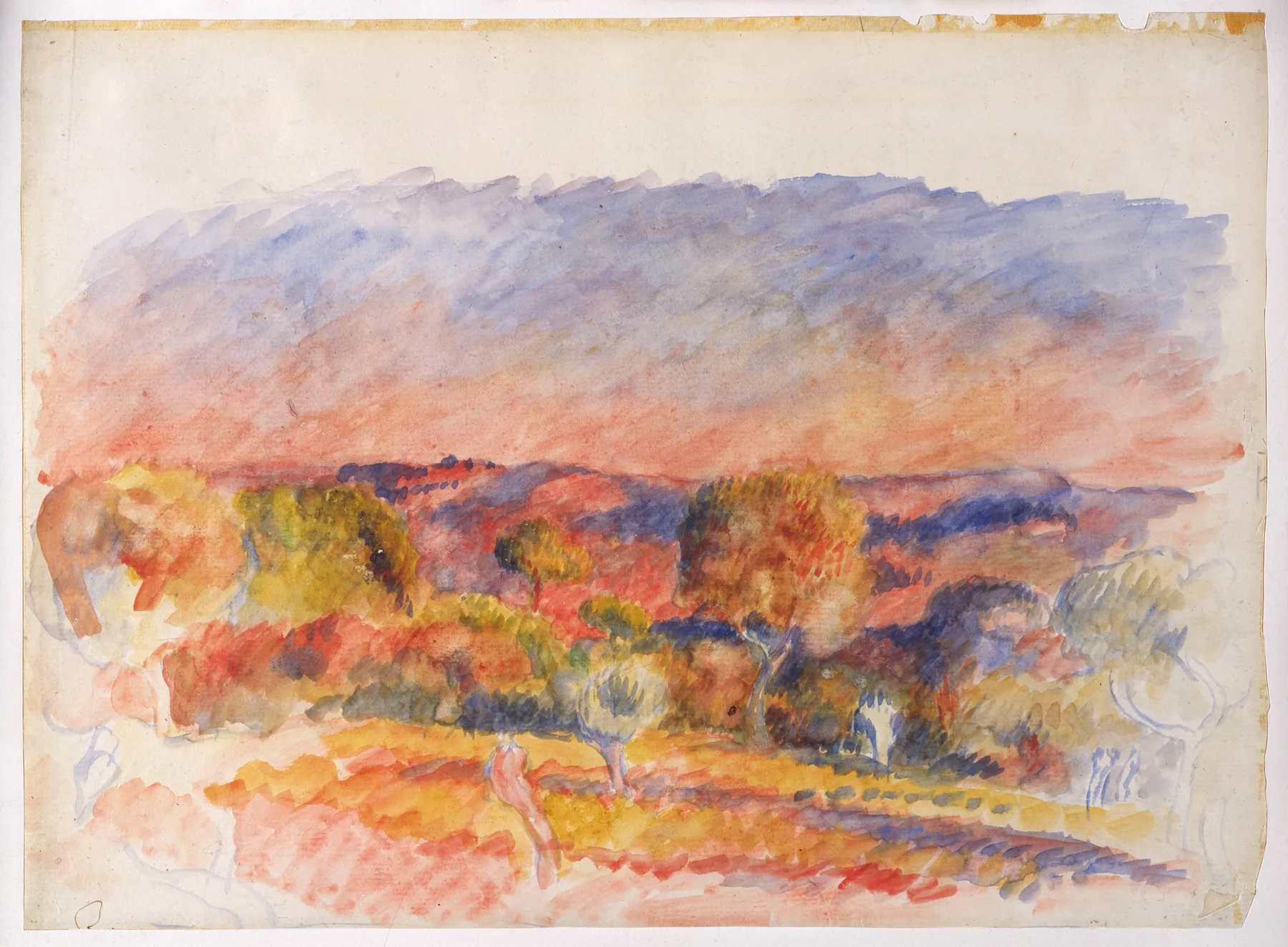
Landscape by Auguste Renoir
Landscape, Auguste Renoir (1889). Watercolor on off-white laid paper. The Metropolitan Museum of Art, New York. Source: The Metropolitan Museum of Art · CC0 (Met Open Access)
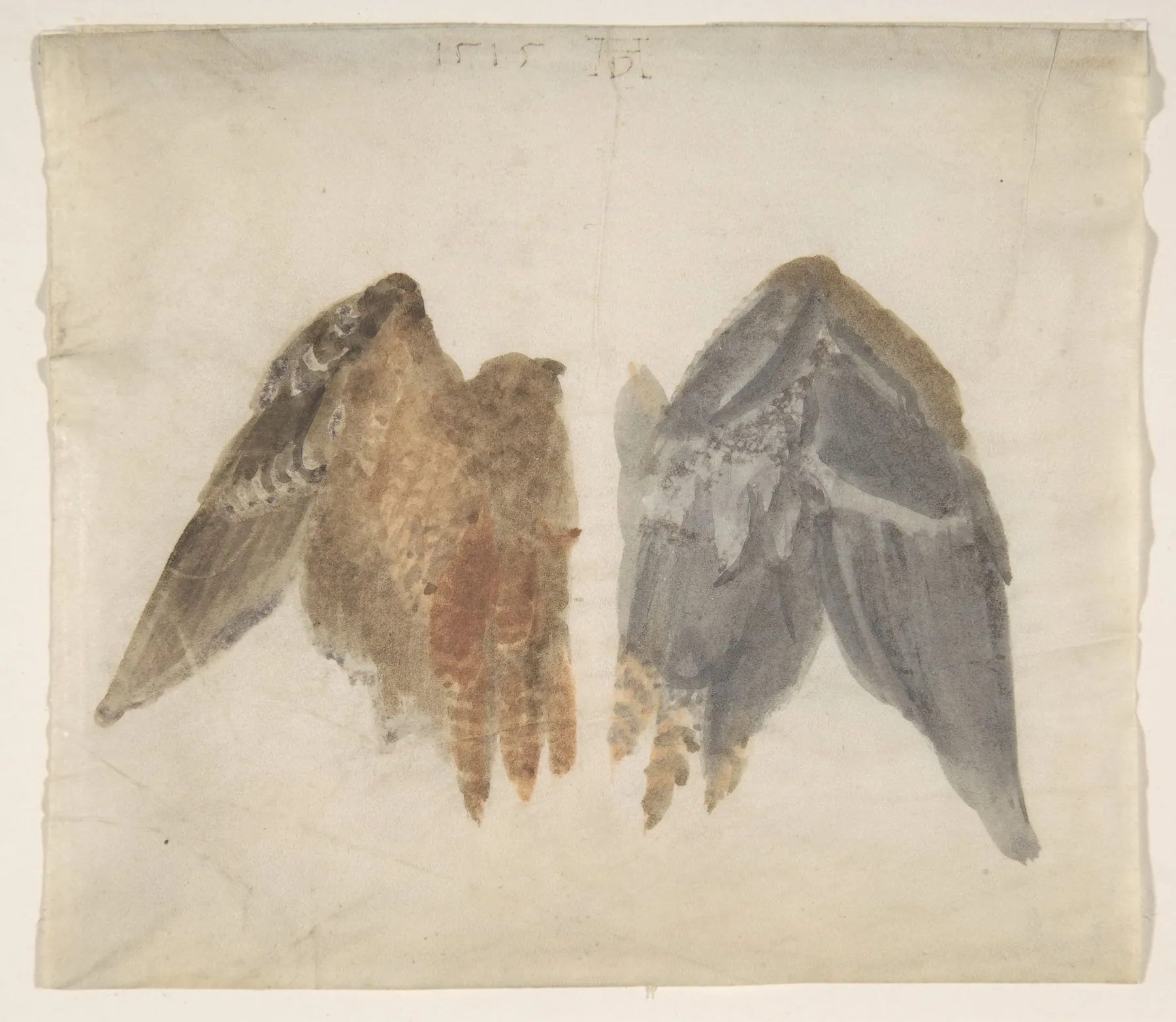
Bittern's Wings: study showing both sides by Albrecht Dürer
Bittern's Wings: study showing both sides, Albrecht Dürer (1515). Watercolor on vellum. The Metropolitan Museum of Art, New York. Source: The Metropolitan Museum of Art · CC0 (Met Open Access)
Dancer Onstage by Edgar Degas
Dancer Onstage, Edgar Degas (ca. 1877). Gouache over graphite underdrawing on thin wove commercially coated yellow paper, laid down on board. The Metropolitan Museum of Art, New York. Source: The Metropolitan Museum of Art · CC0 (Met Open Access)

Watch

Stop Starting a Watercolor Painting with Pencil, This is Better! · Art Prof: Your Art School

Plein Air Techniques that are a Gamechanger: Watercolor & Oil Pastel · Art Prof: Your Art School

Videos load from YouTube (privacy-enhanced mode) only when you press play.

Gouache Painting Secrets for Beginners with a RISD Art Professor · Art Prof: Your Art School

Videos load from YouTube (privacy-enhanced mode) only when you press play.