The Northern Renaissance
c. 1420–1580. North of the Alps — in Flanders, the Netherlands and Germany — painters perfected oil paint and an almost microscopic realism: every thread, reflection and blade of grass.
 ◎ notes
 ◎ notes
Context
Wealthy trading cities like Bruges, Ghent and Antwerp created a market of merchants who wanted portraits and devotional pictures for their homes.
Jan van Eyck refined oil painting in the 1430s. Slow-drying oil allowed glowing transparent layers and invisible blending that tempera could not match.
The printing press made Albrecht Dürer famous across Europe through woodcuts and engravings. Later, Pieter Bruegel the Elder turned to peasant life and the seasons, laying the foundation for landscape and genre painting.
Key artists
| Artist | Life | Known for |
|---|---|---|
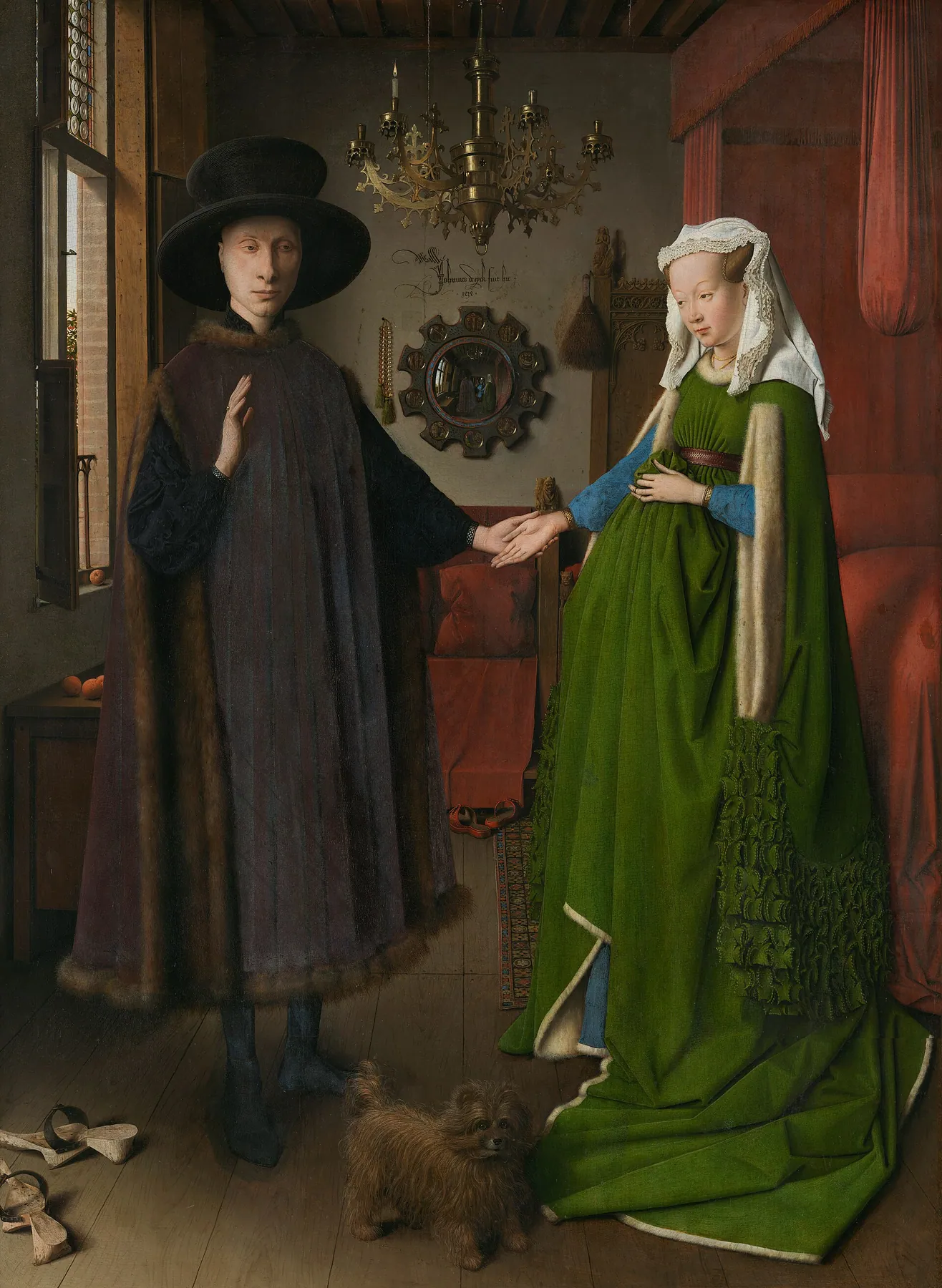
| Jan van Eyck | c. 1390–1441 | Oil glazes and astonishing detail: The Arnolfini Portrait. |
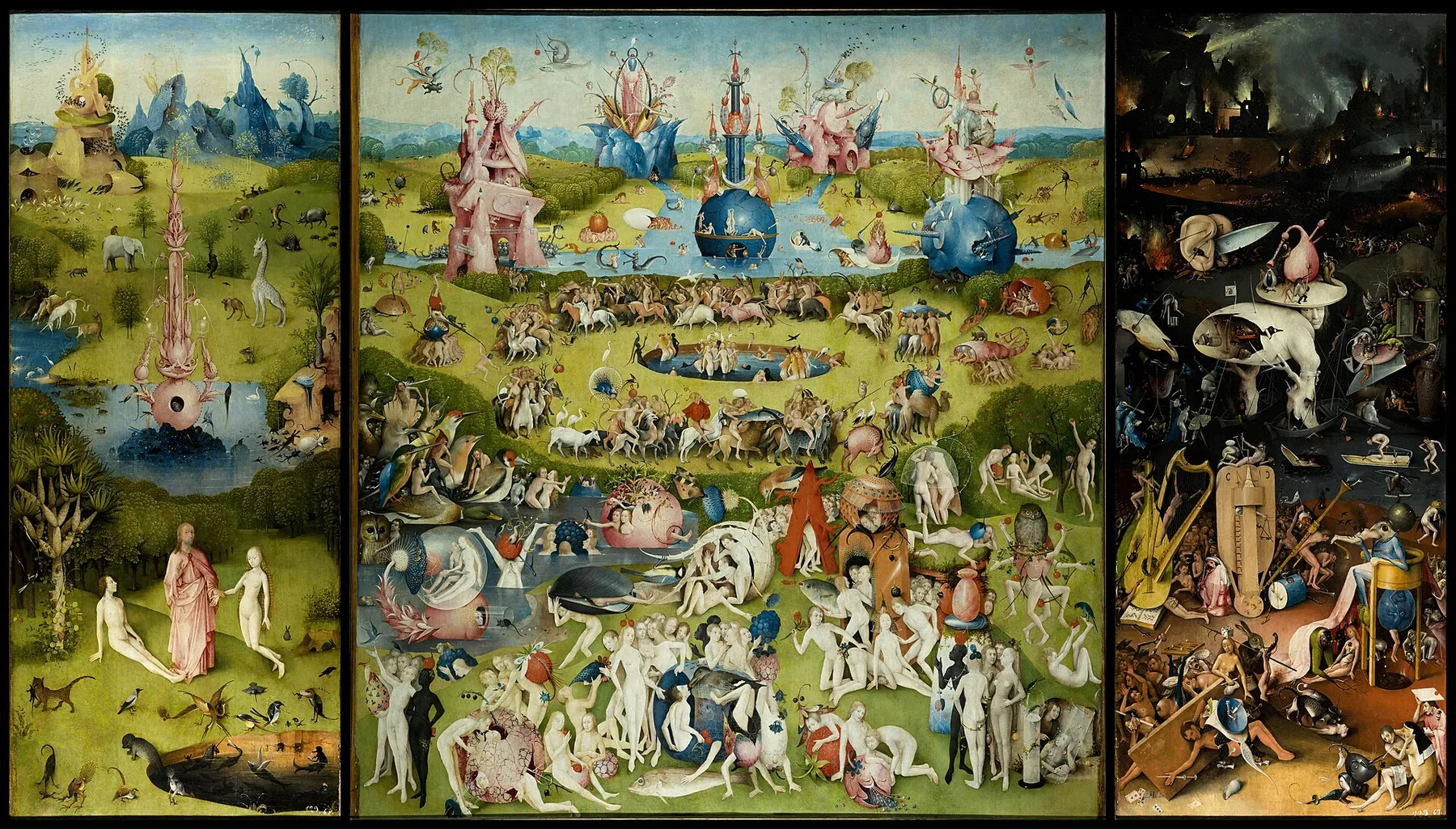
| Hieronymus Bosch | c. 1450–1516 | Fantastical moral visions: The Garden of Earthly Delights. |
| Albrecht Dürer | 1471–1528 | Painter, printmaker and theorist of proportion: Young Hare, Self-Portrait. |
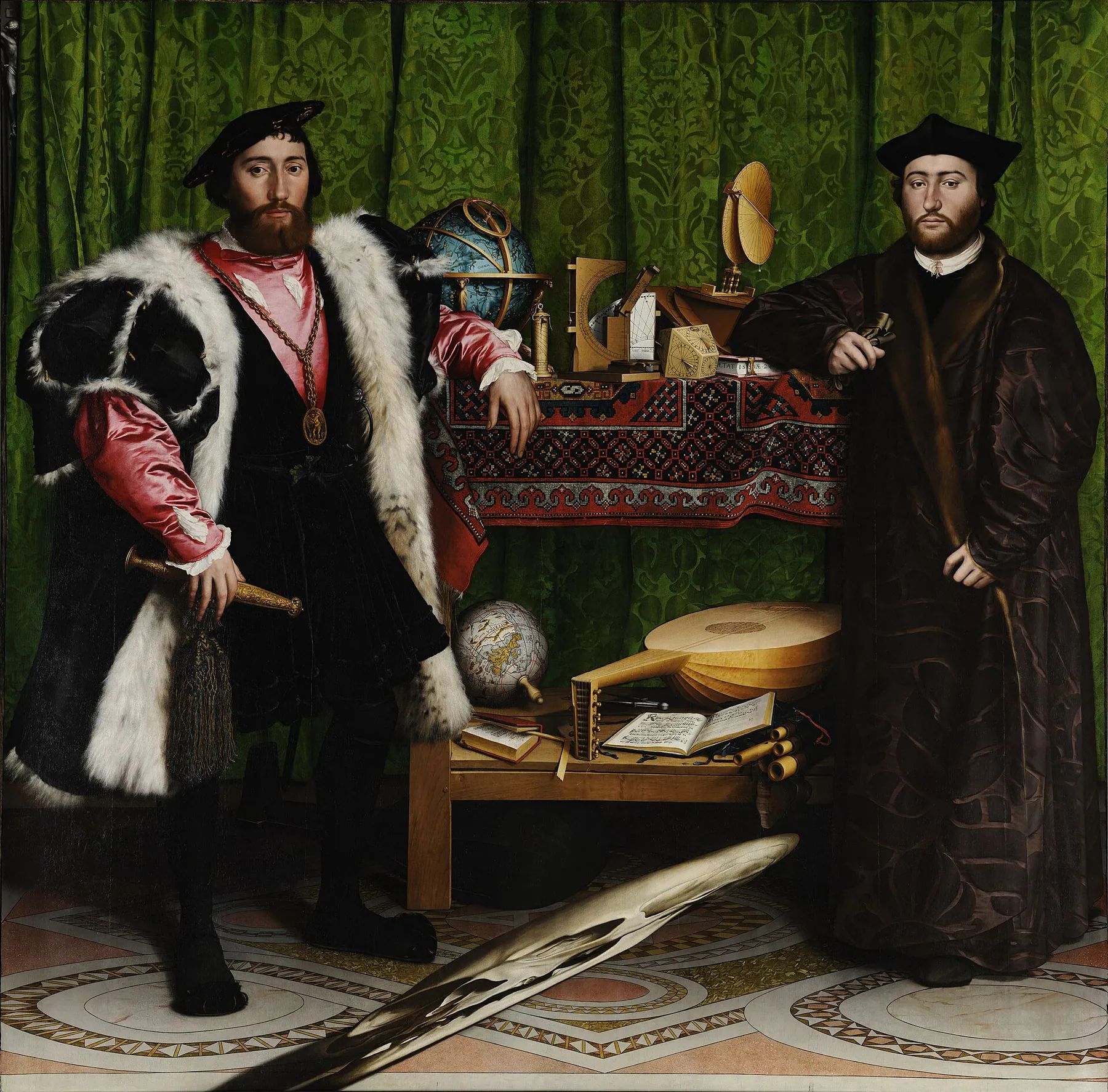
| Hans Holbein the Younger | 1497–1543 | Precise court portraits: The Ambassadors. |
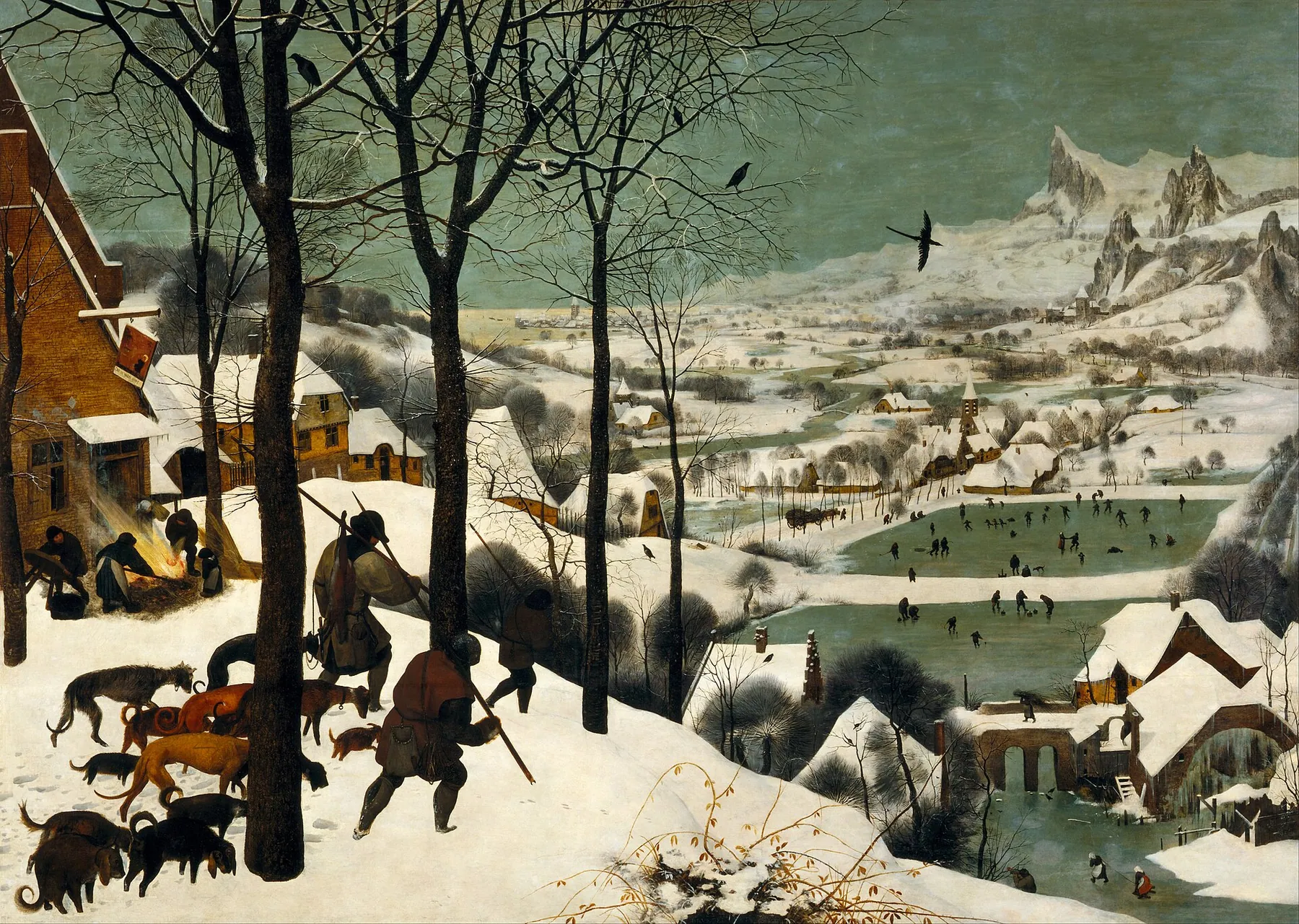
| Pieter Bruegel the Elder | c. 1525–1569 | Peasant life and the seasons: Hunters in the Snow. |
Key works
Tap any image to zoom; works marked ◎ have notes on key details.
 ◎ notes
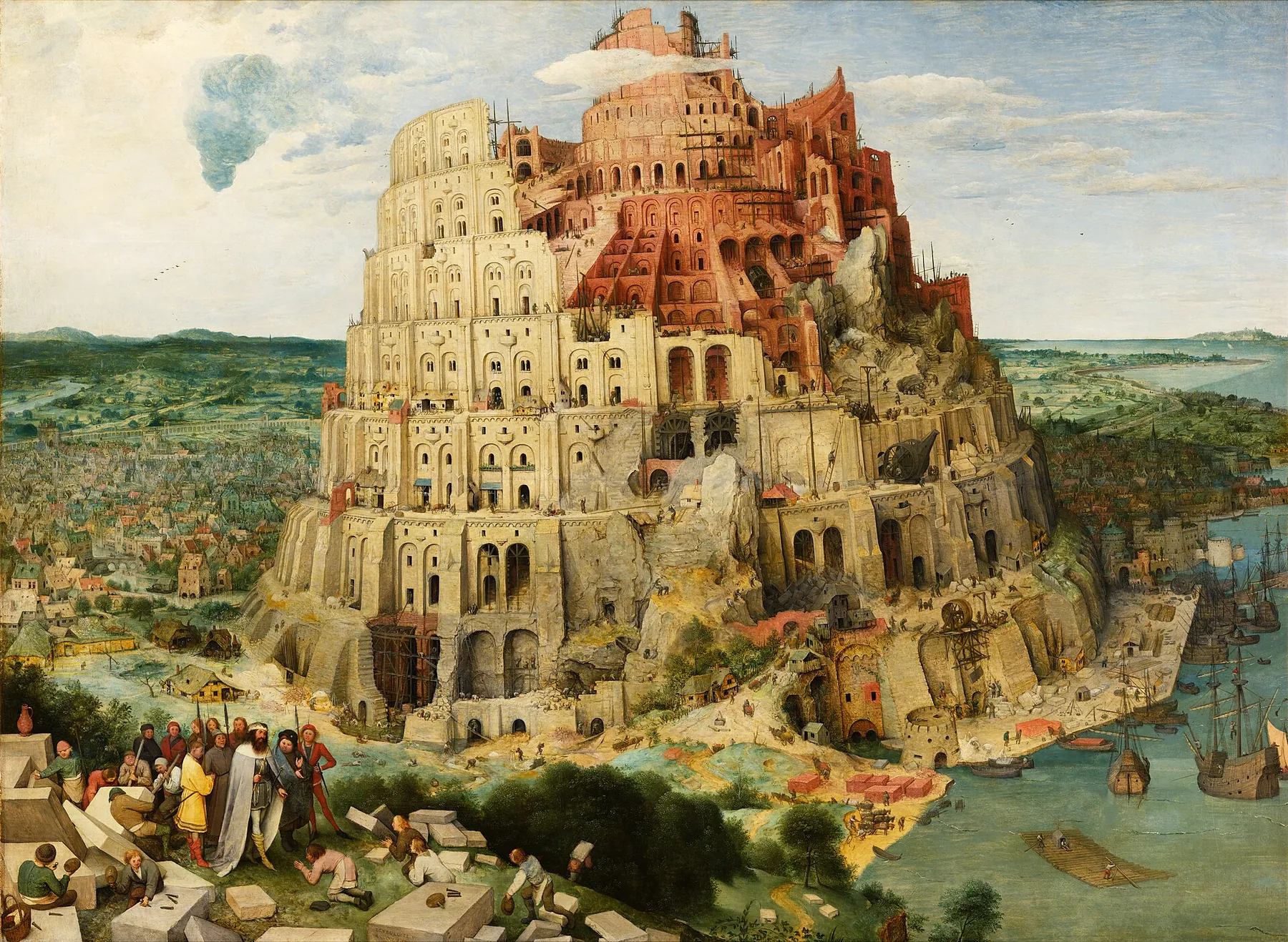
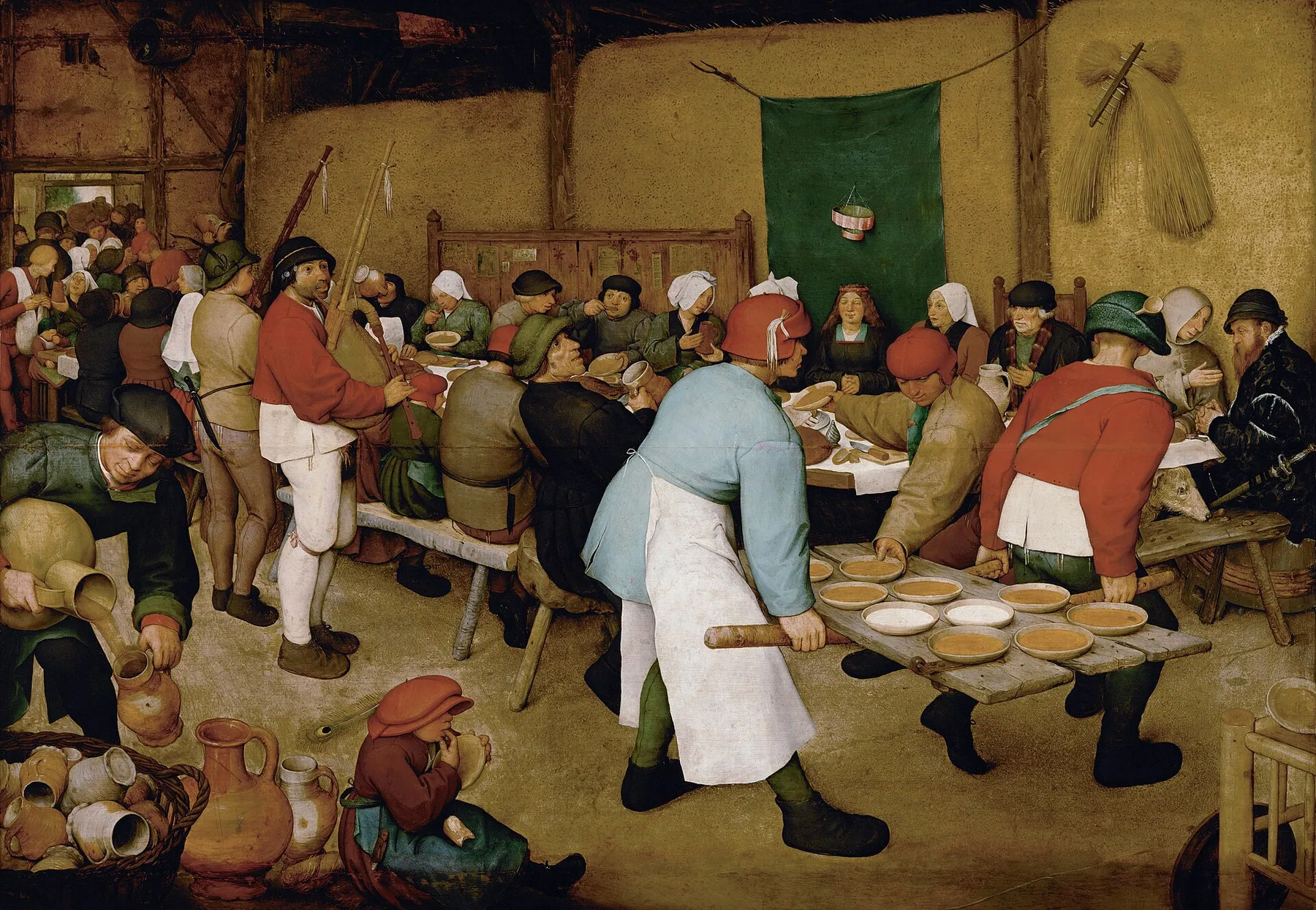
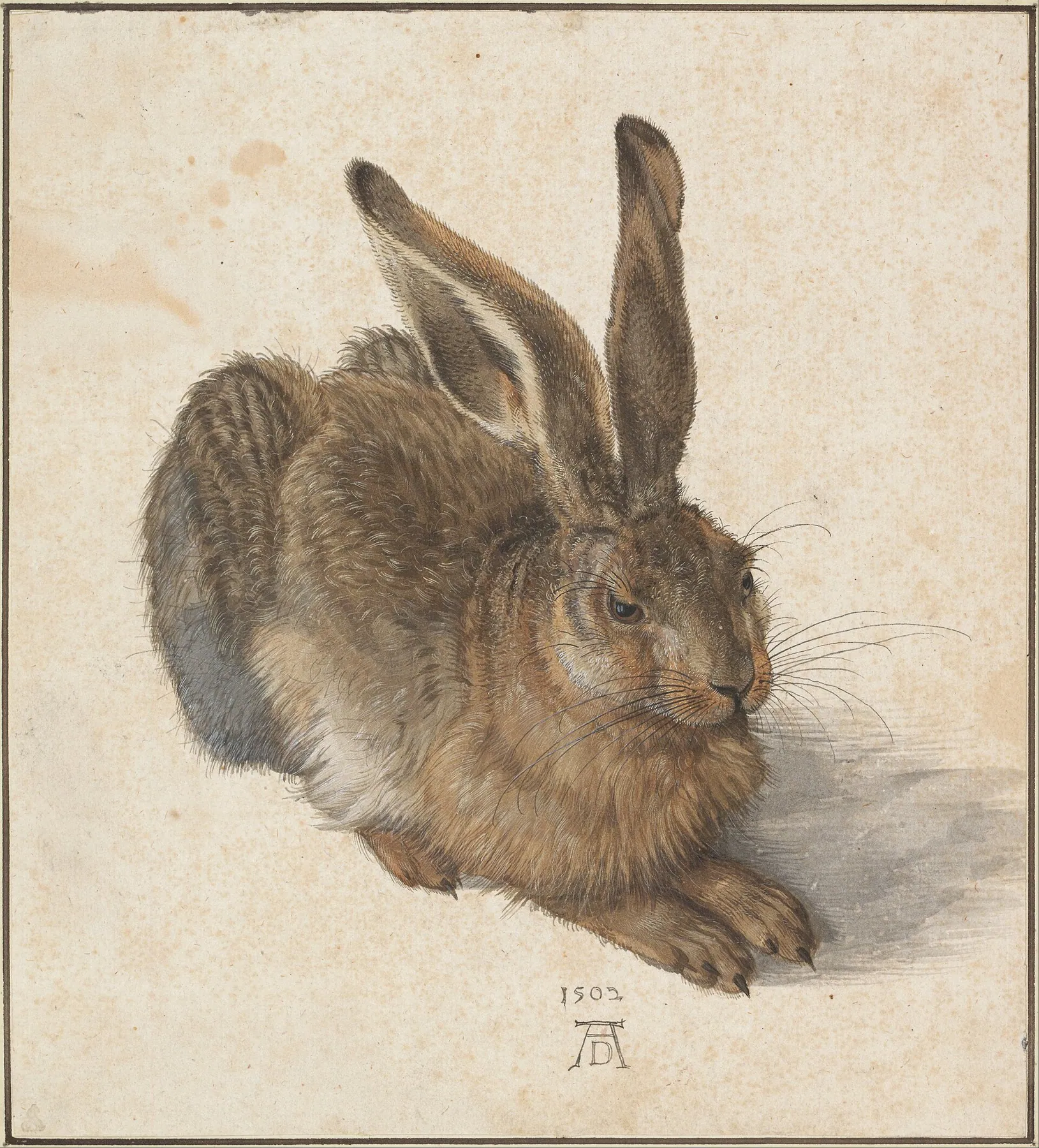
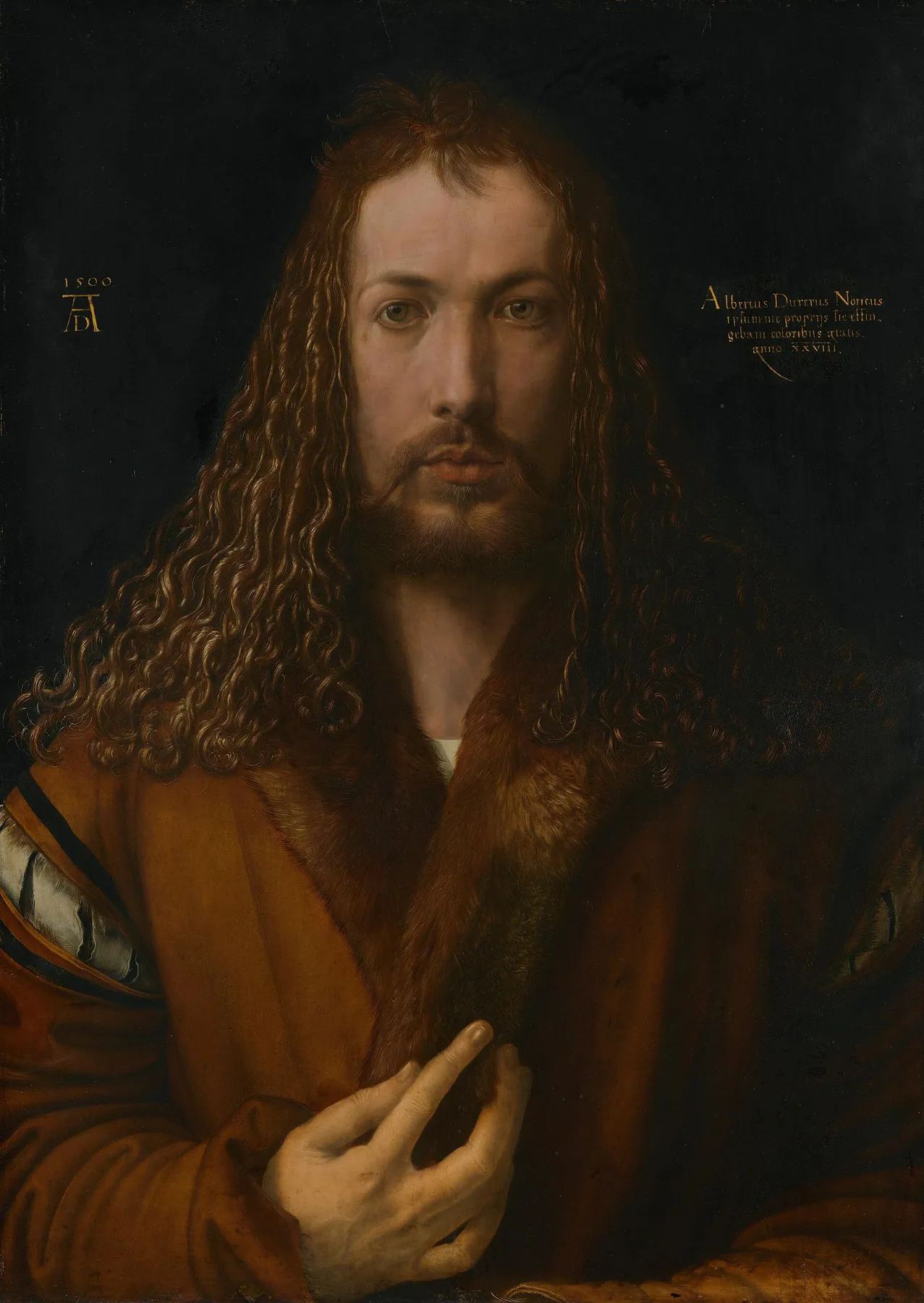
Techniques
- Oil on oak panel with a smooth white chalk ground that shines through thin layers.
- Many transparent glazes for deep, jewel-like colour.
- Tiny brushes for fine detail; texture described exactly (fur, brocade, metal, glass).
- Disguised symbolism: everyday objects carrying religious or moral meaning.
- Printmaking: woodcut and engraving, where line and hatching create all the tone.
- High viewpoints and panoramic landscapes (the 'world landscape').
How to paint in this style
- Prepare a very smooth white ground — sanded gesso on panel or smooth board.
- Make a precise line drawing; Northern painters often hatched shadows in the underdrawing.
- Lay a thin, transparent brownish imprimatura to tone the panel.
- Paint in thin layers, letting each dry. Build reds and greens by glazing over lighter layers.
- Render textures one by one: crisp highlights on metal, soft diffuse ones on velvet.
- Add the tiniest details last with a fine brush and a steady hand rest (mahl stick).
Lead white, lead-tin yellow, vermilion, red lake, azurite, ultramarine (sparingly), verdigris and copper-resinate greens, umbers and bone black.
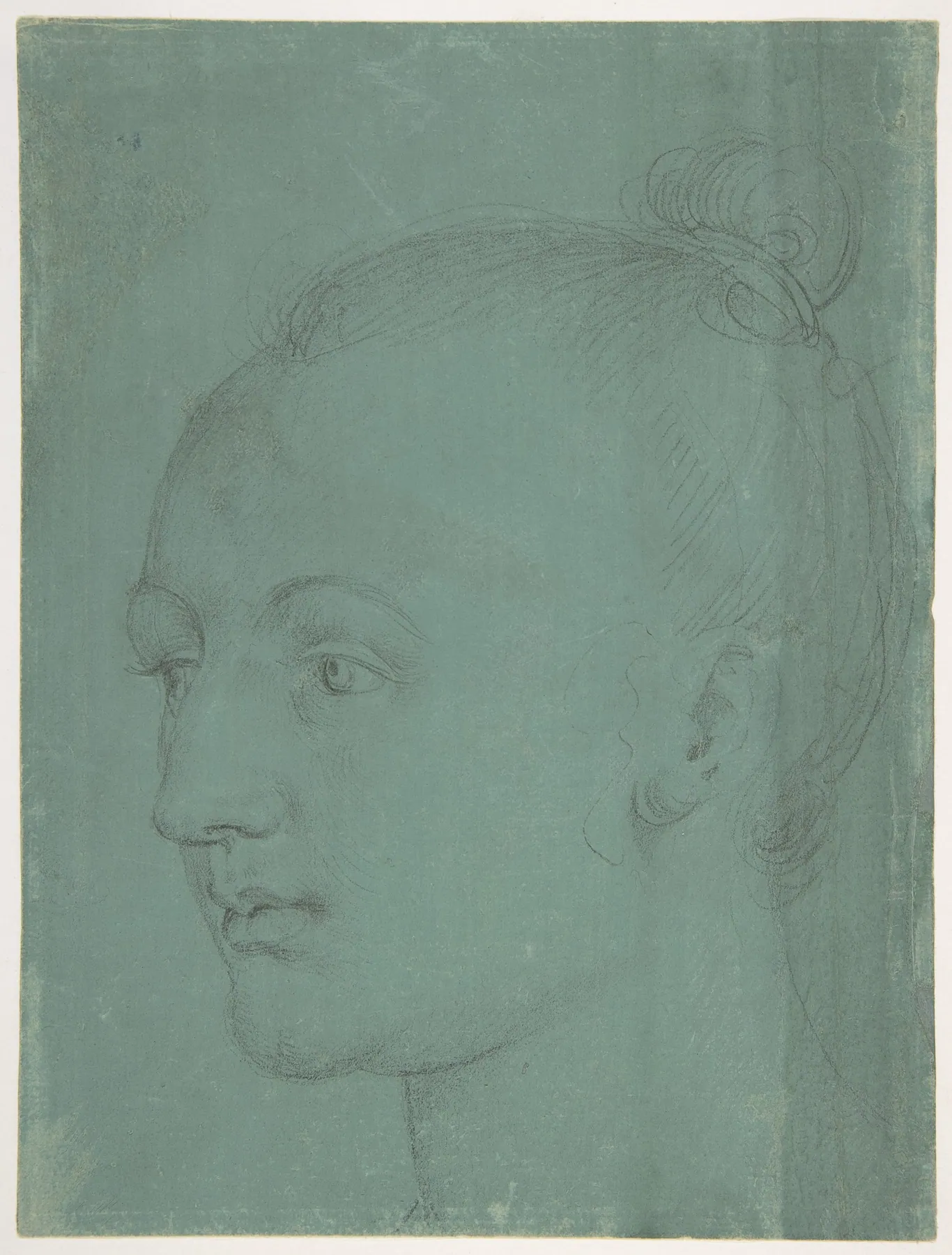
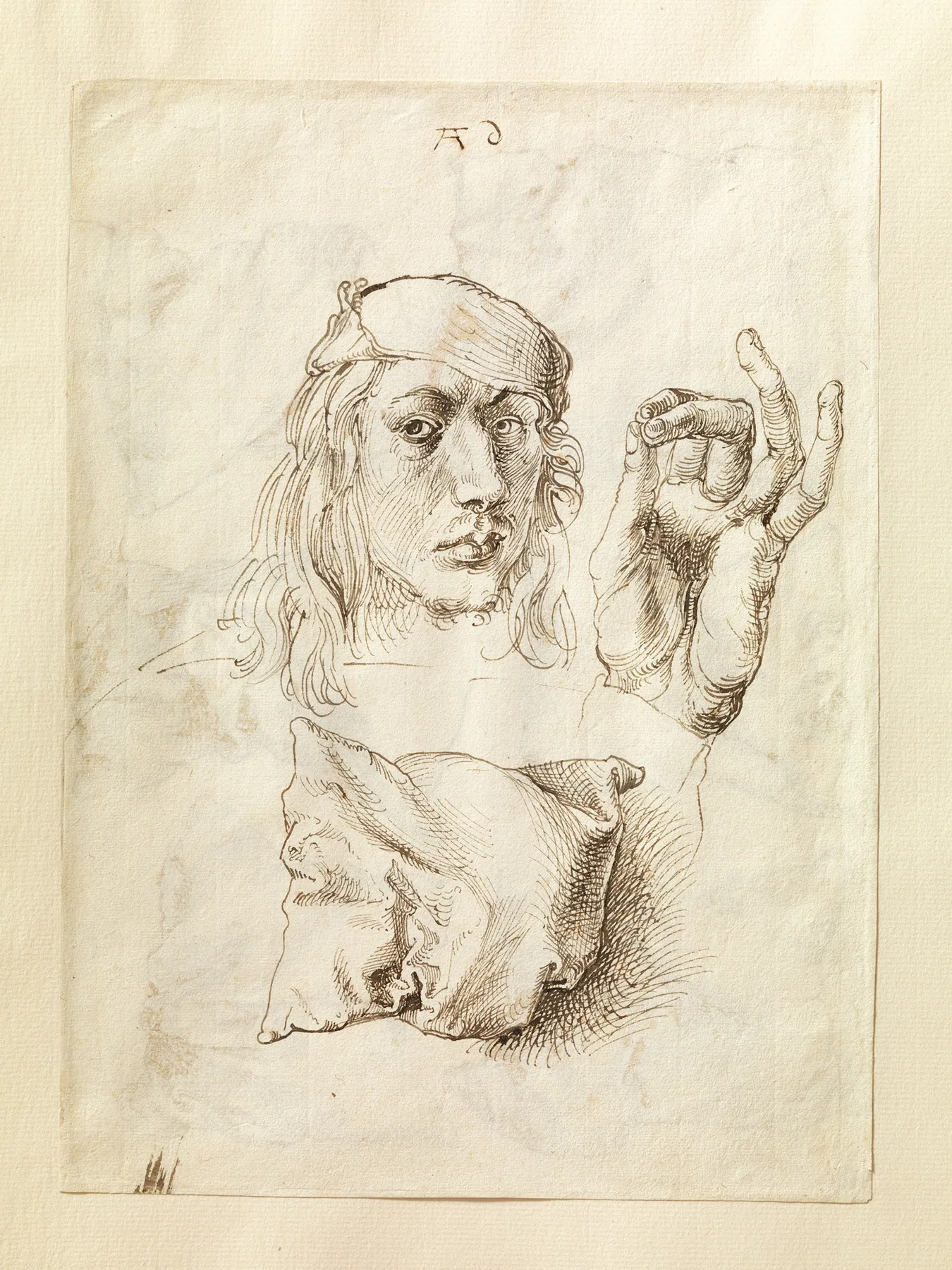
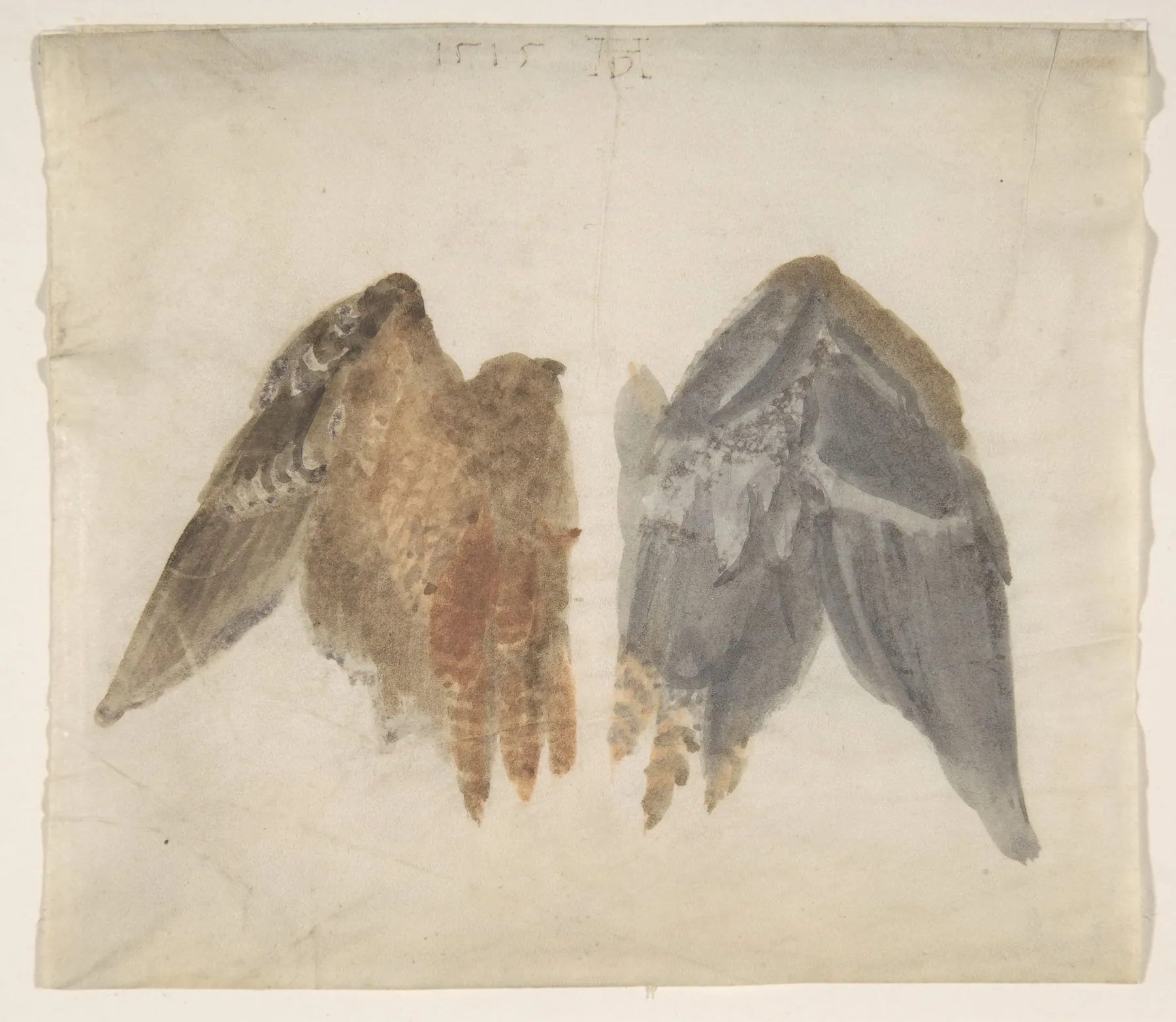
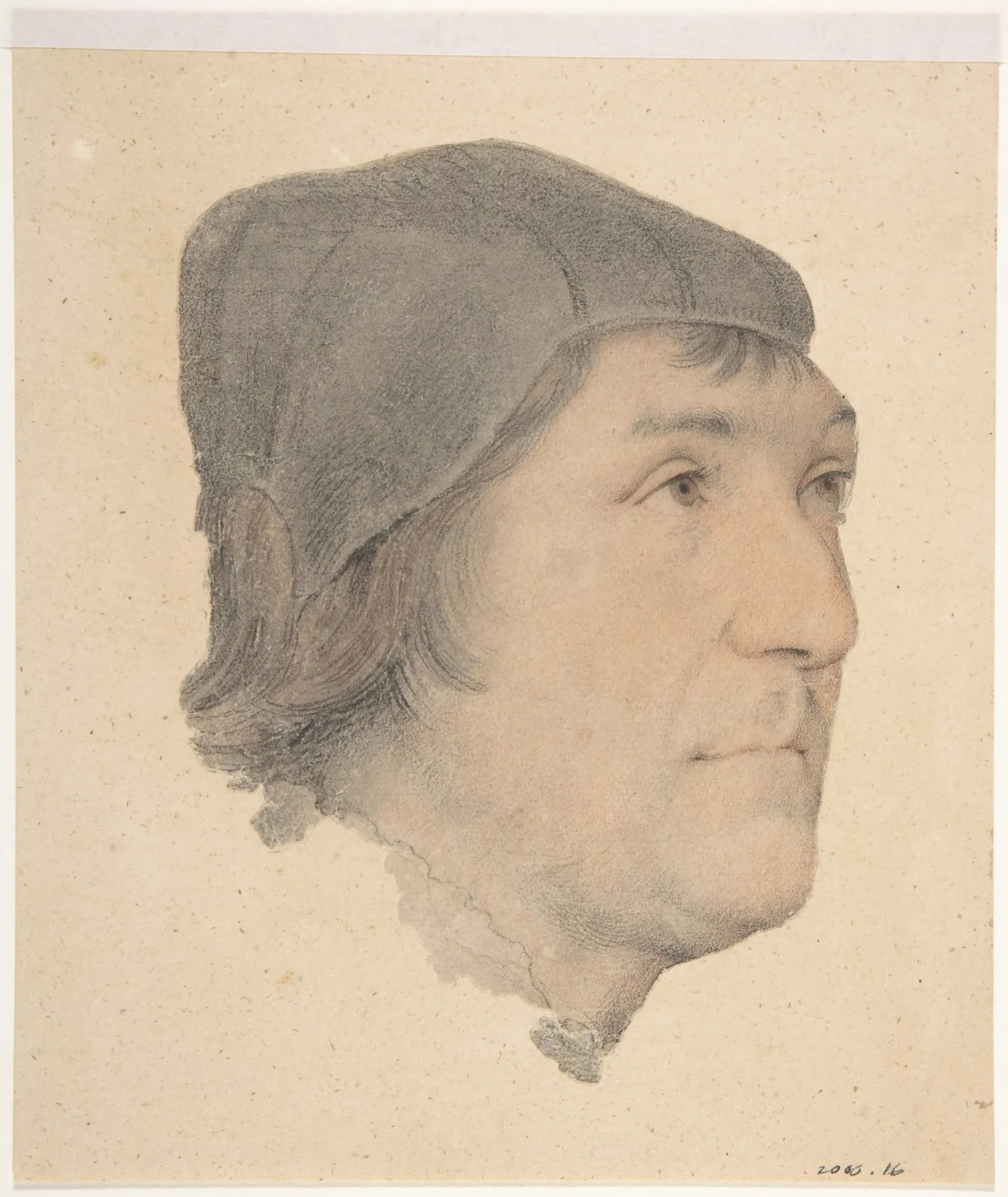
Drawings and studies
Watch
Jan van Eyck, The Arnolfini Portrait · Smarthistory
A closer look at 'The Arnolfini Portrait' | National Gallery · The National Gallery
Bruegel, Hunters in the Snow (Winter) · Smarthistory
Holbein's Ambassadors: theories, questions and what you need to know | National Gallery · The National Gallery
Videos load from YouTube (privacy-enhanced mode) only when you press play.