The still life
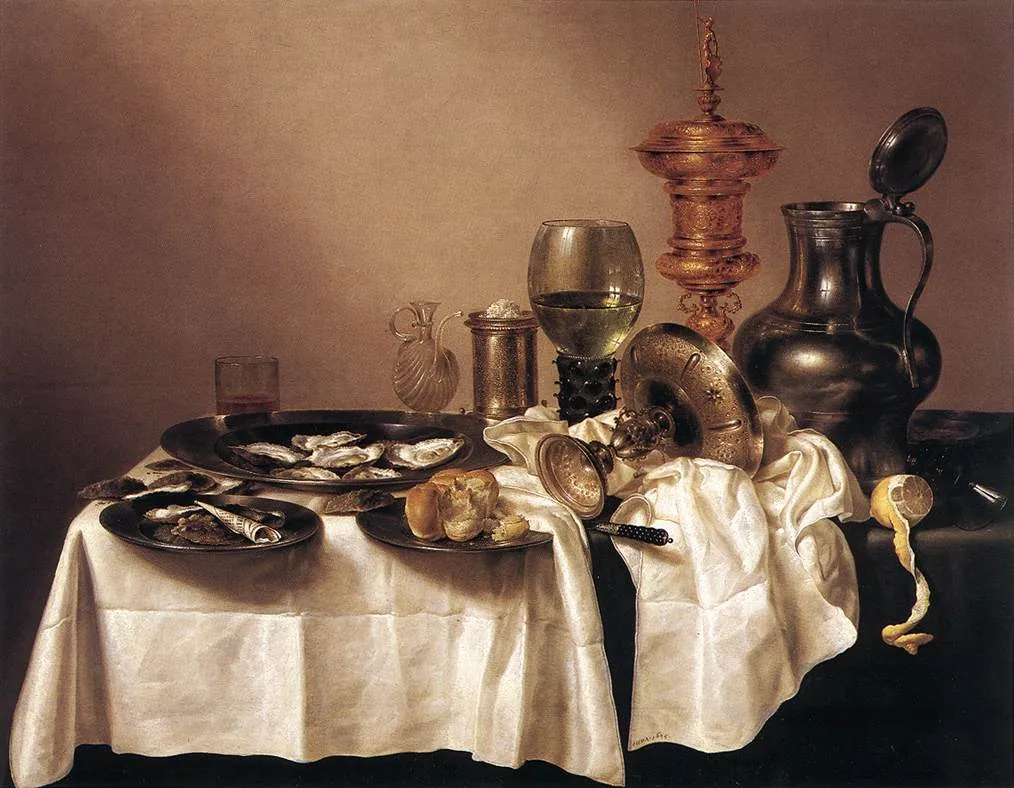
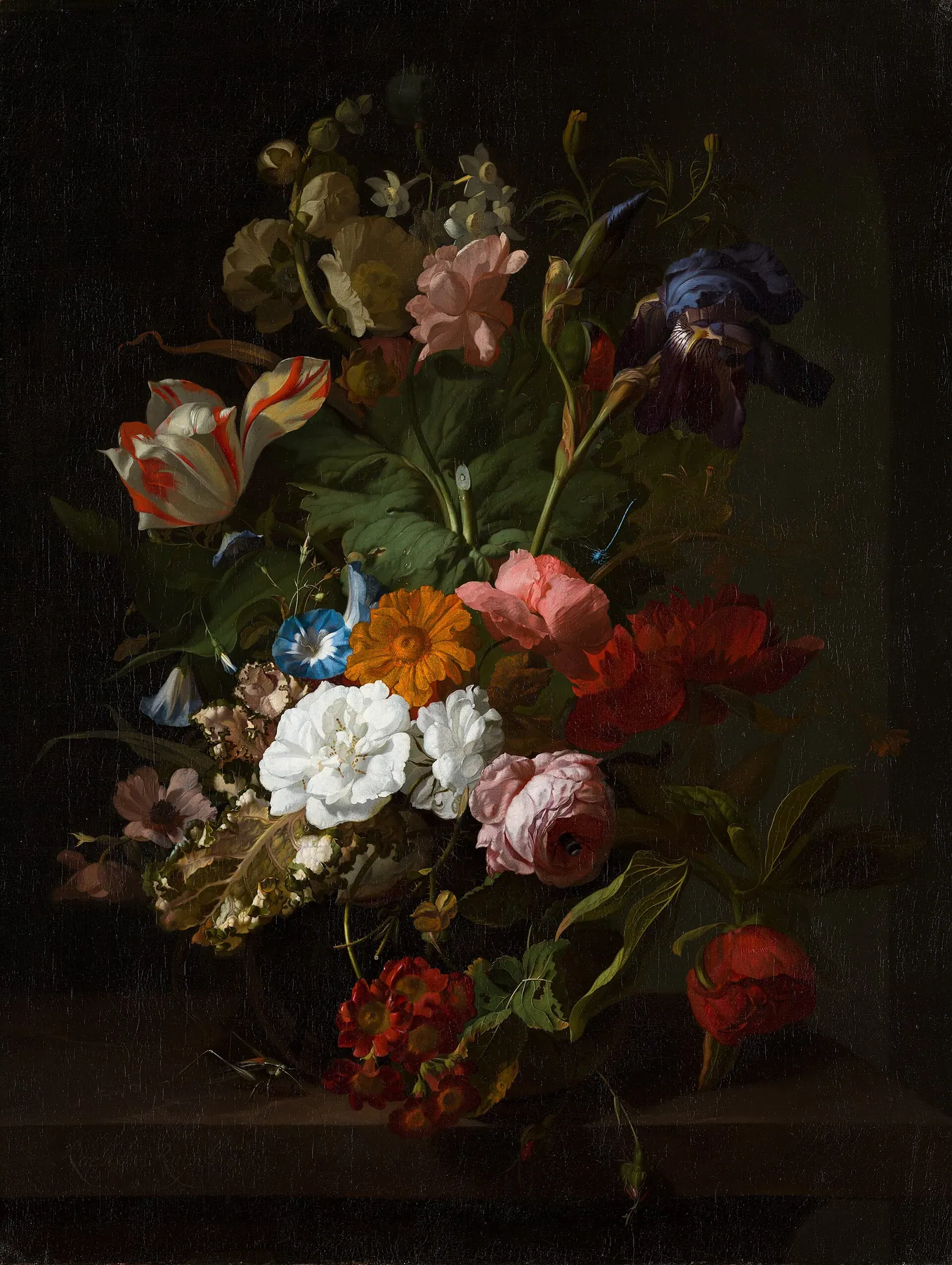
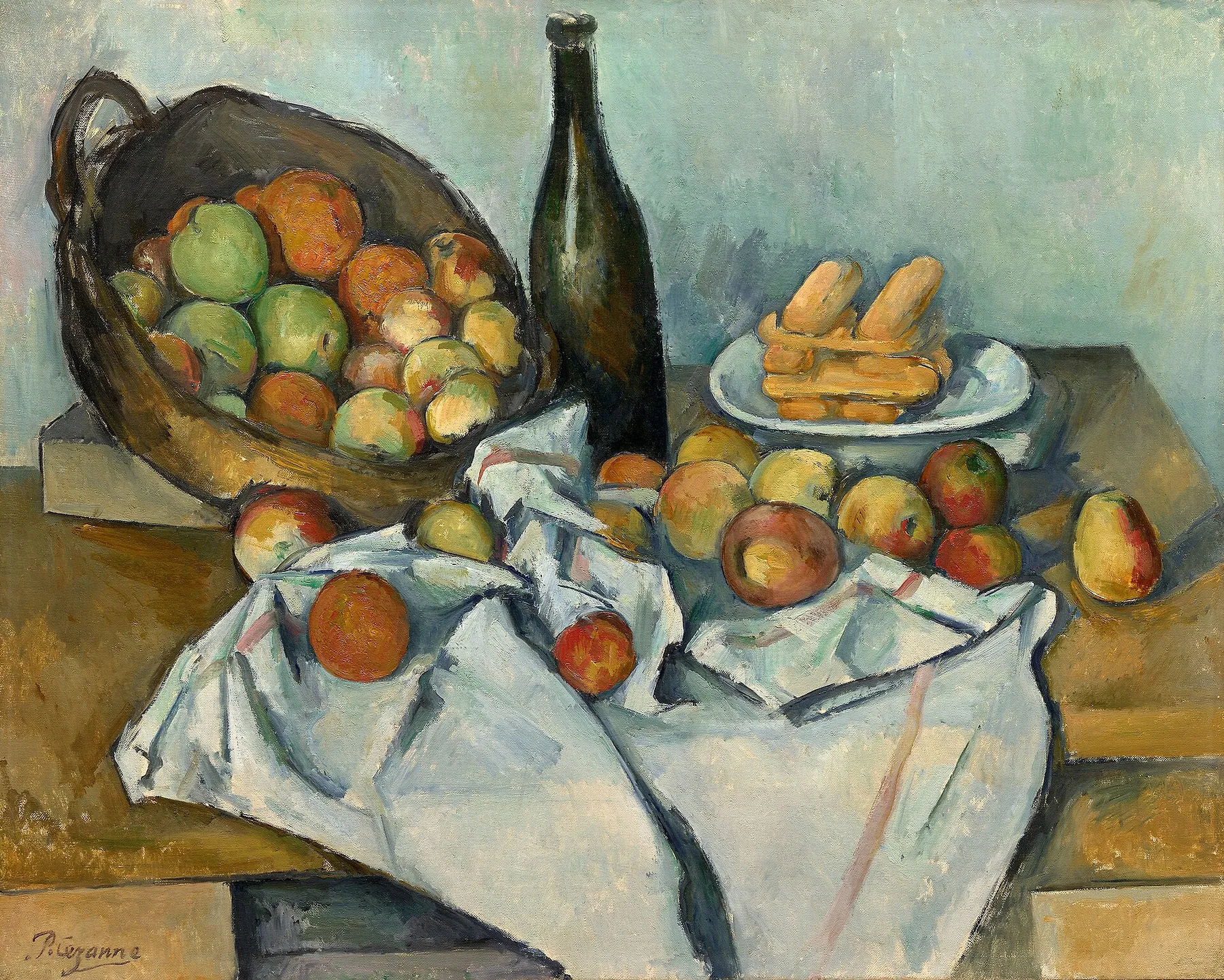
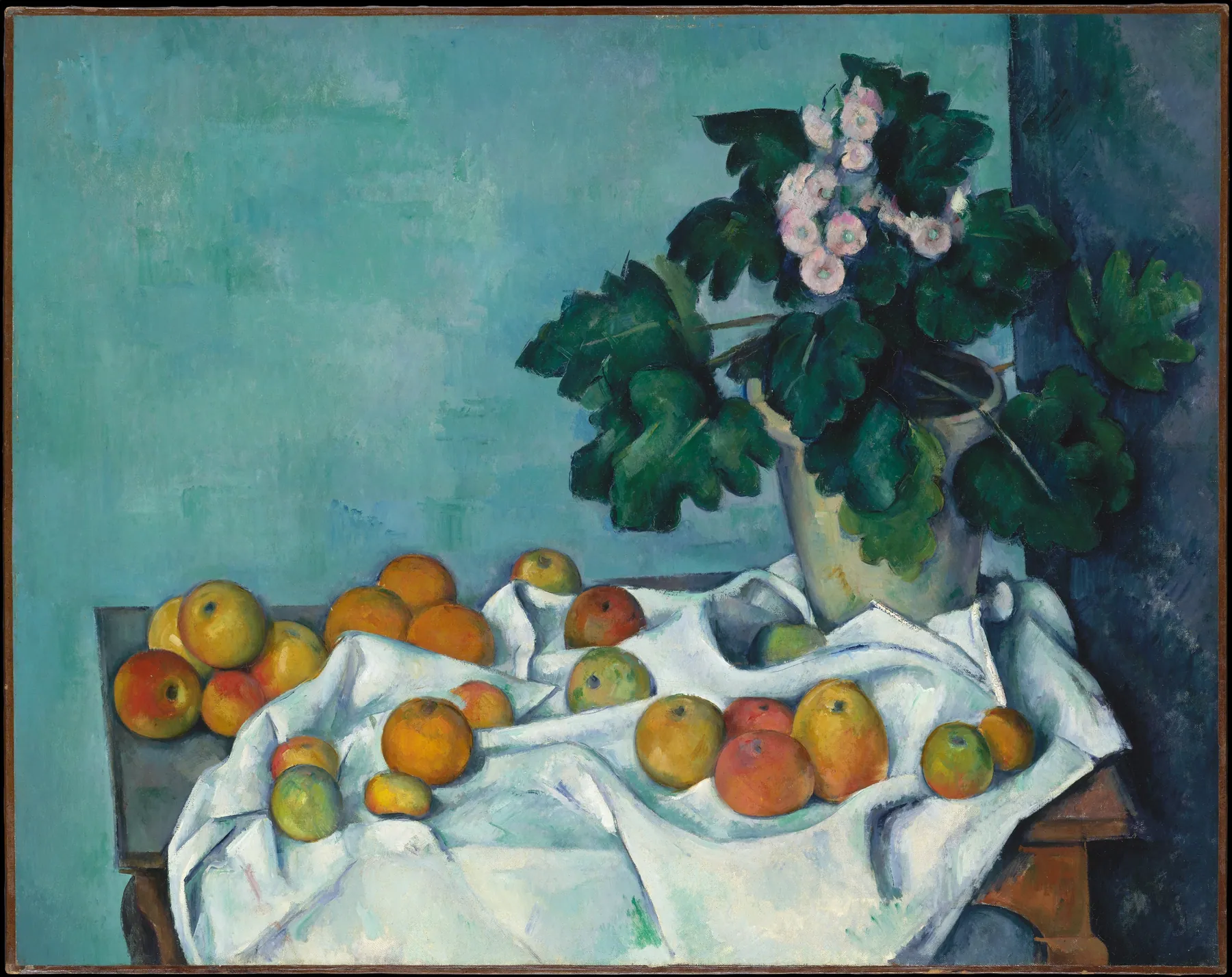
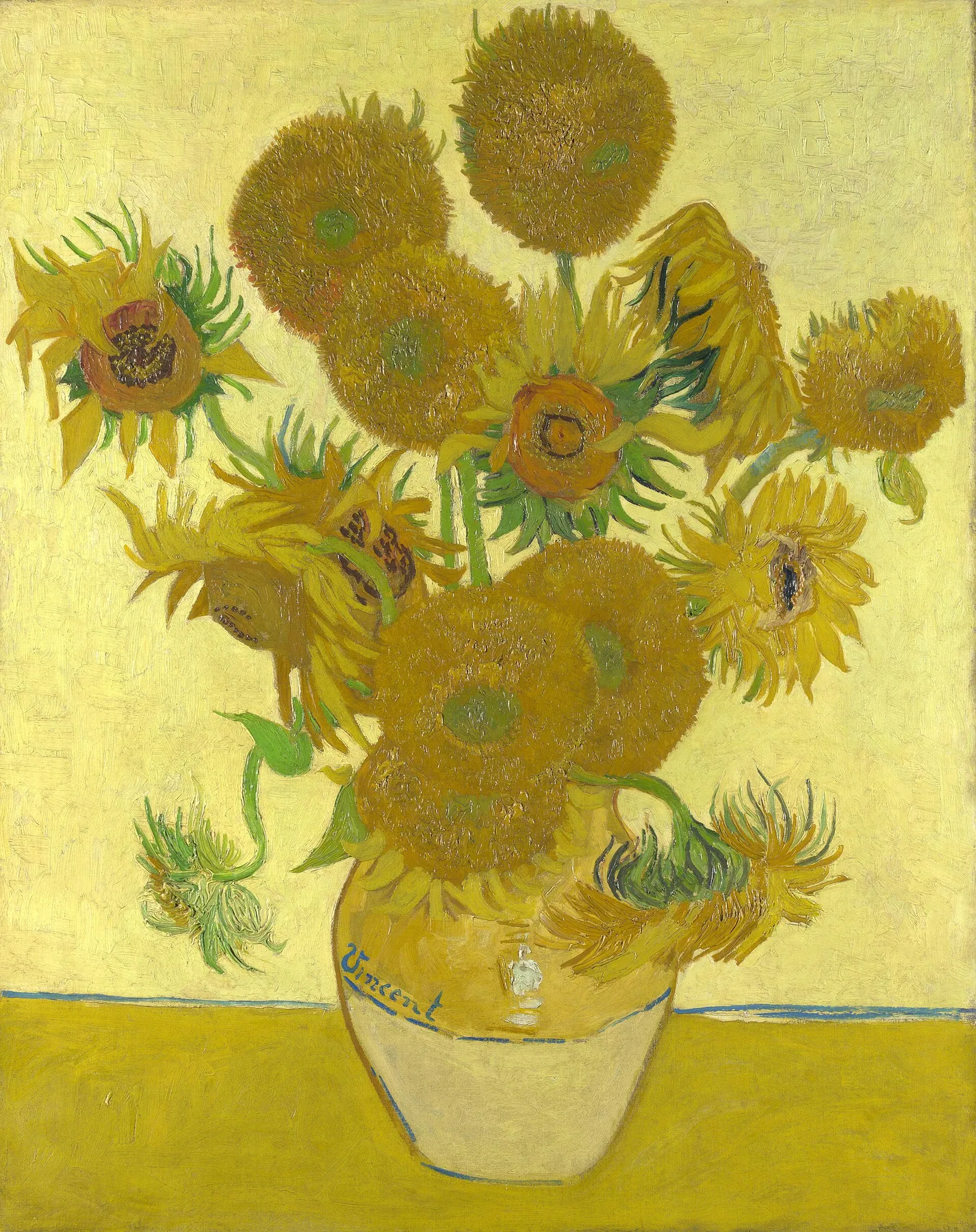
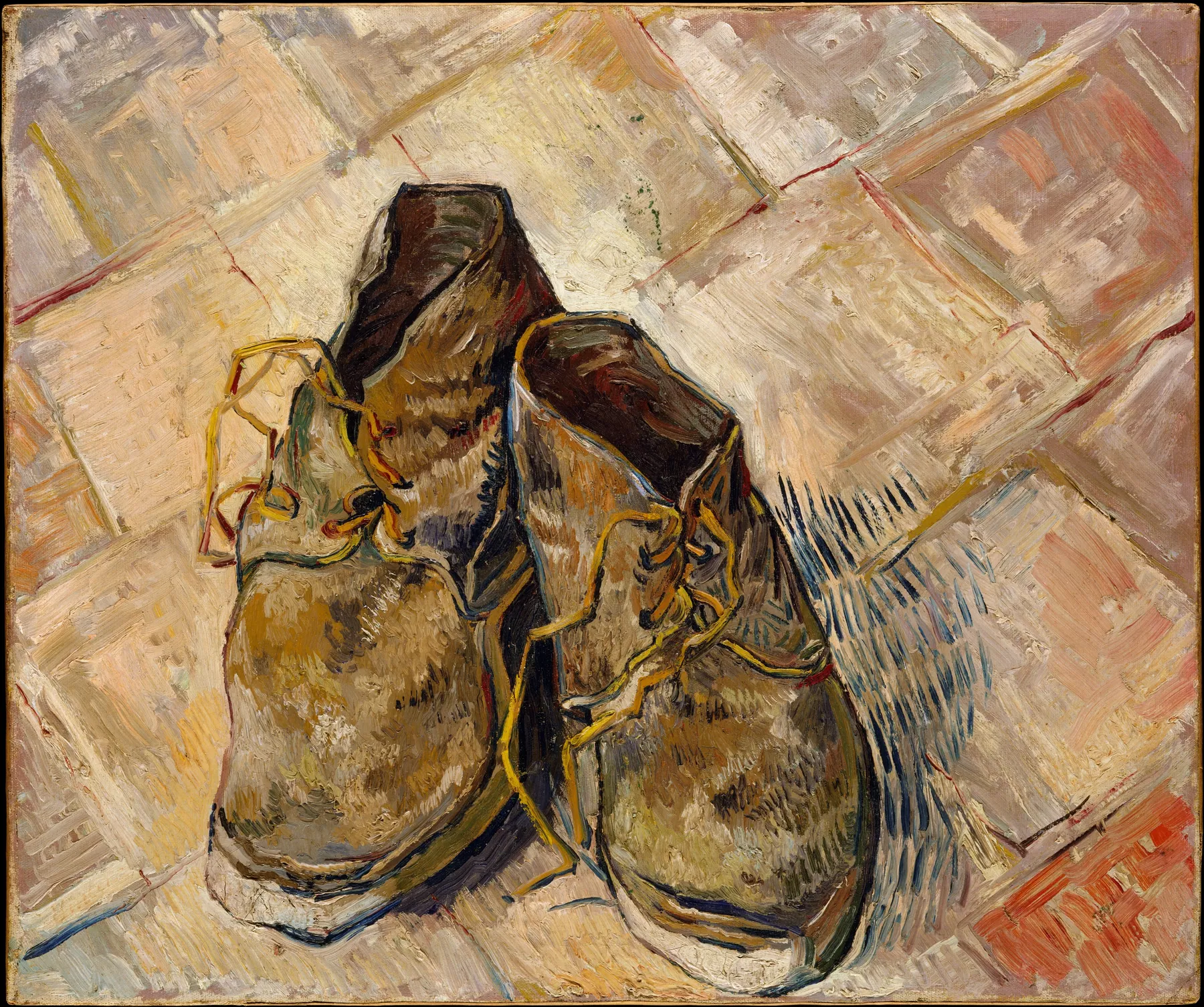
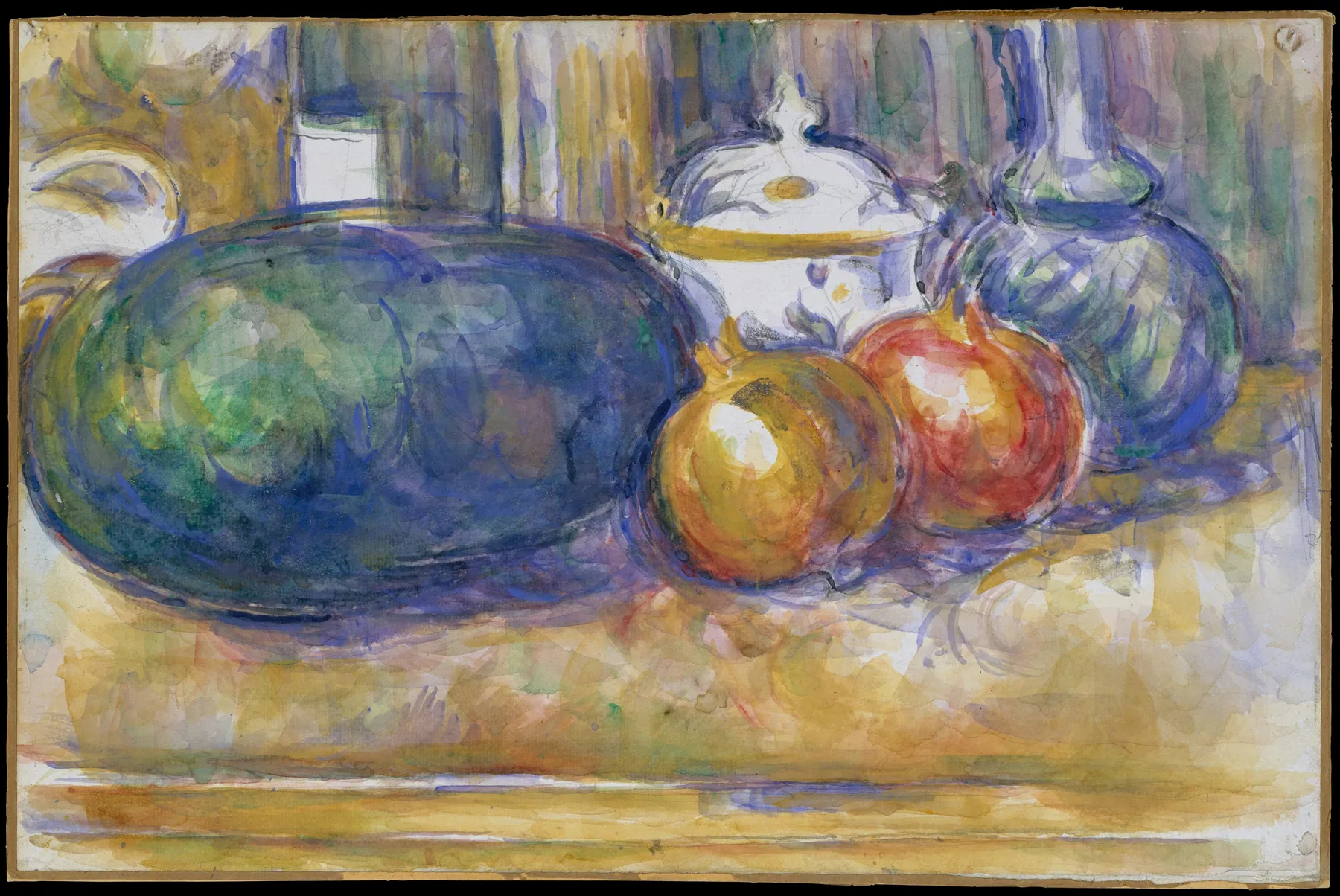
Still life is the painter's laboratory: you control the objects, the light and the time. Dutch painters made it a showcase for texture; Cézanne turned it into a study of structure.
Setting up
Use a single light source, a plain backdrop and a few objects of different shapes, sizes and materials. Overlap them and vary the spacing. Leave one object as the clear star.
Dutch 'vanitas' still lifes carry symbols — a snuffed candle, a skull, a peeled lemon — reminders that life is short. Cézanne tilted tables and fruit to show them from several points of view.
Rendering surfaces
Matte surfaces show a gradual transition from light to shadow; shiny ones have sharp highlights and reflections of their surroundings. Glass and metal are mostly reflections — paint what you see, not what you know.
Try it
- Arrange three objects with one light and do a 10-minute value study.
- Paint the shadow shapes as one dark mass.
- Add the lights, then the reflections and highlights last.
Examples to study
Watch
How to Set up a Still Life That Isn't Boring: Simple Tricks & Lighting for Beginners · Art Prof: Your Art School
Videos load from YouTube (privacy-enhanced mode) only when you press play.