c. 1886–1905. Post-Impressionists took Impressionism's bright colour and pushed it in new directions: scientific dots, emotional brushwork, solid geometric structure and flat symbolic colour.
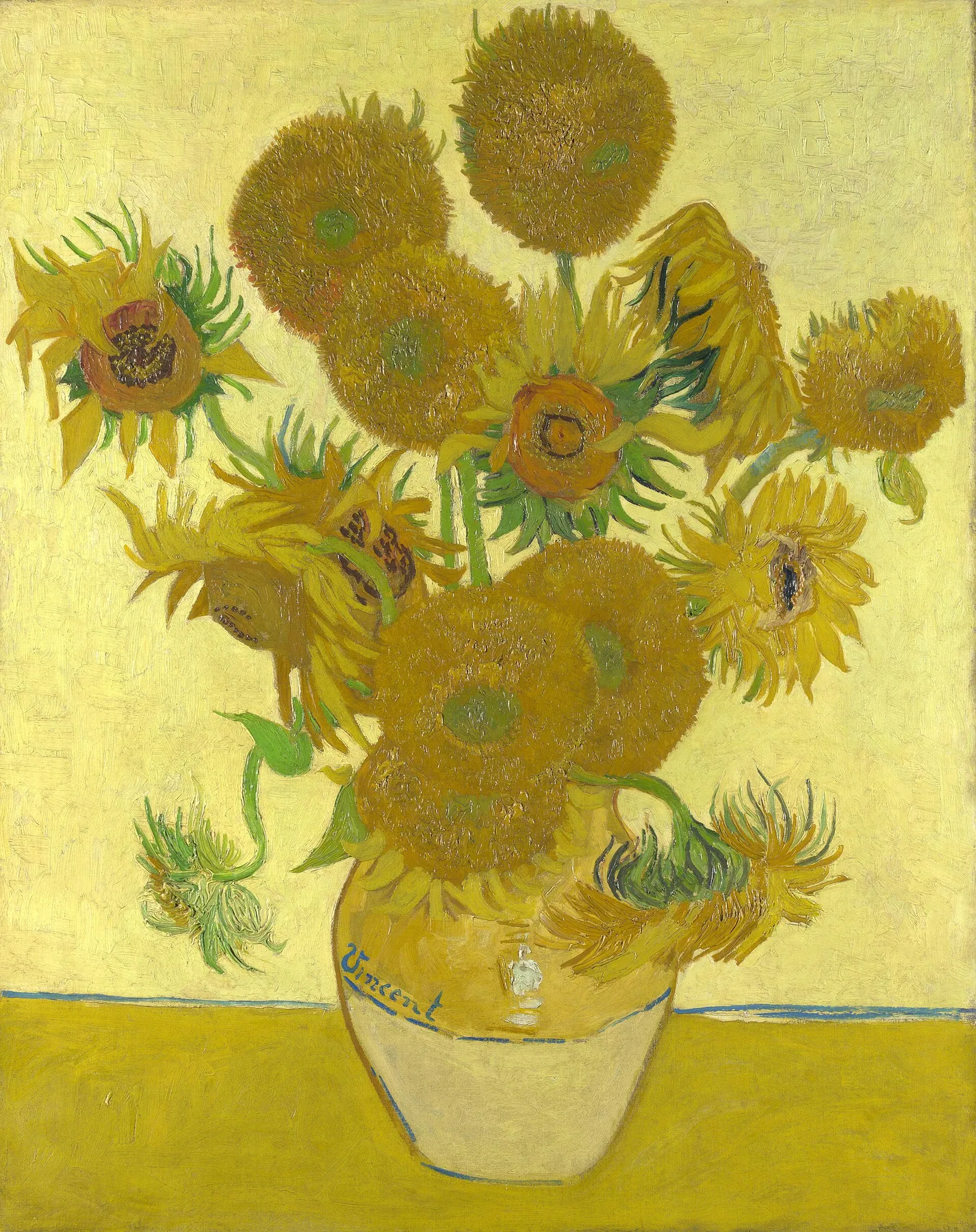
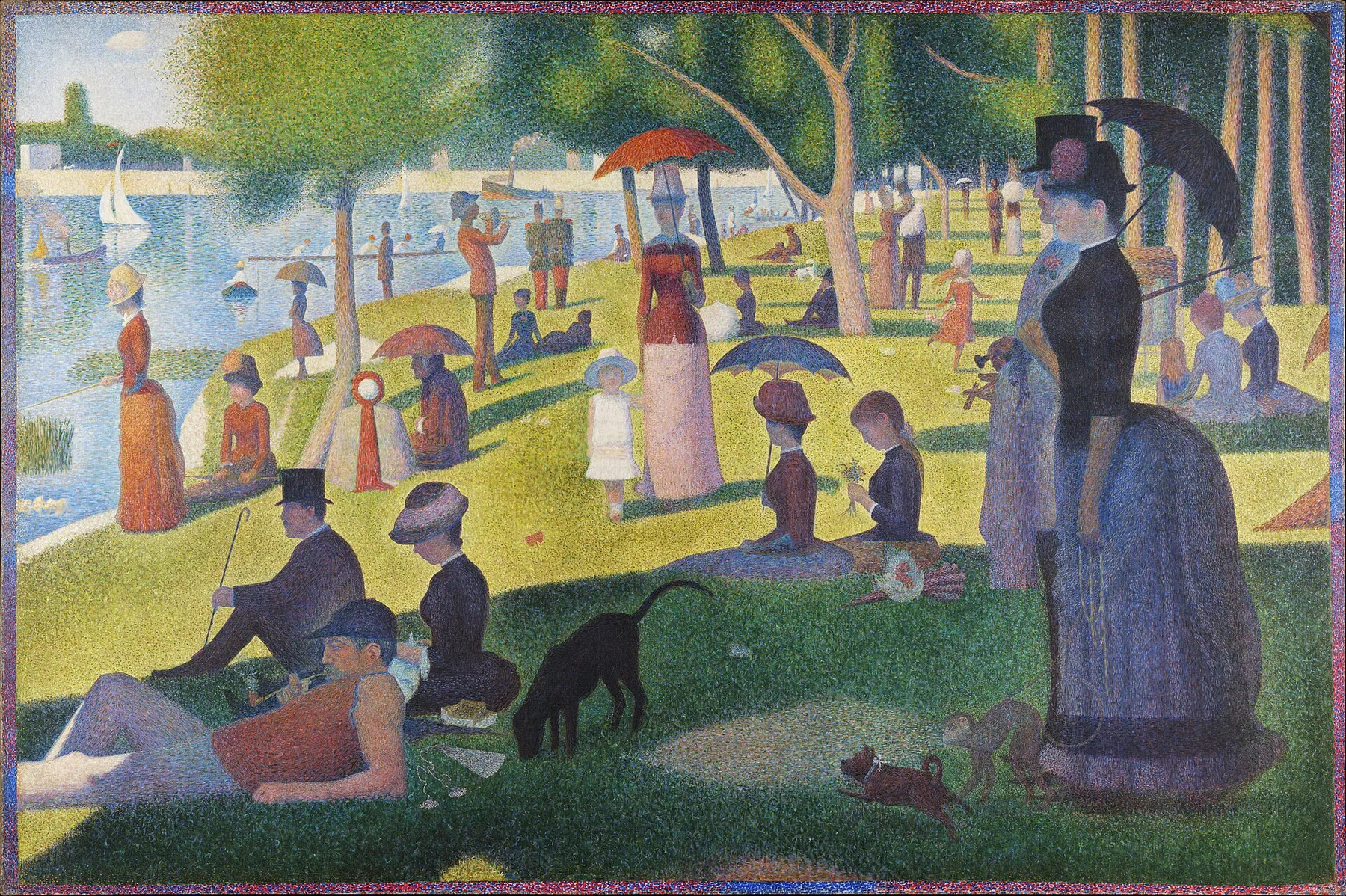
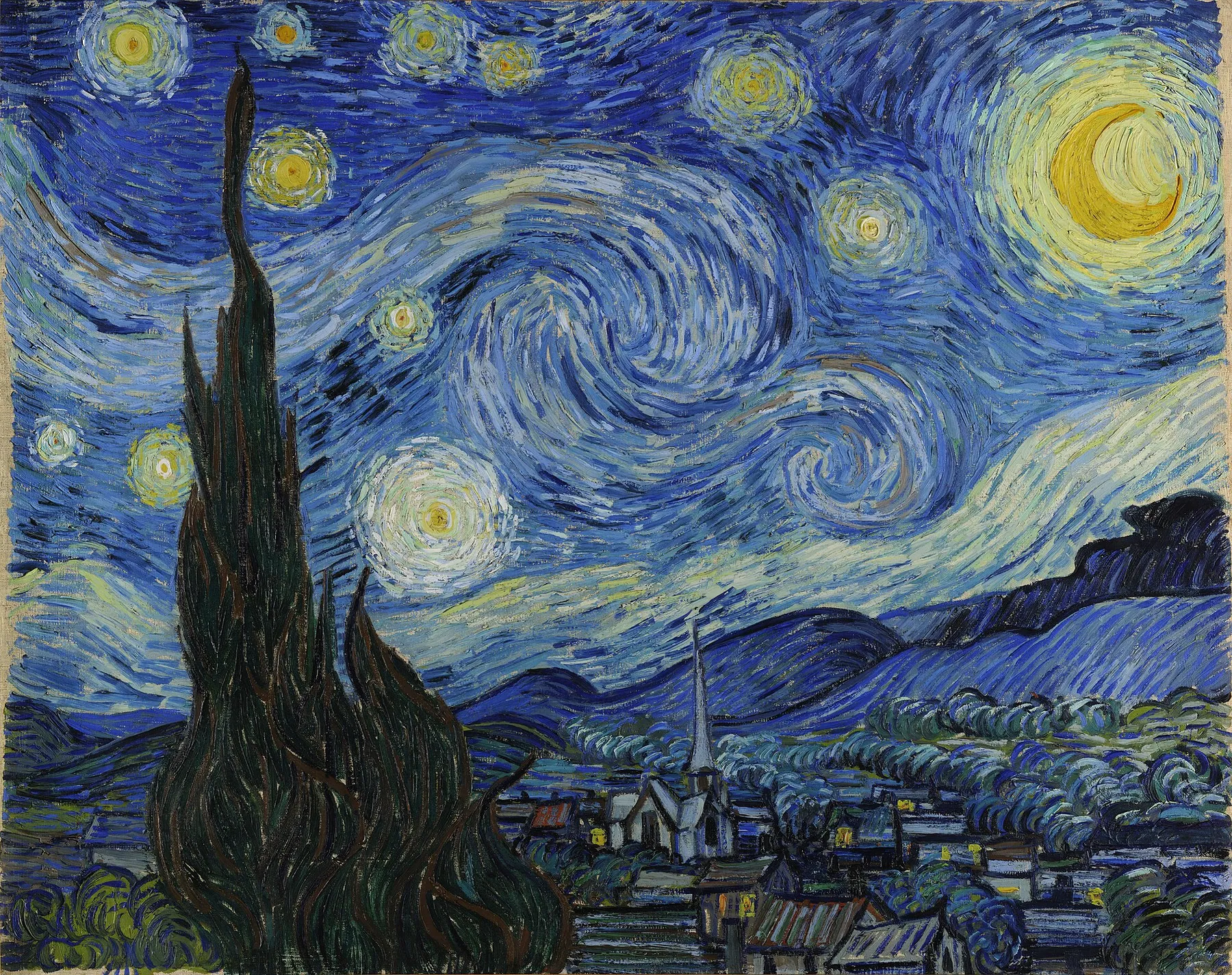
◎ notesA Sunday on La Grande Jatte, Georges Seurat (1884–1886). Oil on canvas. Art Institute of Chicago. Source: Wikimedia Commons · Public domain◎ notesThe Starry Night, Vincent van Gogh (1889). Oil on canvas. Museum of Modern Art, New York. Source: Wikimedia Commons · Public domainSunflowers, Vincent van Gogh (1888). Oil on canvas. The National Gallery, London. Source: Wikimedia Commons · Public domain
Context
'Post-Impressionism' is not one style but a group of very different painters working after the last Impressionist exhibition of 1886.
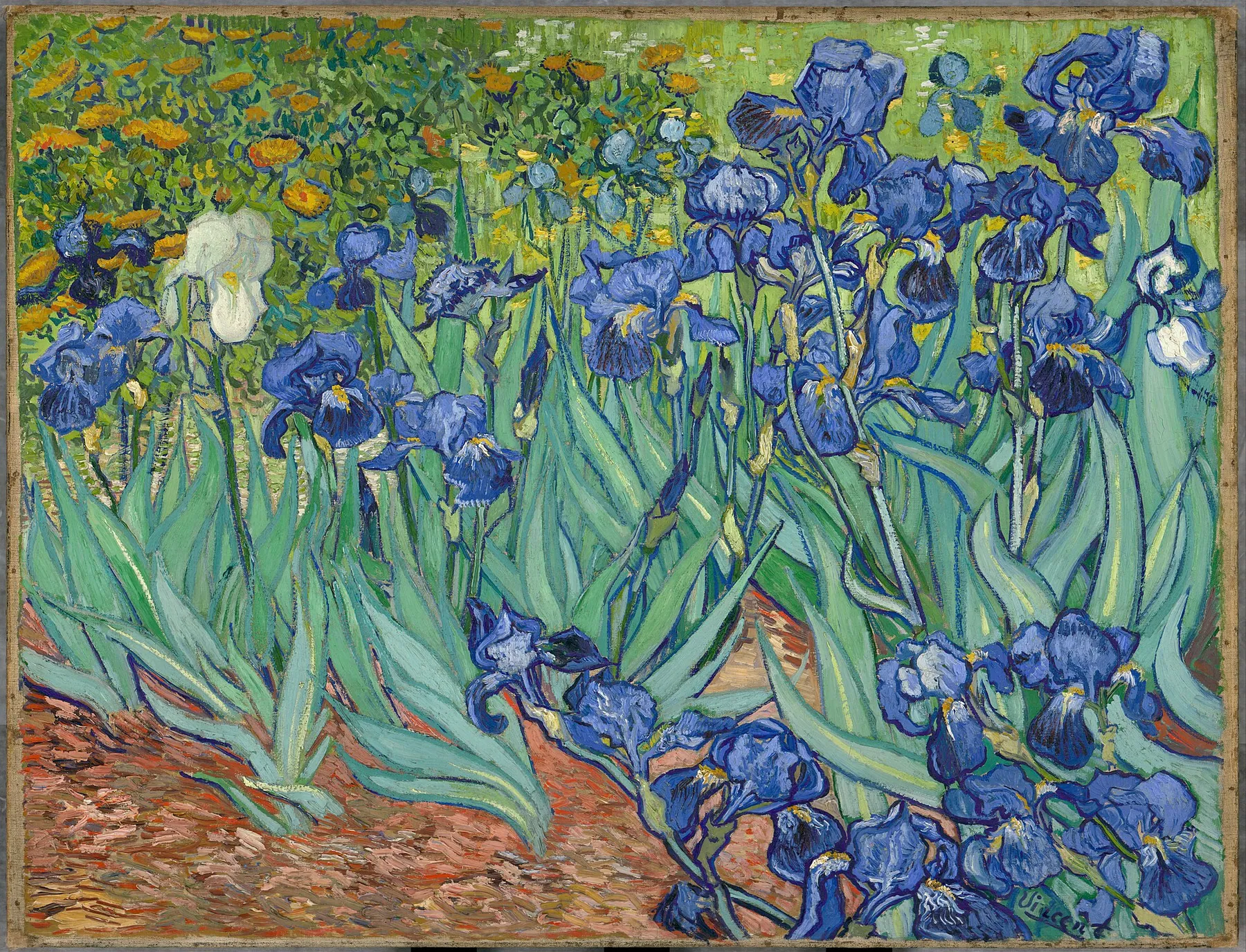
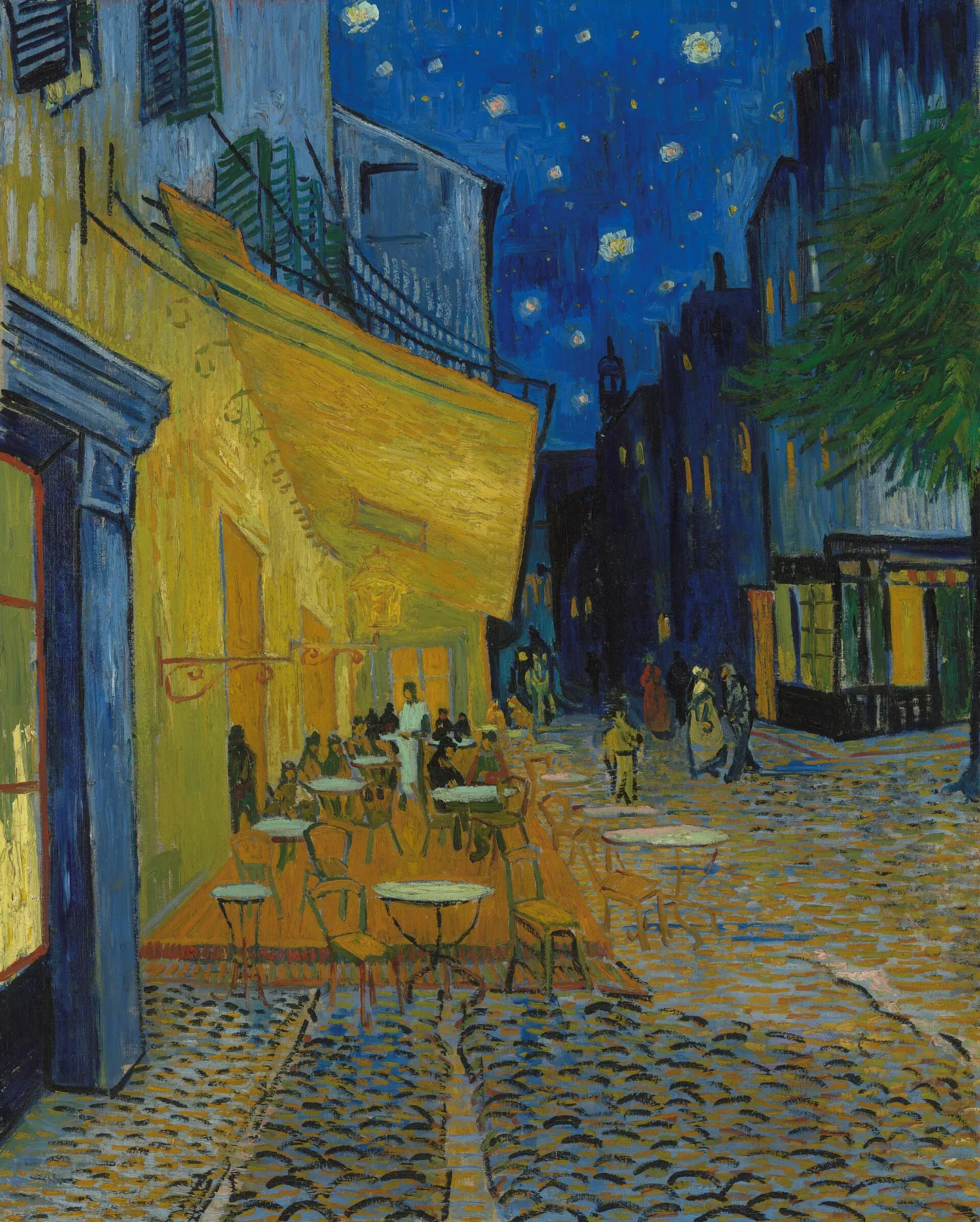
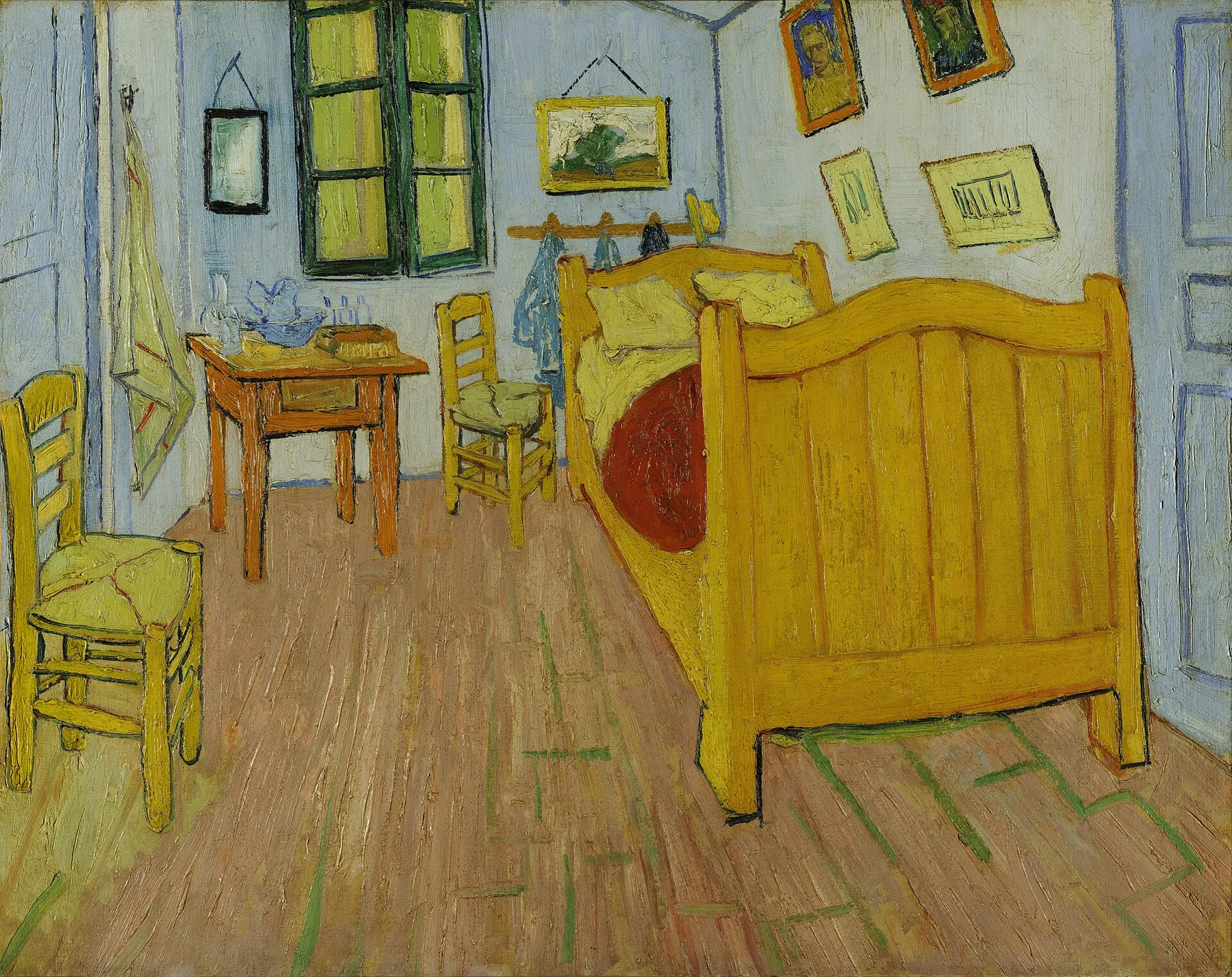
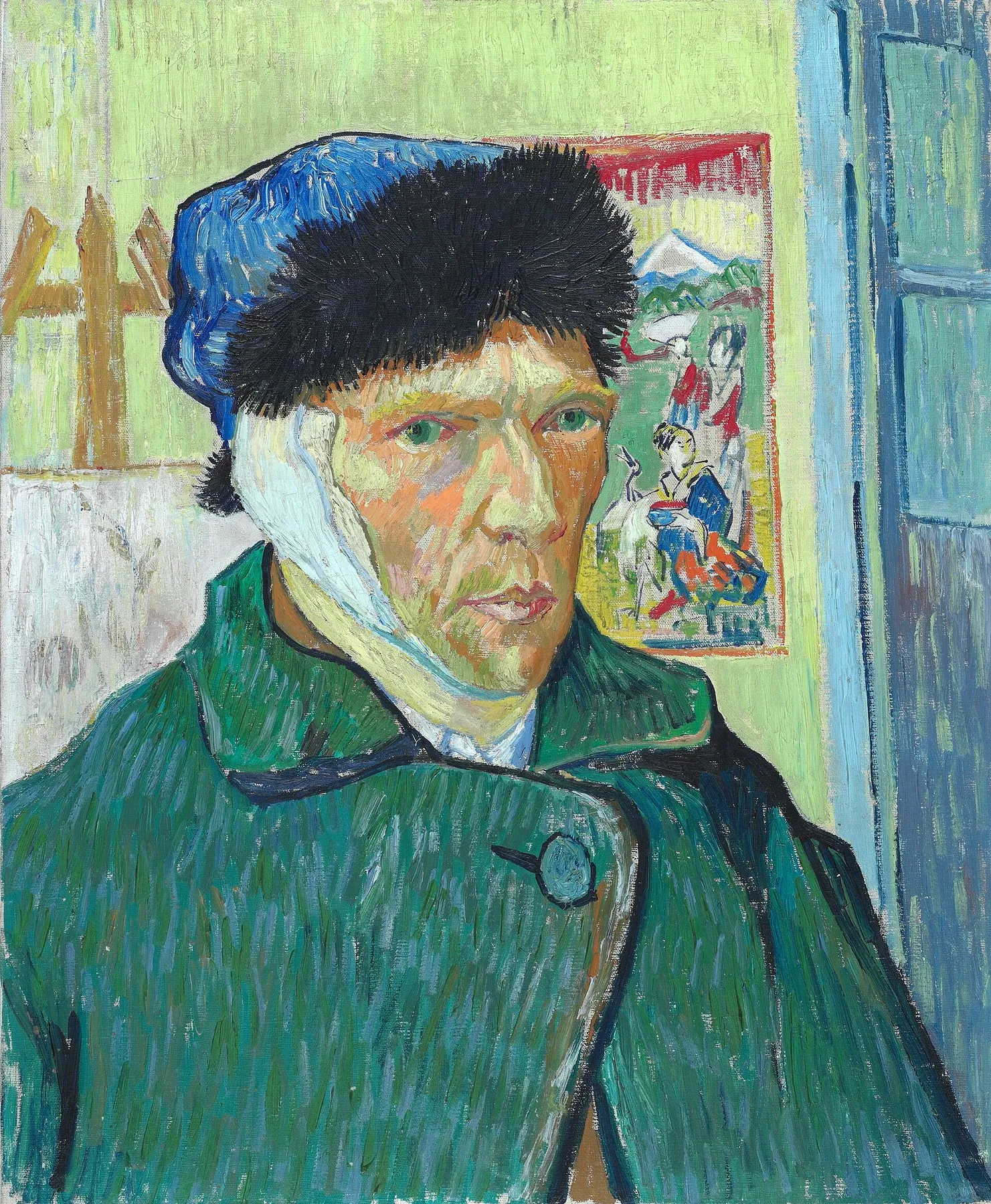
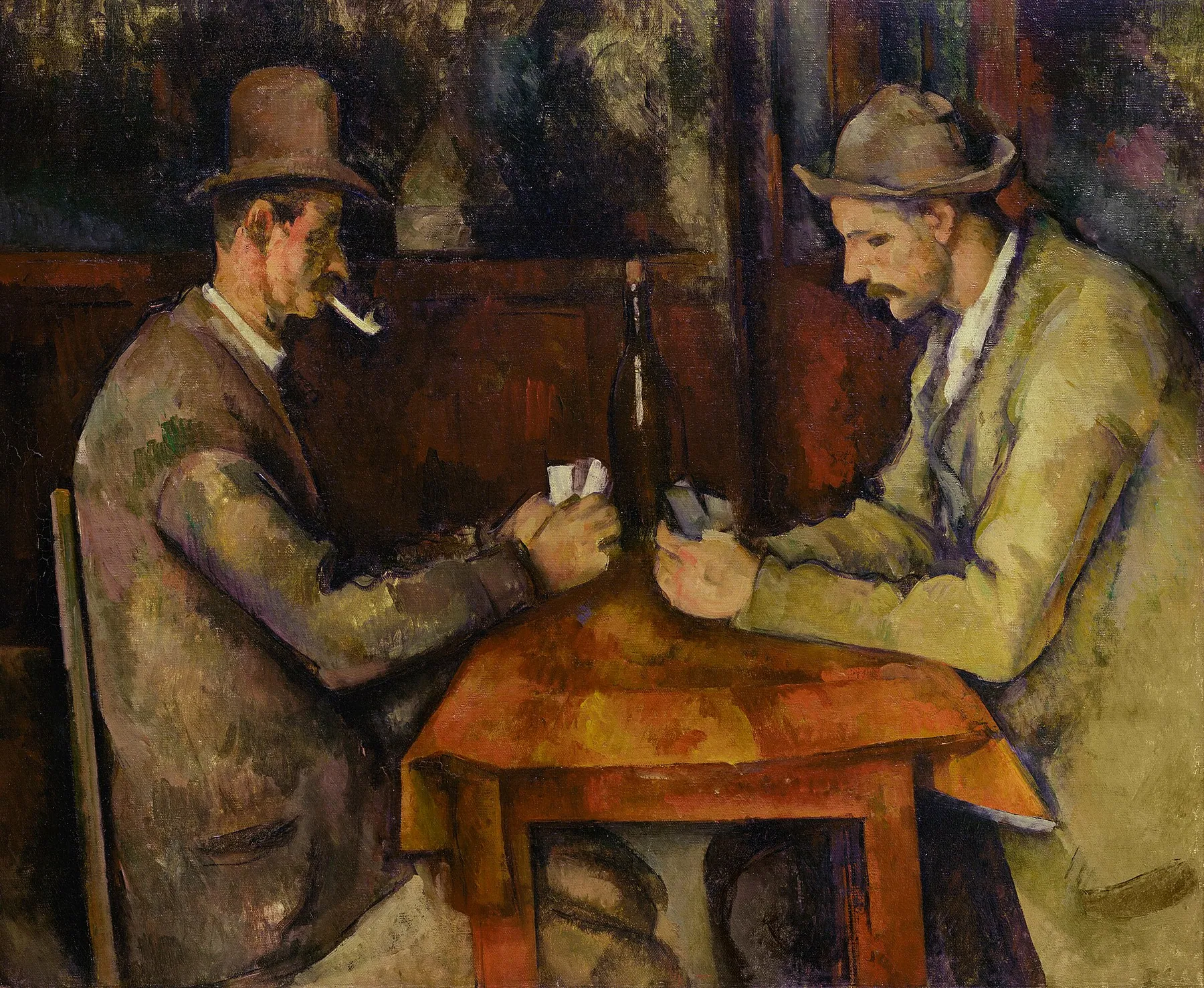
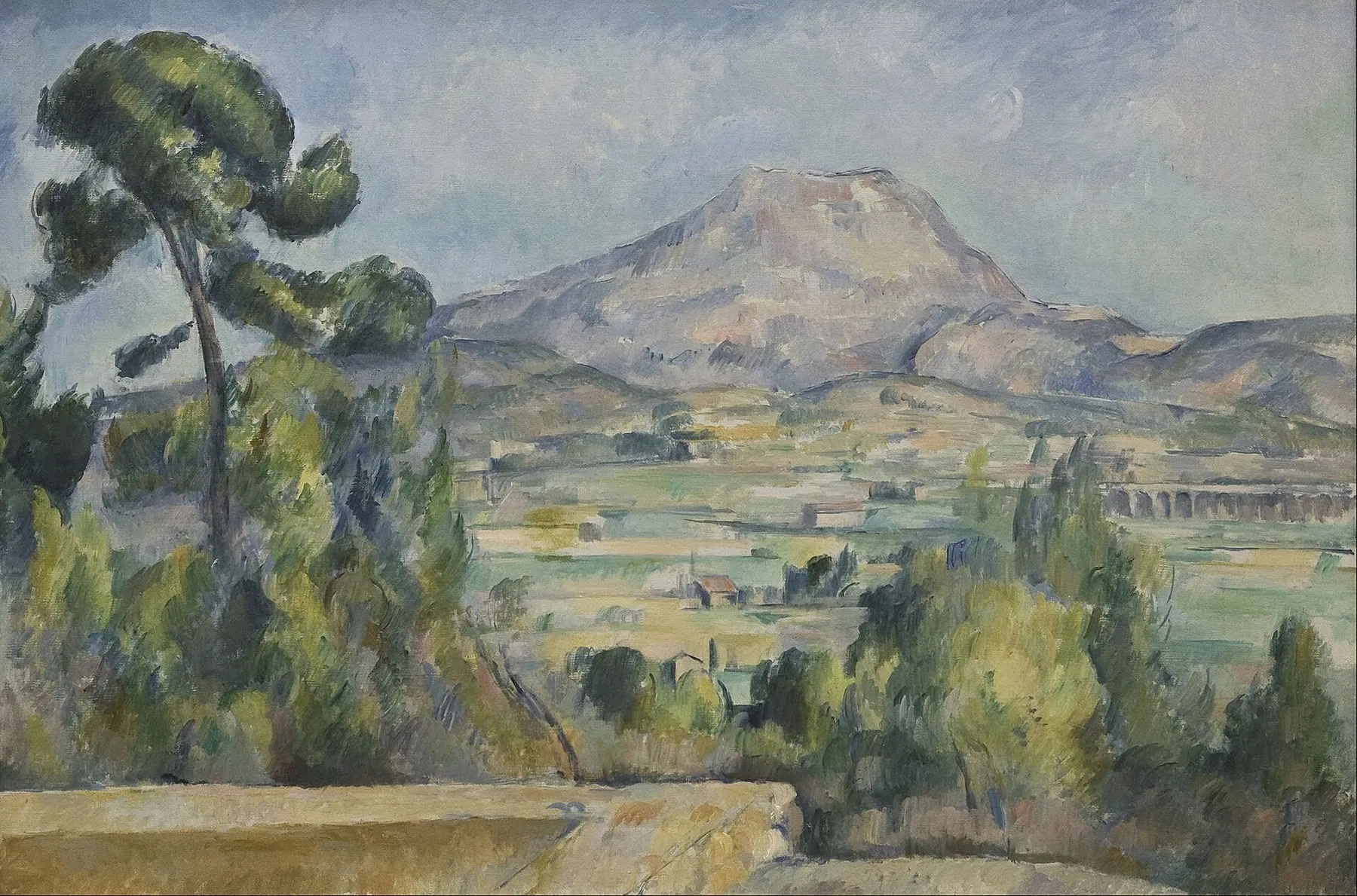
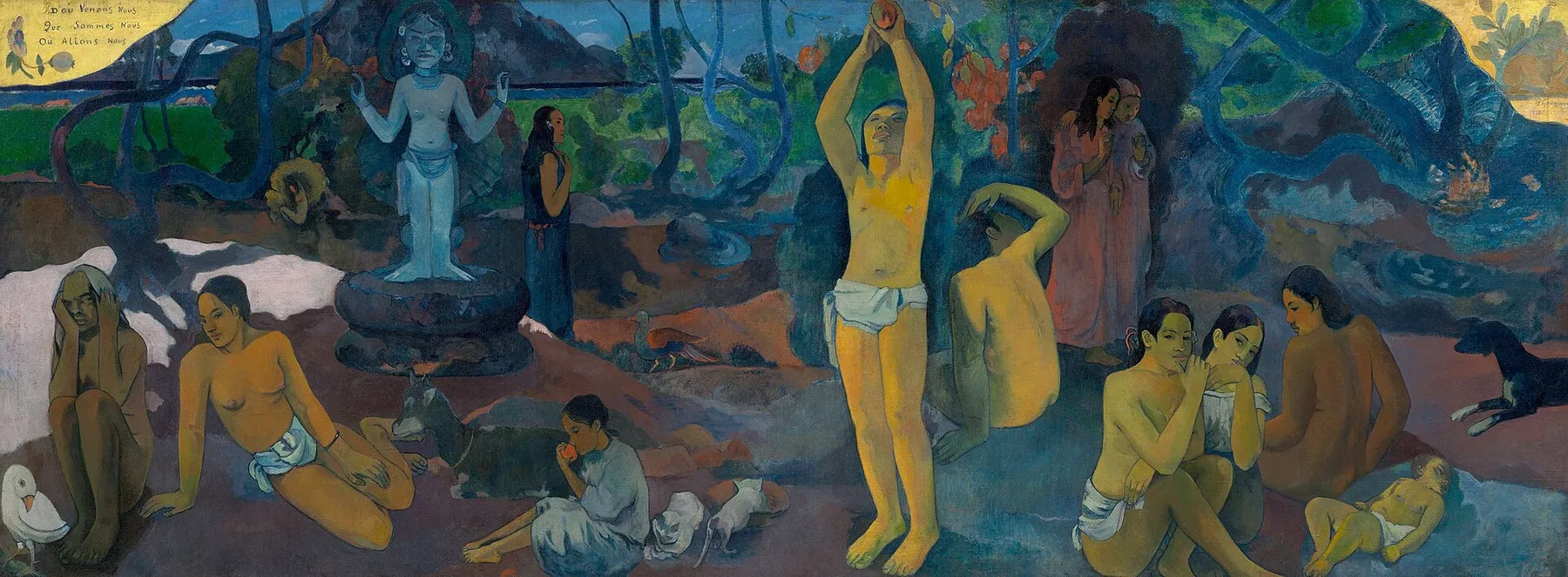
Seurat applied colour science (pointillism); Cézanne rebuilt nature from planes and patches of colour; Van Gogh used colour and thick brushwork for emotion; Gauguin used flat colour and simplified forms for symbolic meaning.
Their work led directly to the 20th century: Cubism grew from Cézanne, Fauvism and Expressionism from Van Gogh and Gauguin.
Key artists
Artist
Life
Known for
Georges Seurat
1859–1891
Pointillism: A Sunday on La Grande Jatte.
Paul Cézanne
1839–1906
Structure from colour: Mont Sainte-Victoire, The Card Players.
Vincent van Gogh
1853–1890
Emotional colour and impasto: The Starry Night, Sunflowers.
Paul Gauguin
1848–1903
Flat, symbolic colour: Where Do We Come From?
Henri de Toulouse-Lautrec
1864–1901
Paris nightlife and posters.
Henri Rousseau
1844–1910
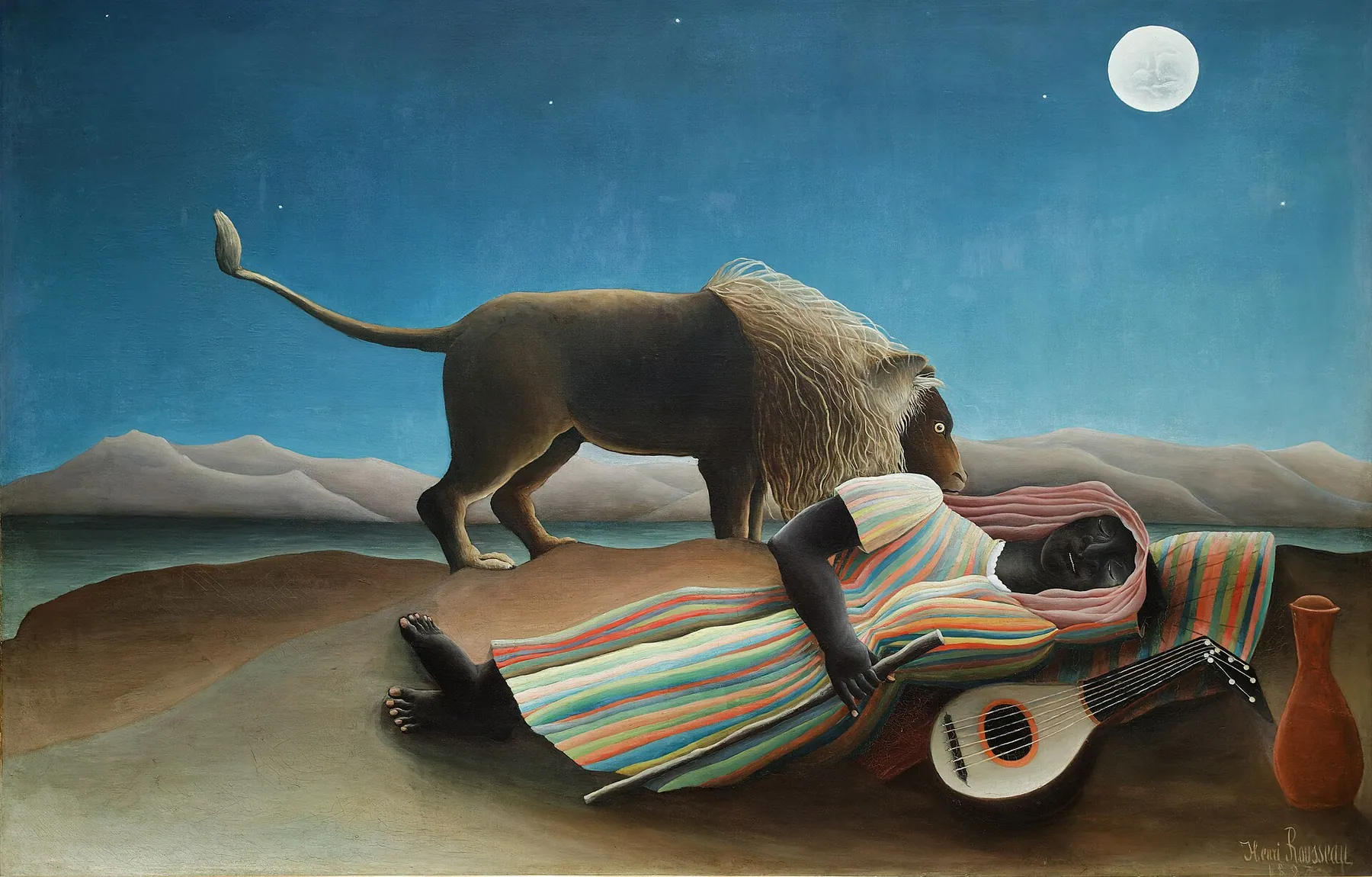
Self-taught, dreamlike clarity: The Sleeping Gypsy.
Key works
Tap any image to zoom; works marked ◎ have notes on key details.
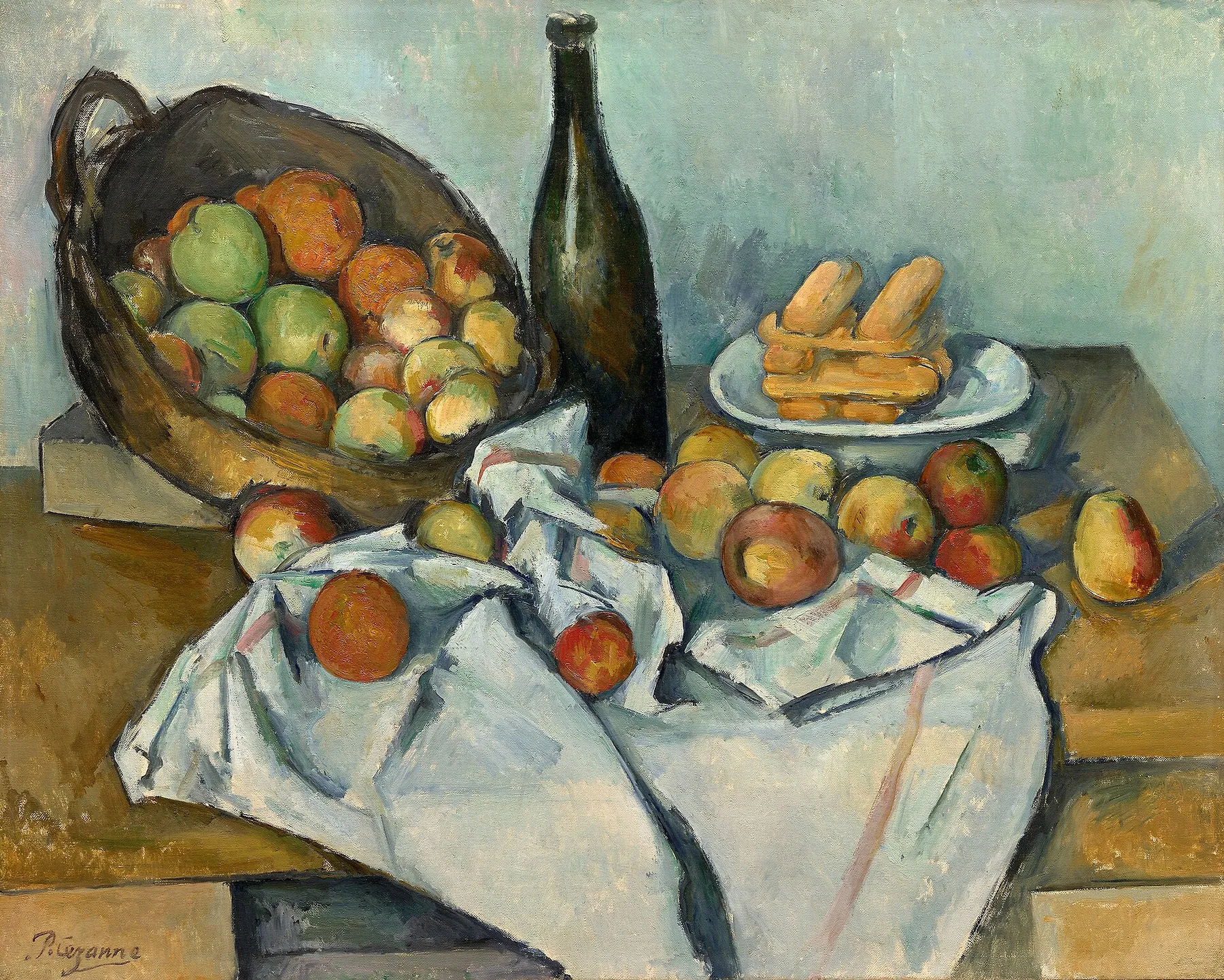
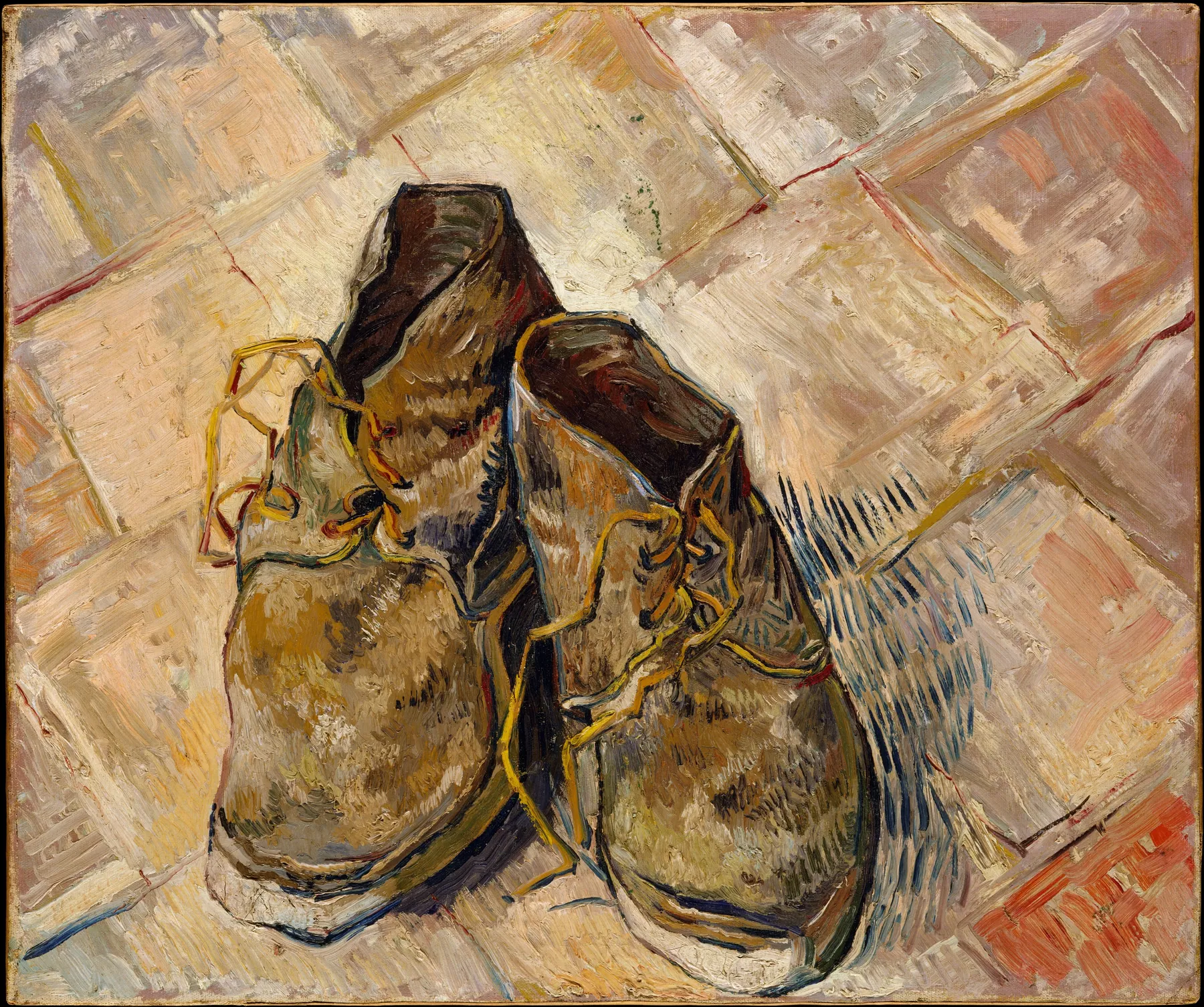
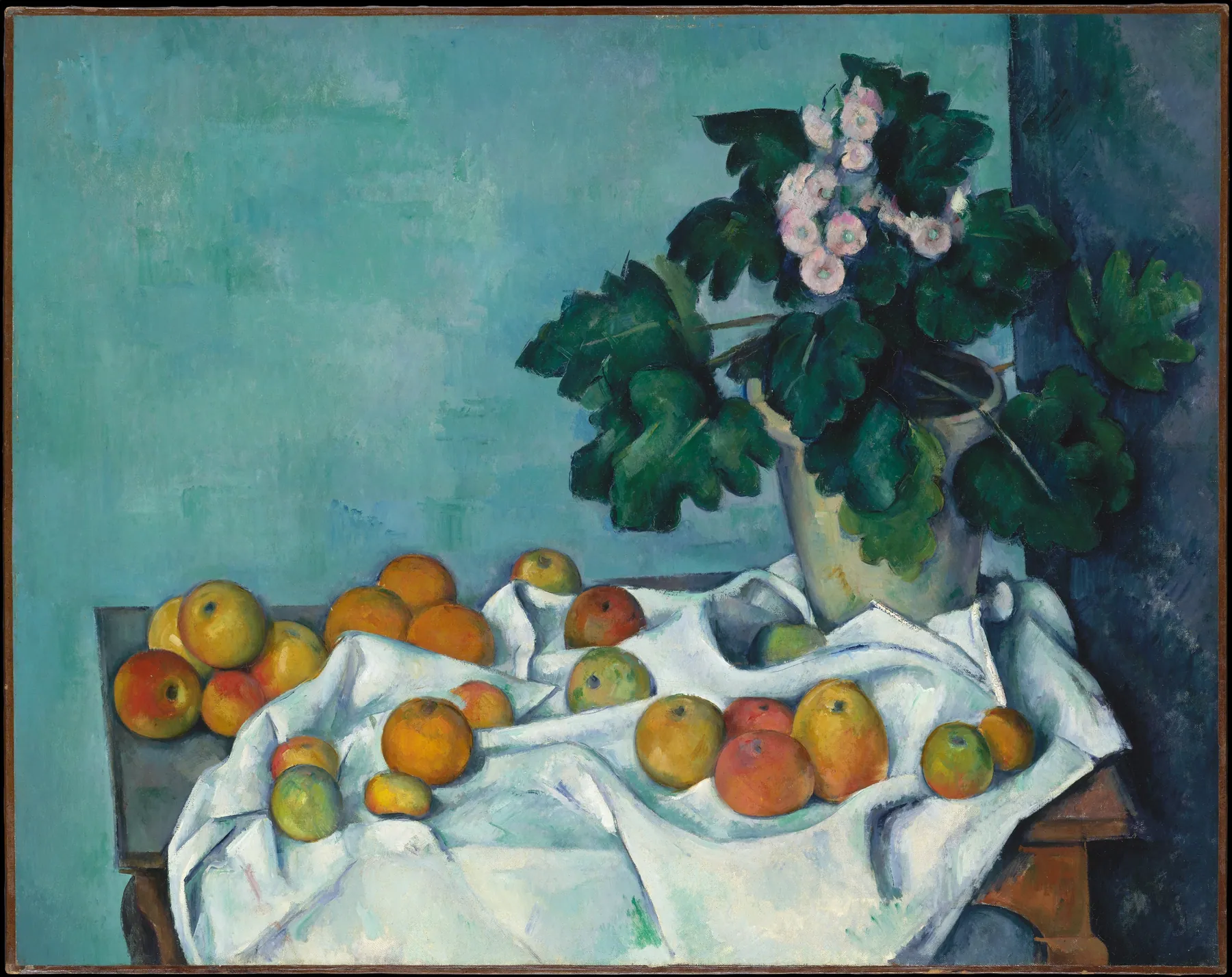
Irises, Vincent van Gogh (1889). Oil on canvas. J. Paul Getty Museum, Los Angeles. Source: Wikimedia Commons · Public domainCafé Terrace at Night, Vincent van Gogh (1888). Oil on canvas. Kröller-Müller Museum, Otterlo. Source: Wikimedia Commons · Public domainThe Bedroom, Vincent van Gogh (1888). Oil on canvas. Van Gogh Museum, Amsterdam. Source: Wikimedia Commons · Public domainSelf-Portrait with Bandaged Ear, Vincent van Gogh (1889). Oil on canvas. The Courtauld, London. Source: Wikimedia Commons · Public domainThe Card Players, Paul Cézanne (1890–1895). Oil on canvas. Musée d'Orsay, Paris. Source: Wikimedia Commons · Public domainMont Sainte-Victoire, Paul Cézanne (c. 1887). Oil on canvas. The Courtauld, London. Source: Wikimedia Commons · Public domainThe Basket of Apples, Paul Cézanne (c. 1893). Oil on canvas. Art Institute of Chicago. Source: Wikimedia Commons · Public domainWhere Do We Come From? What Are We? Where Are We Going?, Paul Gauguin (1897–1898). Oil on canvas. Museum of Fine Arts, Boston. Source: Wikimedia Commons · Public domainThe Sleeping Gypsy, Henri Rousseau (1897). Oil on canvas. Museum of Modern Art, New York. Source: Wikimedia Commons · Public domainShoes, Vincent van Gogh (1888). Oil on canvas. The Metropolitan Museum of Art, New York. Source: The Metropolitan Museum of Art · CC0 (Met Open Access)Still Life with Apples and a Pot of Primroses, Paul Cézanne (ca. 1890). Oil on canvas. The Metropolitan Museum of Art, New York. Source: The Metropolitan Museum of Art · CC0 (Met Open Access)
Techniques
Pointillism/divisionism: dots of pure colour that mix optically.
Constructive strokes: parallel patches of colour that build form and space (Cézanne).
Directional impasto: thick strokes that follow the form or movement (Van Gogh).
Cloisonnism: flat areas of colour inside dark outlines (Gauguin, Japanese prints).
Multiple viewpoints in one picture (Cézanne's still lifes).
How to paint in this style
Choose a simple motif — a chair, a bowl of fruit, a tree, a starry sky.
Decide your approach: dots (Seurat), patches (Cézanne) or rhythmic strokes (Van Gogh).
Pick a complementary pair as the main colour idea — e.g. blue sky and orange fields.
Outline major shapes in a dark blue or ultramarine line if you want a bold, graphic look.
Apply paint thickly; make each stroke follow the direction of the form.
Simplify. Exaggerate colour to express how the scene feels, not only how it looks.
Typical palette
Zinc and lead white, chrome yellow, cadmium yellow, vermilion, geranium lake, emerald green, viridian, cobalt blue, ultramarine and Prussian blue.
Drawings and studies
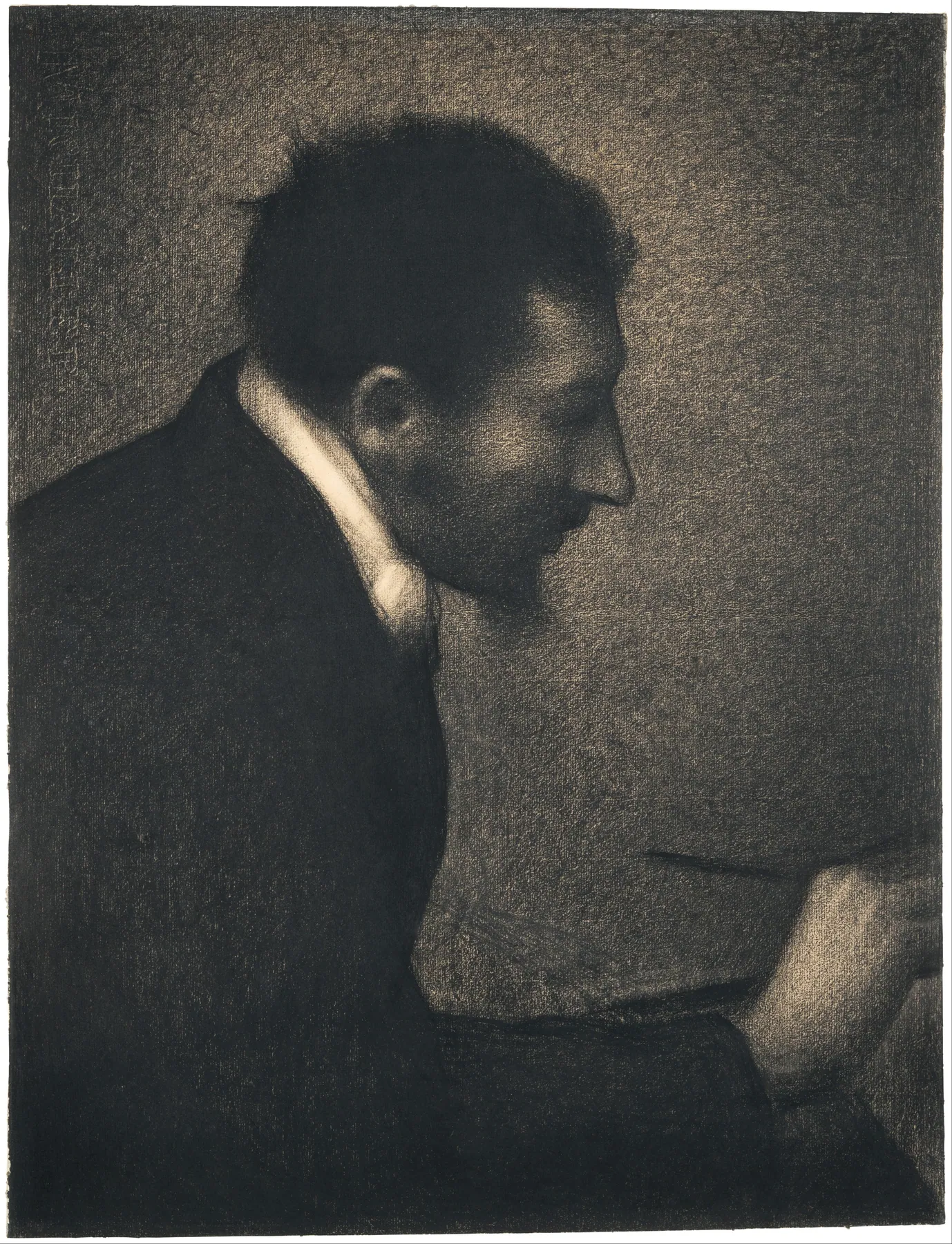
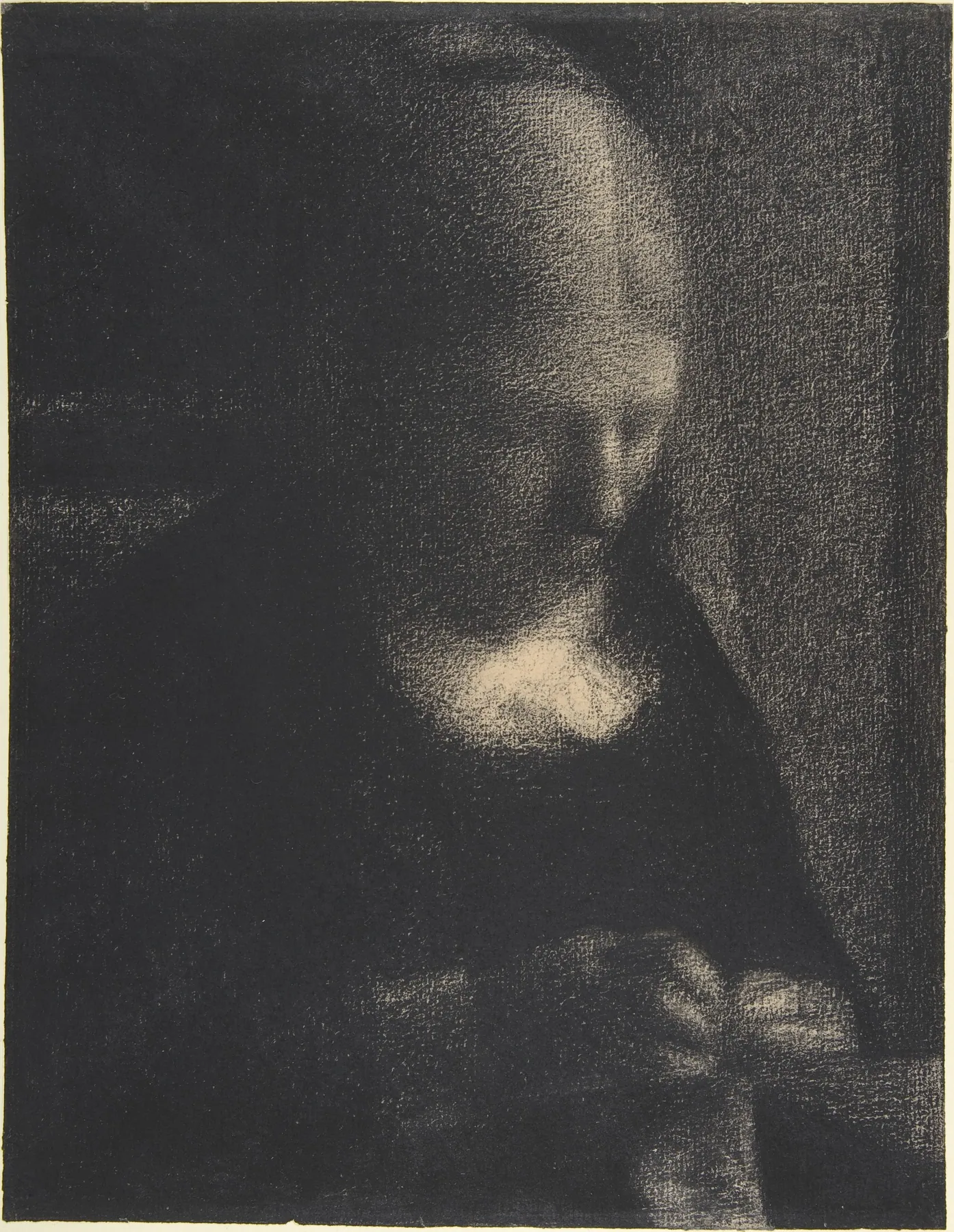
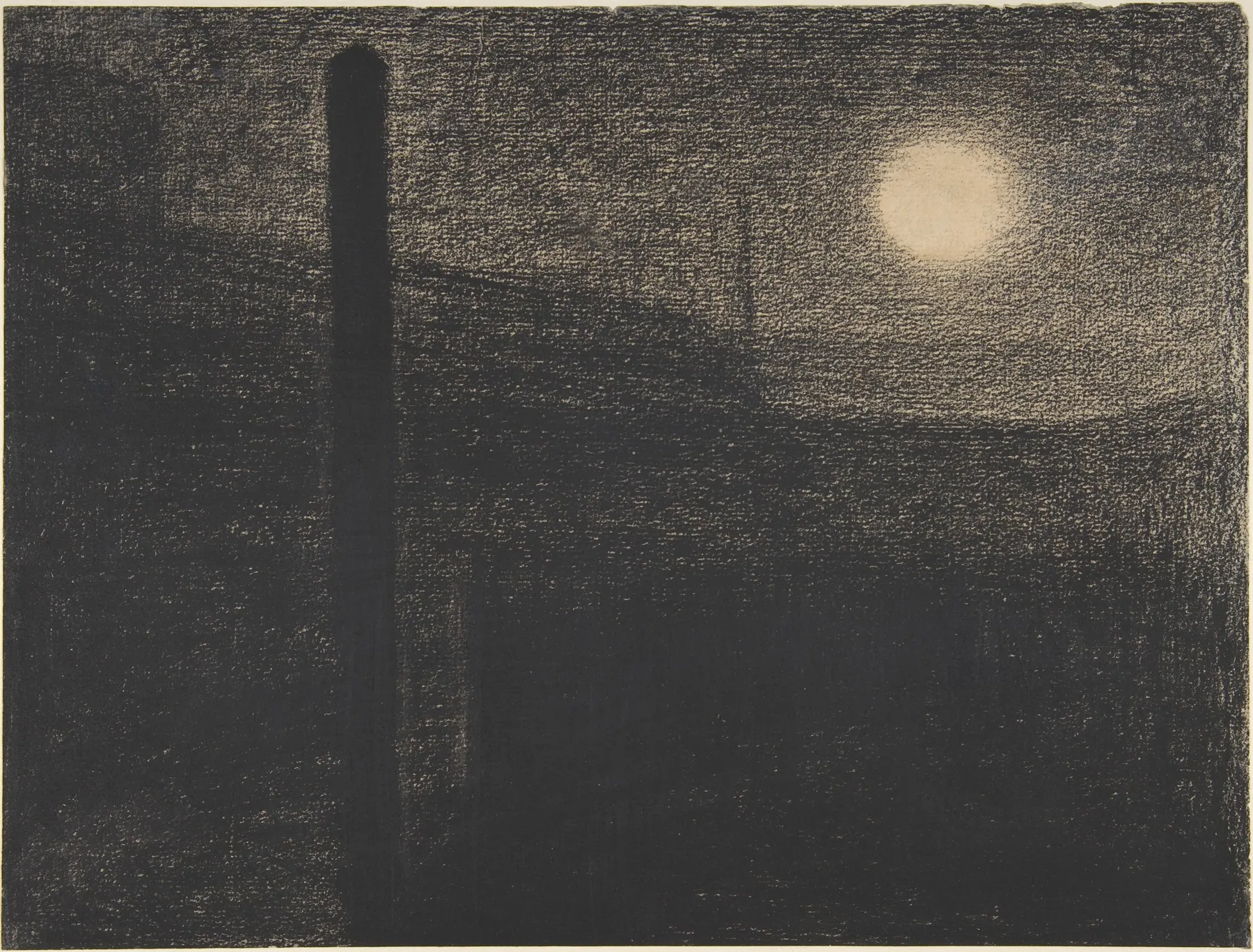
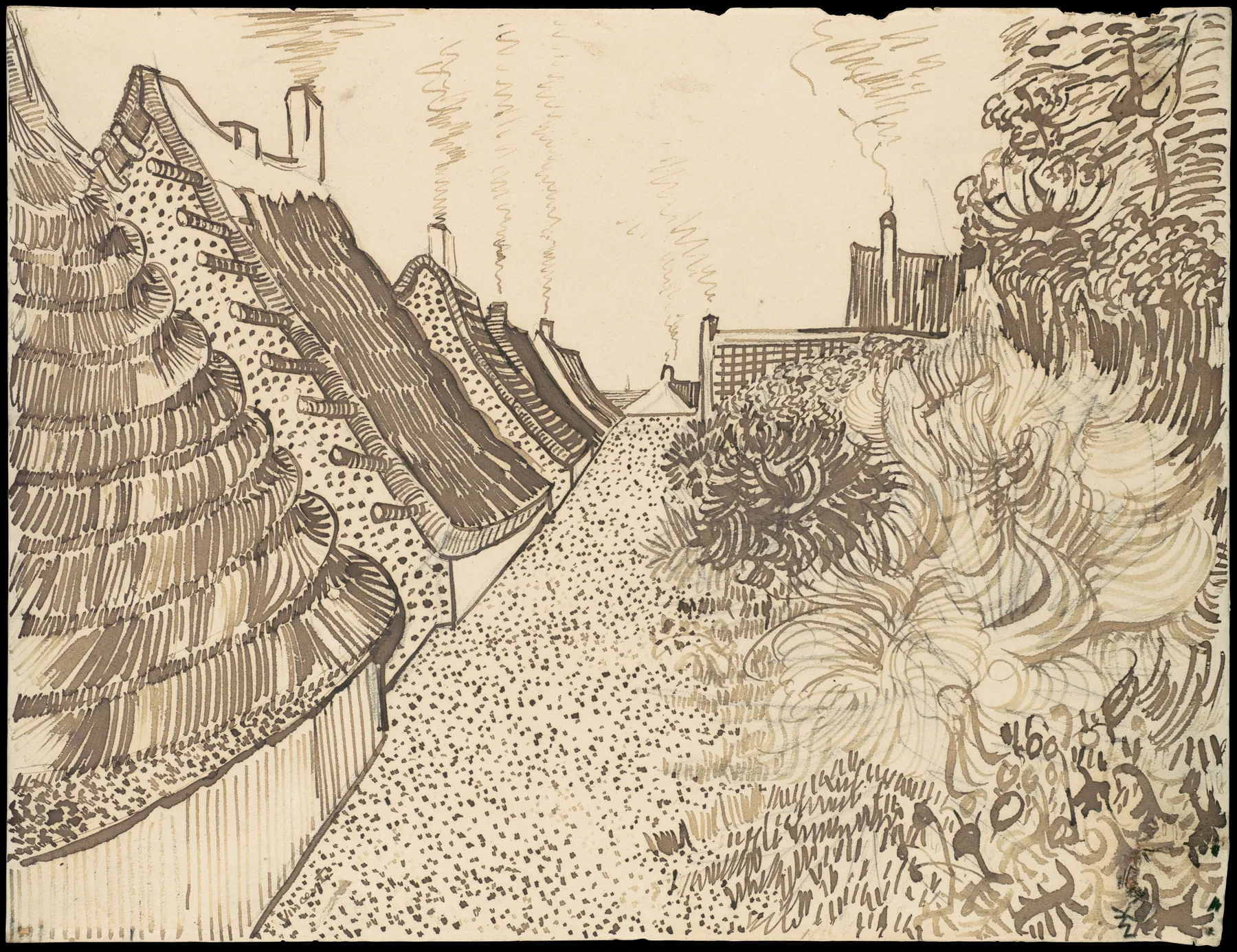
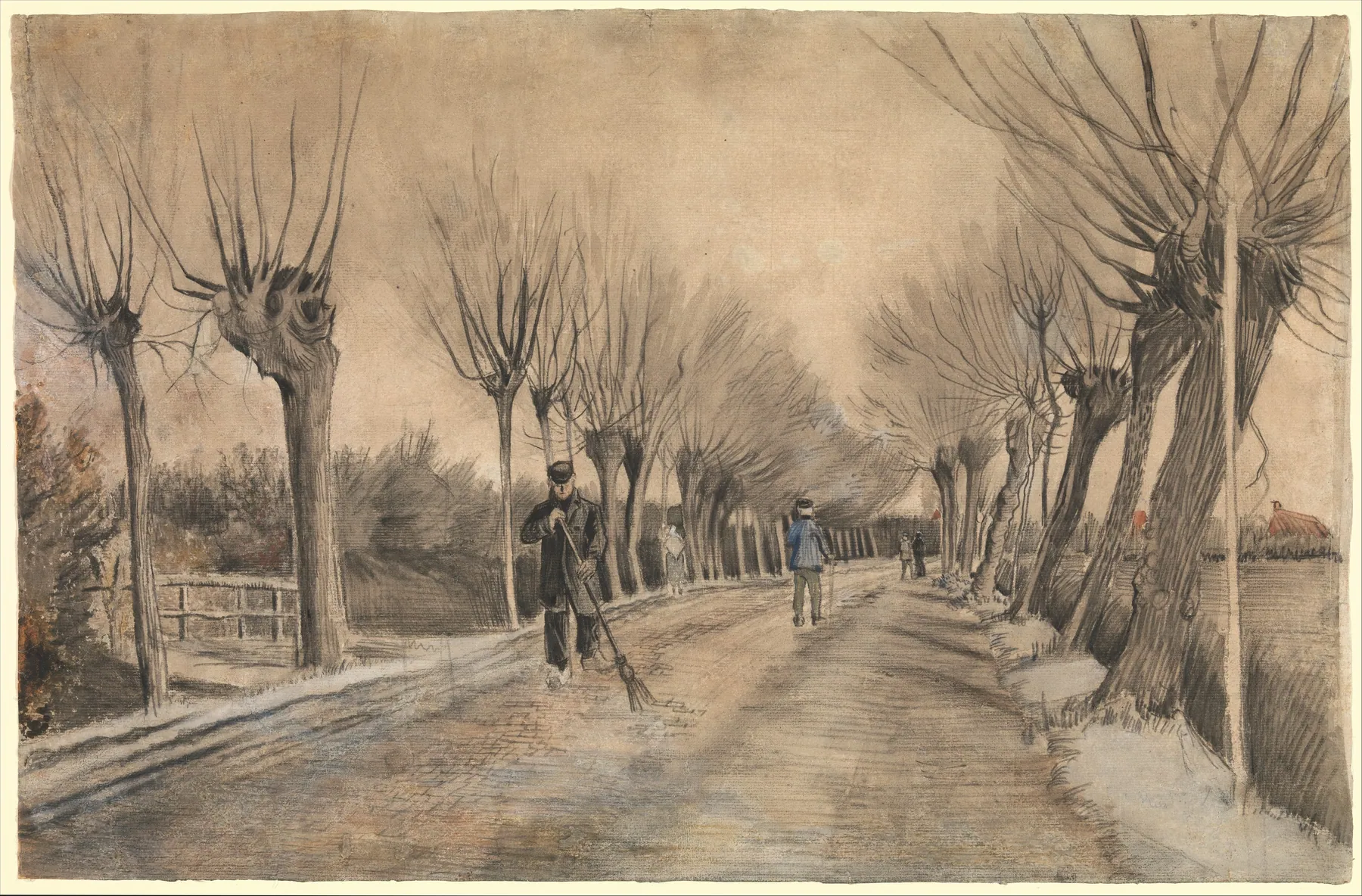
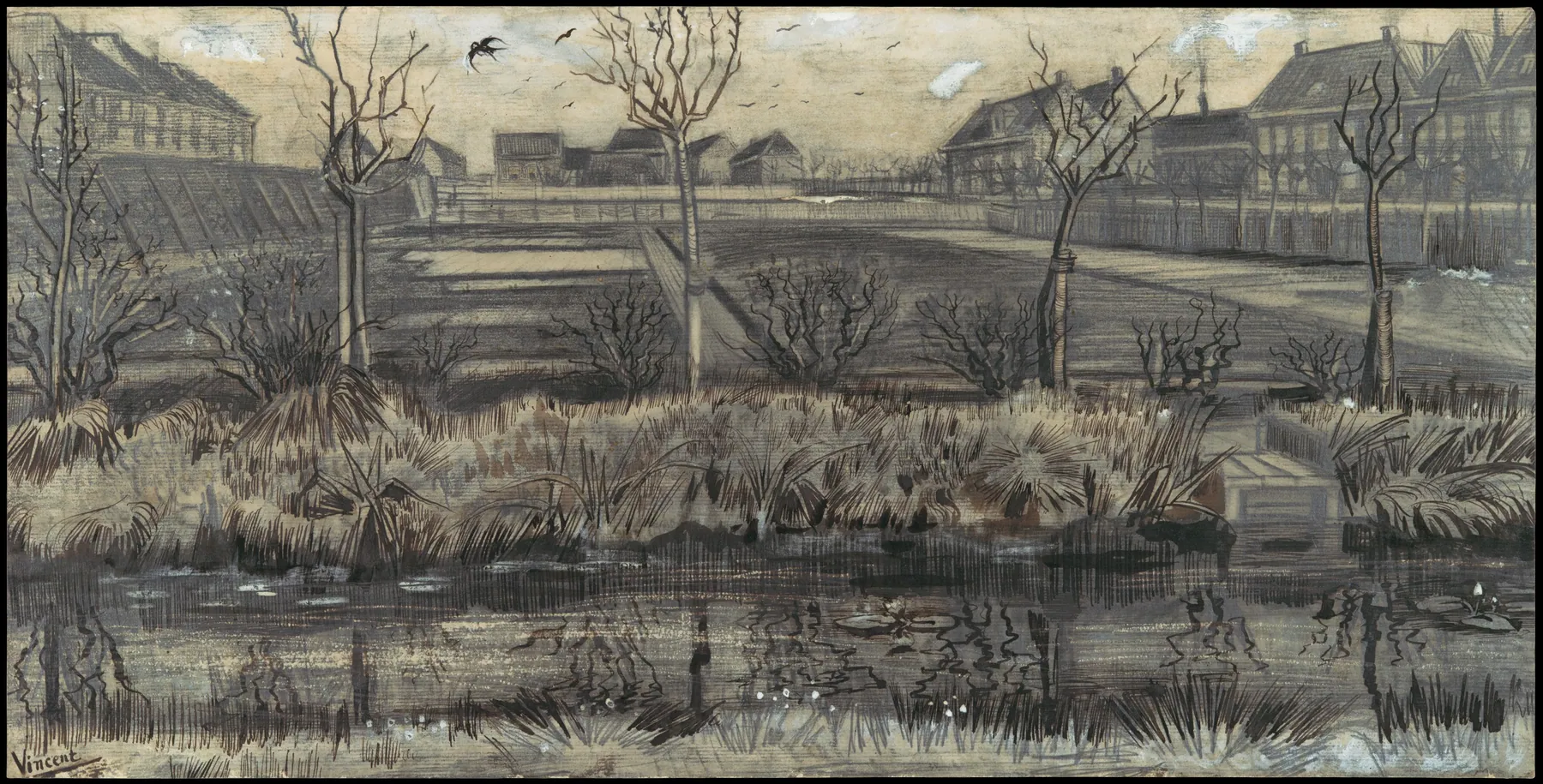
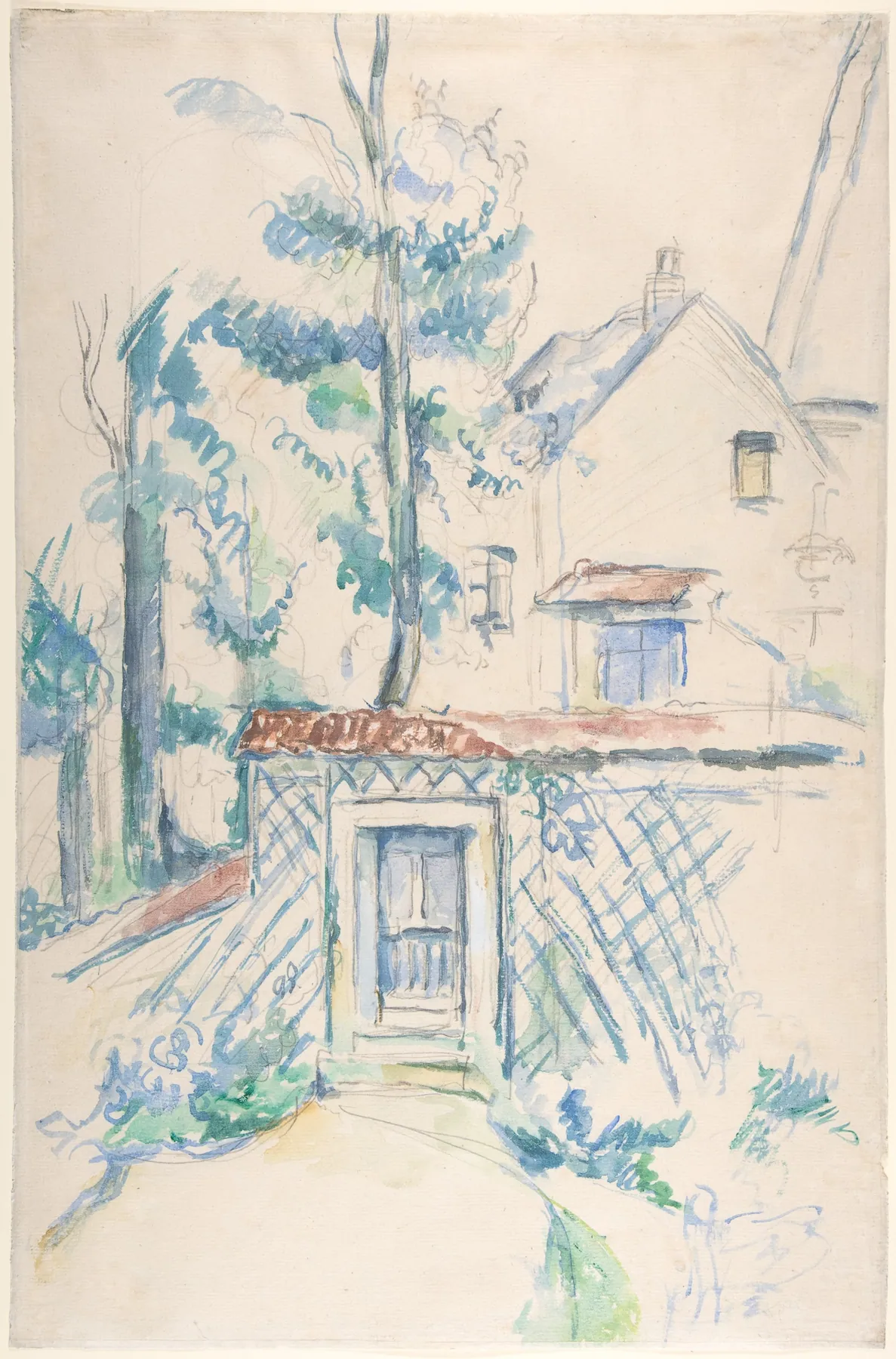
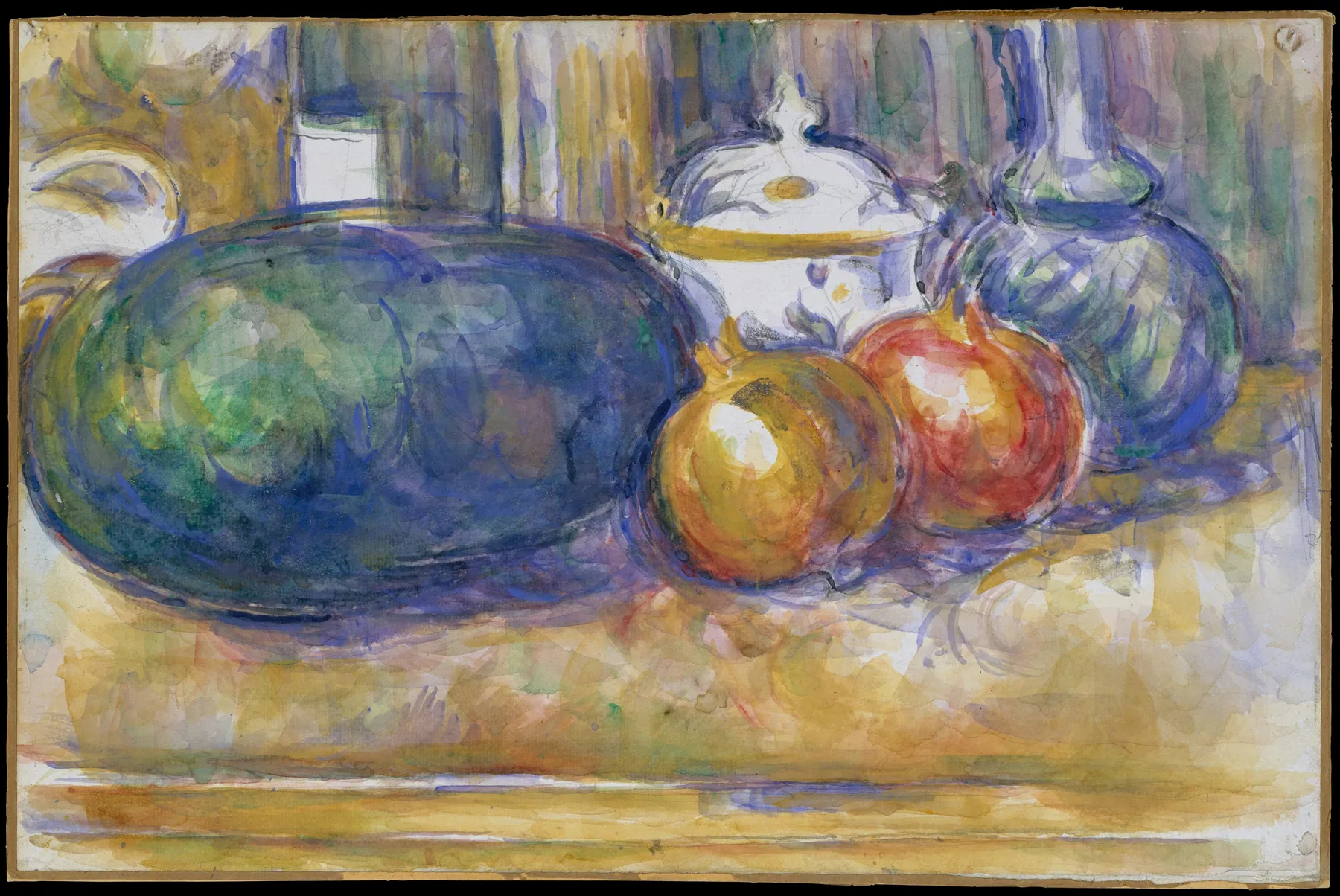
Aman-Jean (Portrait of Edmond François Aman-Jean), Georges Seurat (1882–83). Conté crayon on Michallet paper. The Metropolitan Museum of Art, New York. Source: The Metropolitan Museum of Art · CC0 (Met Open Access)Embroidery; The Artist's Mother, Georges Seurat (1882–83). Conté crayon. The Metropolitan Museum of Art, New York. Source: The Metropolitan Museum of Art · CC0 (Met Open Access)Courbevoie: Factories by Moonlight, Georges Seurat (1882–83). Conté crayon. The Metropolitan Museum of Art, New York. Source: The Metropolitan Museum of Art · CC0 (Met Open Access)Street in Saintes-Maries-de-la-Mer, Vincent van Gogh (ca. July 15, 1888). Reed pen, quill, and brown ink over graphite on wove paper (laid down on wove paper; tack holes in all corners); later additions (by a restorer?) in black chalk, lower and upper right. The Metropolitan Museum of Art, New York. Source: The Metropolitan Museum of Art · CC0 (Met Open Access)Road in Etten, Vincent van Gogh (1881). Chalk, pencil, pastel, watercolor. Underdrawing in pen and brown ink. The Metropolitan Museum of Art, New York. Source: The Metropolitan Museum of Art · CC0 (Met Open Access)Nursery on Schenkweg, Vincent van Gogh (March–May 1882). Black chalk, graphite, pen, brush, and ink, heightened with white body color on laid paper watermarked ED & CIE (in a cartouche). The Metropolitan Museum of Art, New York. Source: The Metropolitan Museum of Art · CC0 (Met Open Access)Entrance to a Garden, Paul Cézanne (1878–80). Watercolor over graphite. The Metropolitan Museum of Art, New York. Source: The Metropolitan Museum of Art · CC0 (Met Open Access)Still-Life with a Watermelon and Pomegranates, Paul Cézanne (1900–1906). Watercolor over graphite on laid paper. The Metropolitan Museum of Art, New York. Source: The Metropolitan Museum of Art · CC0 (Met Open Access)
Watch
Vincent van Gogh, The Starry Night · Smarthistory
Seurat, A Sunday on La Grande Jatte · Smarthistory
Cézanne, Mont Sainte-Victoire · Smarthistory
Cézanne, Still Life with Apples, 1895-98 (MoMA) · Smarthistory
Videos load from YouTube (privacy-enhanced mode) only when you press play.
 ◎ notes
 ◎ notes