Colour: hue, value and temperature
Every colour has three properties: hue (where it sits on the wheel), value (how light or dark it is) and chroma or saturation (how intense it is). Painters add a fourth working idea — temperature, warm or cool.
 ◎ notes
 ◎ notes
The wheel and mixing
Paint mixing is subtractive: each pigment absorbs some light, so every mix is darker and usually duller than its parents. A limited palette of a warm and a cool version of each primary (for example cadmium red and alizarin, cadmium yellow and lemon, ultramarine and phthalo blue) lets you mix clean secondaries.
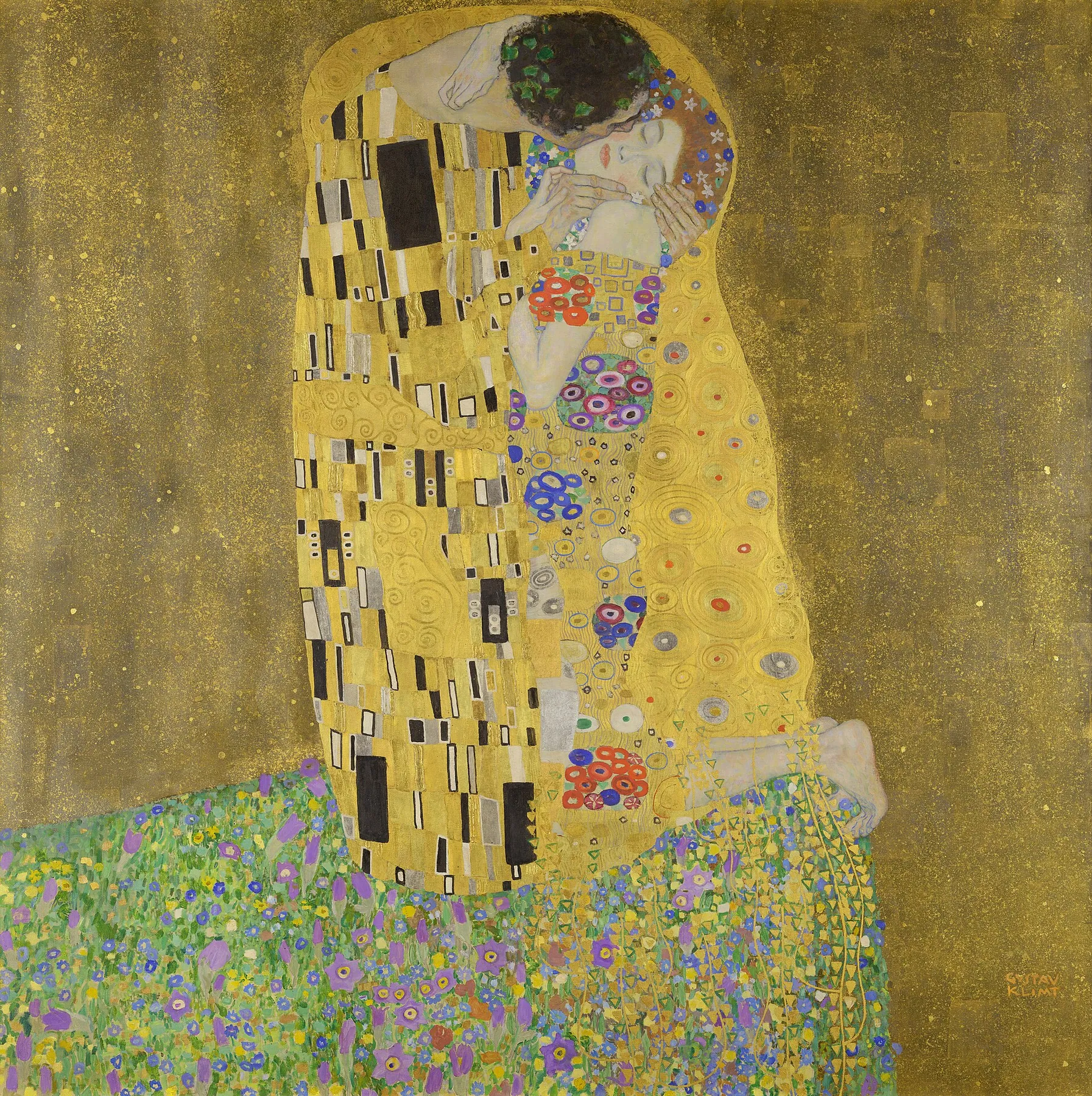
Complementary colours sit opposite each other on the wheel — red and green, blue and orange, yellow and violet. Side by side they make each other vibrate; mixed together they neutralise into rich greys and browns.
Temperature and harmony
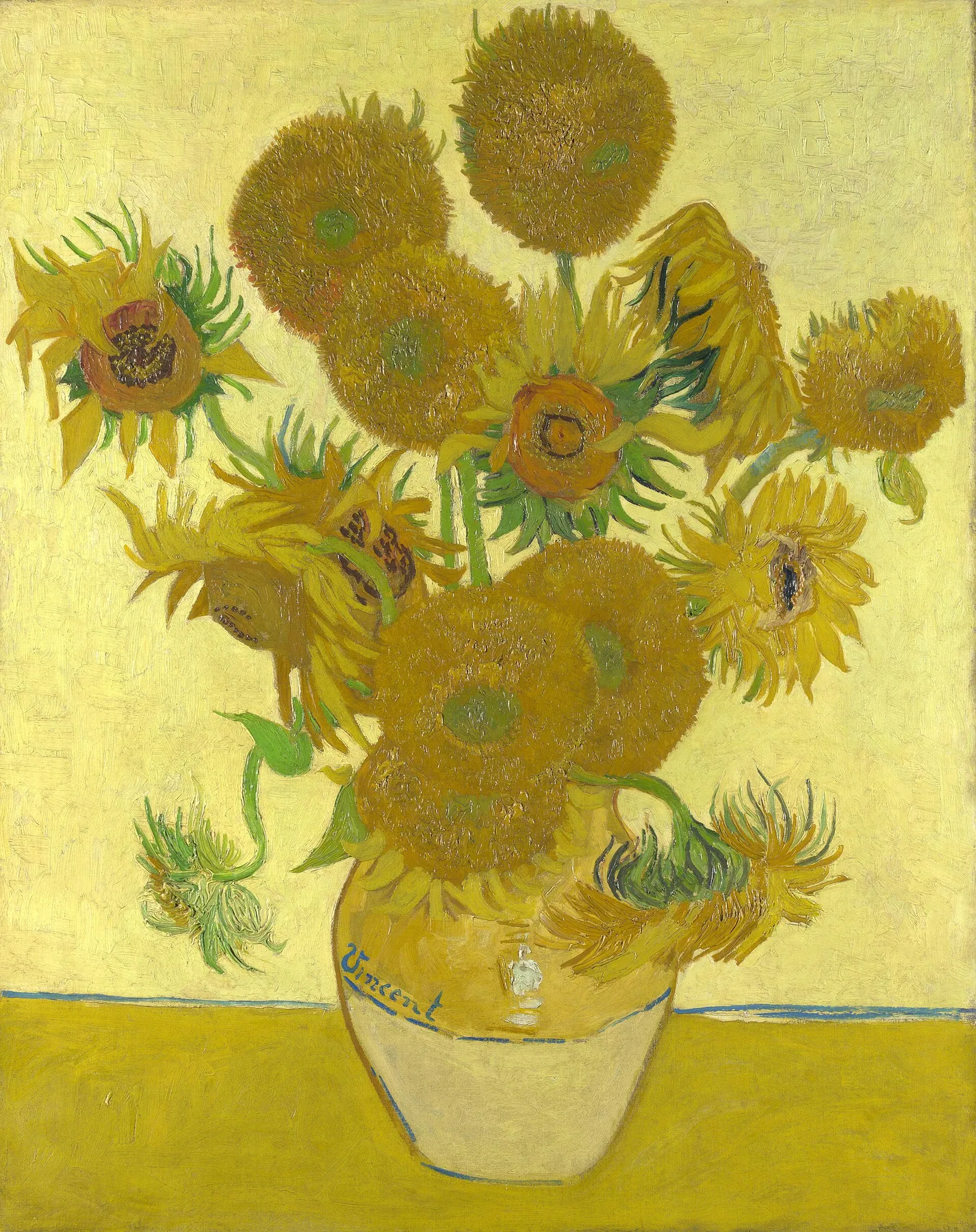
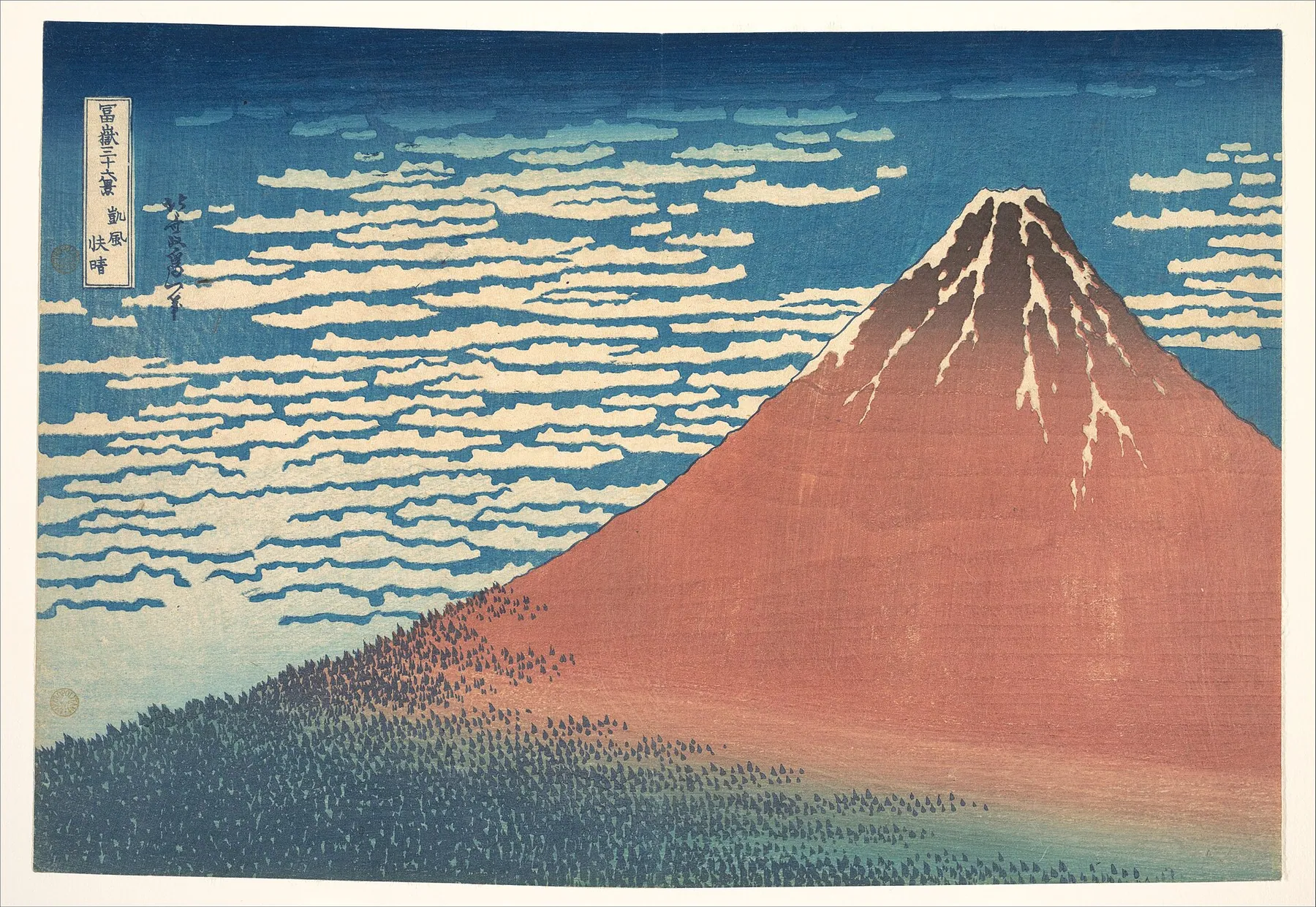
Warm colours (reds, oranges, yellows) seem to advance; cool colours (blues, greens, violets) recede. In most daylight scenes the light is cool and the shadows warmer, or the reverse under warm lamplight. Getting this relationship right matters more than any single colour.
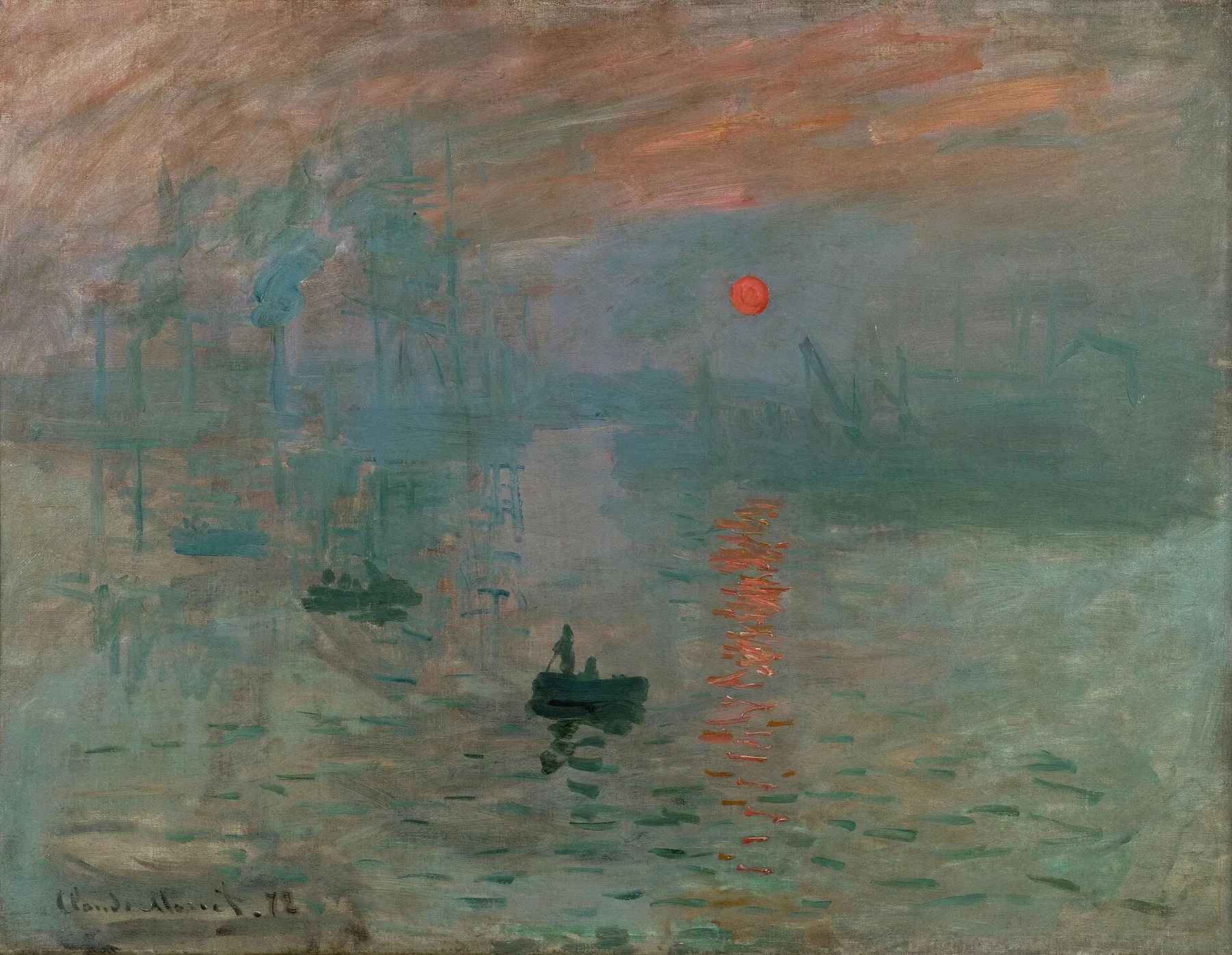
Simple harmonies: analogous (neighbours on the wheel), complementary, and a dominant colour with small accents of its complement. Monet's Impression, Sunrise works because the orange sun has almost the same value as the grey-blue sky.
Try it
- Make a 12-step colour wheel with only three primaries plus white.
- Mix a complementary grey scale: red to green in seven steps.
- Paint the same apple under warm and cool light.
Examples to study
Watch
How to Mix ANY Color - No Talent Method - oil painting instruction · Draw Mix Paint
Ultimate Color Wheel for Artists - Color Mixing Rules to Remember · Draw Mix Paint
The Simple Color Lesson I Use In All My Paintings · Marco Bucci
Colour Harmony - 10 Minutes To Better Painting - Episode 5 · Marco Bucci
Videos load from YouTube (privacy-enhanced mode) only when you press play.