Tempera, fresco and printmaking
Before oil, European painters used egg tempera on panels and fresco on walls. In Japan, woodblock printing brought art to everyone. These techniques still shape how we think about line and colour.
 ◎ notes
 ◎ notes
Egg tempera
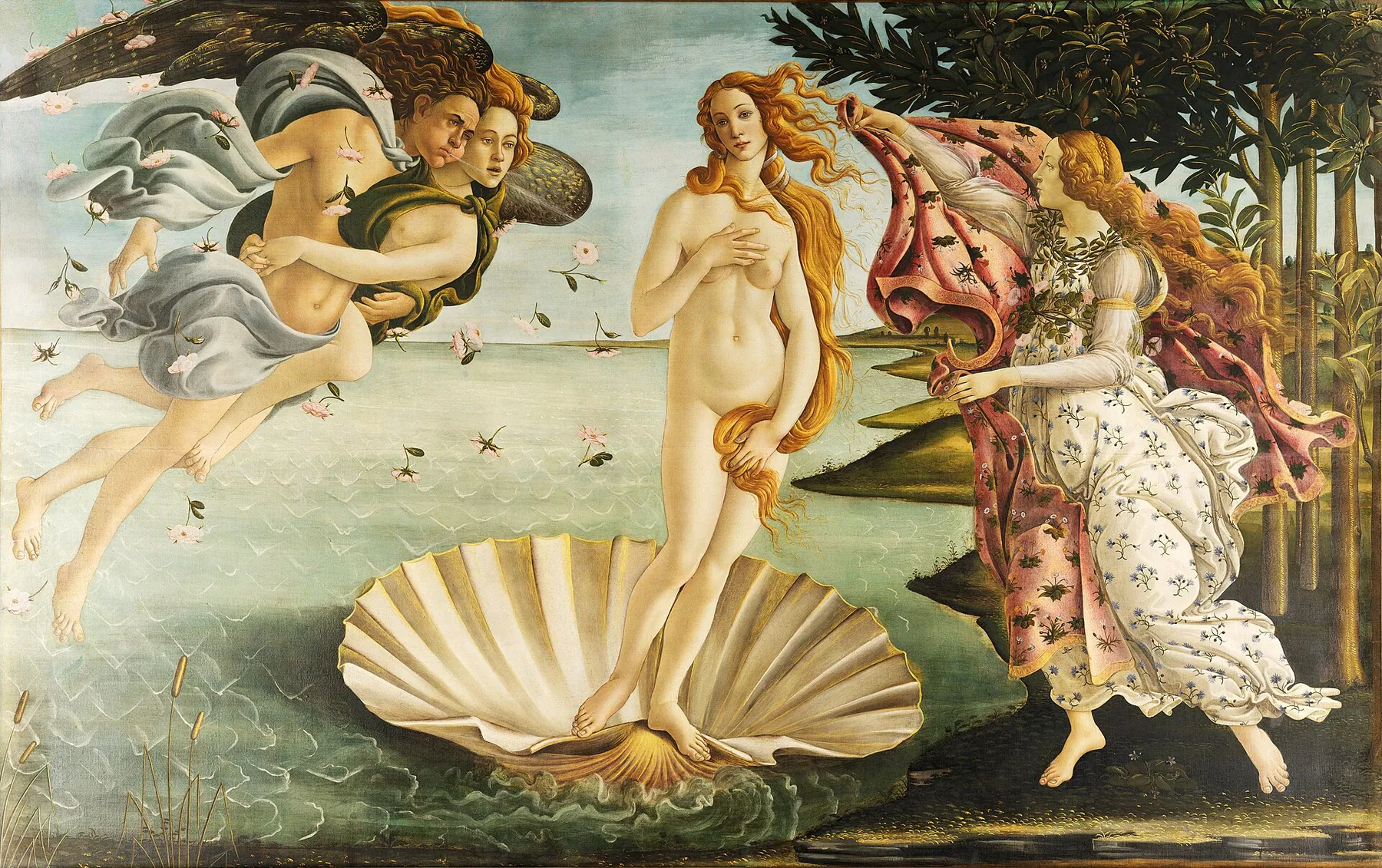
Pigment mixed with egg yolk dries in seconds to a tough, matte, luminous film. You cannot blend it, so form is built with fine hatched strokes, layer over layer — look closely at Botticelli's Birth of Venus. Panels were coated with many layers of gesso (chalk and glue) first.
Fresco
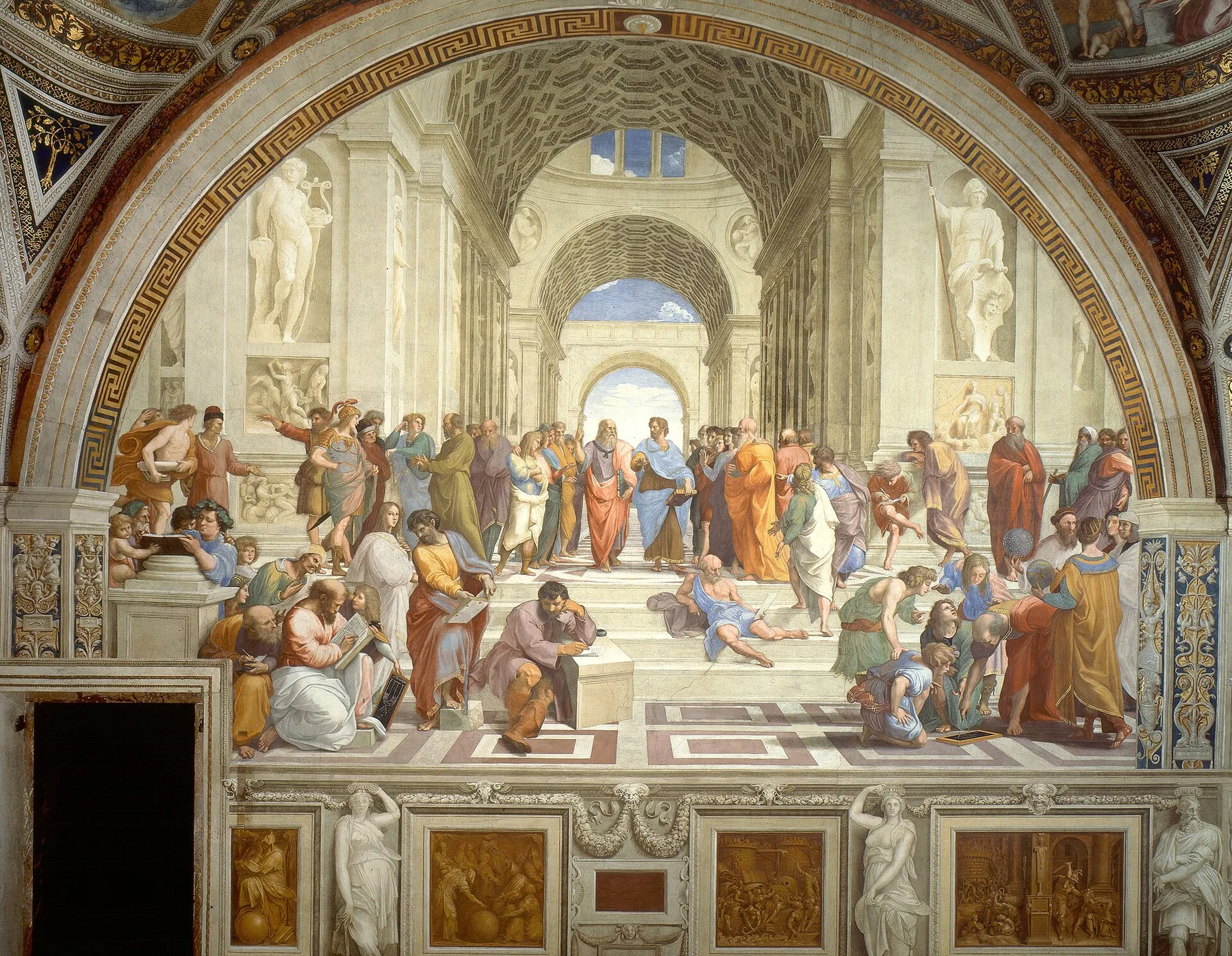
Buon fresco means painting pigment in water onto fresh, wet lime plaster. As the plaster dries the colour is locked into the wall. Only the area that can be finished in one day is plastered (a giornata), so the artist must plan carefully — Raphael's School of Athens was painted this way. Leonardo's Last Supper is not true fresco; he experimented with tempera and oil on dry plaster, which is why it began to flake within his lifetime.
Woodblock printing
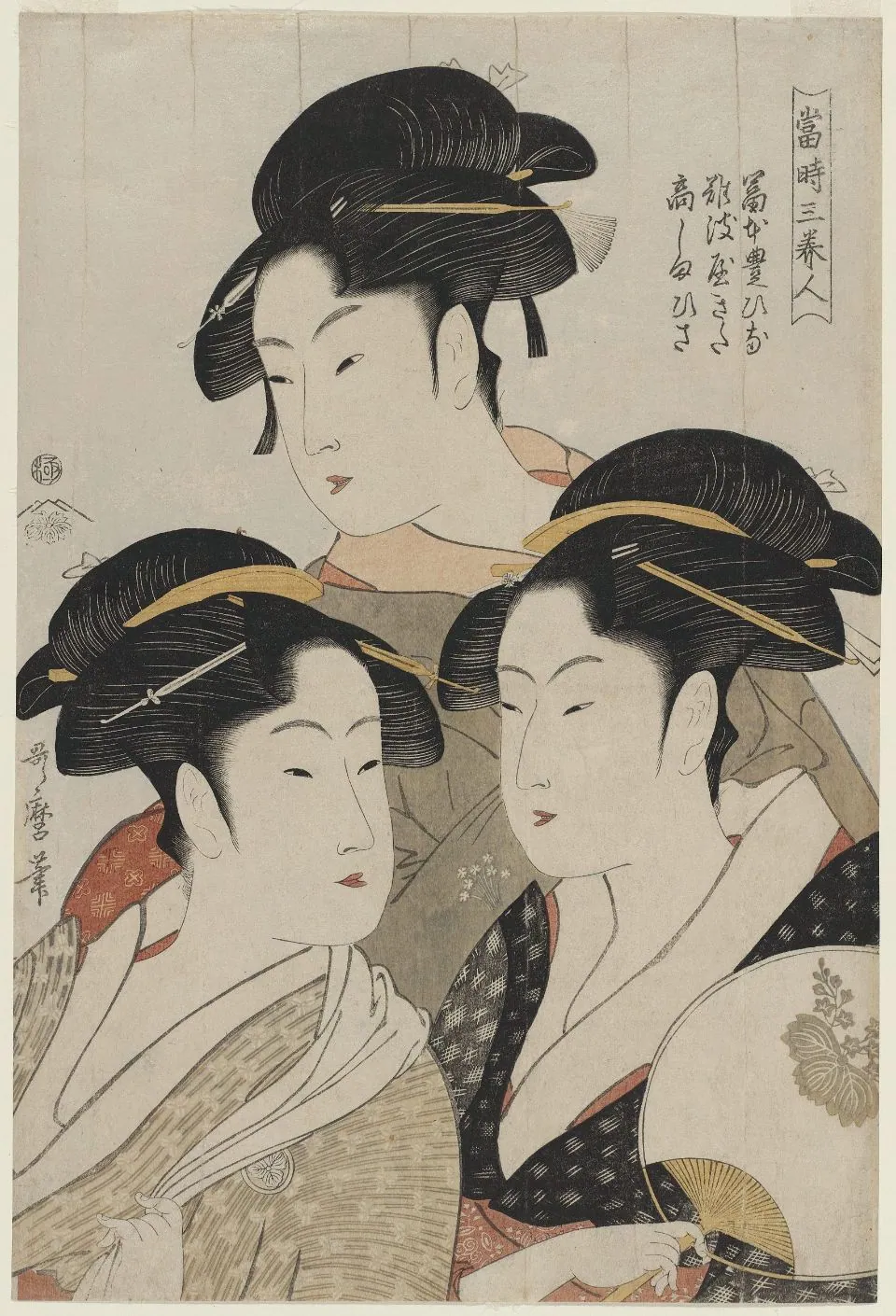
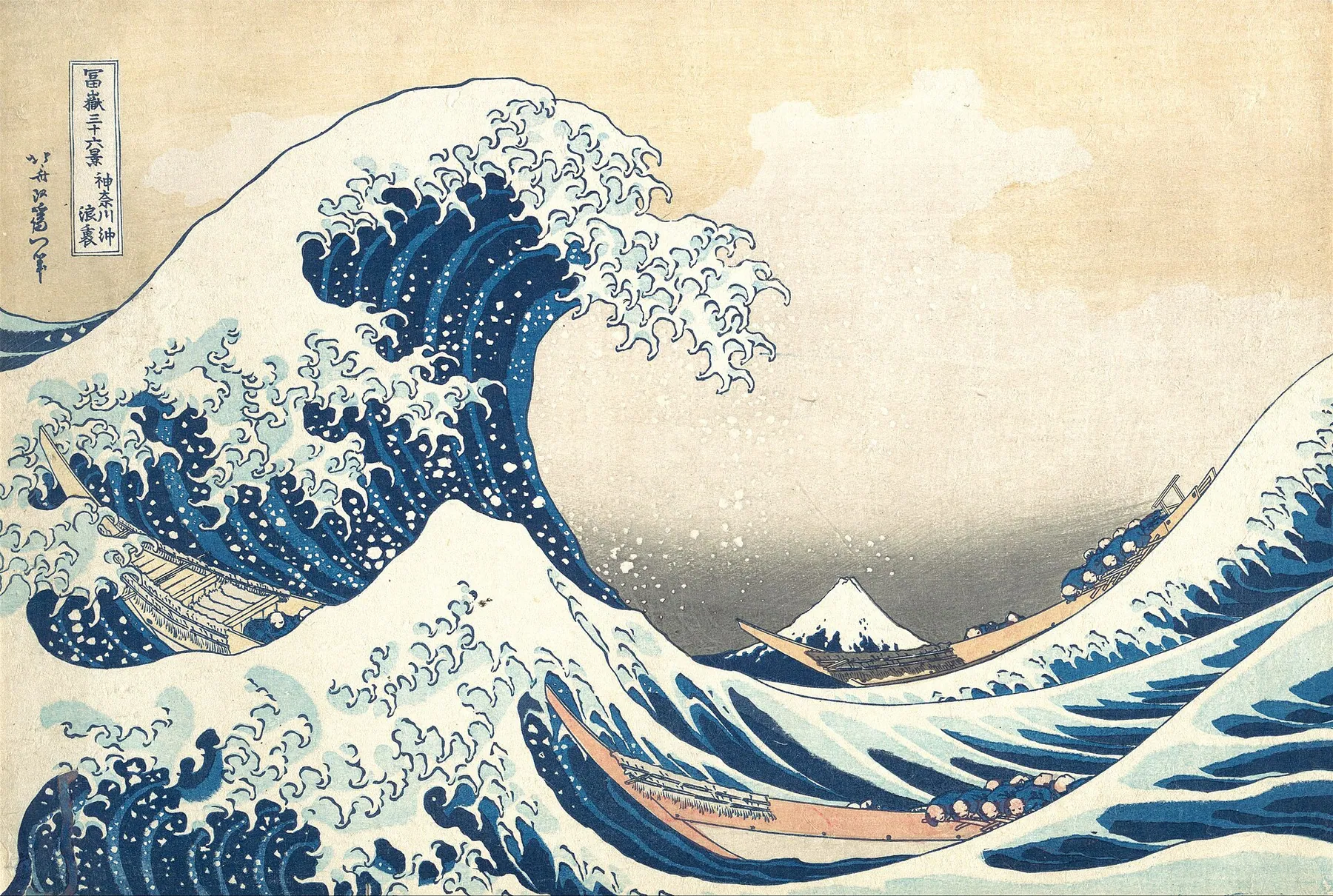
Ukiyo-e prints were a team effort: an artist drew the design, a carver cut a separate block for each colour, and a printer rubbed the paper onto each inked block in register. The Great Wave used the then-new imported pigment Prussian blue. Flat colour, bold contour and dramatic cropping later inspired Monet, Degas and van Gogh.
Try it
- Mix a tiny amount of egg-yolk tempera and hatch a small sphere.
- Design a two-colour print by separating your image into two flat layers.
- Copy the composition of The Great Wave in three flat colours.
Examples to study
 ◎ notes