Home / The Book / Part III · Craft, genres and media
Part III · Craft, genres and media · Chapter 29 of 31
The portrait
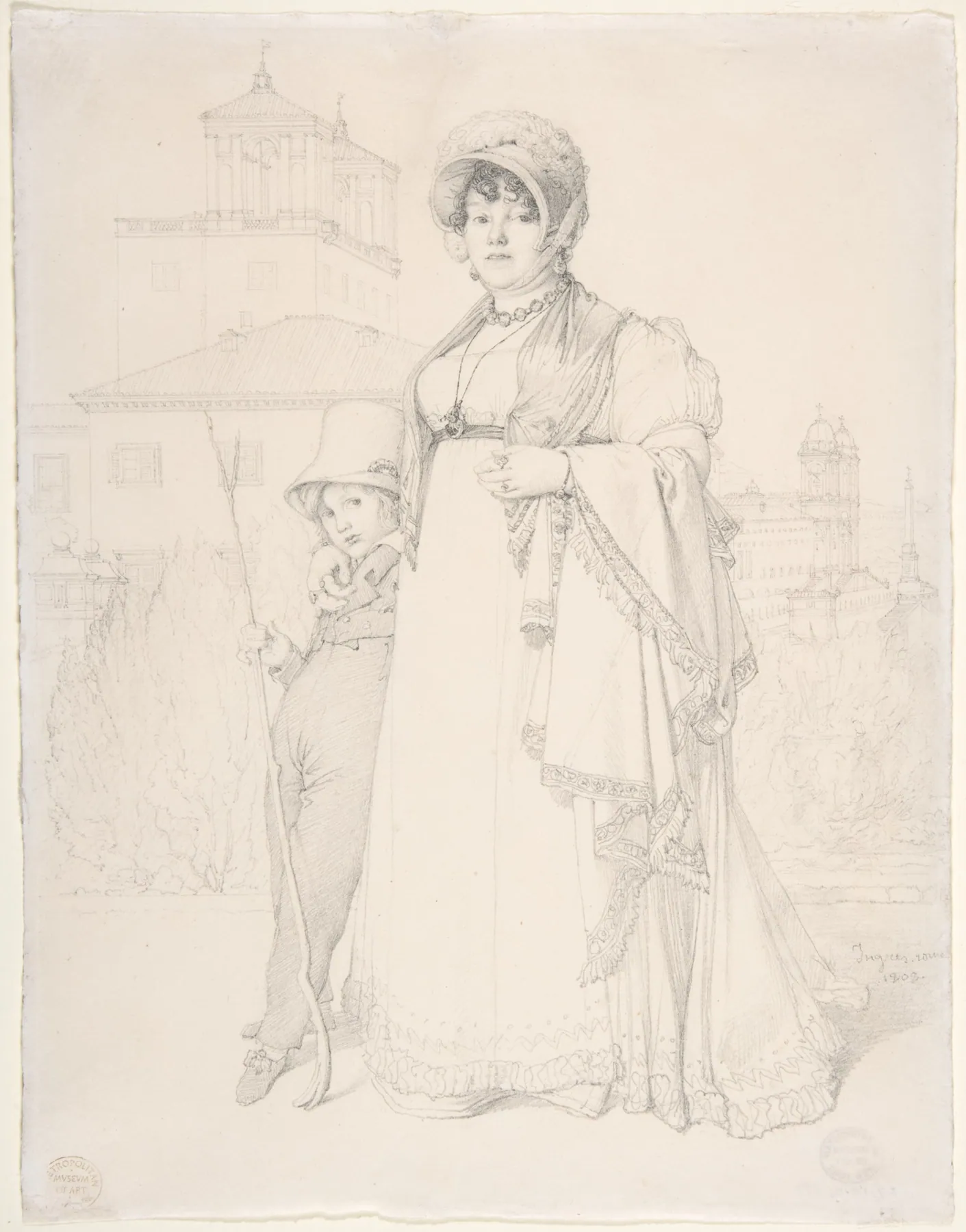
A portrait has to capture a likeness, a character and a moment. The great portraitists — Holbein, Rembrandt, Velázquez, Ingres — did it with careful drawing, simple lighting and a few telling details.
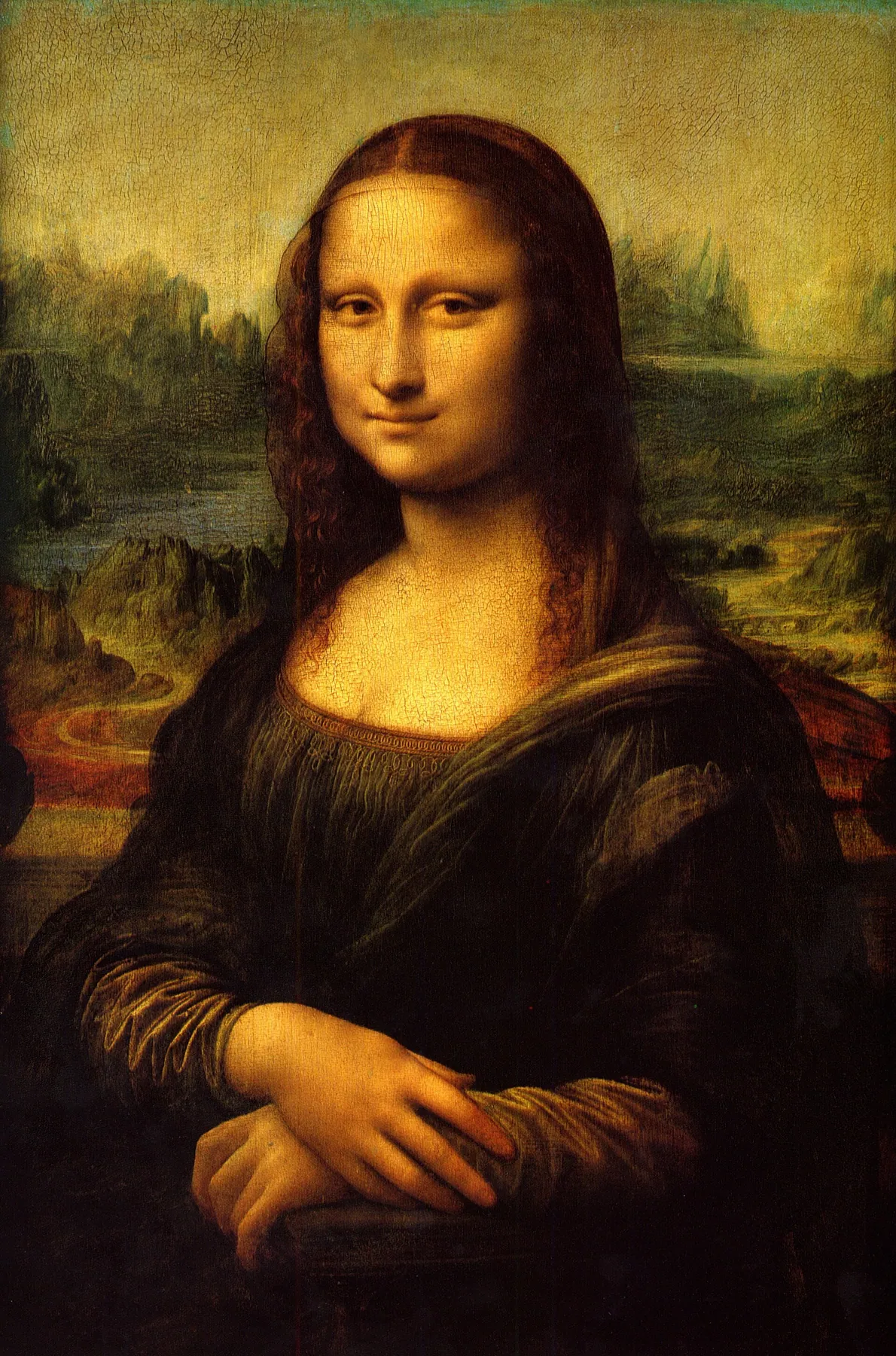
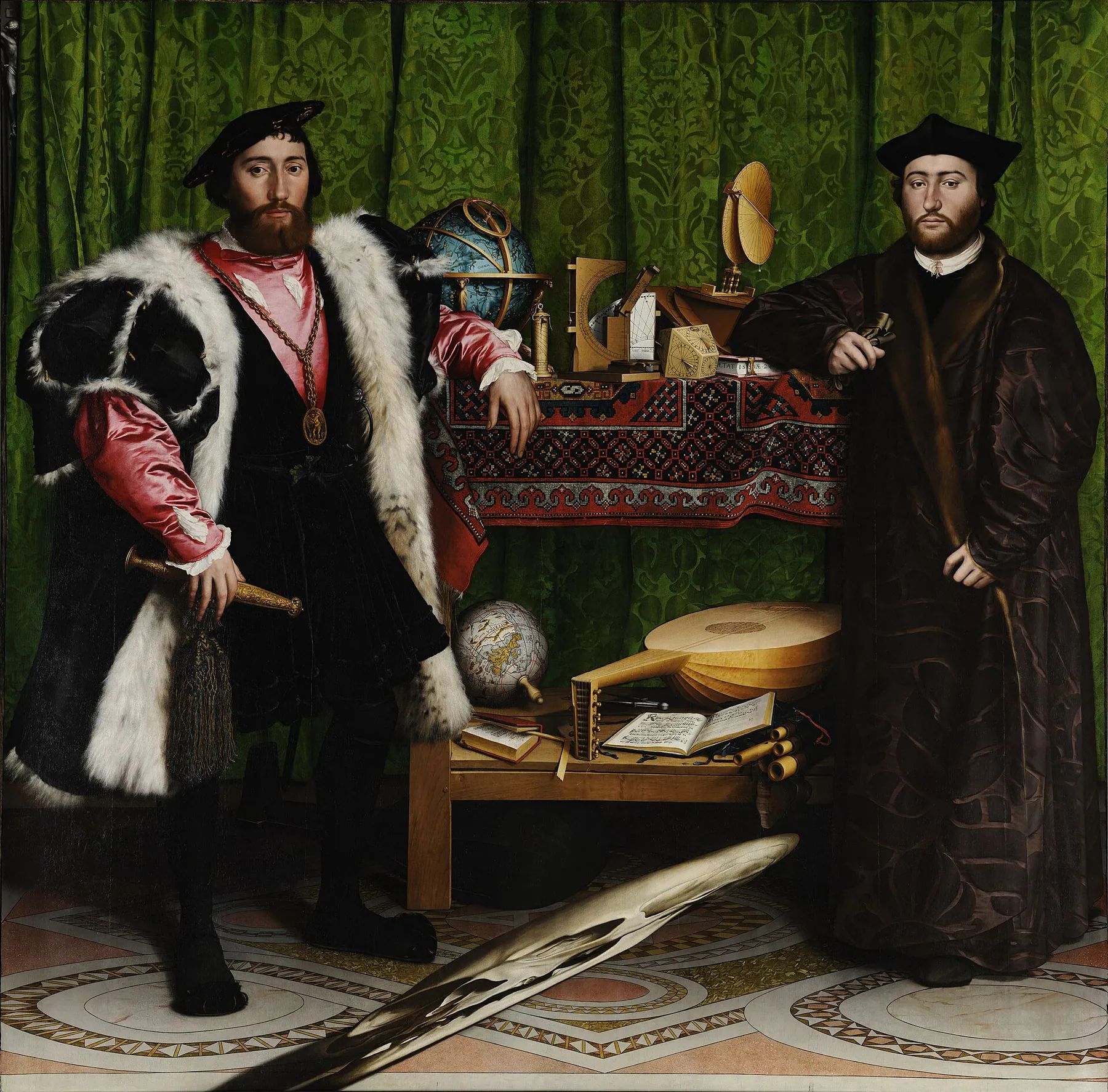
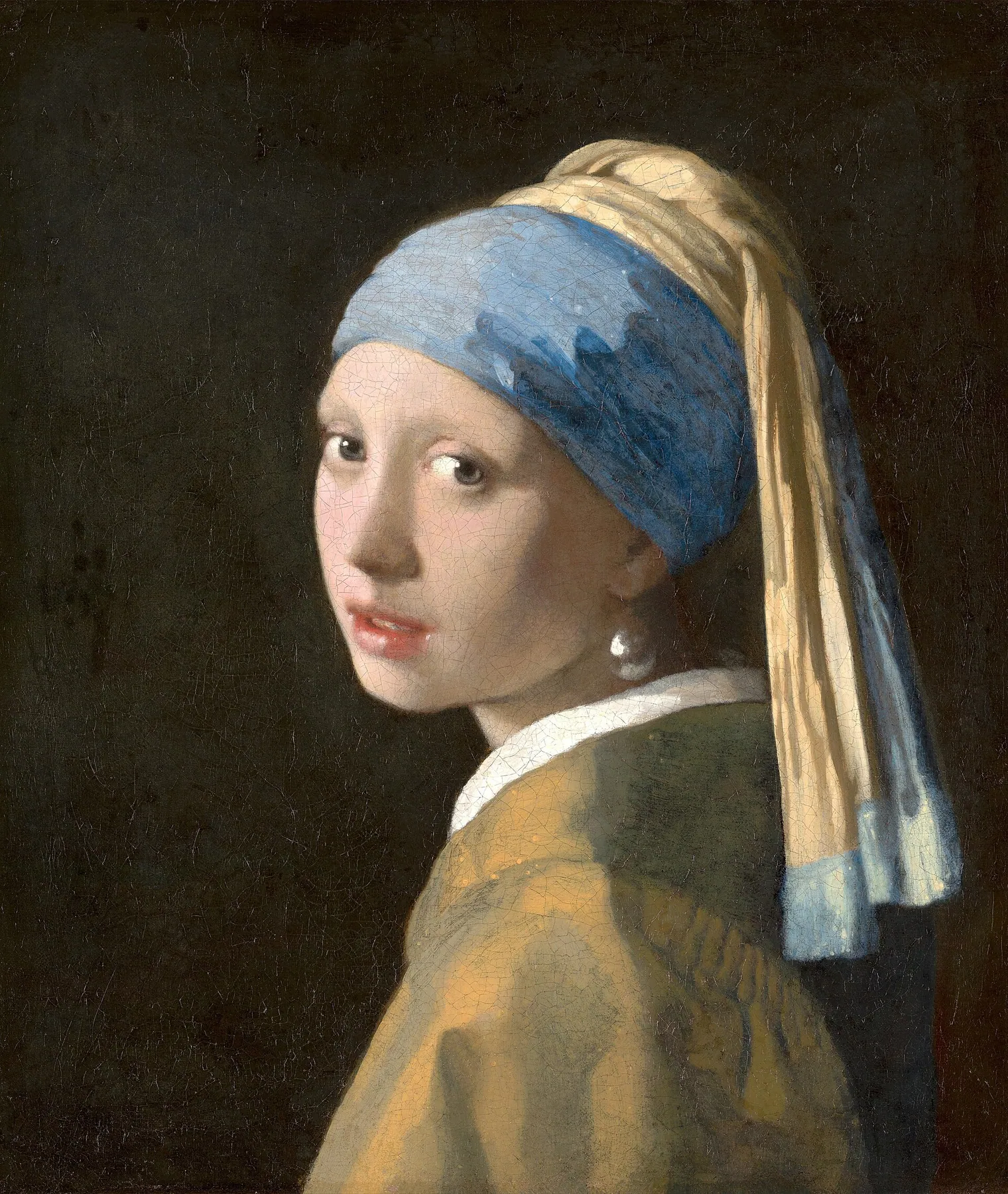
◎ notesMona Lisa, Leonardo da Vinci (c. 1503–1519). Oil on poplar panel. Musée du Louvre, Paris. Source: Wikimedia Commons · Public domain◎ notesThe Ambassadors, Hans Holbein the Younger (1533). Oil on oak panel. The National Gallery, London. Source: Wikimedia Commons · Public domain◎ notesGirl with a Pearl Earring, Johannes Vermeer (c. 1665). Oil on canvas. Mauritshuis, The Hague. Source: Wikimedia Commons · Public domain
Getting the likeness
Likeness lives in the big proportions: the shape of the skull, the spacing of the features and the angle of the head. Measure these first and check them often. Details such as eyelashes add almost nothing to a likeness.
Light the sitter from one side and slightly above (as Rembrandt did) so the planes of the face read clearly. A small triangle of light on the shadow cheek is called Rembrandt lighting.
Character
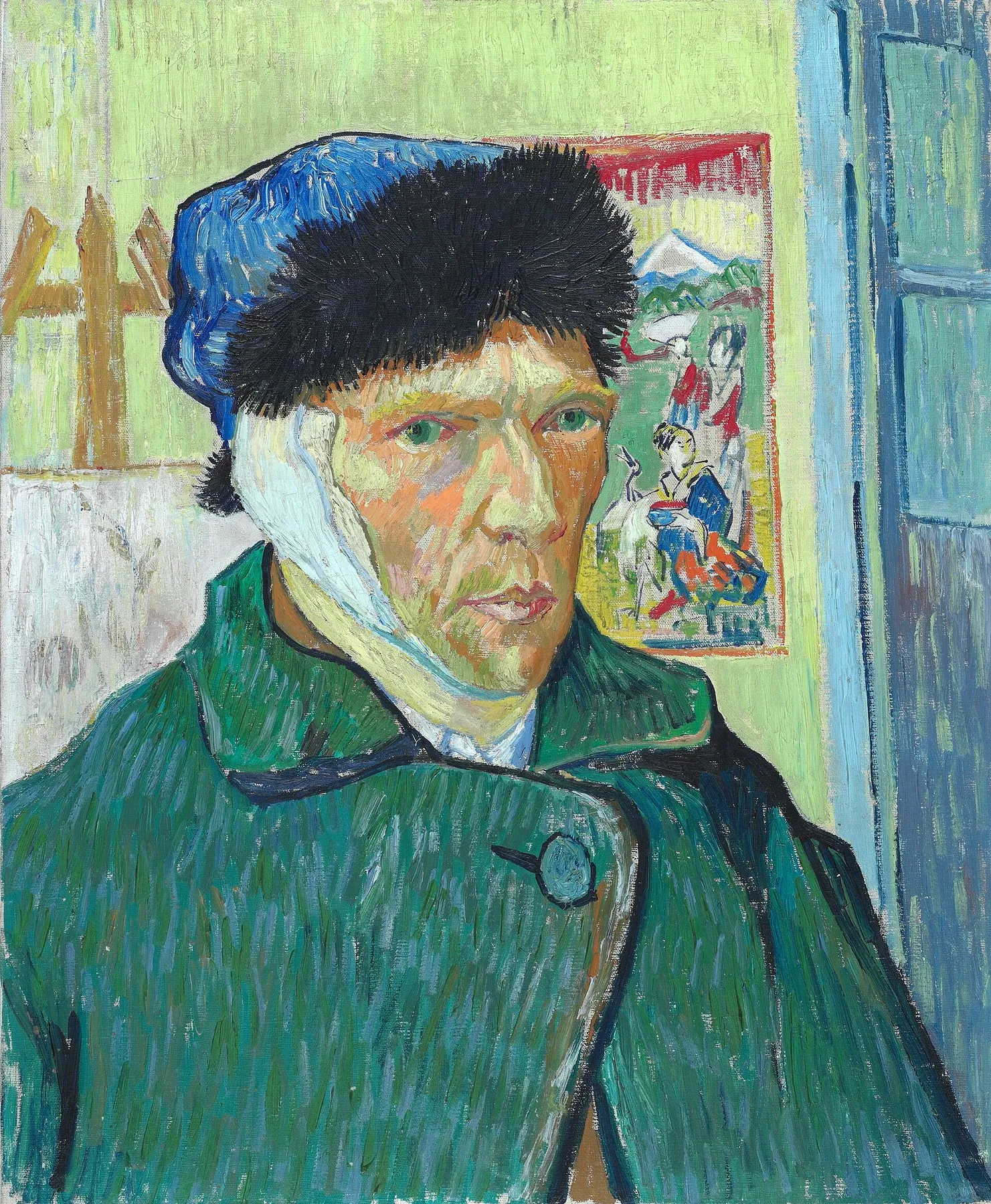
Pose, costume, setting and attributes tell a story — the instruments in Holbein's Ambassadors, the bandage in van Gogh's self-portrait. Decide what you want to say about the sitter before you begin.
Try it
Block the head as a ball and plane, then place the features.
Mass the shadow shape as one value.
Paint the skin in three values: light, halftone, shadow.
Finish the eyes and mouth last, keeping edges soft.
Examples to study
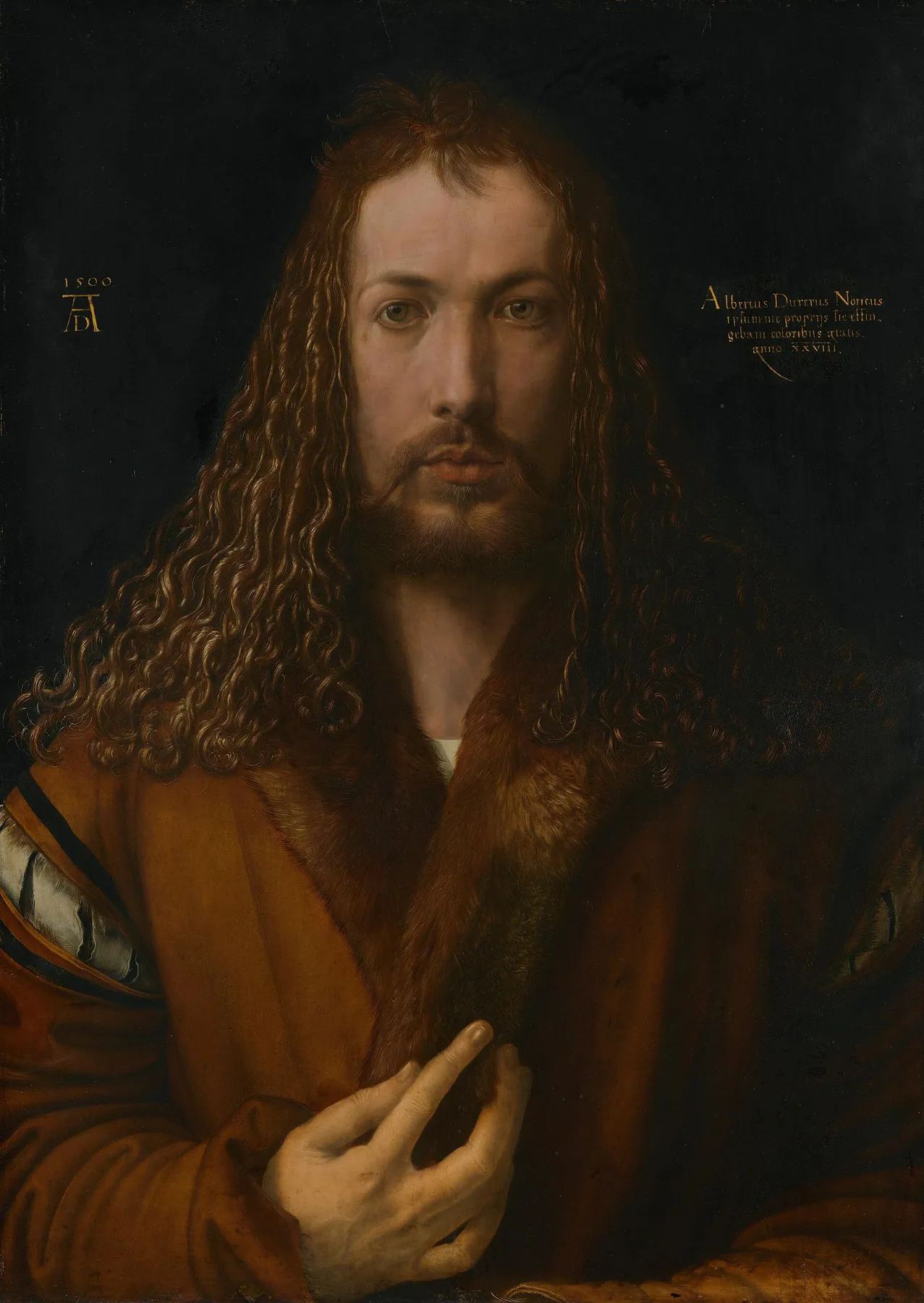
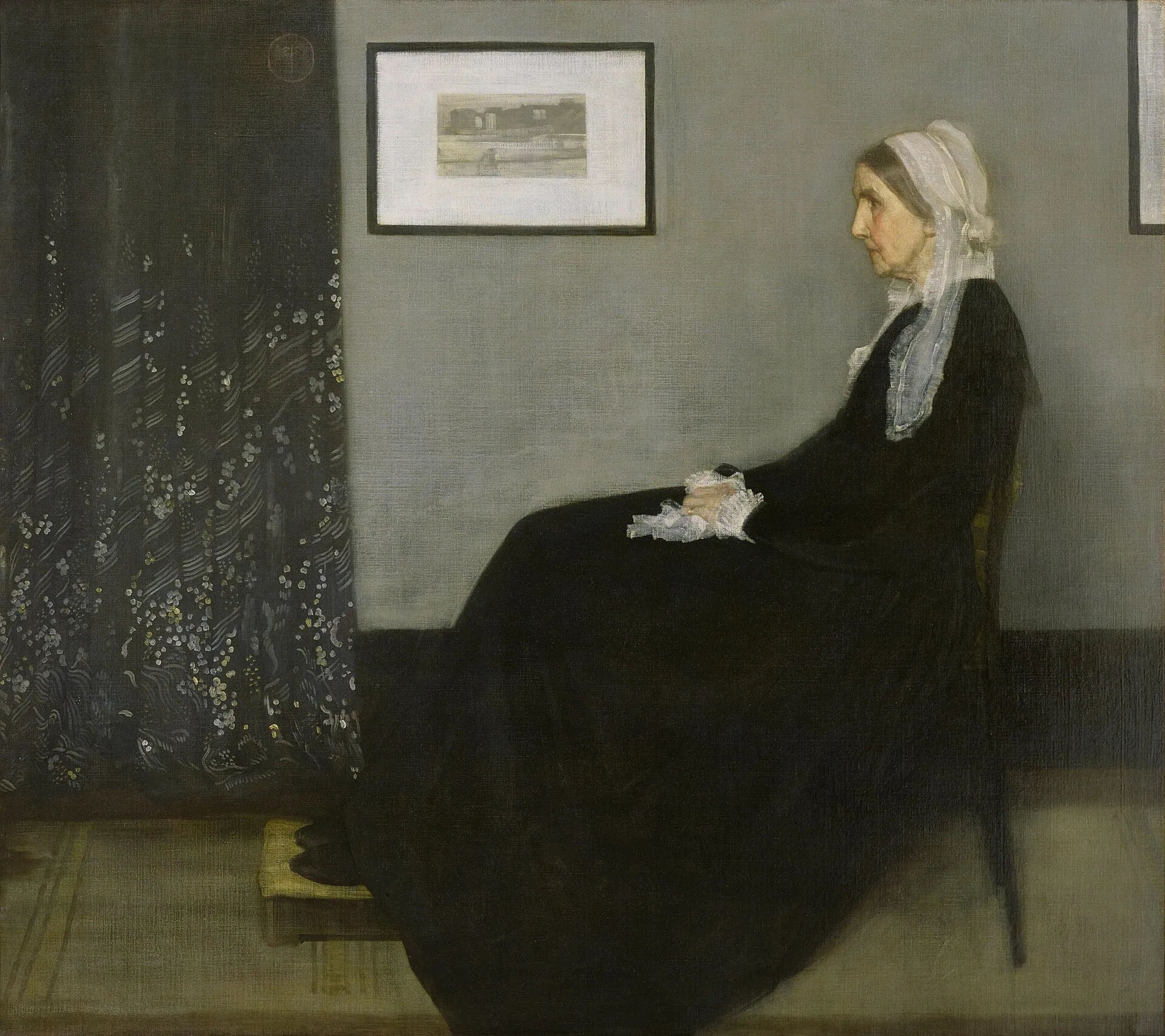
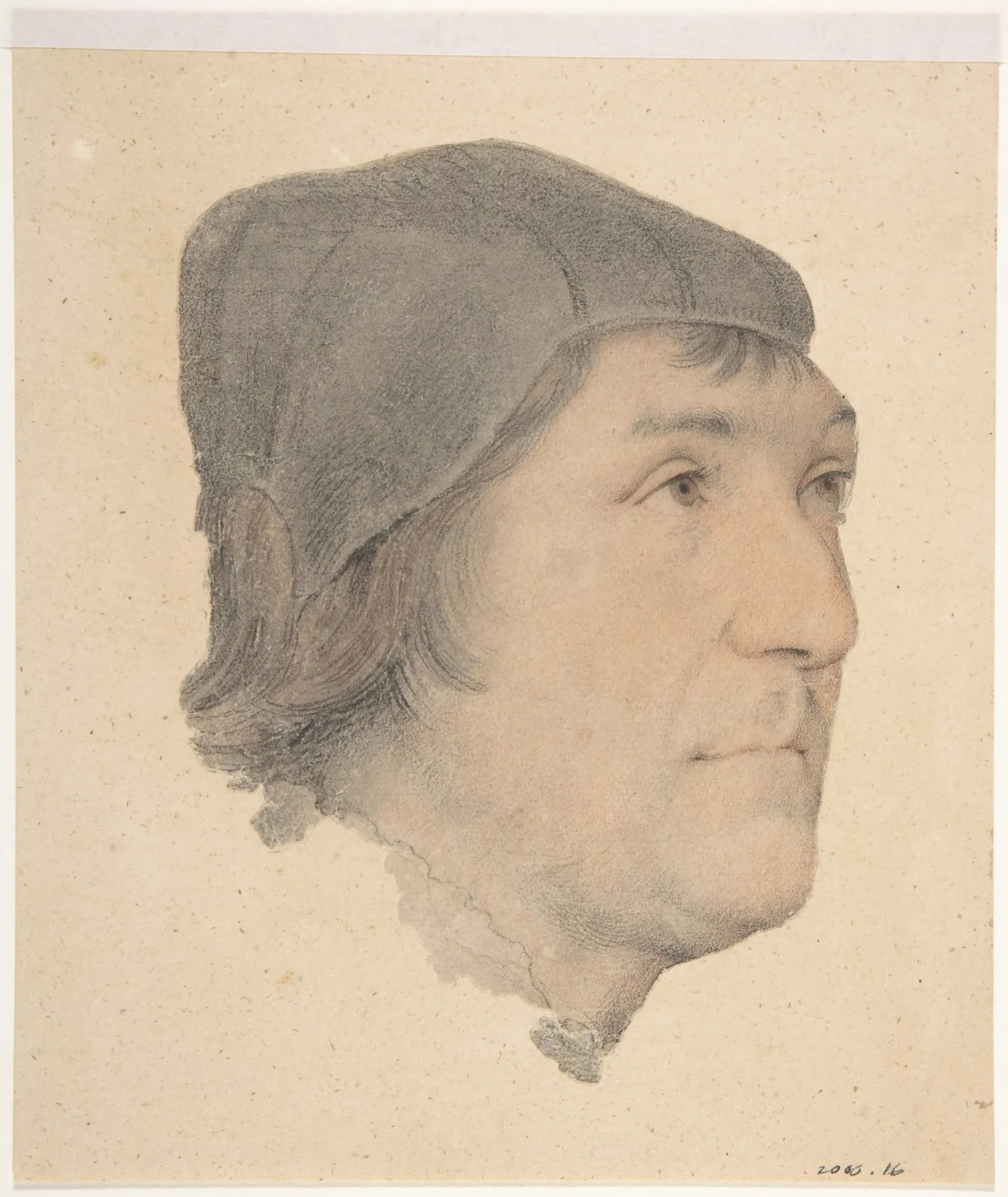
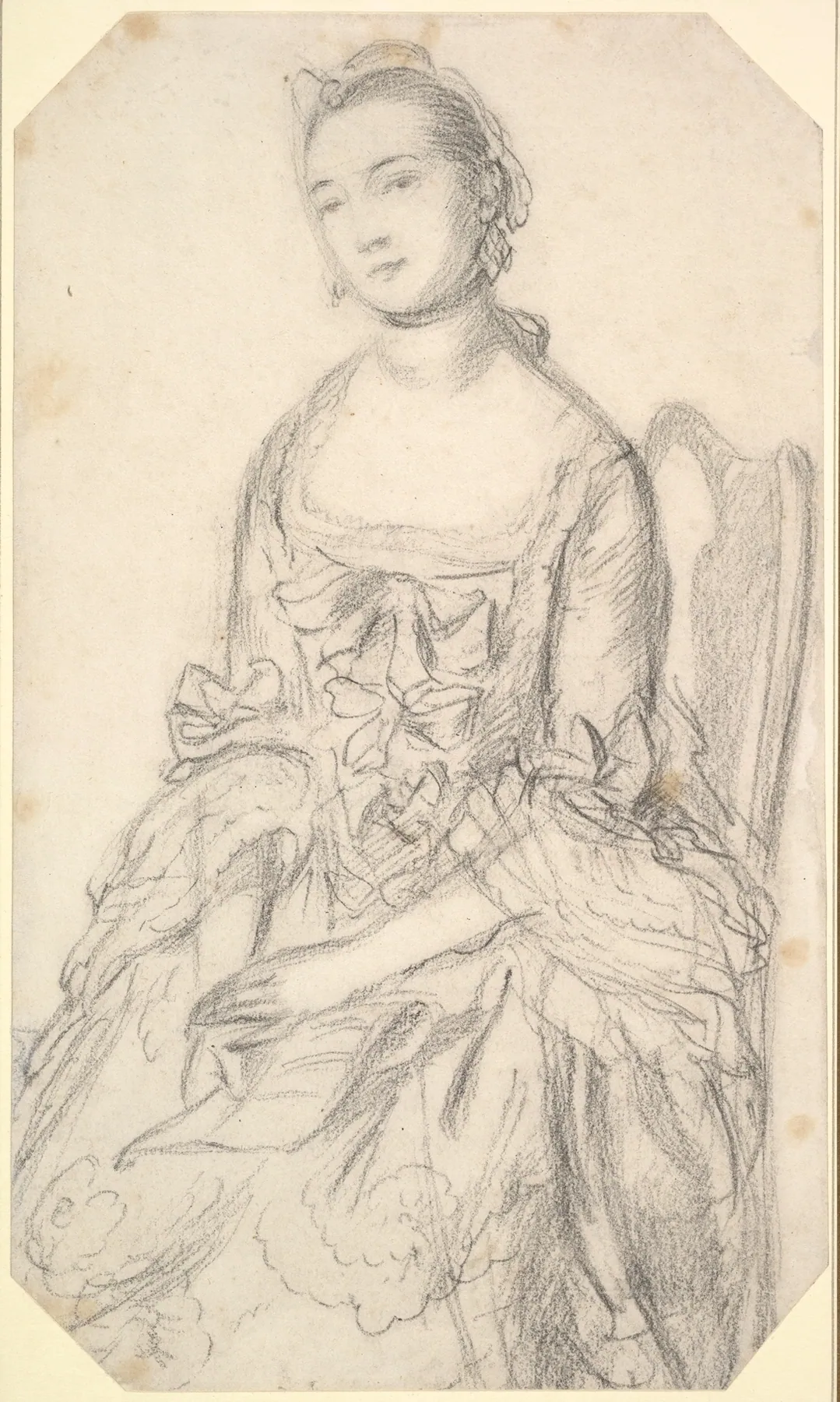
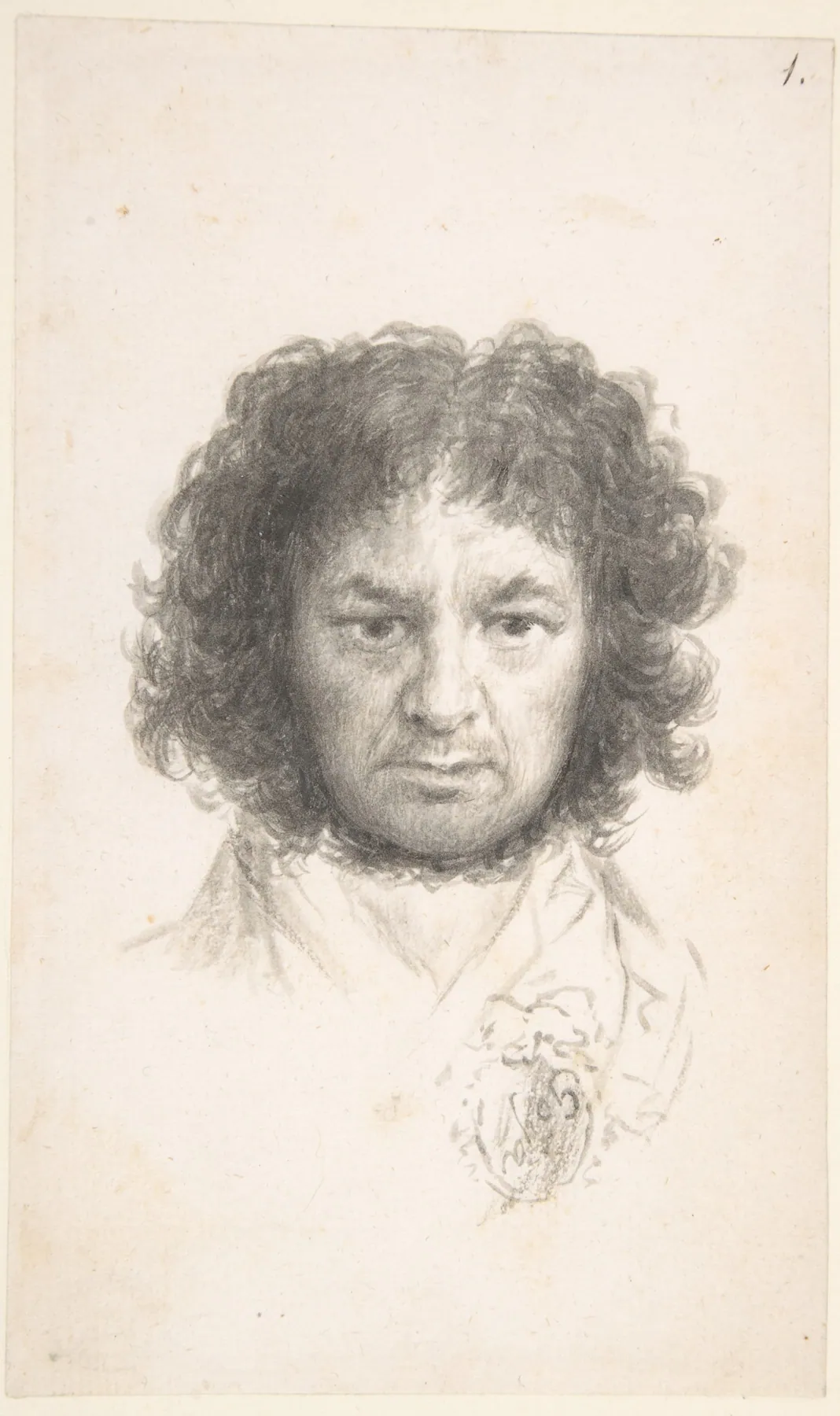
Self-Portrait at 28, Albrecht Dürer (1500). Oil on lime panel. Alte Pinakothek, Munich. Source: Wikimedia Commons · Public domainArrangement in Grey and Black No. 1, James McNeill Whistler (1871). Oil on canvas. Musée d'Orsay, Paris. Source: Wikimedia Commons · Public domainSelf-Portrait with Bandaged Ear, Vincent van Gogh (1889). Oil on canvas. The Courtauld, London. Source: Wikimedia Commons · Public domainMadame Guillaume Guillon Lethière, née Marie-Joseph-Honorée Vanzenne, and her son Lucien Lethière, Jean Auguste Dominique Ingres (1808). Graphite. The Metropolitan Museum of Art, New York. Source: The Metropolitan Museum of Art · CC0 (Met Open Access)Portrait of John Poyntz, Hans Holbein the Younger (early 16th century). Black and red chalk (use of stumping), brush and brown wash and black ink. The Metropolitan Museum of Art, New York. Source: The Metropolitan Museum of Art · CC0 (Met Open Access)Portrait of a young woman seated, Thomas Gainsborough (ca. 1760). Black chalk with touches of red wash. The Metropolitan Museum of Art, New York. Source: The Metropolitan Museum of Art · CC0 (Met Open Access)Self-Portrait, Goya (ca. 1796). Brush and point of brush, carbon black ink. The Metropolitan Museum of Art, New York. Source: The Metropolitan Museum of Art · CC0 (Met Open Access)
Watch
Oil Painting Portrait - Techniques for Beginners and Advanced Step by Step - Tutorial Demonstration · Florent Farges - arts
How to Mix Great Flesh Tones · Draw Mix Paint
Oil Painting SECRETS Every Artist Should Know to Paint AMAZING Skin Tones · Florent Farges - arts
Videos load from YouTube (privacy-enhanced mode) only when you press play.
 ◎ notes
 ◎ notes
 ◎ notes