Impressionism
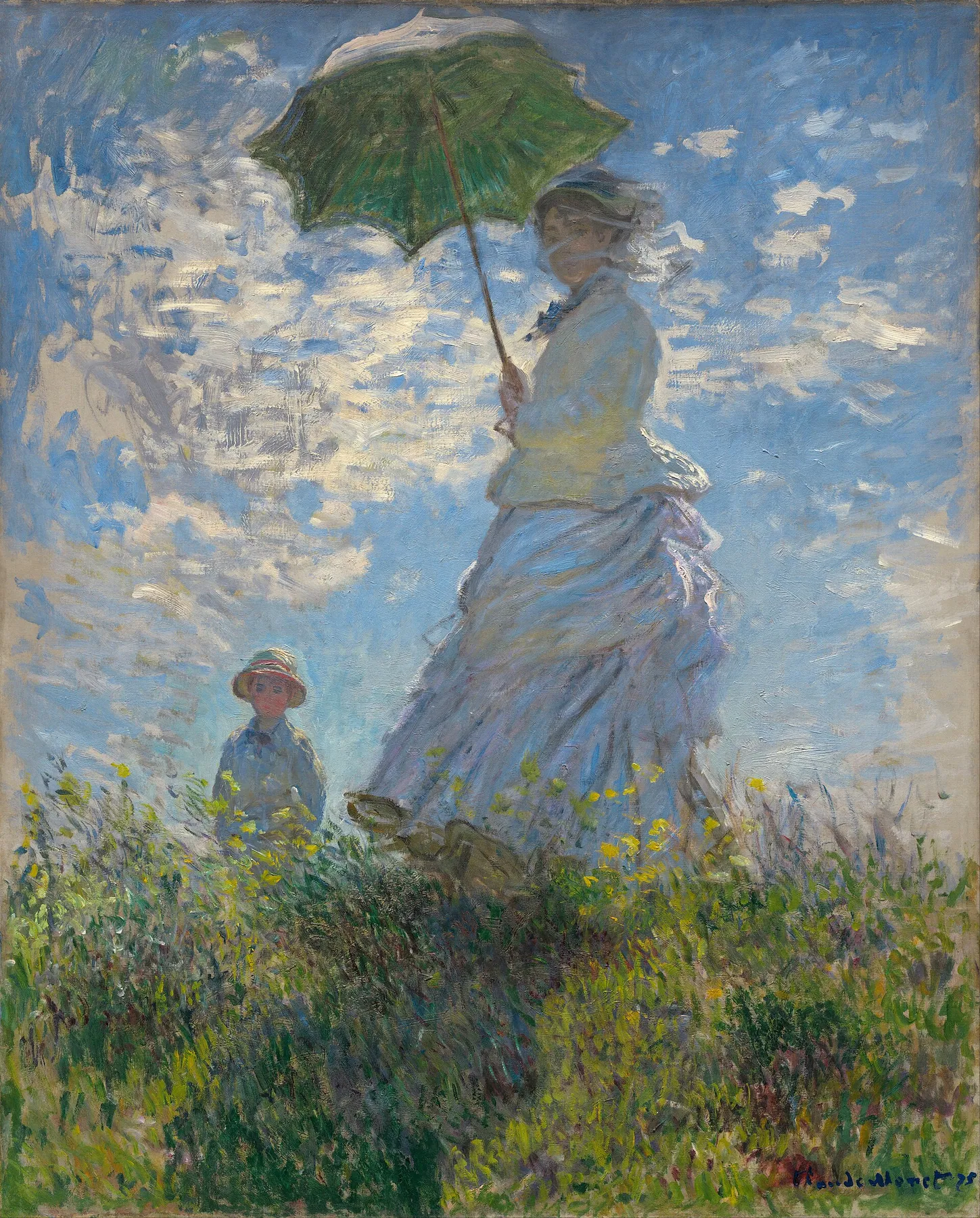
c. 1867–1886. The Impressionists painted light itself — fleeting moments outdoors, modern Paris, coloured shadows — in quick, broken strokes of bright colour.
 ◎ notes
Context
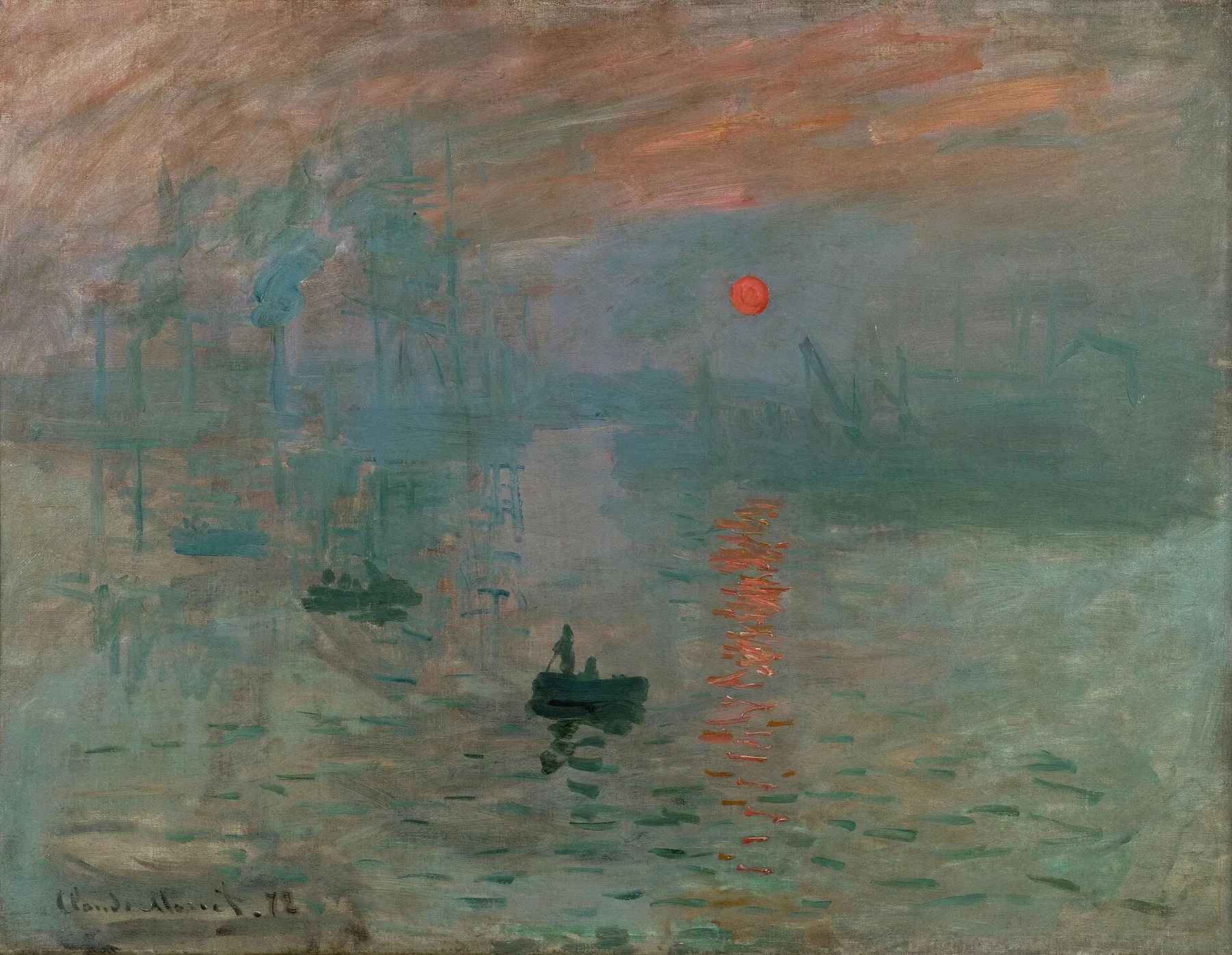
Rejected by the official Salon, a group of artists held their own exhibition in 1874. A critic mocked Monet's Impression, Sunrise, and the name stuck.
New paint in metal tubes (1841) and portable easels let painters work outdoors (en plein air). New synthetic pigments gave brighter colours.
Japanese prints and photography inspired unusual crops, high viewpoints and asymmetry. Subjects were modern: cafés, railway stations, boating parties, ballet rehearsals.
Key artists
| Artist | Life | Known for |
|---|---|---|
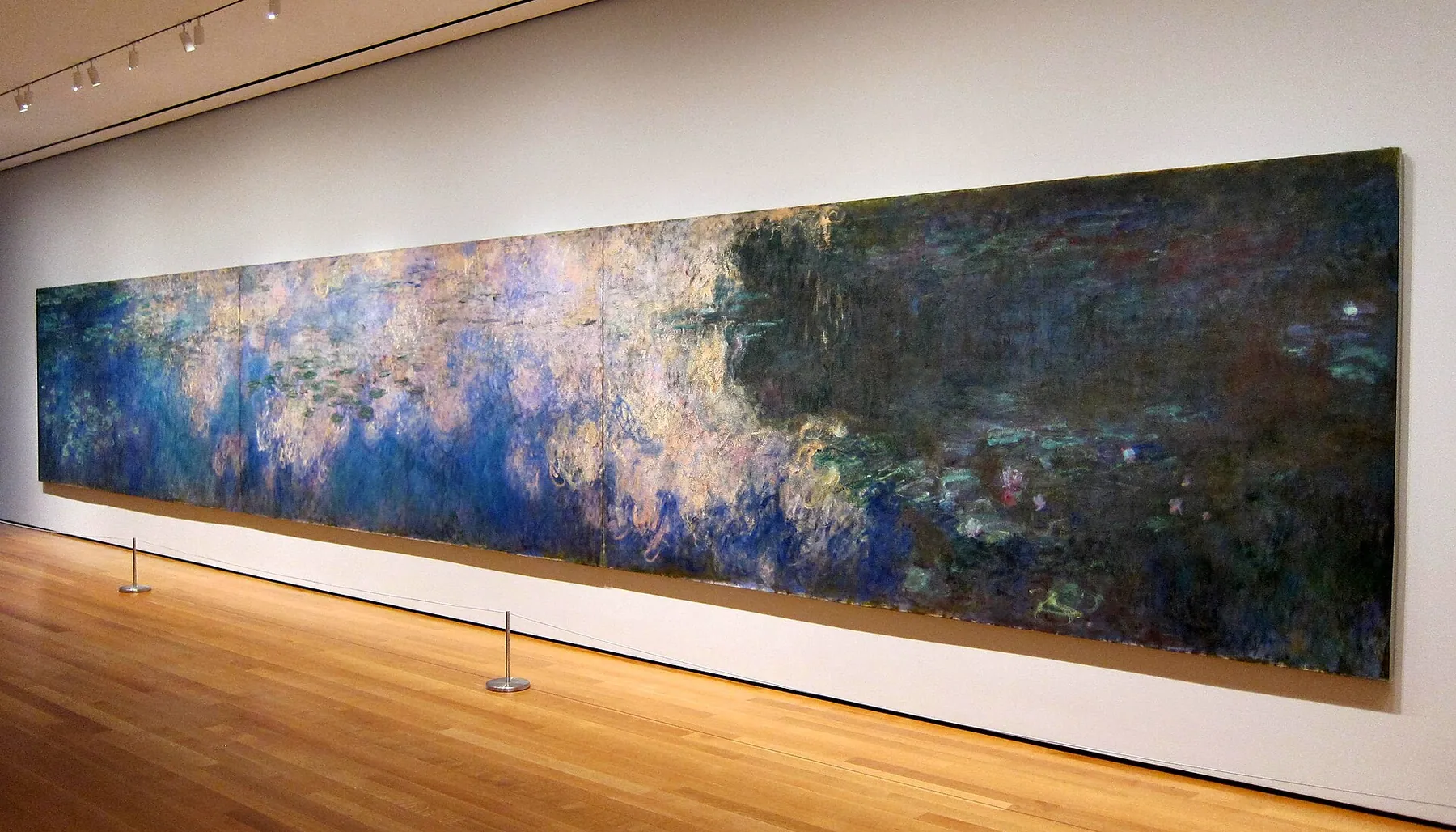
| Claude Monet | 1840–1926 | Light and series painting: Impression, Sunrise; Water Lilies. |
| Pierre-Auguste Renoir | 1841–1919 | Dappled light on figures: Bal du moulin de la Galette. |
| Edgar Degas | 1834–1917 | Dancers, pastel and bold cropping. |
| Berthe Morisot | 1841–1895 | Intimate scenes with airy brushwork: The Cradle. |
| Mary Cassatt | 1844–1926 | Mothers and children; Japanese-print design. |
| Camille Pissarro | 1830–1903 | Rural and city views; mentor of the group. |
| Gustave Caillebotte | 1848–1894 | Modern Paris in sharp perspective. |
Key works
Tap any image to zoom; works marked ◎ have notes on key details.
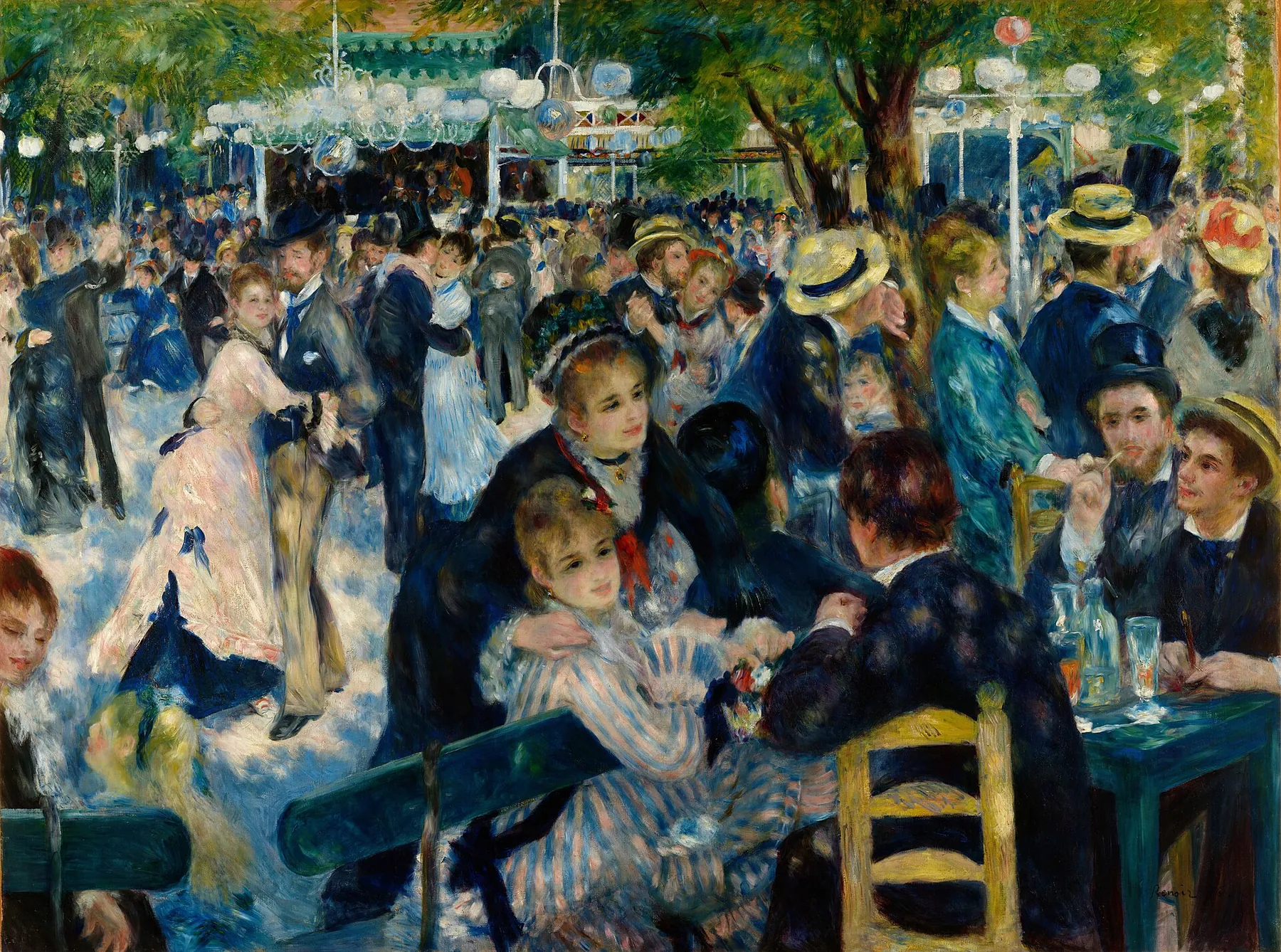
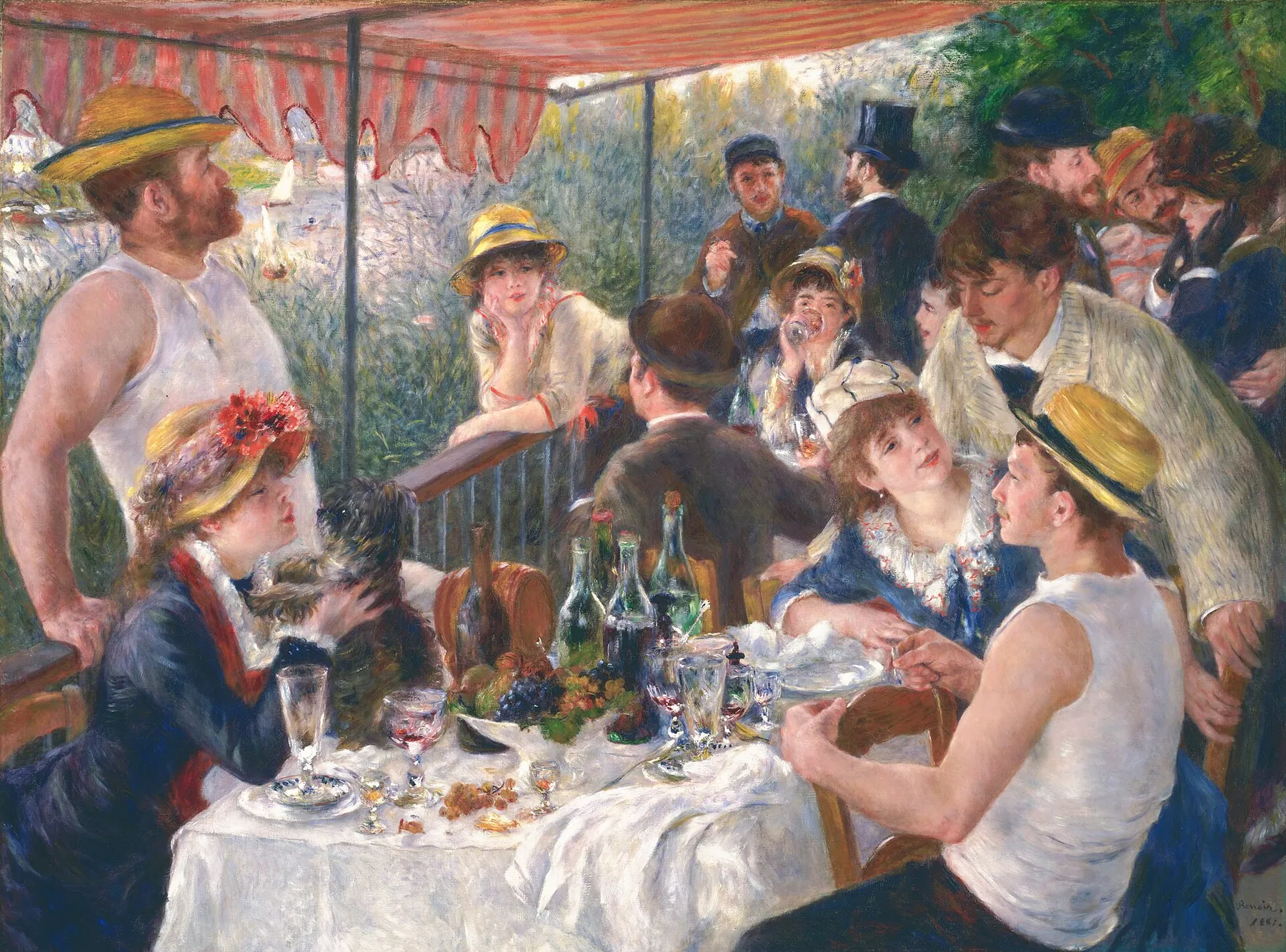
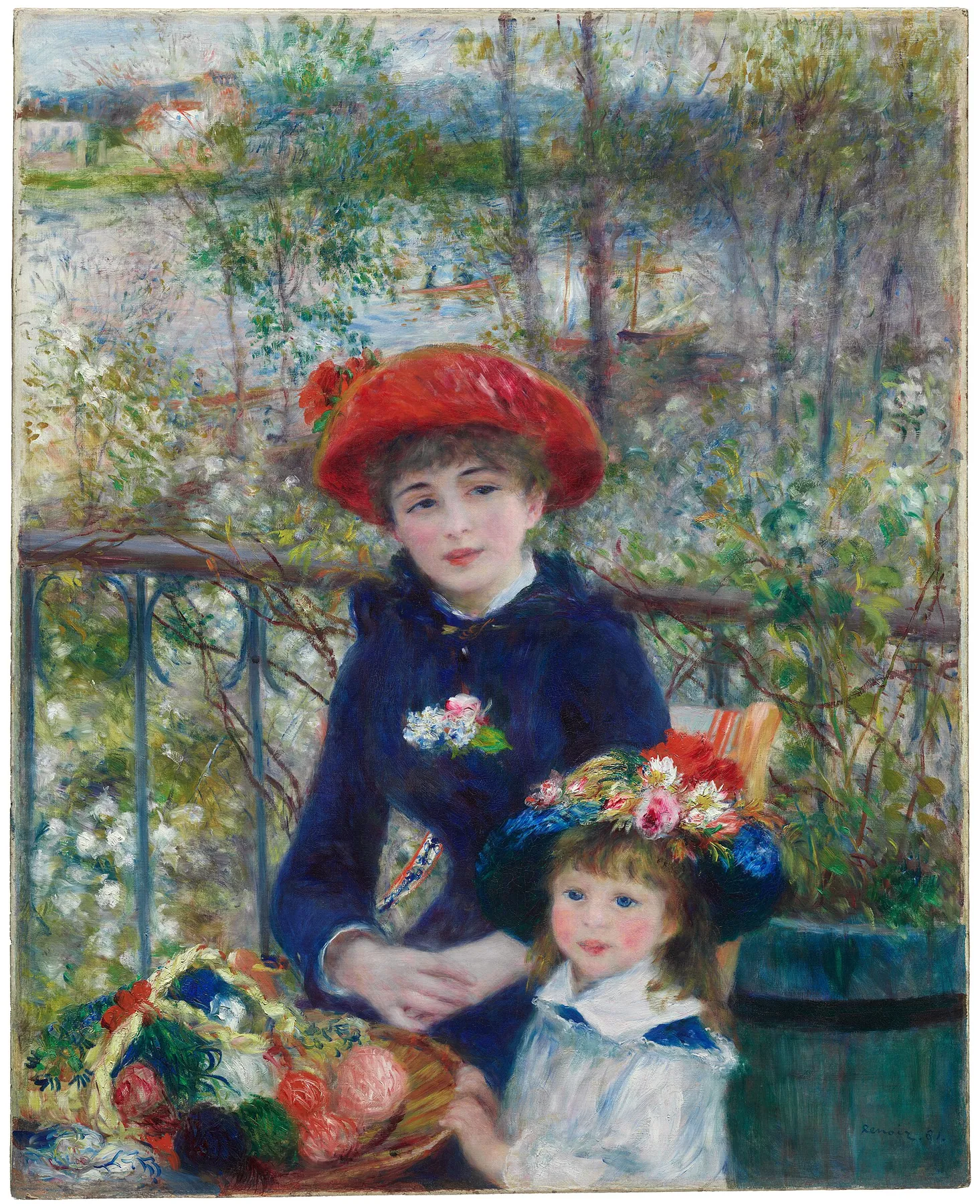
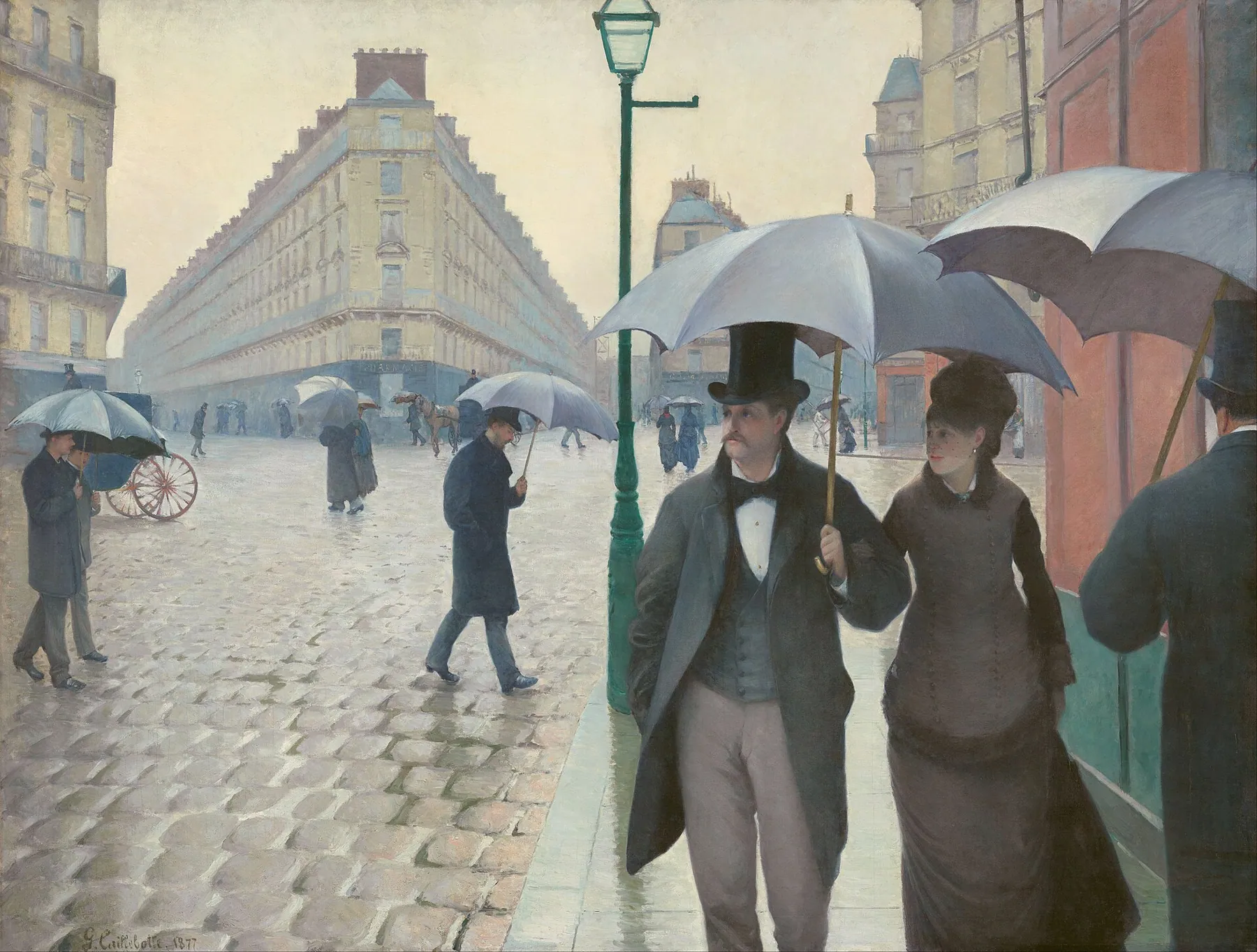
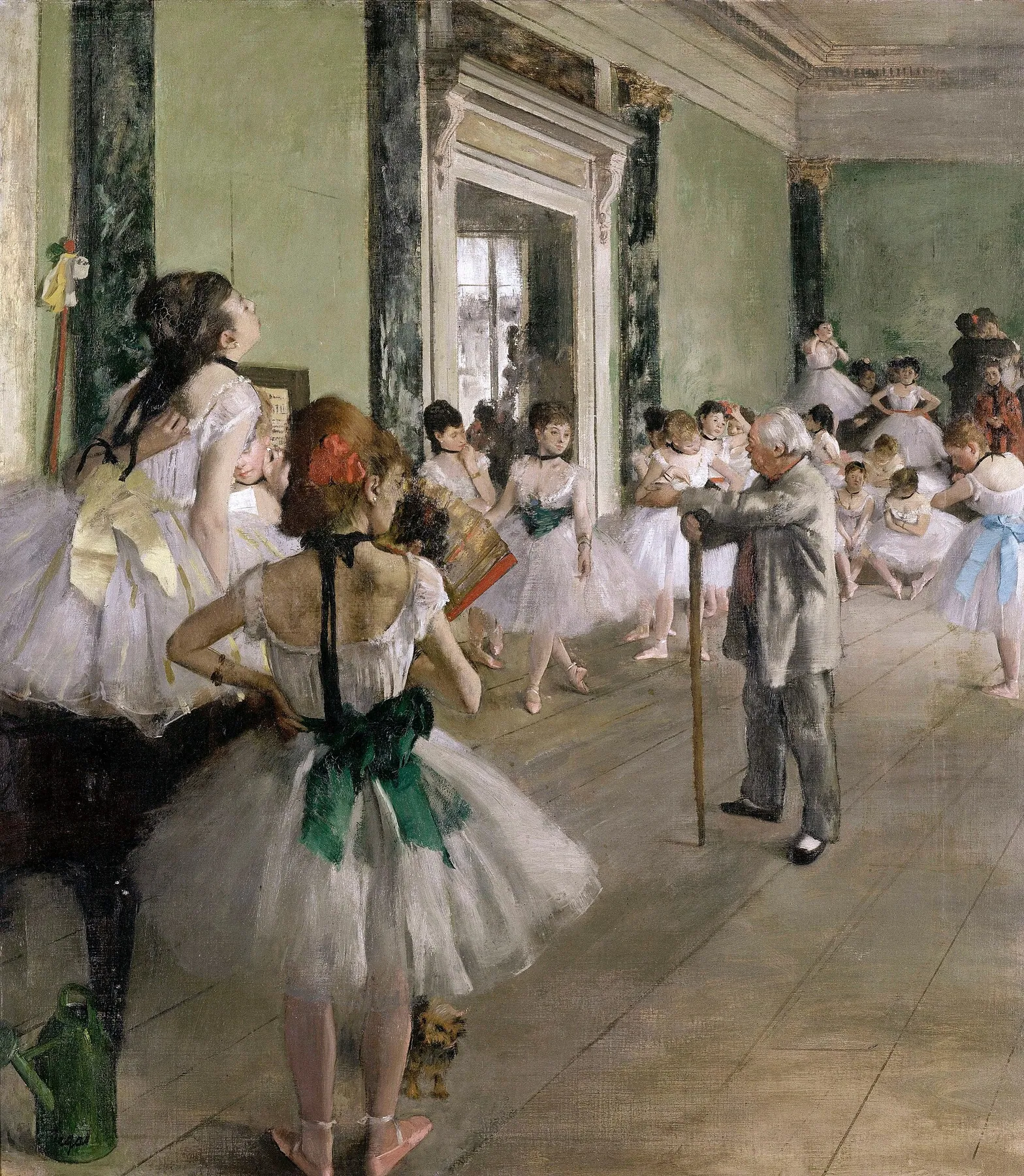
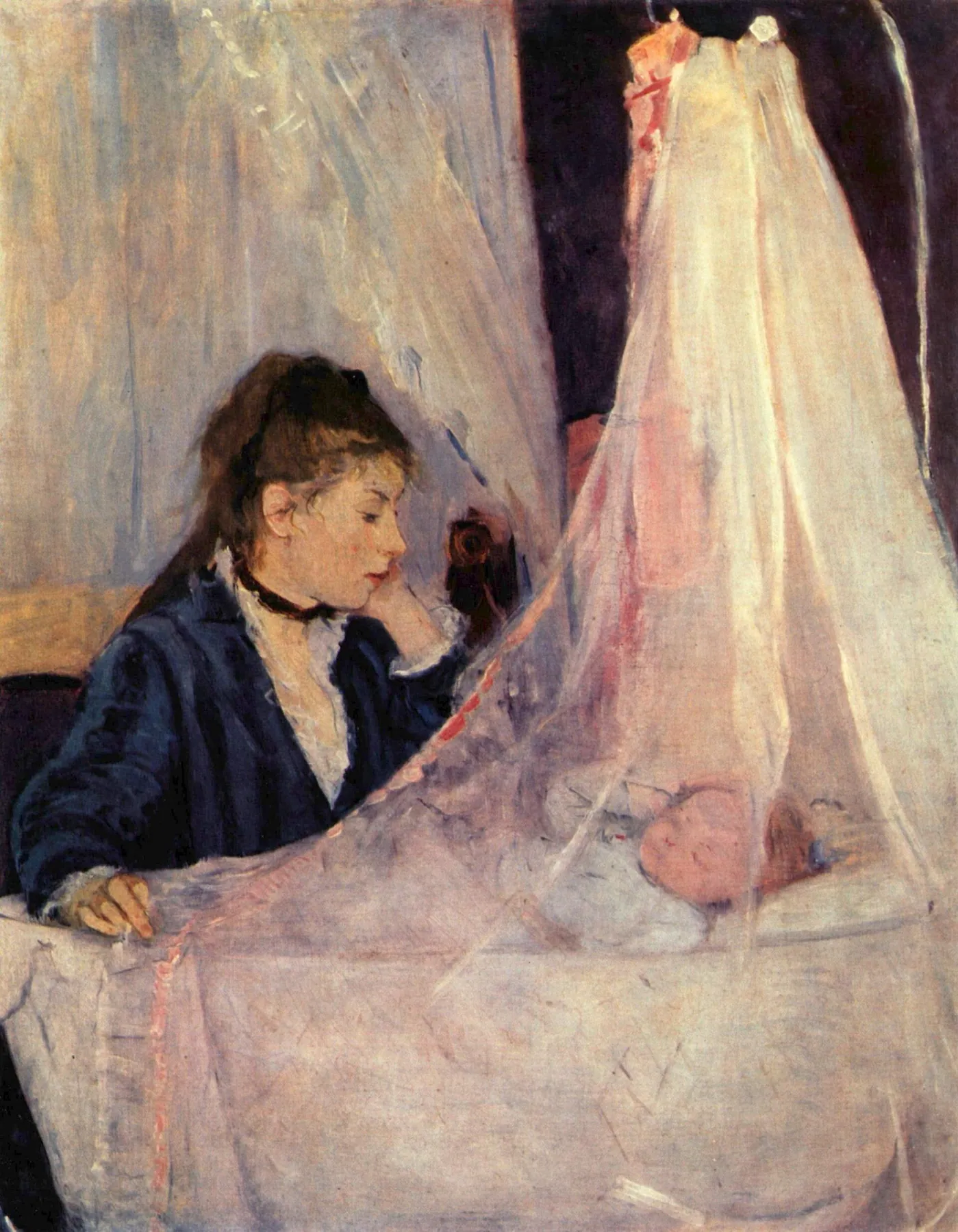
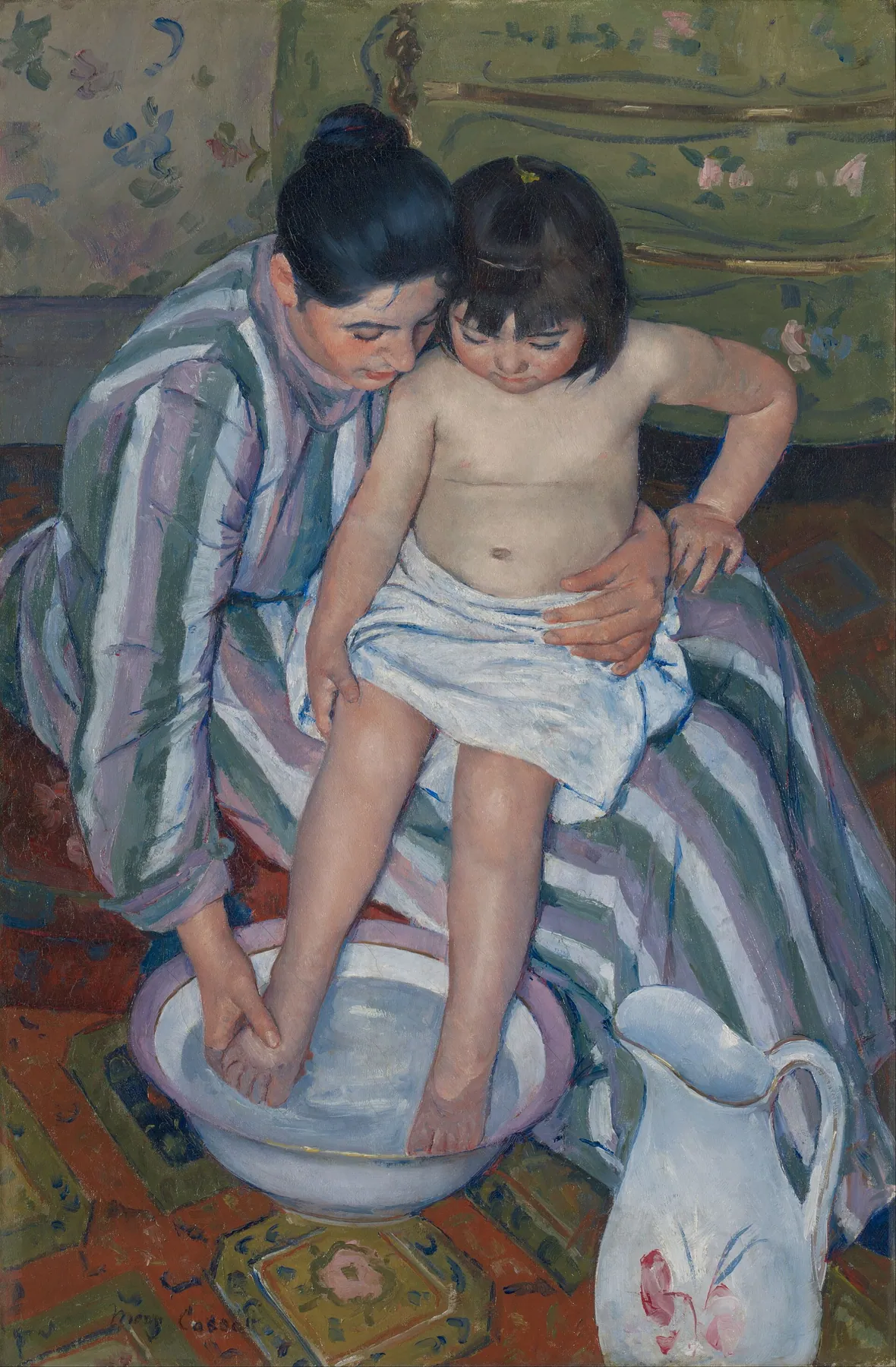
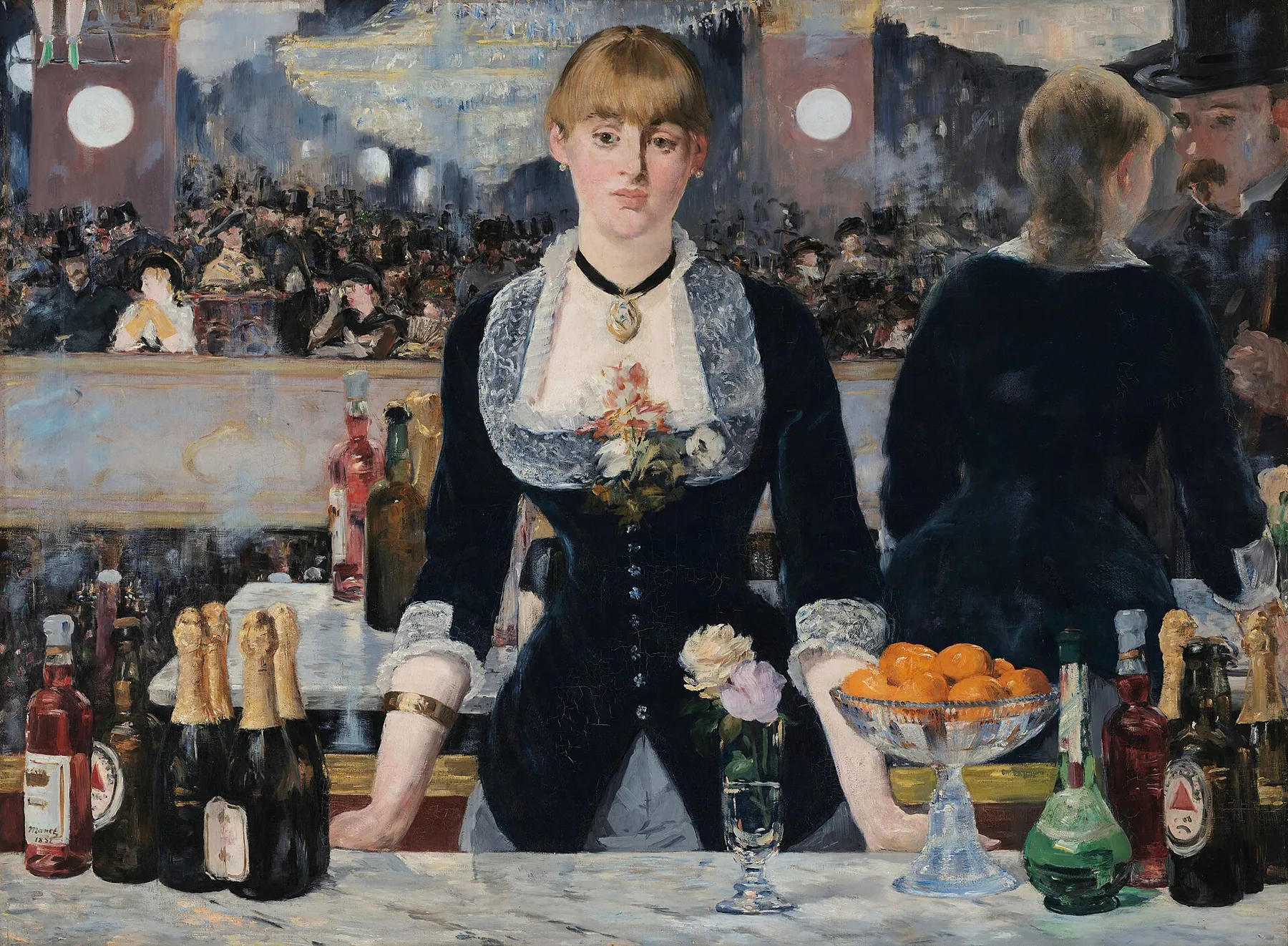 ◎ notes
Techniques
- Painting outdoors directly from the subject.
- Broken colour: short strokes of unmixed colour placed side by side.
- Coloured shadows — blues and violets instead of brown or black.
- Wet-into-wet (alla prima), often finished in one sitting.
- Light, often white or pale grounds instead of dark ones.
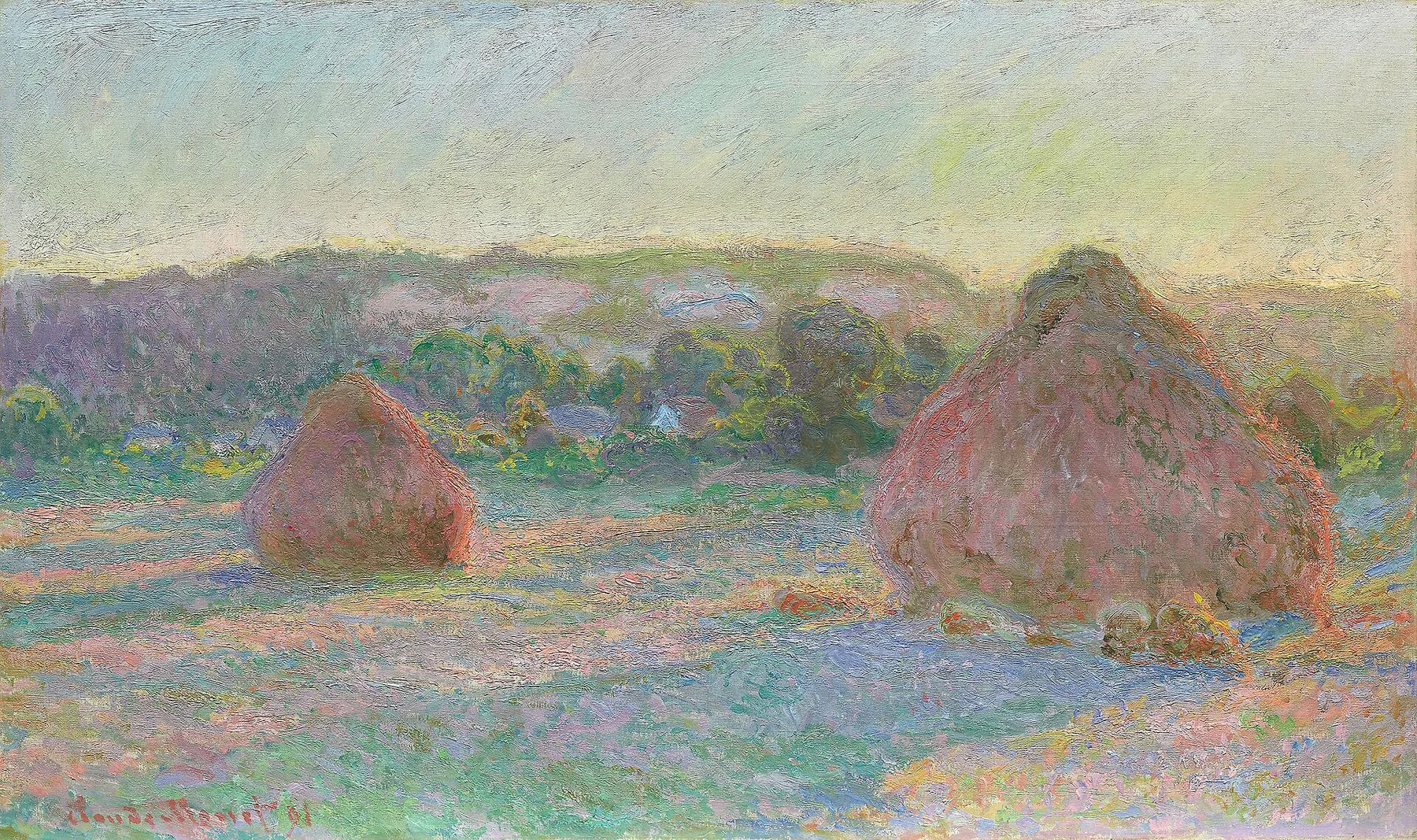
- Series: the same motif painted at different times of day (Monet's stacks of wheat).
How to paint in this style
- Go outside with a small canvas (or panel) and limit yourself to 1–2 hours — the light changes.
- Use a white or very light ground, and no black on the palette.
- Squint and block in the big colour shapes first — sky, ground, light mass, shadow mass.
- Paint shadows as colours: cool blues and violets next to warm sunlit oranges and yellows.
- Use short, broken strokes; don't over-blend. Let colours mix in the viewer's eye.
- Stop while it still looks fresh. Leave edges soft and suggestive.
Lead white, chrome or cadmium yellow, vermilion, madder lake, cobalt blue, French ultramarine, viridian and emerald green — and usually no black.
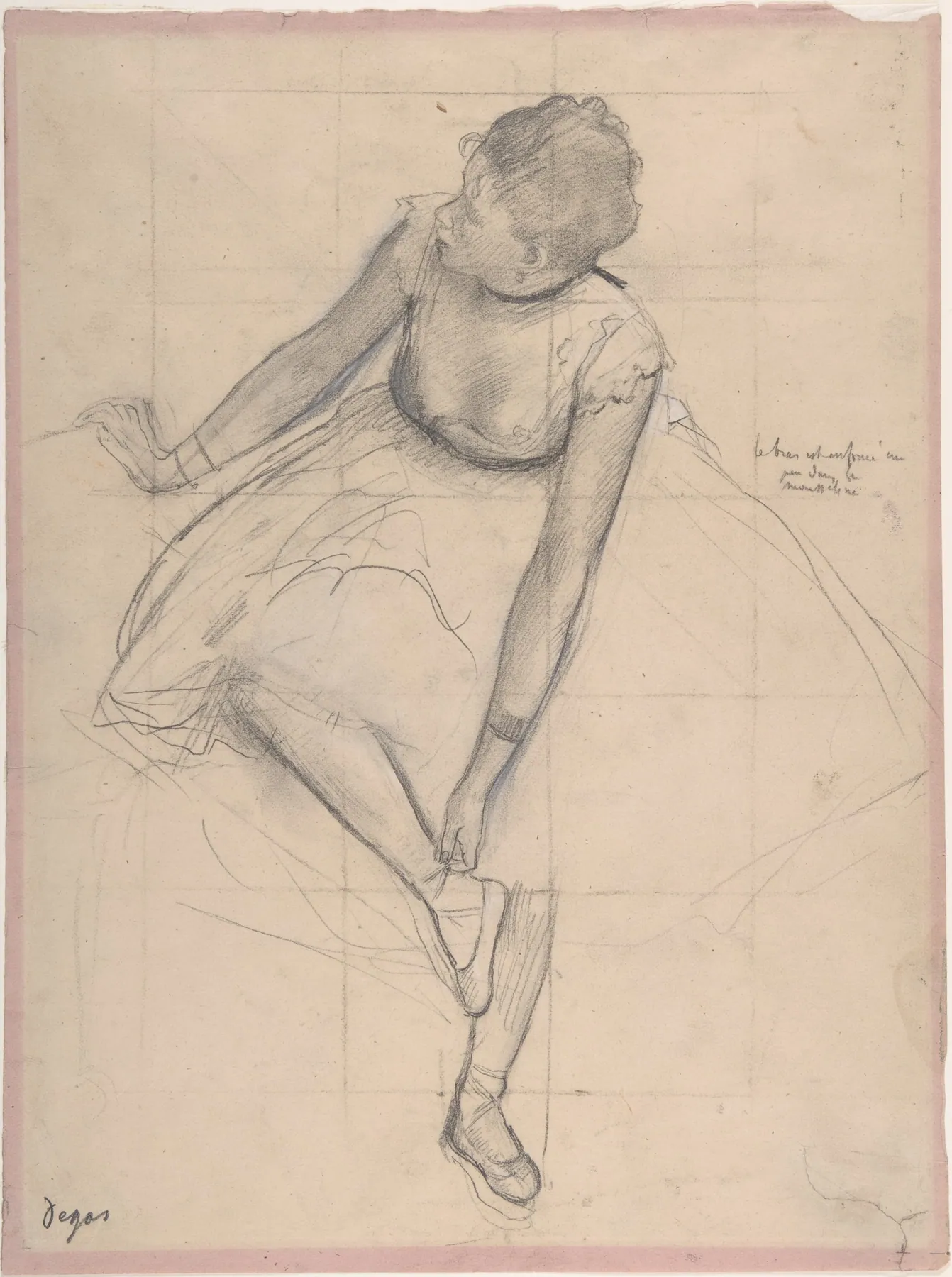
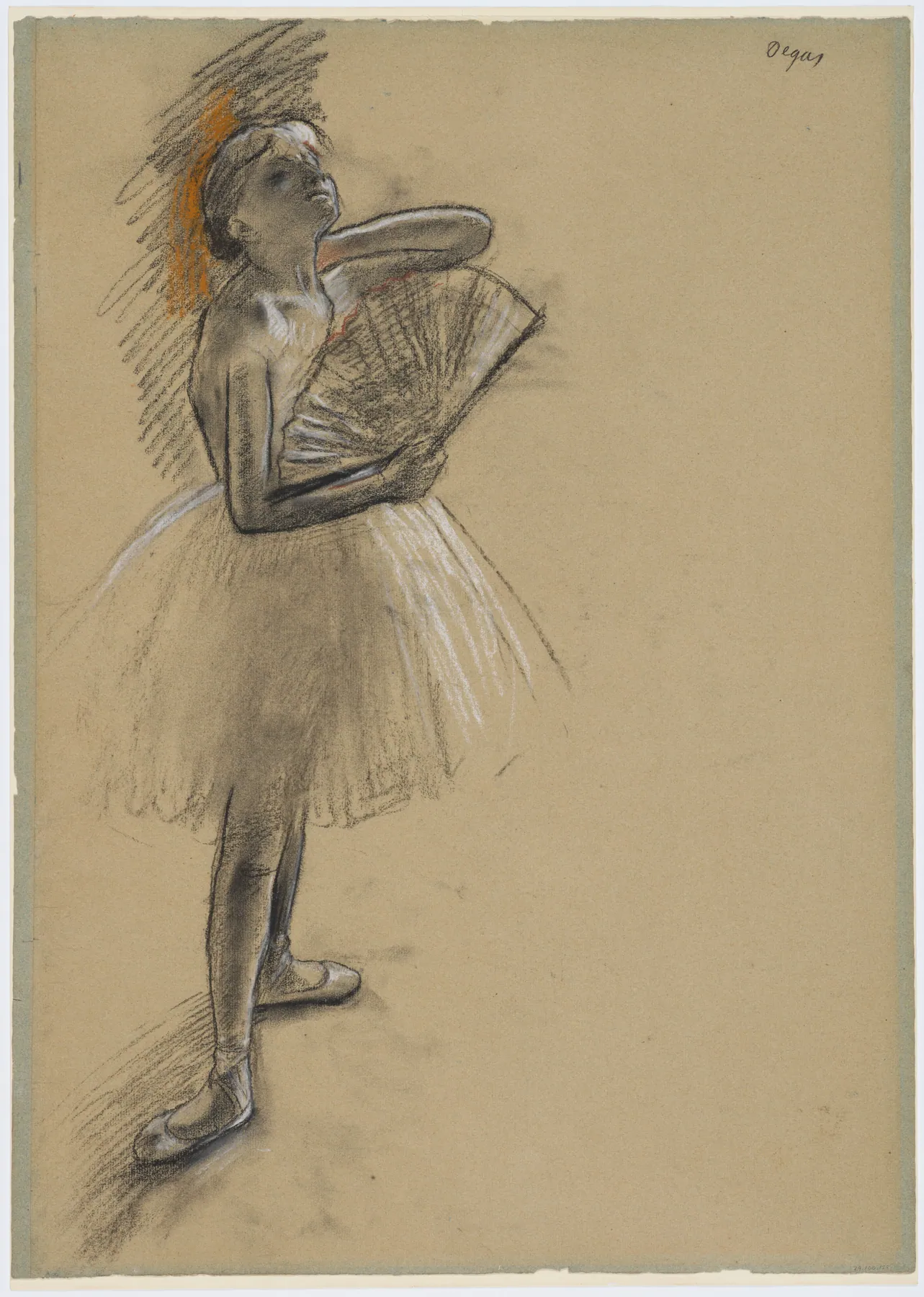
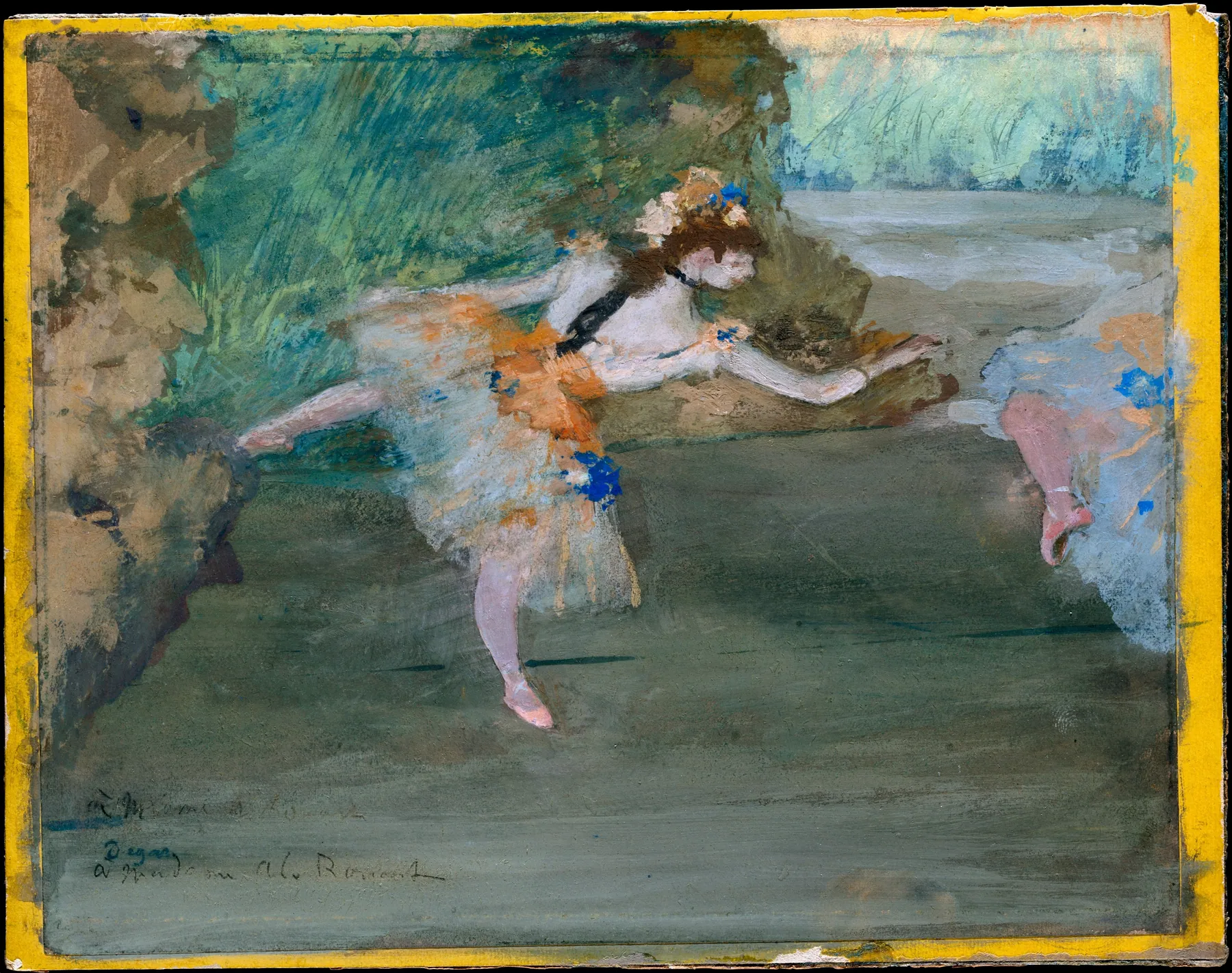
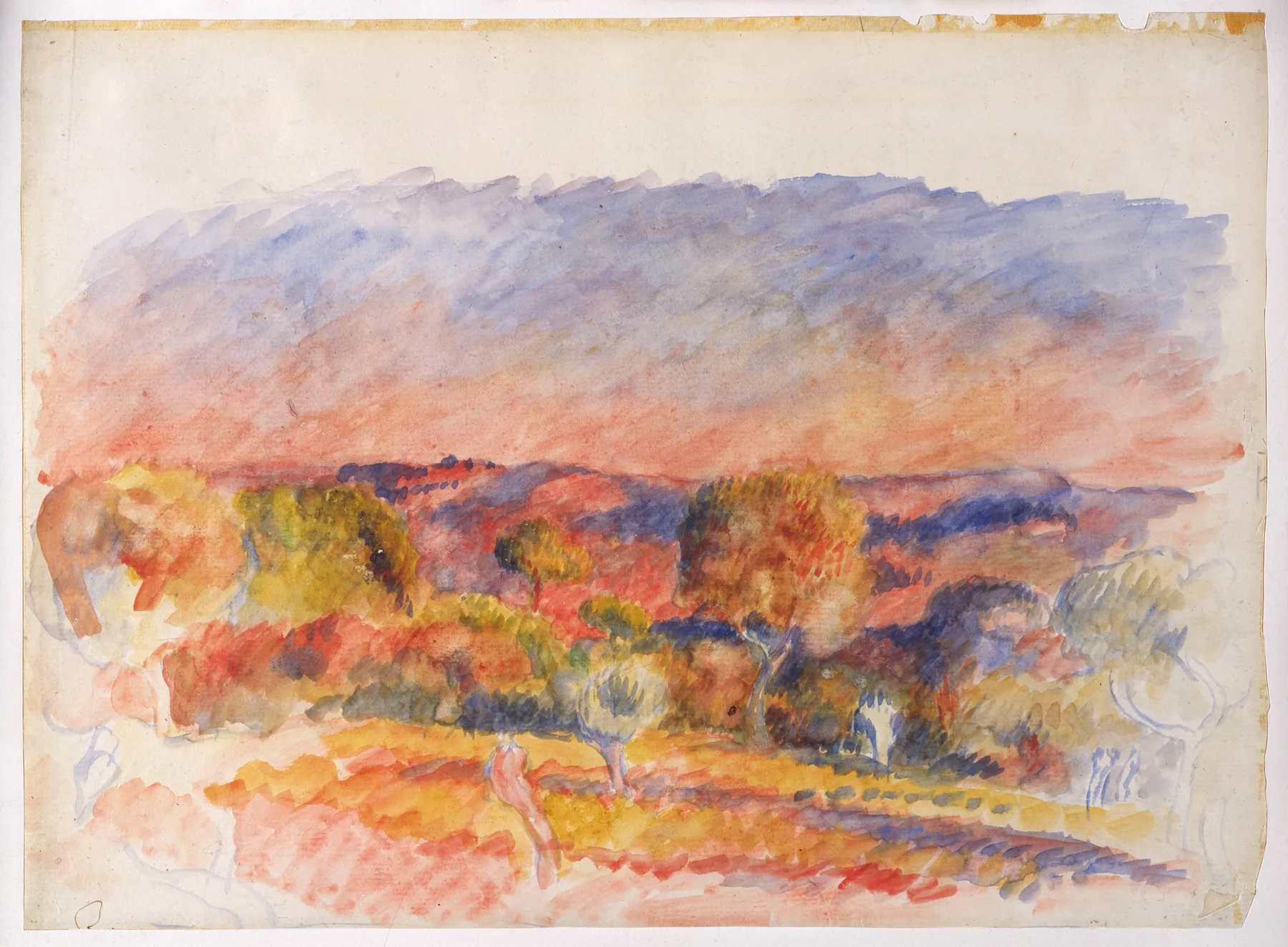
Drawings and studies
Watch
Monet, Water Lilies · Smarthistory
Monet's Wheatstacks (Snow Effect, Morning) · Smarthistory
Renoir, Bal du moulin de la Galette · Smarthistory
Degas, The Dance Class · Smarthistory
Videos load from YouTube (privacy-enhanced mode) only when you press play.