Oil painting
Oil paint — pigment ground in drying oil, usually linseed — dominated European painting from the 15th century. It dries slowly, blends easily, can be thick or glassy-thin, and stays luminous for centuries.
 ◎ notes
 ◎ notes
Materials
A basic kit: titanium white, yellow ochre, cadmium yellow (or a hue), cadmium red, alizarin crimson (or a permanent alternative), ultramarine blue, burnt umber; a few hog-bristle and synthetic brushes (filberts are versatile); a primed canvas or panel; odourless mineral spirits; and a drying oil or medium. Ventilate, wear gloves and never pour solvent down the sink.
Fat over lean: each layer should have a little more oil than the one below it, so the top layers stay flexible as they dry. Thin, solvent-heavy layers go first; oilier layers on top.
Approaches
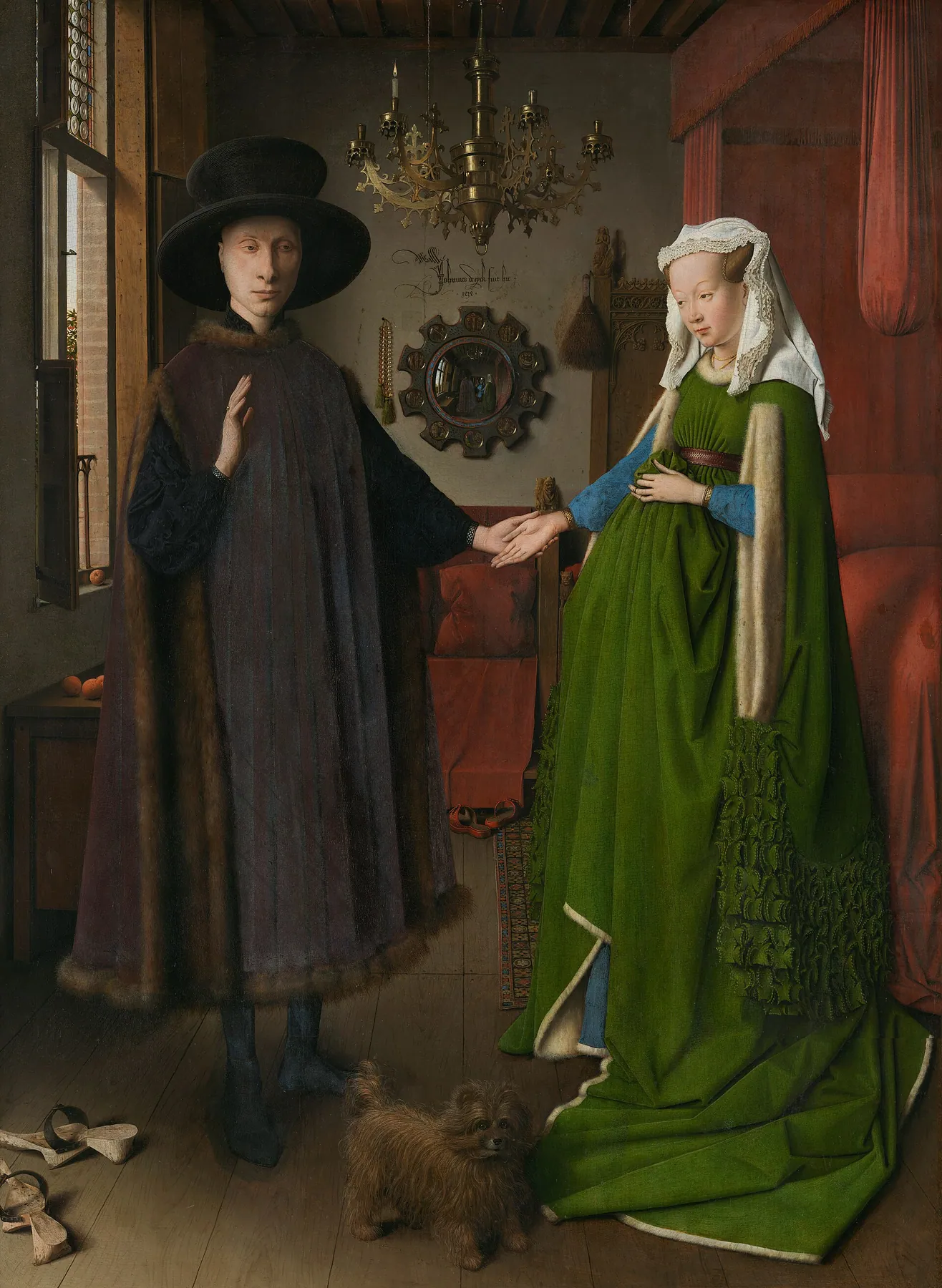
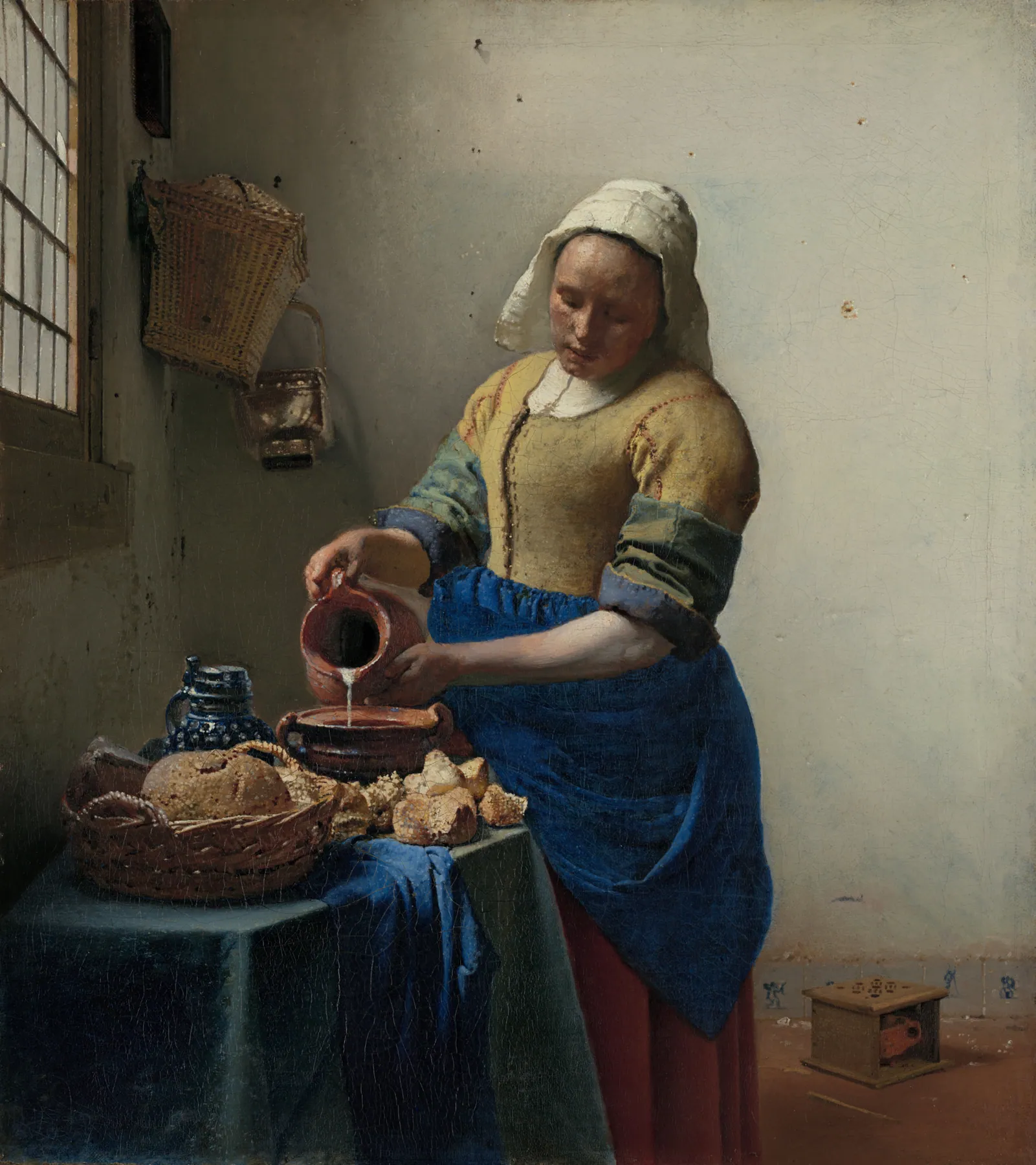
Indirect (layered): a monochrome underpainting (grisaille or brown 'dead colour') followed by transparent glazes — the method of van Eyck and many Old Masters. Direct (alla prima): paint wet-into-wet in one sitting, as the Impressionists did outdoors.
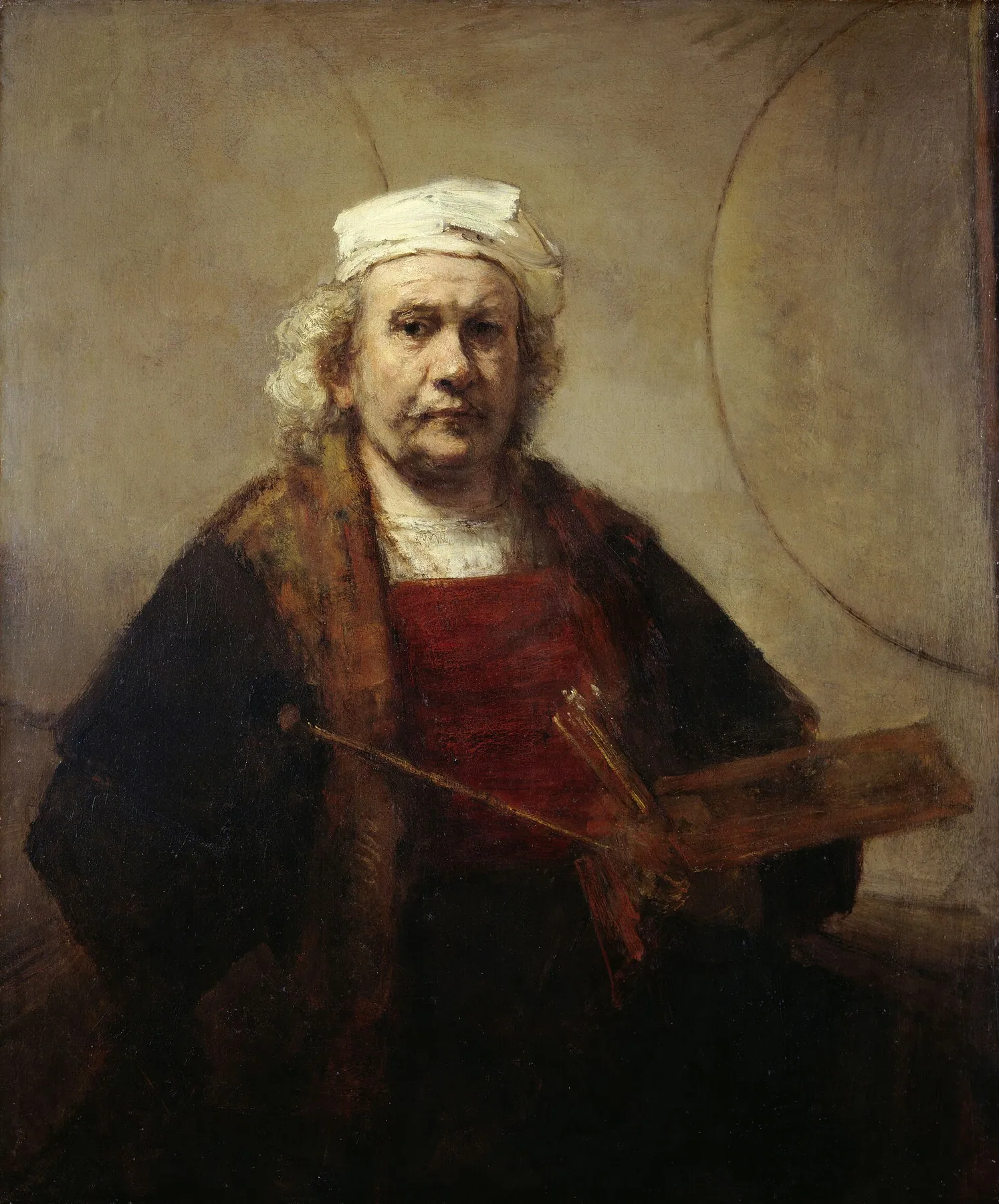
Impasto — thick, textured paint — catches real light. Rembrandt used it for highlights; van Gogh for everything.
Try it
- Tone the canvas with a thin wash of burnt umber.
- Draw the big shapes with a brush and thinned paint.
- Block in the darks, then the midtones, then the lights.
- Refine edges: keep some soft, make a few sharp near the focal point.
- Add the final highlights thick, last.
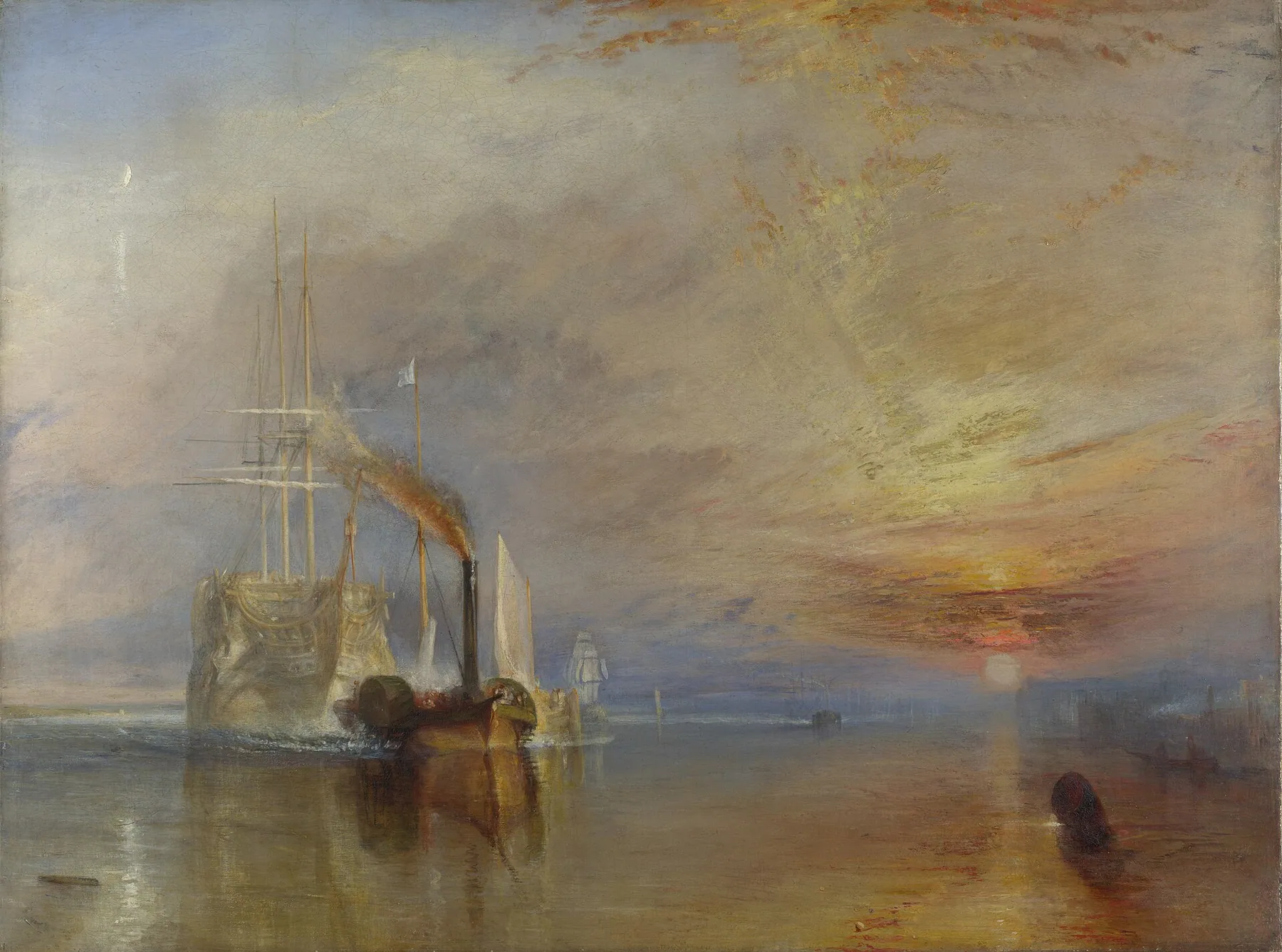
Examples to study
 ◎ notes
 ◎ notes
Watch
GLAZING - Old Masters Secrets and Modern Techniques - Oil Painting Tutorial · Florent Farges - arts
Oil Painting for Beginners - Basic Techniques + Step by Step Demonstration · Florent Farges - arts
Oil Painting for Beginners/Intermediate - Painting ALLA PRIMA + Step by Step DEMONSTRATION · Florent Farges - arts
10 Things I Wish I Knew Before I Started Oil Painting · Florent Farges - arts
Videos load from YouTube (privacy-enhanced mode) only when you press play.