c. 1600–1720. Baroque painting is drama: deep shadows, spotlit figures, movement and emotion. In the Dutch Republic the same skills turned to quiet interiors, portraits, landscapes and still lifes for a new middle-class market.
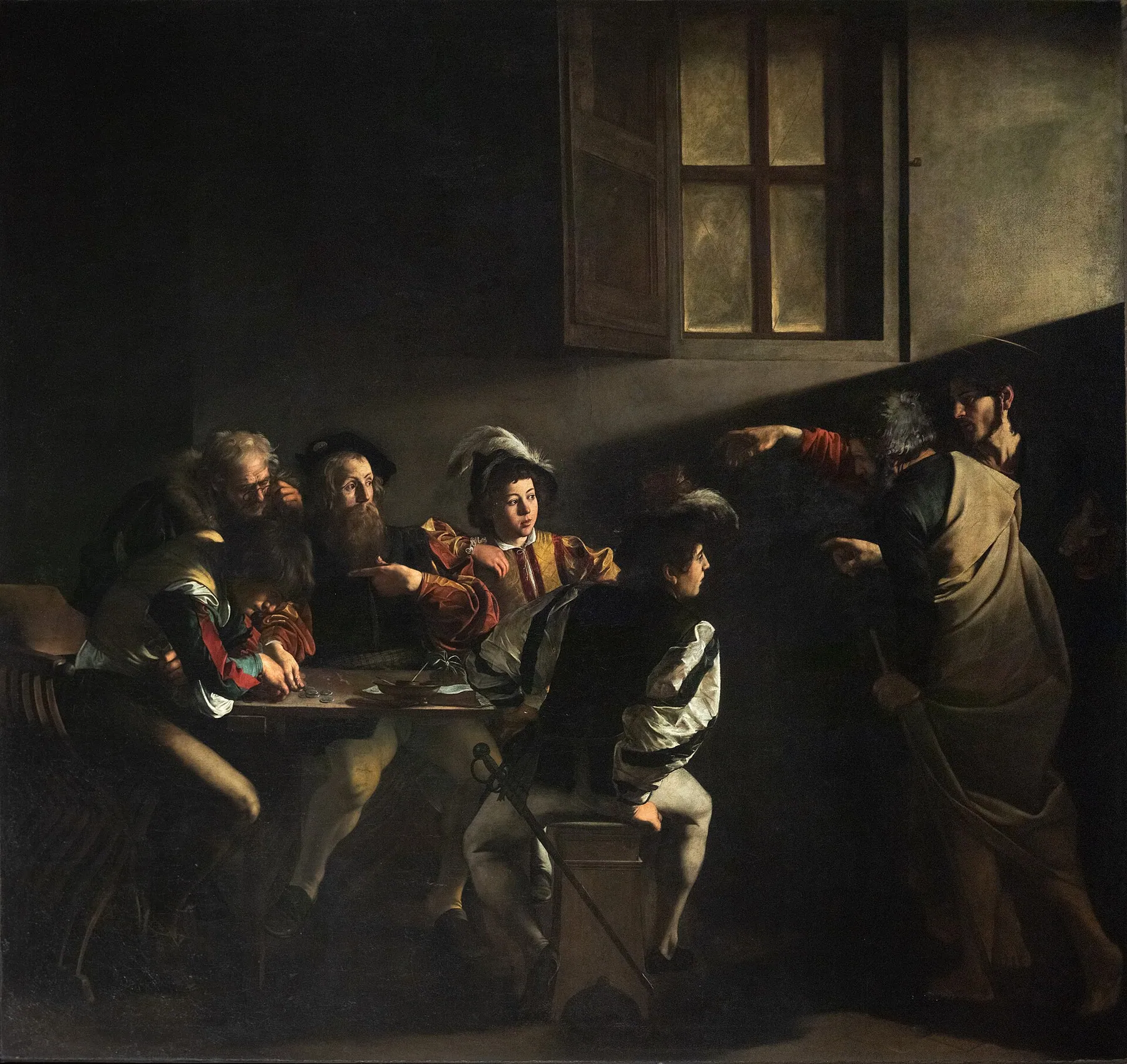
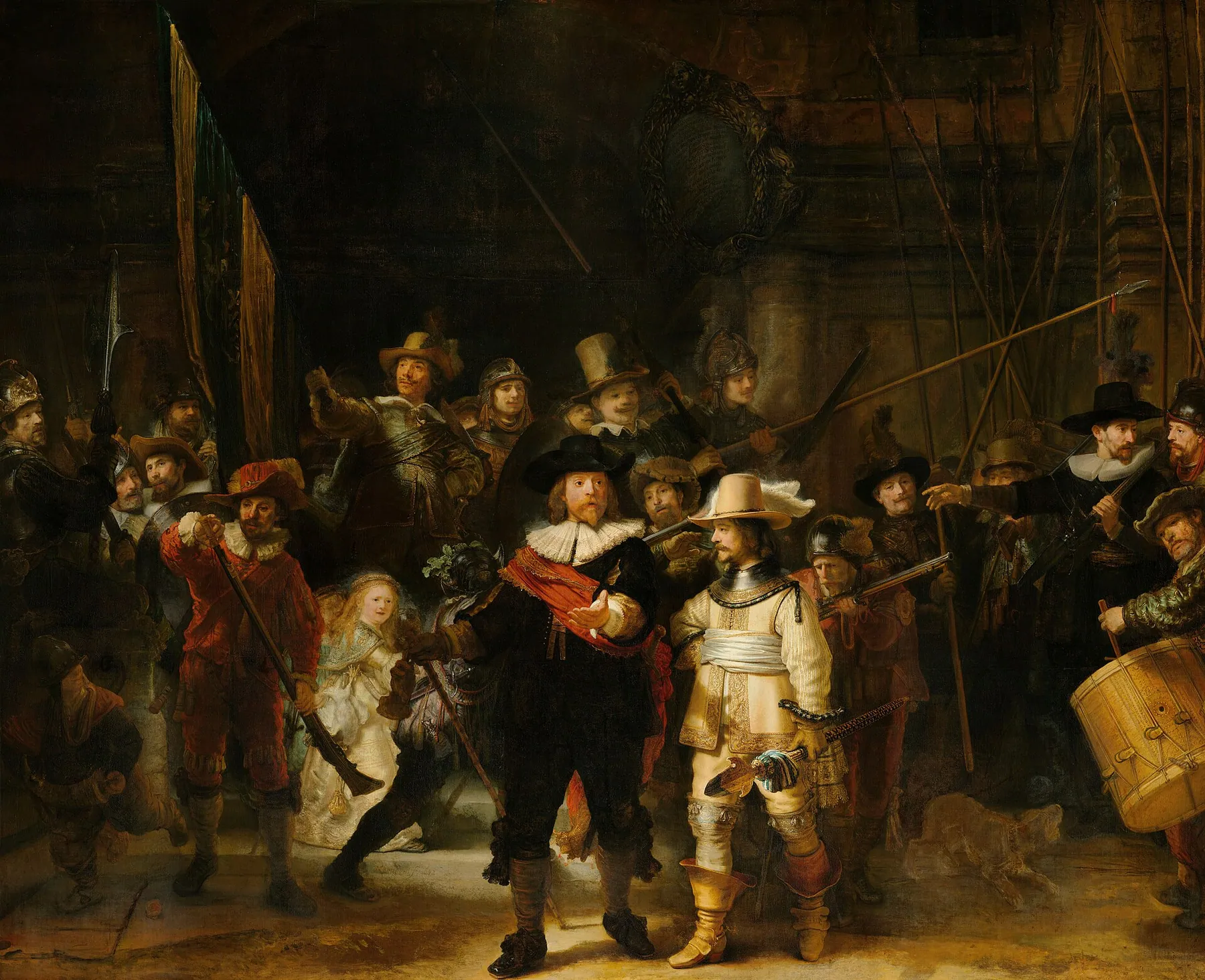
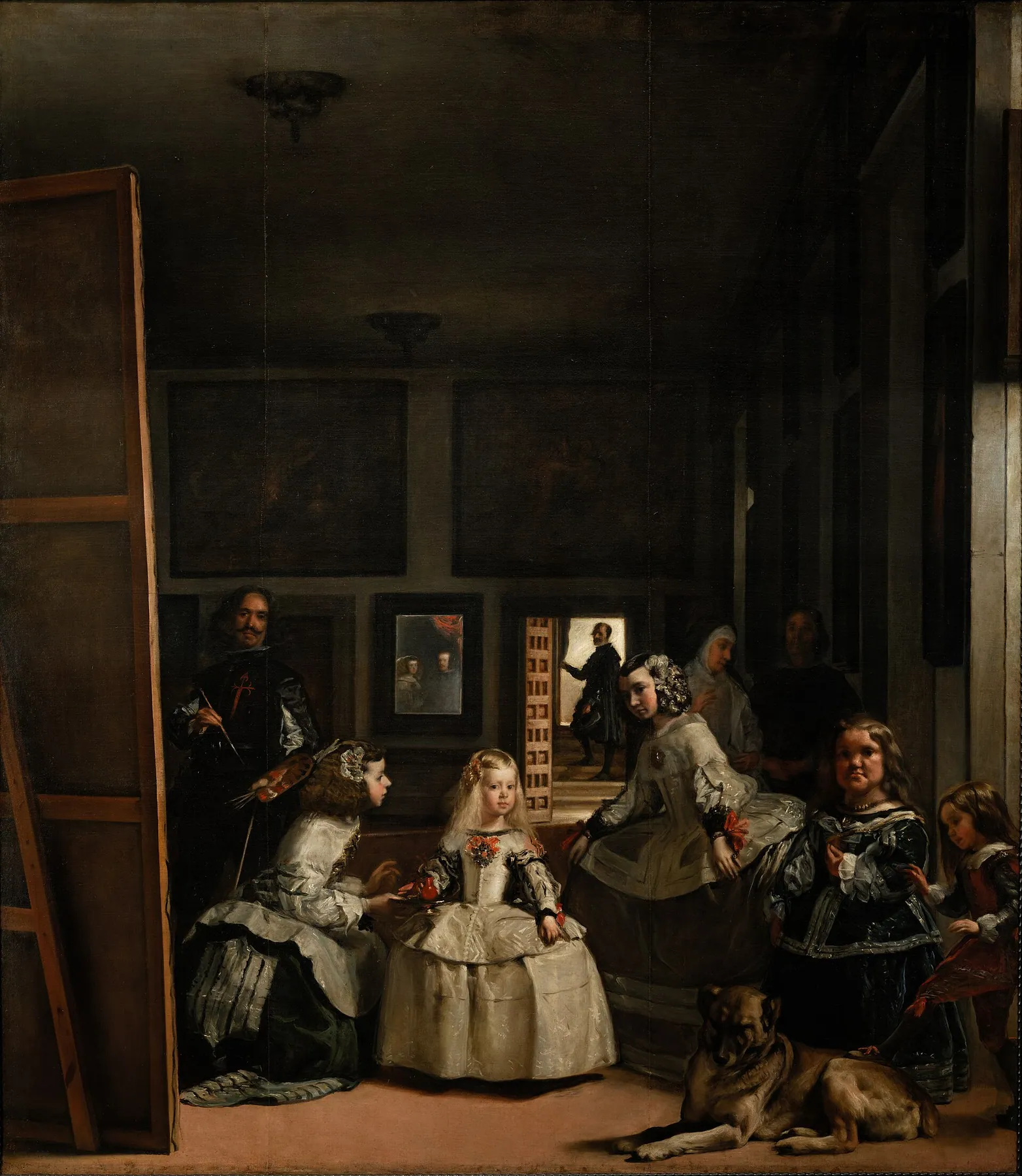
◎ notesThe Calling of Saint Matthew, Caravaggio (1599–1600). Oil on canvas. San Luigi dei Francesi, Rome. Source: Wikimedia Commons · CC0◎ notesThe Night Watch, Rembrandt van Rijn (1642). Oil on canvas. Rijksmuseum, Amsterdam. Source: Wikimedia Commons · Public domain◎ notesLas Meninas, Diego Velázquez (1656). Oil on canvas. Museo del Prado, Madrid. Source: Wikimedia Commons · Public domain
Context
In Catholic Rome, the Church wanted art that spoke directly to ordinary people. Caravaggio answered with real-looking, street-cast figures lit by a single dramatic light.
His style (tenebrism) spread across Europe — to Spain (Velázquez), Flanders (Rubens) and the Netherlands (Rembrandt).
The Protestant Dutch Republic had few church commissions, so painters specialised: portraits, landscapes, seascapes, interiors and still lifes sold on an open art market.
Key artists
Artist
Life
Known for
Caravaggio
1571–1610
Tenebrism and raw realism: The Calling of Saint Matthew.
Peter Paul Rubens
1577–1640
Energy, colour and swirling compositions.
Diego Velázquez
1599–1660
Loose, optical brushwork: Las Meninas.
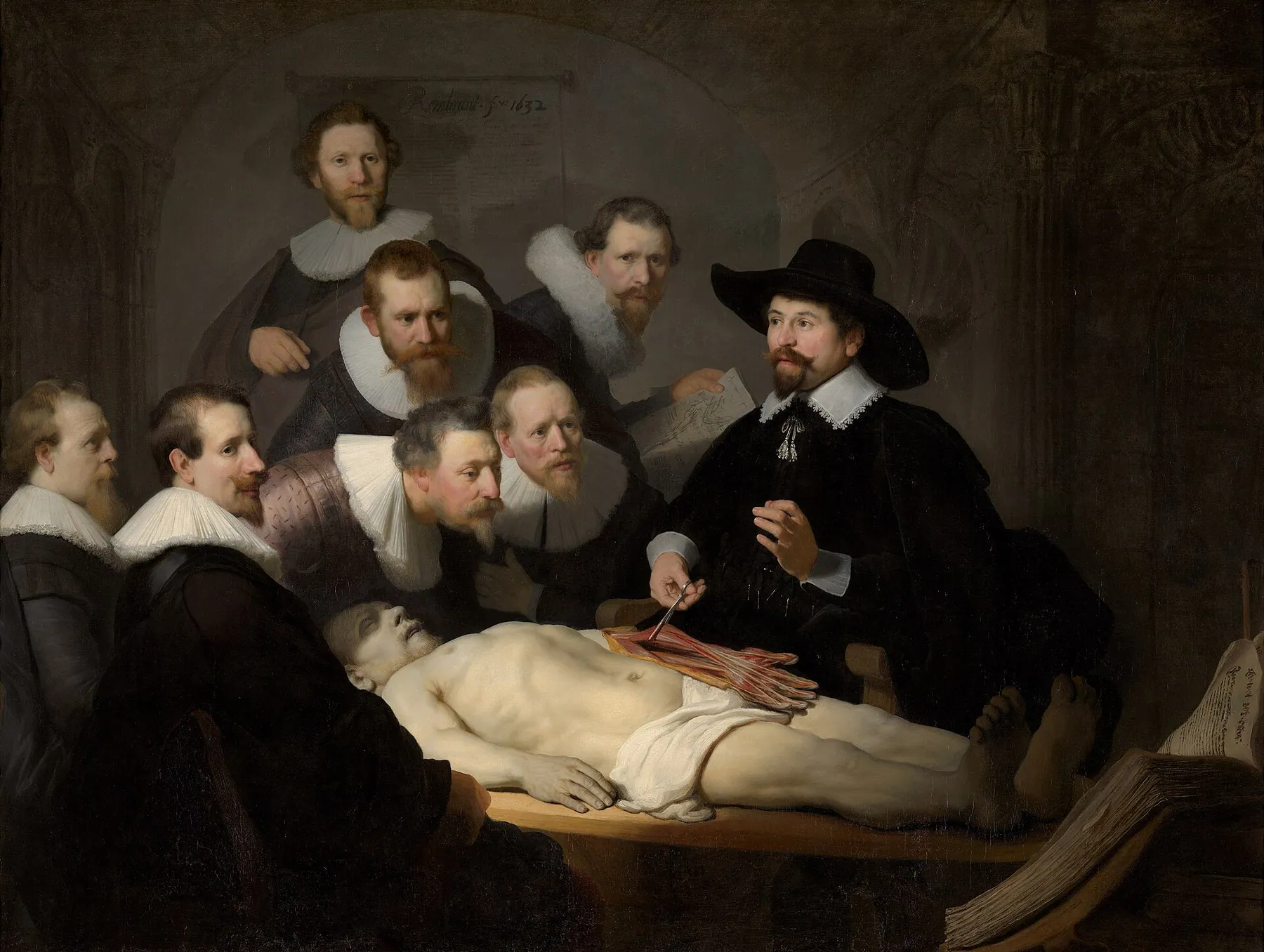
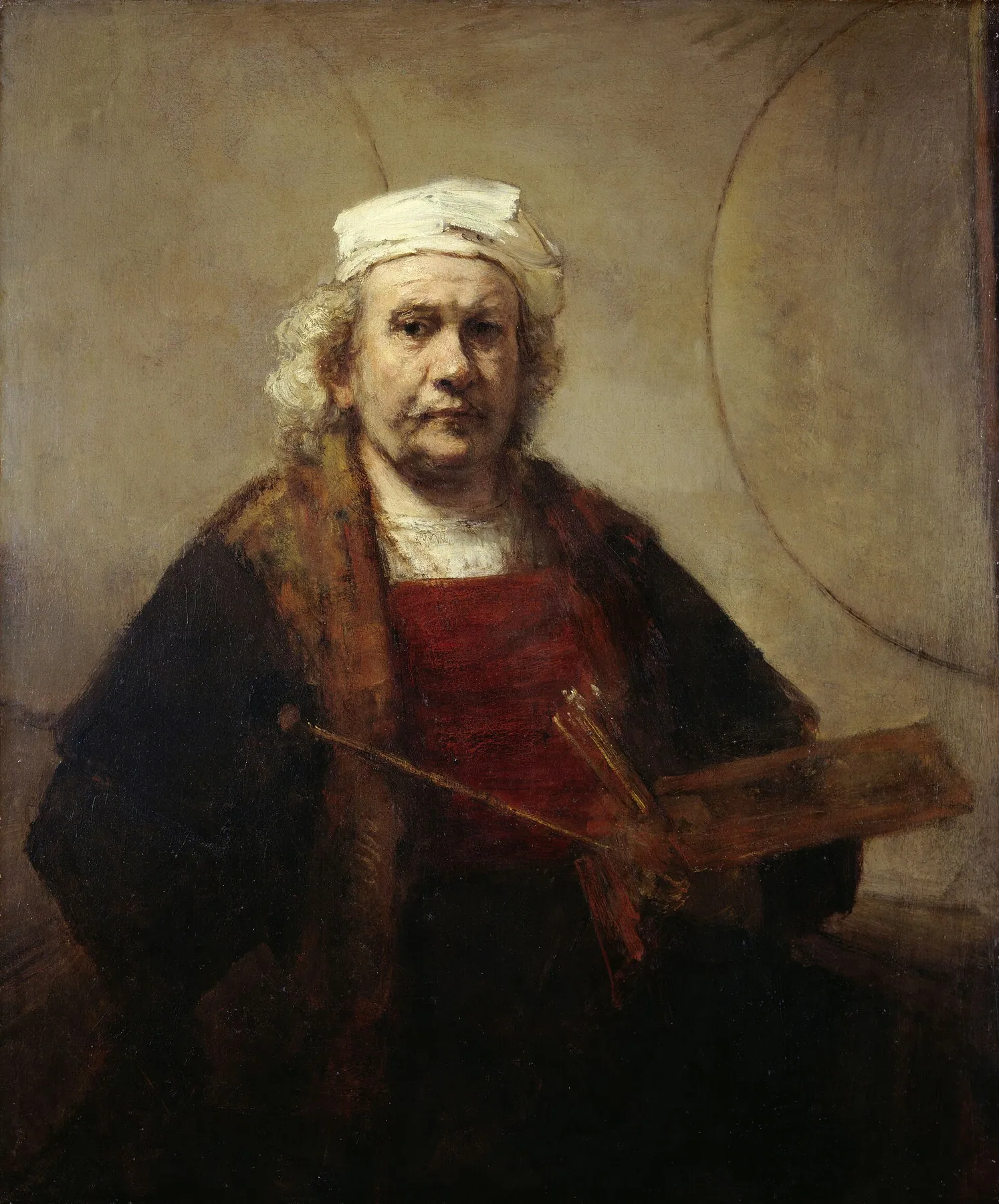
Rembrandt van Rijn
1606–1669
Light, impasto and psychology: The Night Watch.
Frans Hals
c. 1582–1666
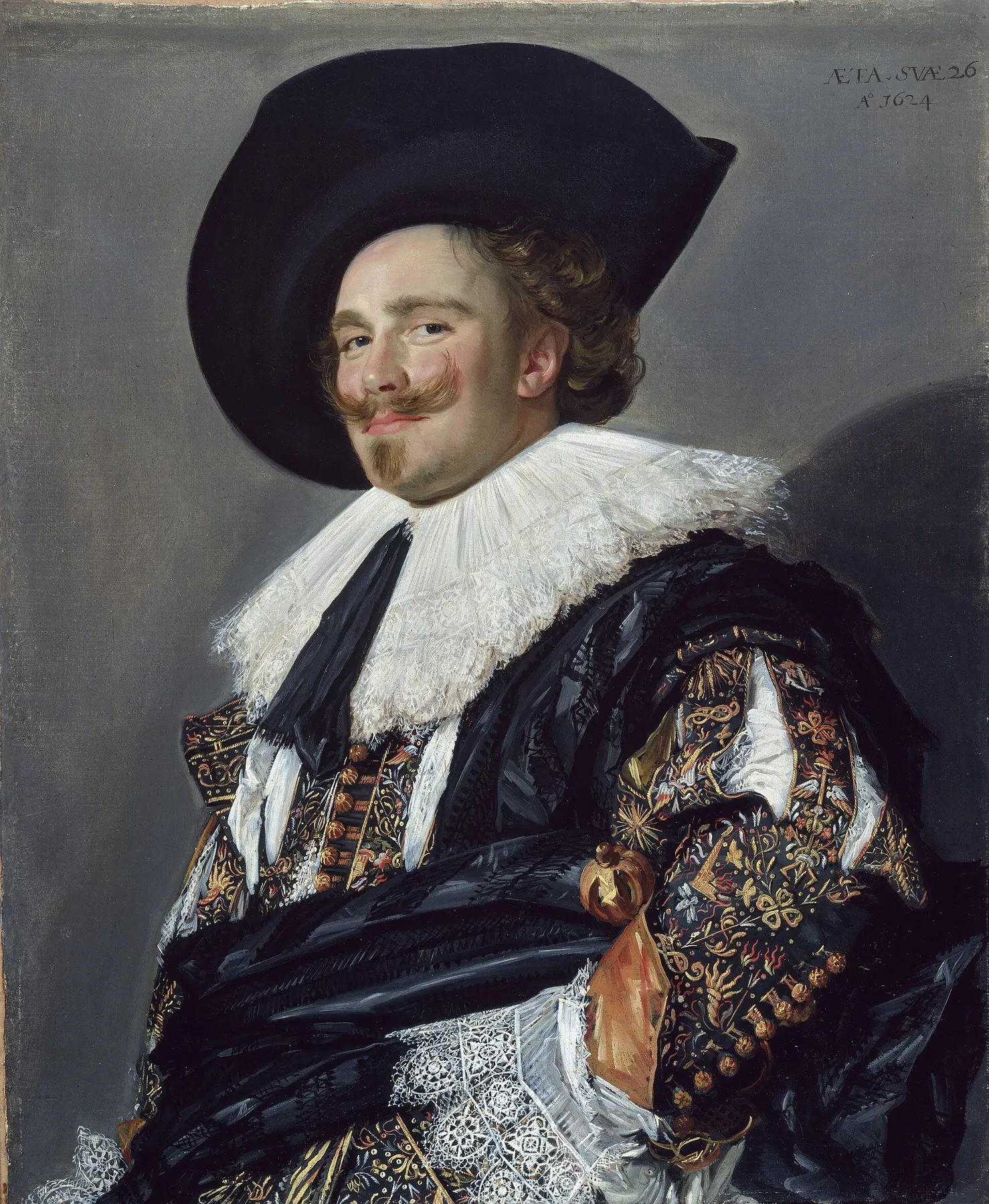
Lively, rapid alla prima portraits: The Laughing Cavalier.
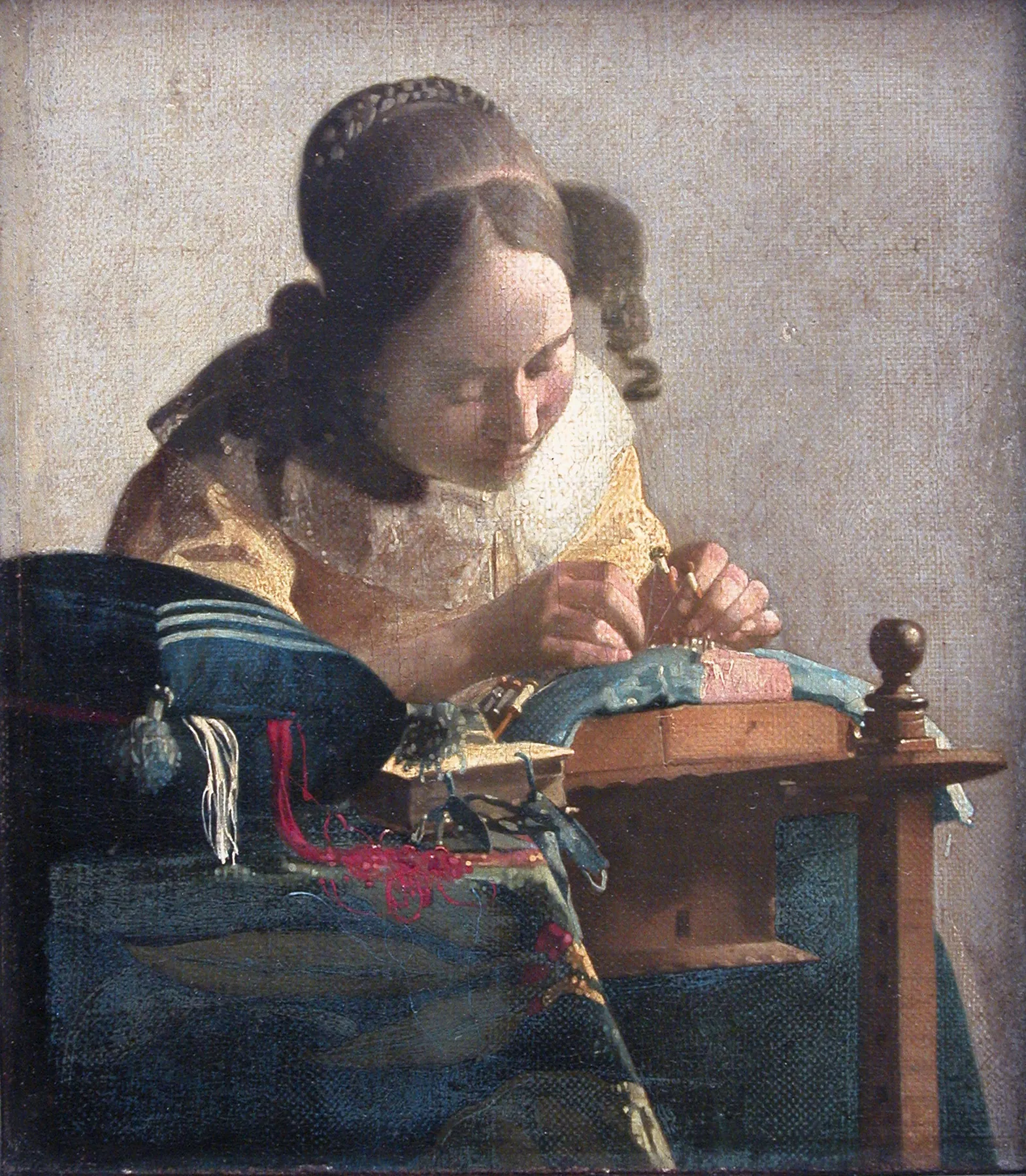
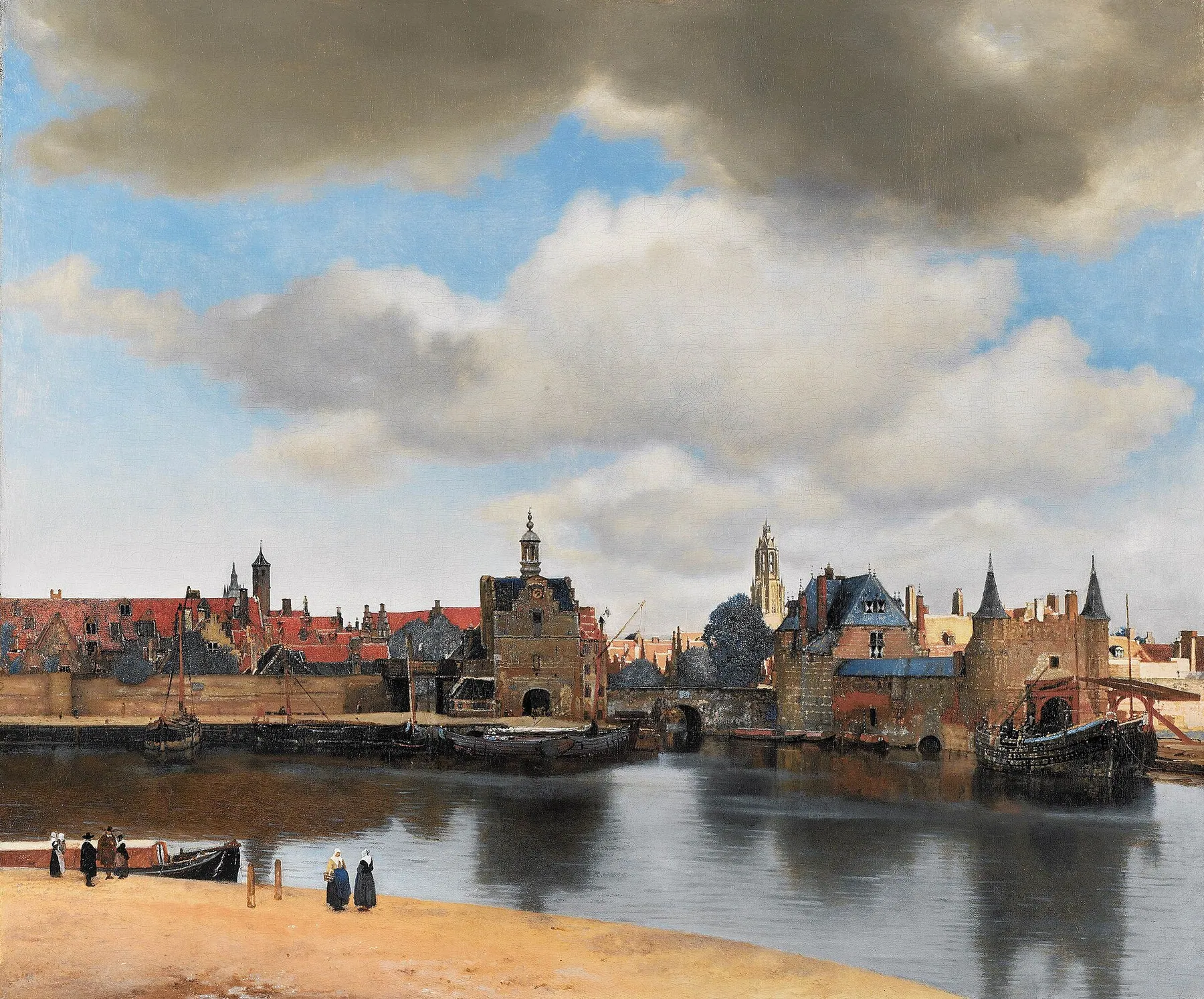
Johannes Vermeer
1632–1675
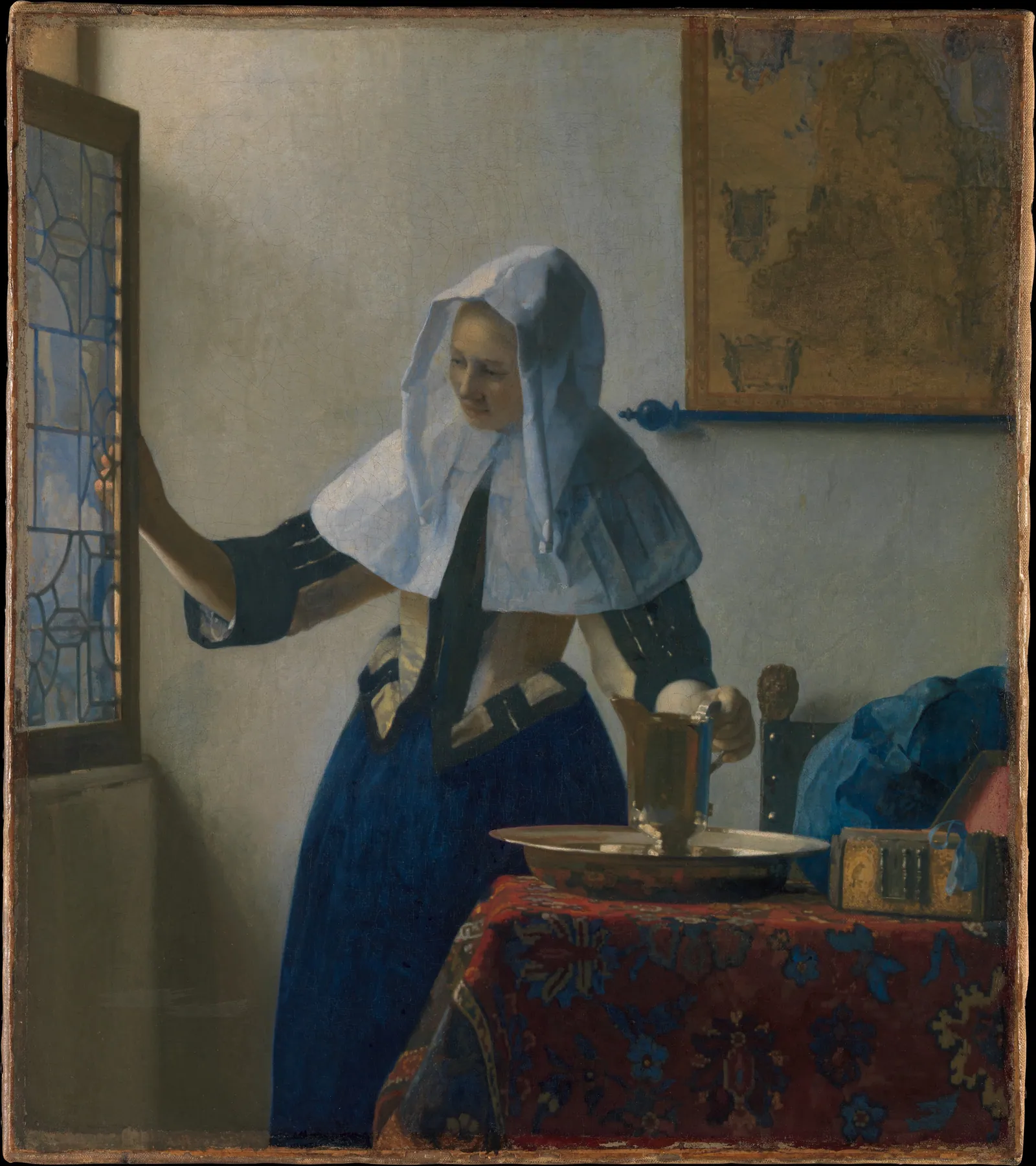
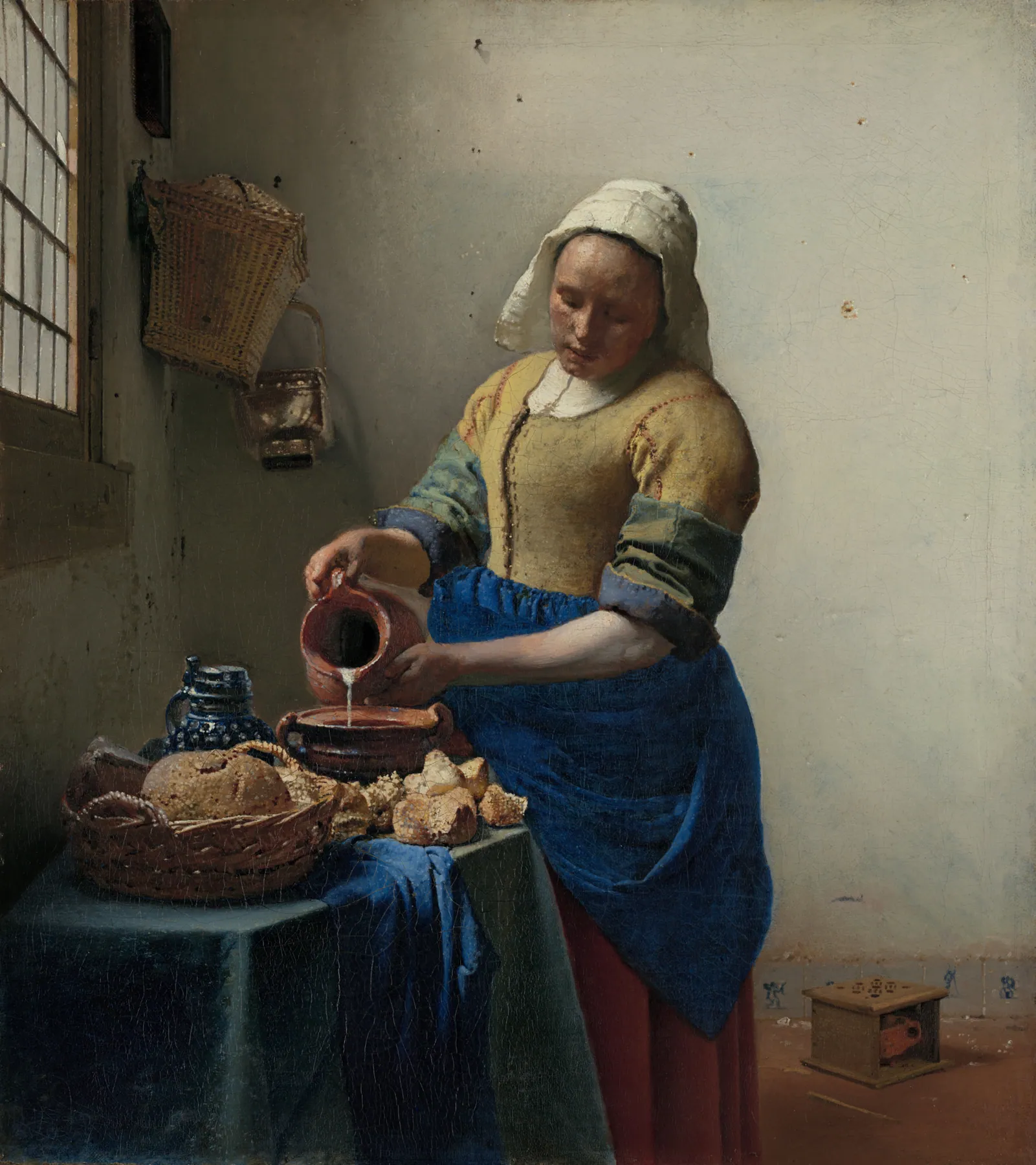
Window light and calm interiors: The Milkmaid.
Rachel Ruysch
1664–1750
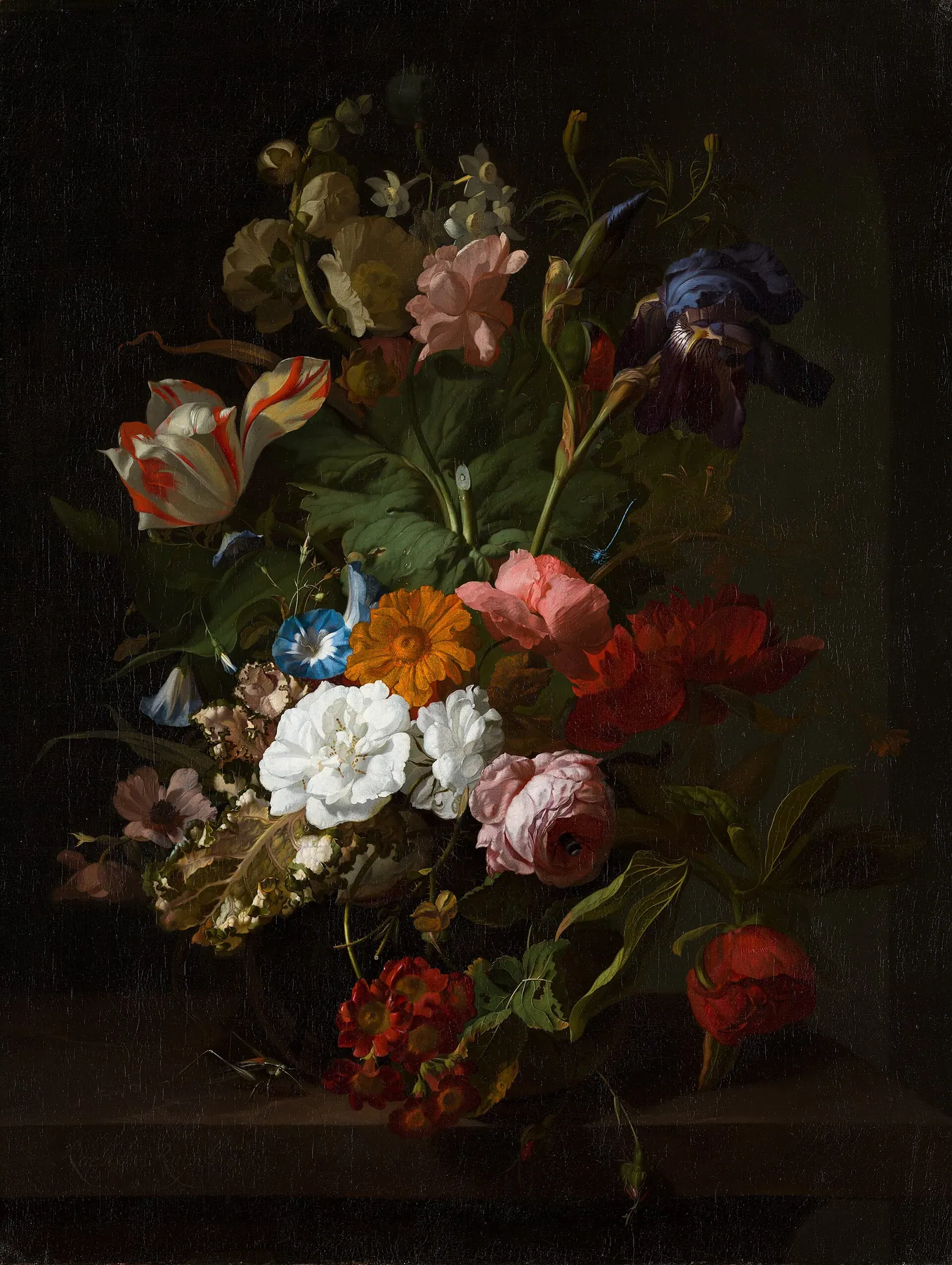
Spectacular flower still lifes.
Key works
Tap any image to zoom; works marked ◎ have notes on key details.
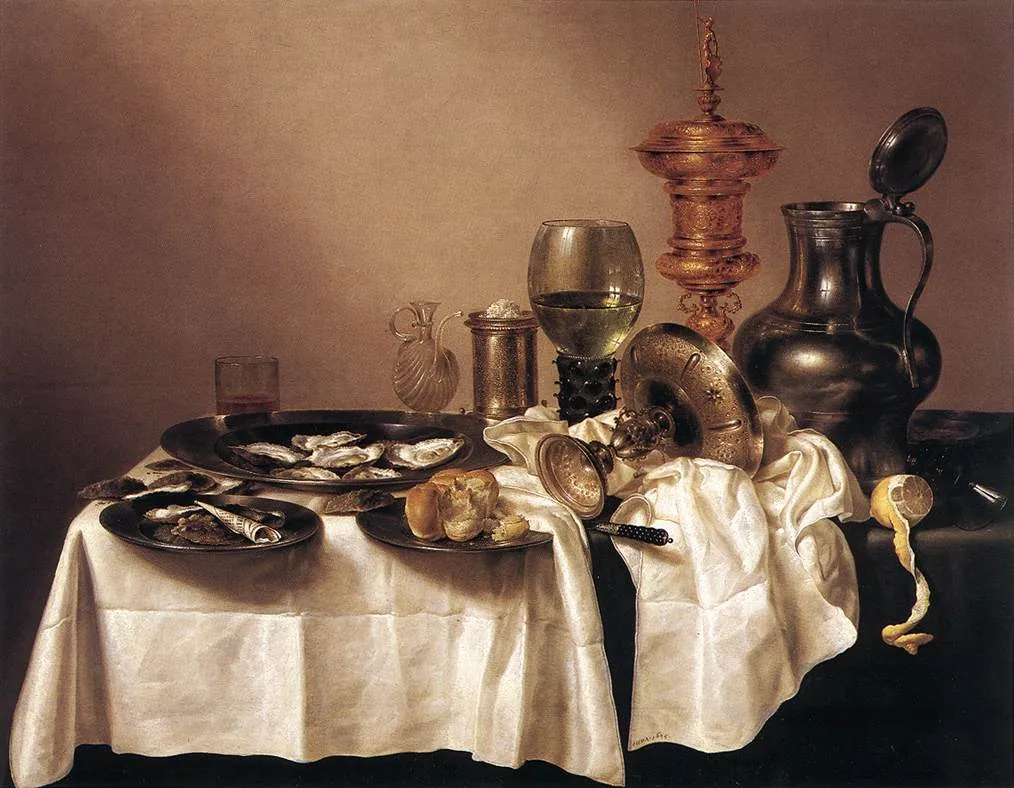
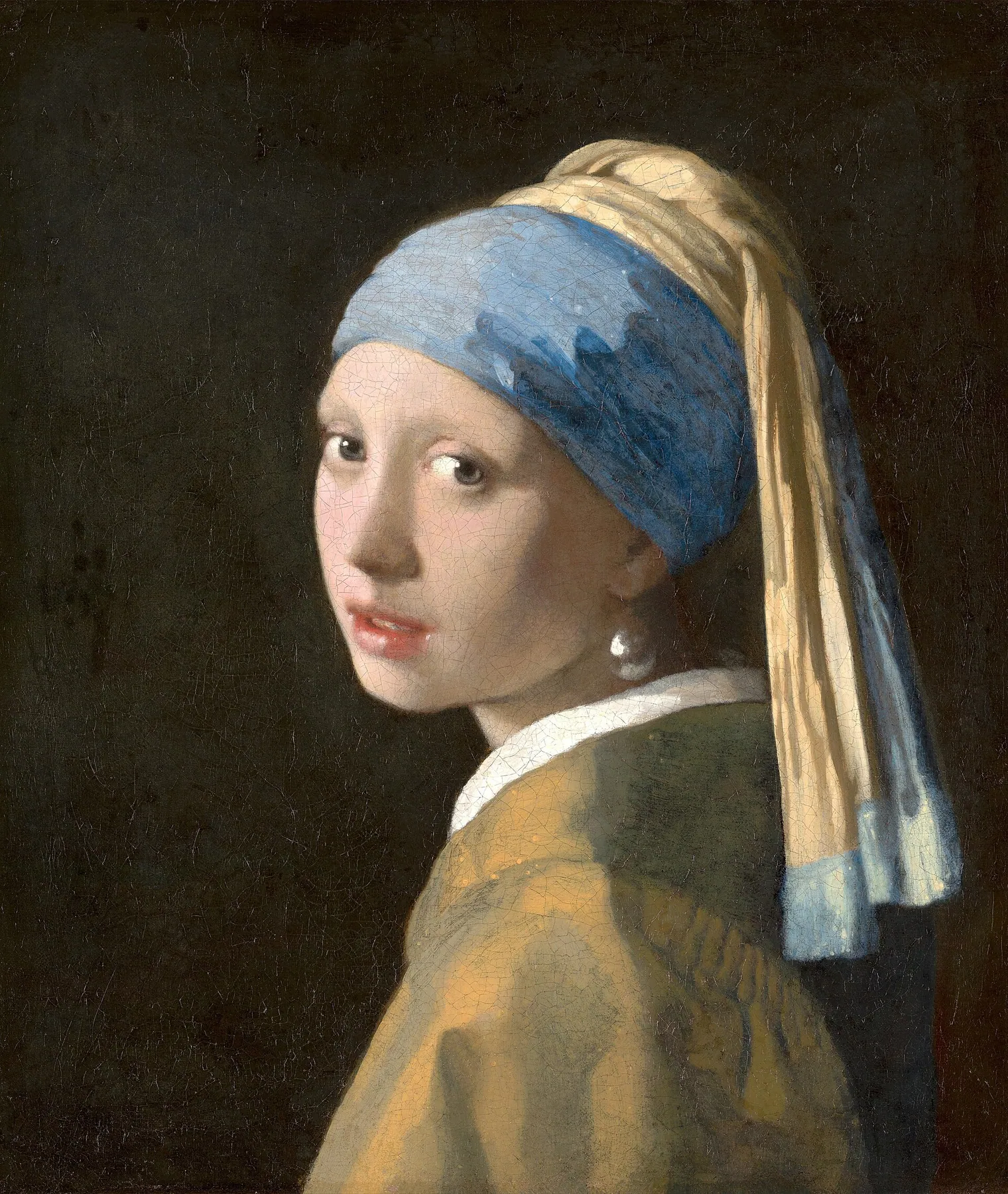
◎ notesGirl with a Pearl Earring, Johannes Vermeer (c. 1665). Oil on canvas. Mauritshuis, The Hague. Source: Wikimedia Commons · Public domain◎ notesThe Milkmaid, Johannes Vermeer (c. 1658). Oil on canvas. Rijksmuseum, Amsterdam. Source: Wikimedia Commons · Public domainThe Lacemaker, Johannes Vermeer (c. 1669–1670). Oil on canvas. Musée du Louvre, Paris. Source: Wikimedia Commons · Public domainView of Delft, Johannes Vermeer (c. 1660–1661). Oil on canvas. Mauritshuis, The Hague. Source: Wikimedia Commons · Public domainThe Anatomy Lesson of Dr Nicolaes Tulp, Rembrandt van Rijn (1632). Oil on canvas. Mauritshuis, The Hague. Source: Wikimedia Commons · Public domainSelf-Portrait with Two Circles, Rembrandt van Rijn (c. 1665–1669). Oil on canvas. Kenwood House, London. Source: Wikimedia Commons · Public domainThe Laughing Cavalier, Frans Hals (1624). Oil on canvas. The Wallace Collection, London. Source: Wikimedia Commons · Public domainStill Life with a Gilded Goblet, Willem Claesz. Heda (1635). Oil on panel. Rijksmuseum, Amsterdam. Source: Wikimedia Commons · Public domainVase with Flowers, Rachel Ruysch (c. 1700). Oil on canvas. Mauritshuis, The Hague. Source: Wikimedia Commons · Public domainYoung Woman with a Water Pitcher, Johannes Vermeer (ca. 1662). Oil on canvas. The Metropolitan Museum of Art, New York. Source: The Metropolitan Museum of Art · CC0 (Met Open Access)
Techniques
Tenebrism: a single strong light with most of the picture in deep shadow.
Toned grounds — mid-brown or grey — so the painter only has to add lights and darks.
Impasto: thick paint in the lights (Rembrandt), thin transparent paint in the darks.
Alla prima: painting wet-into-wet in one session (Hals, Velázquez).
Diagonal compositions and figures caught mid-action.
Careful observation of window light and reflected light (Vermeer).
Still-life 'vanitas' symbols: skulls, candles, flowers and timepieces reminding us of mortality.
How to paint in this style
Tone your canvas a warm mid-brown (burnt umber or raw umber thinned and wiped).
Set up one strong light from high on one side. Squint to see the big shapes of light.
Block in the shadows thinly and transparently — let the toned ground show through.
Paint the lights thickly and opaquely, getting brighter and thicker toward the highlight.
Keep the background dark and simple so the lit form jumps forward.
Lose edges in shadow; keep the sharpest edge and strongest contrast at the focal point.
Add a final highlight with a loaded brush and don't touch it again.
Typical palette
Lead white, yellow ochre, vermilion, red lake, raw and burnt umber, bone black, and — for Vermeer — natural ultramarine and lead-tin yellow.
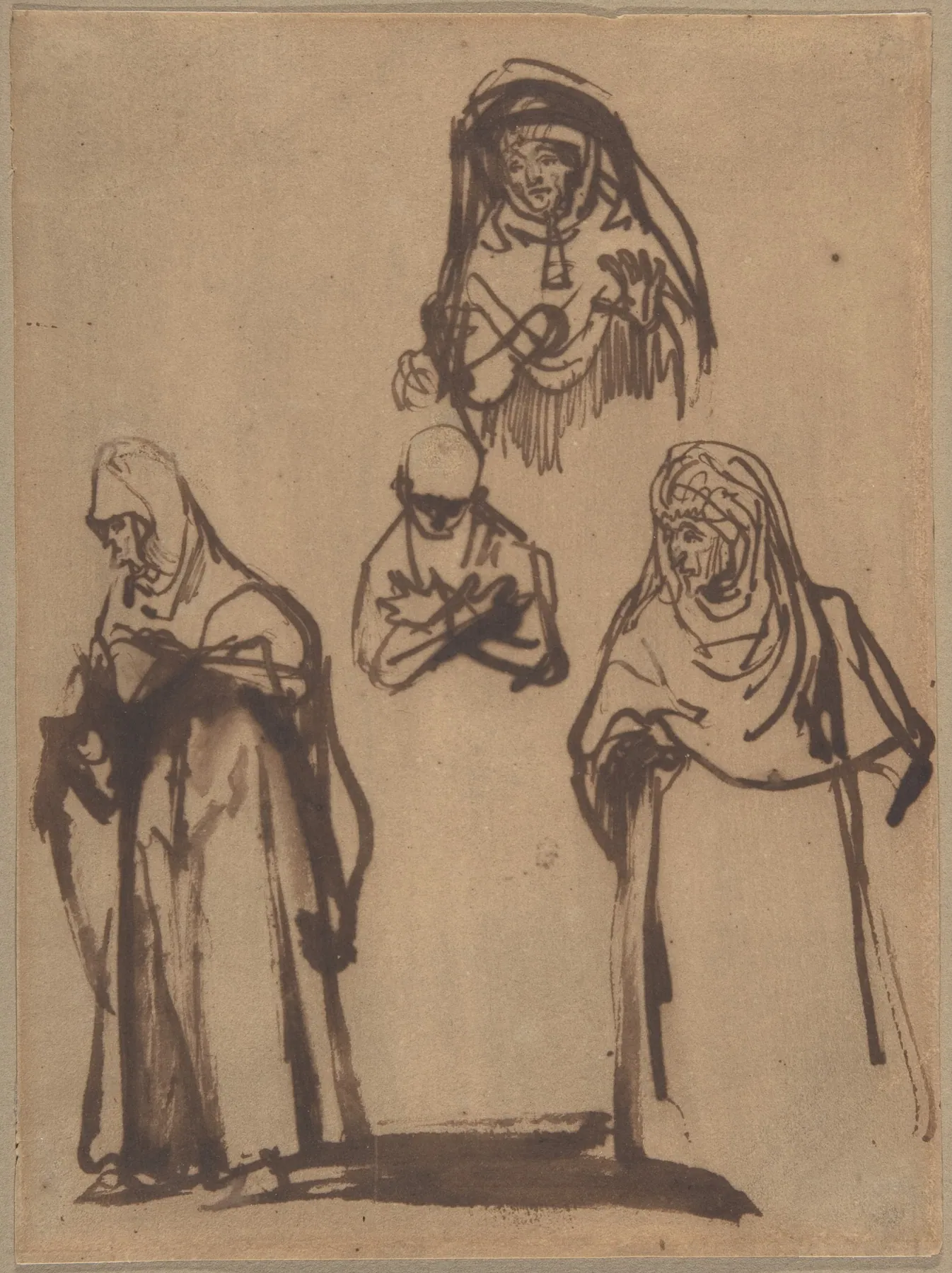
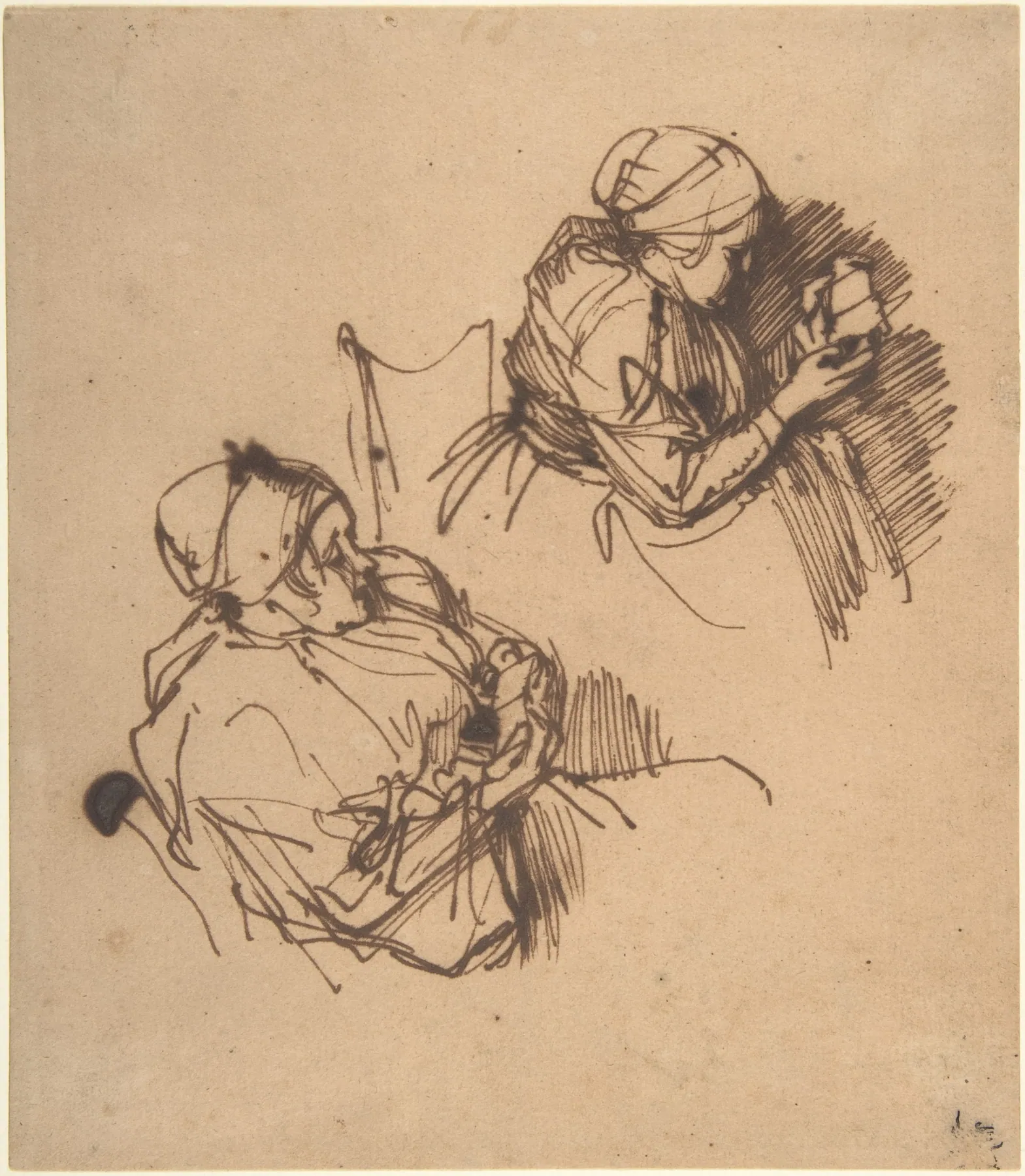
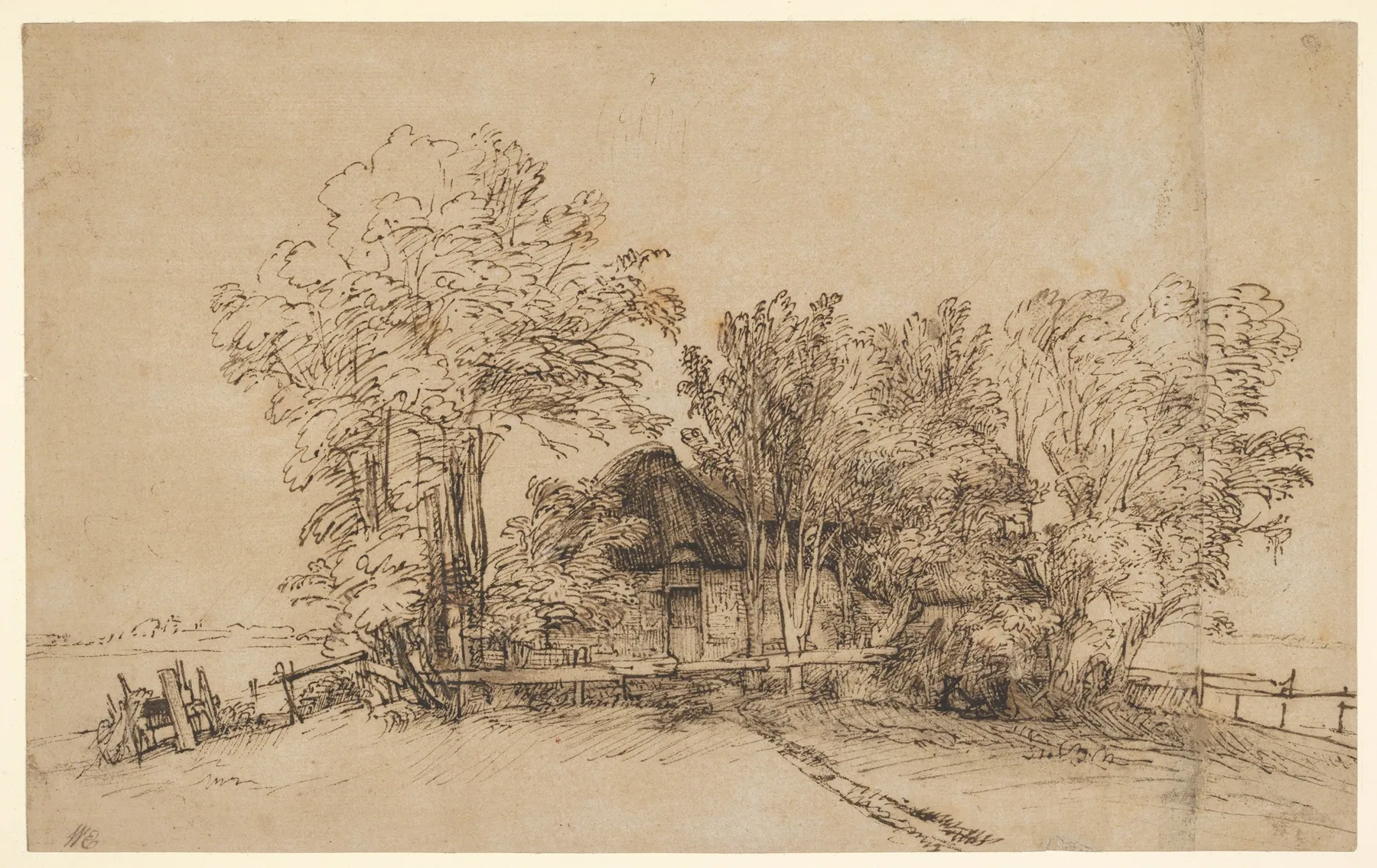
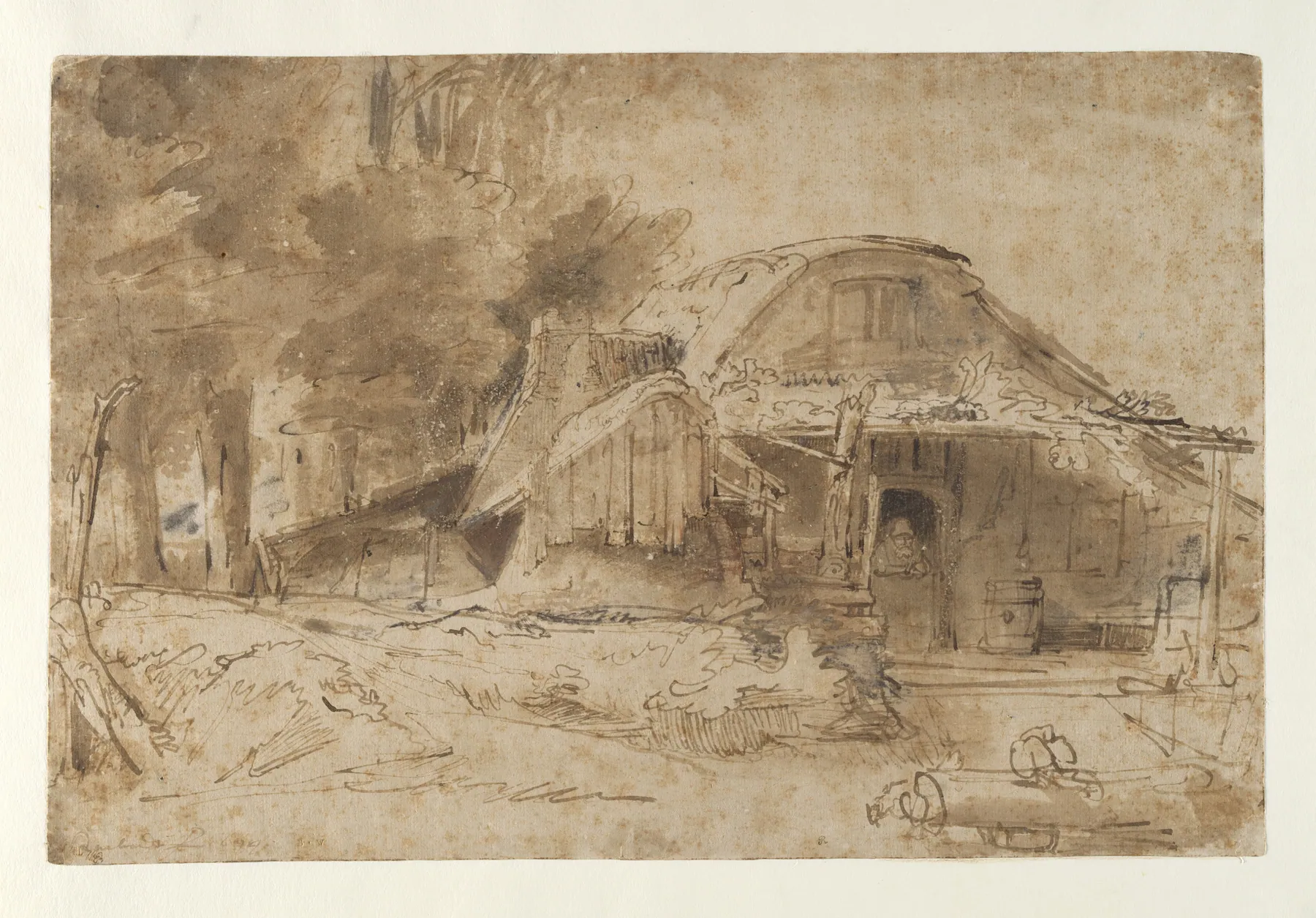
Drawings and studies
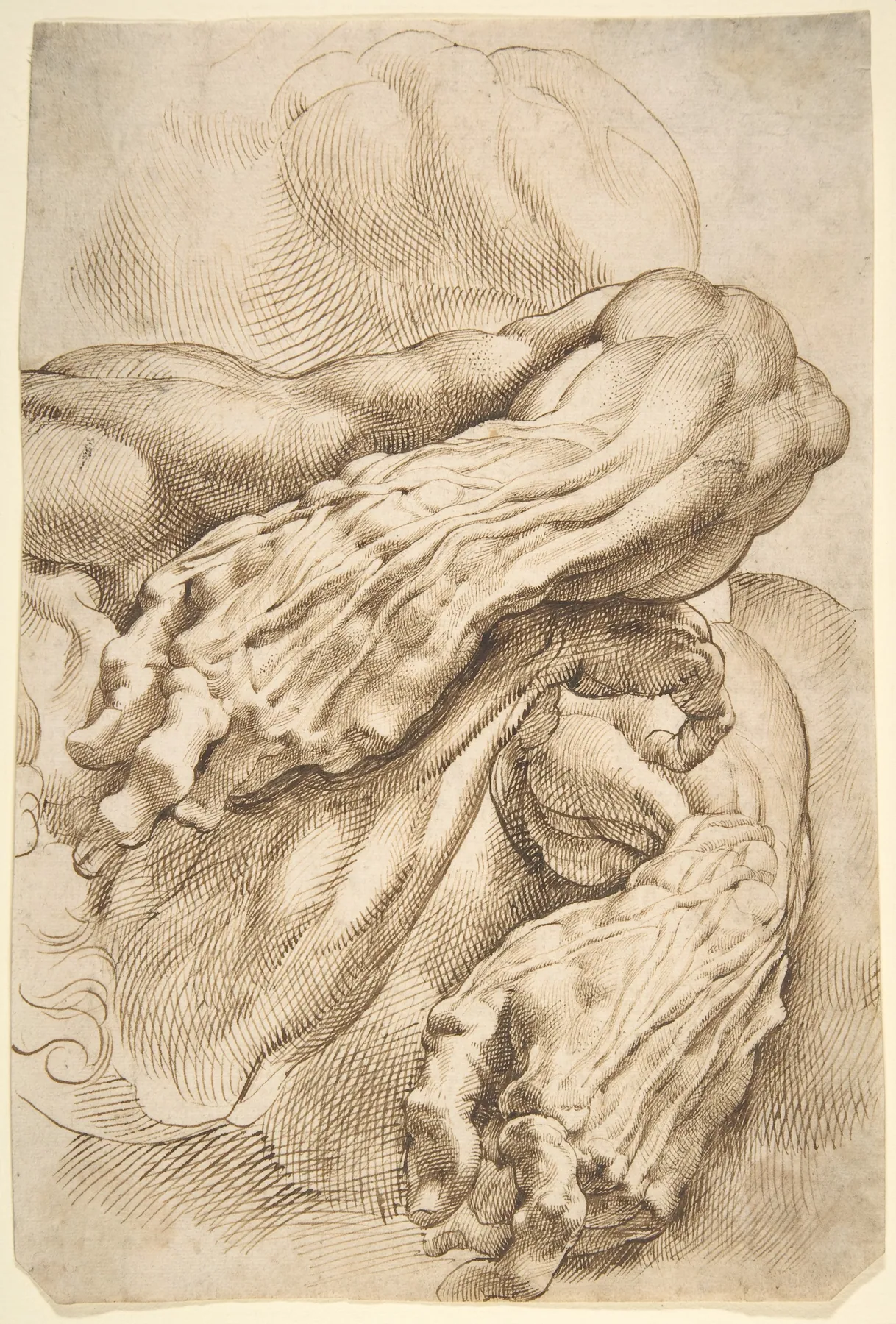
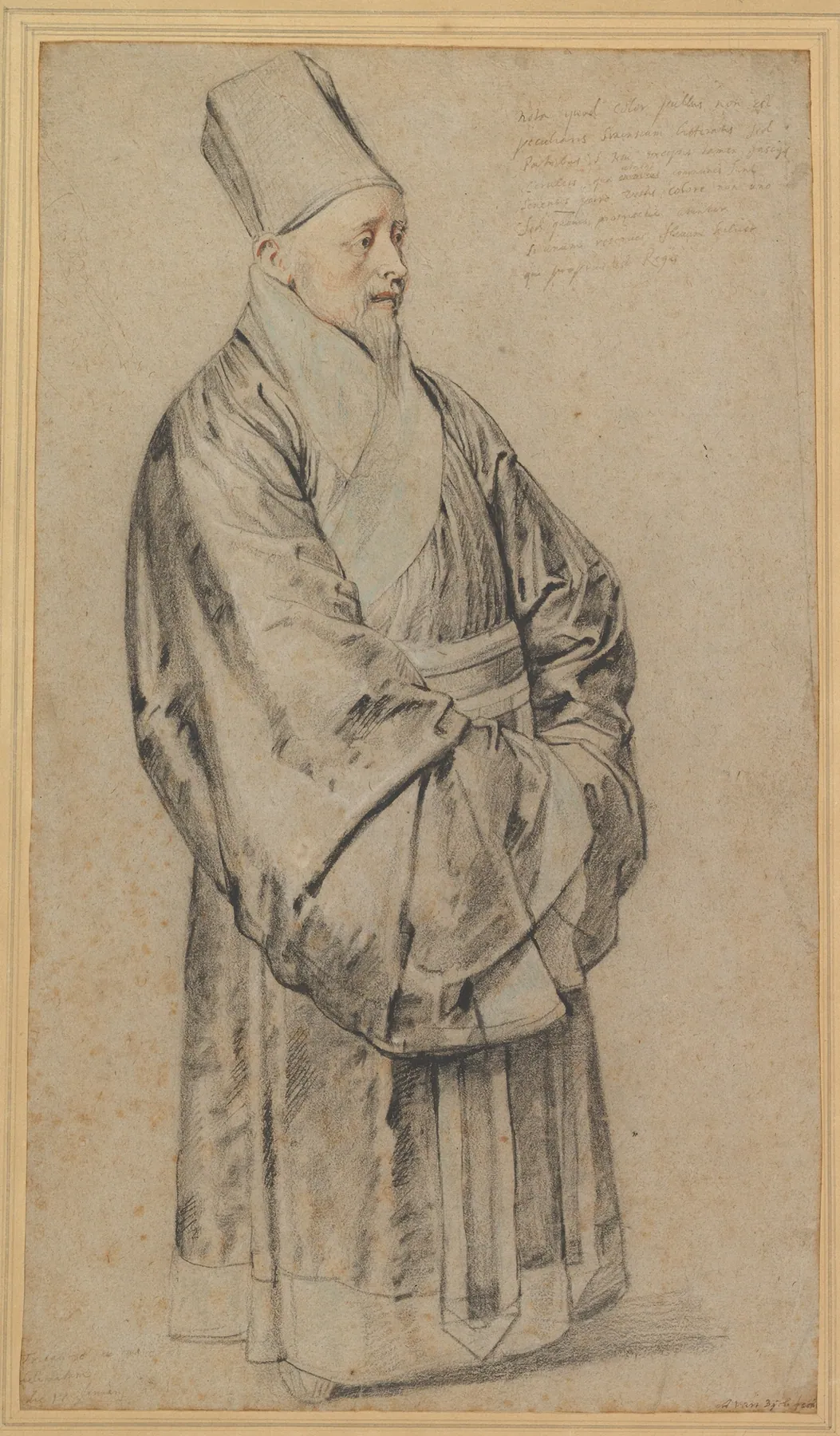
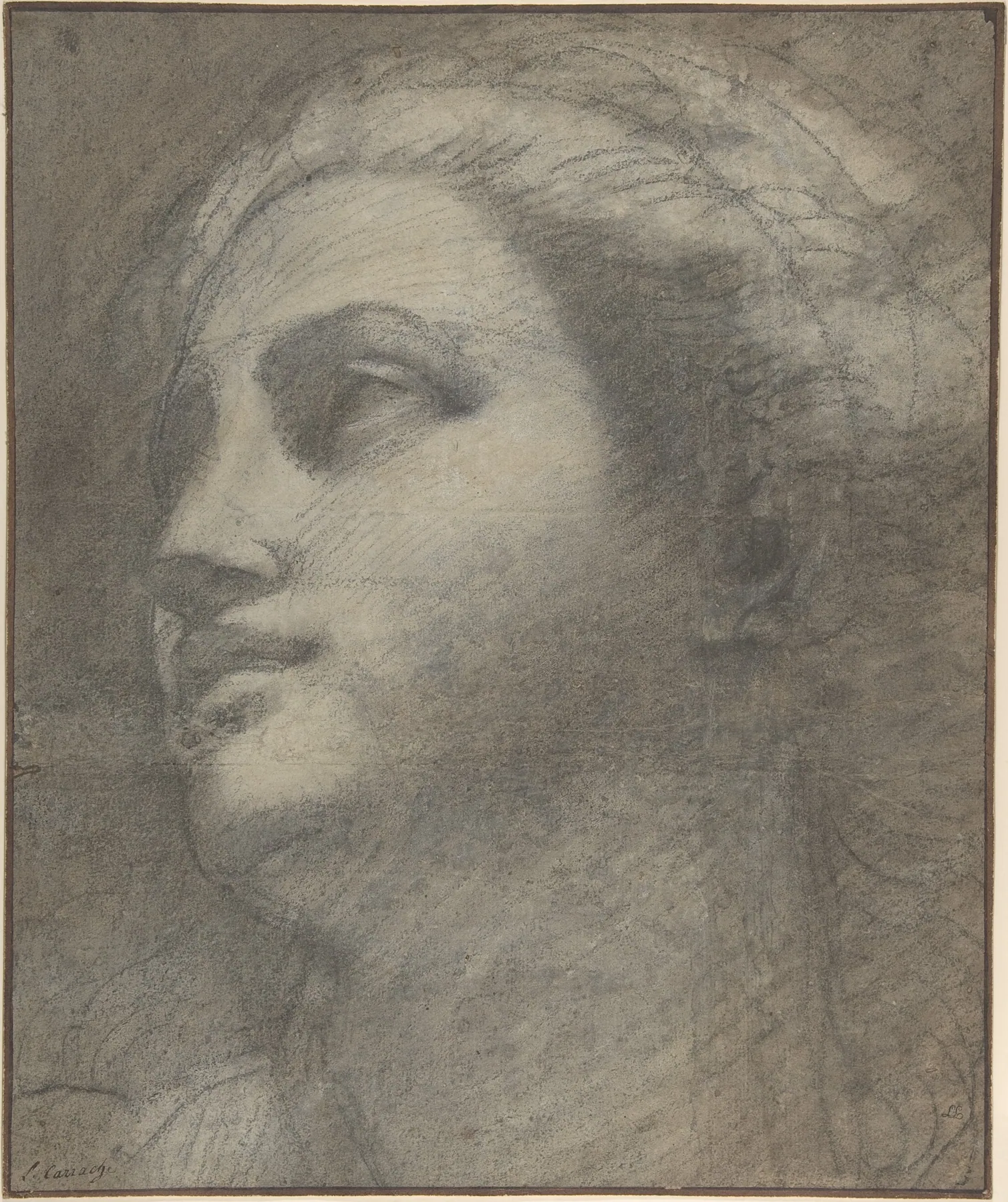
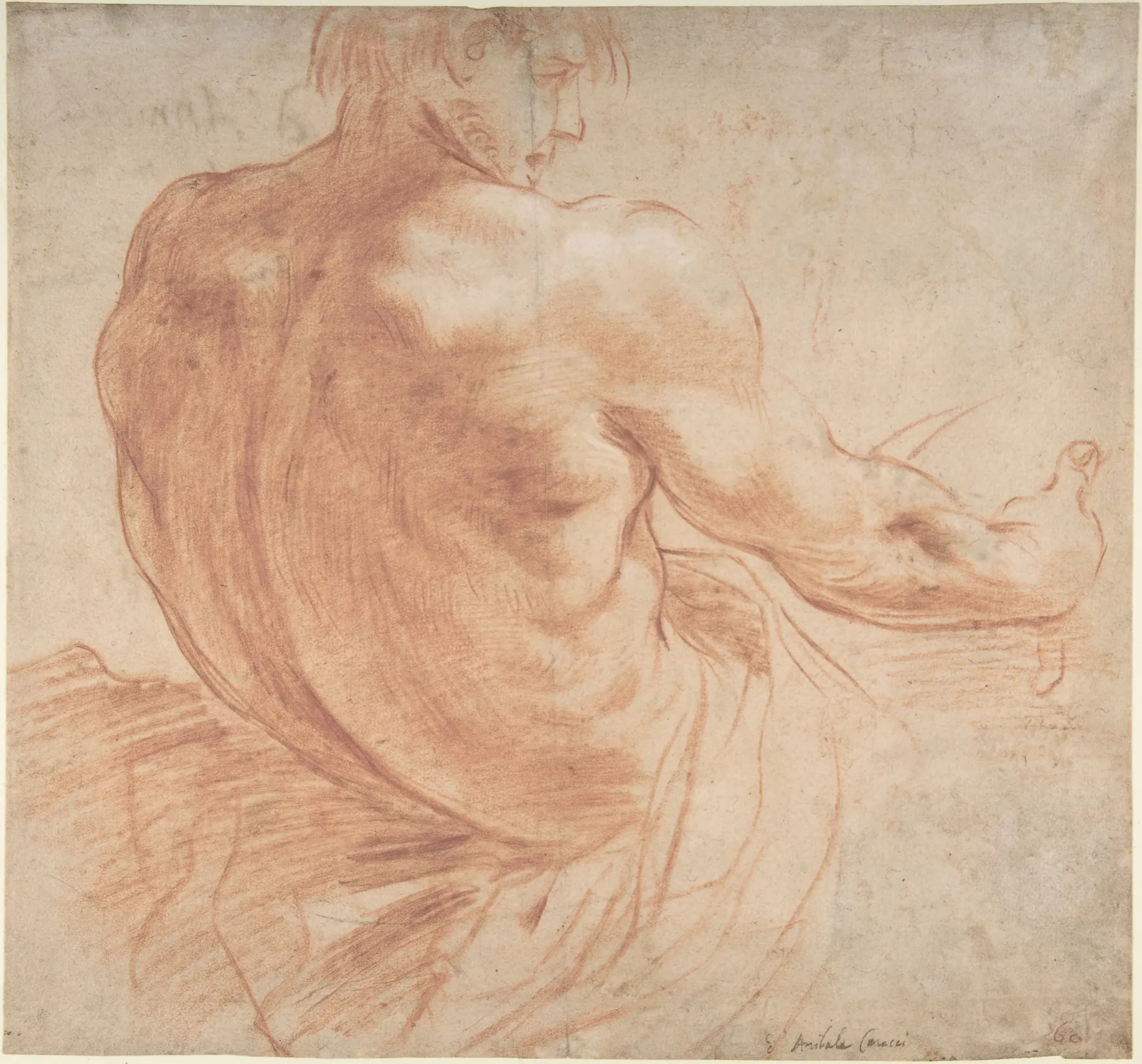
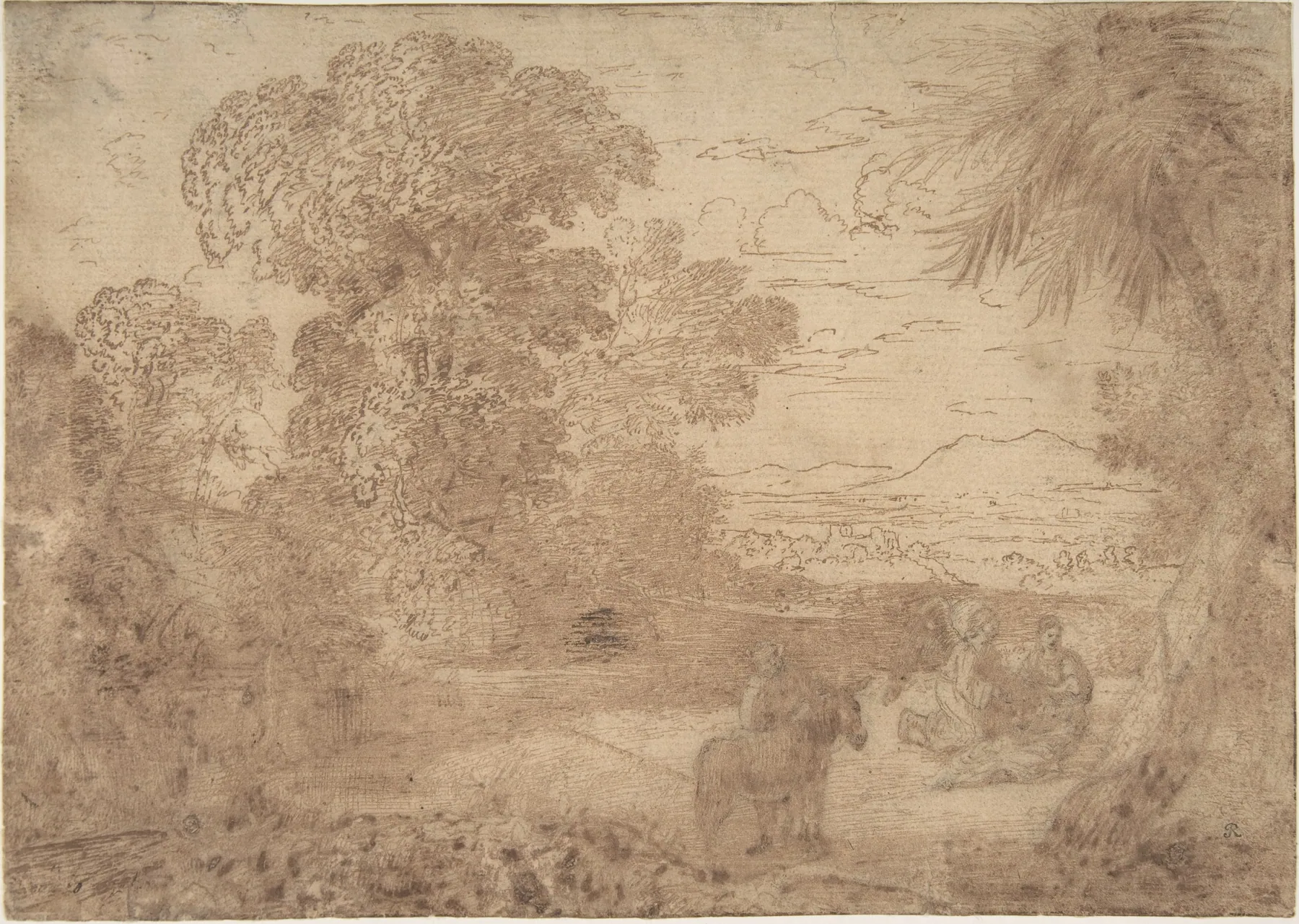
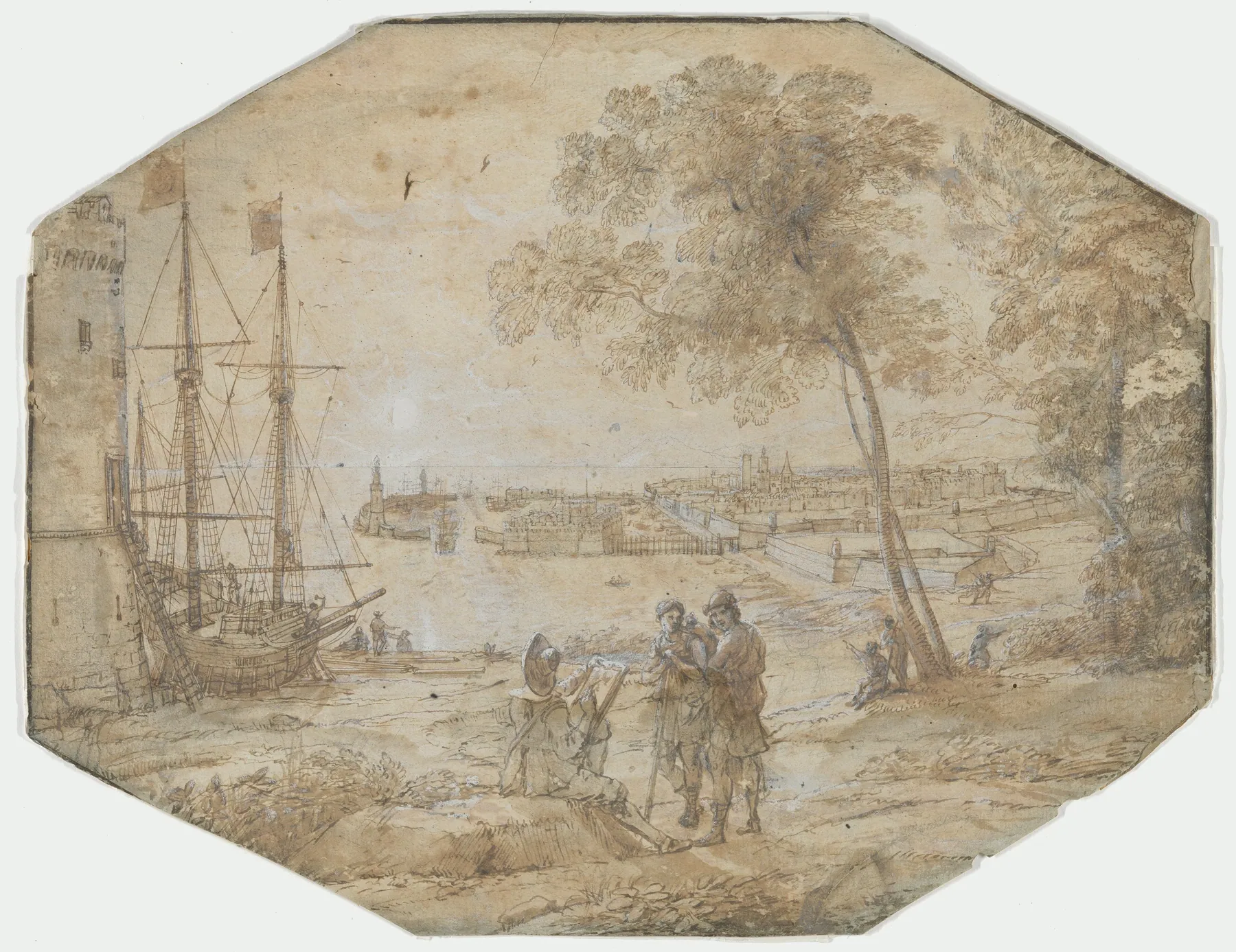
Study Sheet with Three Women and a Boy, Rembrandt (ca. 1638–39). Pen and brown ink. The Metropolitan Museum of Art, New York. Source: The Metropolitan Museum of Art · CC0 (Met Open Access)Two Studies of a Woman Reading, Rembrandt (1635–40). Pen and brown iron-gall ink. The Metropolitan Museum of Art, New York. Source: The Metropolitan Museum of Art · CC0 (Met Open Access)Cottage among Trees, Rembrandt (ca. 1650). Pen and brown ink, brush and brown wash, on paper washed with brown. The Metropolitan Museum of Art, New York. Source: The Metropolitan Museum of Art · CC0 (Met Open Access)Cottage near the Entrance to a Wood, Rembrandt (1644). Pen and inks ranging from light to dark brown, brown washes, corrected in white (oxidized, partially abraded), and touches of red chalk (in added structures to the left of the main cottage). The Metropolitan Museum of Art, New York. Source: The Metropolitan Museum of Art · CC0 (Met Open Access)Anatomical Studies: a left forearm in two positions and a right forearm, Peter Paul Rubens (ca. 1600–05). Pen and brown ink. The Metropolitan Museum of Art, New York. Source: The Metropolitan Museum of Art · CC0 (Met Open Access)Portrait of Nicolas Trigault in Chinese Costume, Peter Paul Rubens (1617). Black, red, and white chalk, blue pastel, and pen and brown and black ink on light brown laid paper. The Metropolitan Museum of Art, New York. Source: The Metropolitan Museum of Art · CC0 (Met Open Access)Head of a Woman Looking to Upper Left, Annibale Carracci (1590–1600). Charcoal, highlighted with white chalk, on blue paper faded light- brown. The Metropolitan Museum of Art, New York. Source: The Metropolitan Museum of Art · CC0 (Met Open Access)Seated Youth Facing Right, Seen from the Back, Annibale Carracci (1560–1609). Red chalk with some white chalk highlights (recto); scribbles in red chalk (verso). The Metropolitan Museum of Art, New York. Source: The Metropolitan Museum of Art · CC0 (Met Open Access)Landscape with the Rest on the Flight into Egypt, Claude Lorrain (ca. 1635). Pen and brown ink, over black chalk. The Metropolitan Museum of Art, New York. Source: The Metropolitan Museum of Art · CC0 (Met Open Access)Coast Scene with a View of Civitavecchia, Claude Lorrain (1638). Black chalk, pen and brown ink, brush and brown wash with white heightening. The Metropolitan Museum of Art, New York. Source: The Metropolitan Museum of Art · CC0 (Met Open Access)
Watch
A moment of spiritual awakening: Caravaggio's Calling of Saint Matthew · Smarthistory
Diego Velázquez, Las Meninas · Smarthistory
Rembrandt, The Night Watch · Smarthistory
Johannes Vermeer, Girl with a Pearl Earring · Smarthistory
Videos load from YouTube (privacy-enhanced mode) only when you press play.
 ◎ notes
 ◎ notes
 ◎ notes
 ◎ notes
 ◎ notes