Romanticism
c. 1790–1850. Romantic painters valued feeling over reason: the sublime power of nature, storms, shipwrecks, revolution and the lonely individual facing something vast.
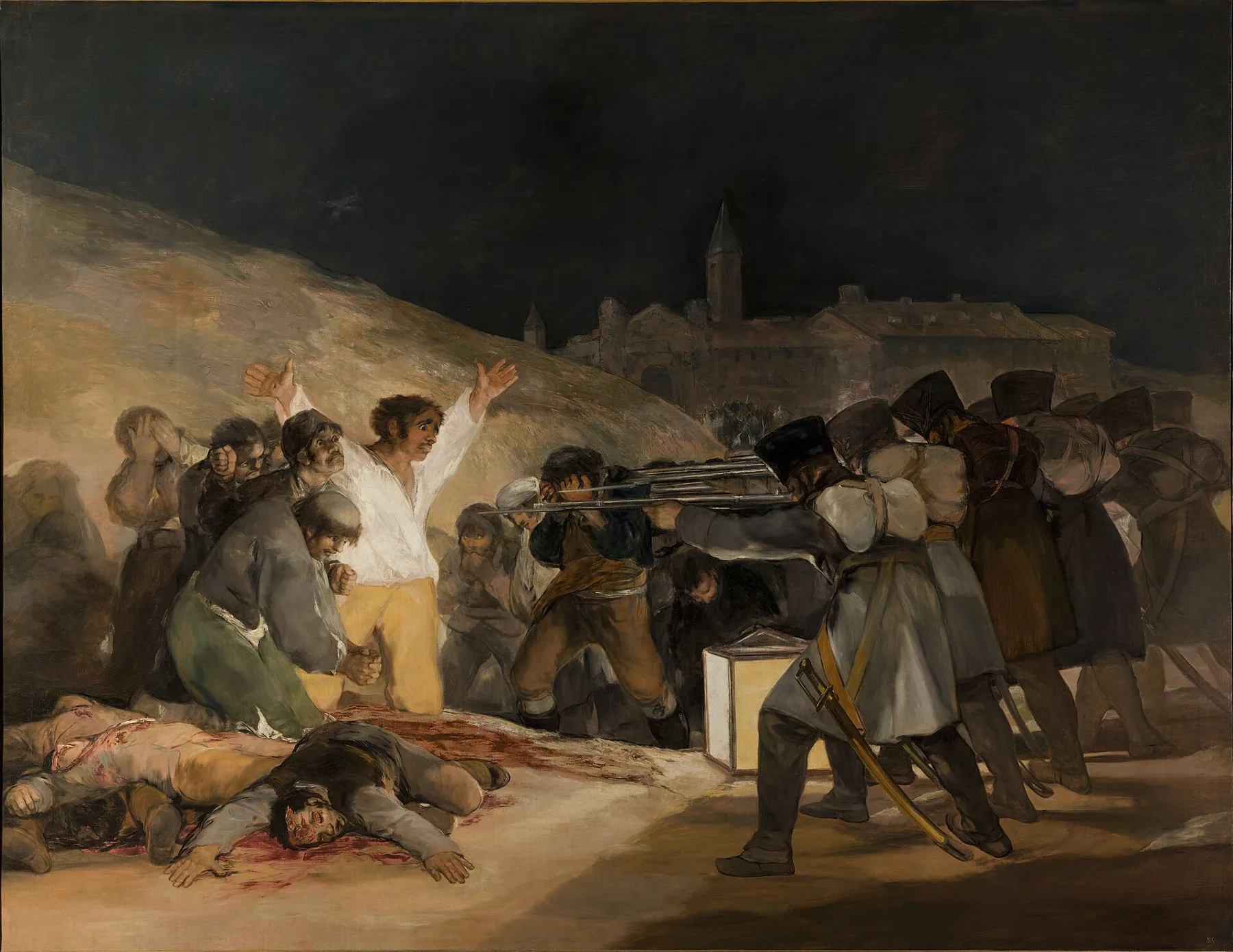 ◎ notes
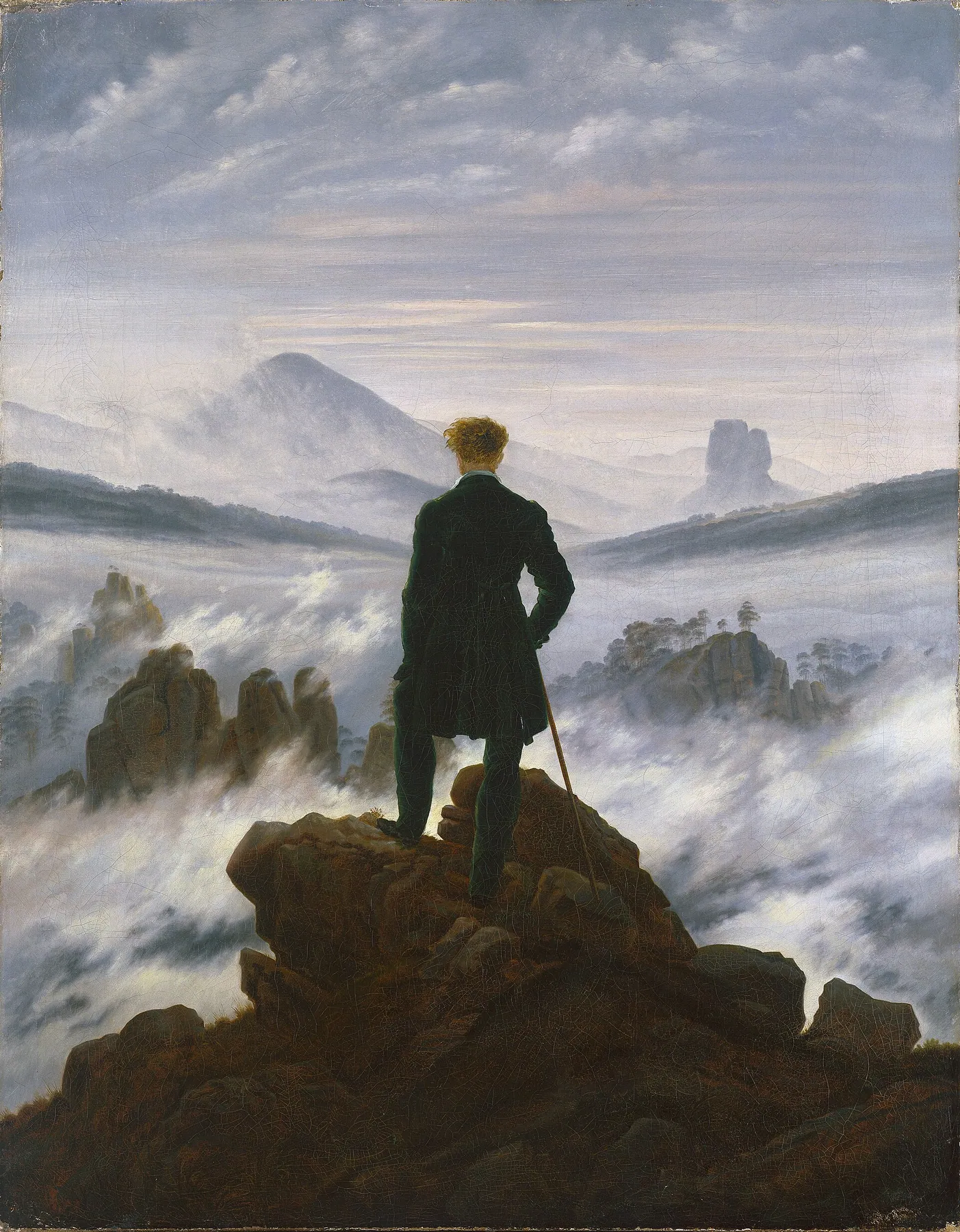 ◎ notes
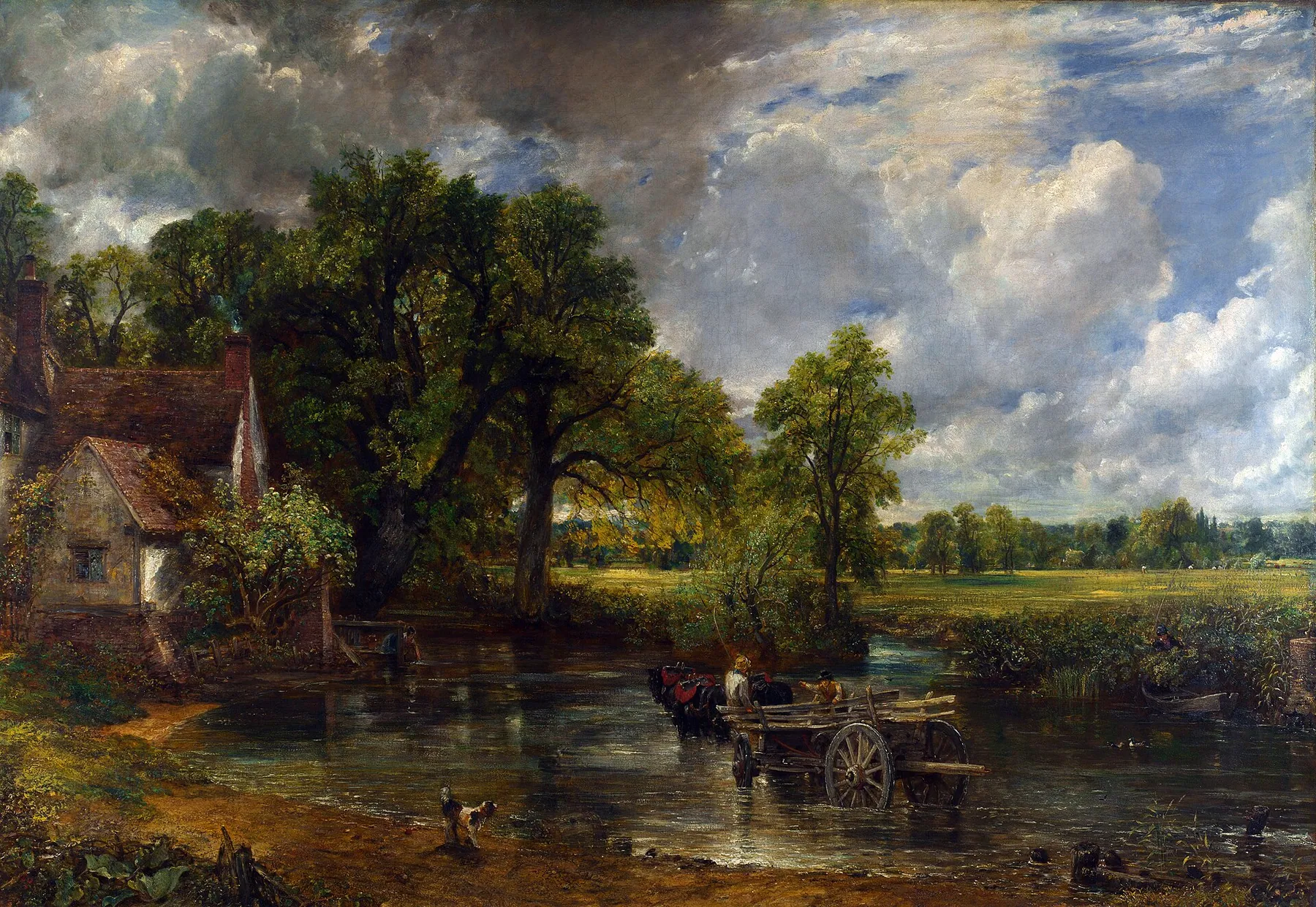 ◎ notes
Context
The Industrial Revolution and the upheavals after the French Revolution made artists look to wild nature, history and emotion.
In Britain, Turner and Constable transformed landscape painting — Turner through light and atmosphere, Constable through the direct study of skies and the English countryside.
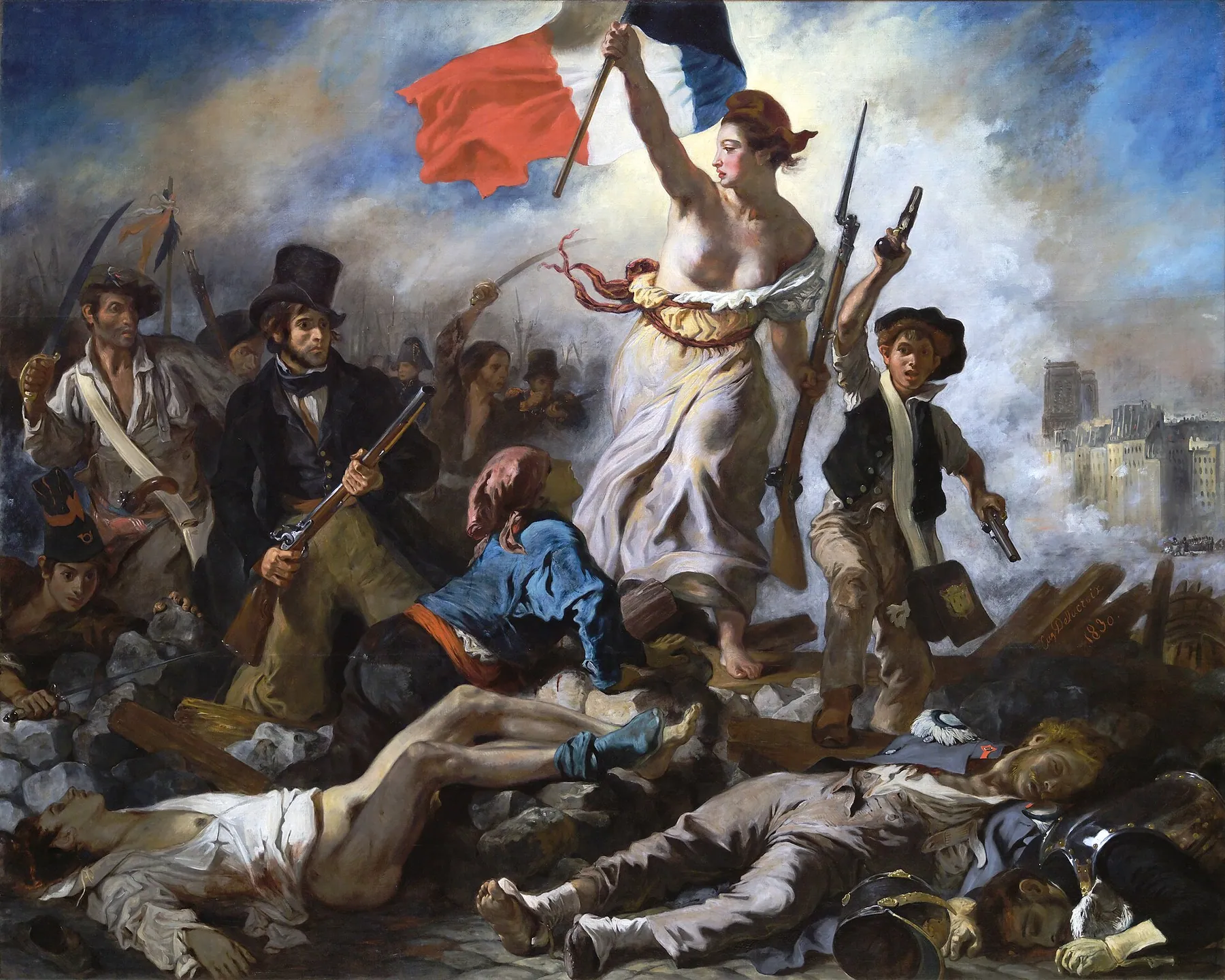
In France, Géricault and Delacroix painted contemporary events with dramatic colour and movement; in Germany, Caspar David Friedrich made quiet, spiritual landscapes; in Spain, Goya recorded the horrors of war.
Key artists
| Artist | Life | Known for |
|---|---|---|
| Francisco Goya | 1746–1828 | Court painter turned witness to war: The Third of May 1808. |
| J. M. W. Turner | 1775–1851 | Light, weather and speed: The Fighting Temeraire. |
| John Constable | 1776–1837 | Fresh skies and the English countryside: The Hay Wain. |
| Caspar David Friedrich | 1774–1840 | Spiritual landscapes: Wanderer above the Sea of Fog. |
| Théodore Géricault | 1791–1824 | The Raft of the Medusa. |
| Eugène Delacroix | 1798–1863 | Colour and movement: Liberty Leading the People. |
| Thomas Cole | 1801–1848 | Founder of the Hudson River School: The Oxbow. |
Key works
Tap any image to zoom; works marked ◎ have notes on key details.
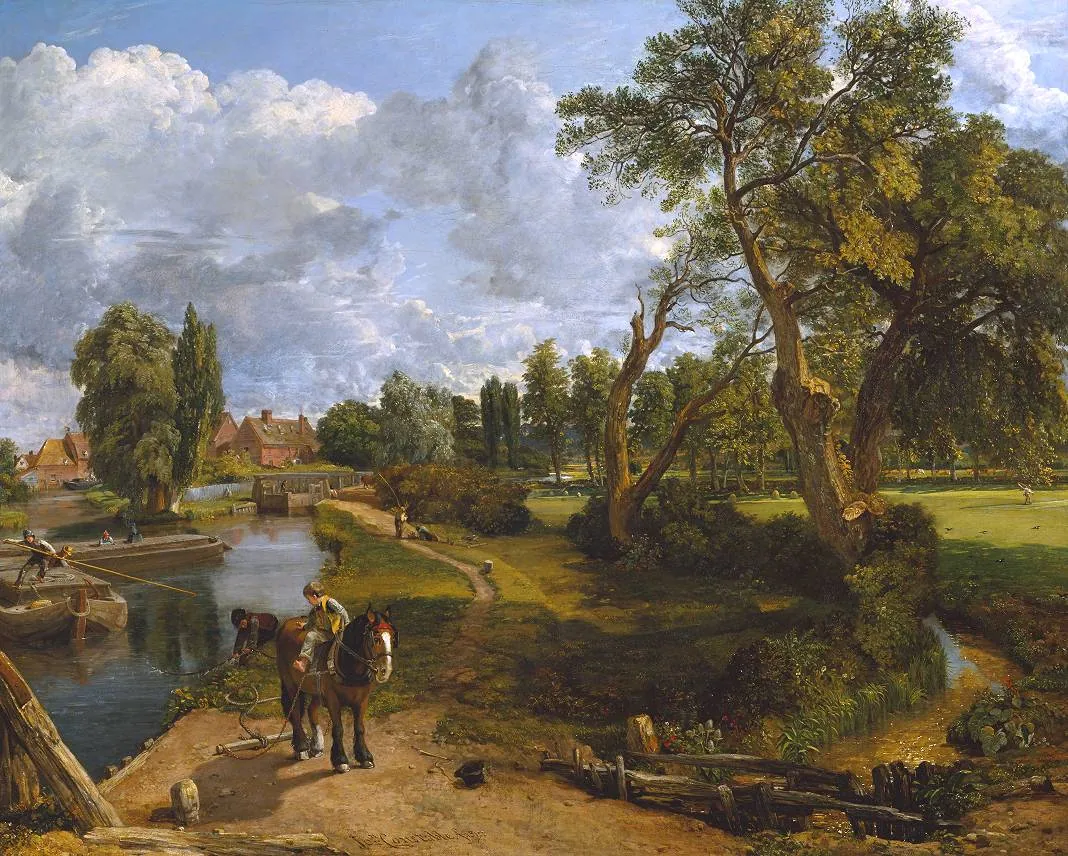
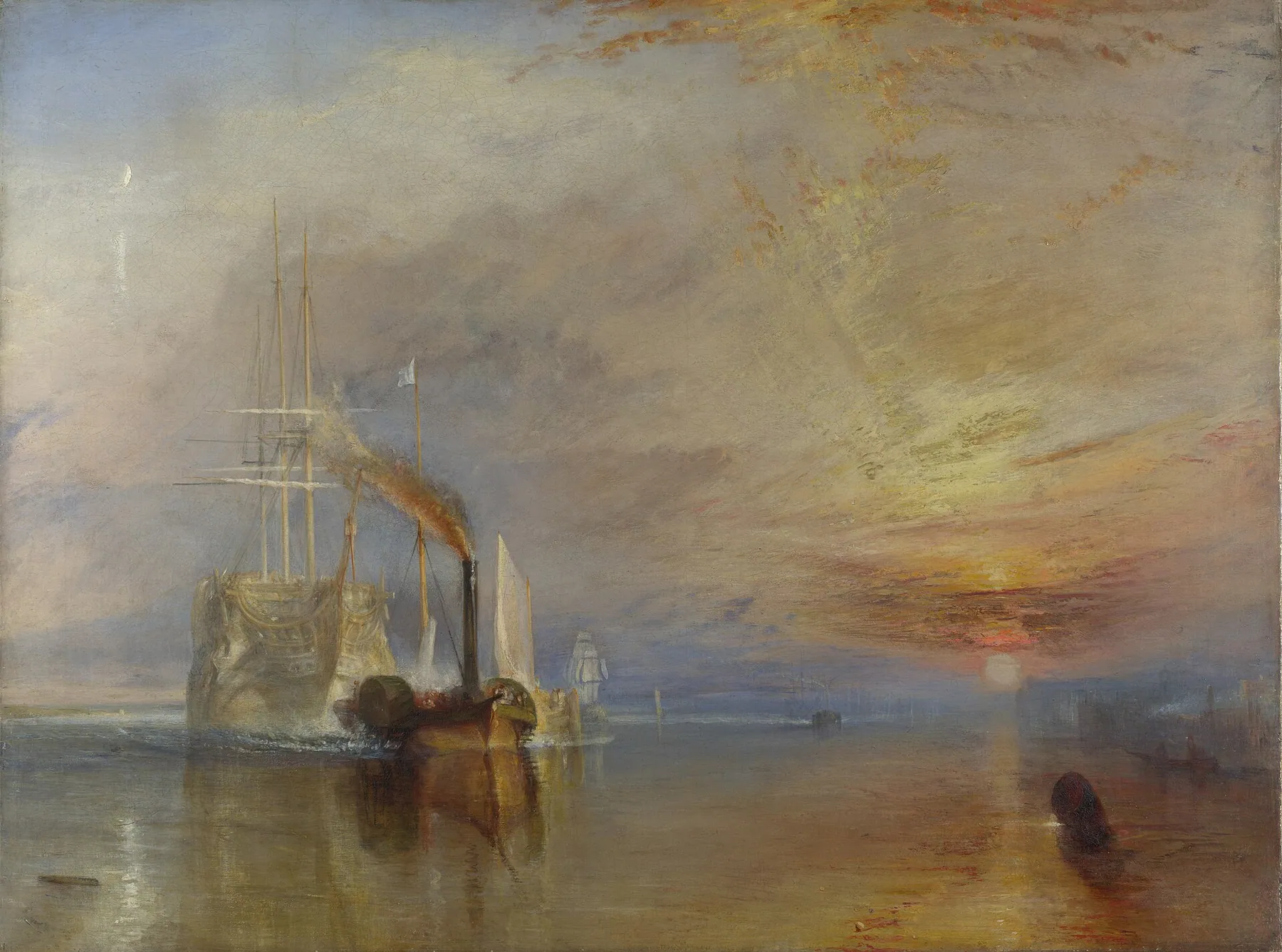 ◎ notes
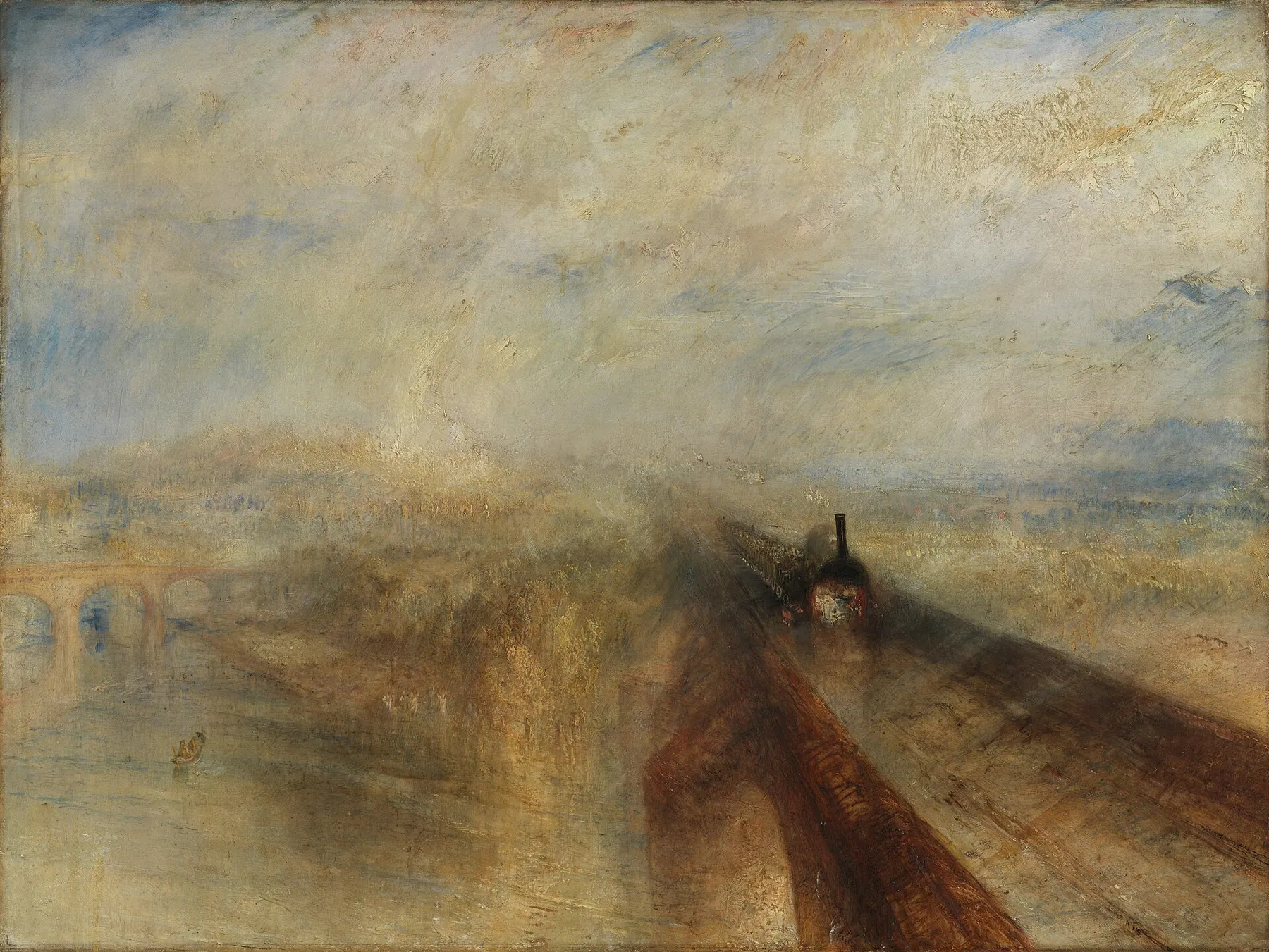
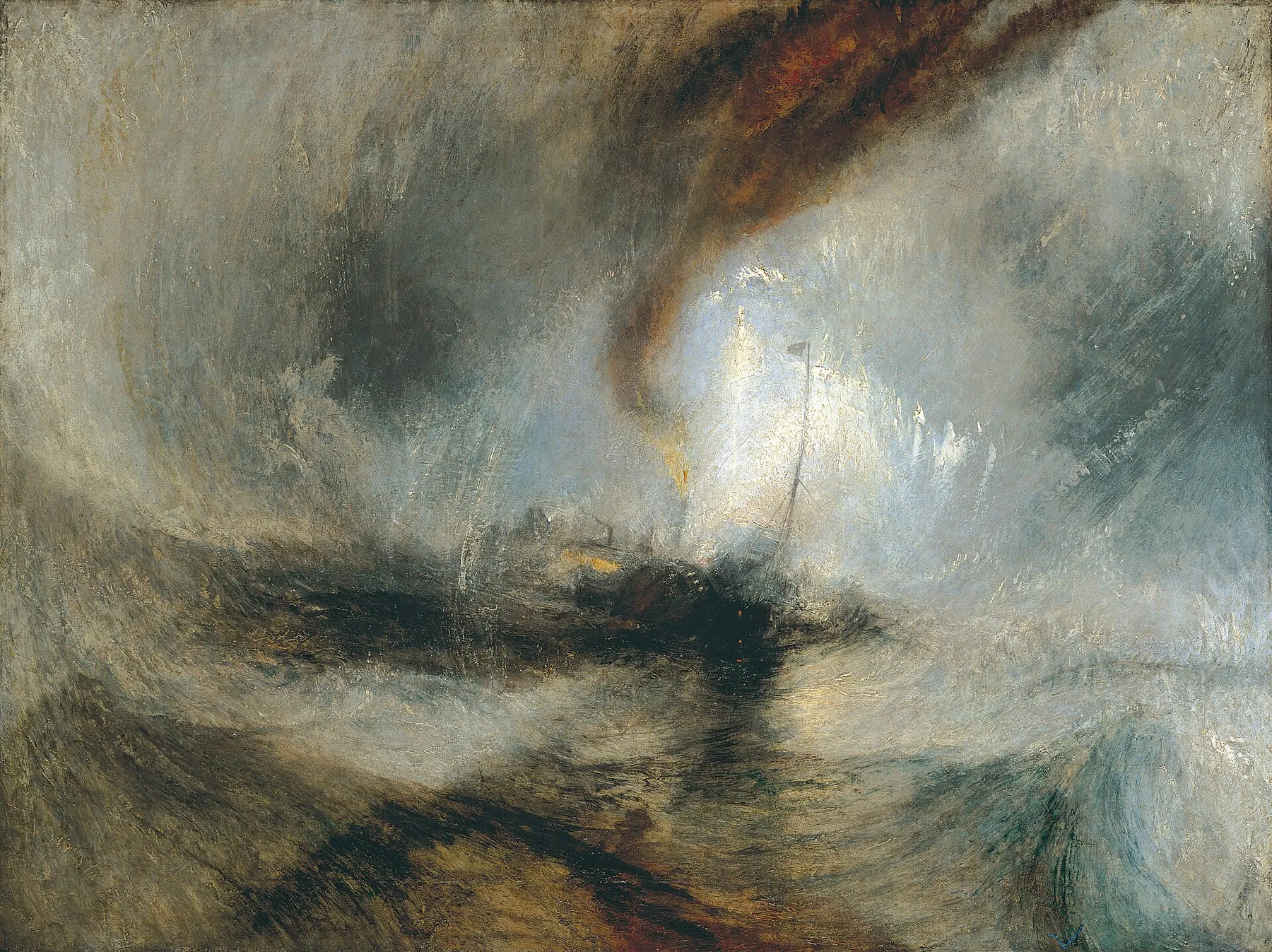
 ◎ notes
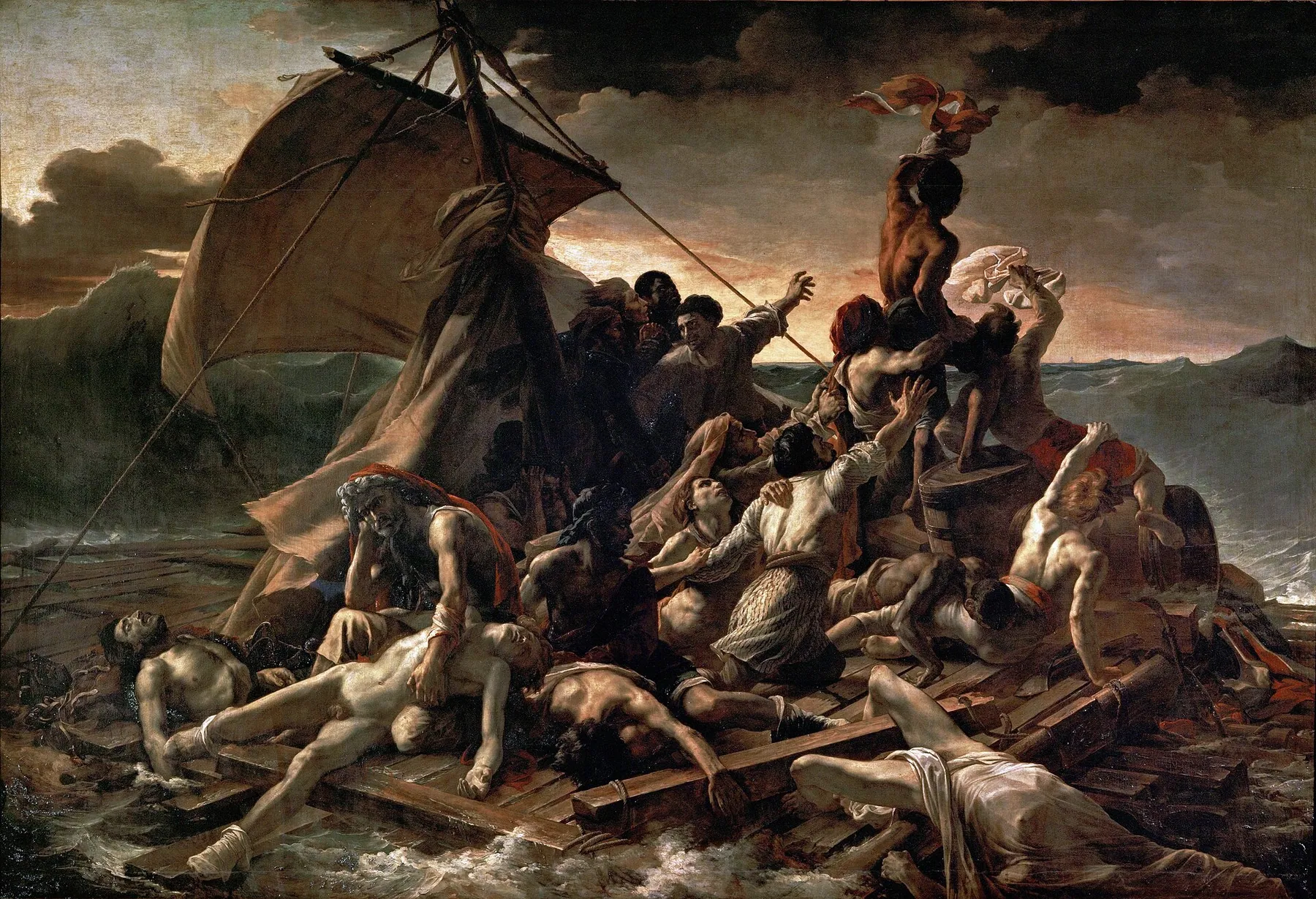 ◎ notes
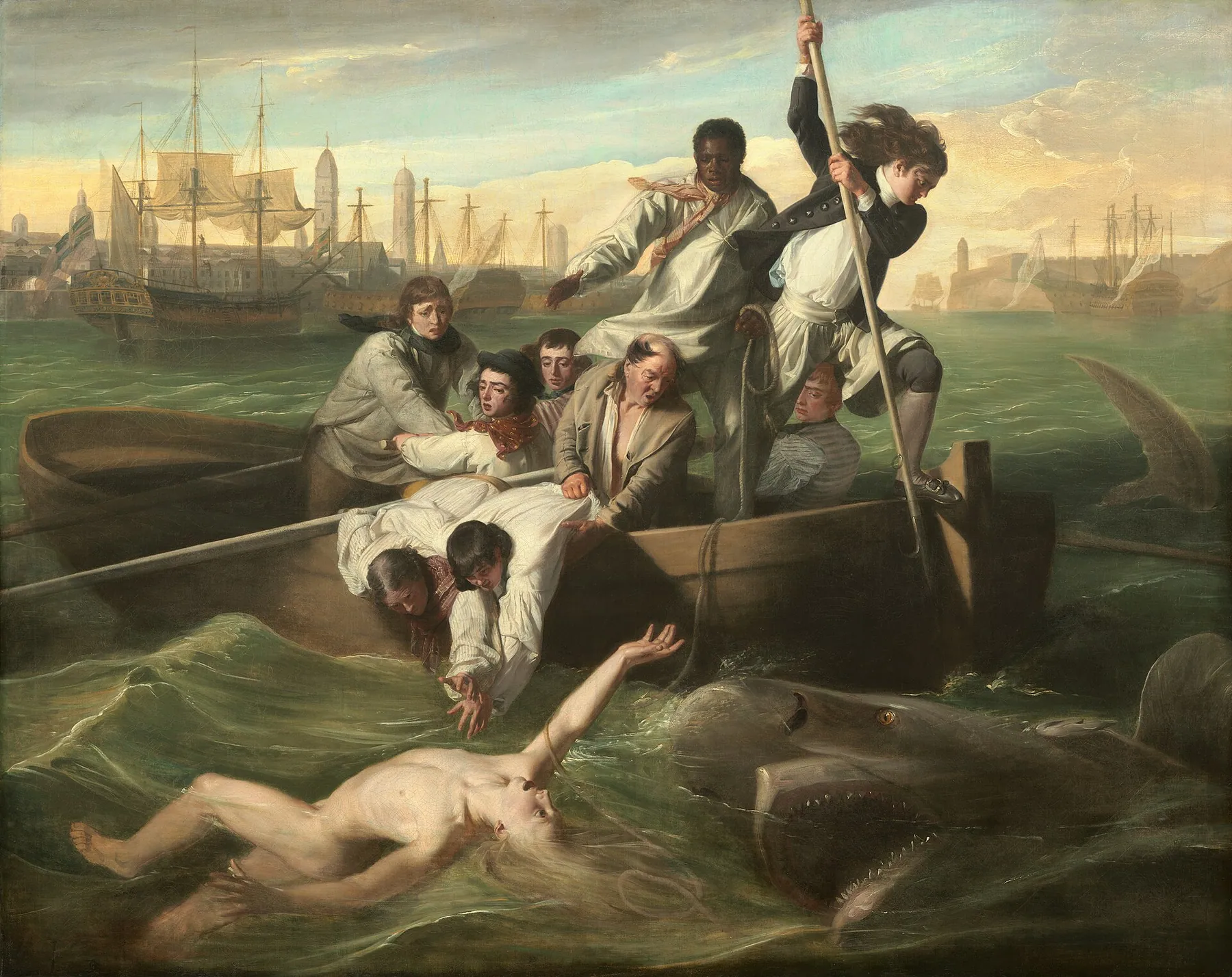
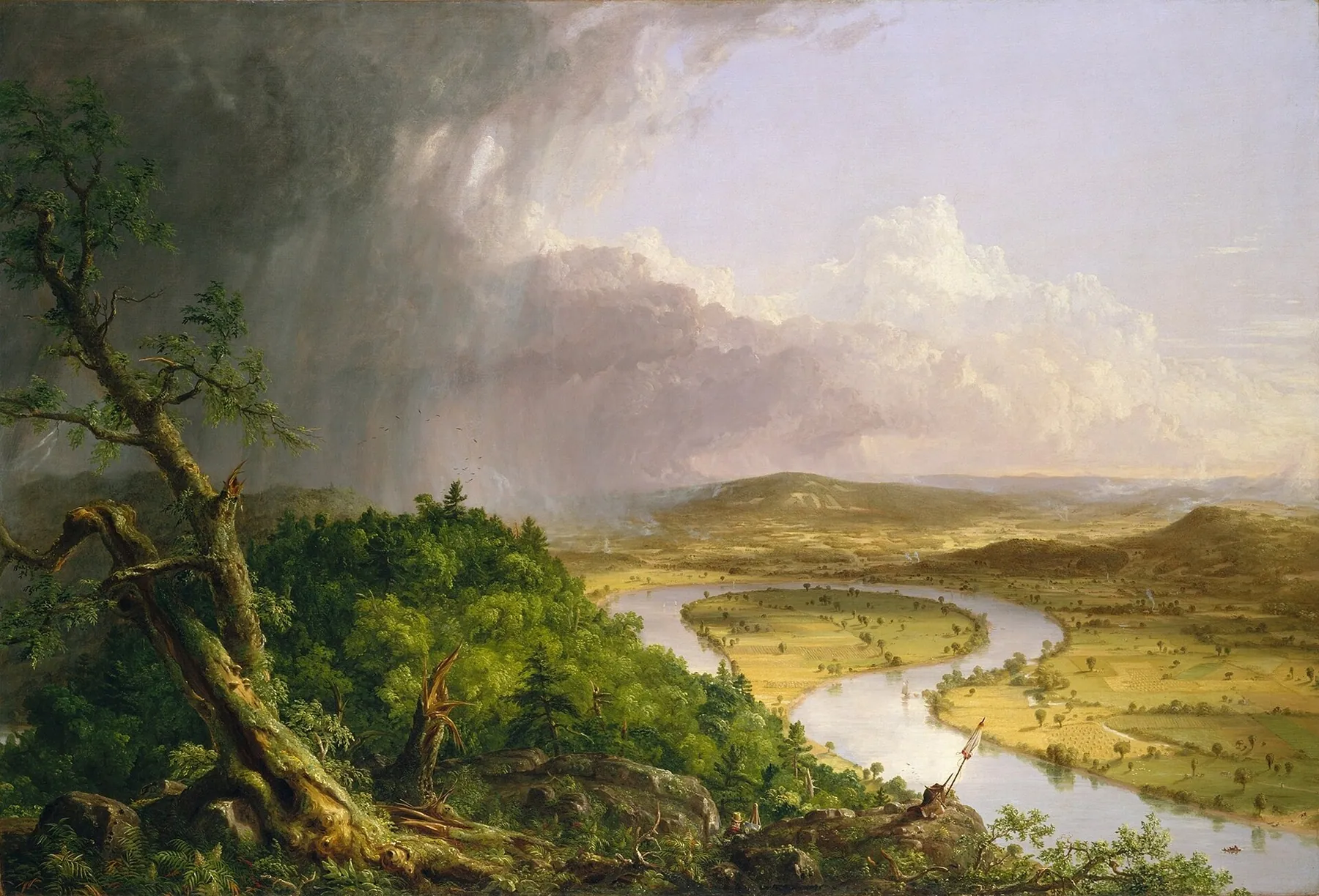
Techniques
- Expressive, visible brushwork and dramatic light.
- Oil sketches painted outdoors (Constable's cloud studies).
- Scumbling — dragging opaque, light paint thinly over a darker layer — for atmosphere (Turner).
- Watercolour elevated to a major medium (Turner).
- Colour contrast and complementaries to excite the eye (Delacroix).
- Diagonal, swirling compositions; the figure seen from behind (Friedrich).
How to paint in this style
- Pick a subject that carries a feeling: a storm, a sunset, a lone figure, a ruin.
- Make several small oil or watercolour sketches outdoors to capture the light quickly.
- Compose with a strong diagonal or vortex that pulls the eye into the picture.
- Lay in big masses of warm light and cool shadow; let the sky dominate.
- Scumble light, broken colour over dark areas to make mist, spray and haze.
- Add flecks of pure white or yellow for sparkle (Constable's 'snow').
Lead white, chrome yellow (new around 1814), Naples yellow, vermilion, madder lake, ultramarine, cobalt blue, emerald green, earths and bone black.
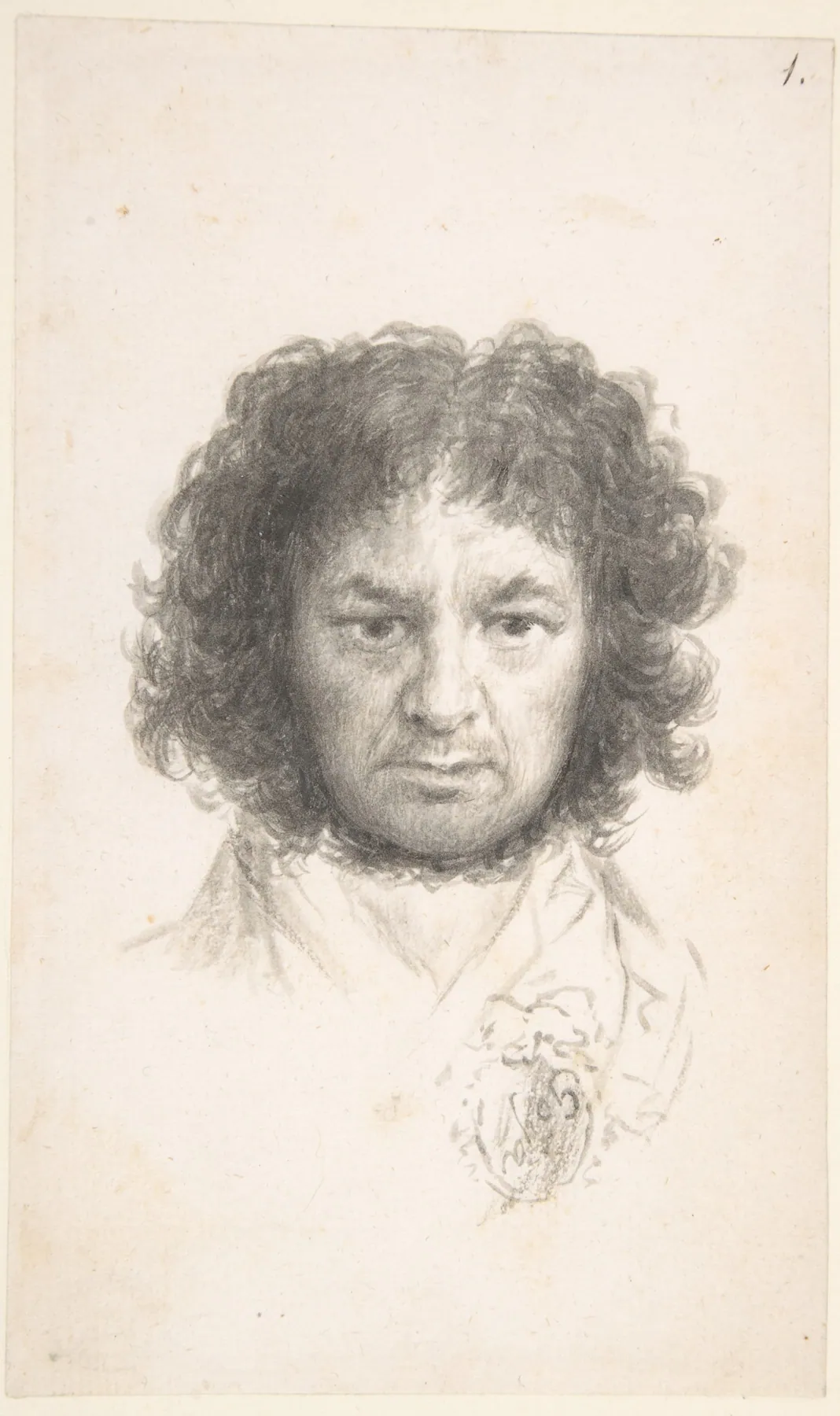
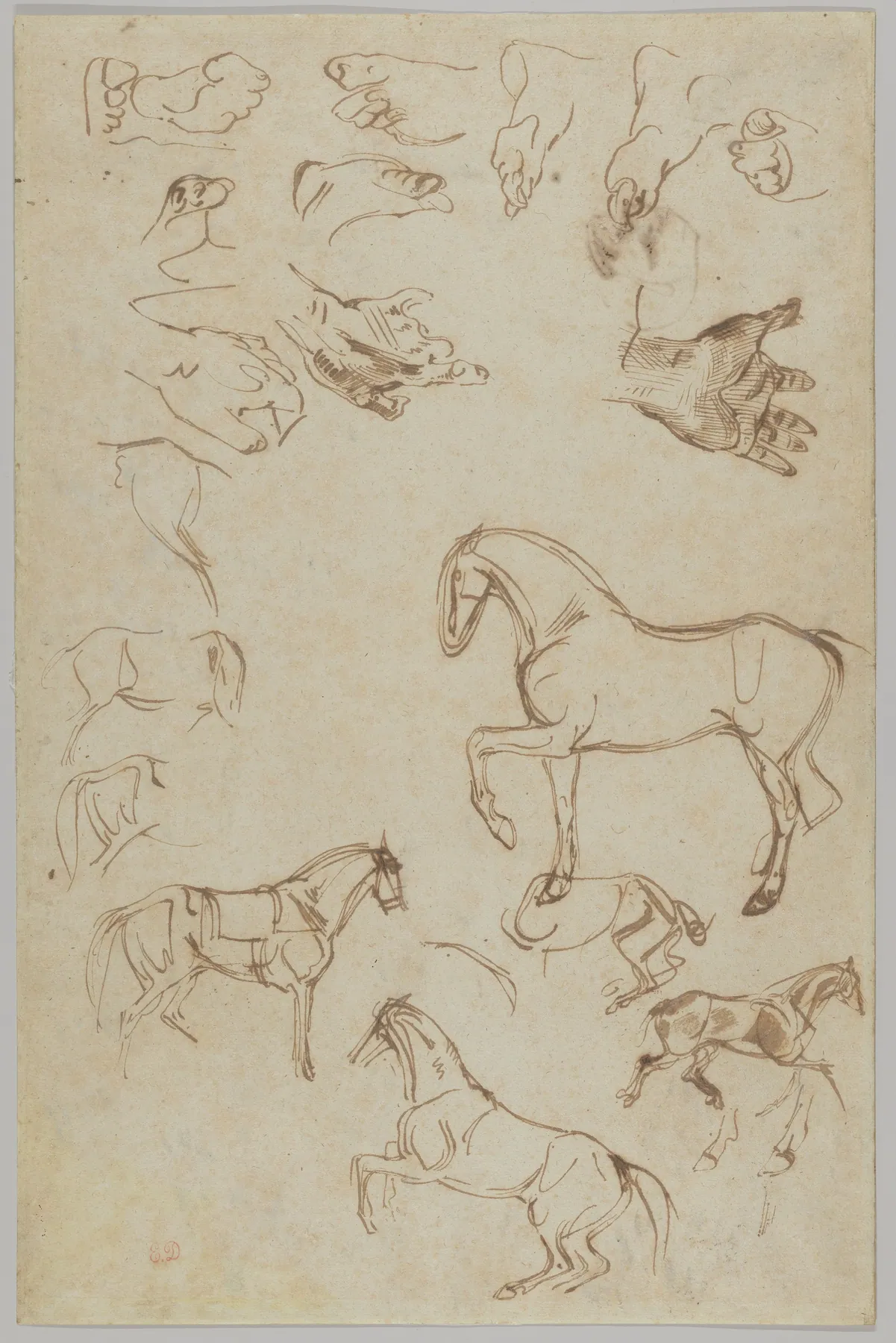
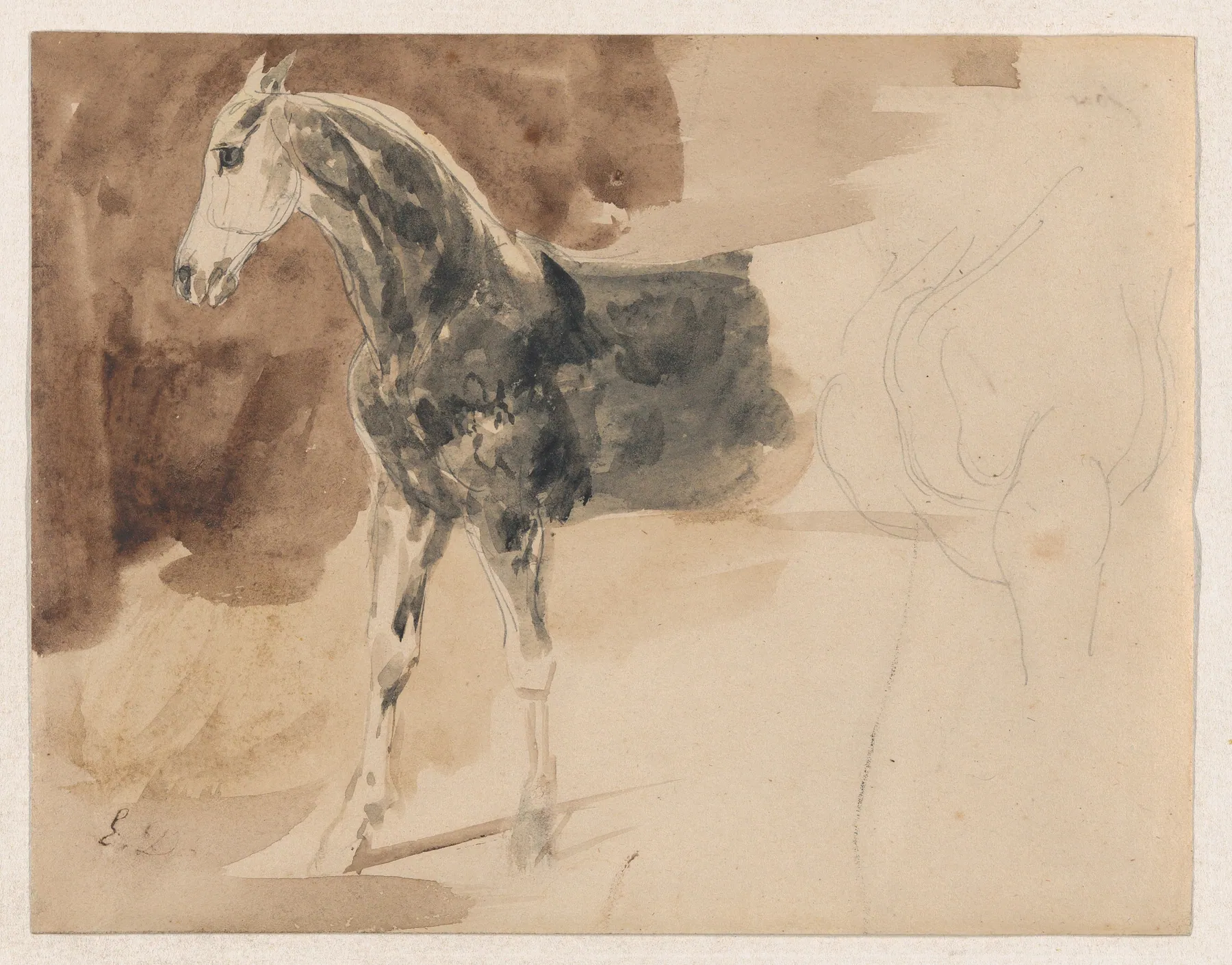
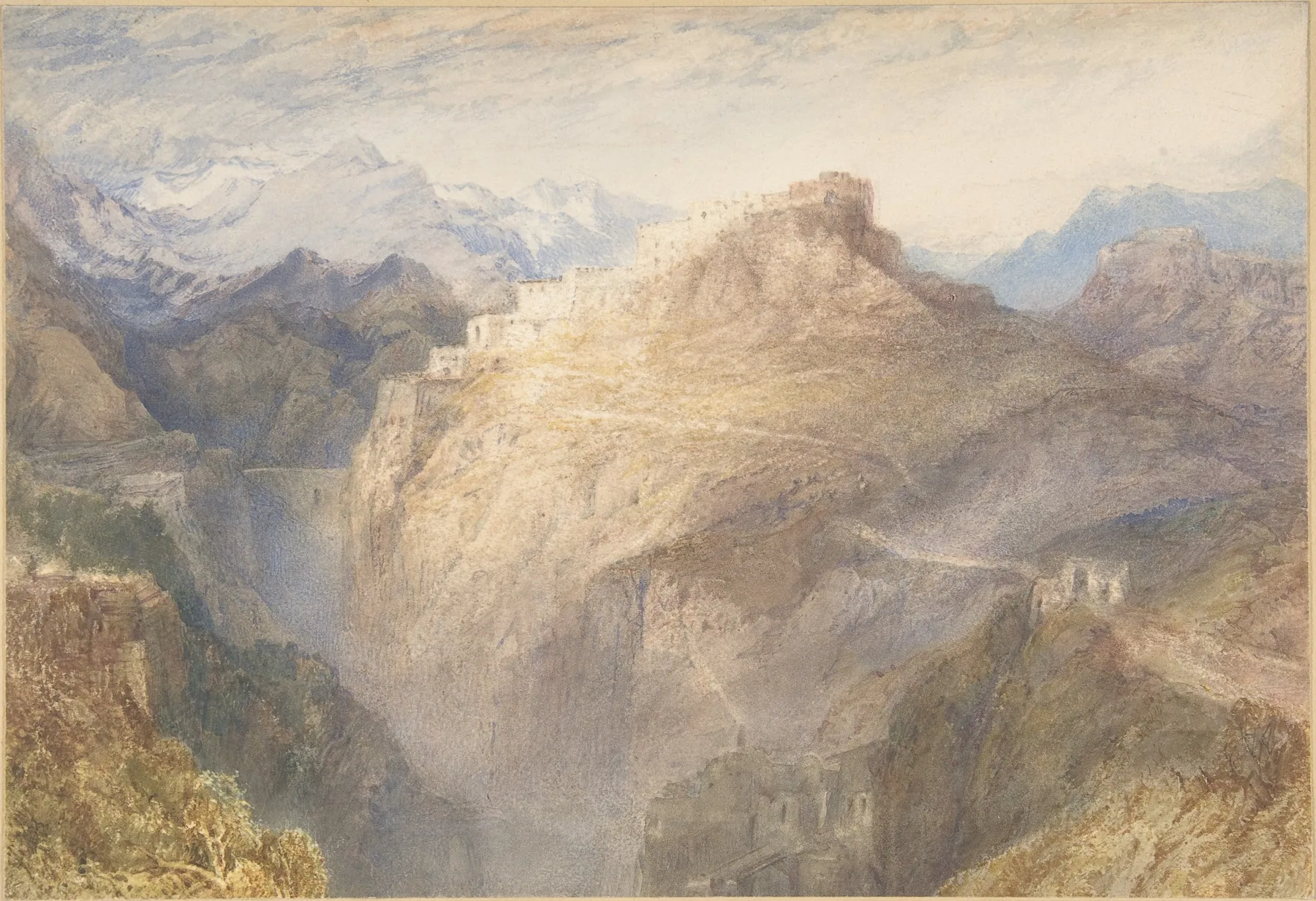
Drawings and studies
Watch
Art historical analysis (painting), a basic introduction using Goya's Third of May, 1808 · Smarthistory
Delacroix, Liberty Leading the People · Smarthistory
Gericault, Raft of the Medusa · Smarthistory
Turner, Rain, steam, and speed – the great western railway · Smarthistory
Videos load from YouTube (privacy-enhanced mode) only when you press play.