Home / The Book / Part III · Craft, genres and media

Part III · Craft, genres and media · Chapter 22 of 31

Value, light and form

Value — lightness and darkness — does most of the work in a picture. If the values are right, the colour can be surprisingly free. Squint at any masterpiece and you will see a few big, clear value shapes.
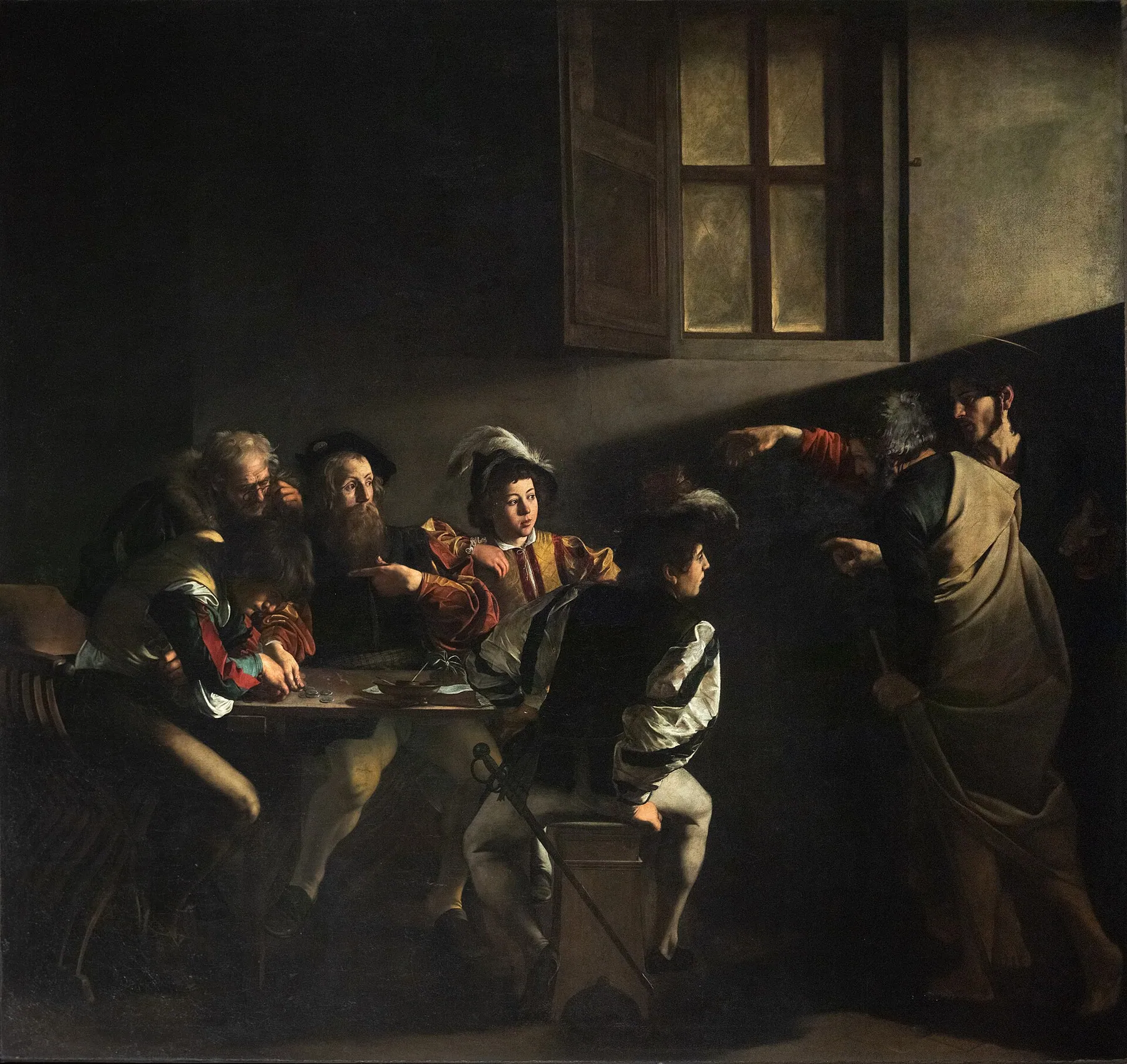
The Calling of Saint Matthew by Caravaggio◎ notes
The Calling of Saint Matthew, Caravaggio (1599–1600). Oil on canvas. San Luigi dei Francesi, Rome. Source: Wikimedia Commons · CC0
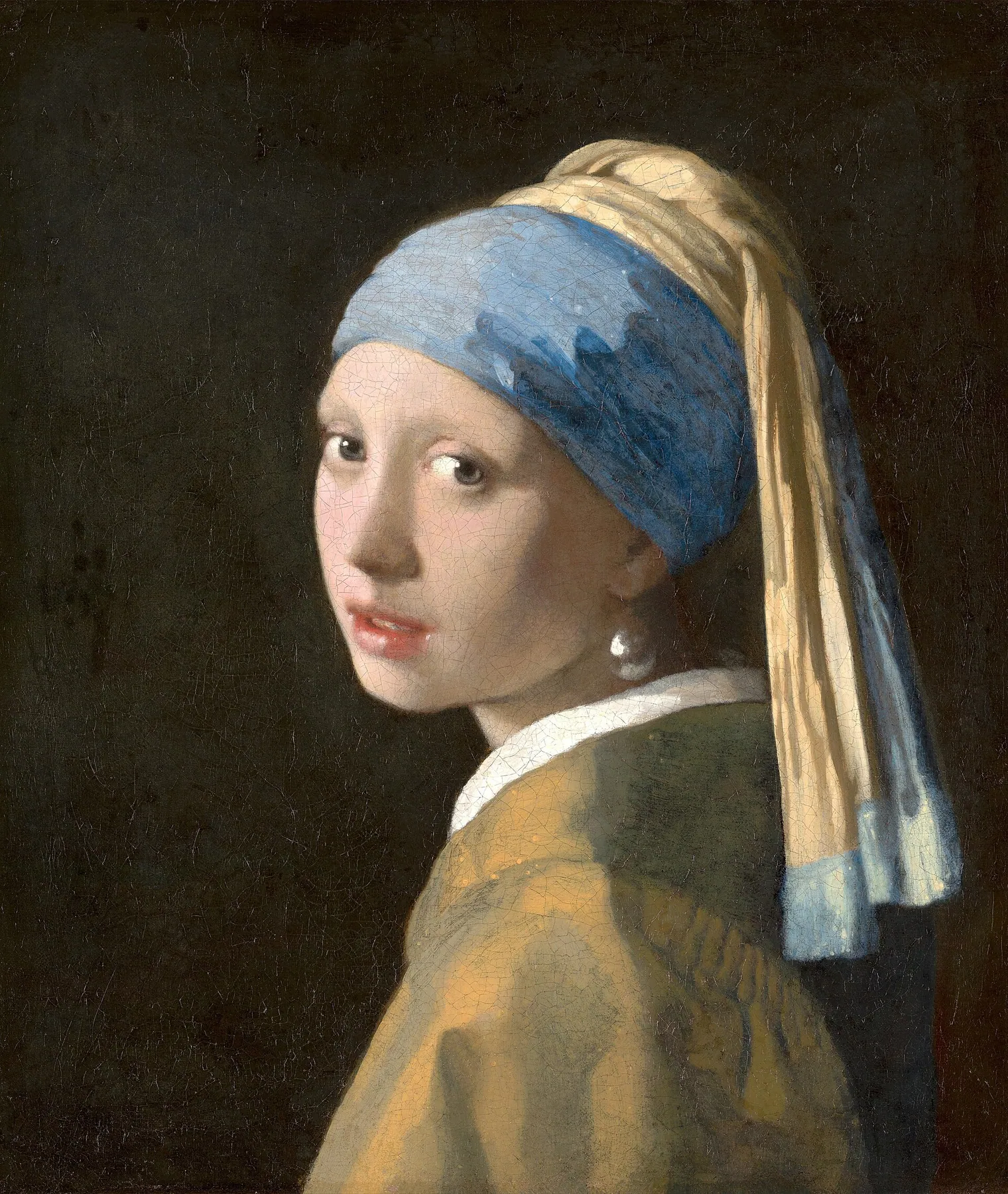
Girl with a Pearl Earring by Johannes Vermeer◎ notes
Girl with a Pearl Earring, Johannes Vermeer (c. 1665). Oil on canvas. Mauritshuis, The Hague. Source: Wikimedia Commons · Public domain
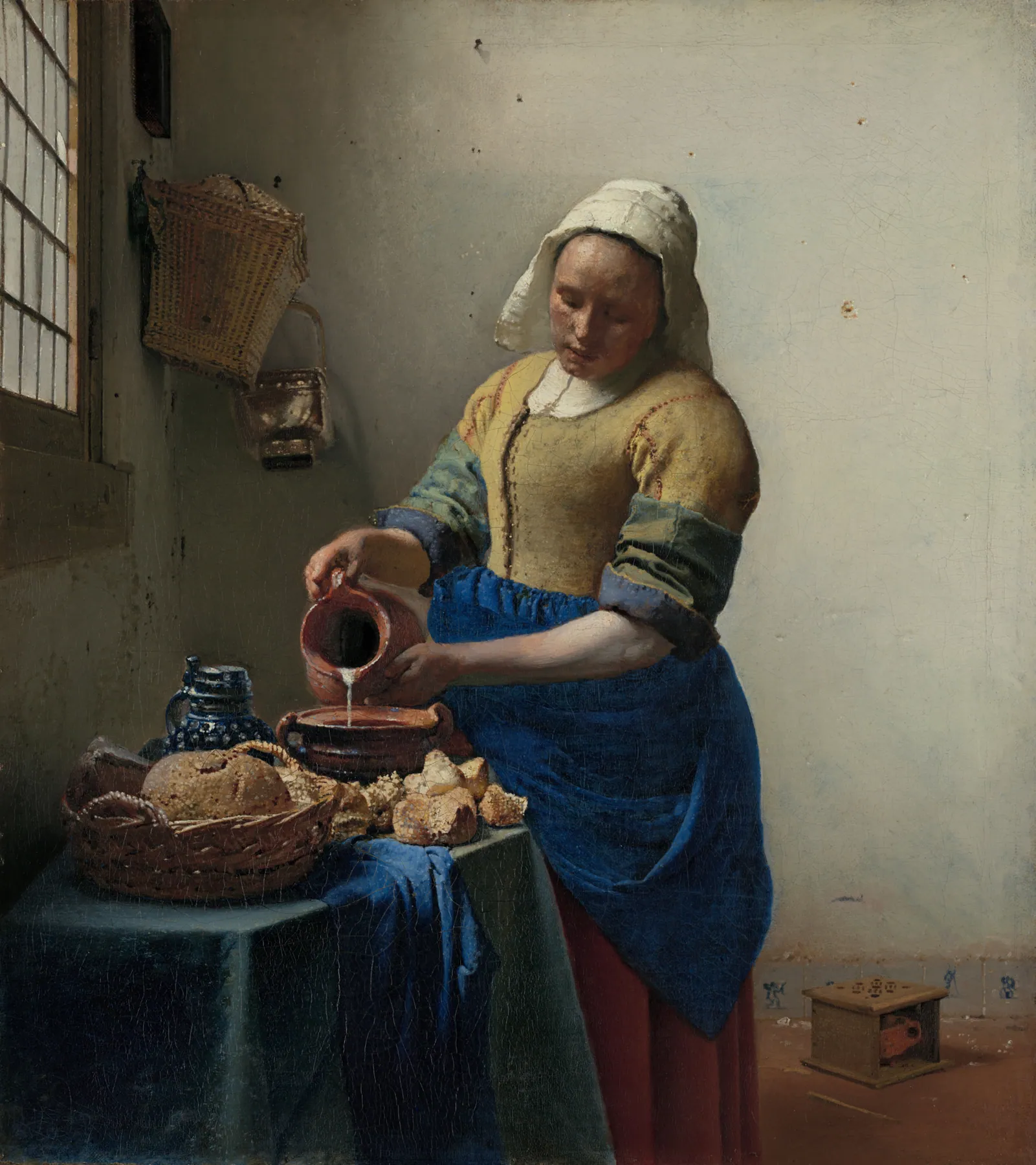
The Milkmaid by Johannes Vermeer◎ notes
The Milkmaid, Johannes Vermeer (c. 1658). Oil on canvas. Rijksmuseum, Amsterdam. Source: Wikimedia Commons · Public domain

Light on form

Light falling on a rounded form creates a predictable sequence: highlight, light, halftone, core shadow, reflected light and cast shadow. The core shadow — where the form turns away from the light — is the key to making things look solid.

Keep lights and shadows separate. Reflected light in the shadows is always darker than the halftones in the light. Beginners often make it too bright and the form falls apart.

Designing with value

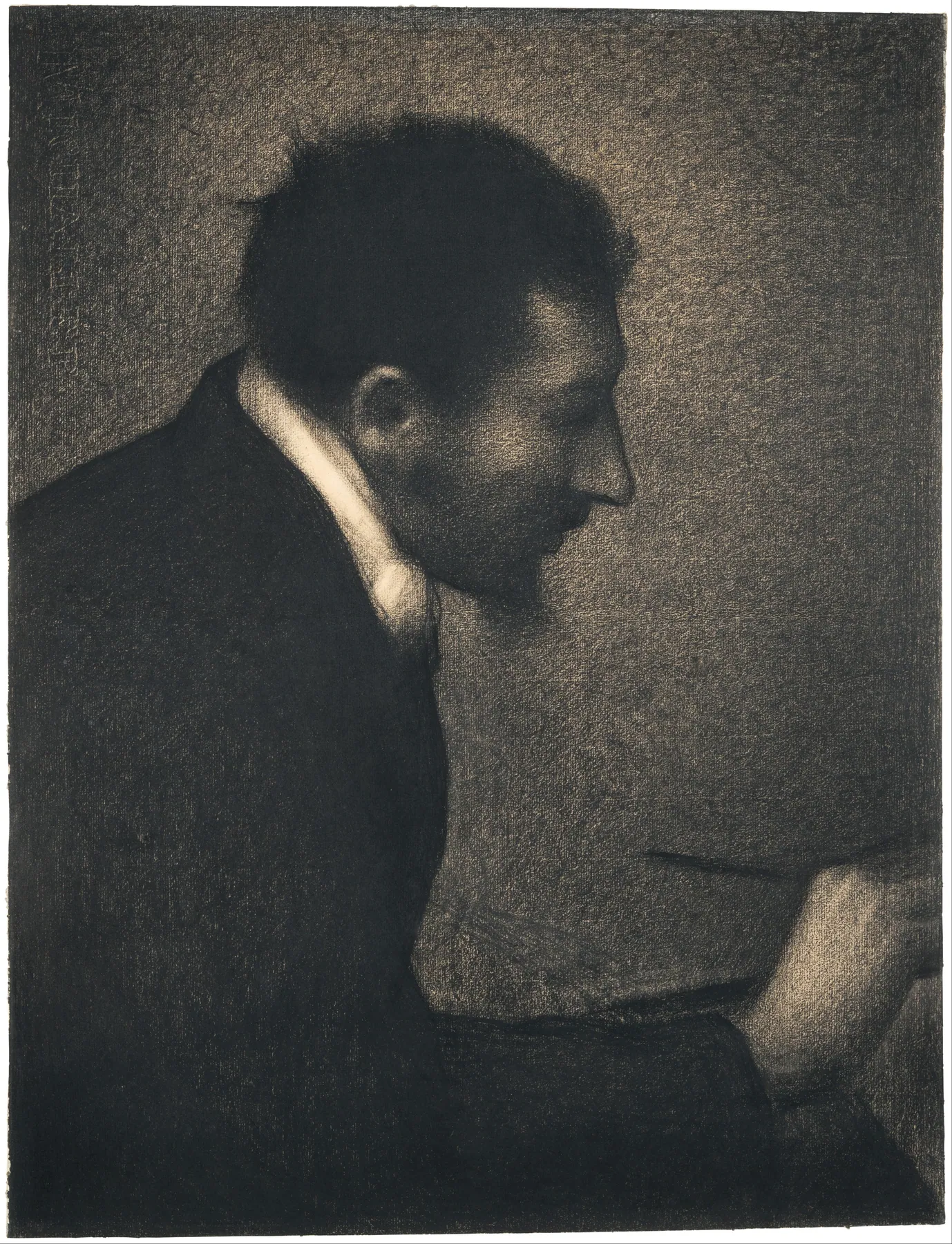
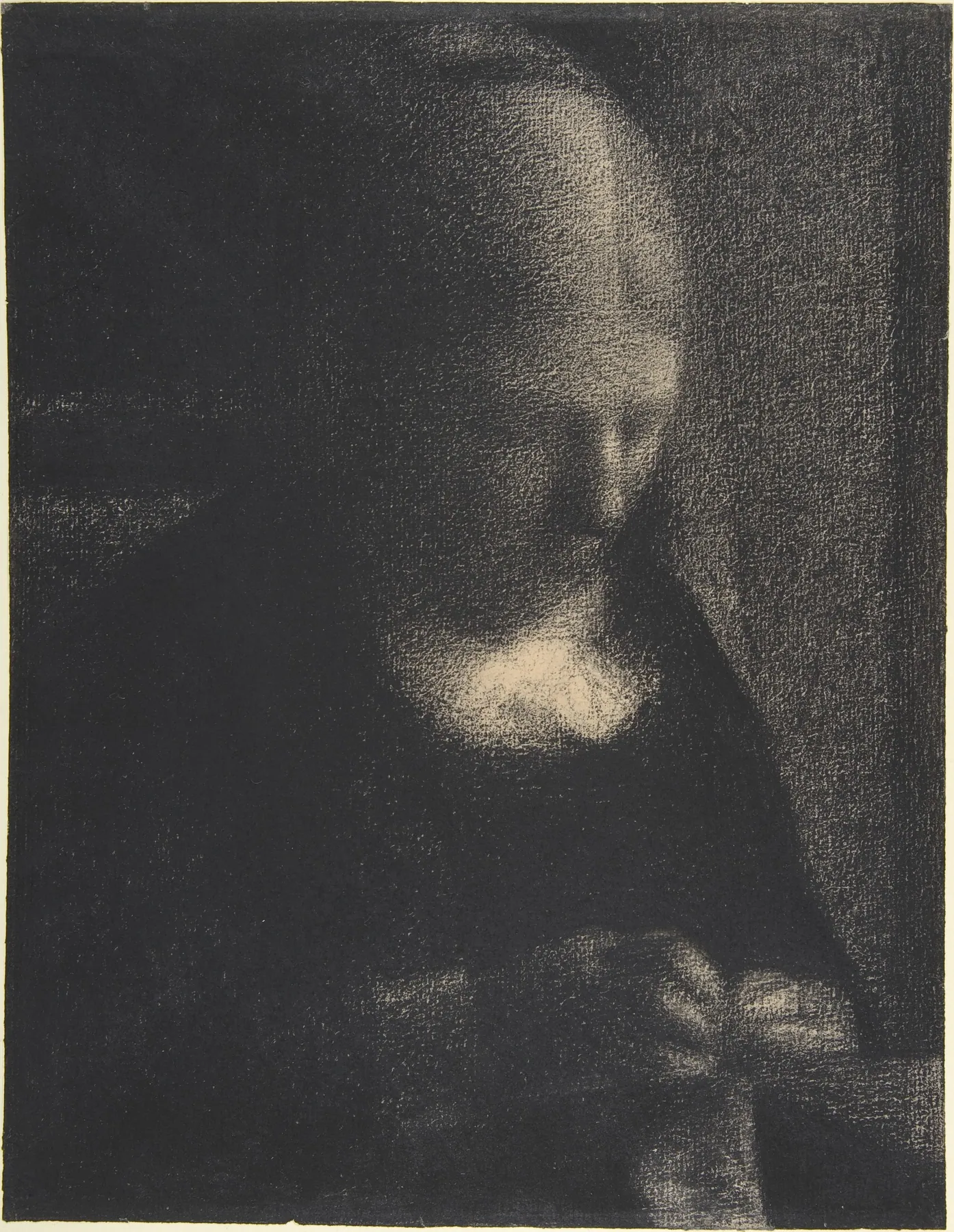
Plan a picture in three to five values. Caravaggio and Rembrandt used chiaroscuro — strong light against deep shadow — to direct the eye. Seurat's conté drawings build whole figures from soft value shapes with no outlines at all.

Make a quick thumbnail in grey before you paint. If it reads at the size of a postage stamp, it will read on the wall.

Try it

  1. Paint a 9-step value scale and number it.
  2. Do three 5-minute thumbnails of a master painting in three values.
  3. Light an egg with a single lamp and shade it in charcoal.

Examples to study
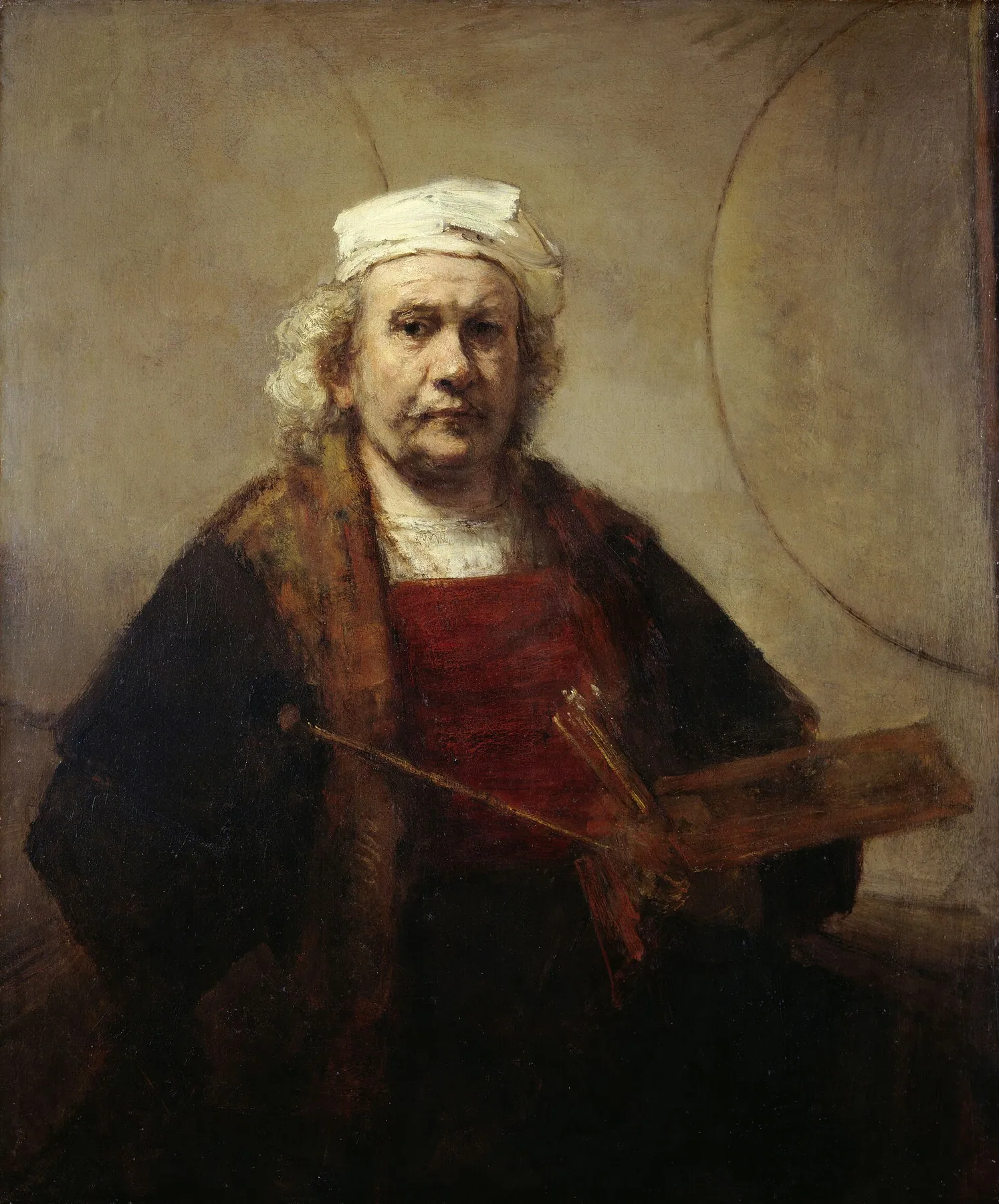
Self-Portrait with Two Circles by Rembrandt van Rijn
Self-Portrait with Two Circles, Rembrandt van Rijn (c. 1665–1669). Oil on canvas. Kenwood House, London. Source: Wikimedia Commons · Public domain
Aman-Jean (Portrait of Edmond François Aman-Jean) by Georges Seurat
Aman-Jean (Portrait of Edmond François Aman-Jean), Georges Seurat (1882–83). Conté crayon on Michallet paper. The Metropolitan Museum of Art, New York. Source: The Metropolitan Museum of Art · CC0 (Met Open Access)
Embroidery; The Artist's Mother by Georges Seurat
Embroidery; The Artist's Mother, Georges Seurat (1882–83). Conté crayon. The Metropolitan Museum of Art, New York. Source: The Metropolitan Museum of Art · CC0 (Met Open Access)
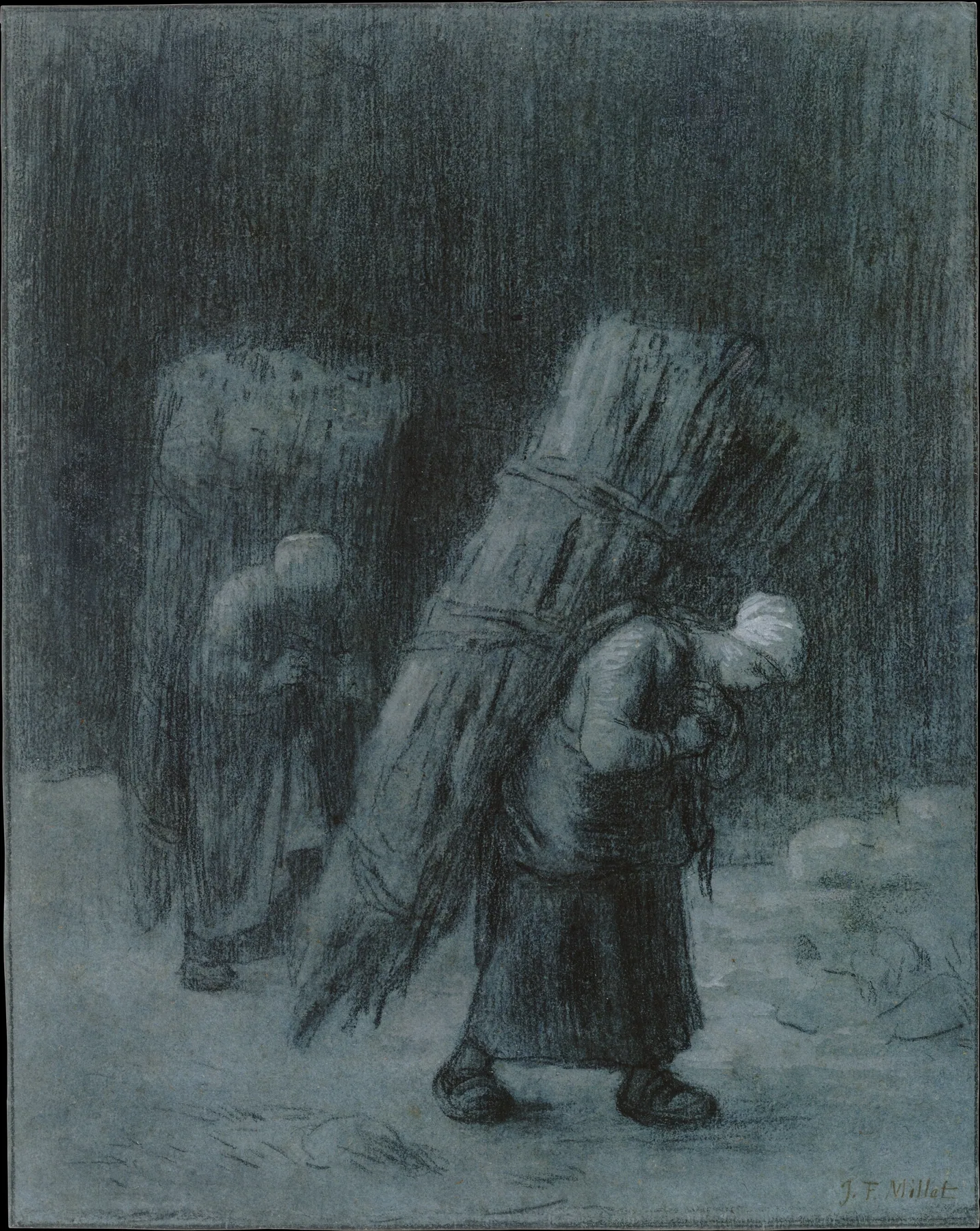
Women Carrying Faggots by Jean-François Millet
Women Carrying Faggots, Jean-François Millet (ca. 1858). Charcoal heightened with white gouache, charcoal border, on heavy laid gray-blue paper. The Metropolitan Museum of Art, New York. Source: The Metropolitan Museum of Art · CC0 (Met Open Access)

Watch

Essential Values for Painting, Lighting and Design · Marco Bucci

Light and Shadow - 10 Minutes To Better Painting - Episode 6 · Marco Bucci

Shading Light and Form - Basics · Proko

Go From Flat to Realistic Shading! Here’s How · Proko

Videos load from YouTube (privacy-enhanced mode) only when you press play.