159 public-domain works — paintings, drawings and anatomical plates — from Wikimedia Commons and The Metropolitan Museum of Art Open Access. Tap any image to zoom, pinch and pan; works marked ◎ have notes on key details.
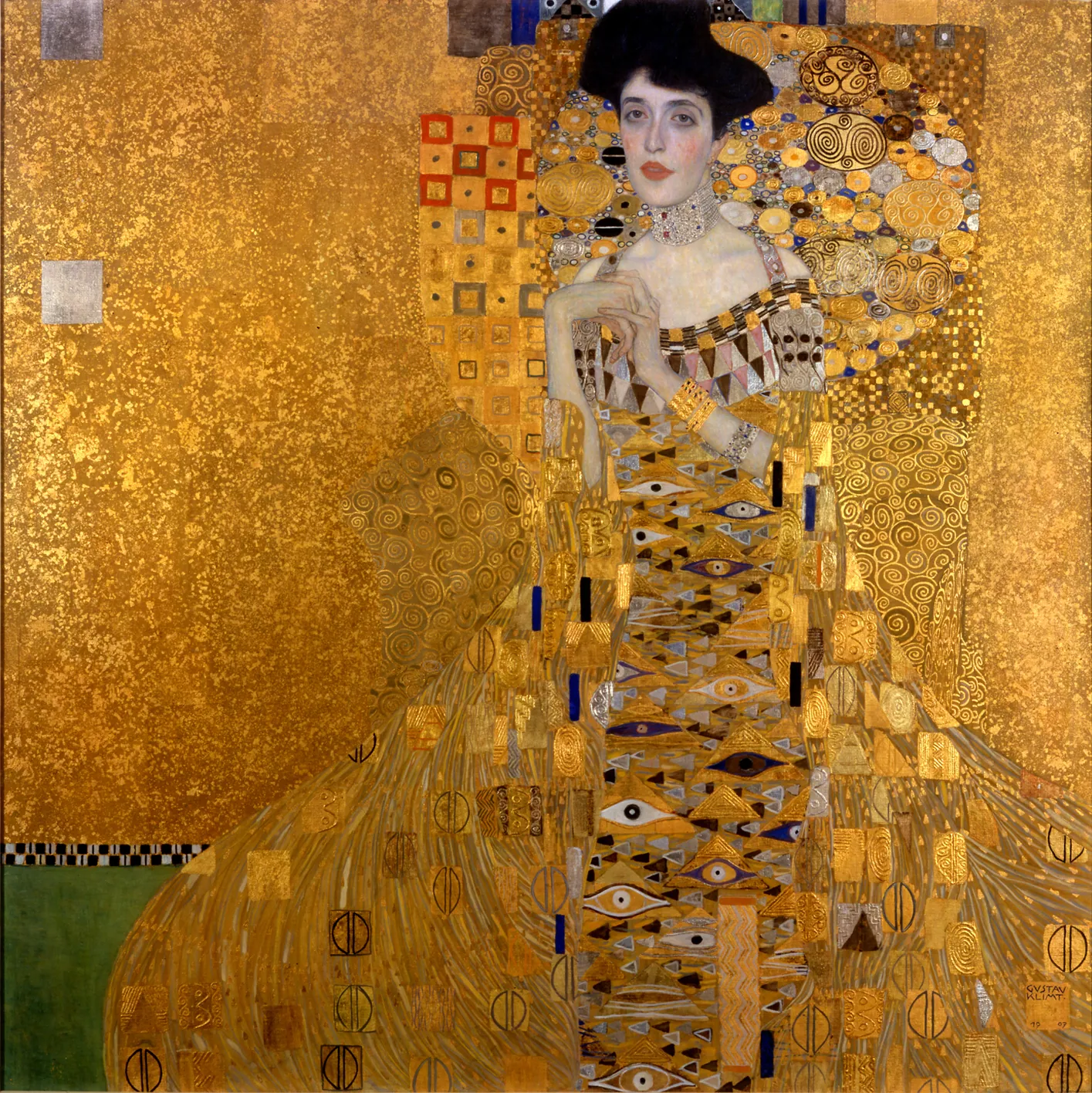
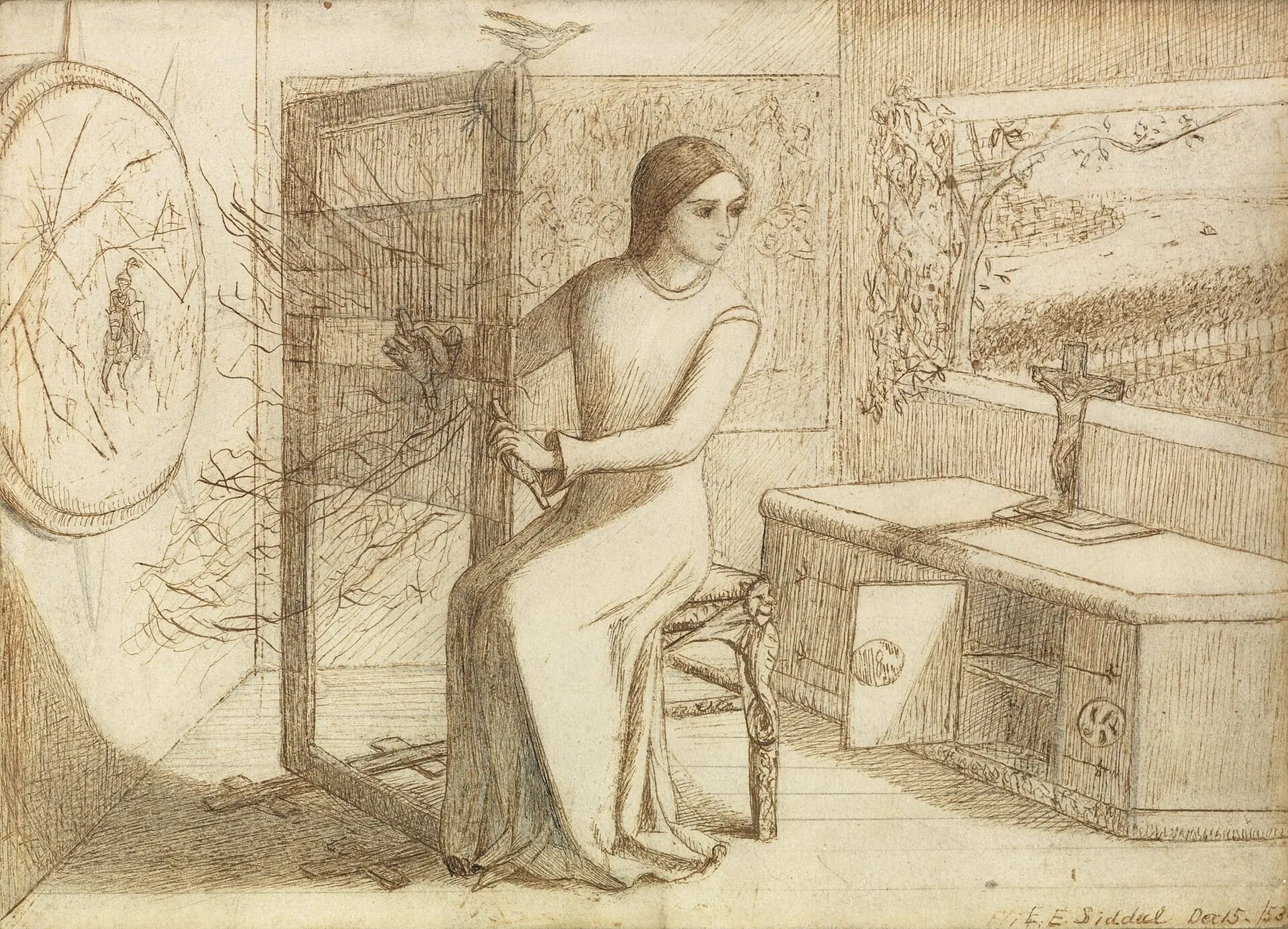
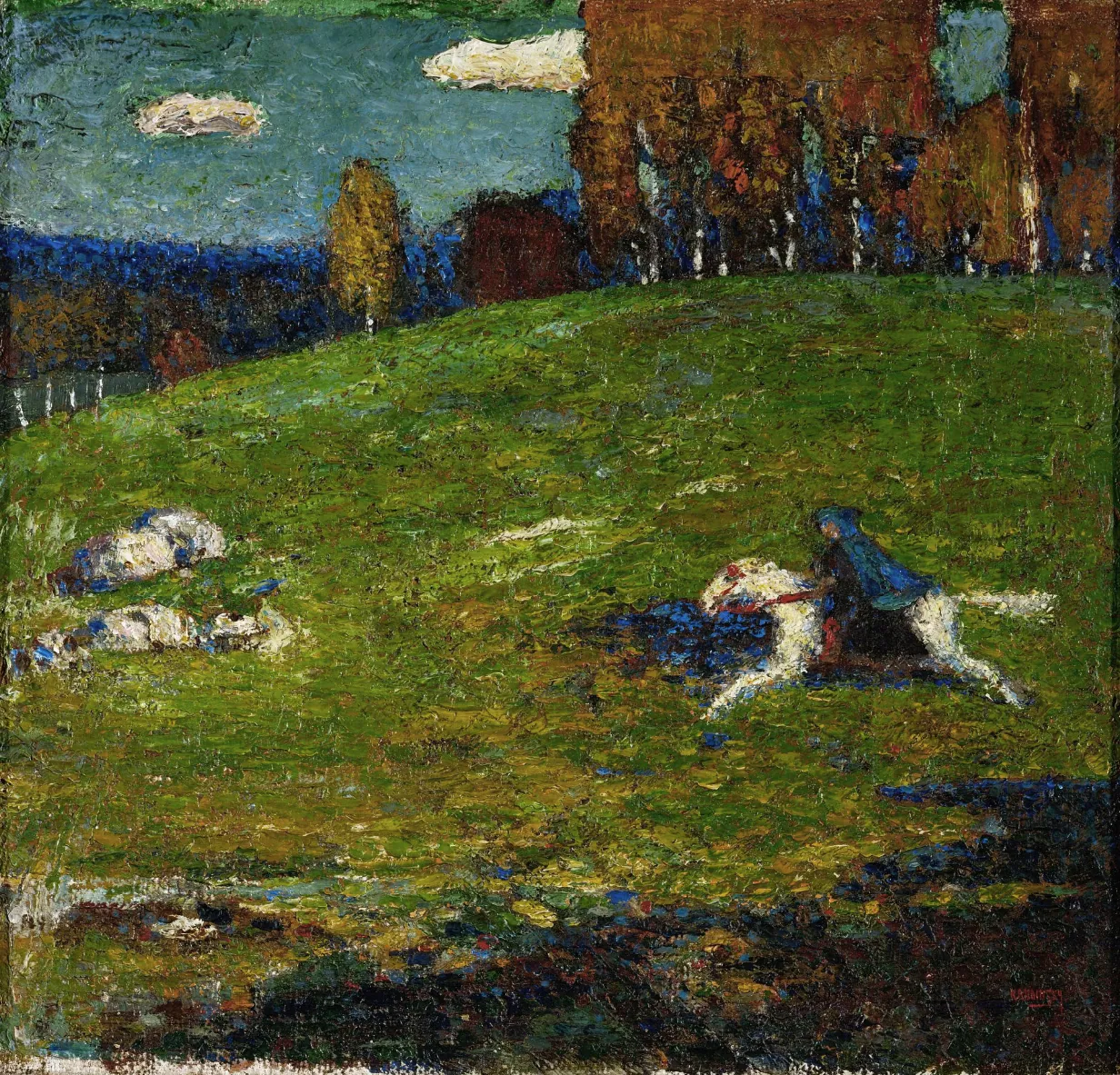
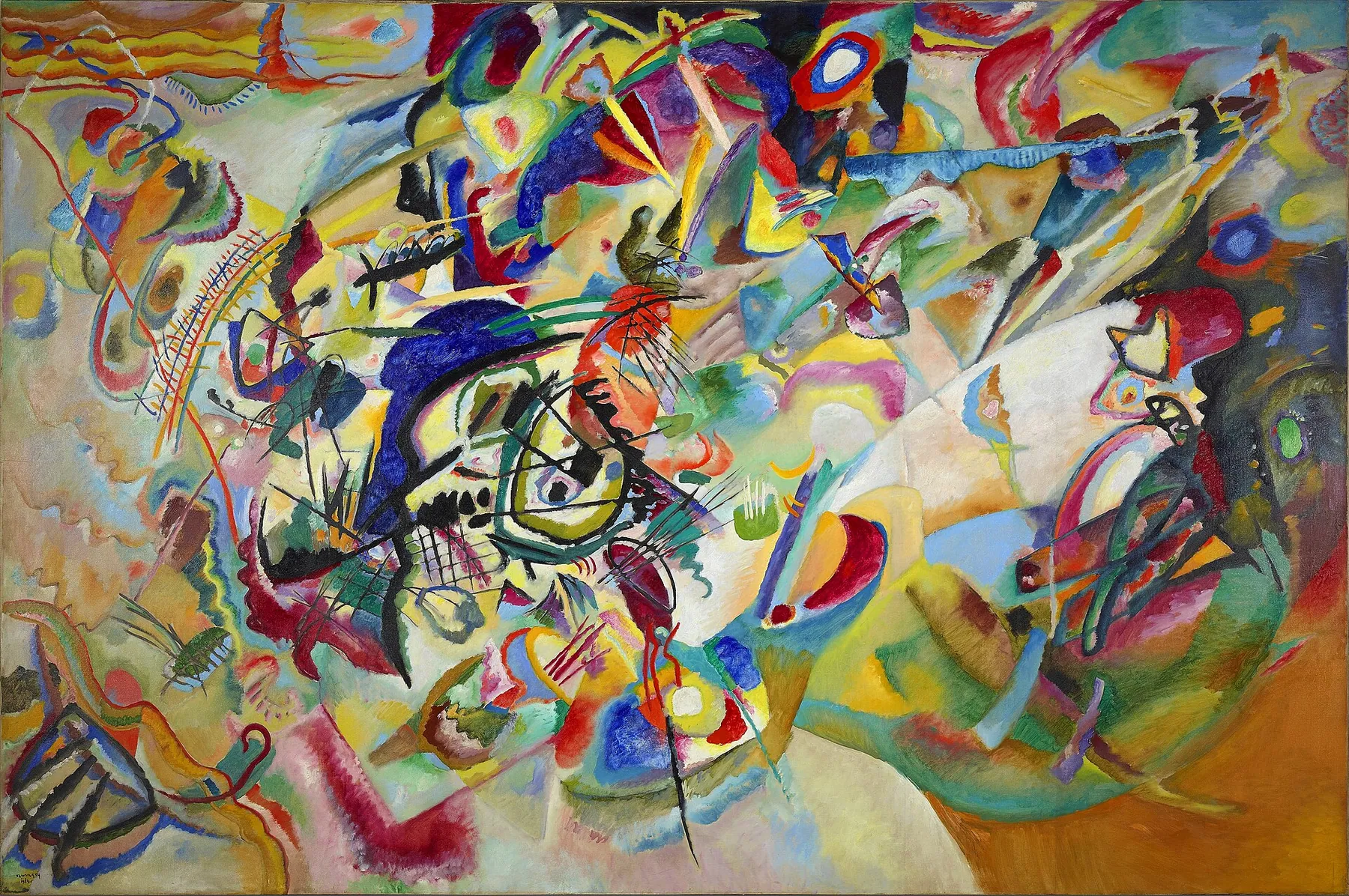
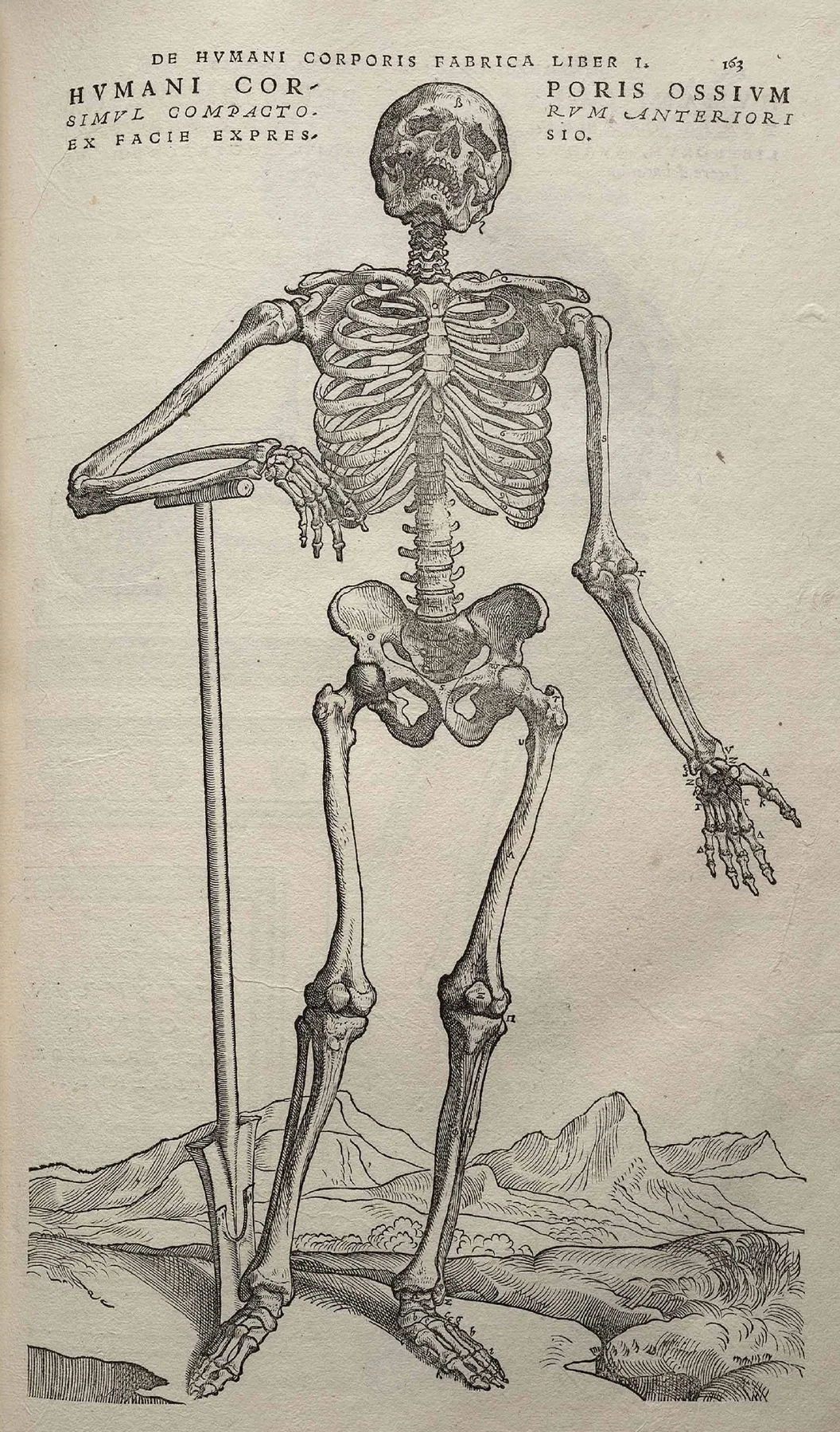
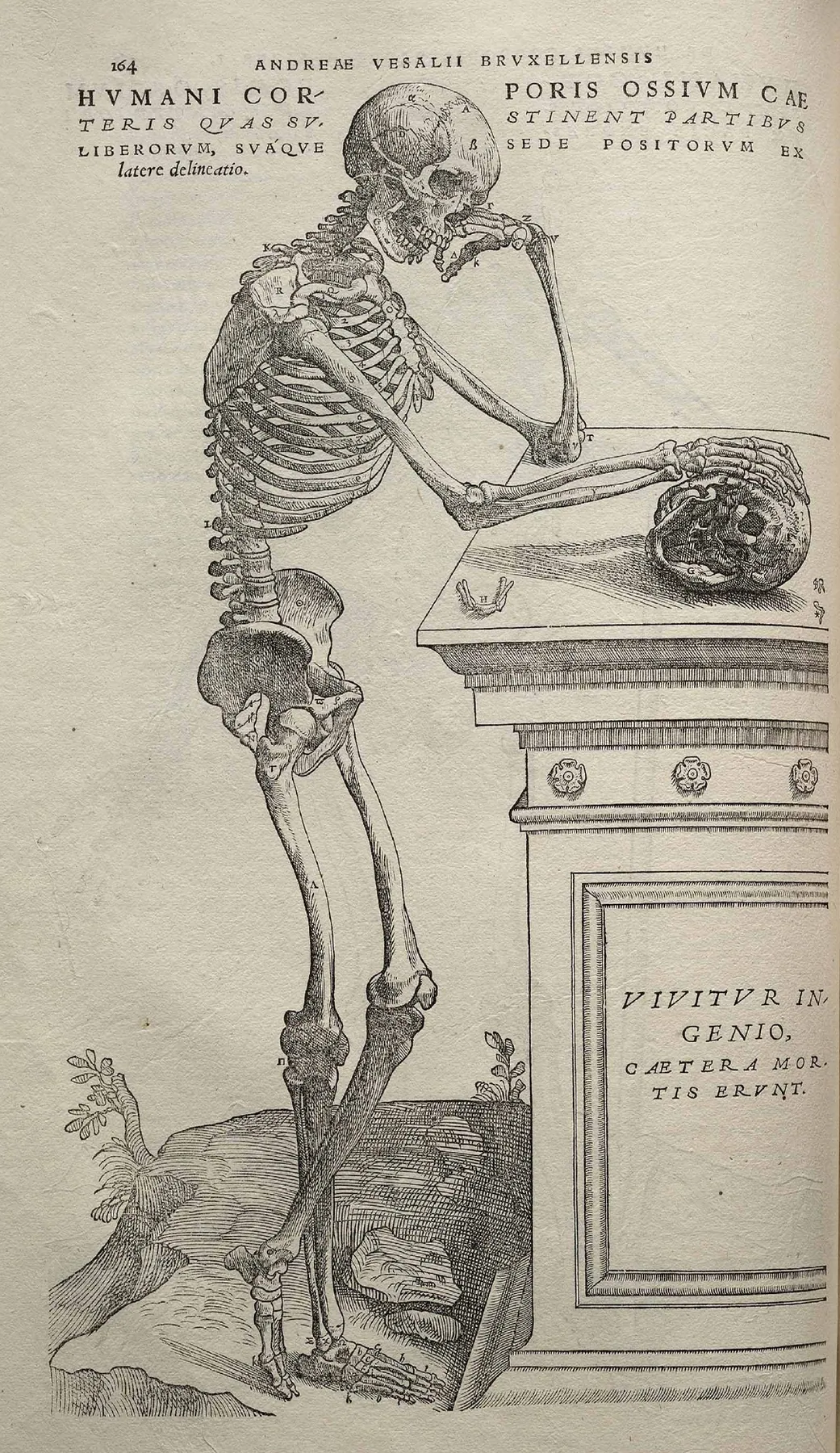
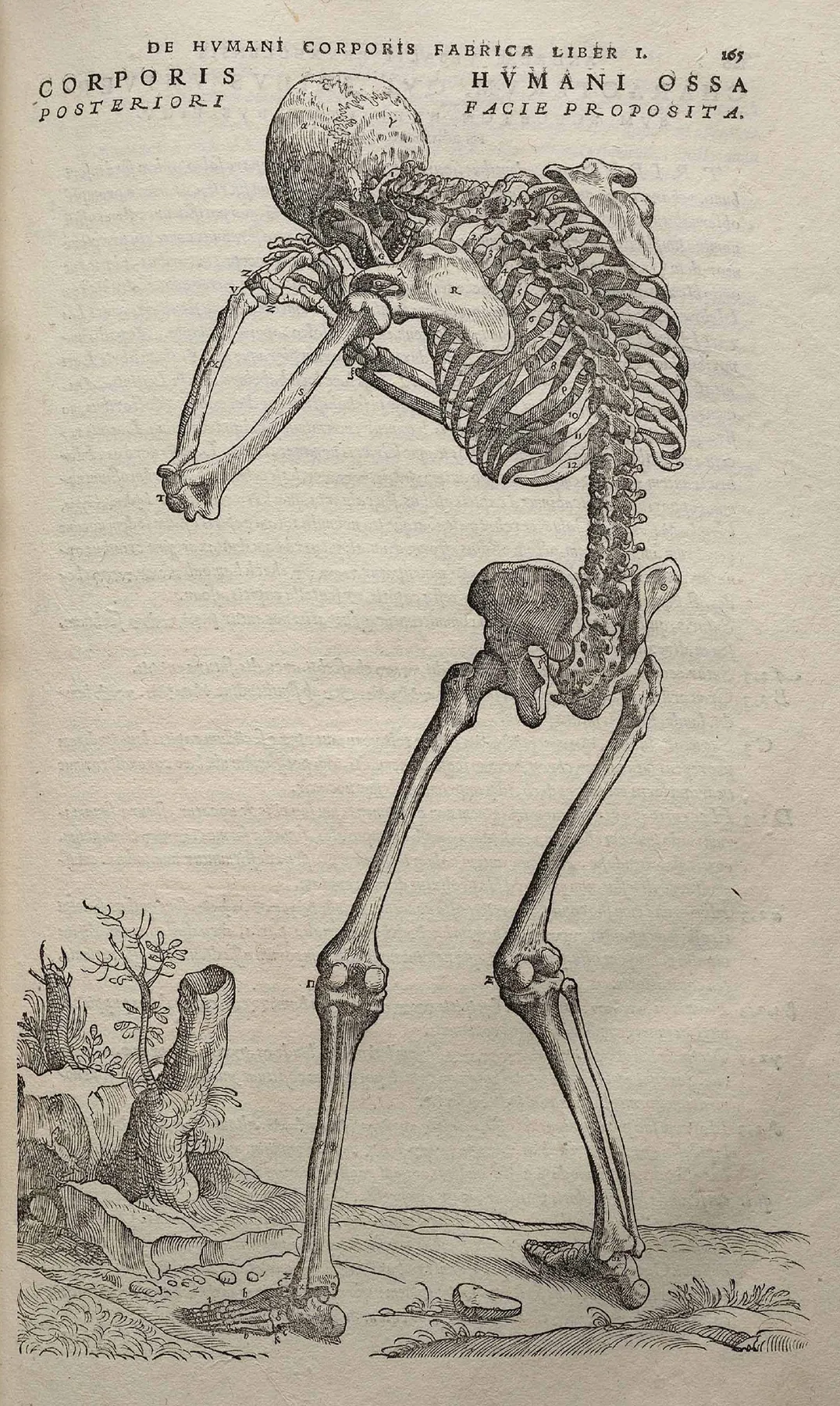
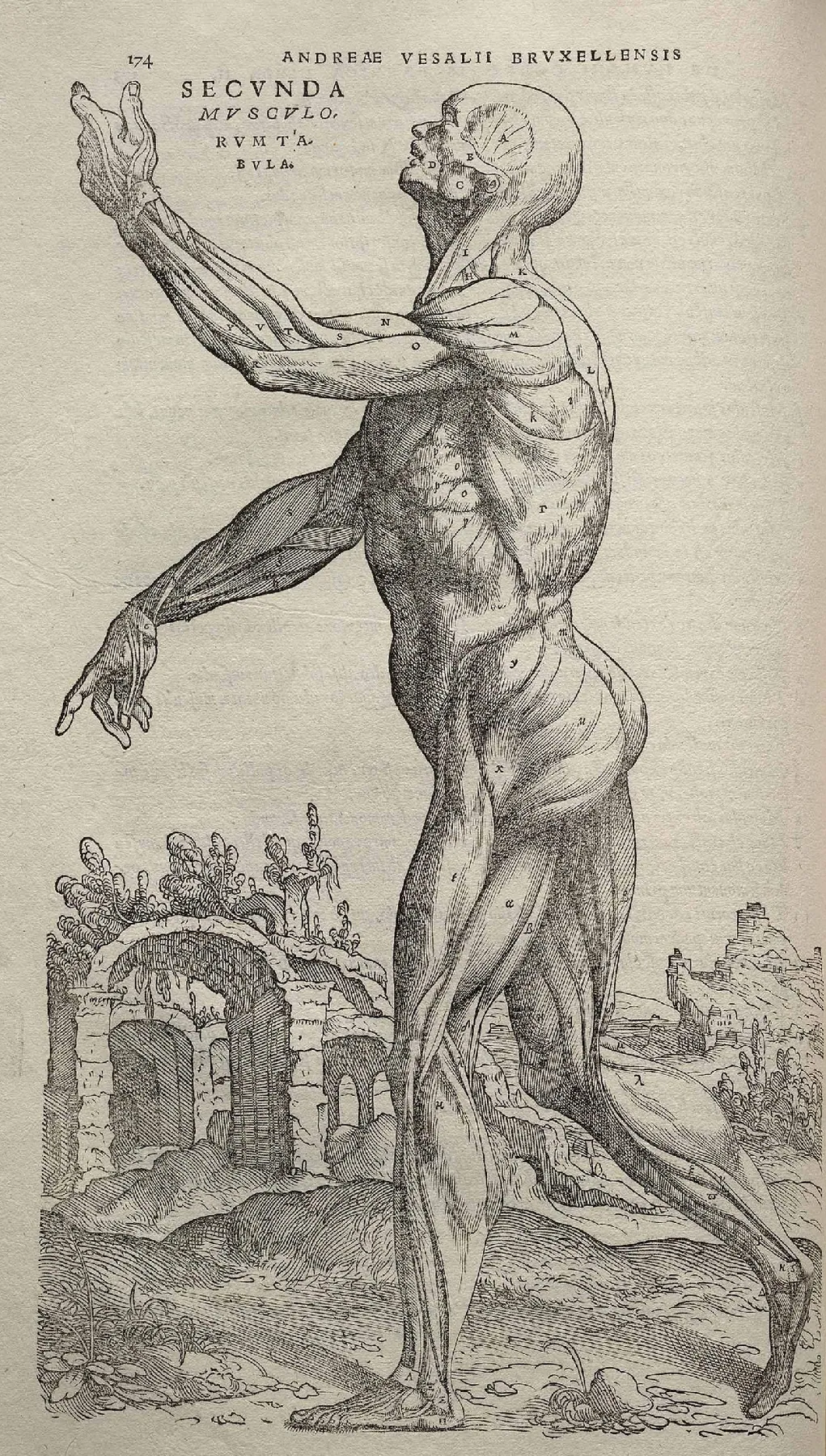
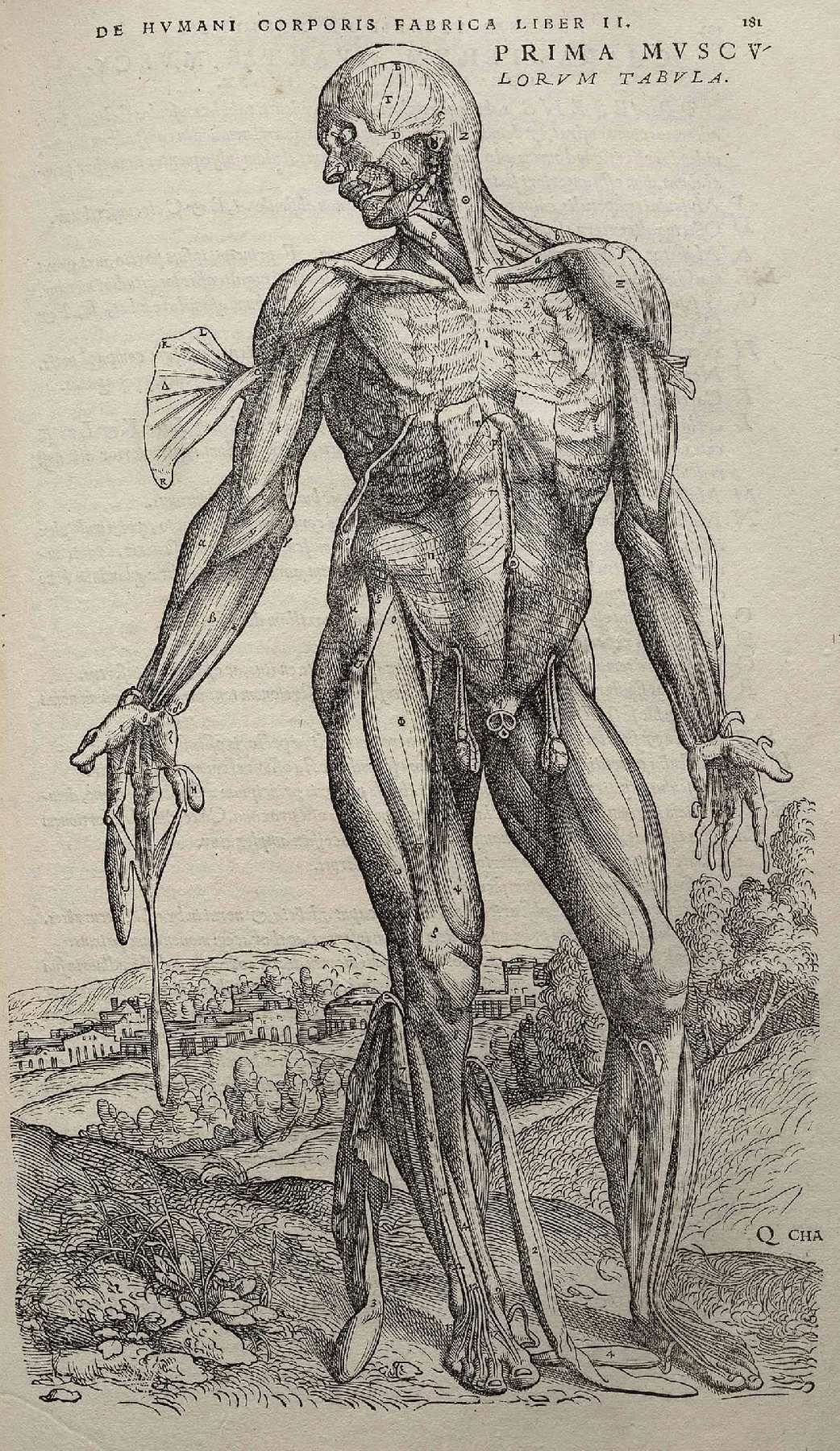
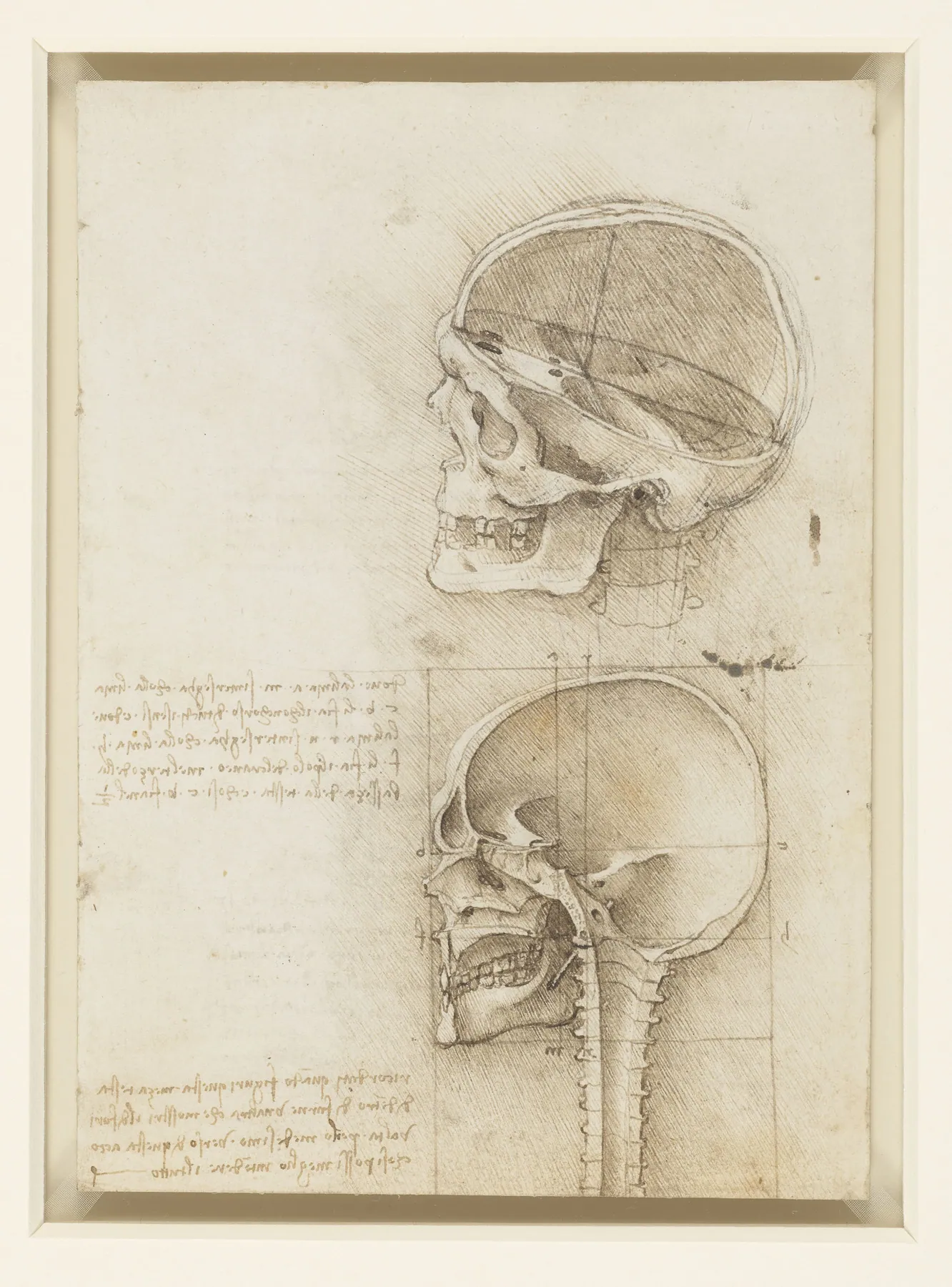
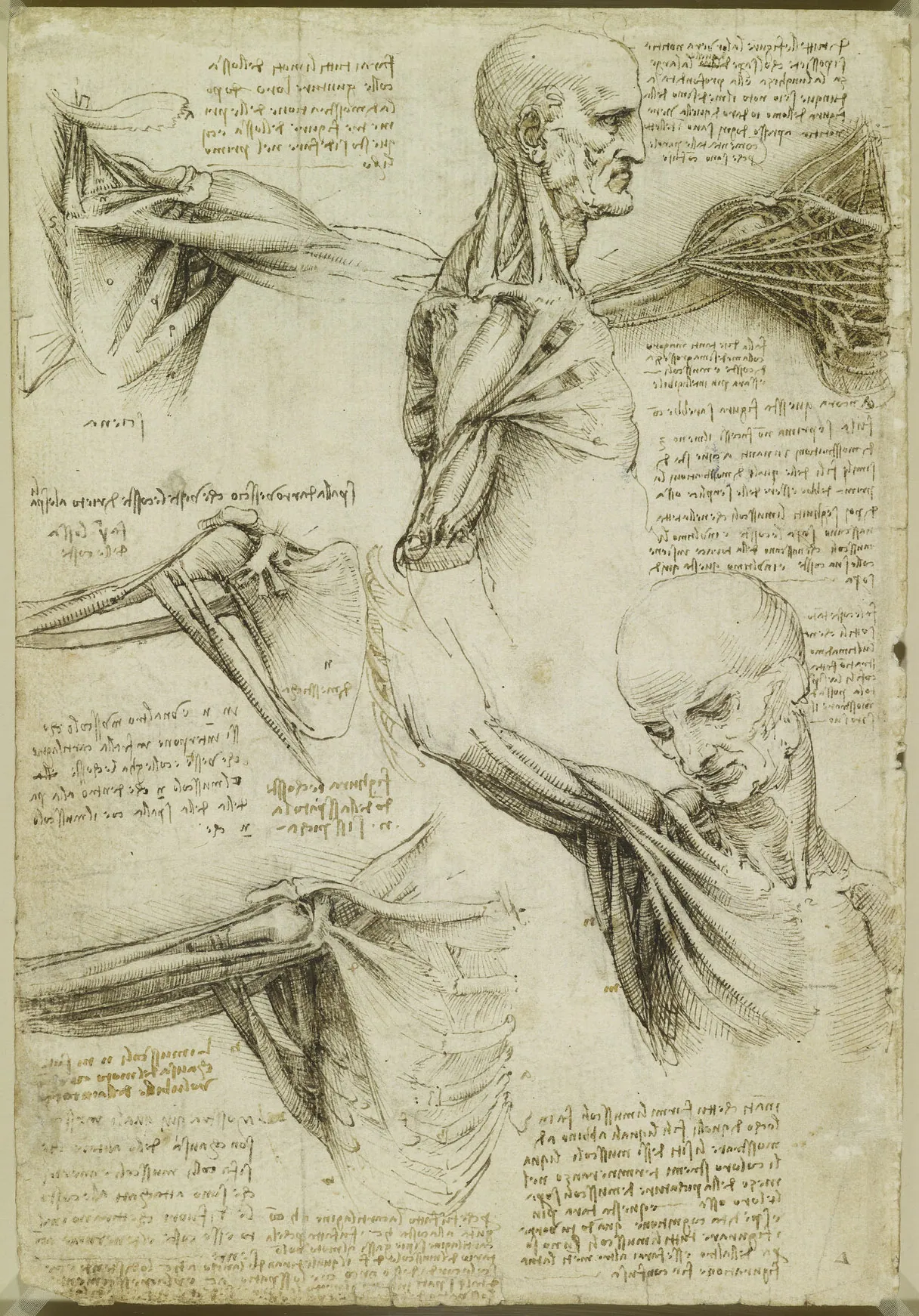
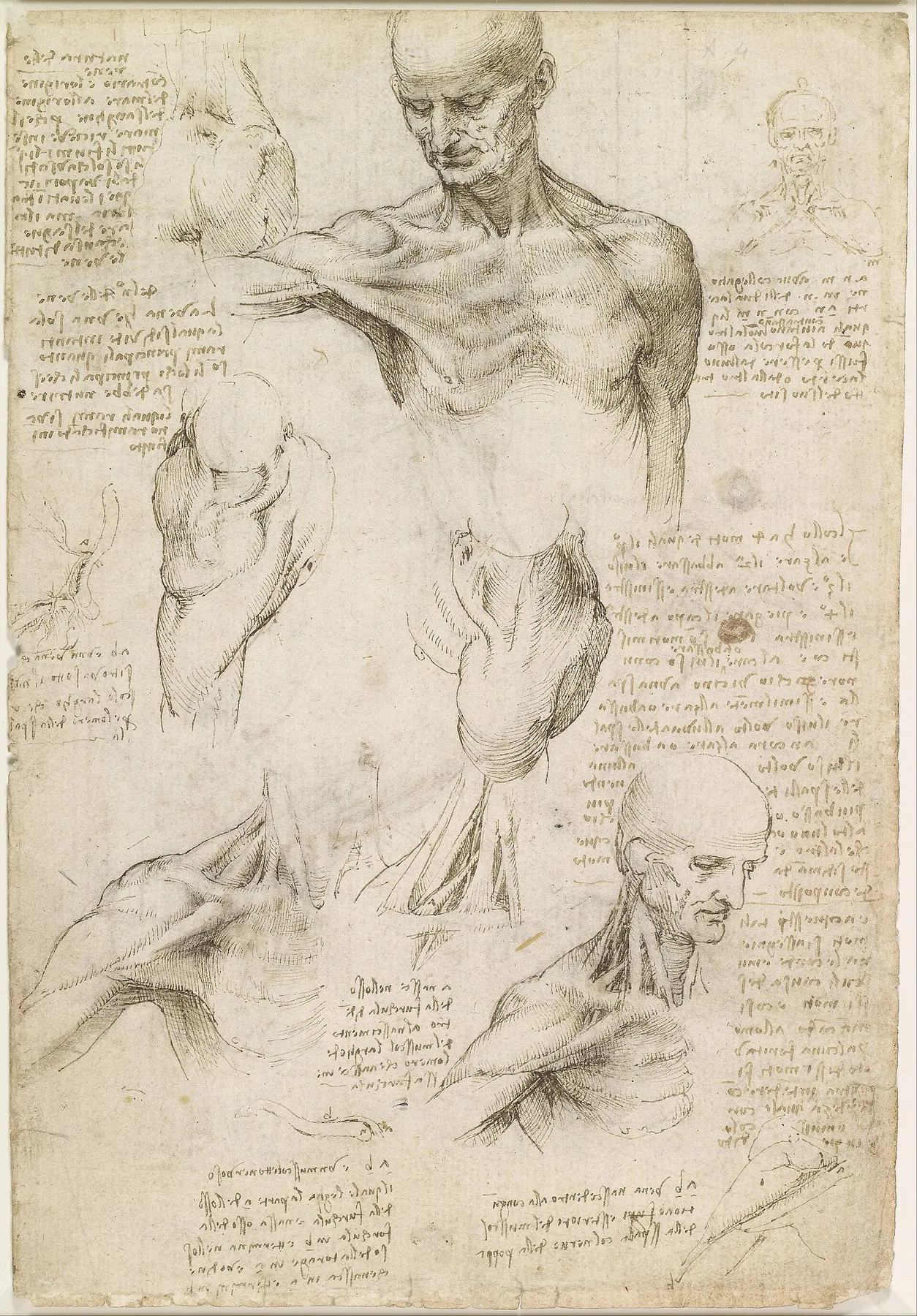
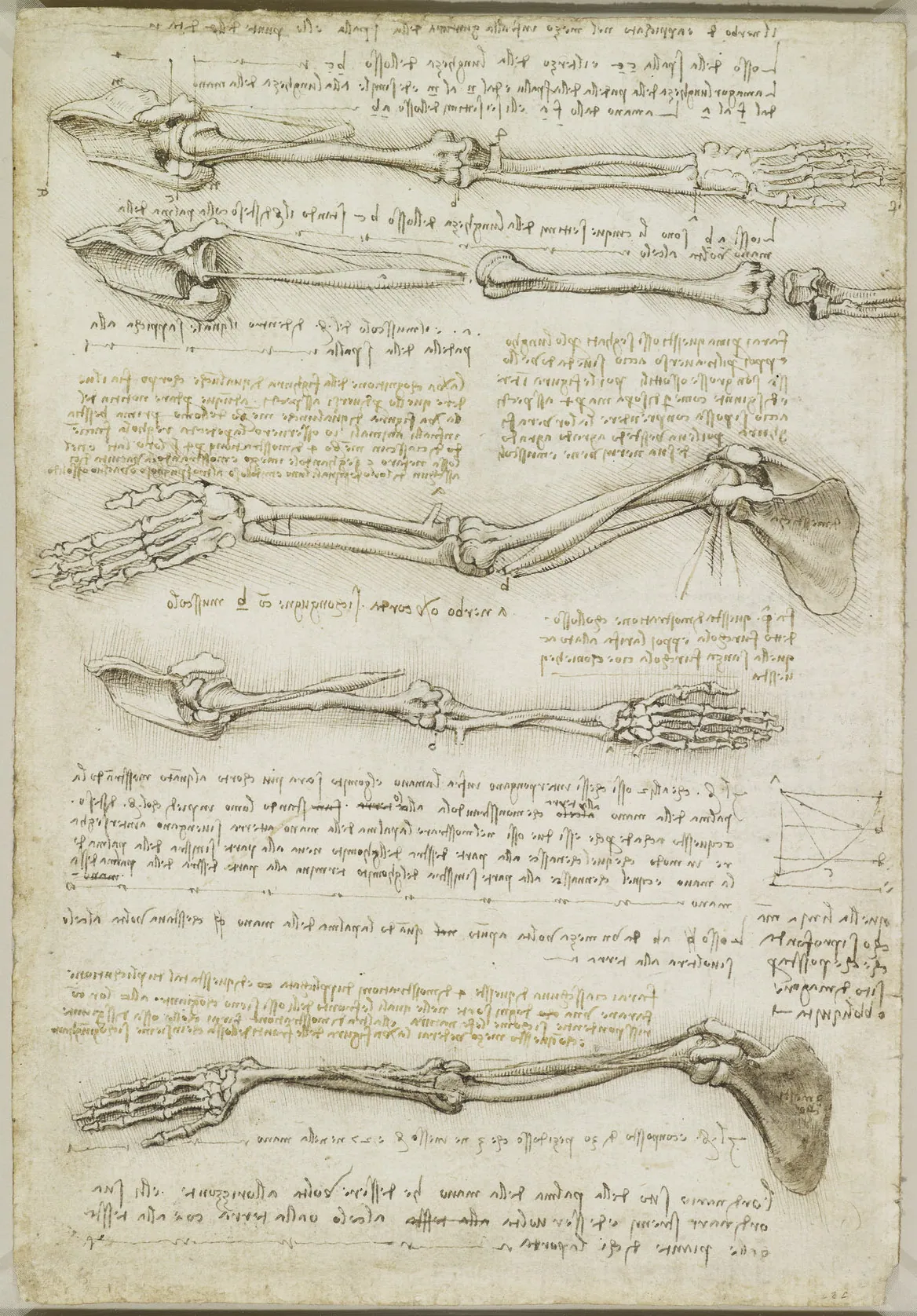
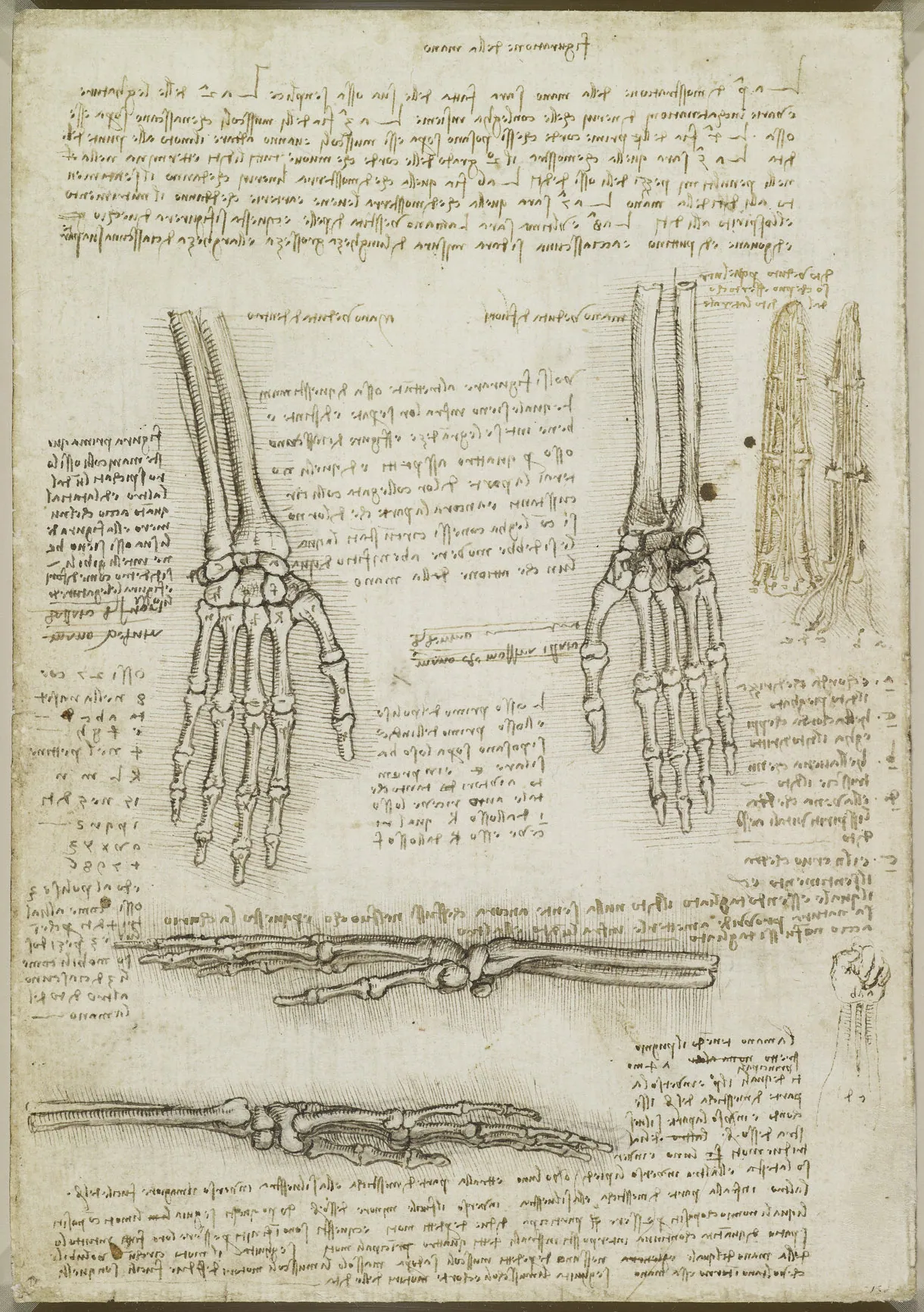
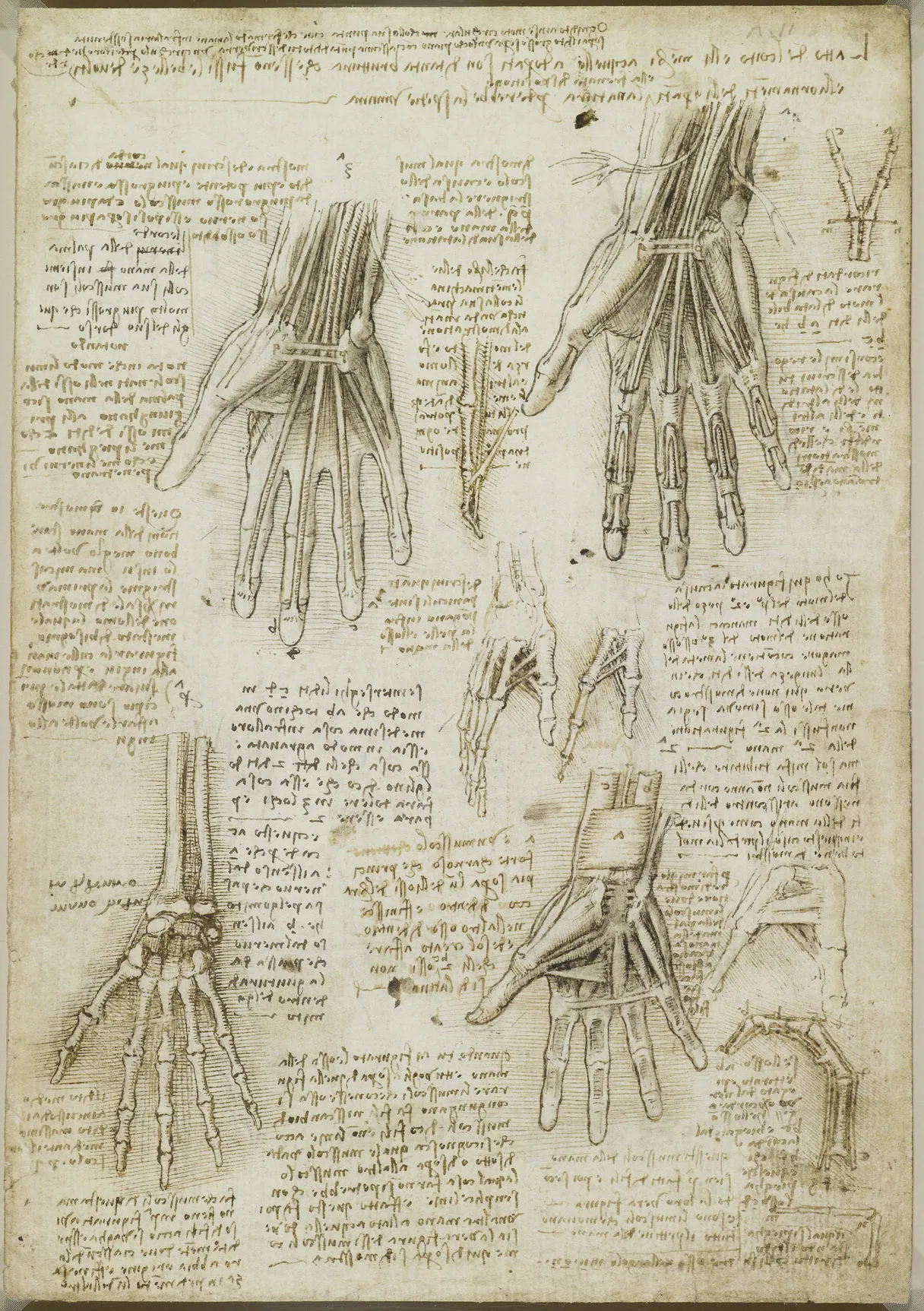
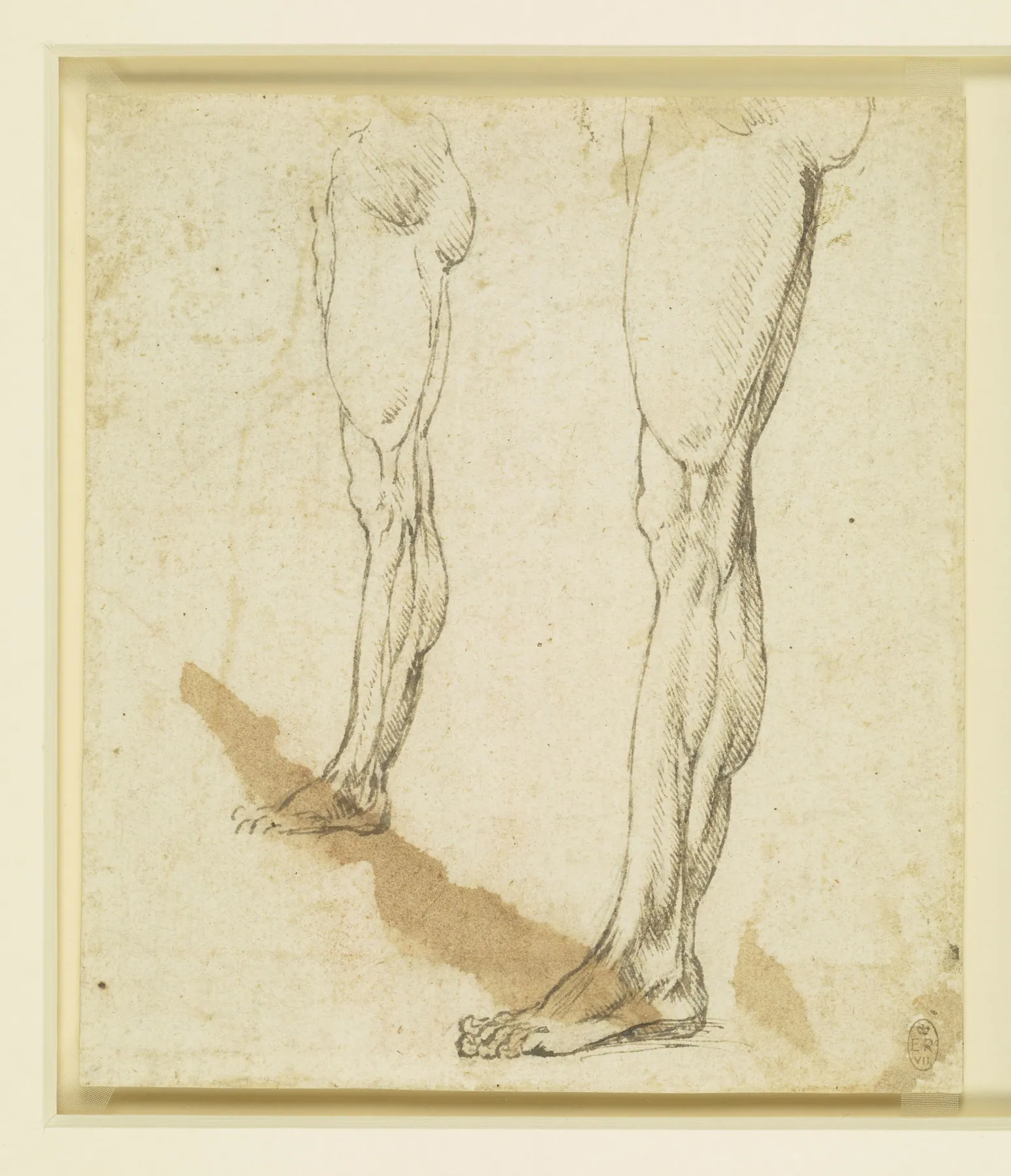
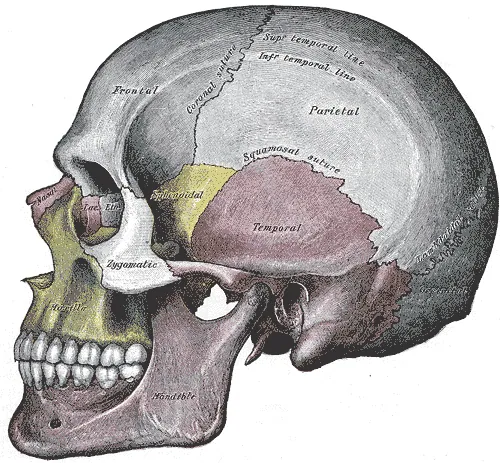
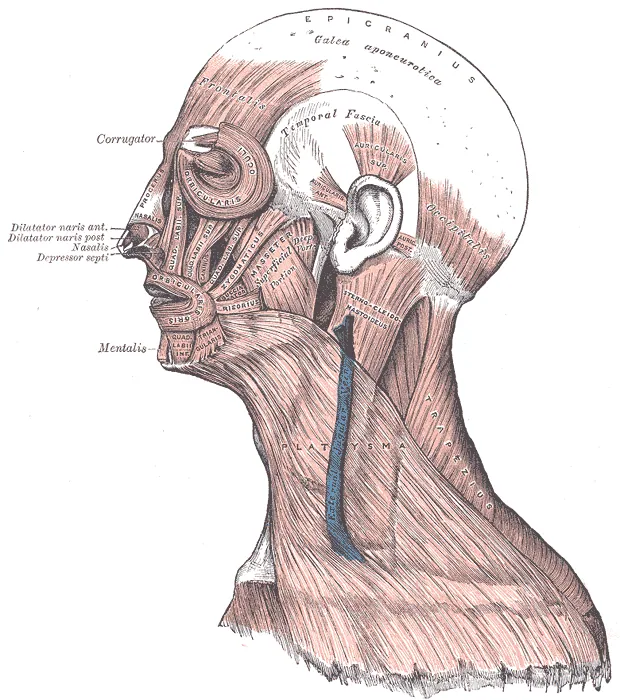
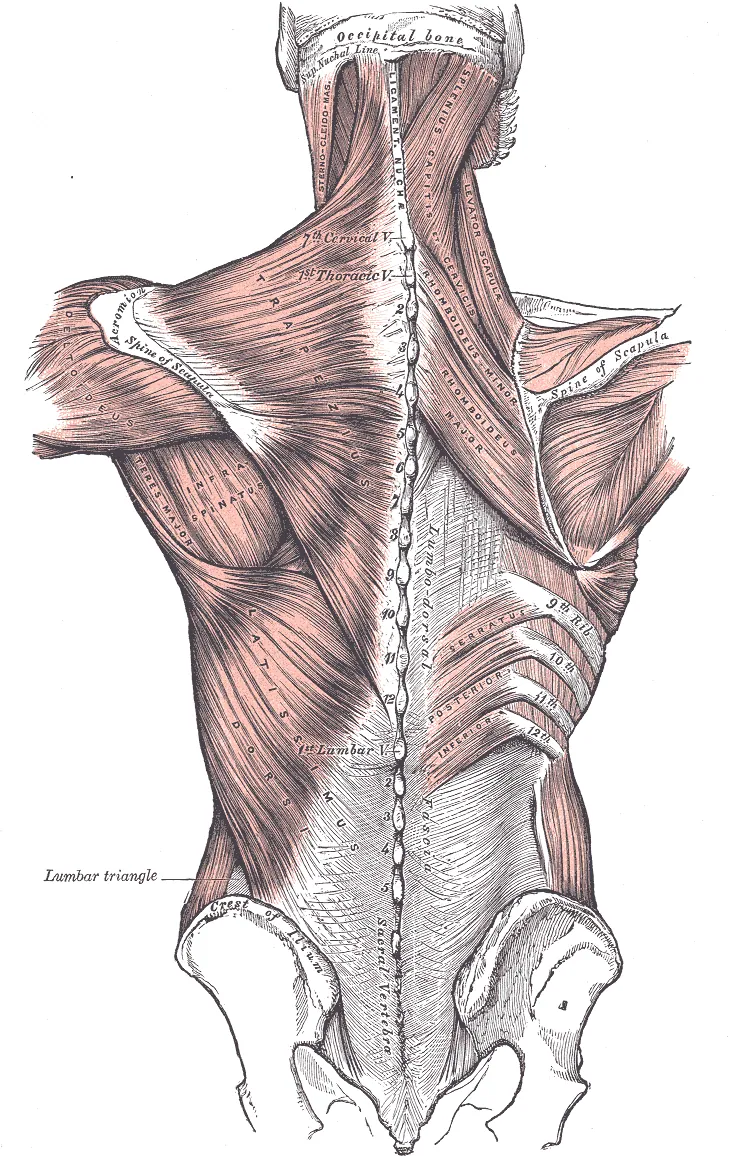
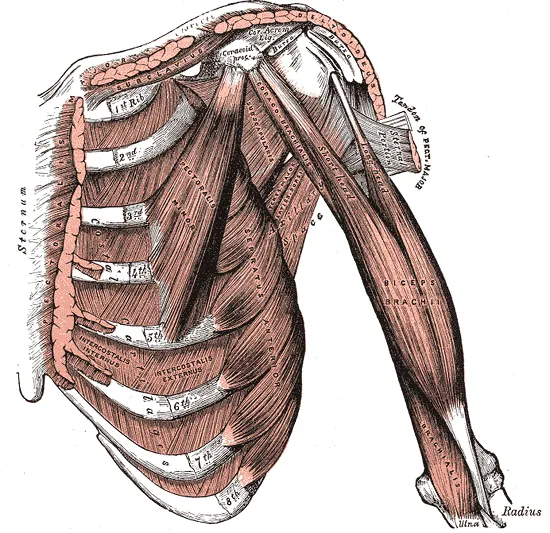
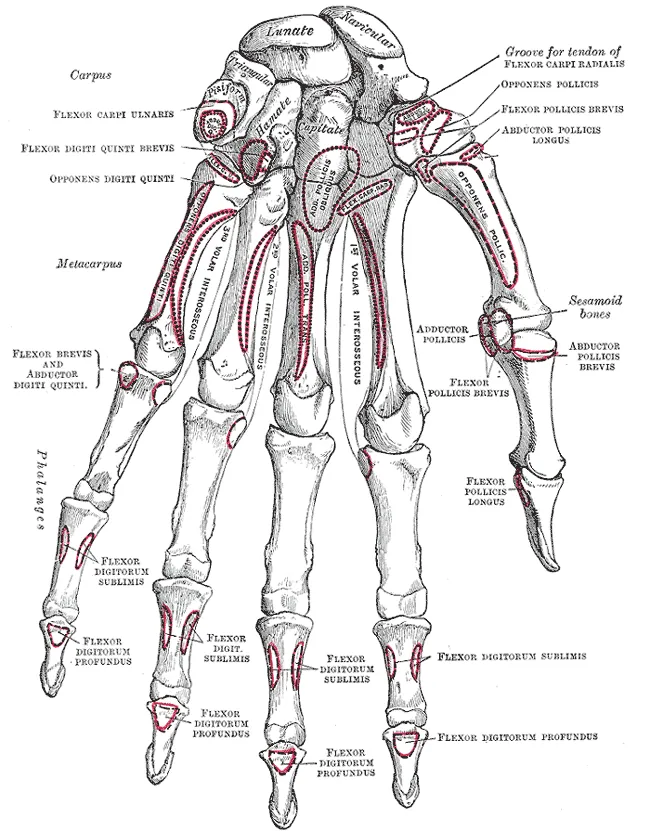
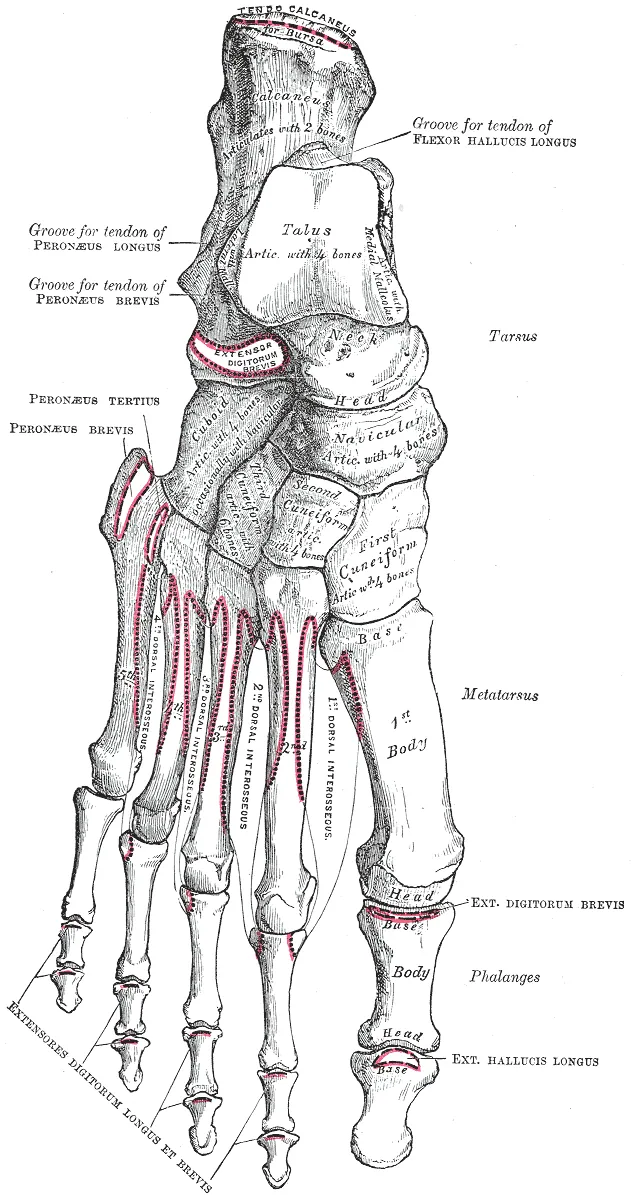
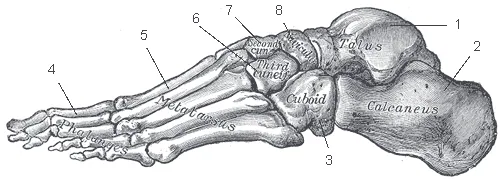
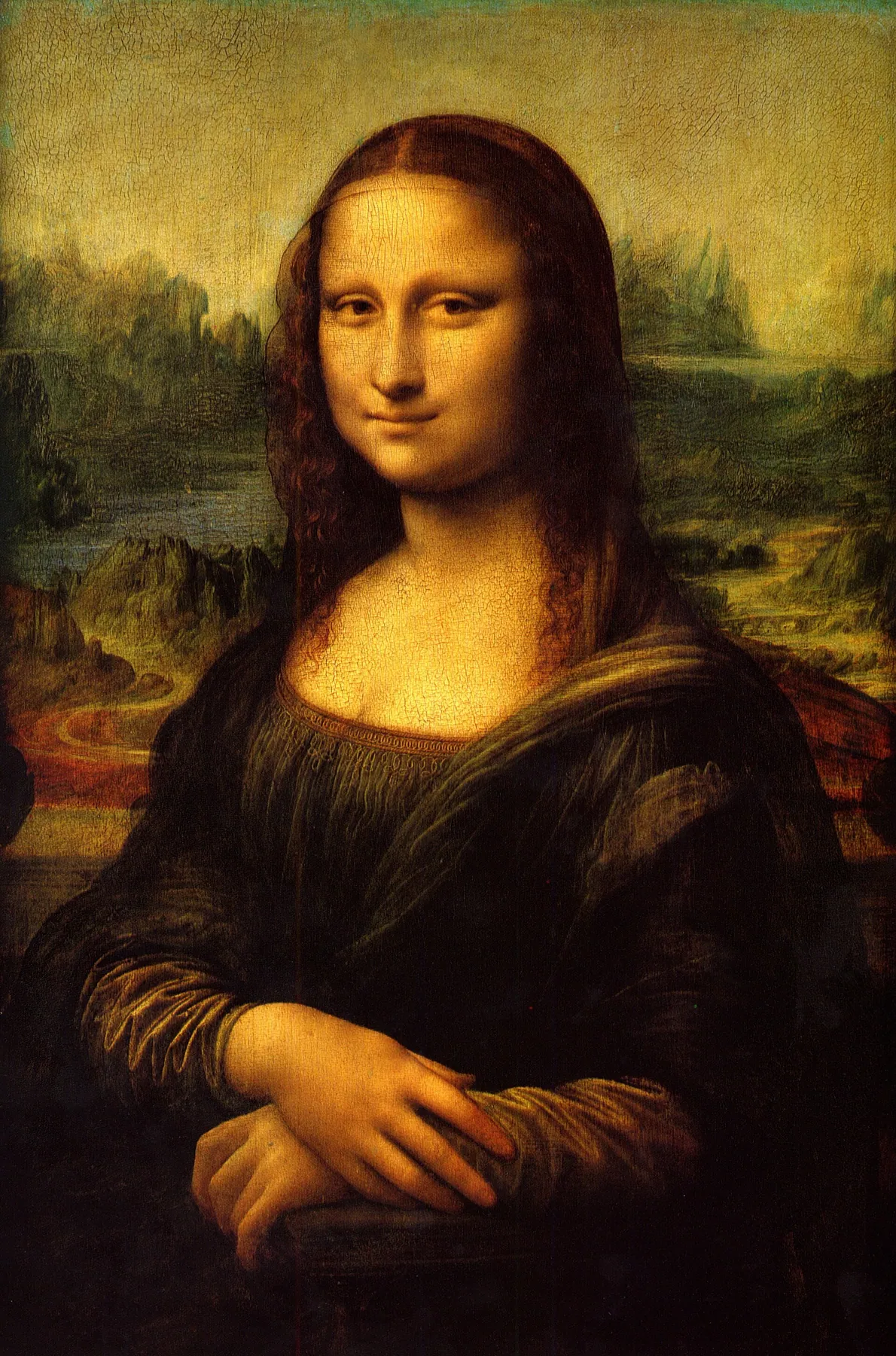
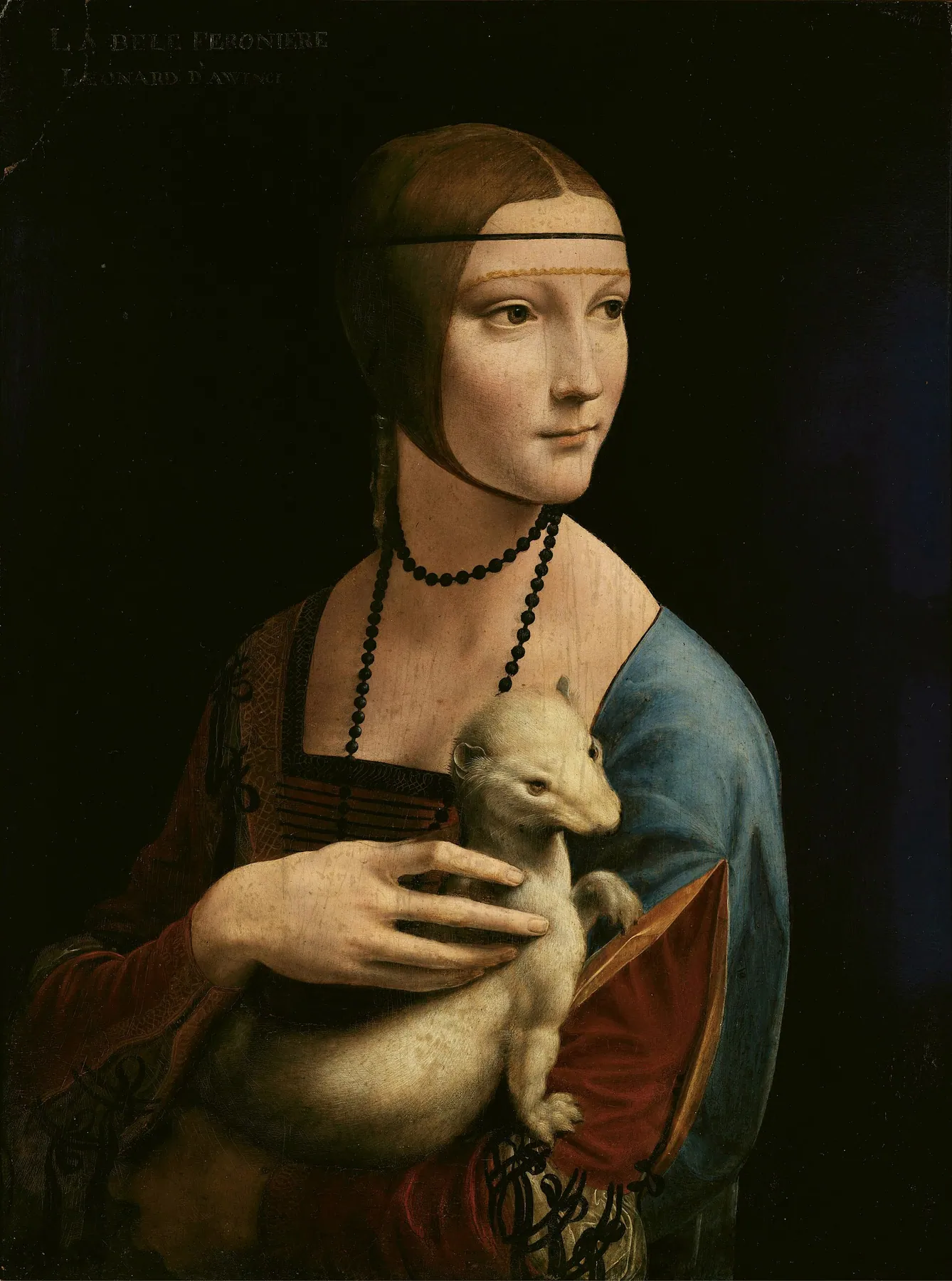
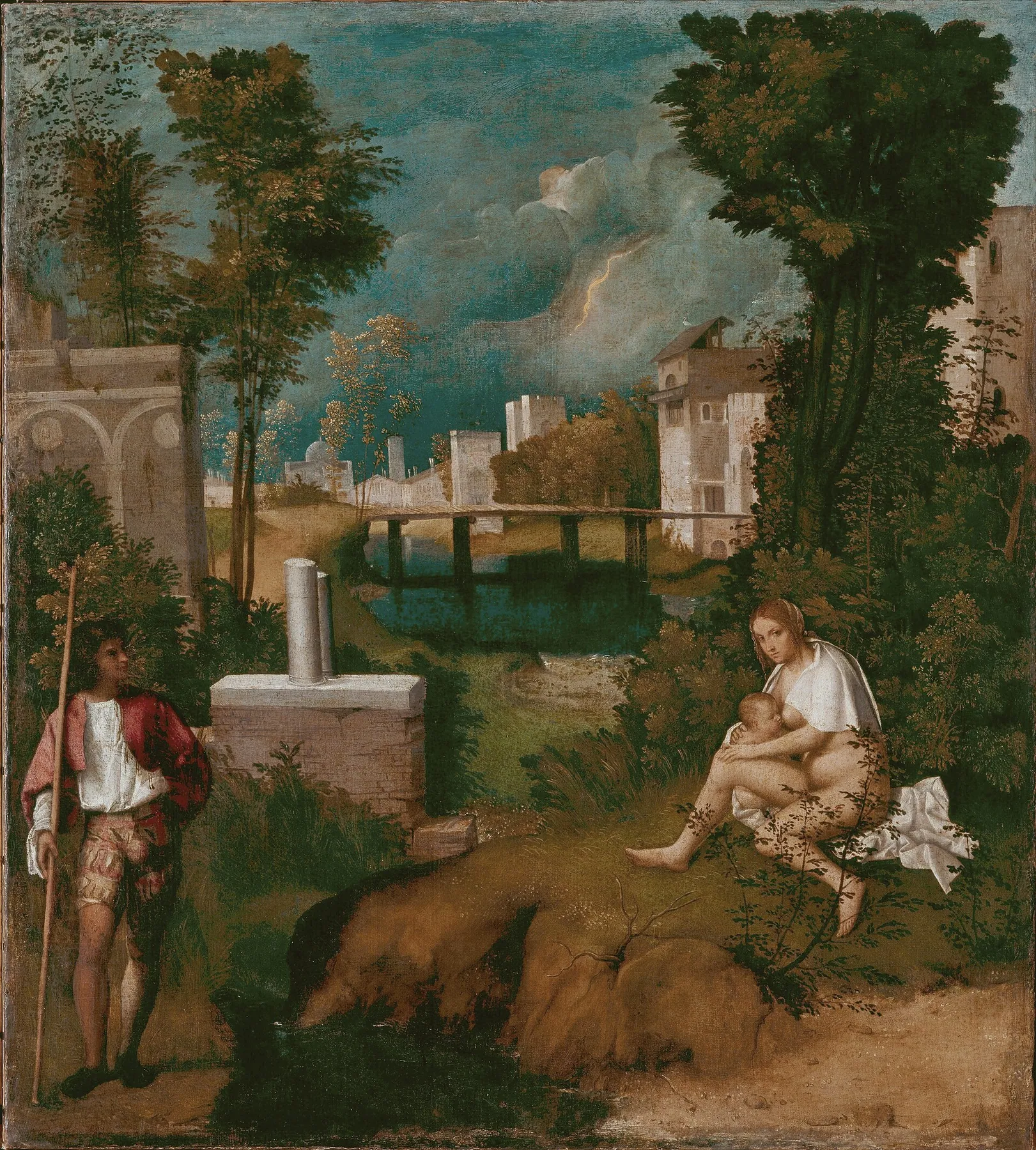
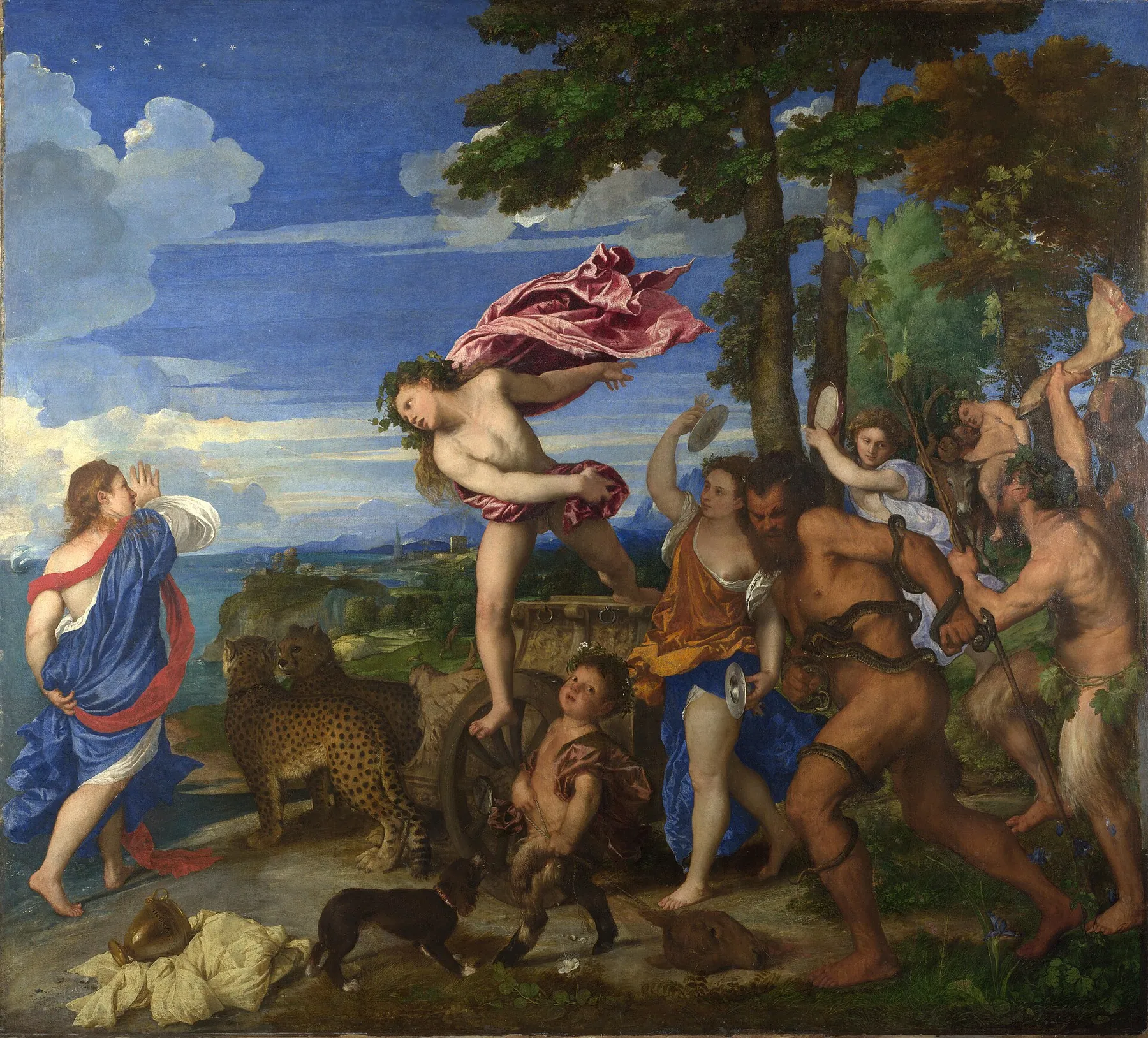
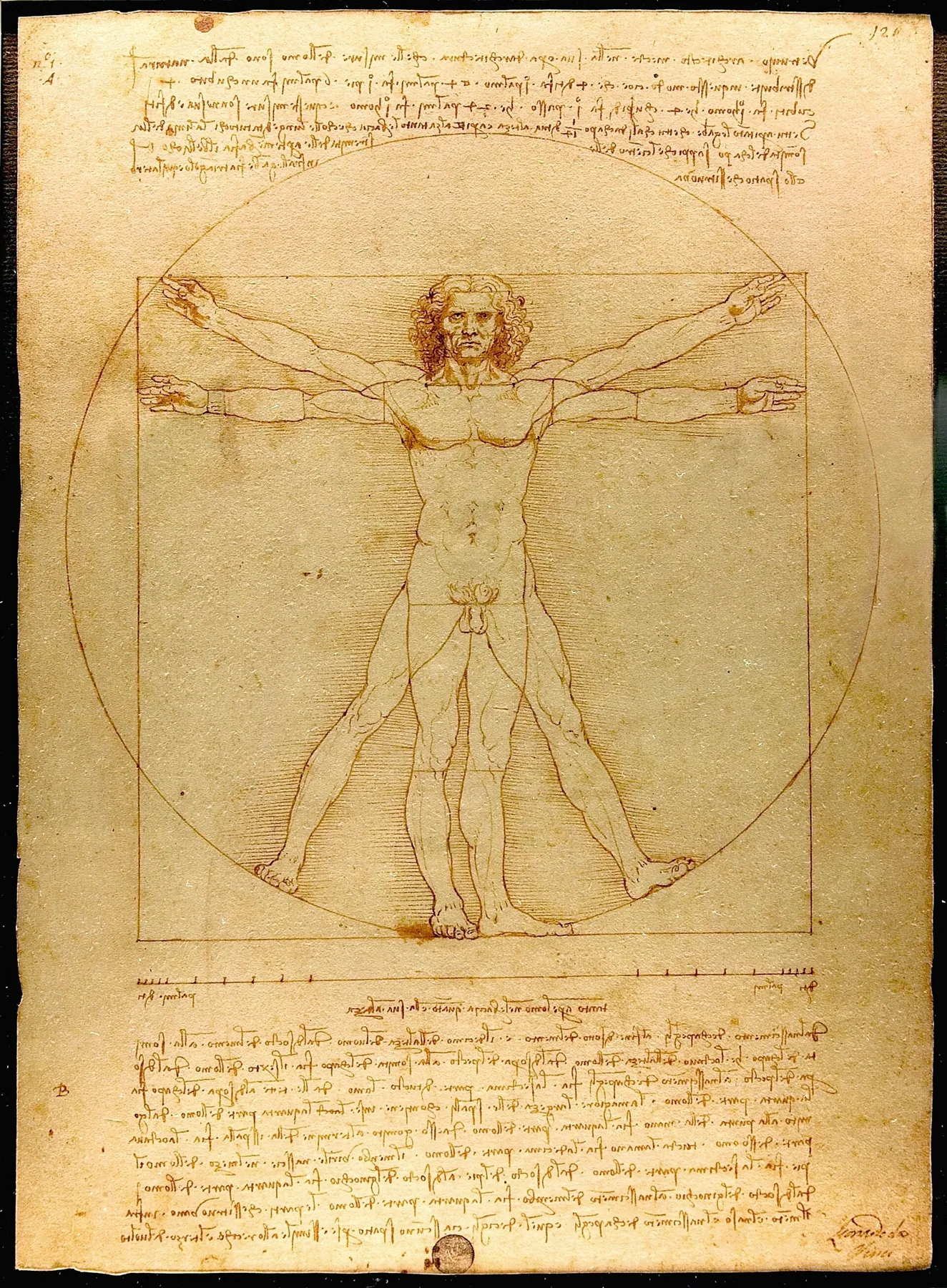
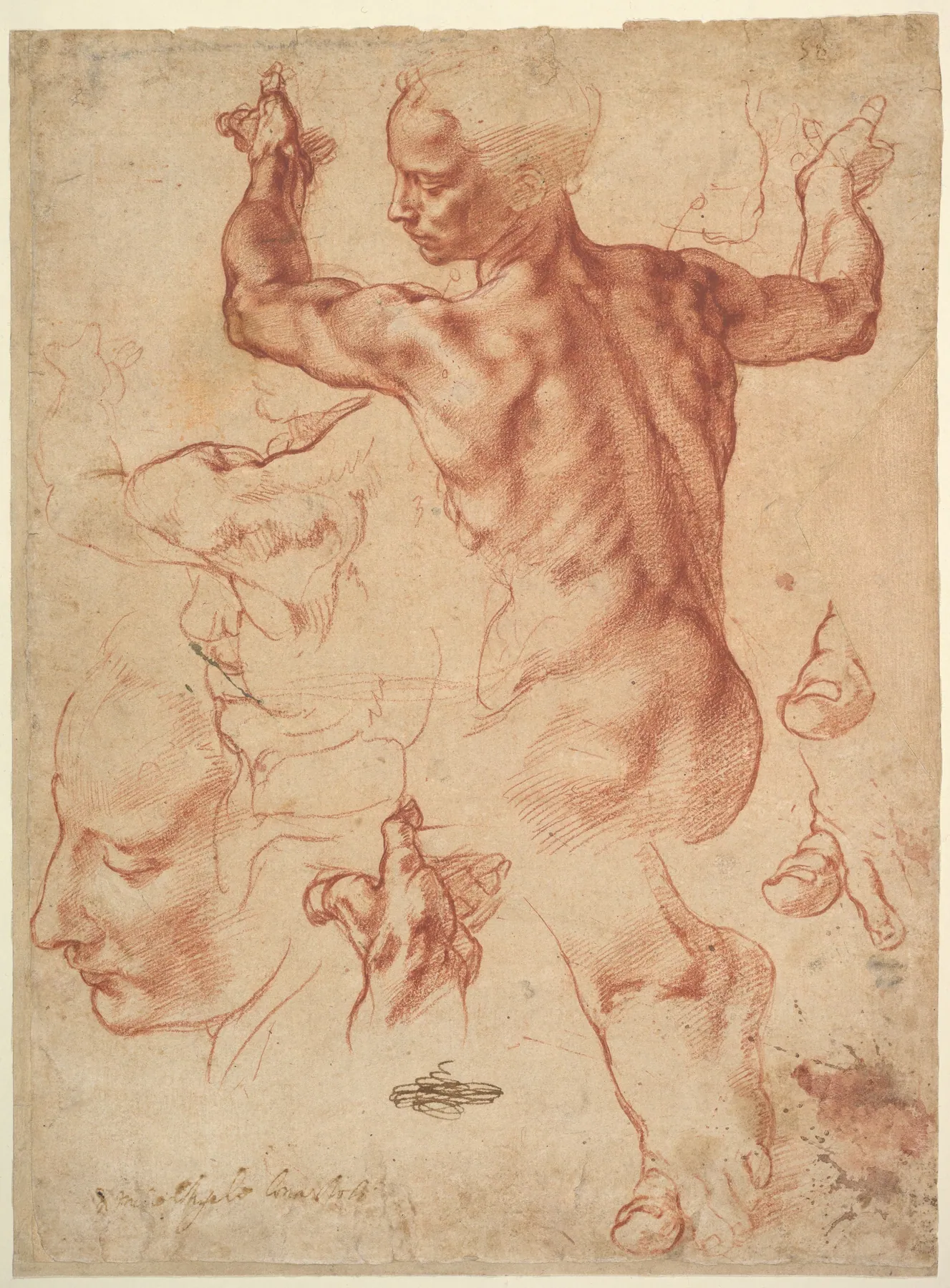
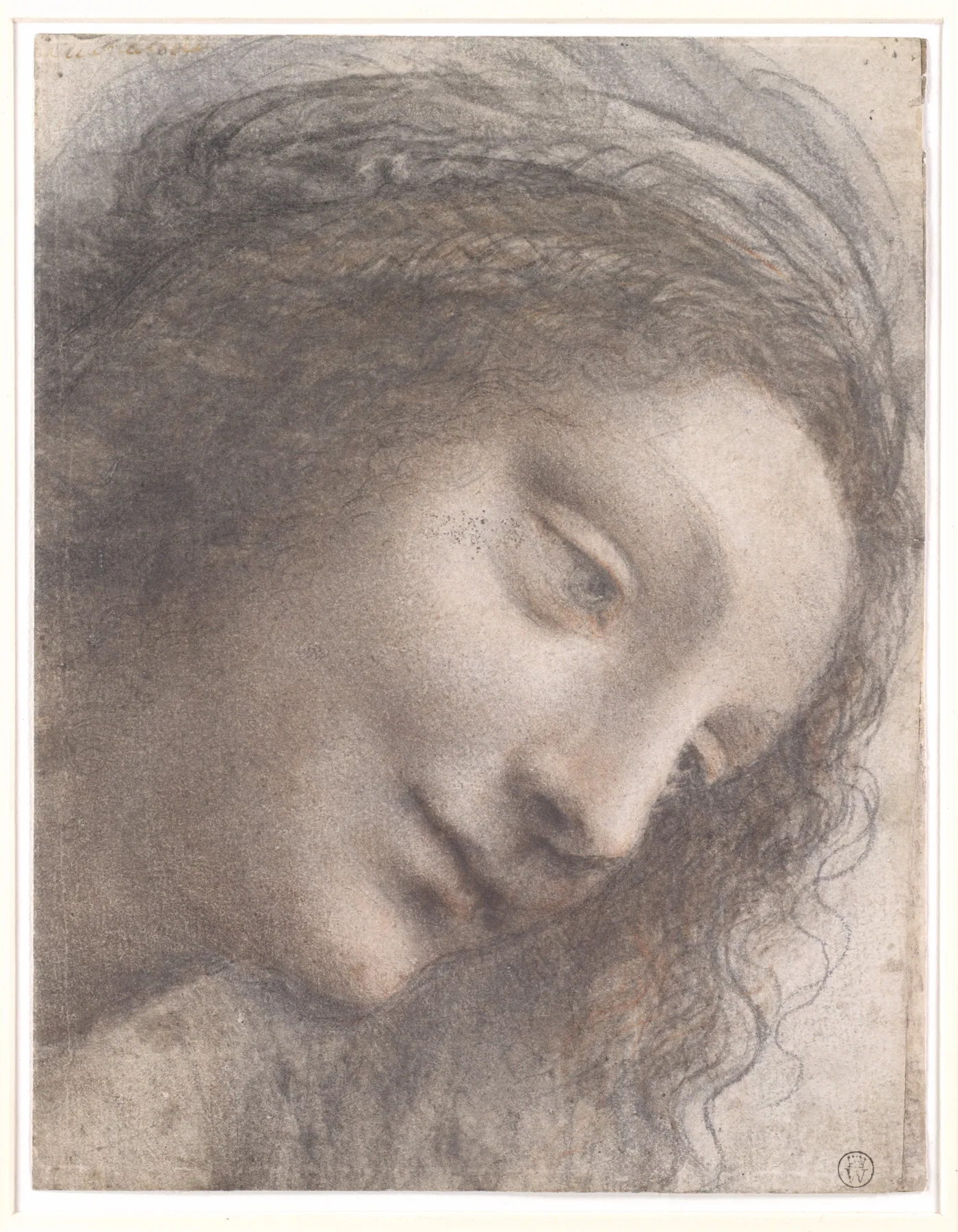
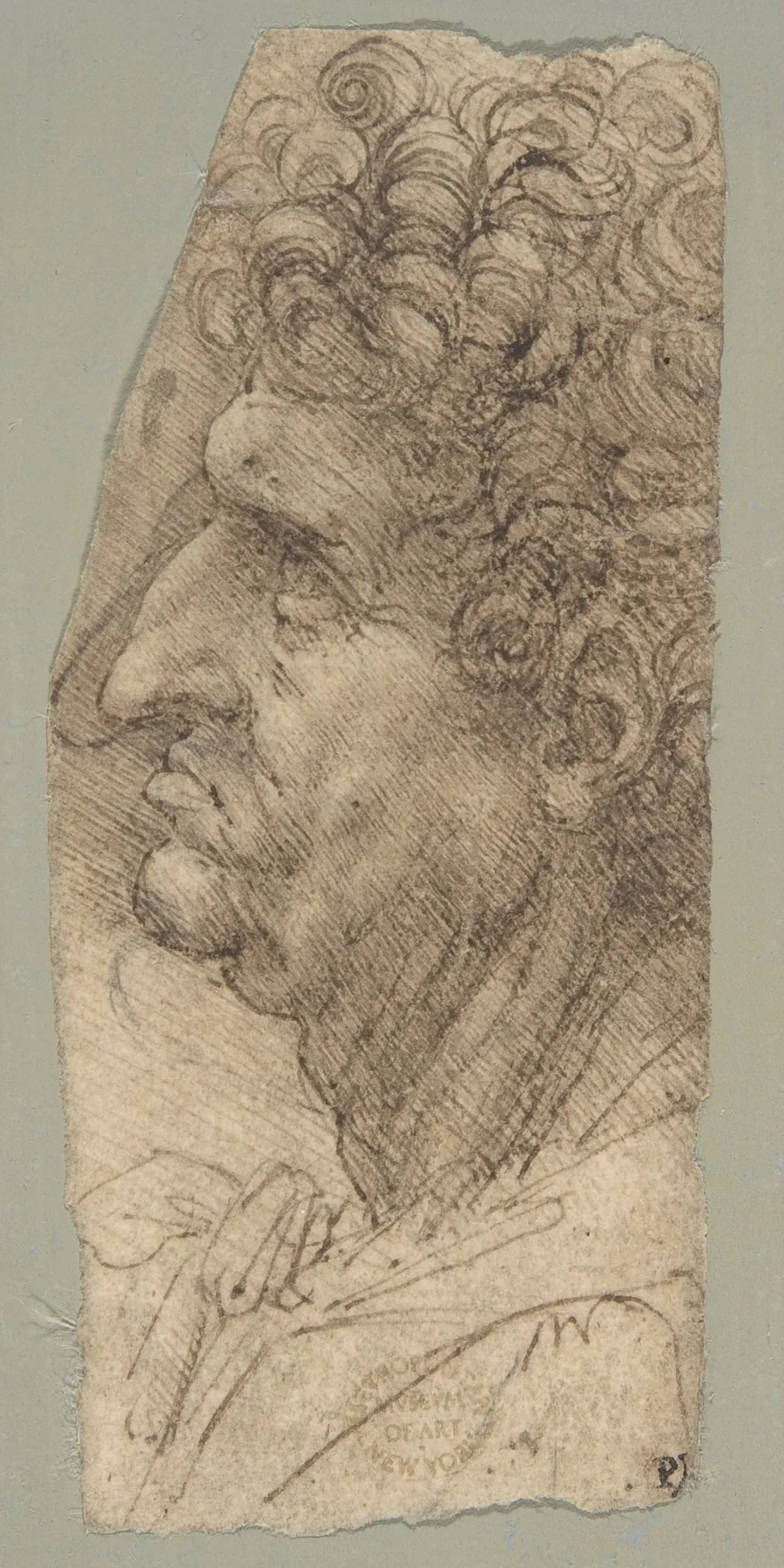
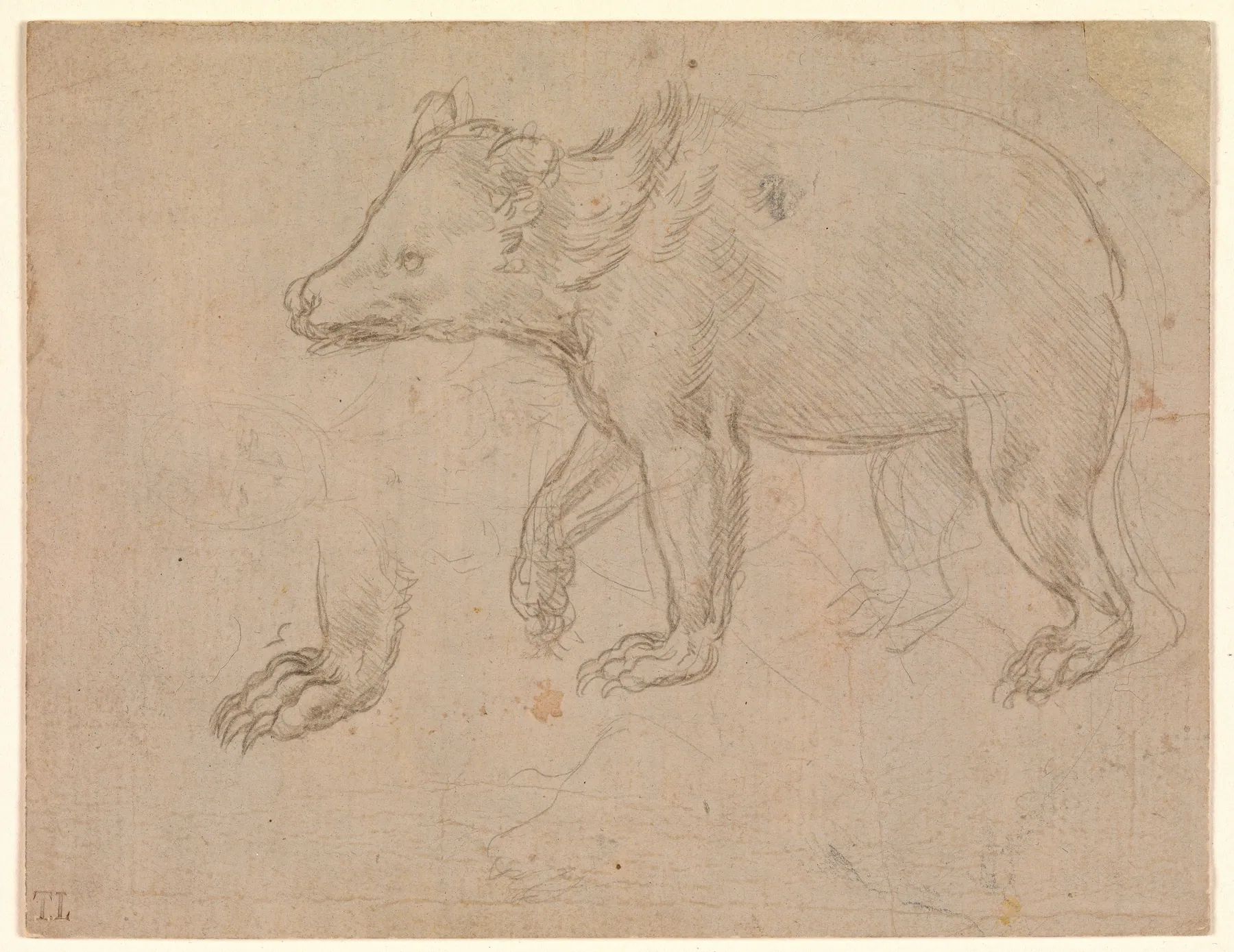
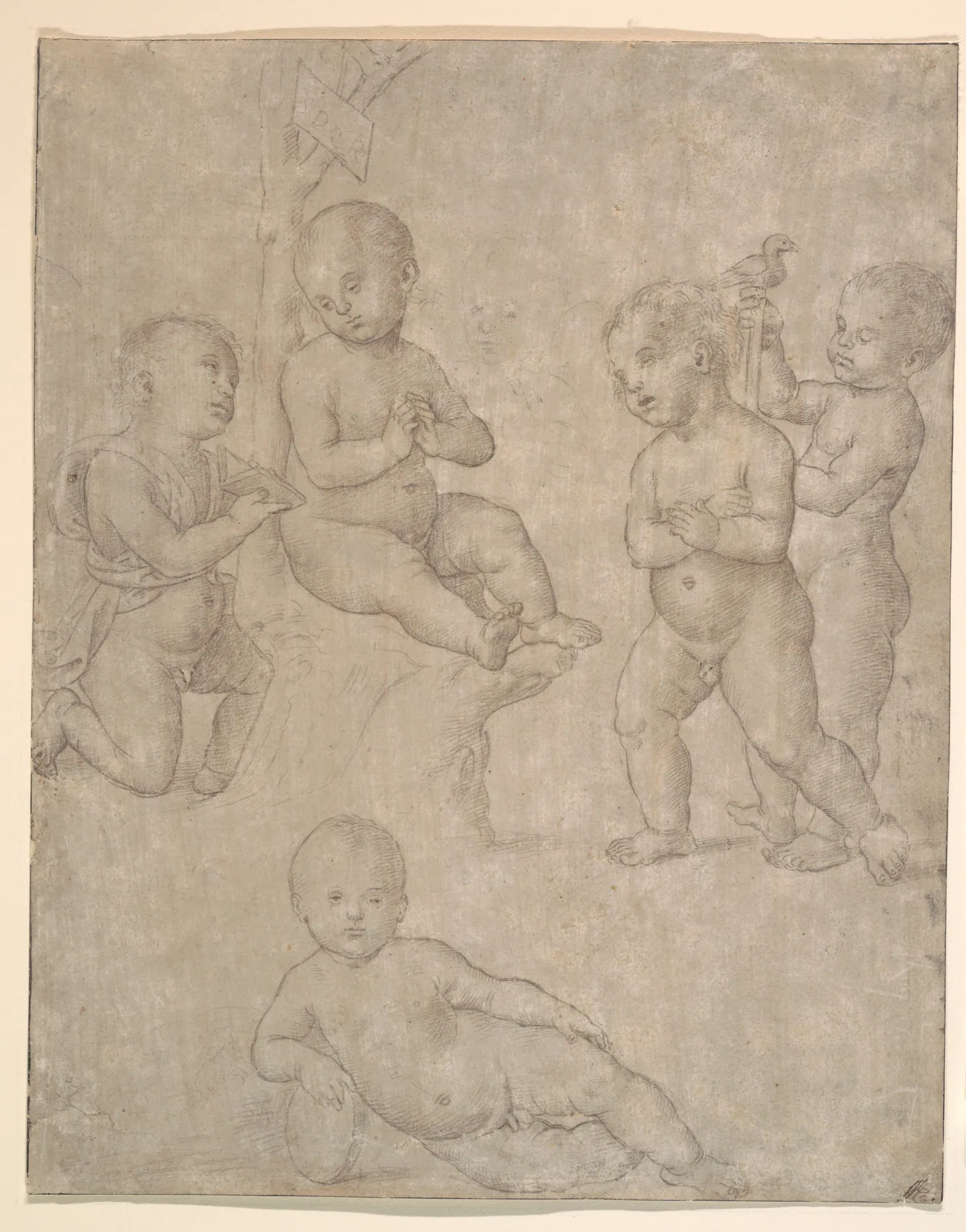
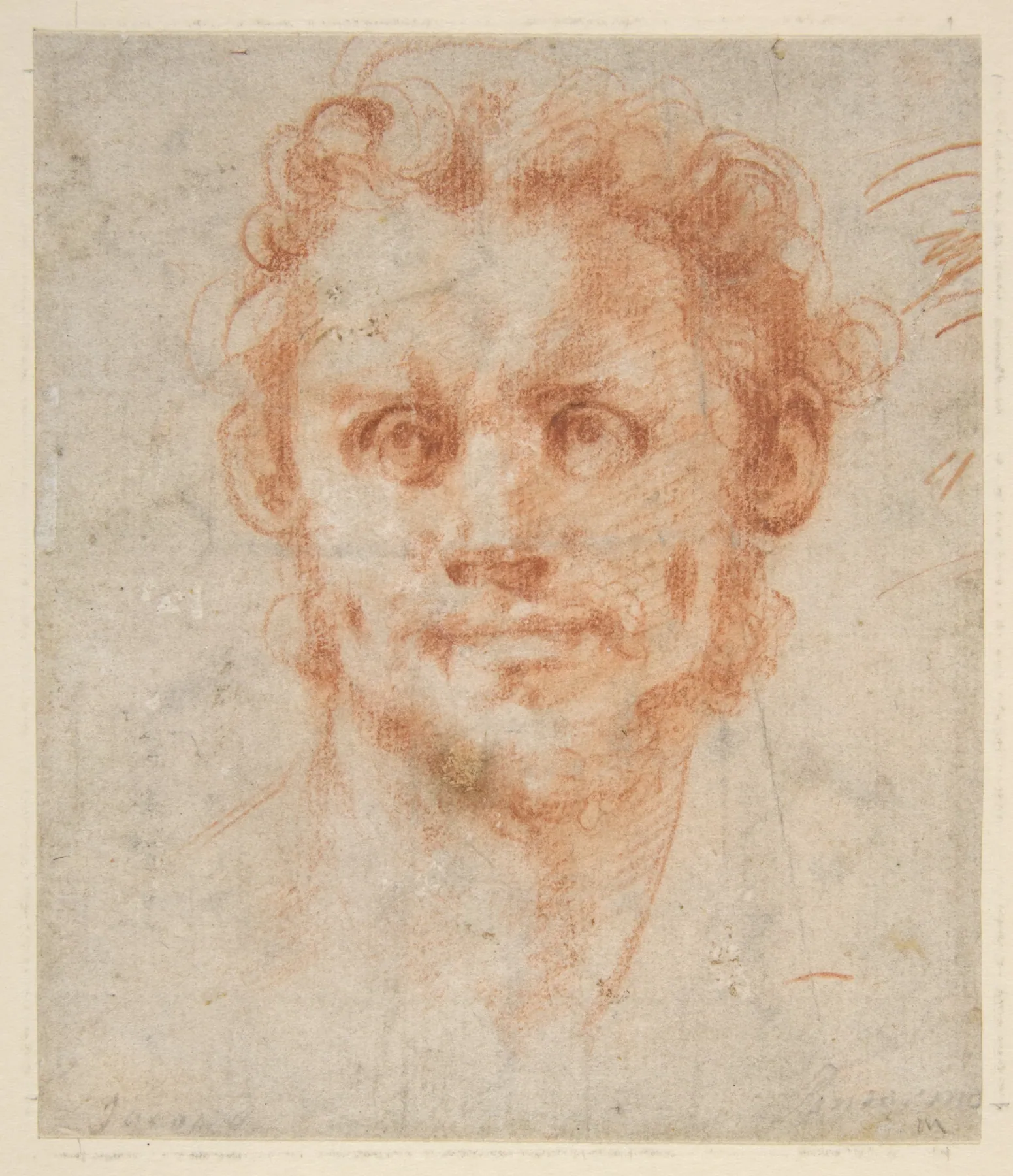
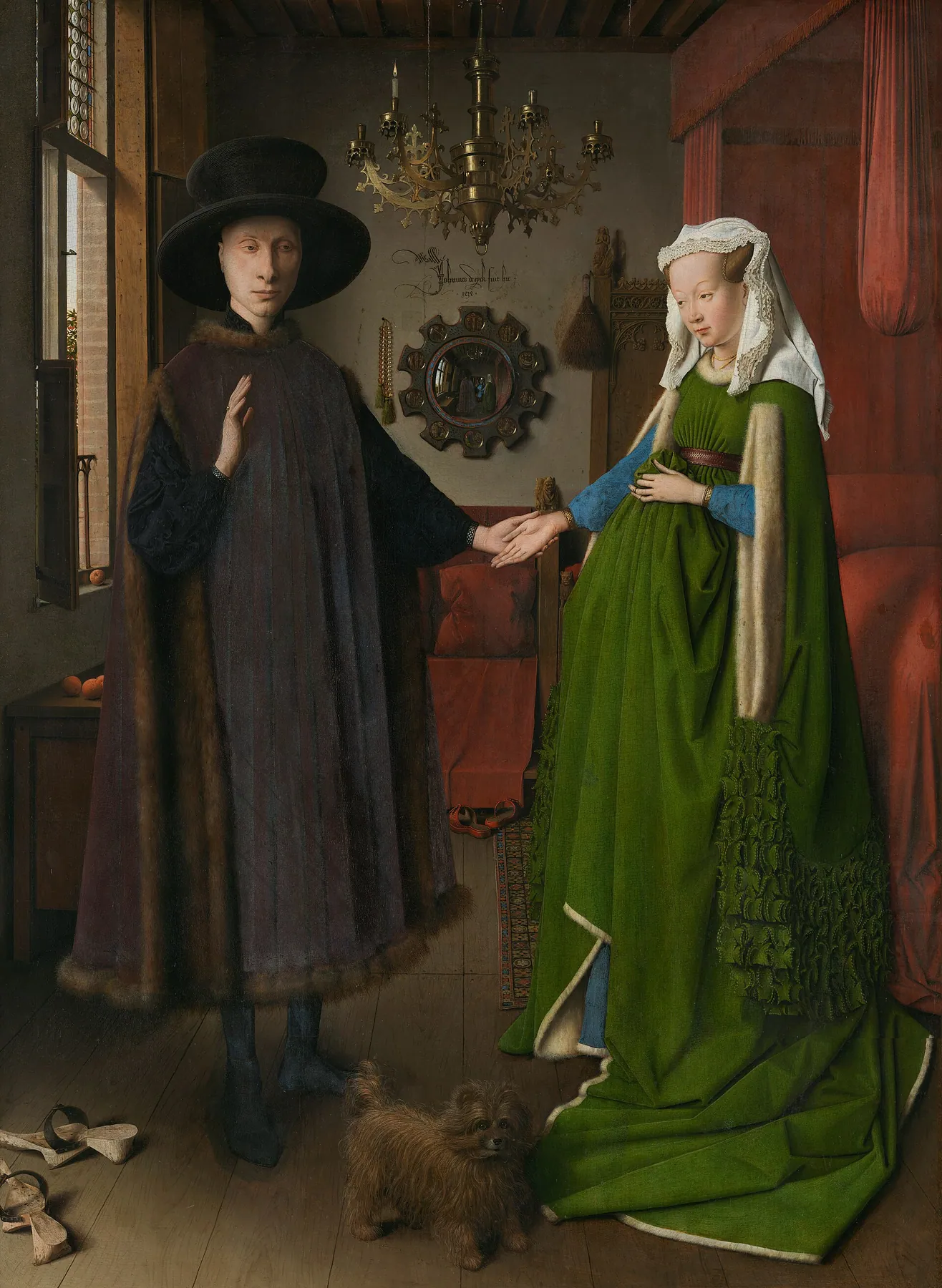
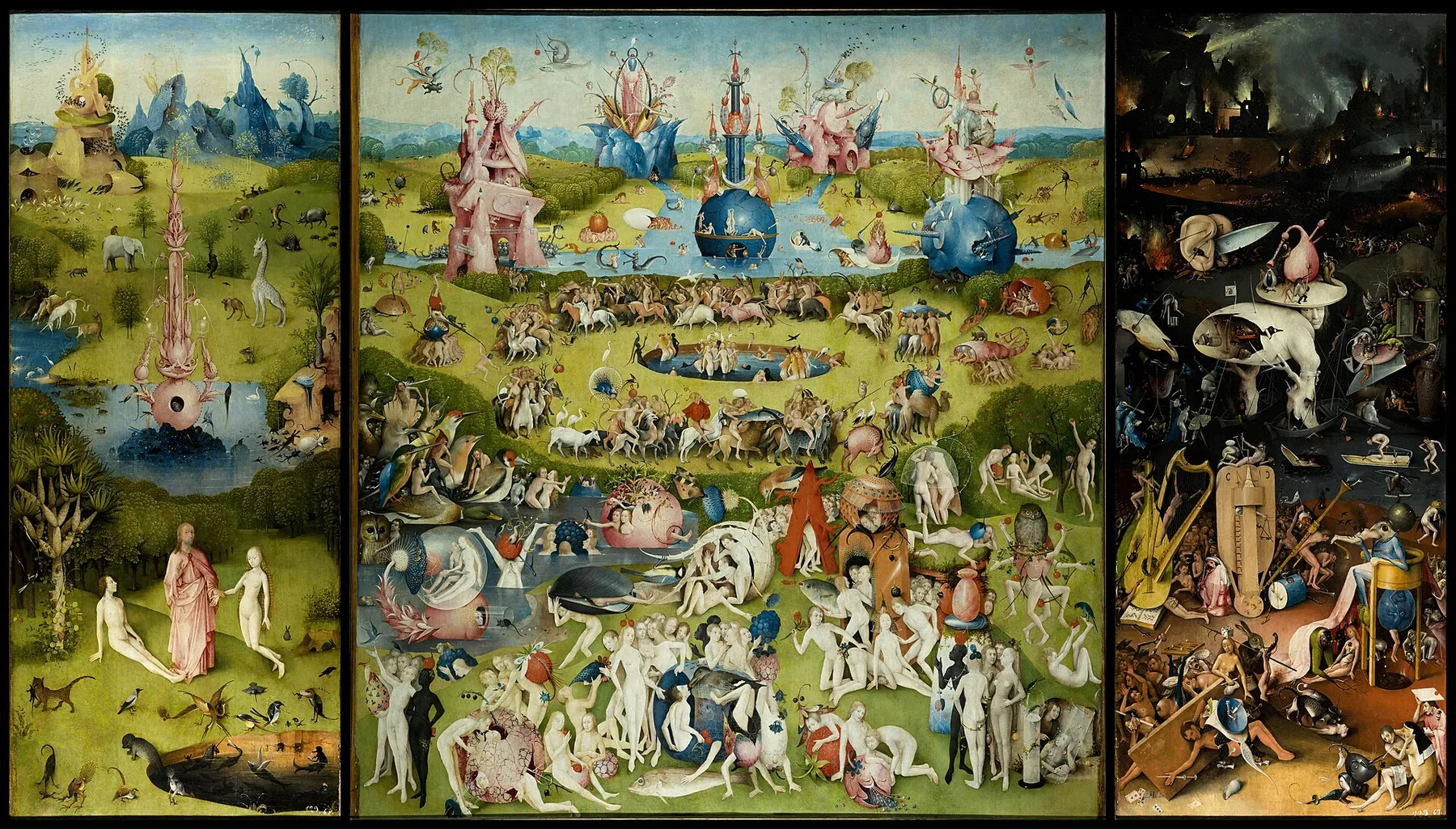
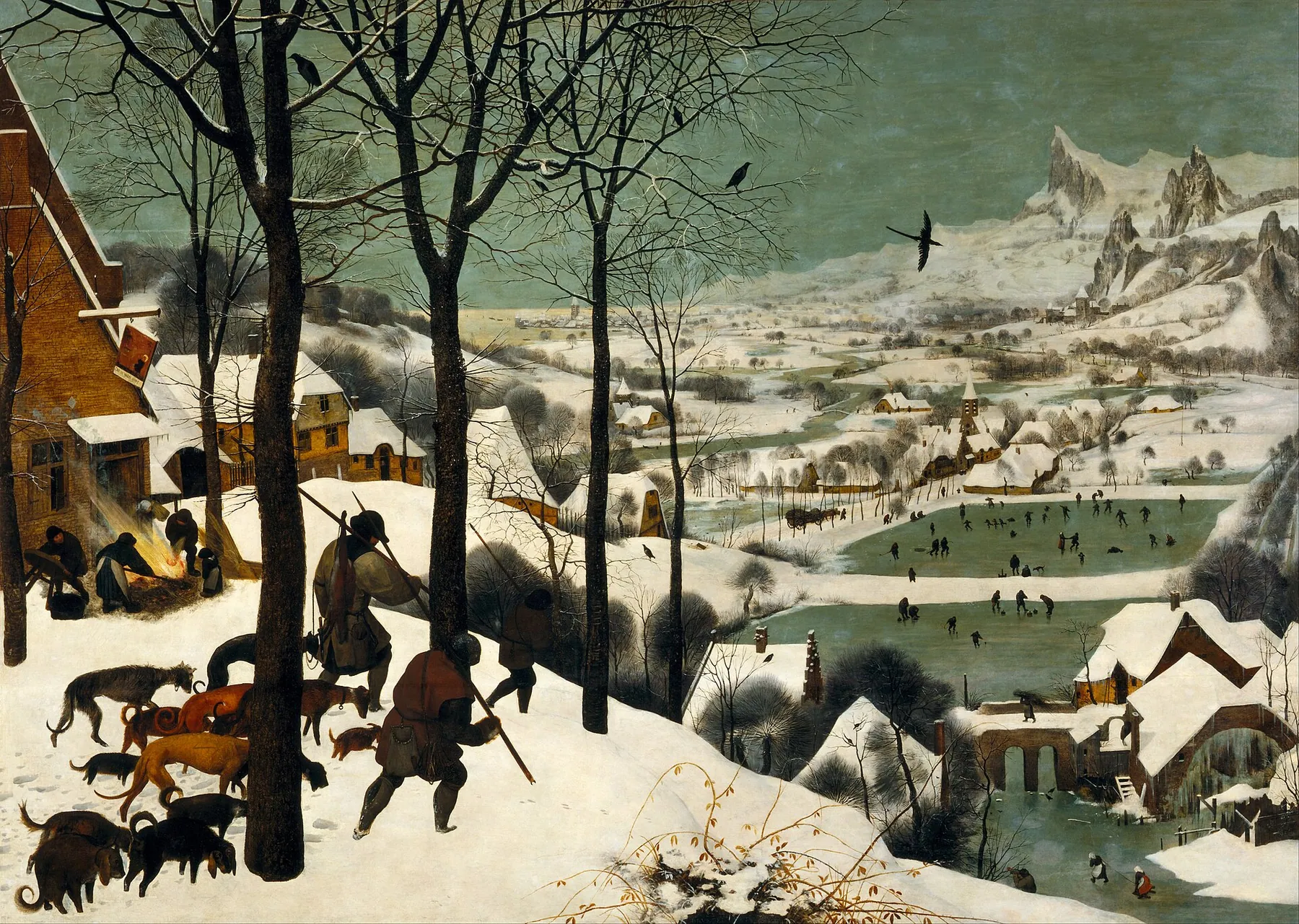
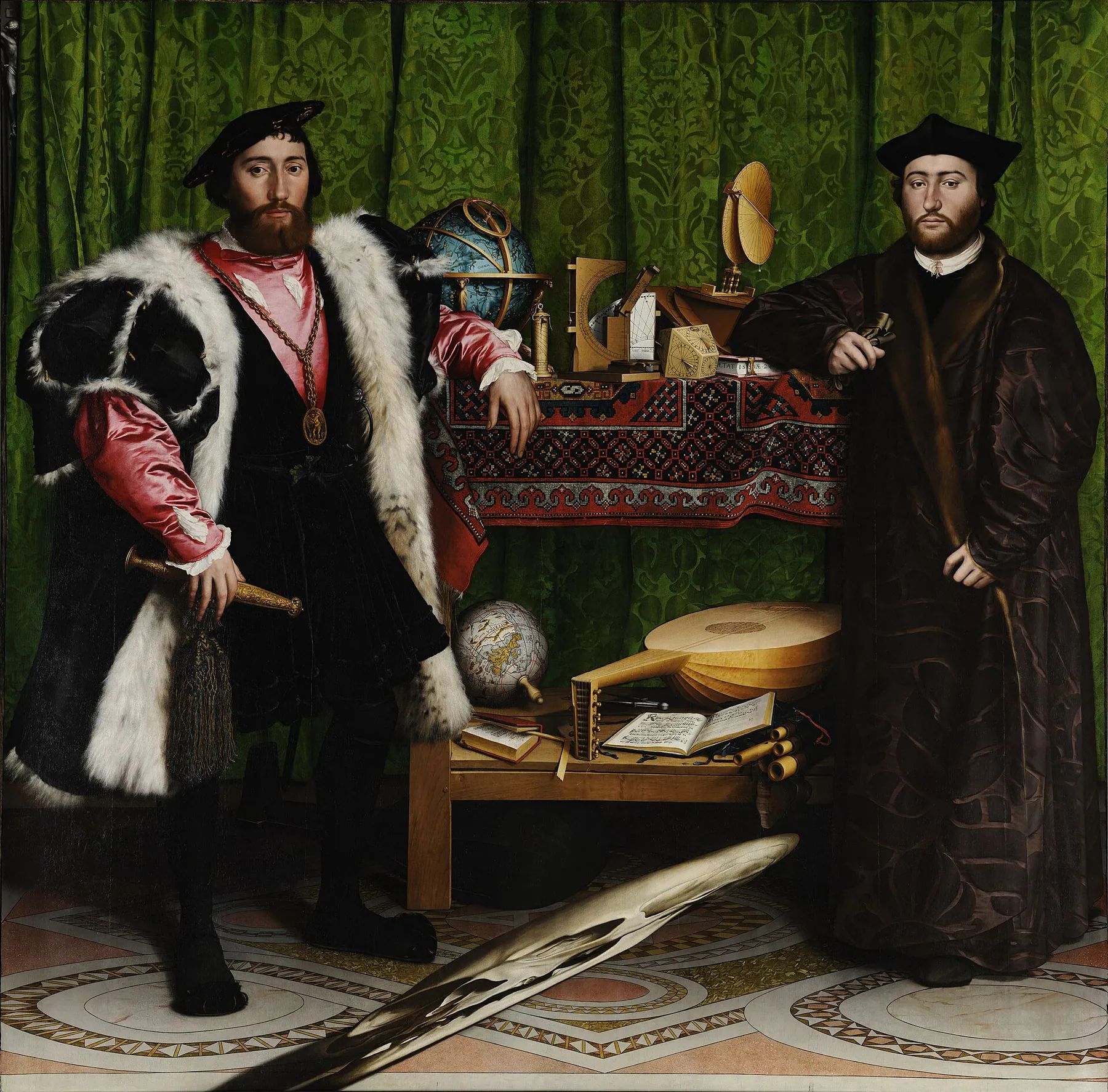
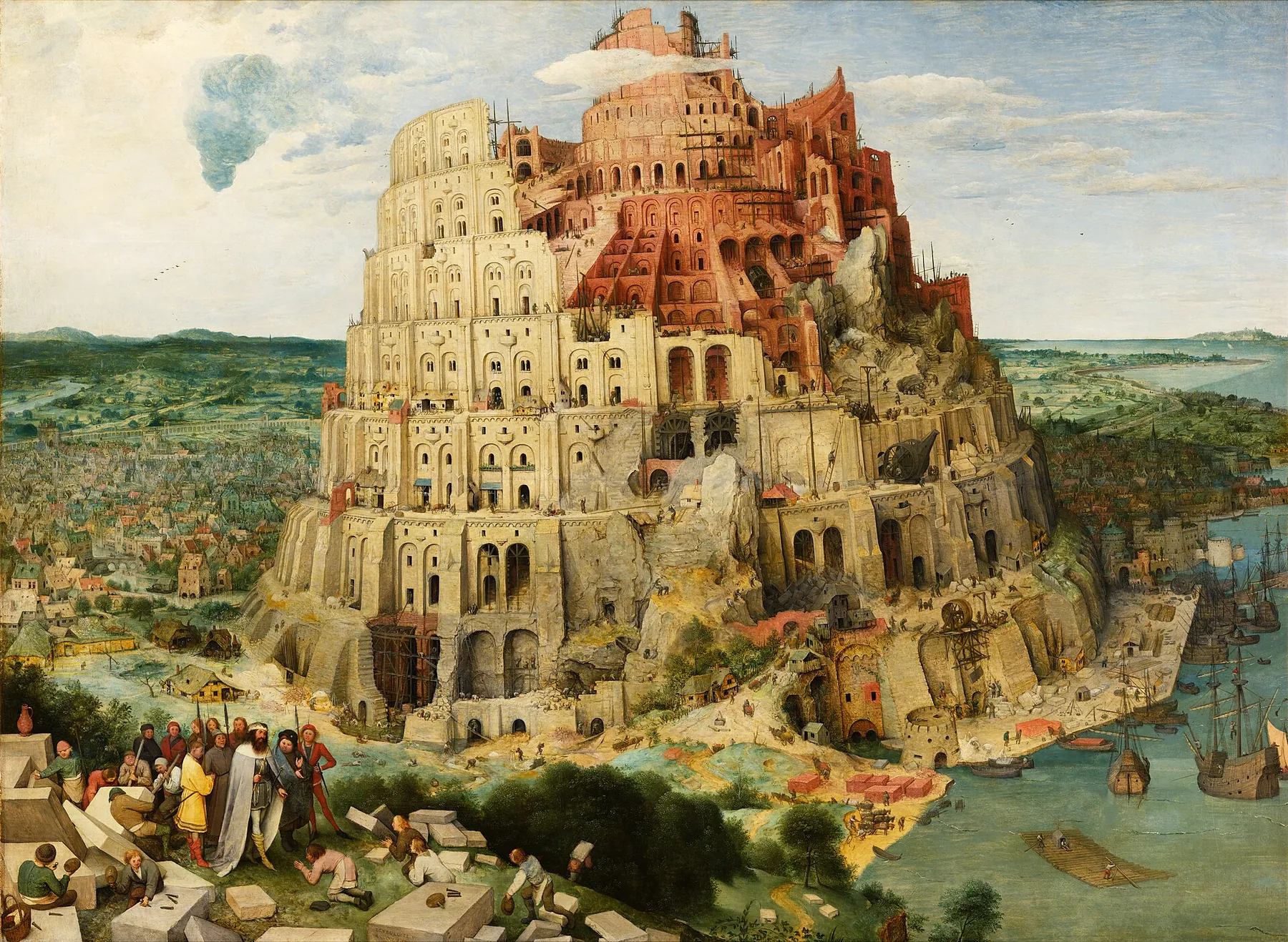
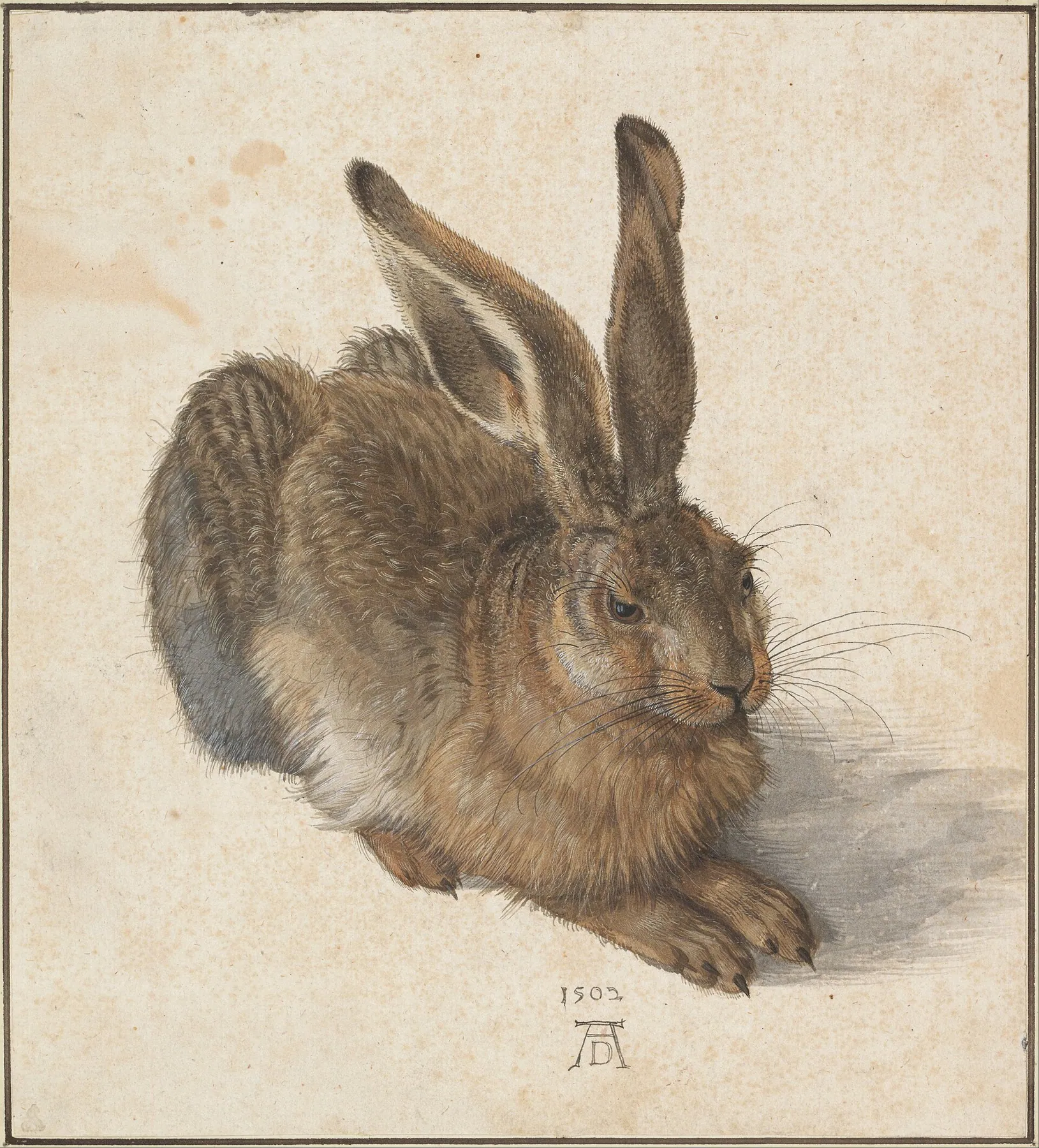
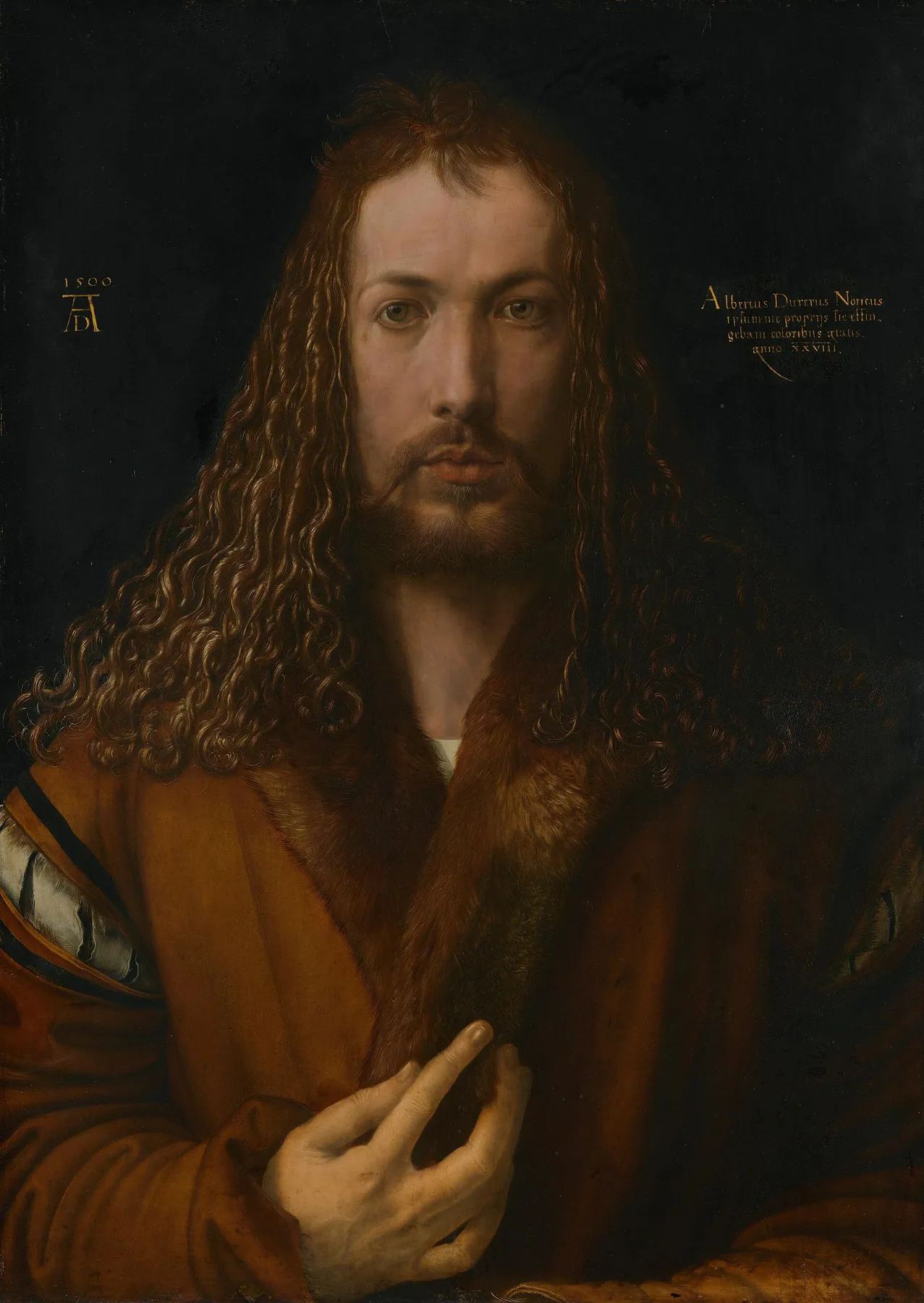
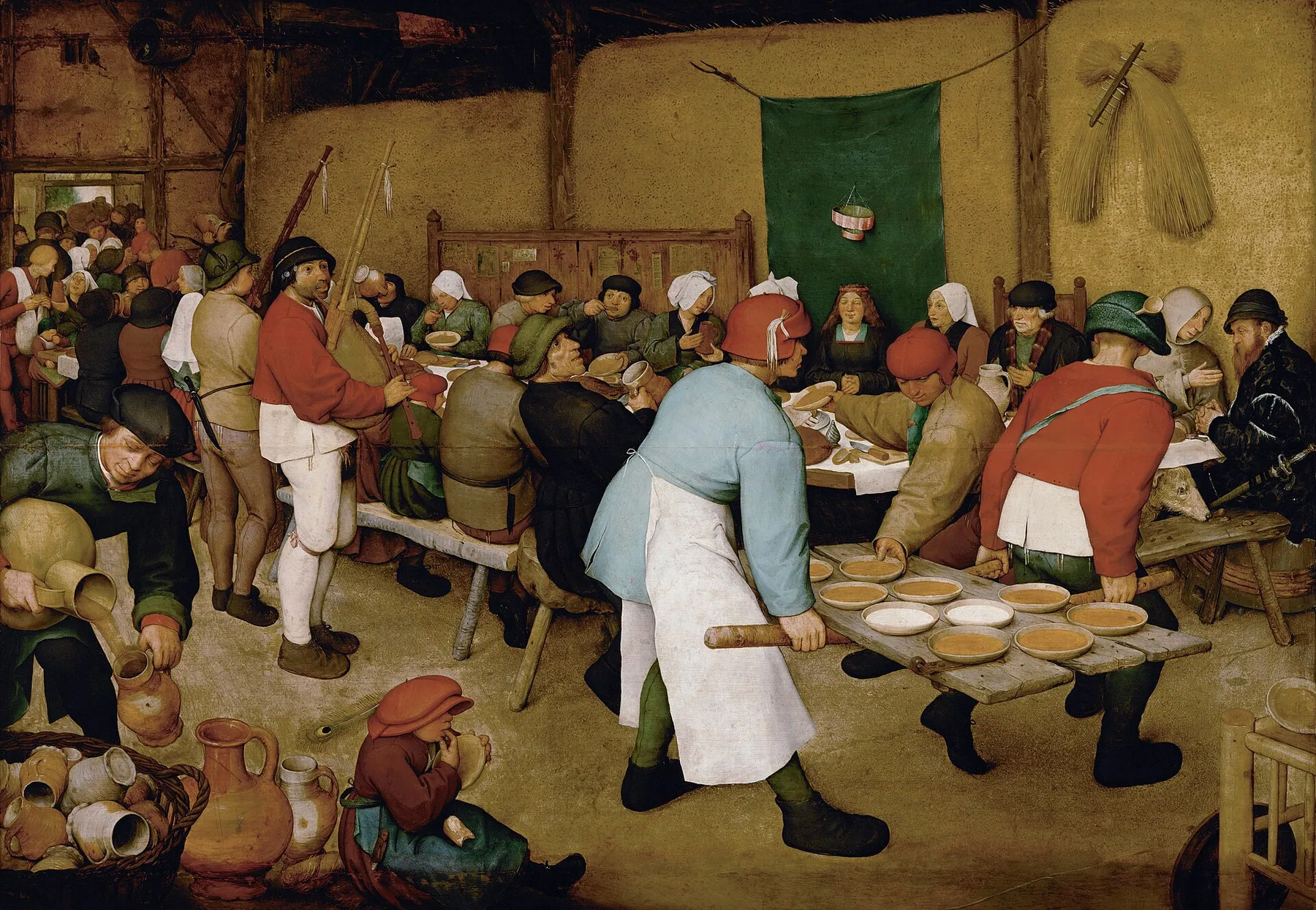
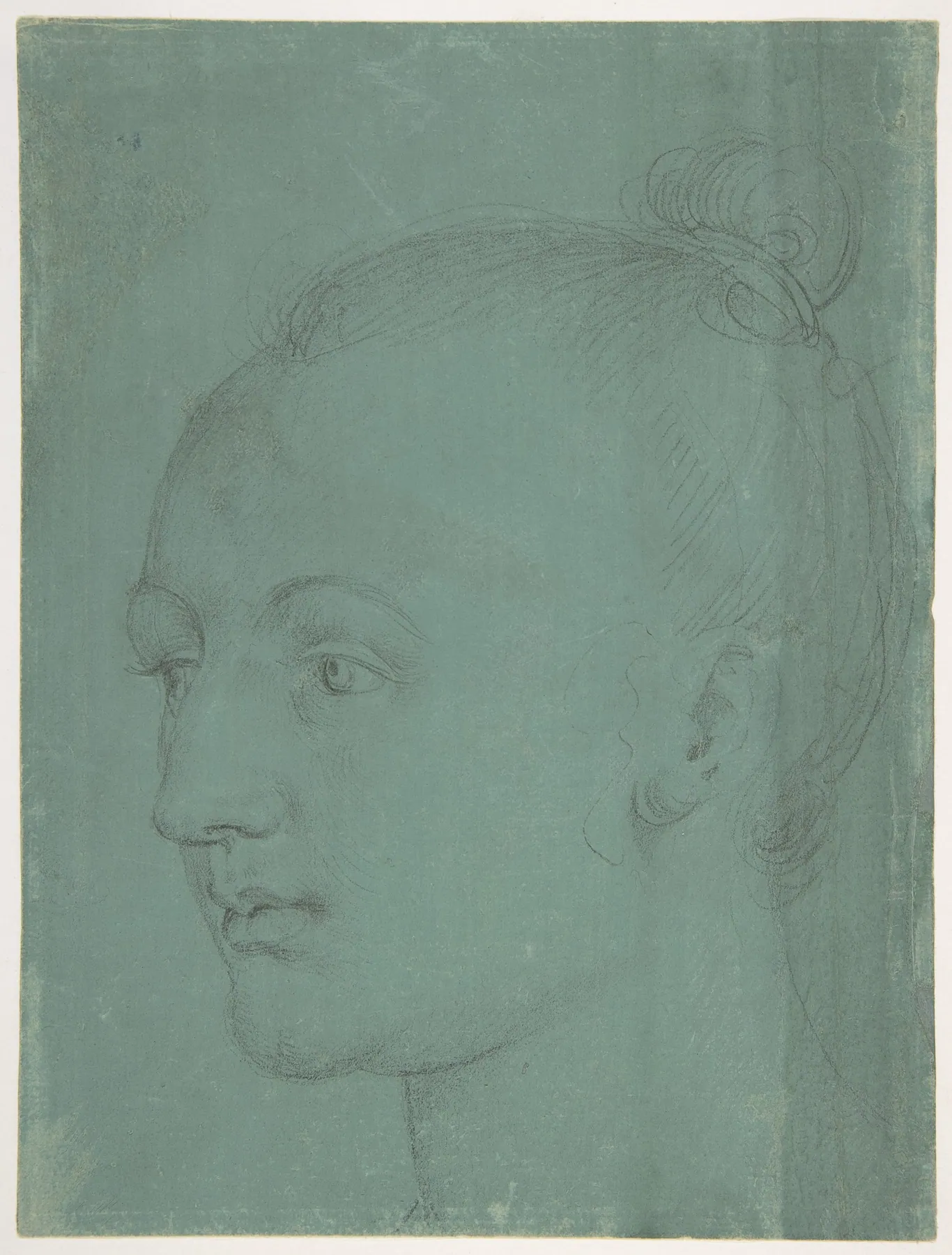
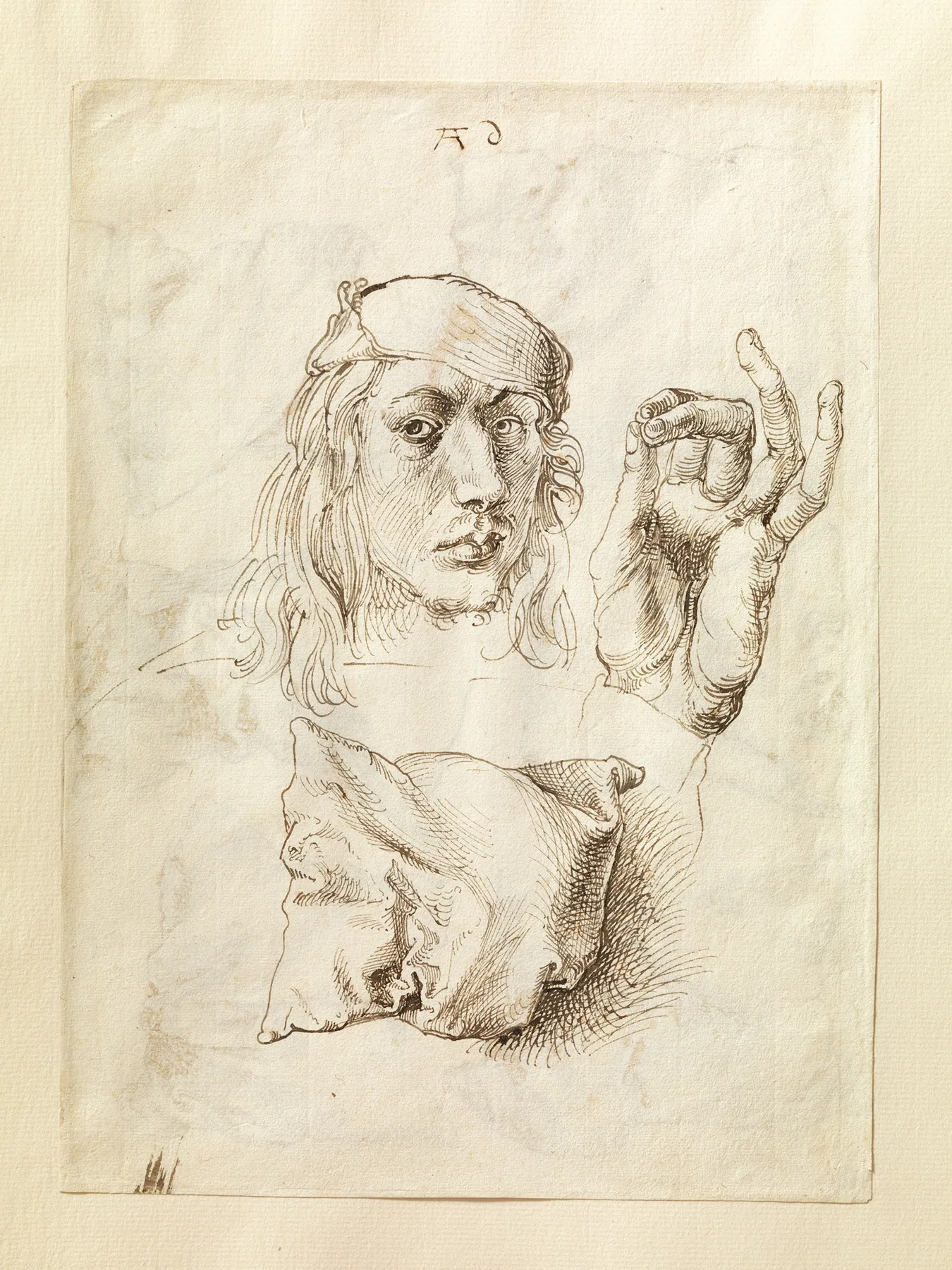
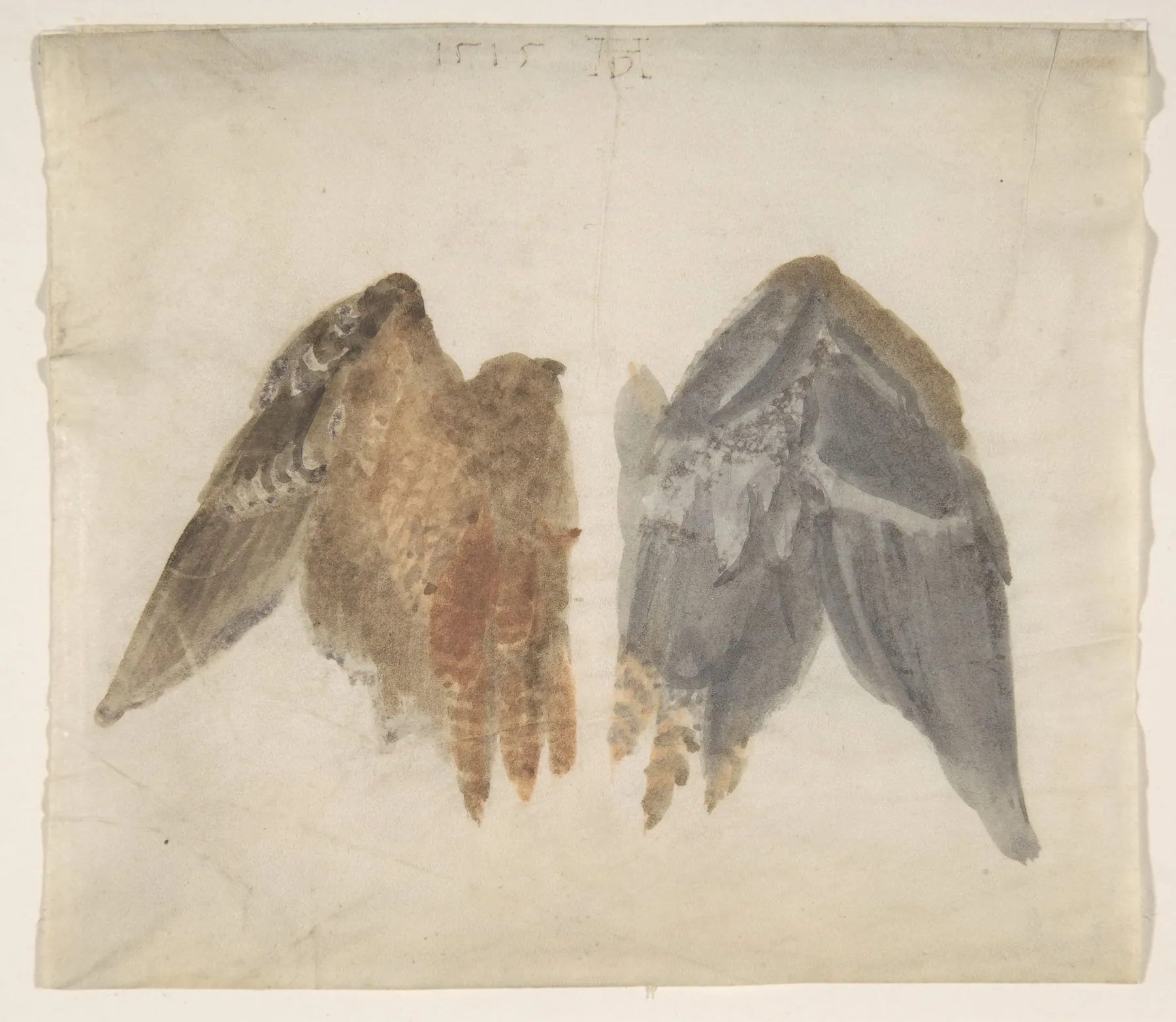
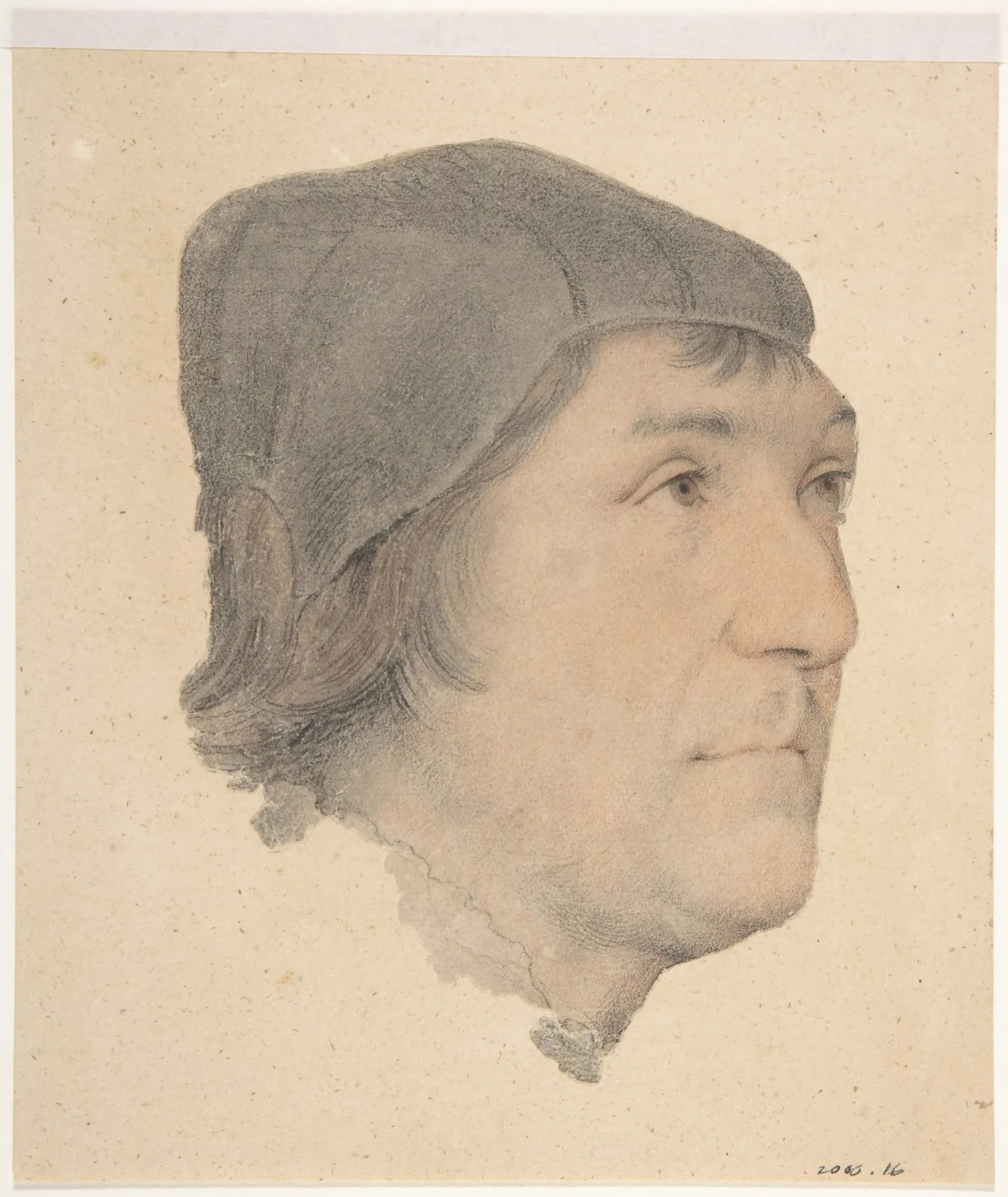
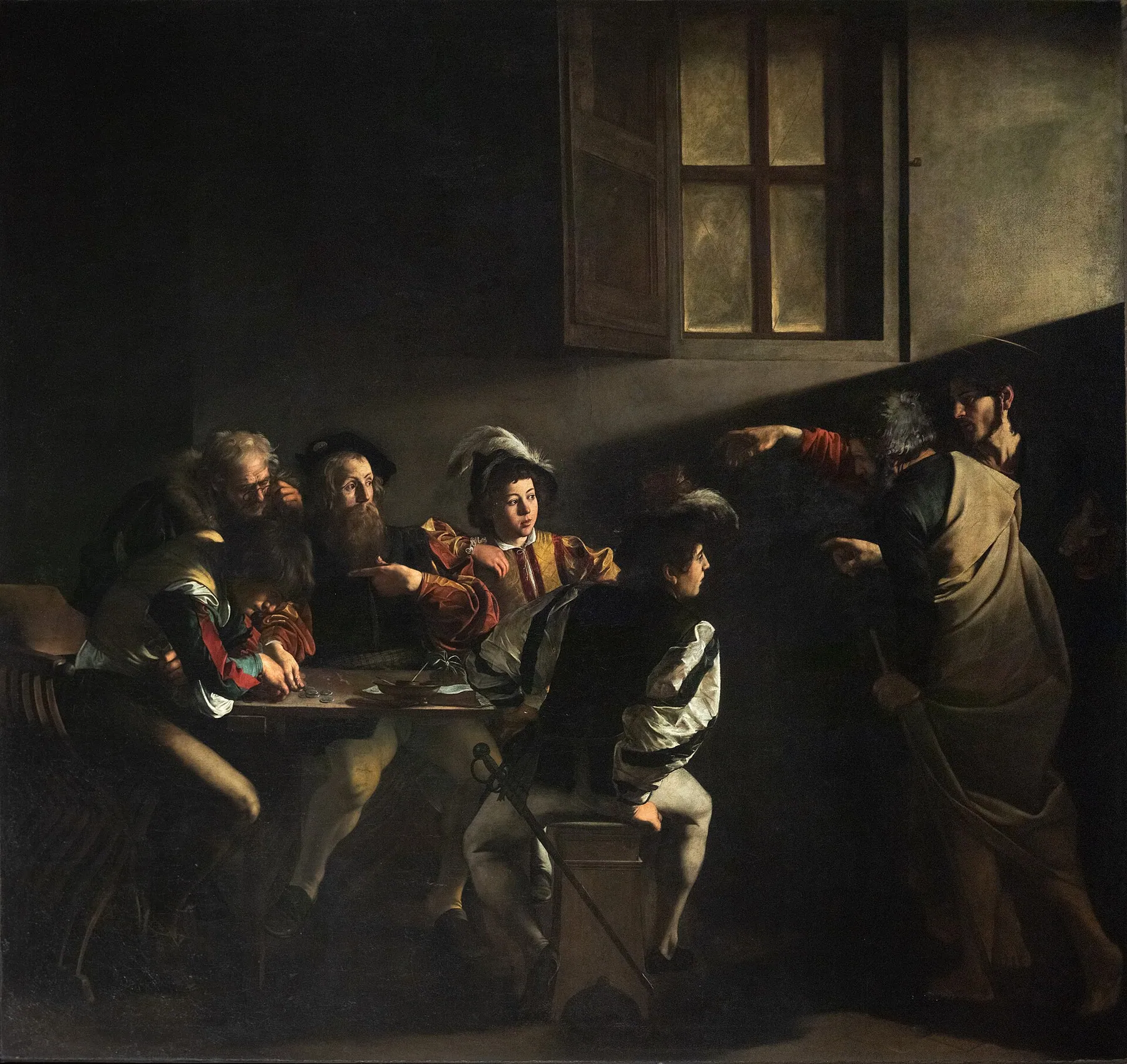
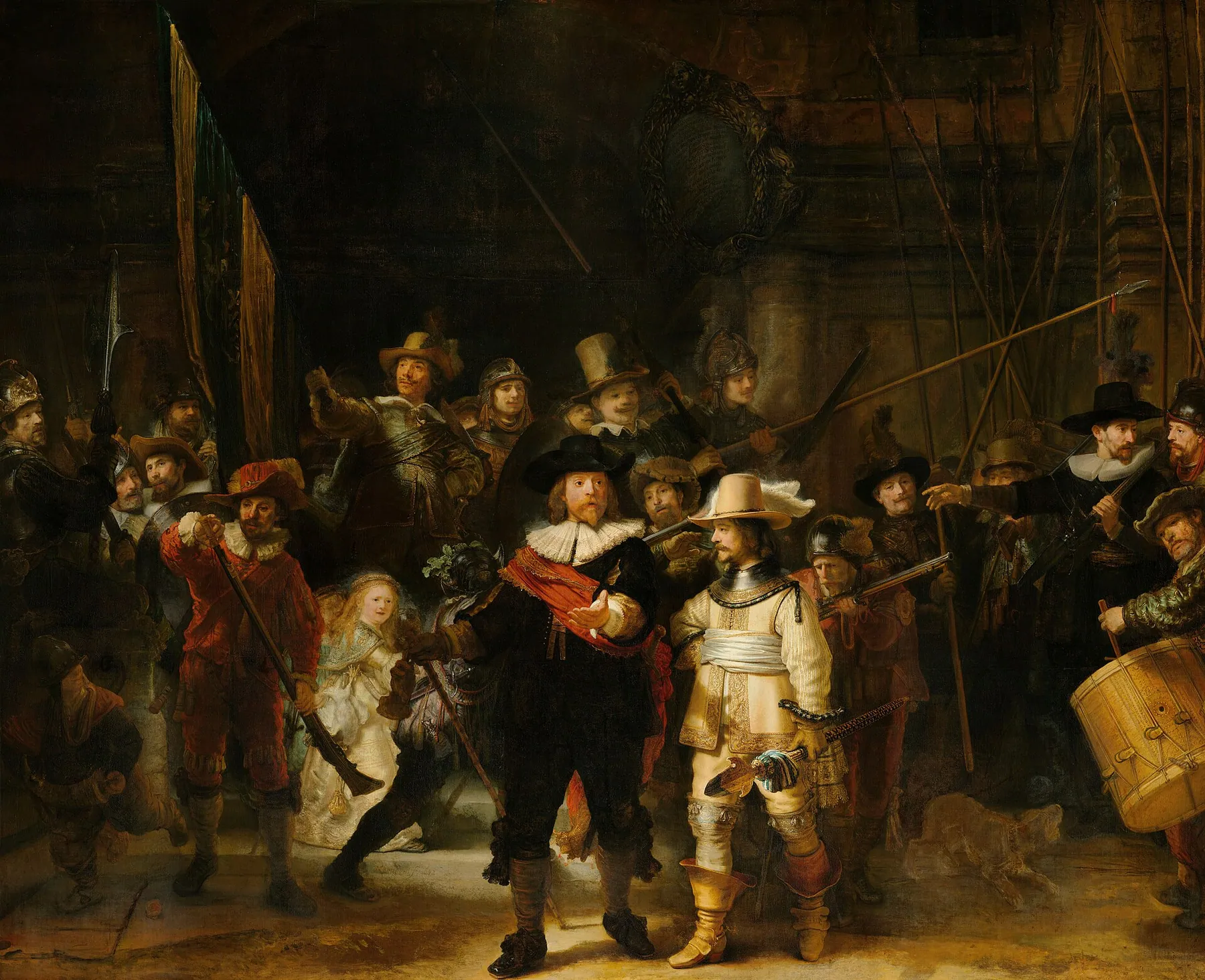
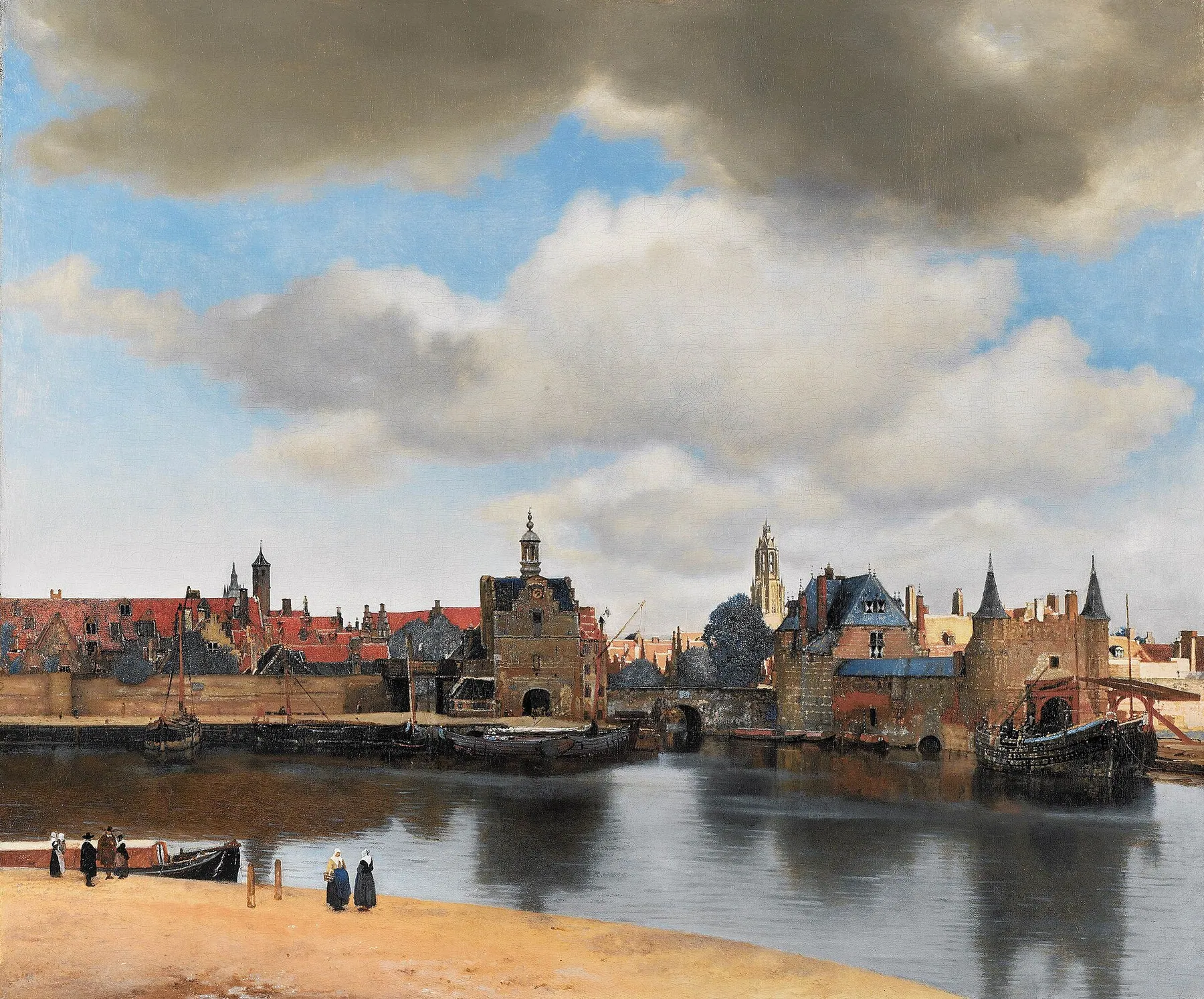
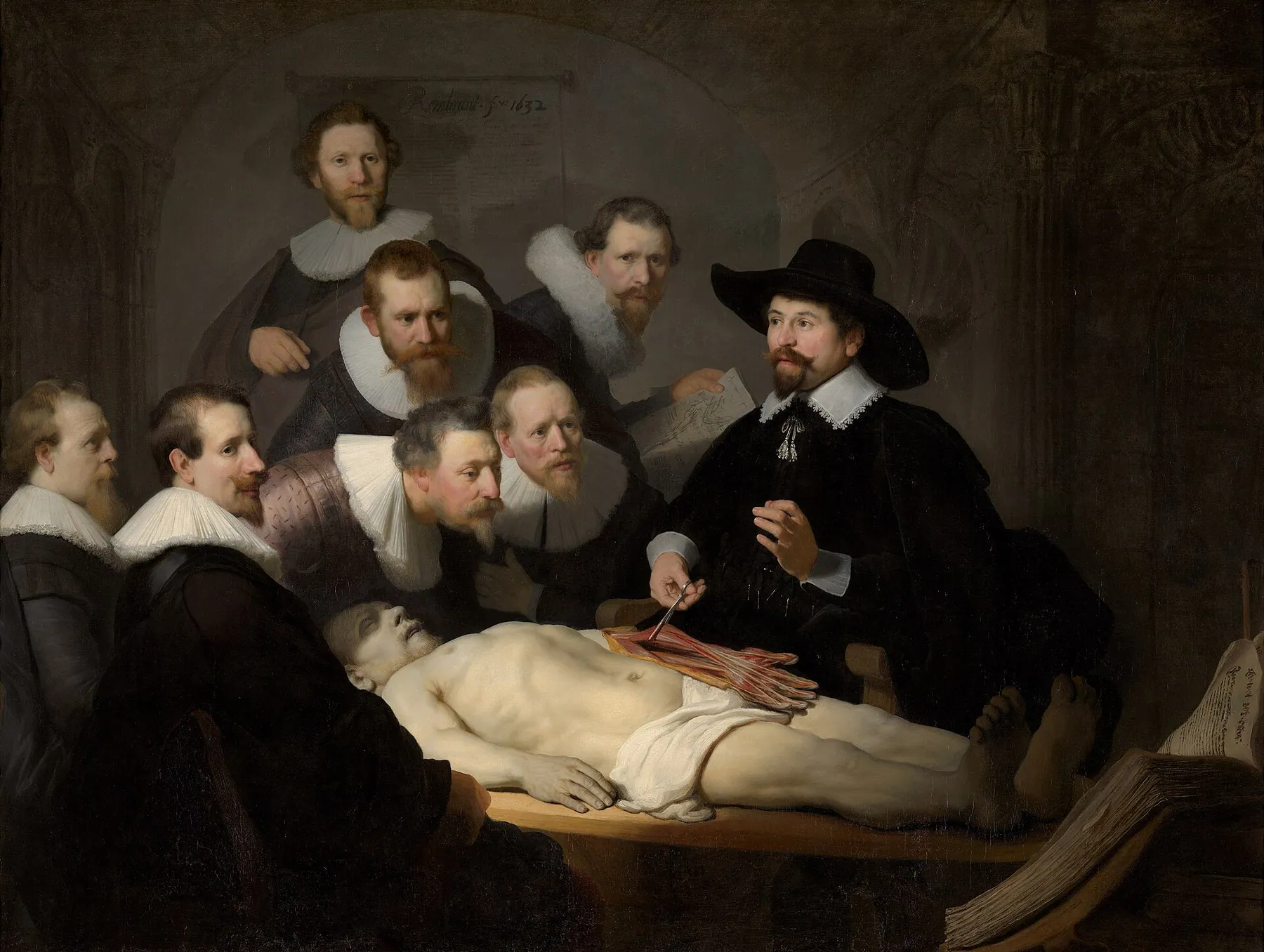
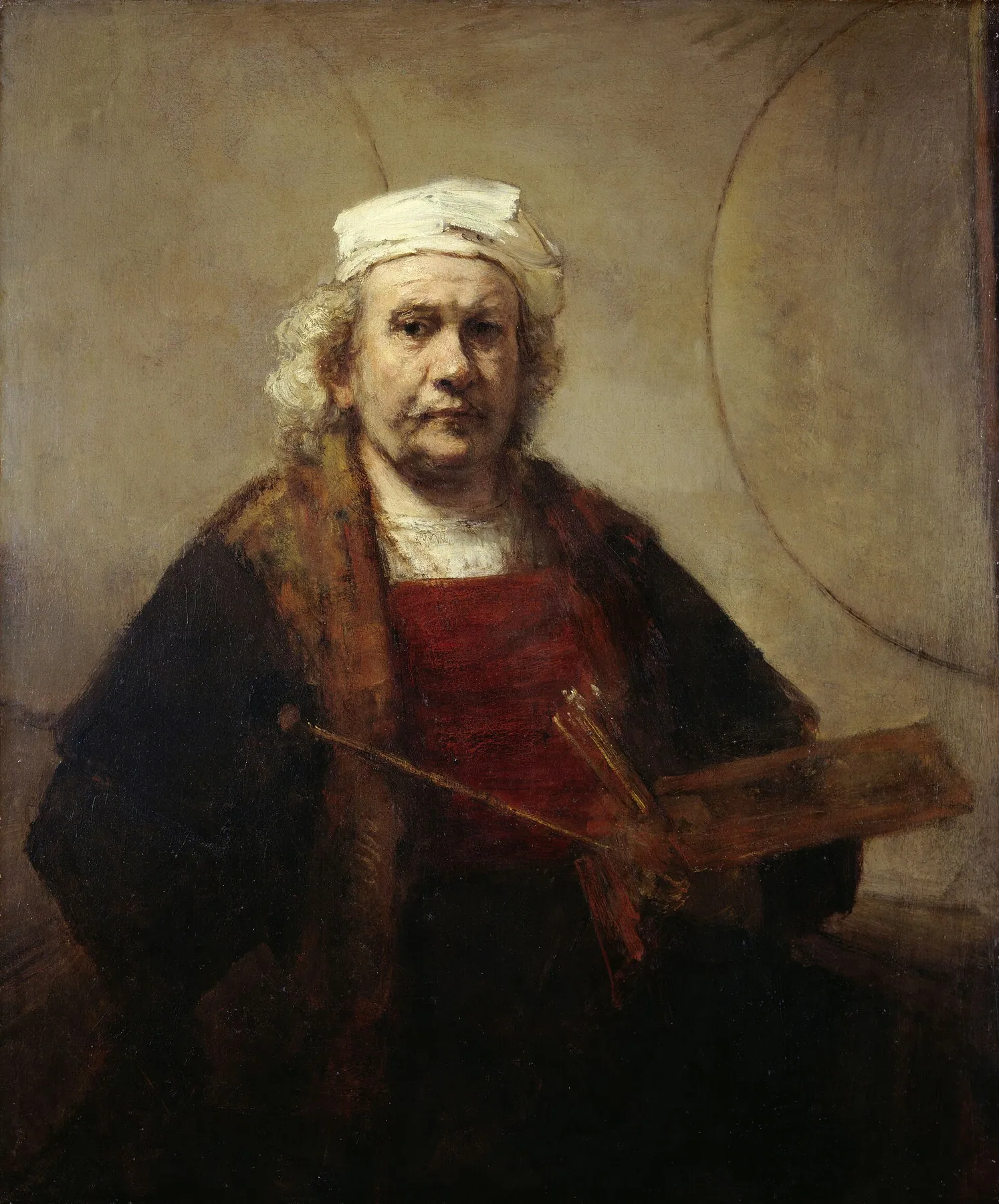
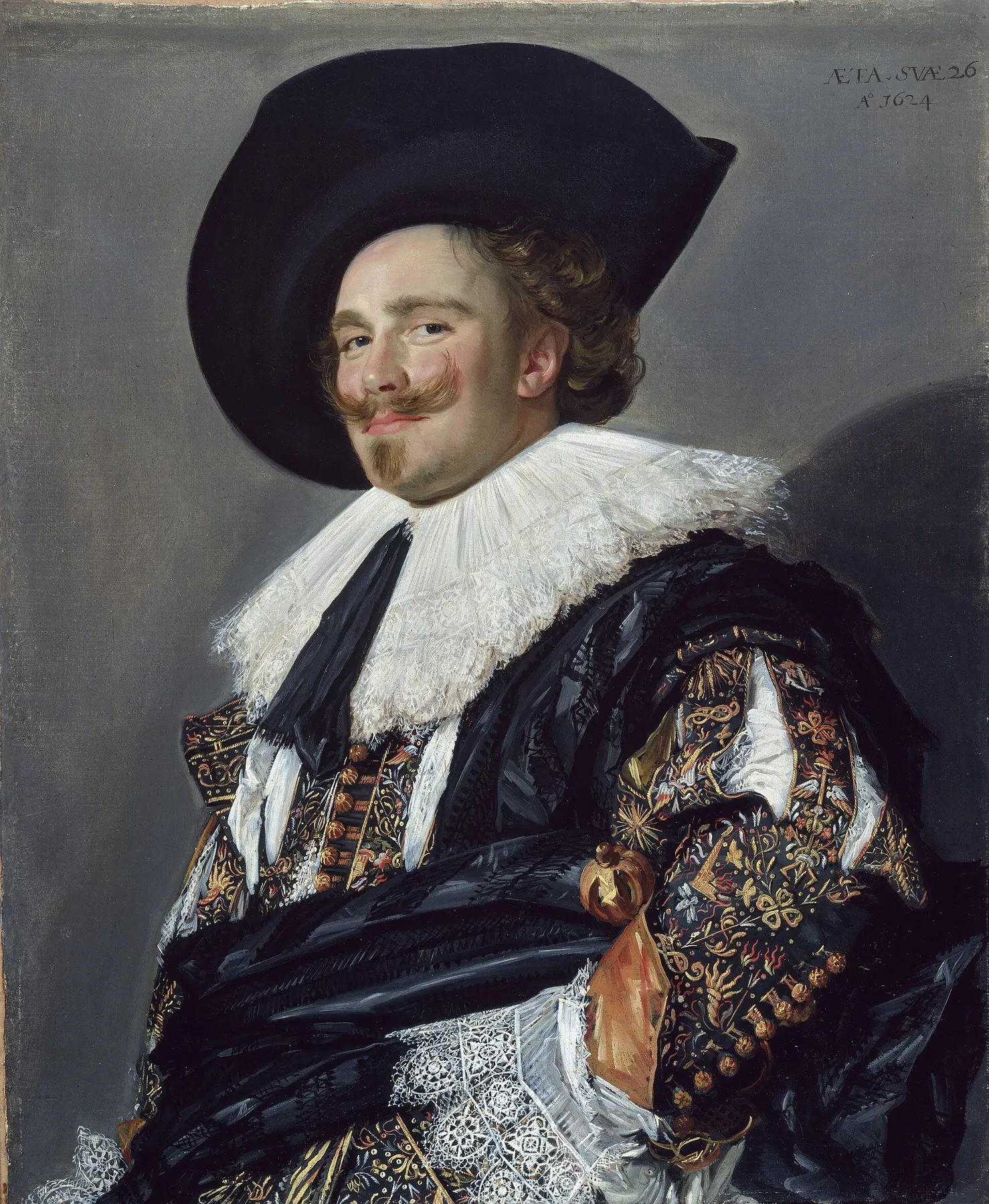
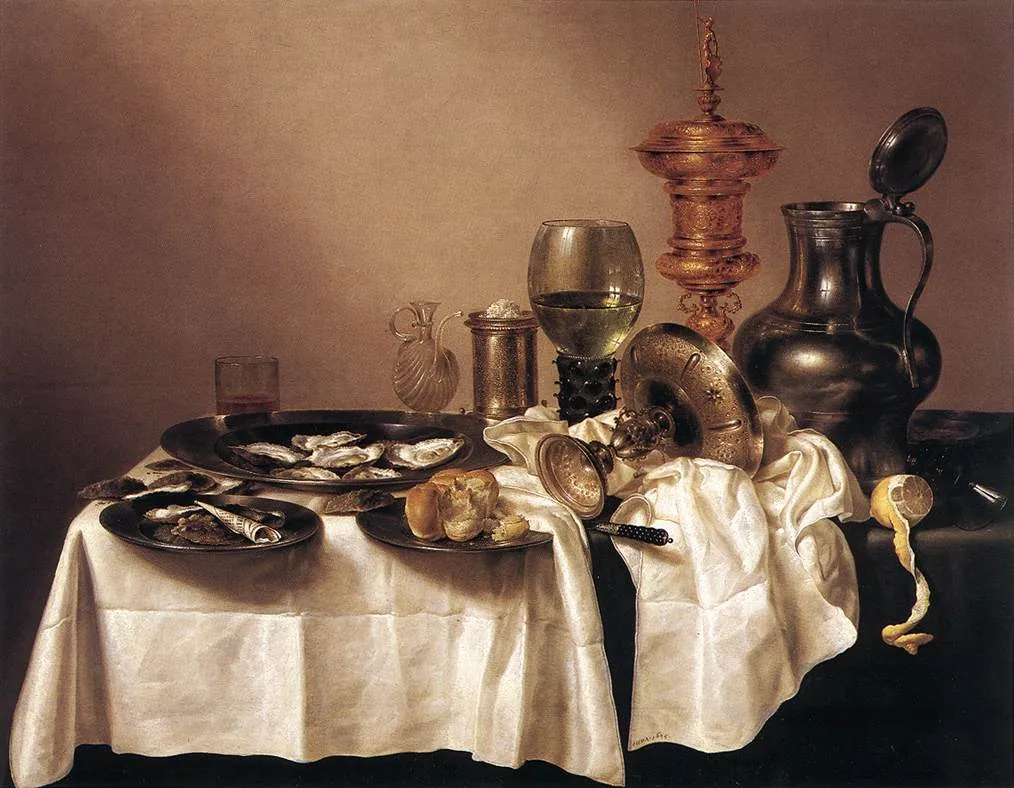
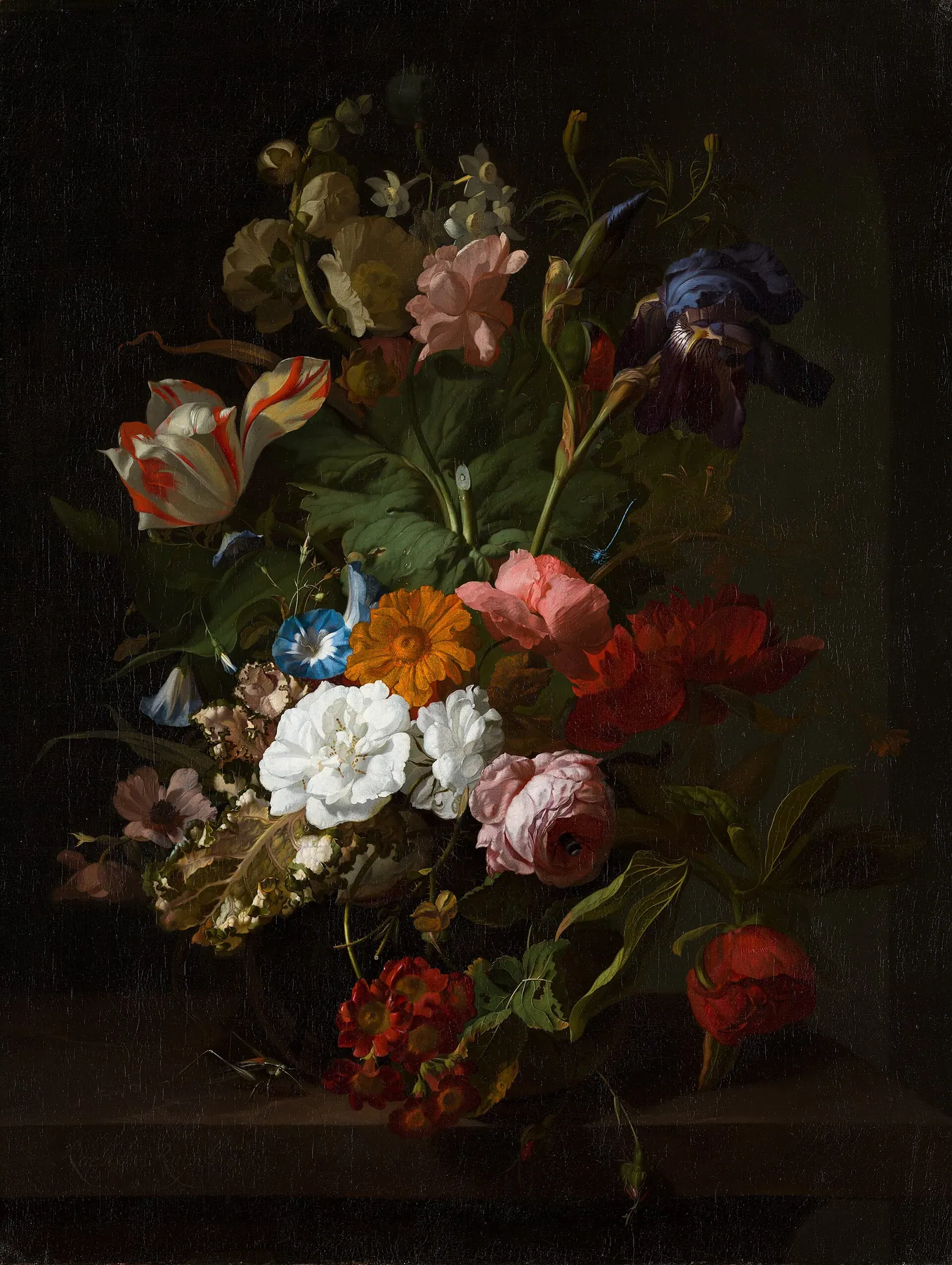
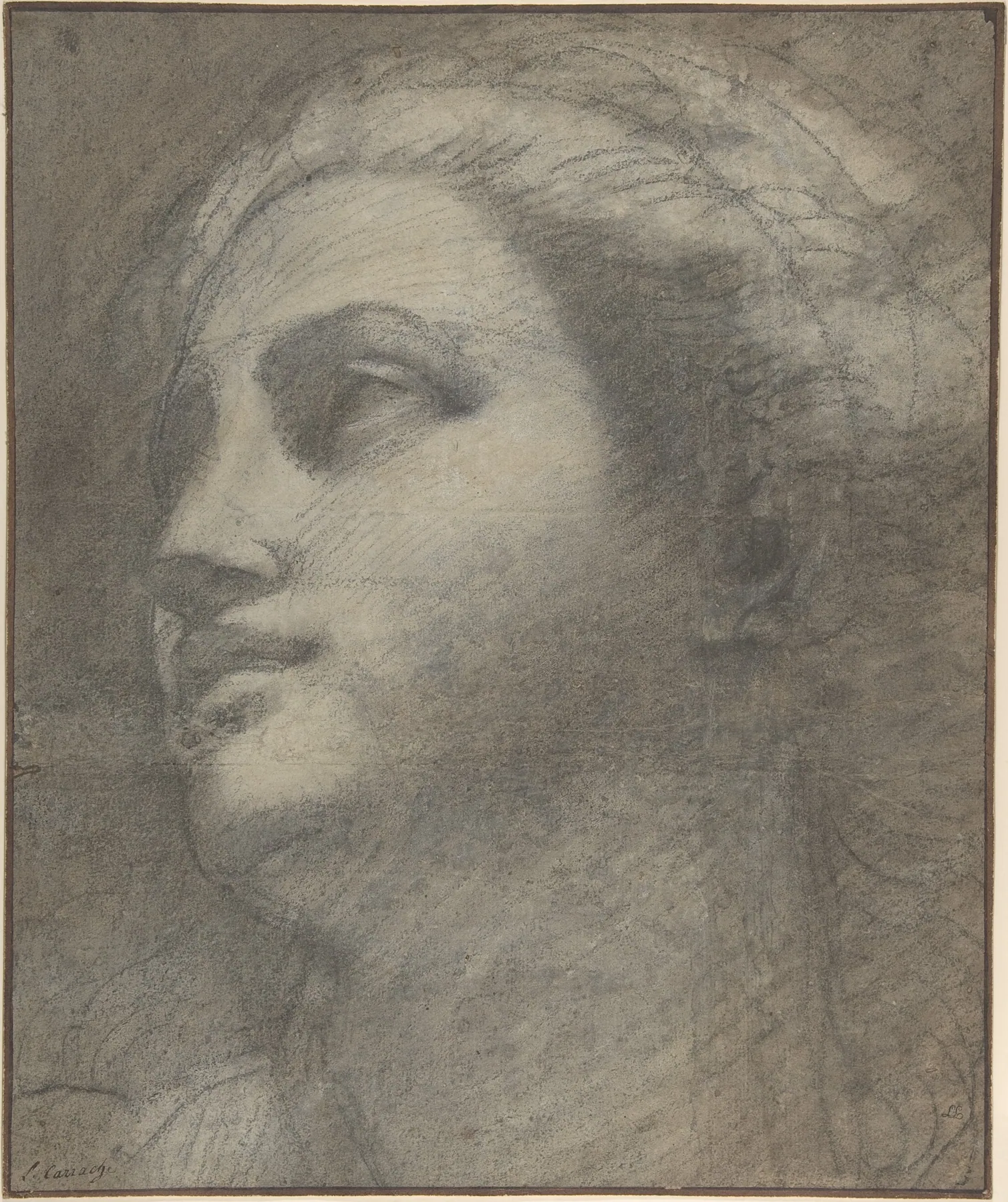
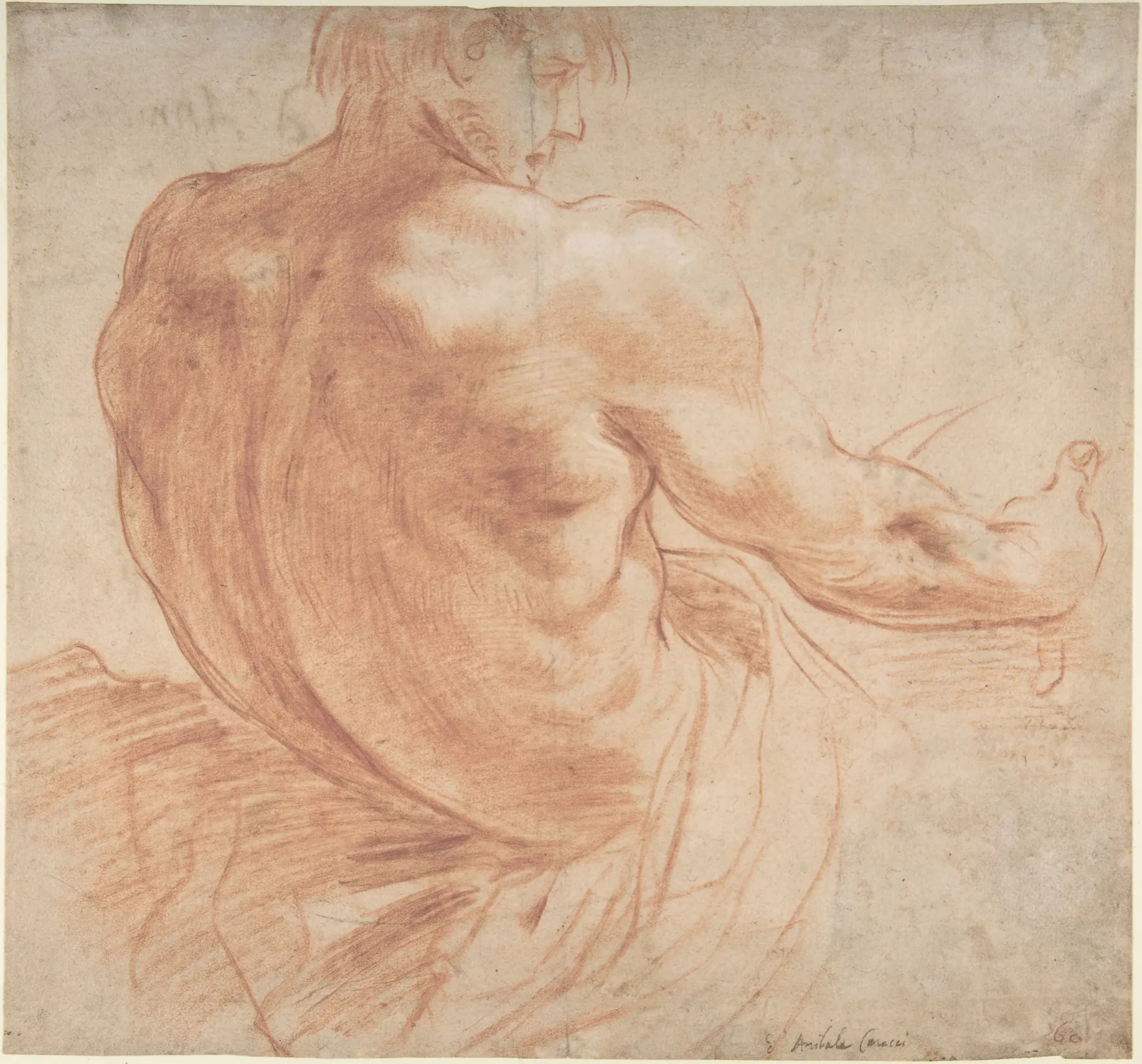
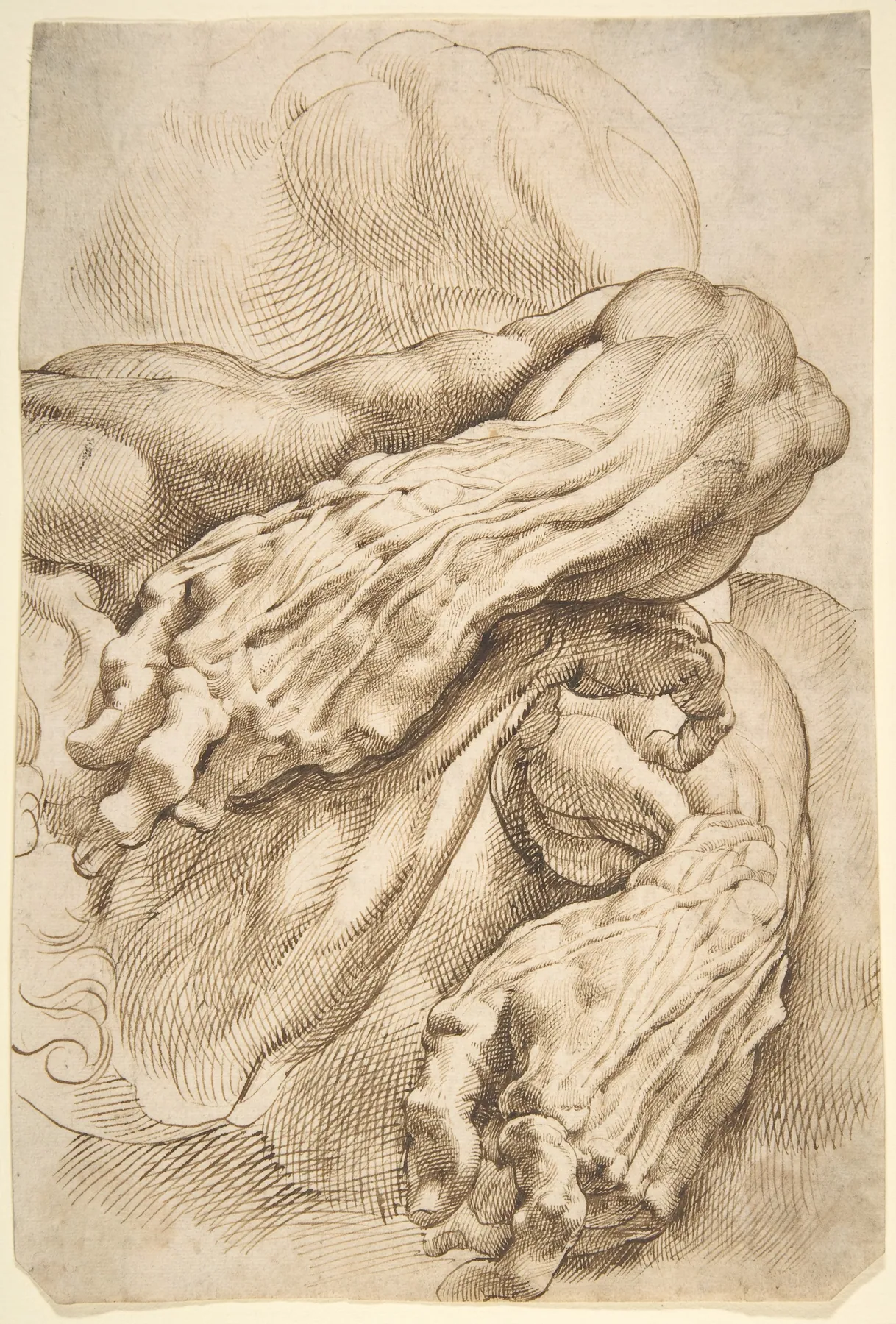
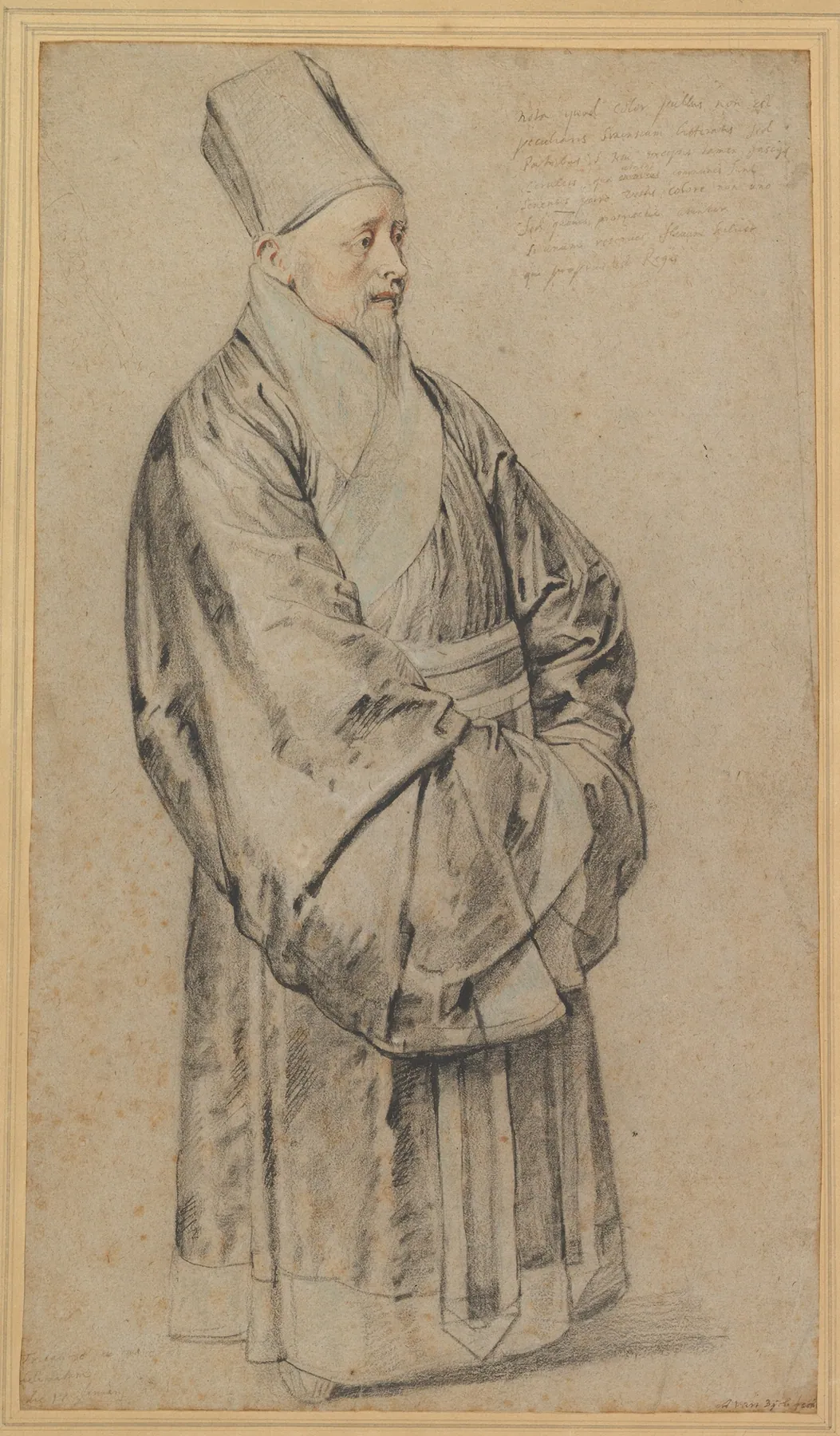
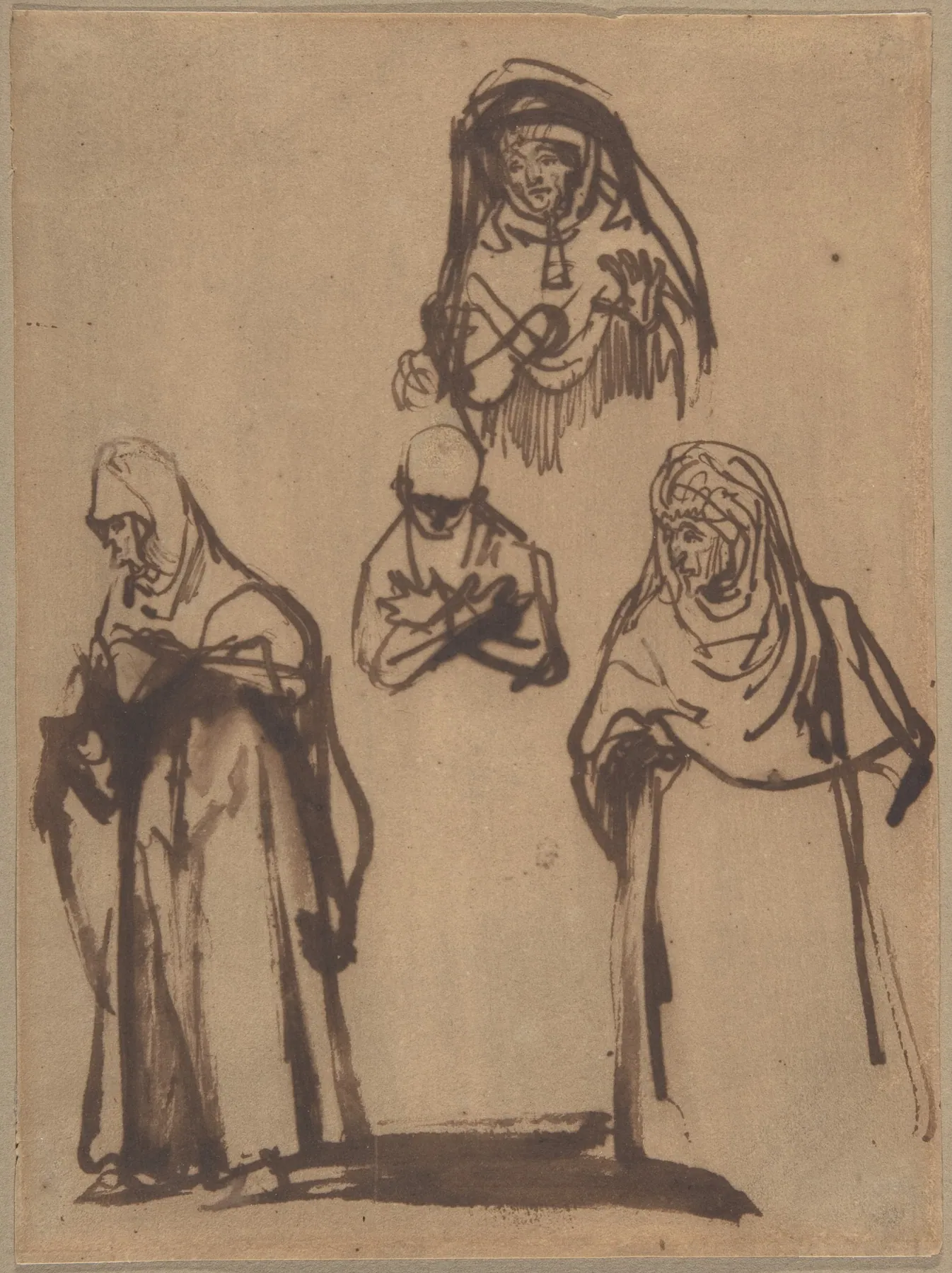
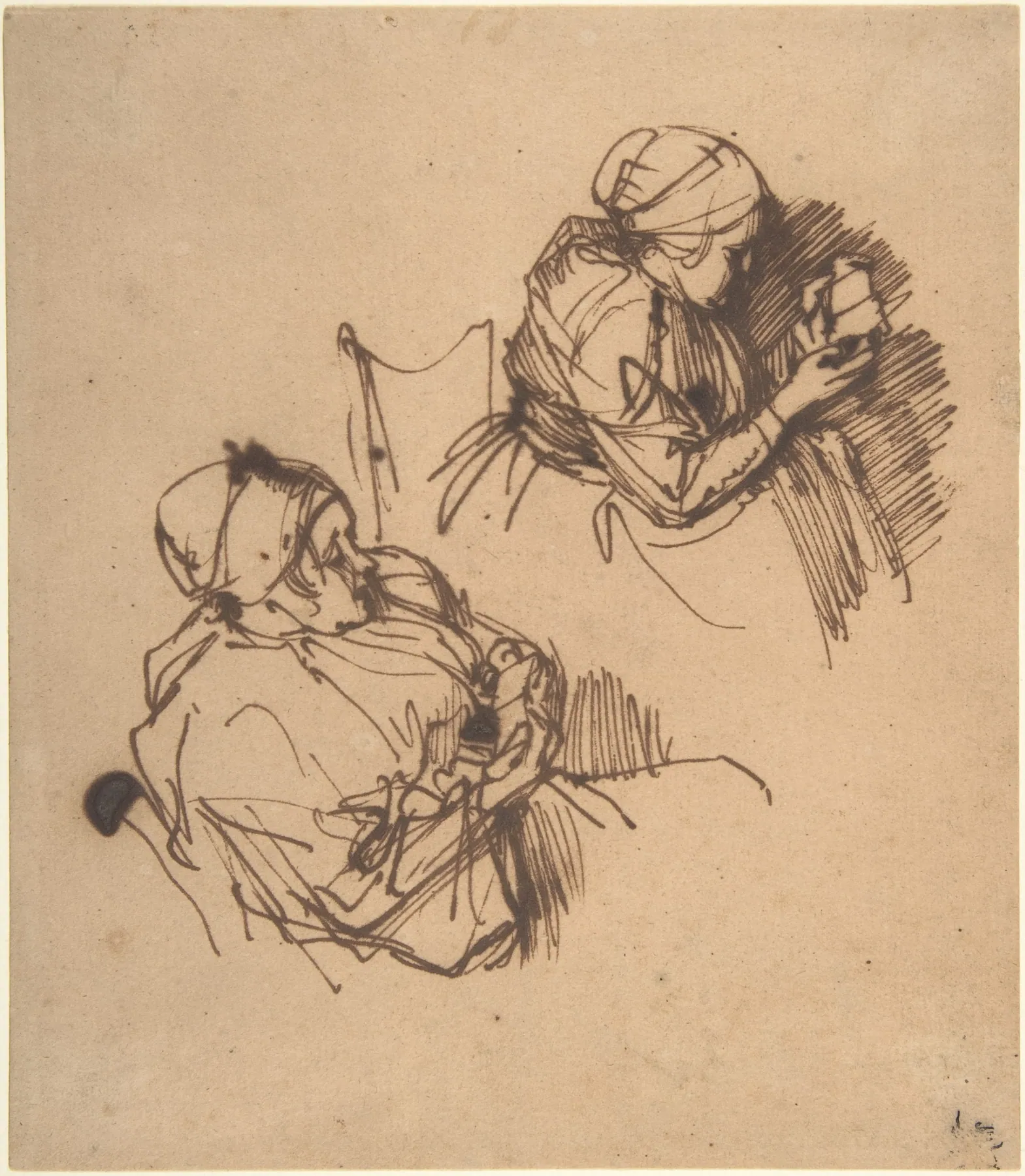
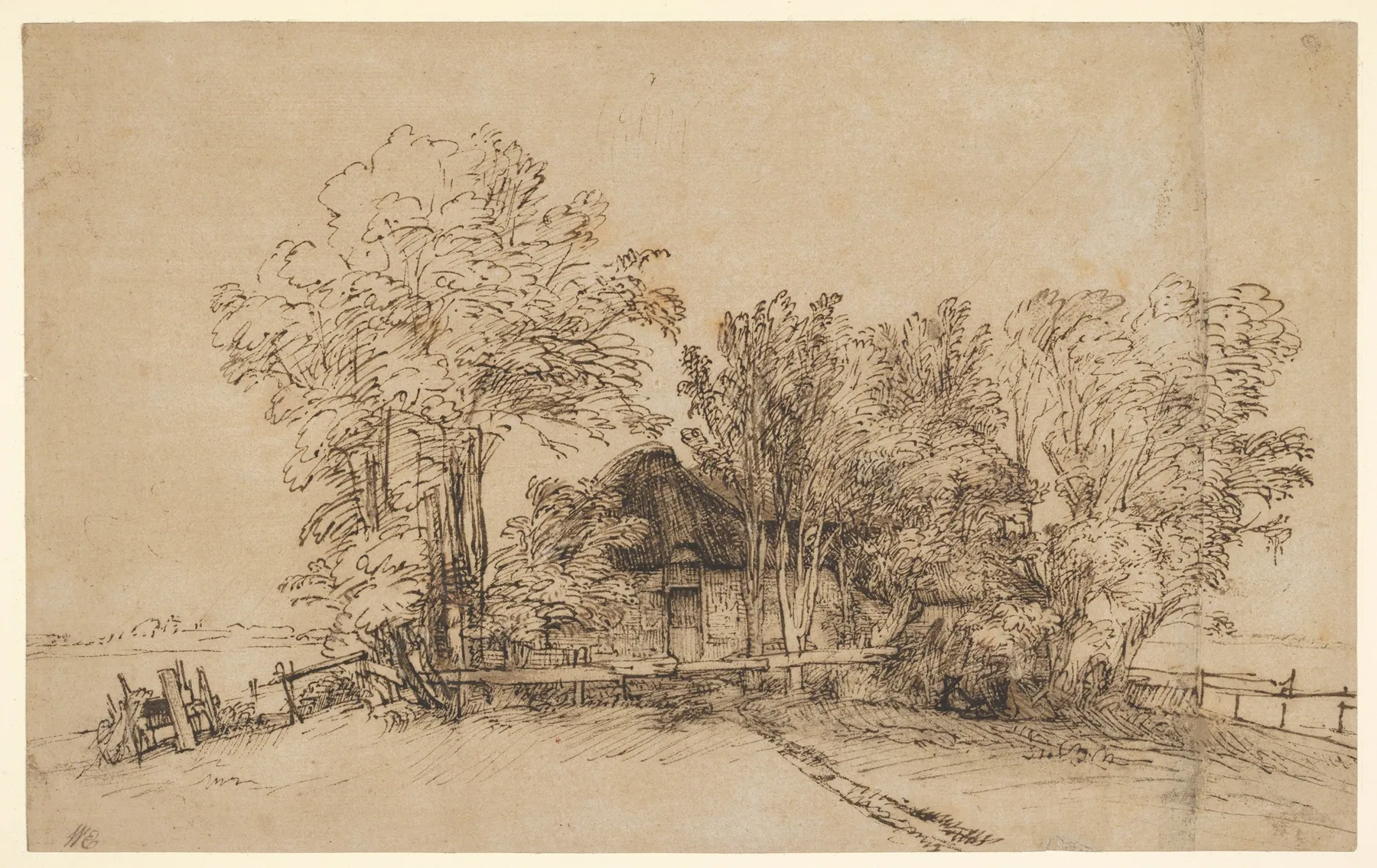
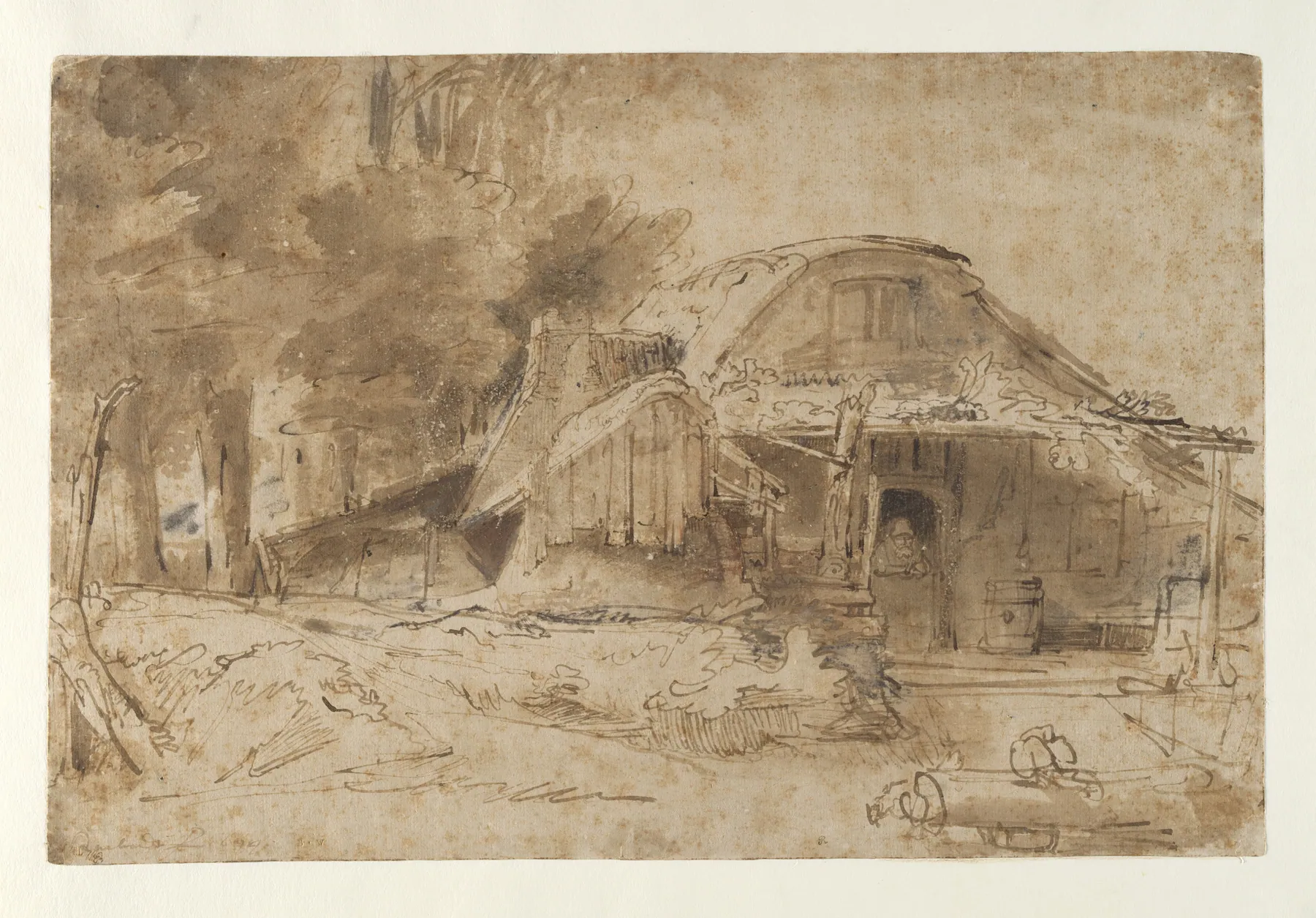
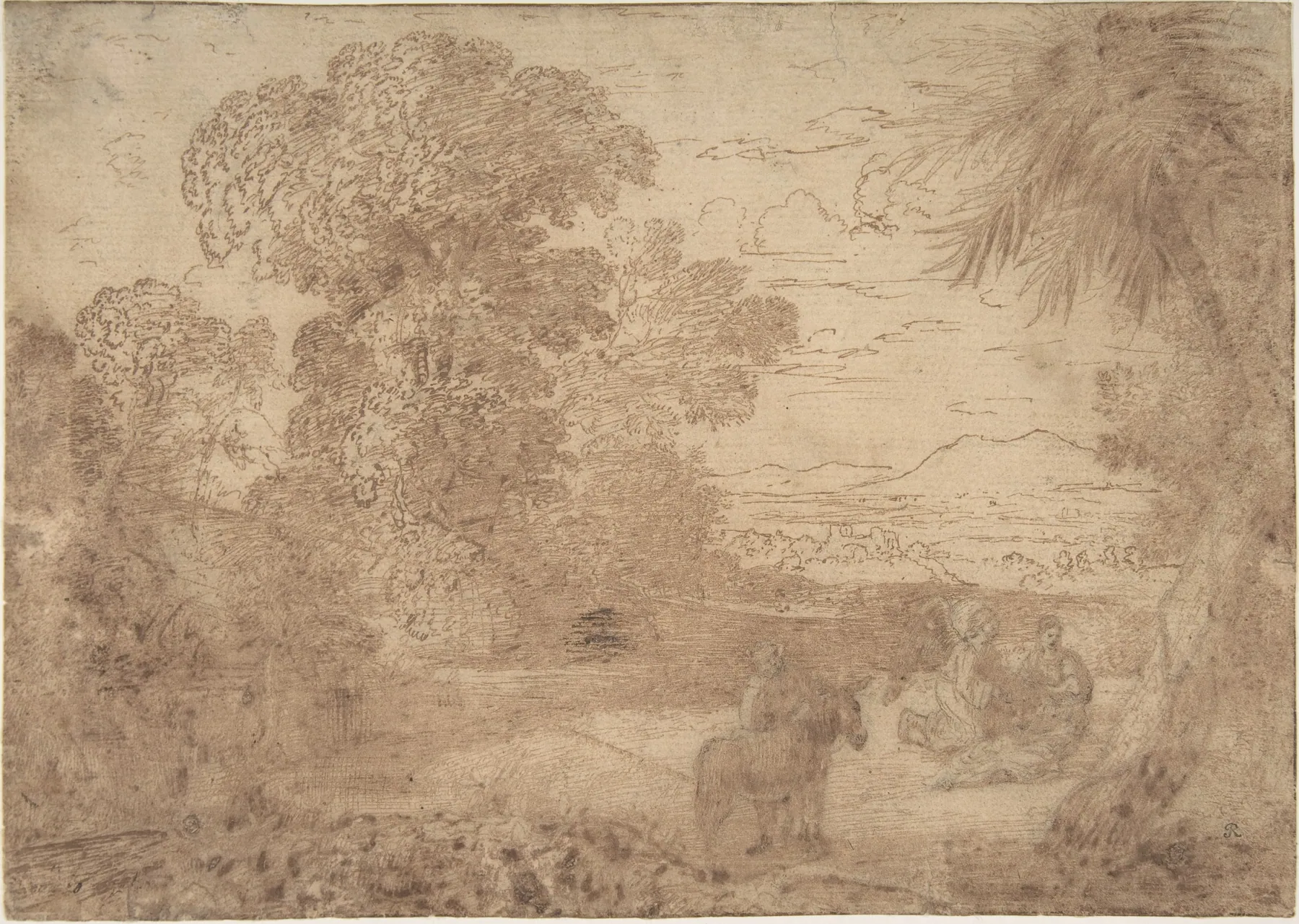
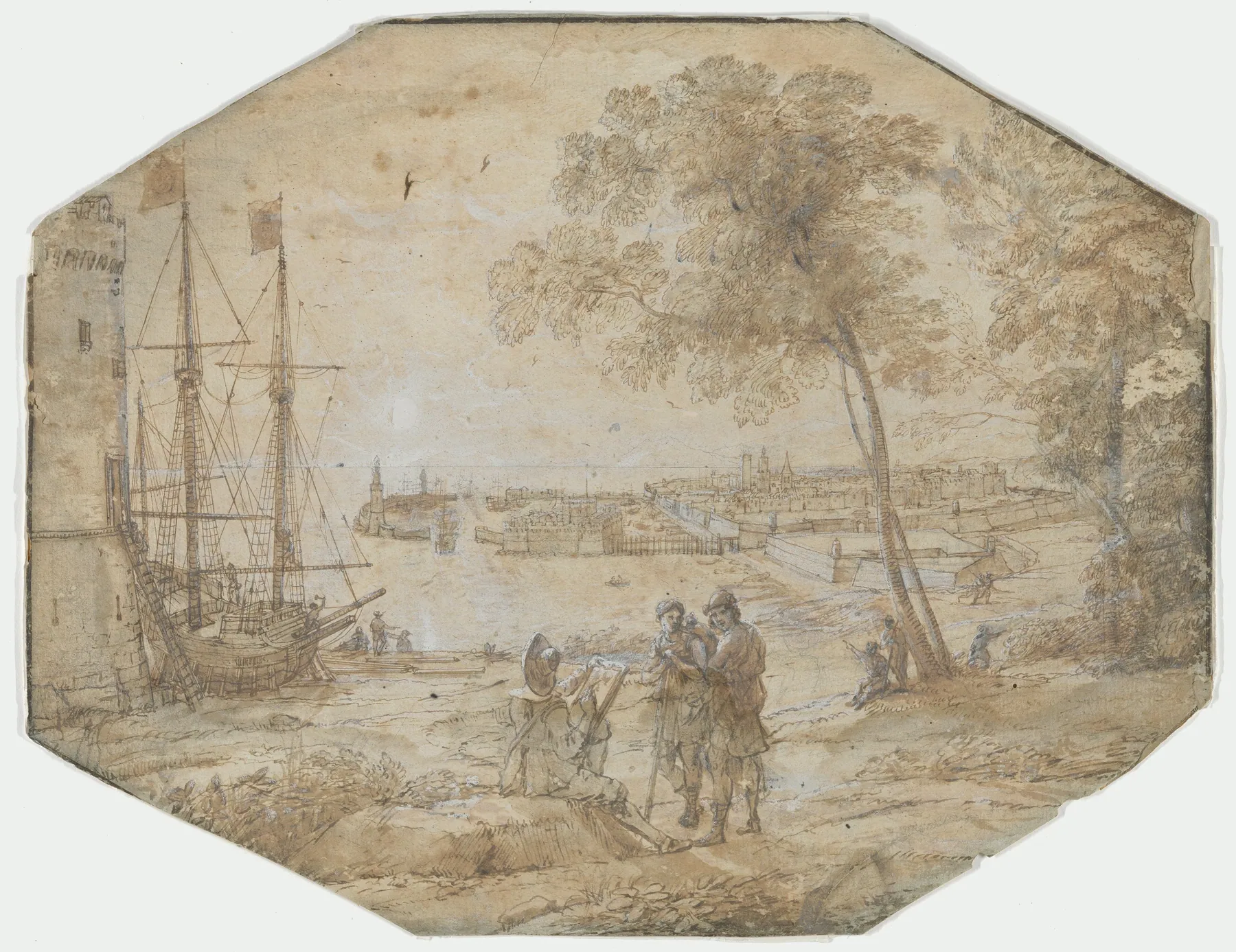
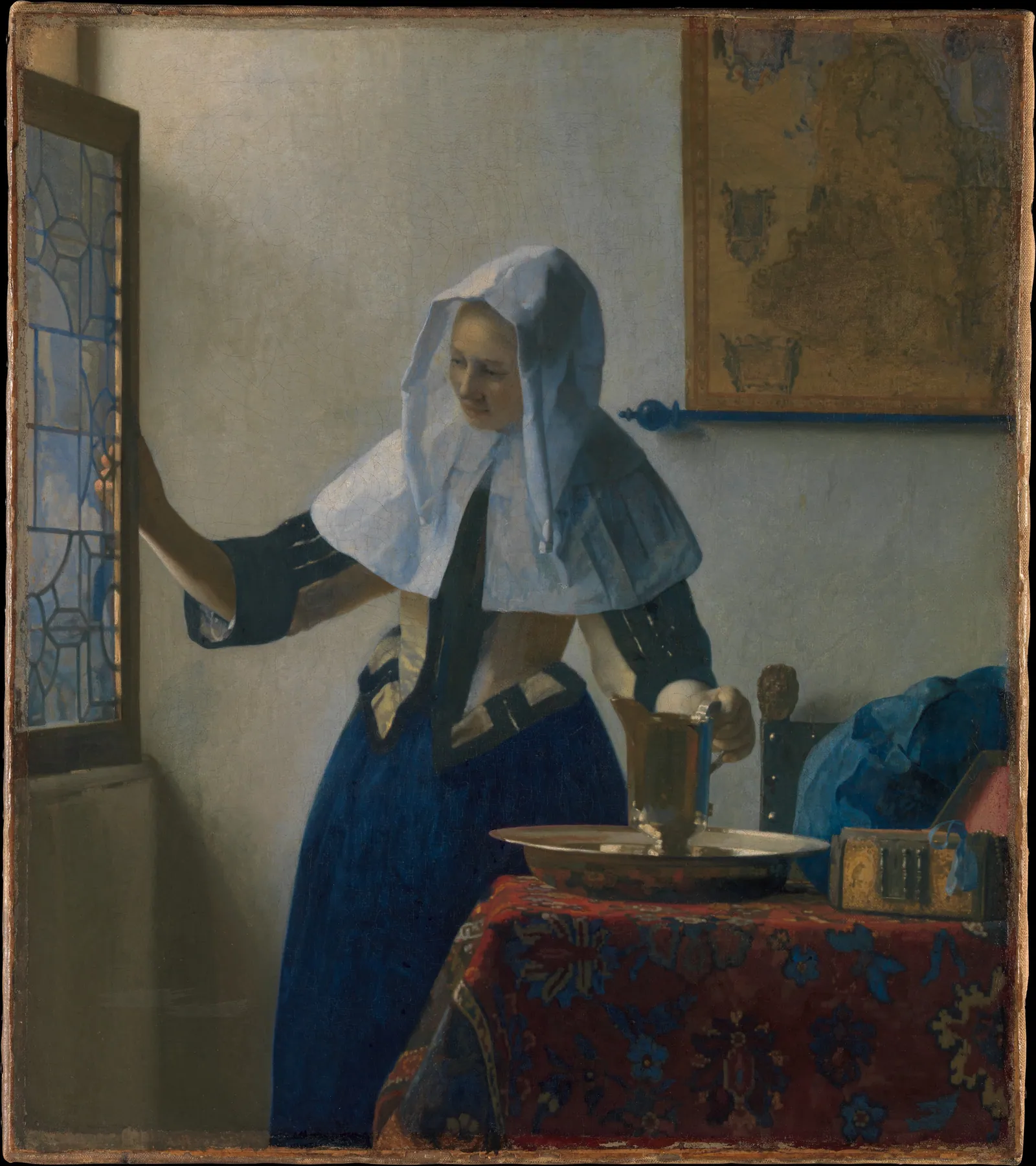
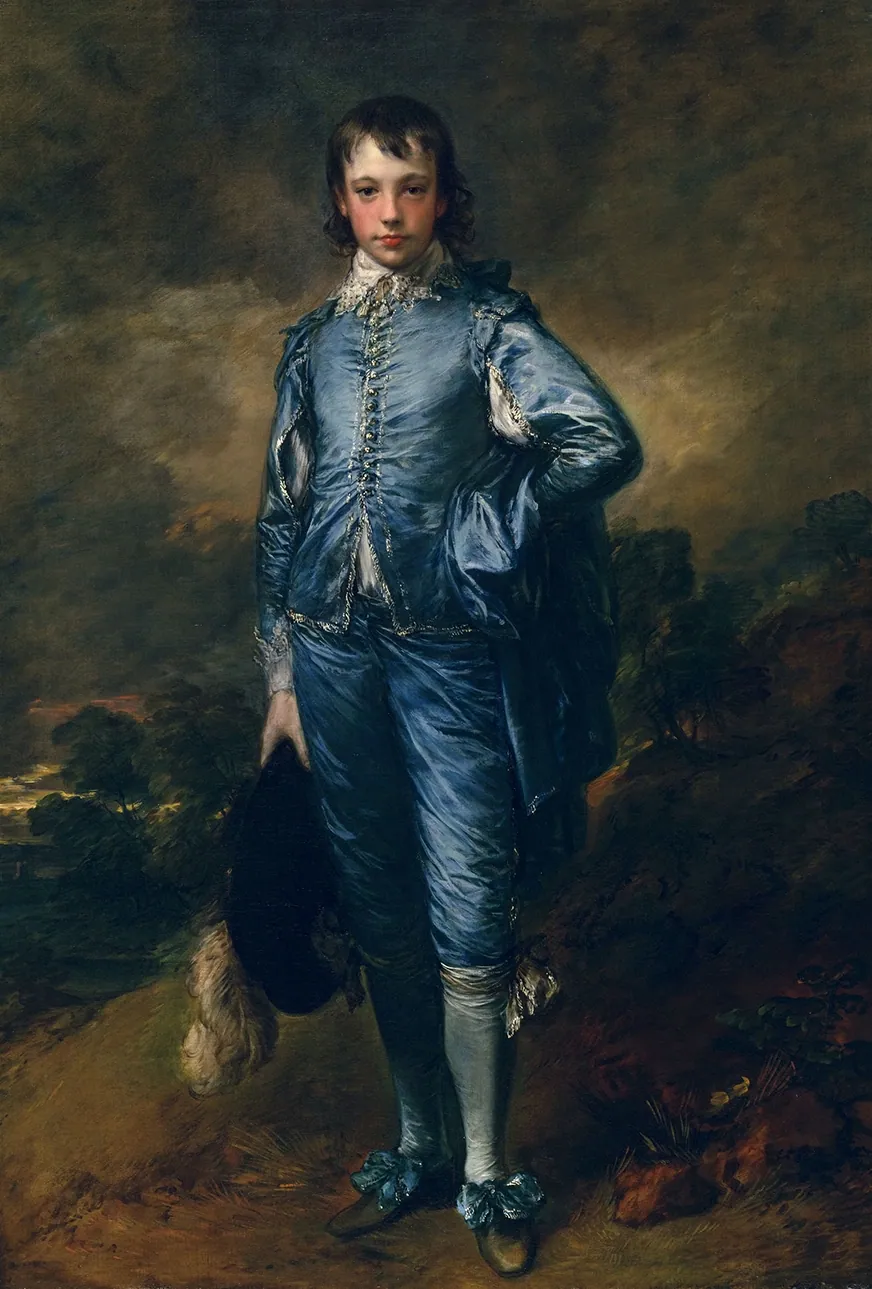
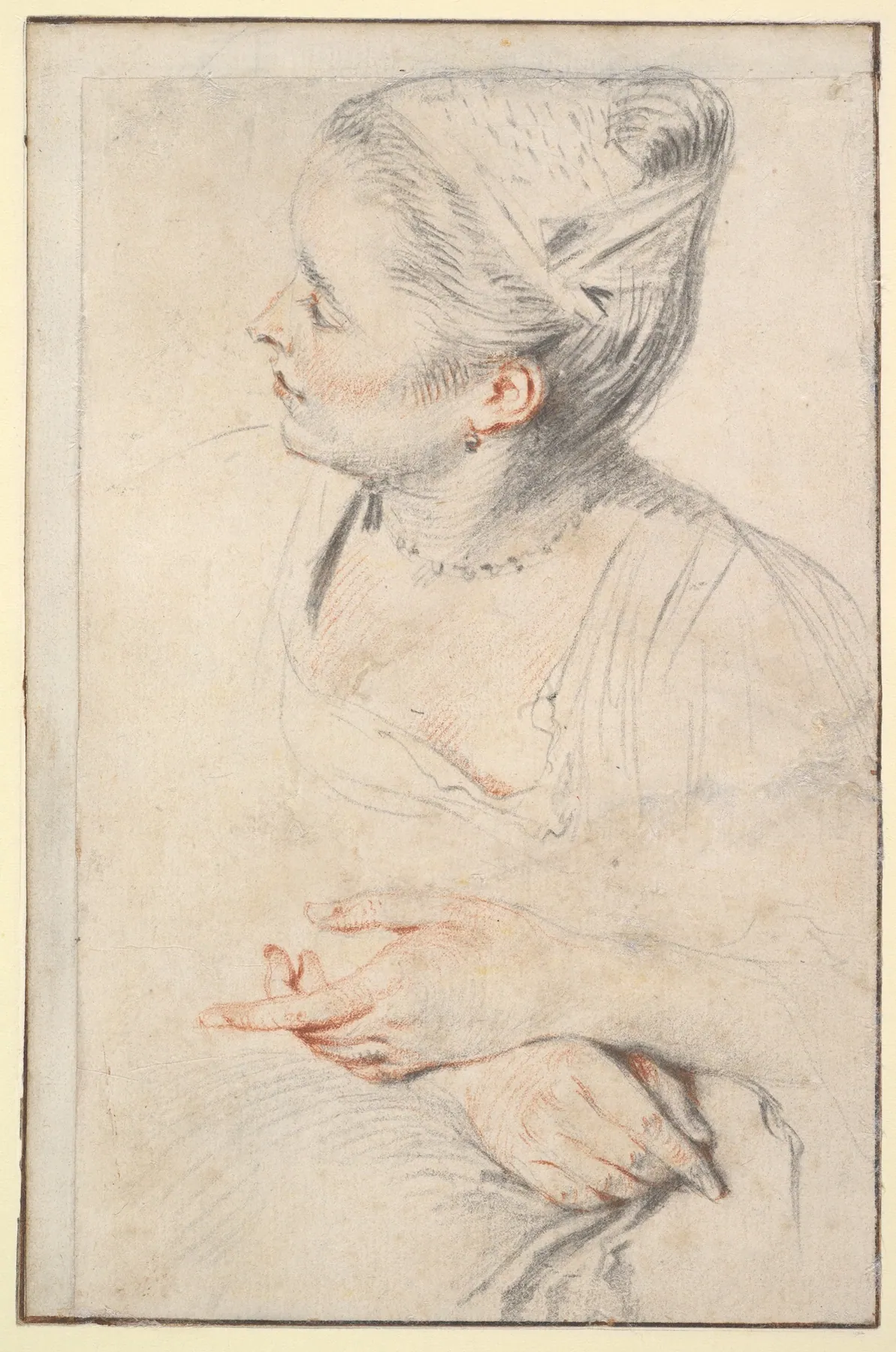
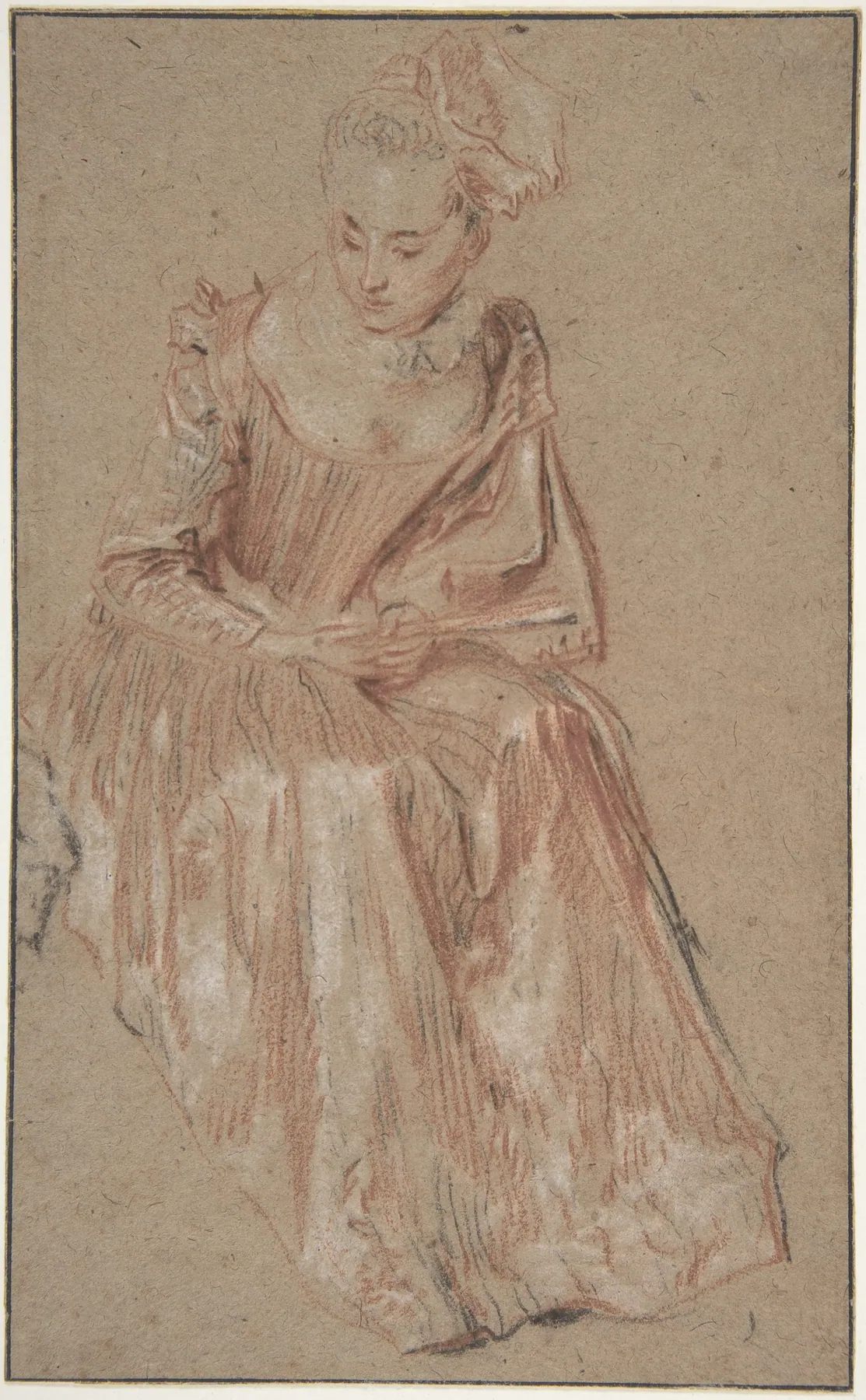
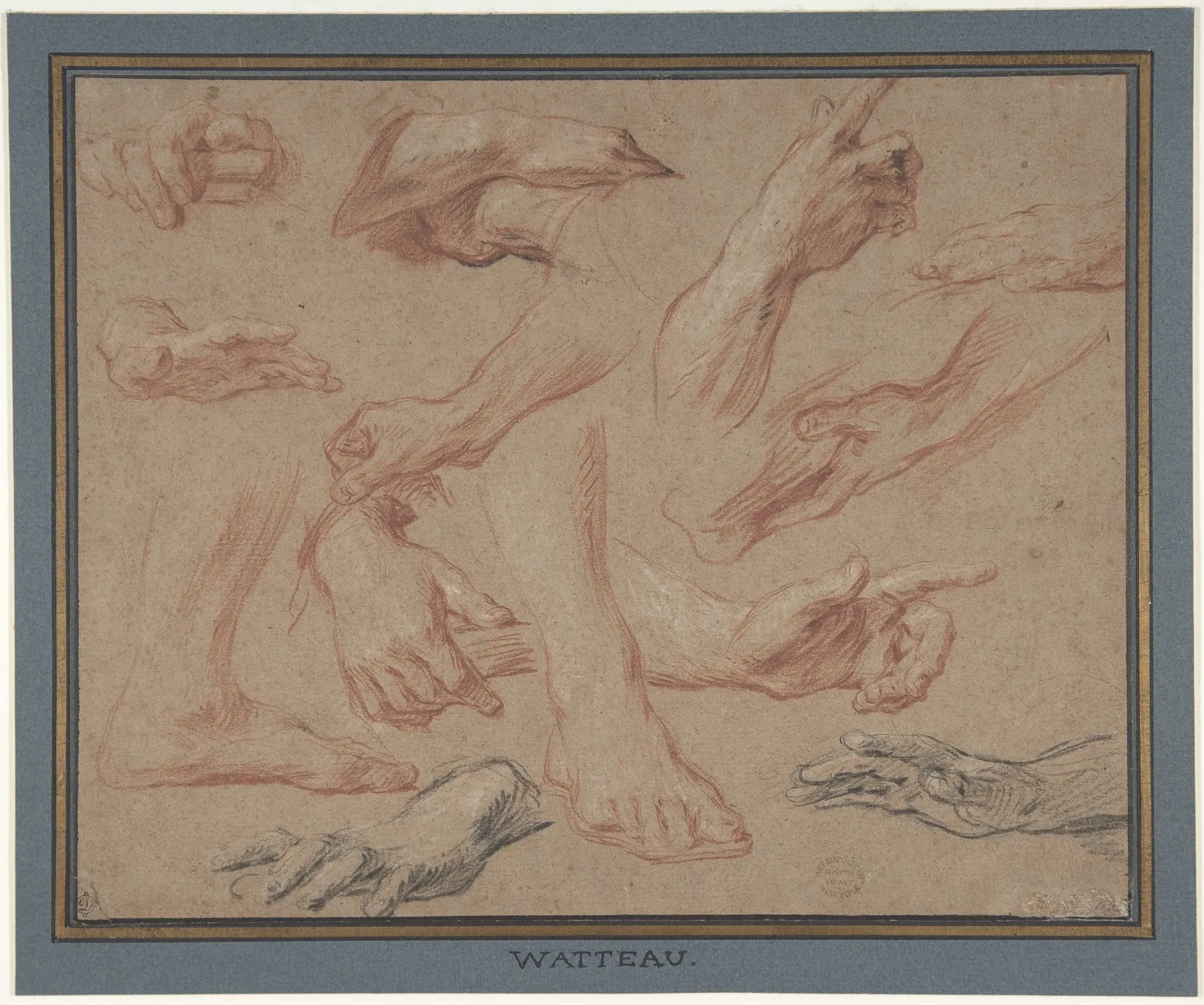
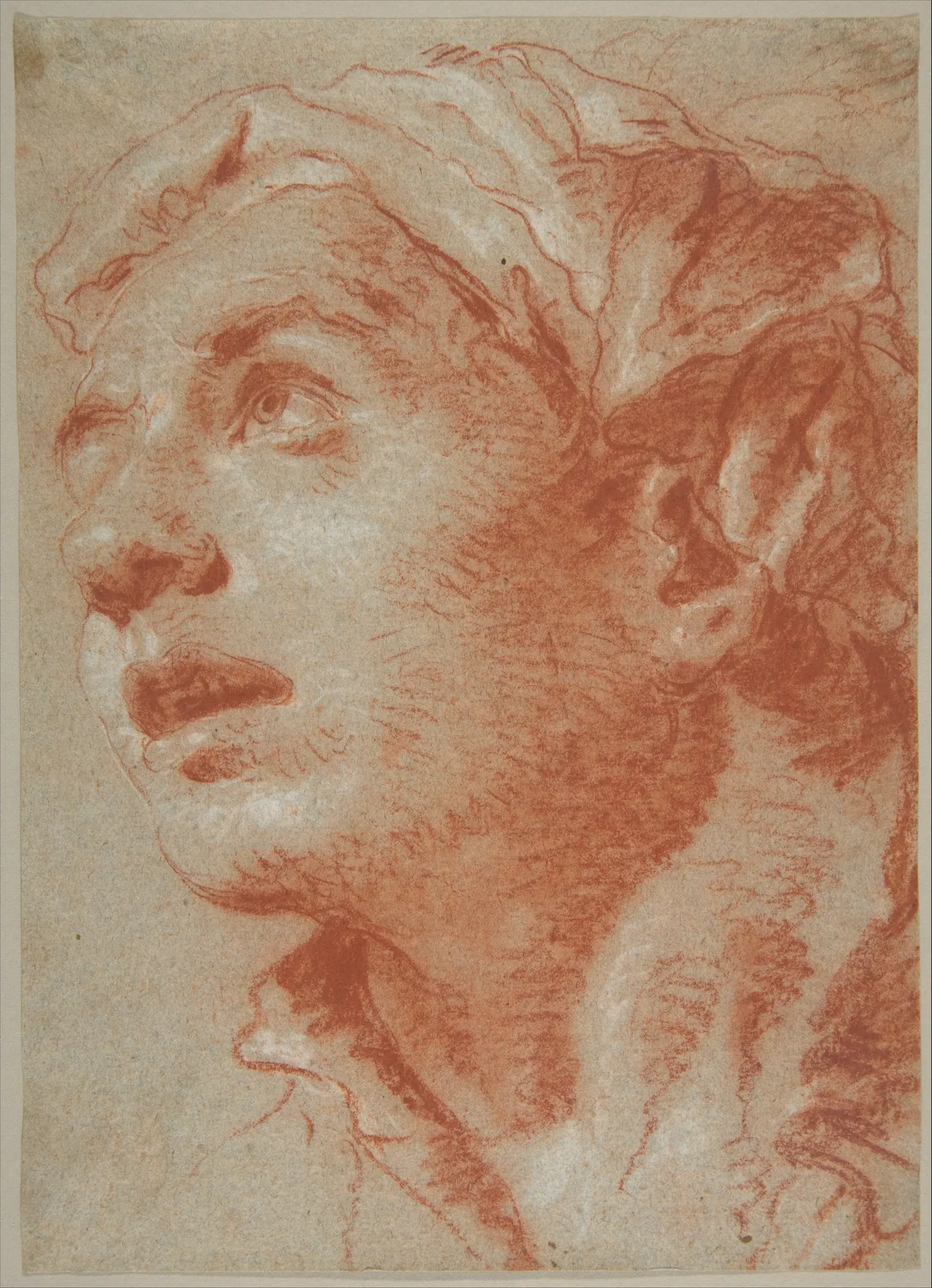
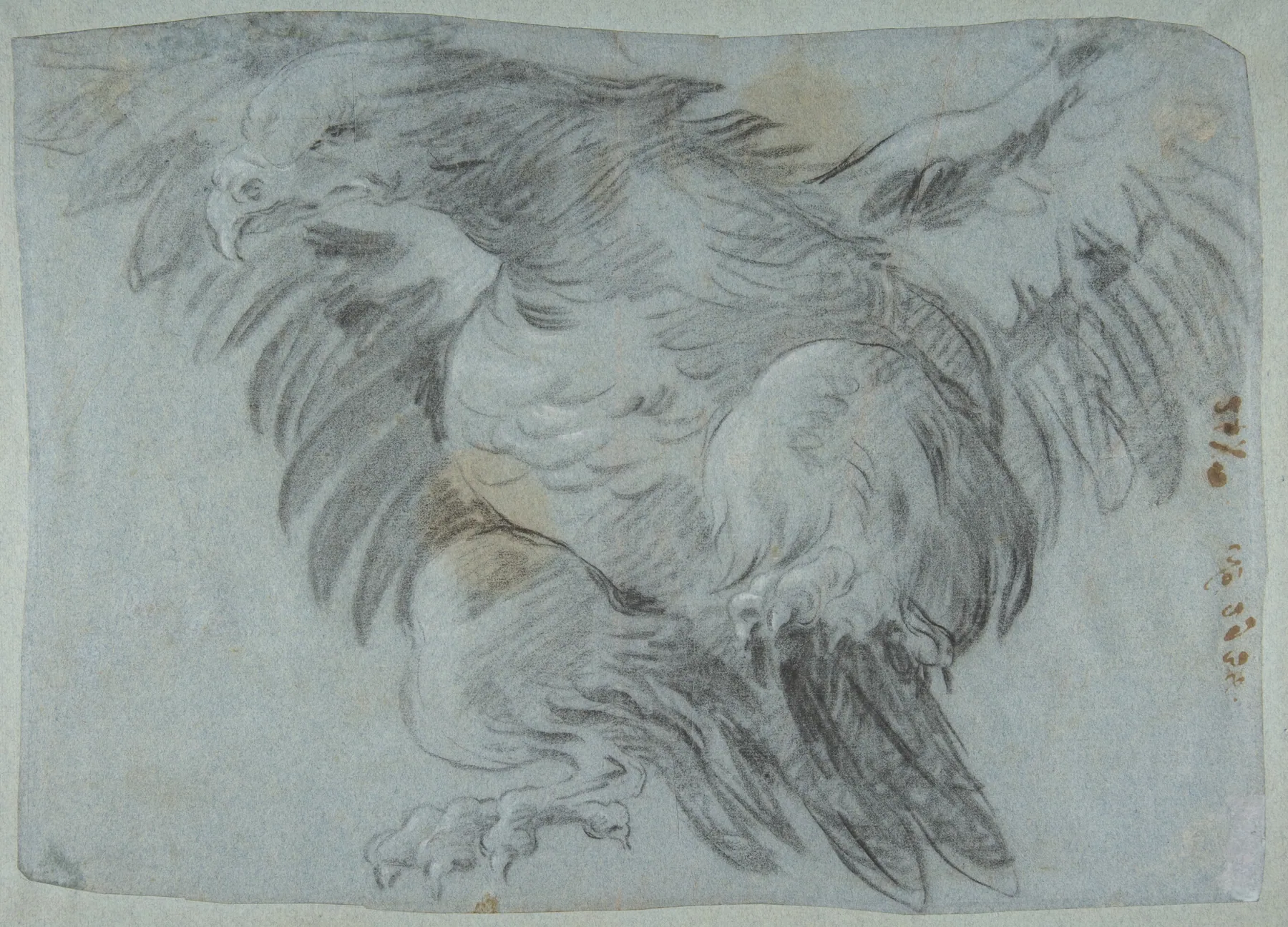
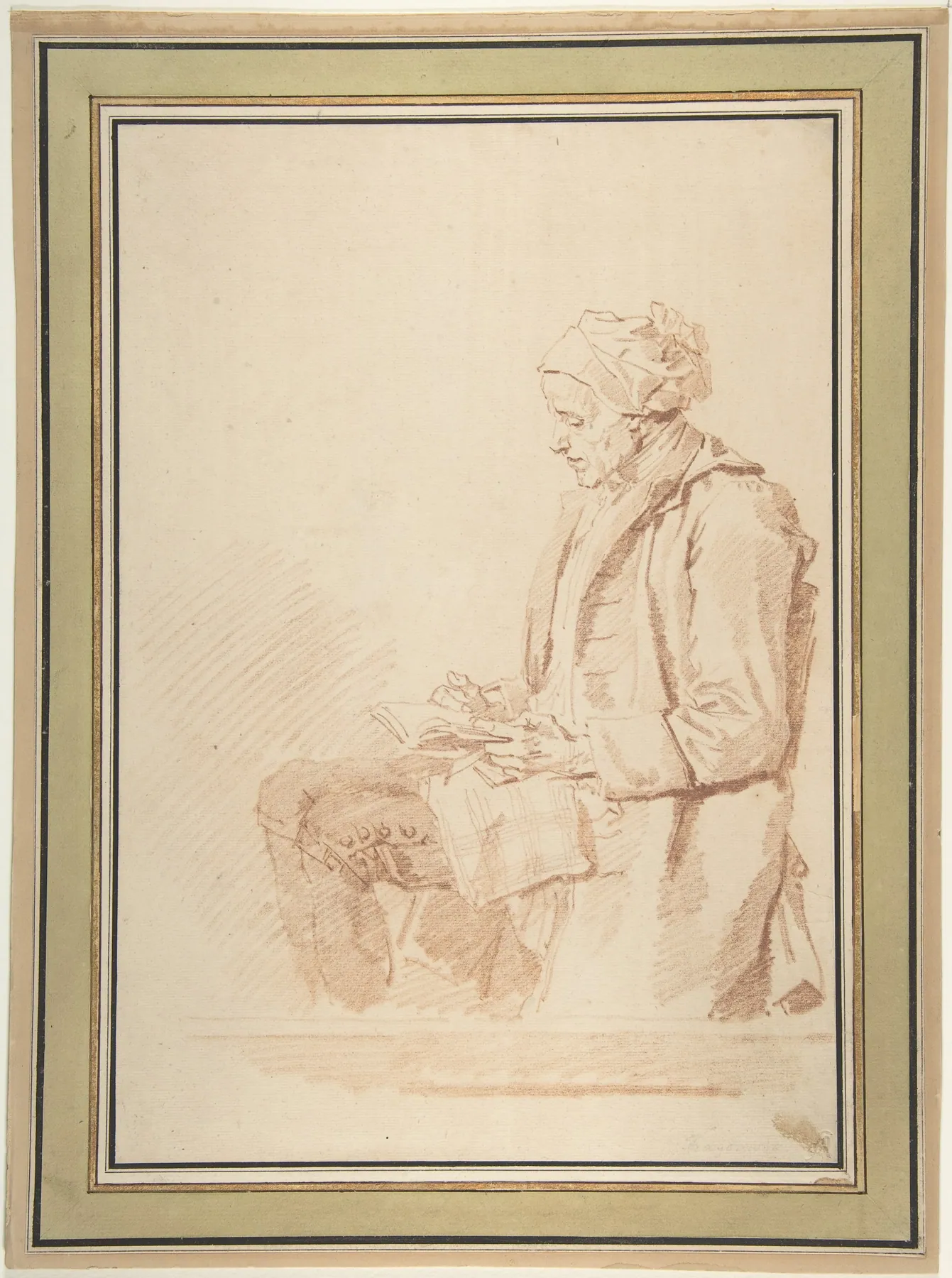
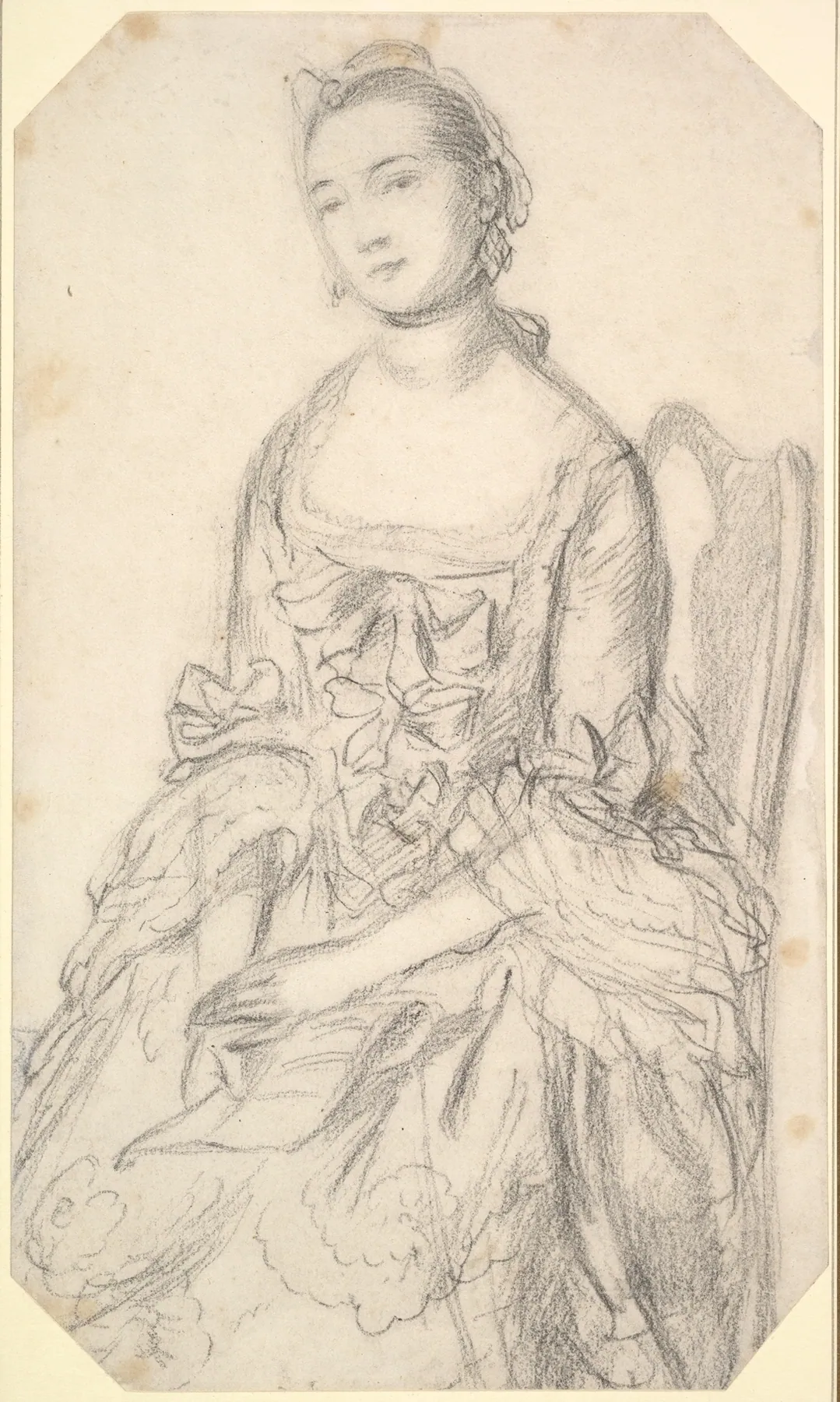
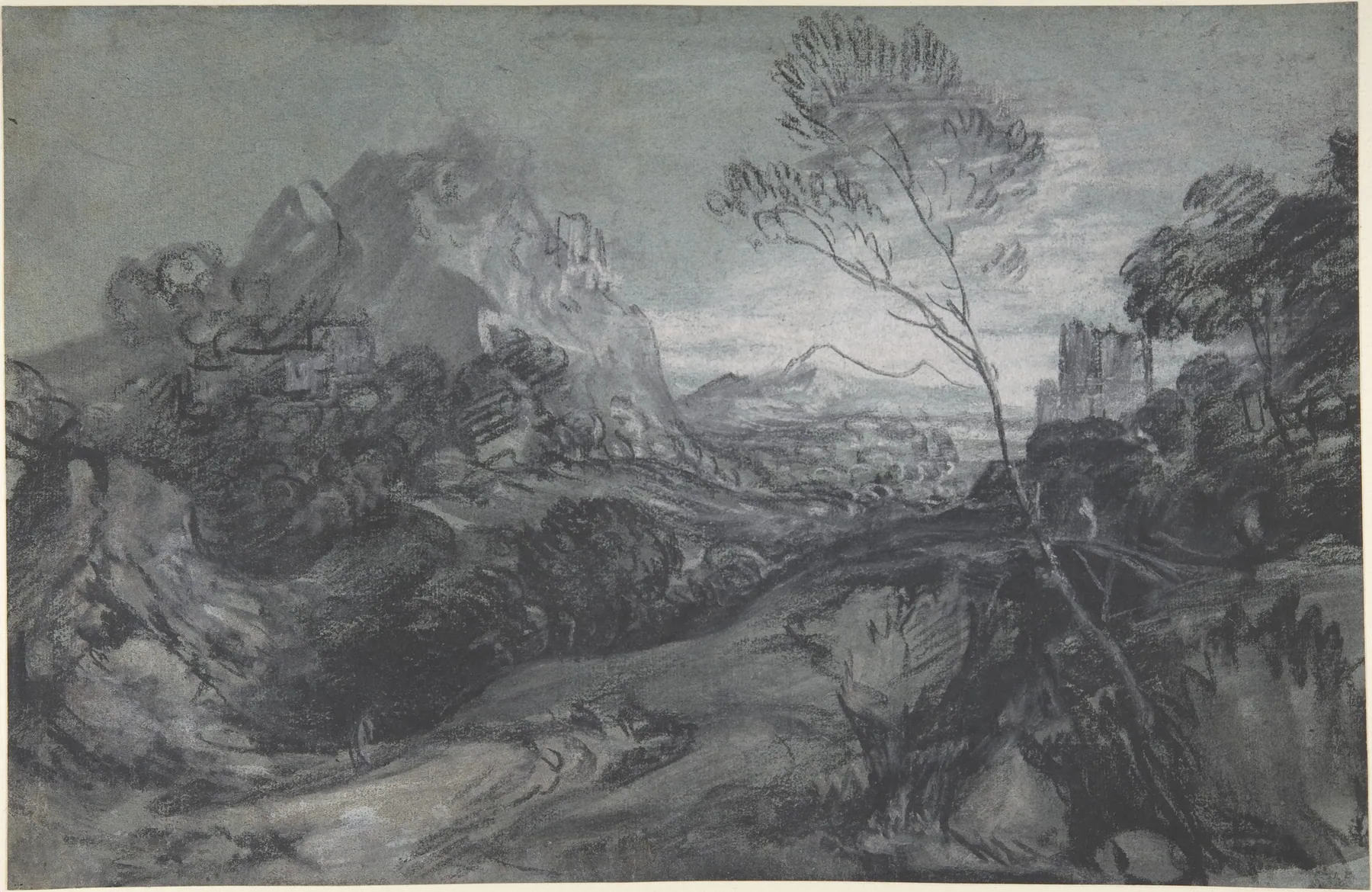
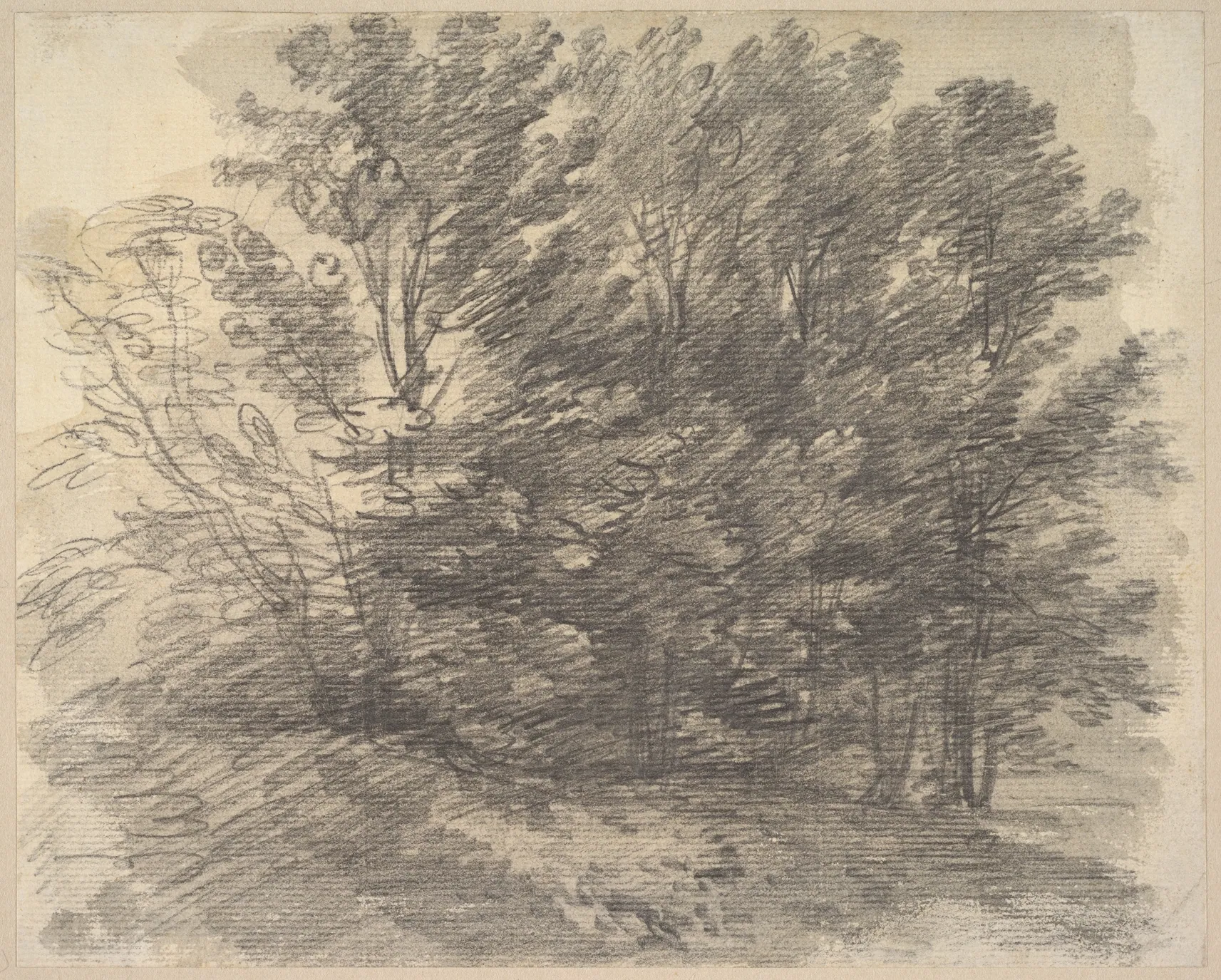
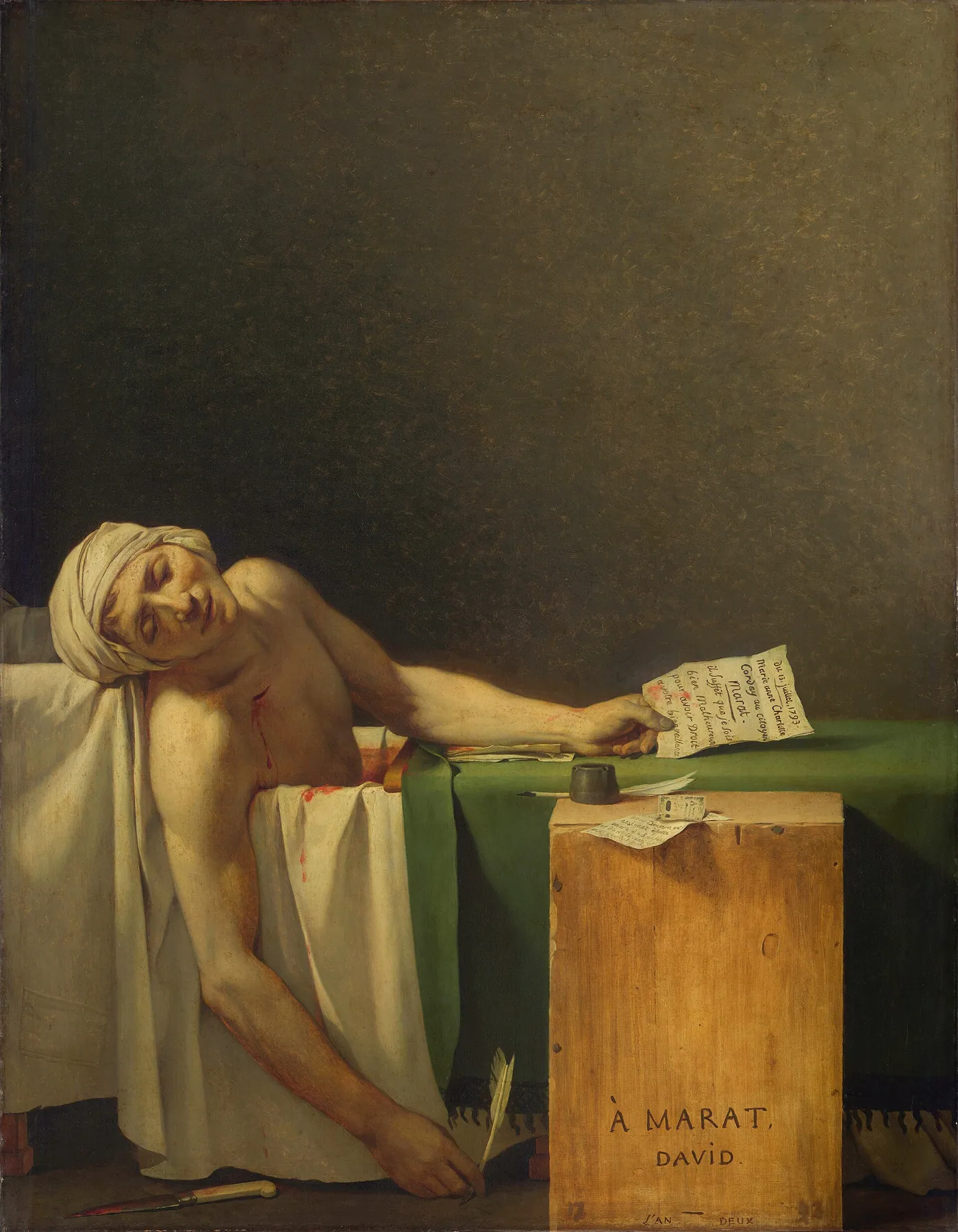
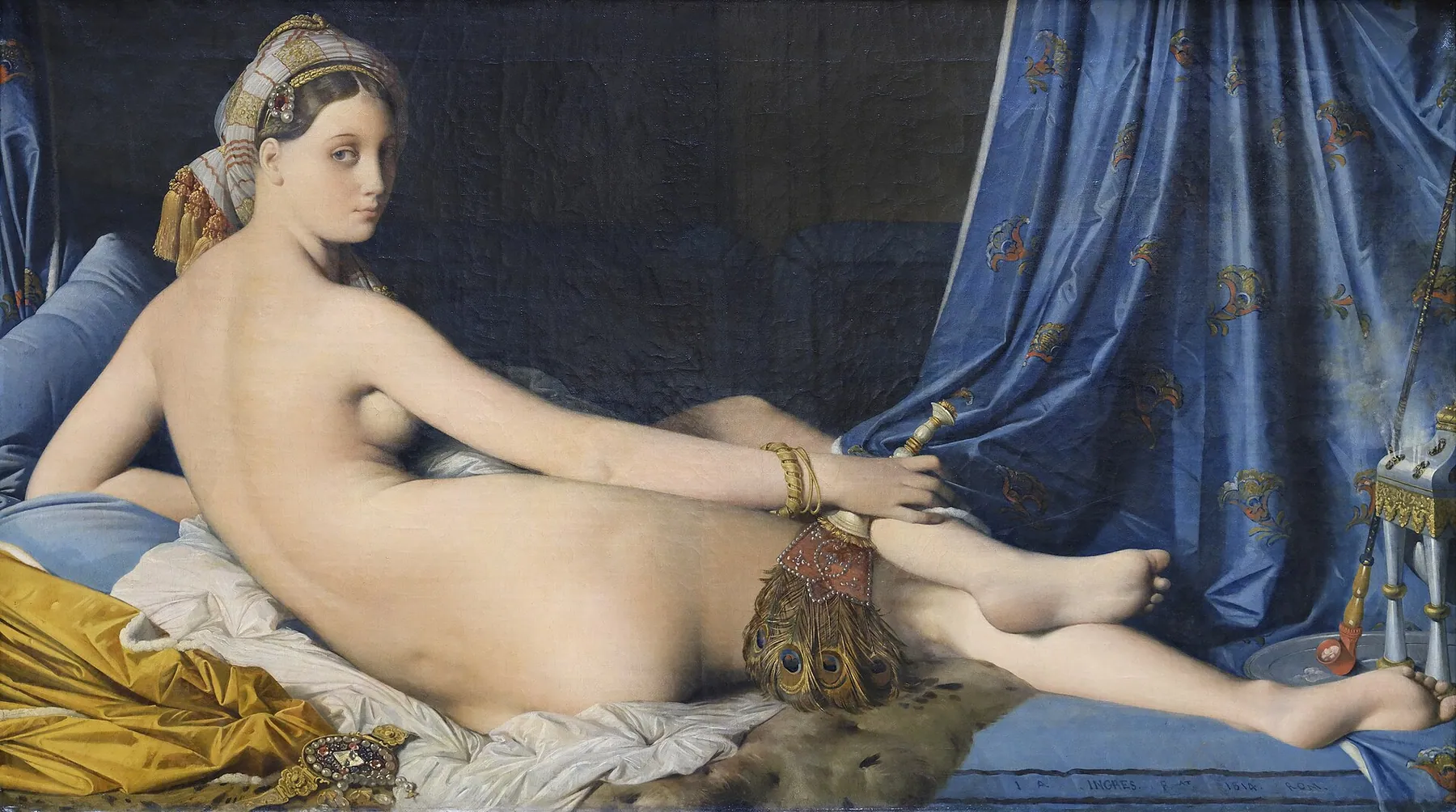
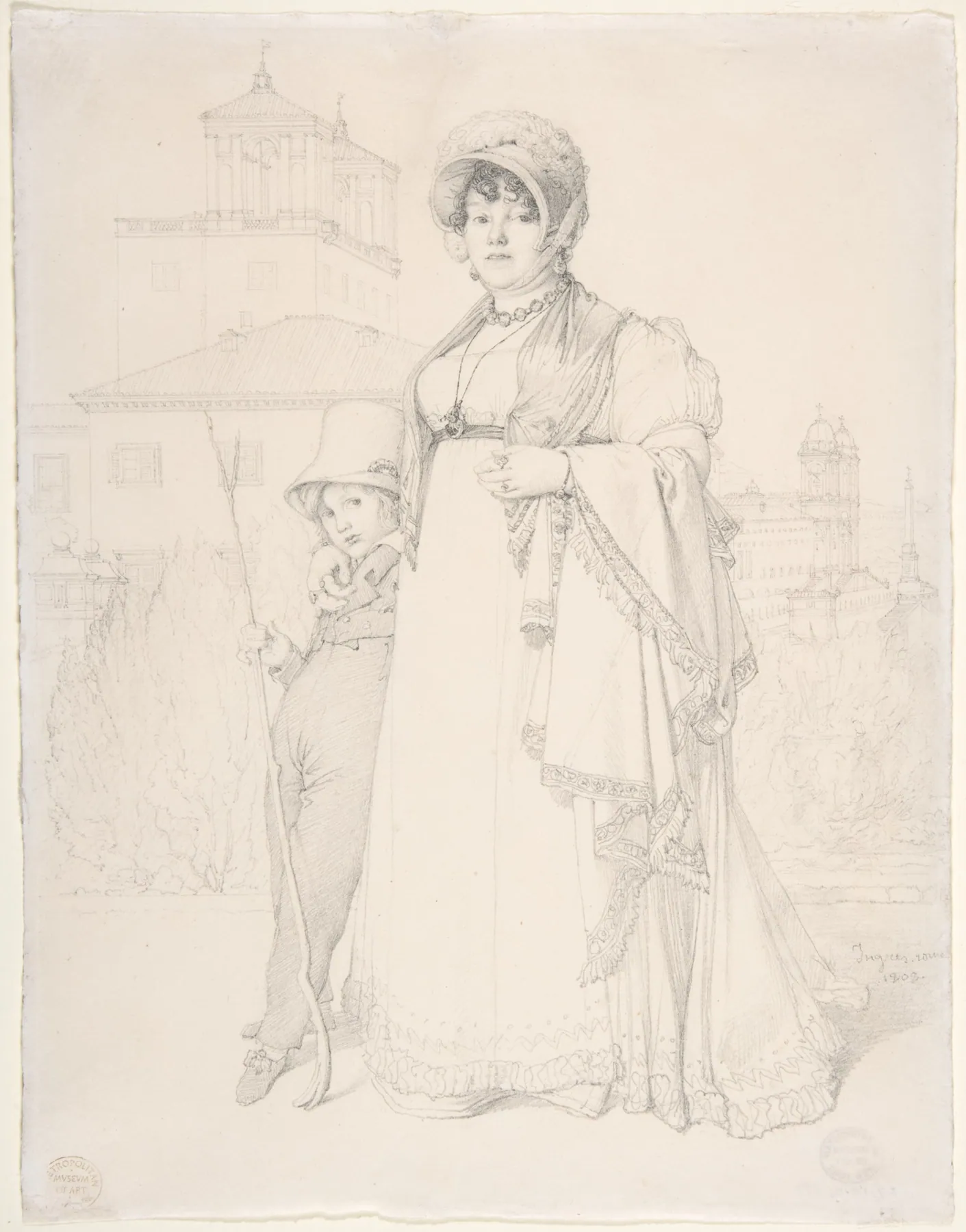
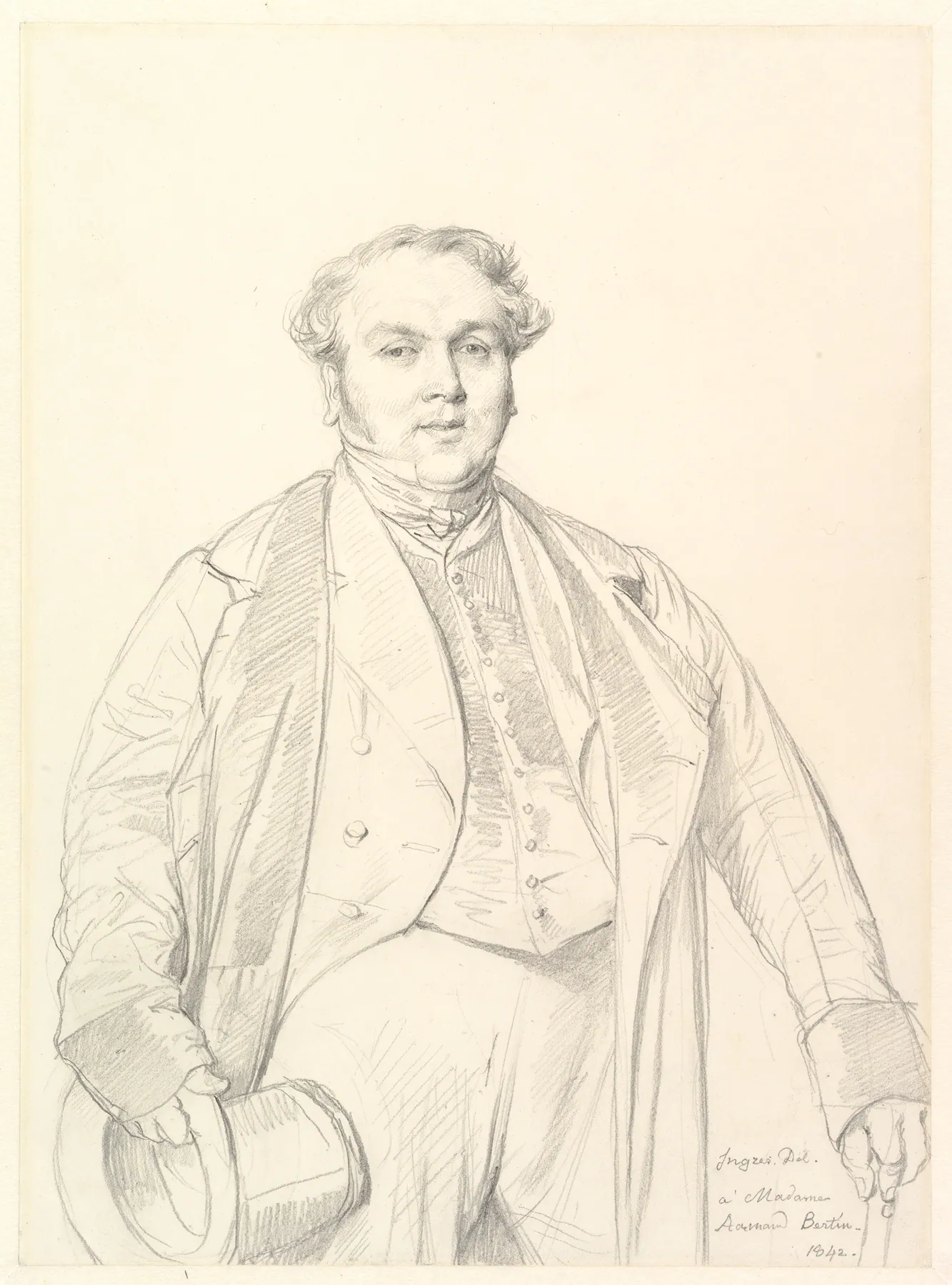
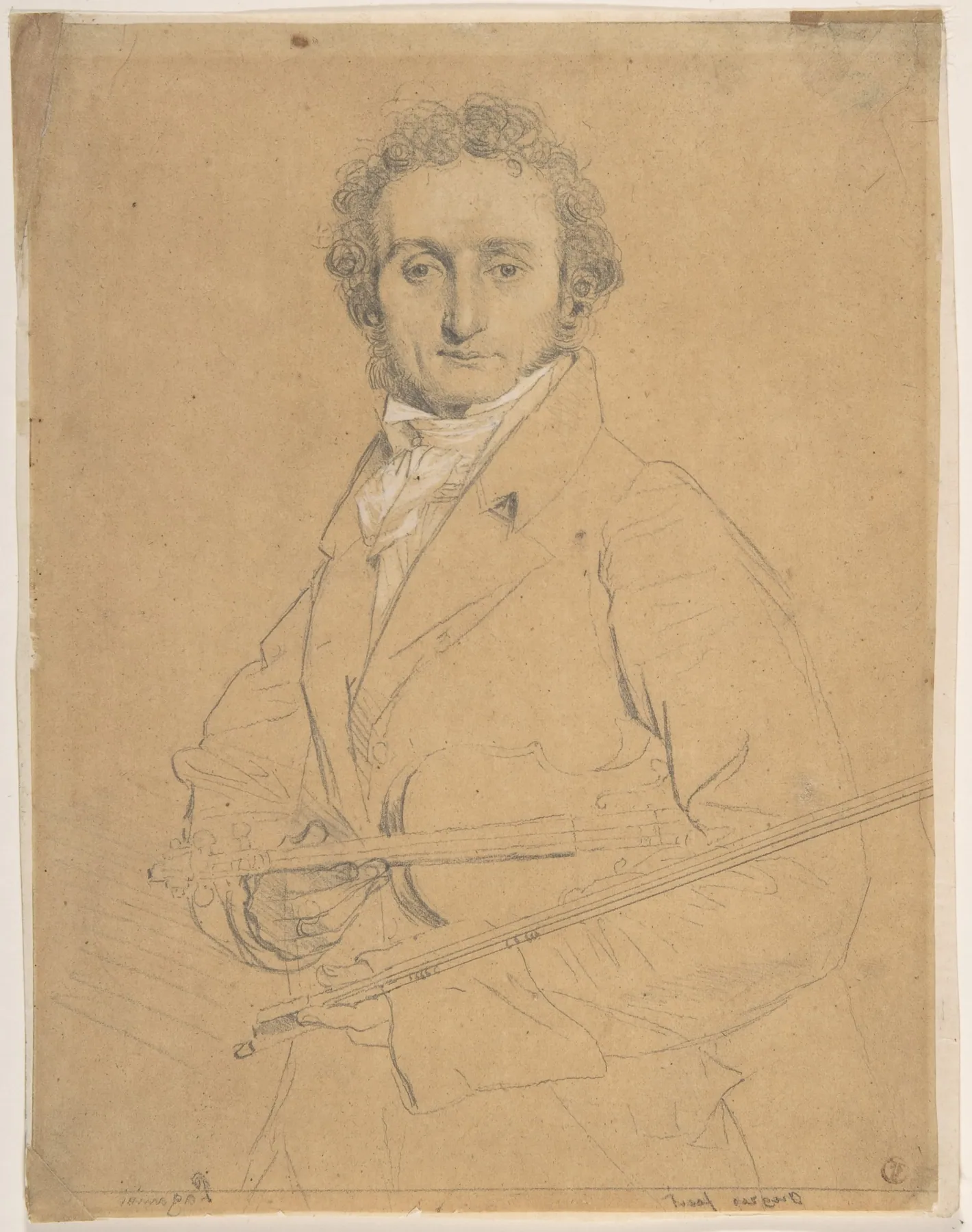
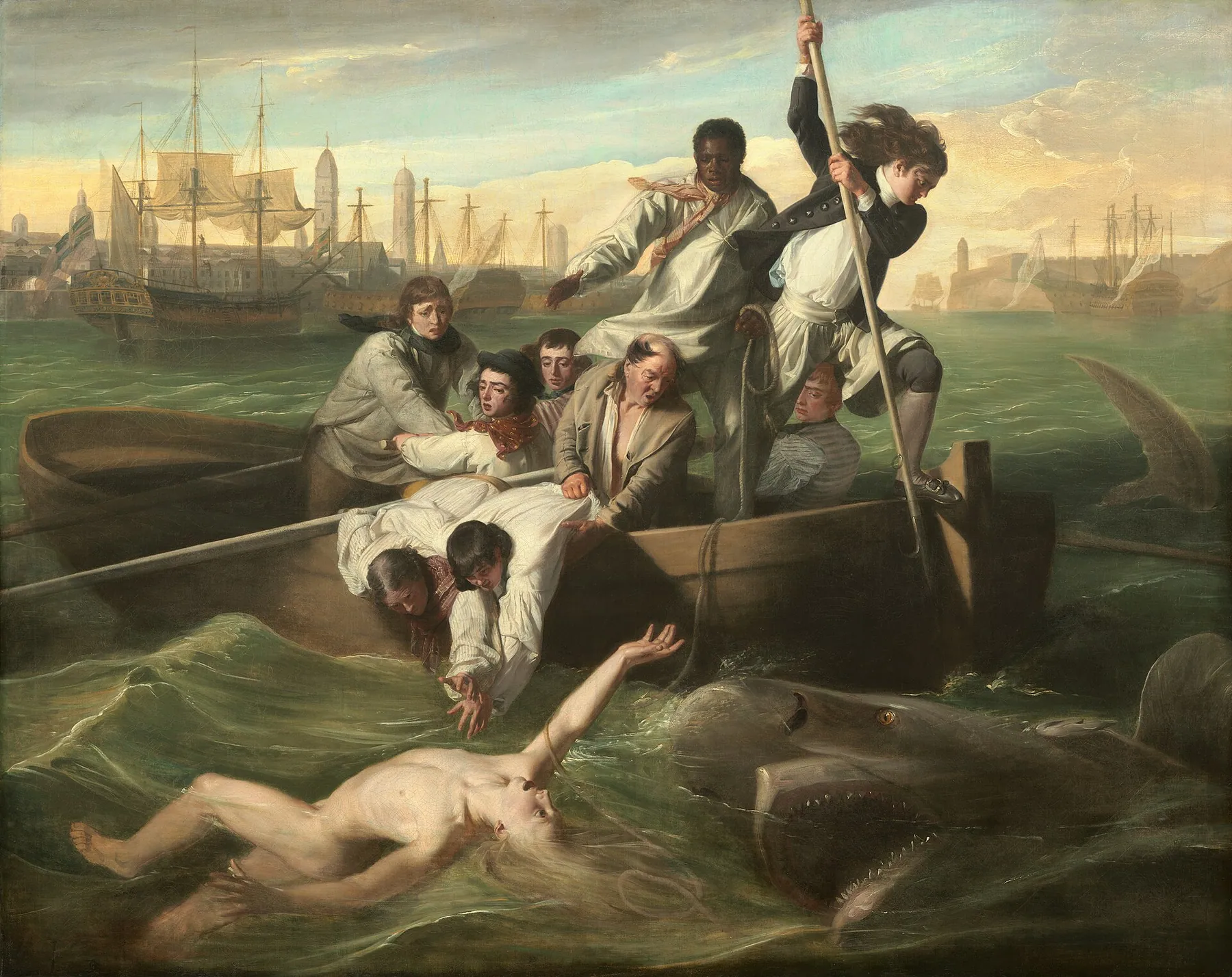
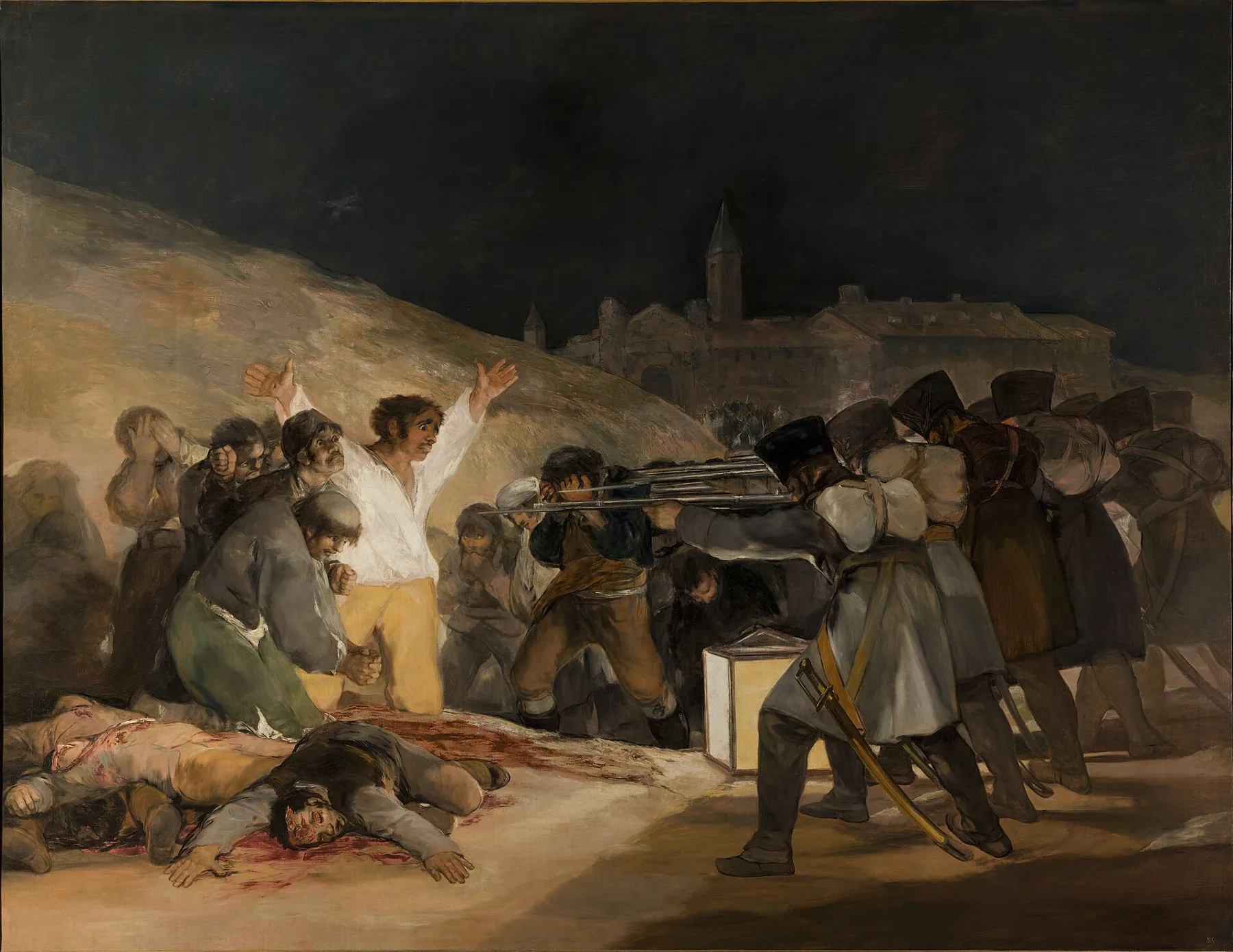
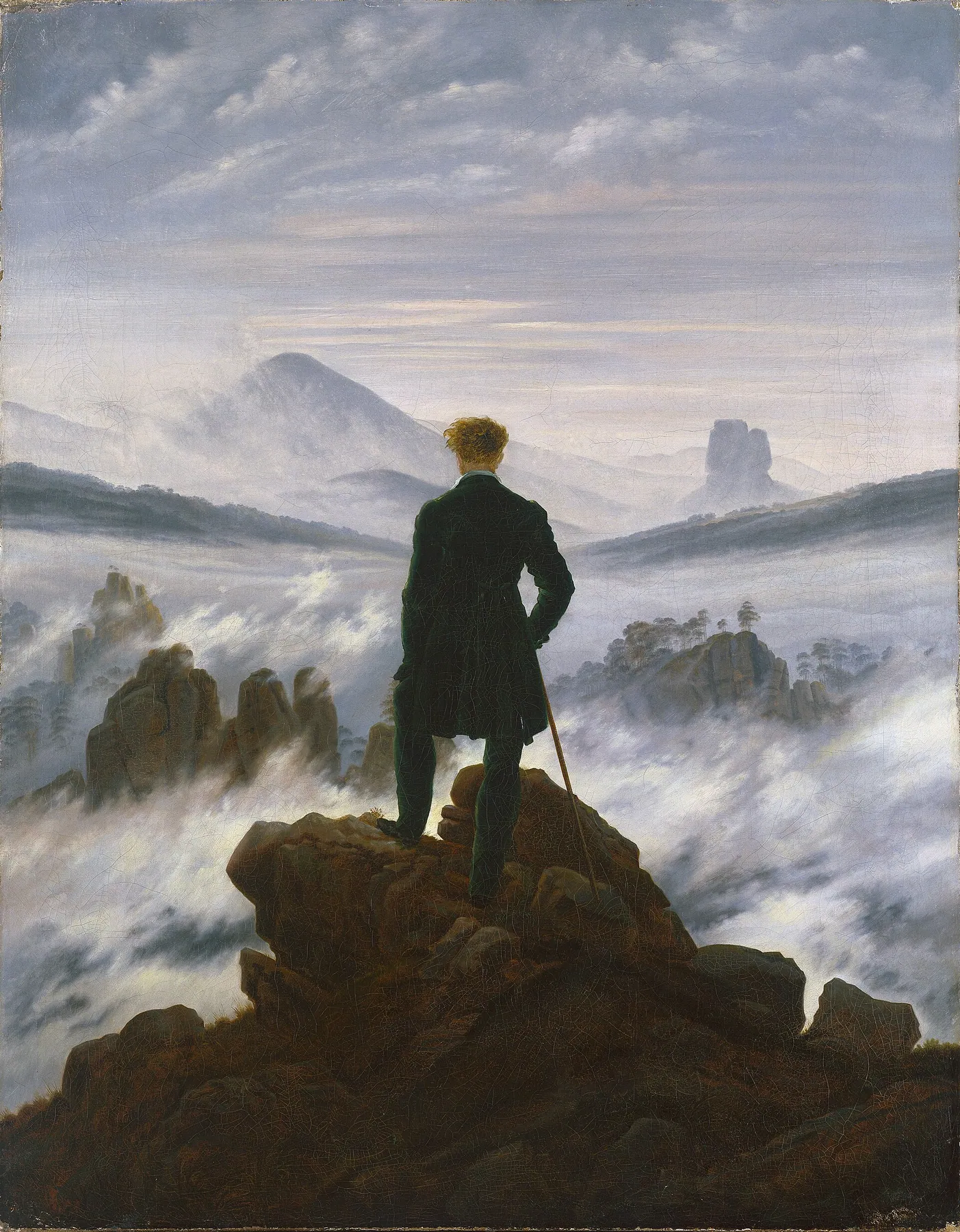
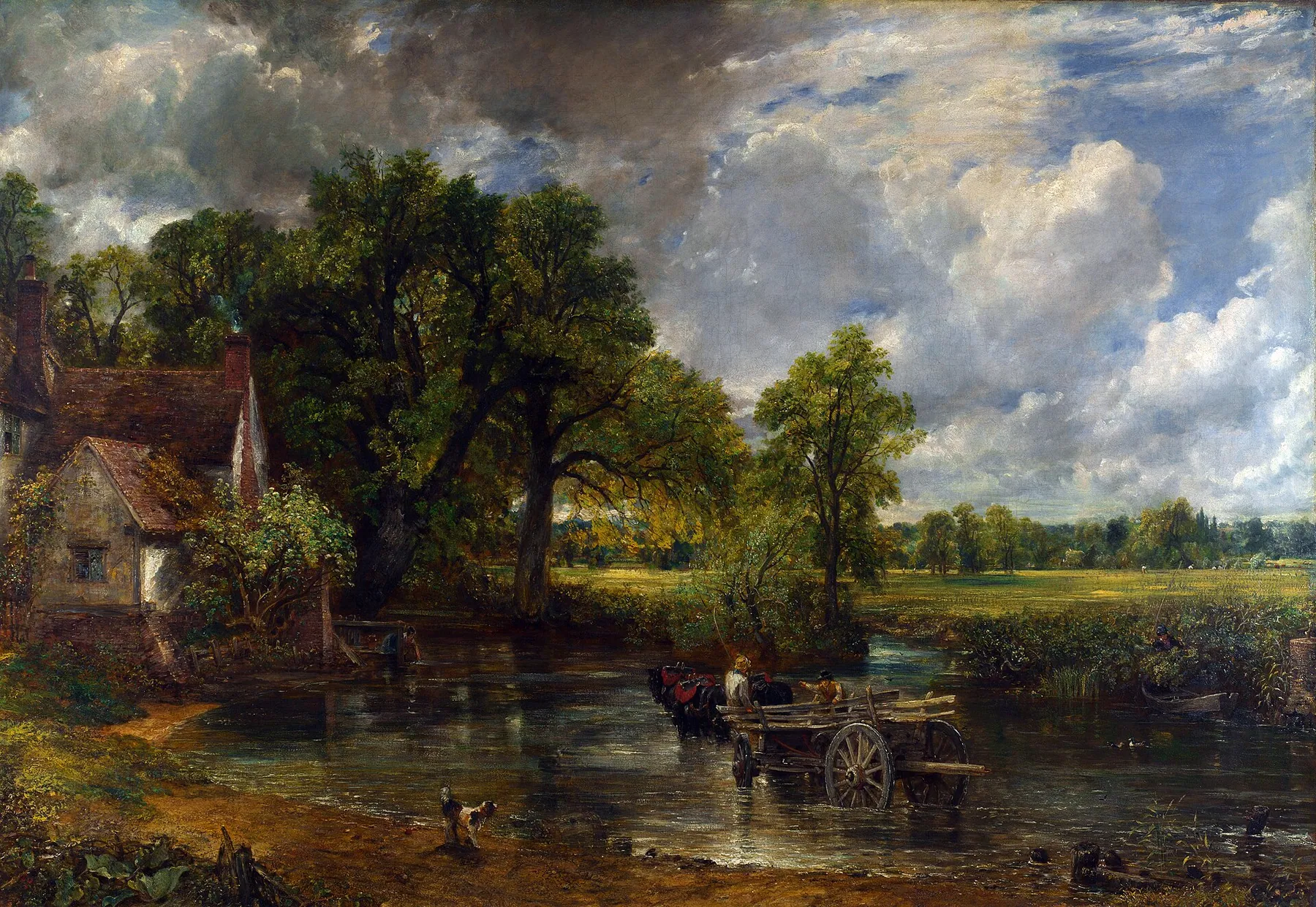
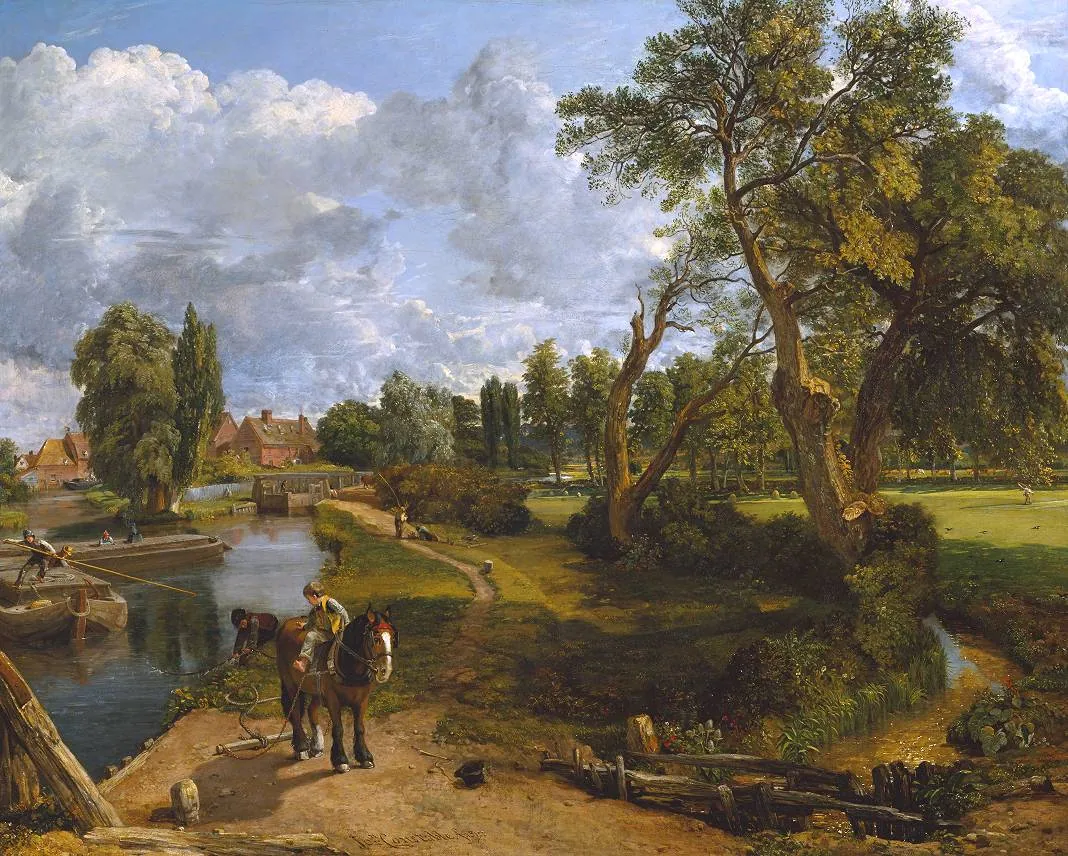
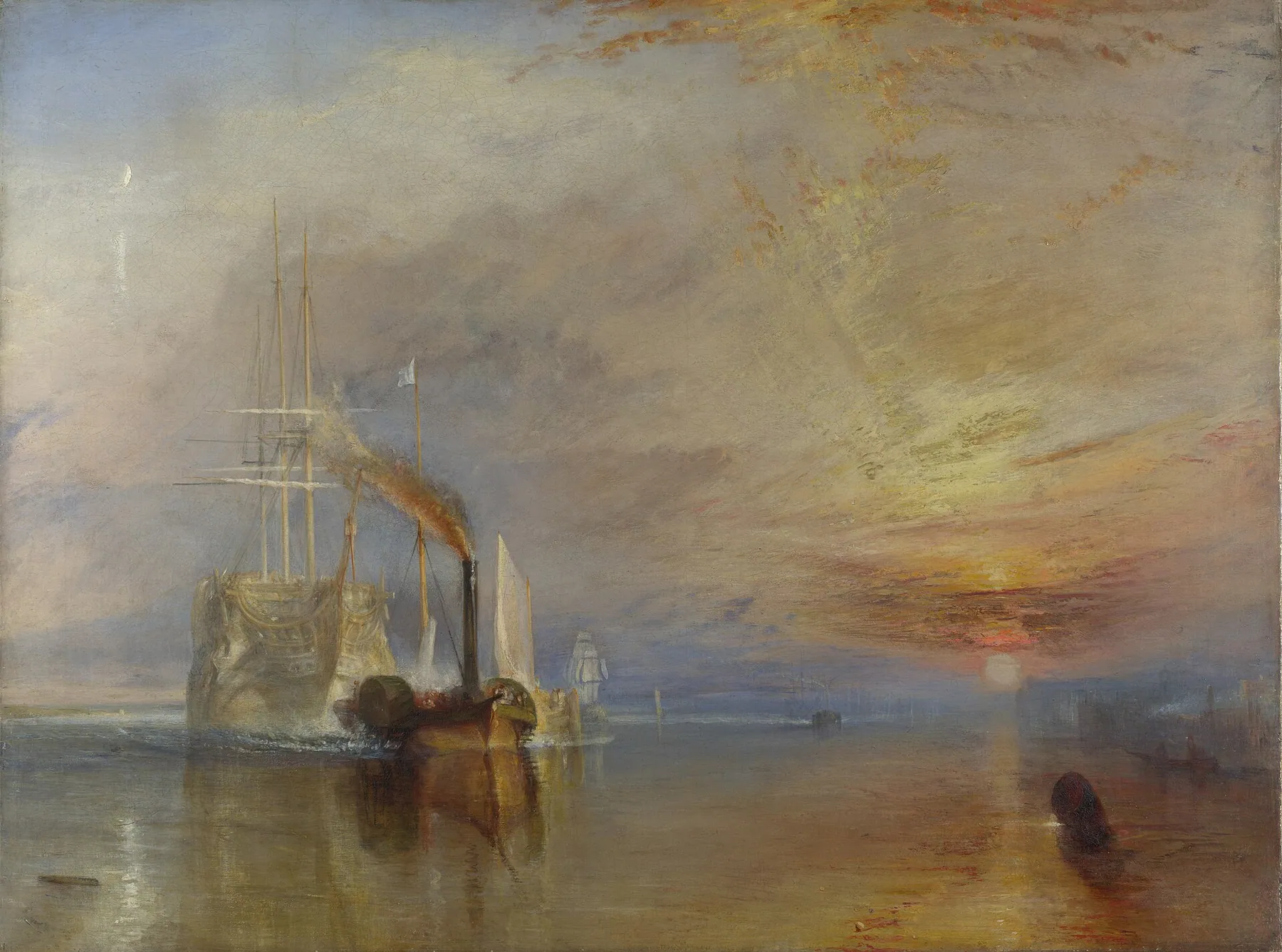
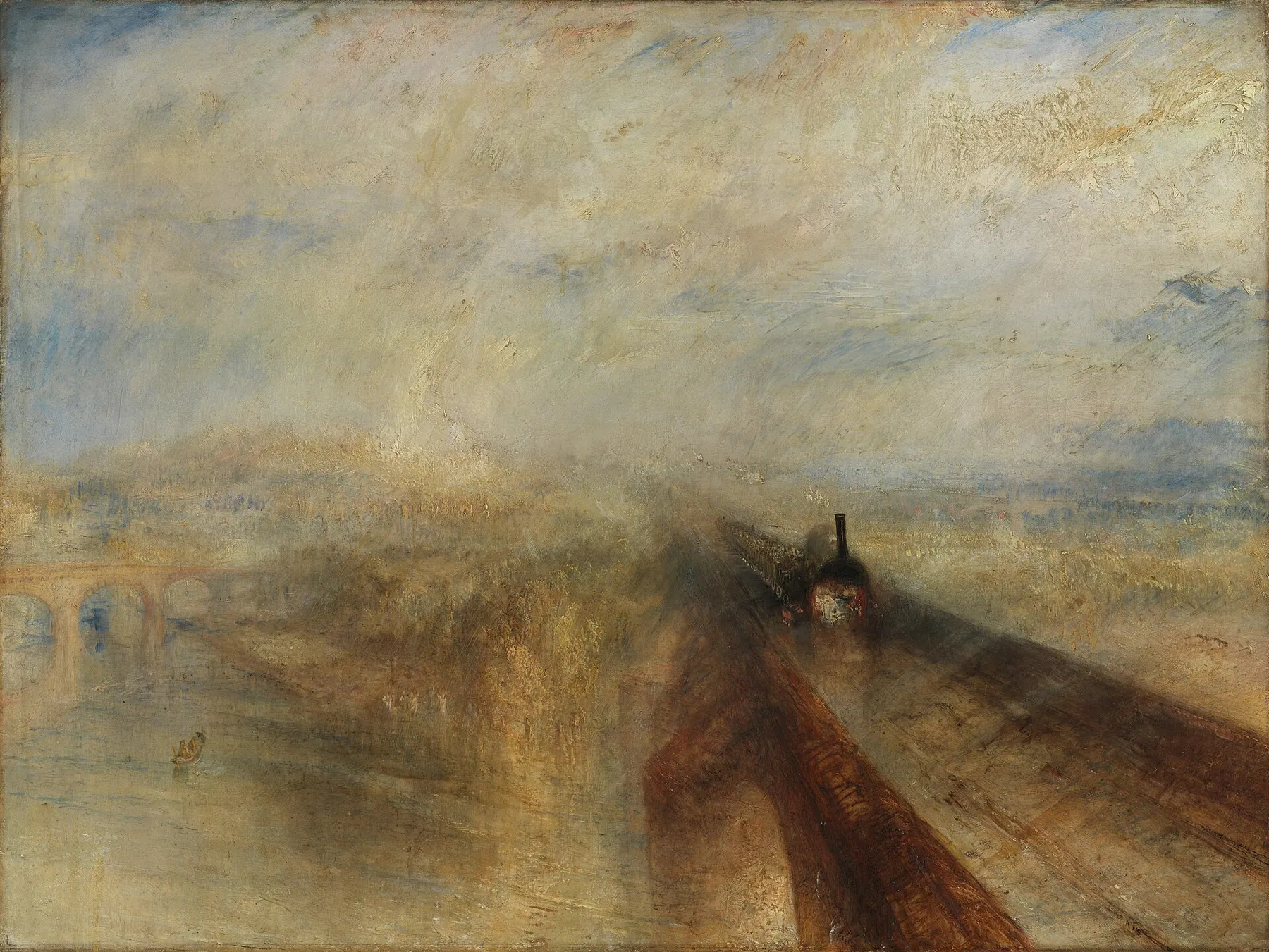
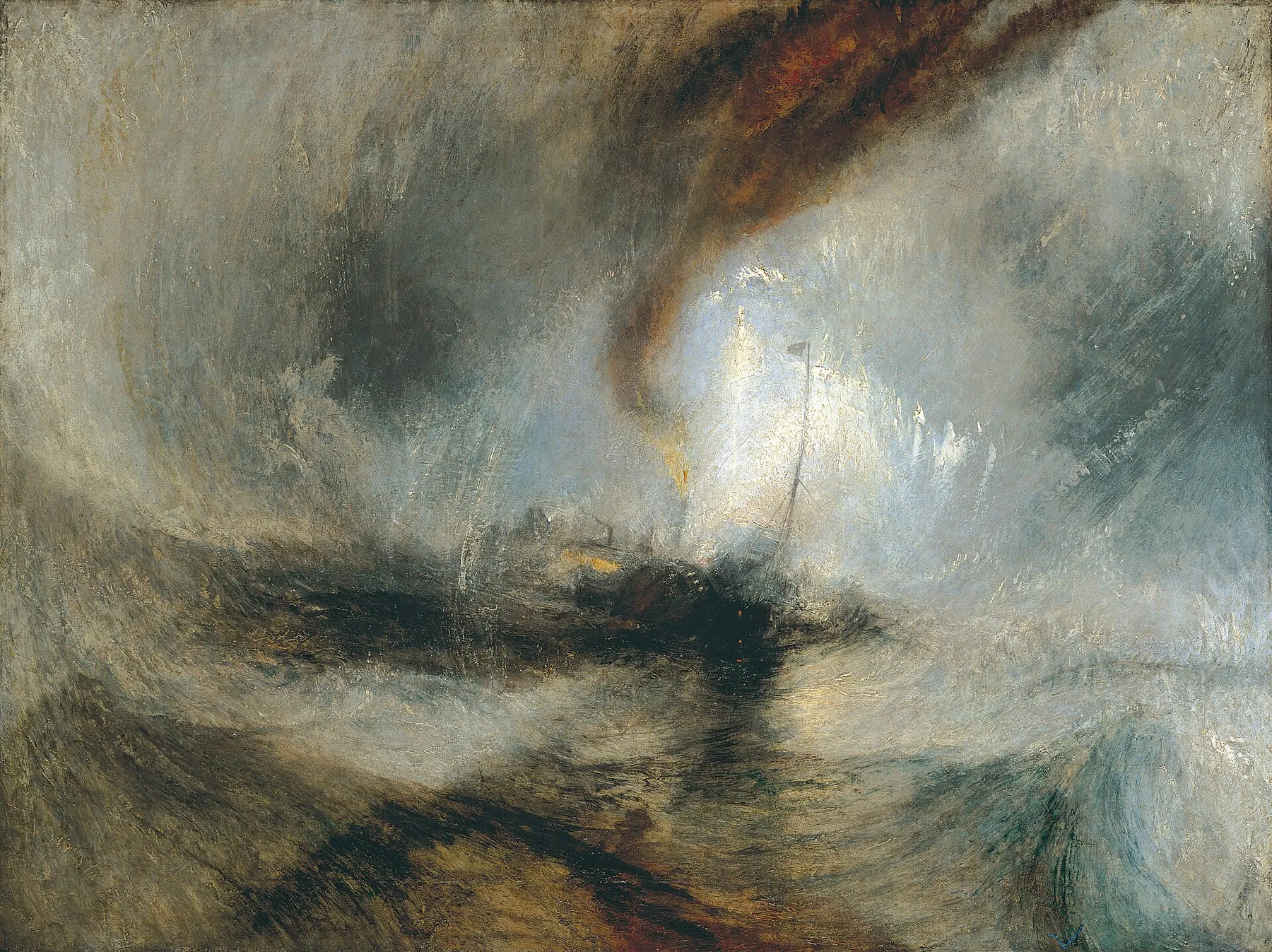
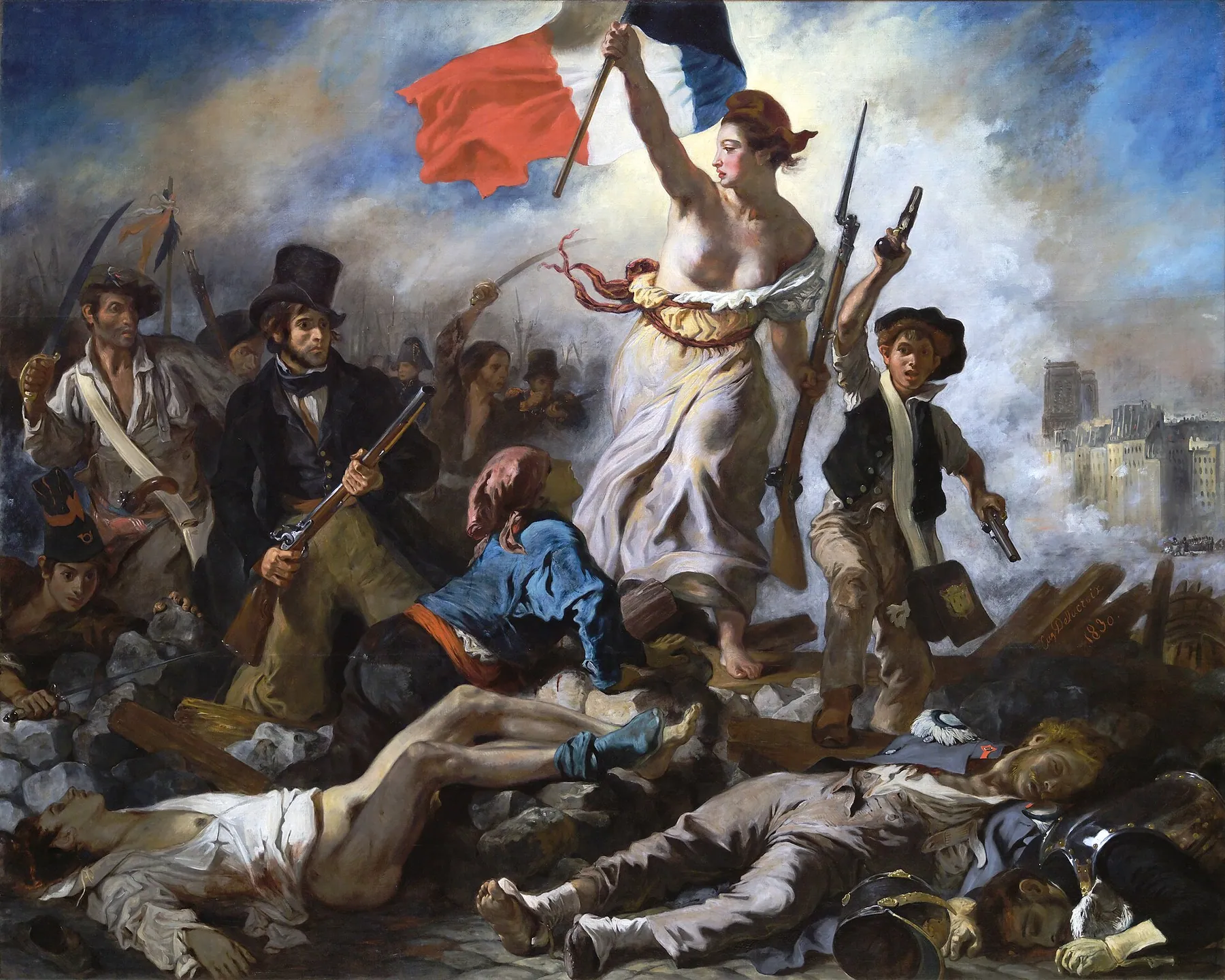
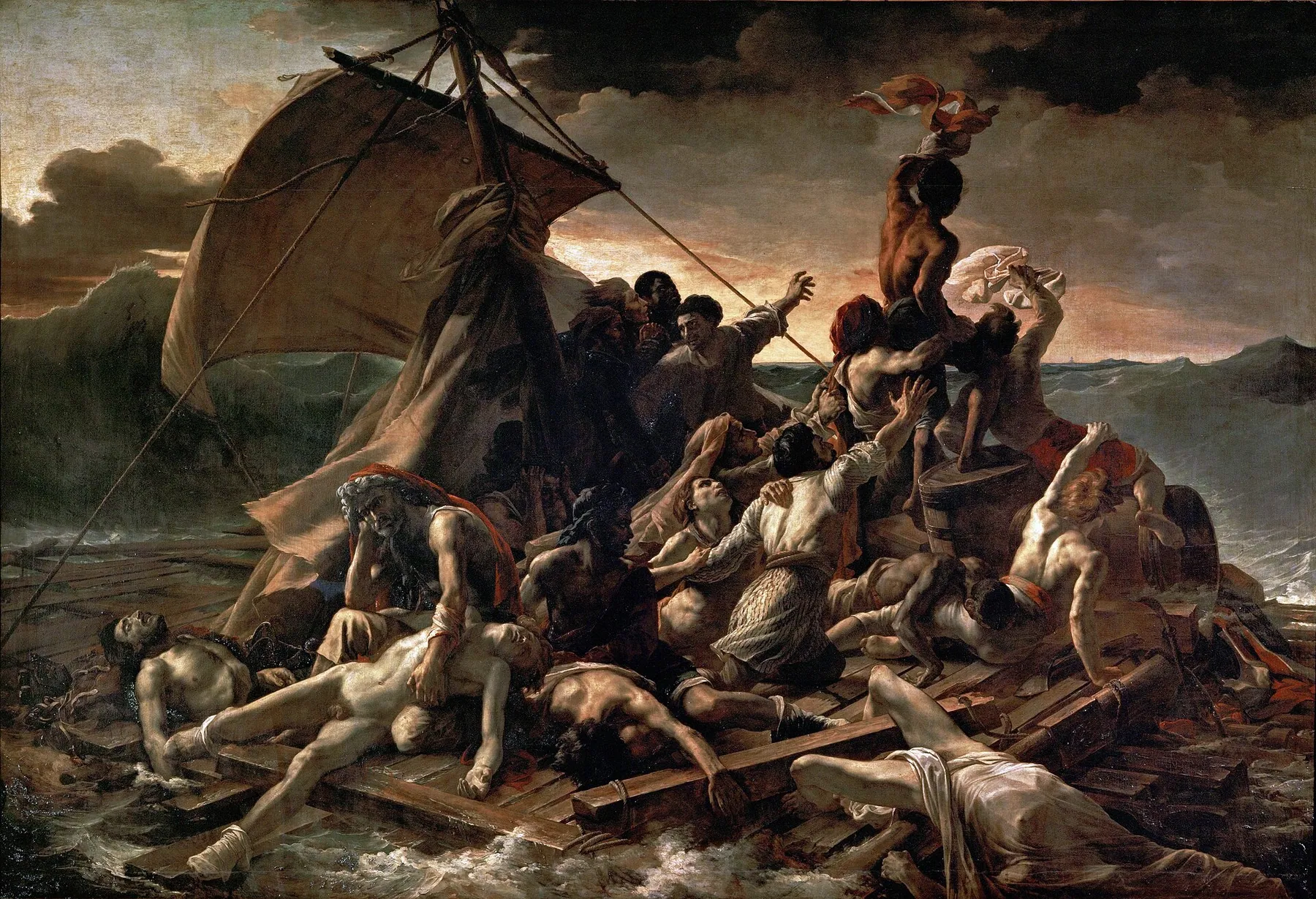
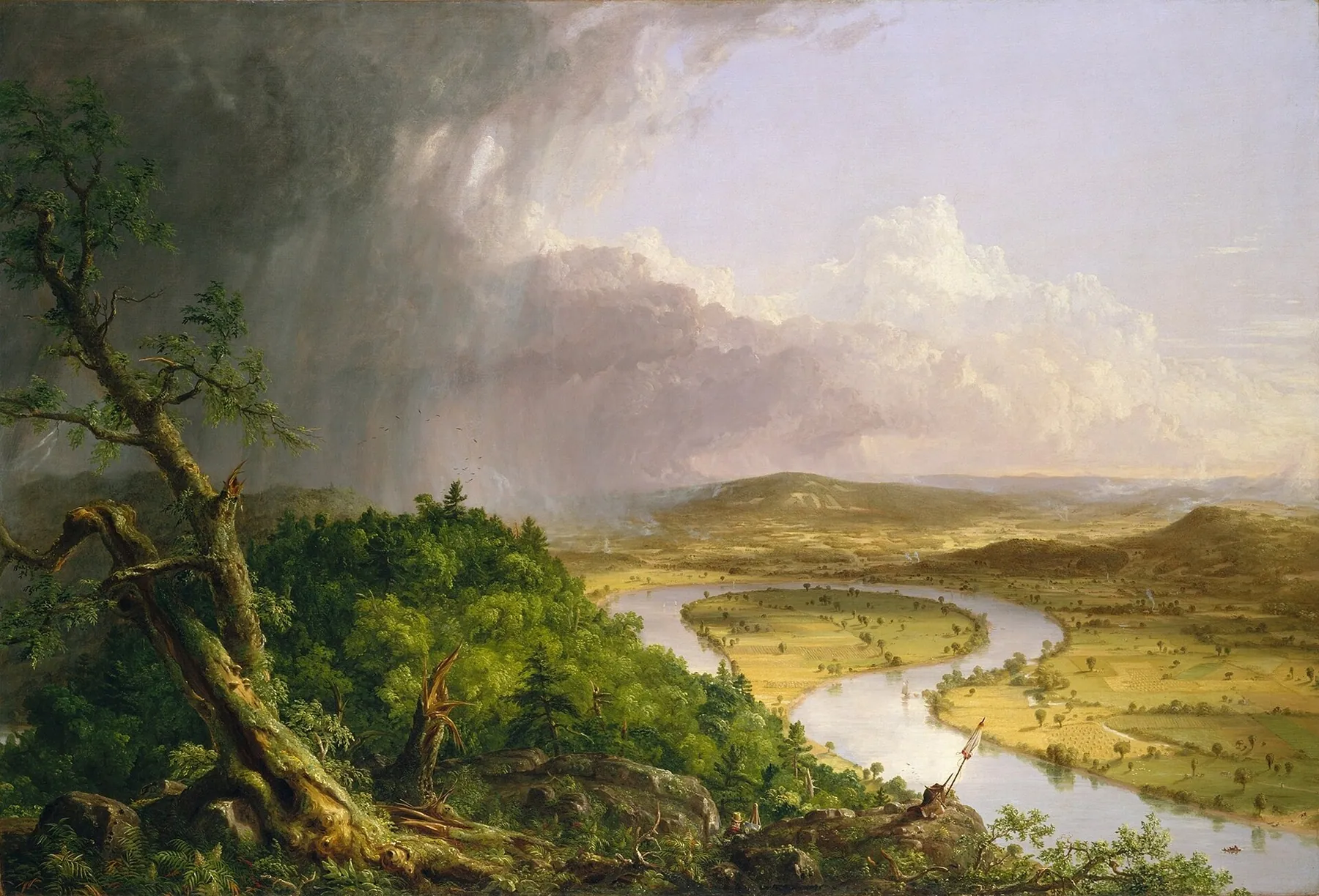
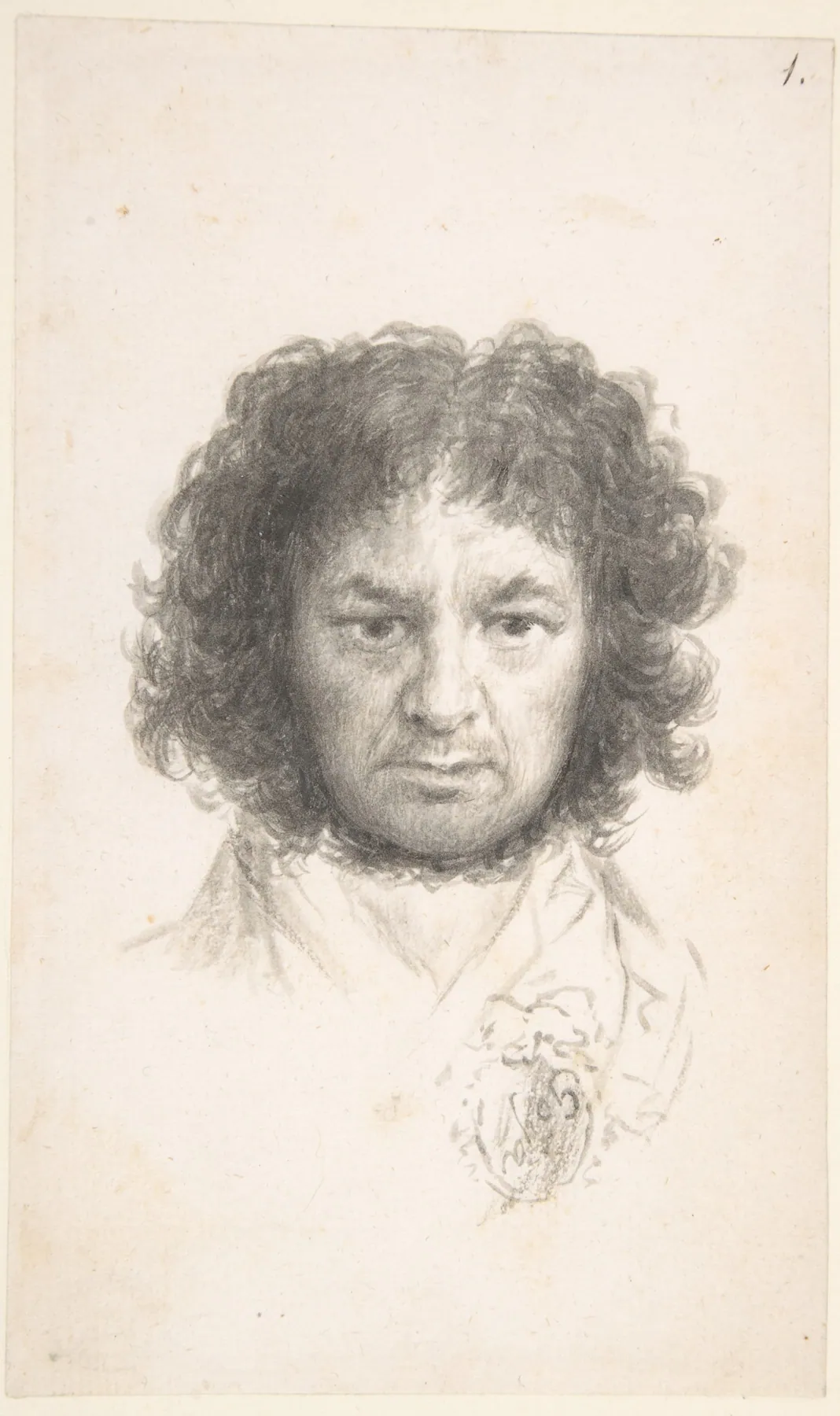
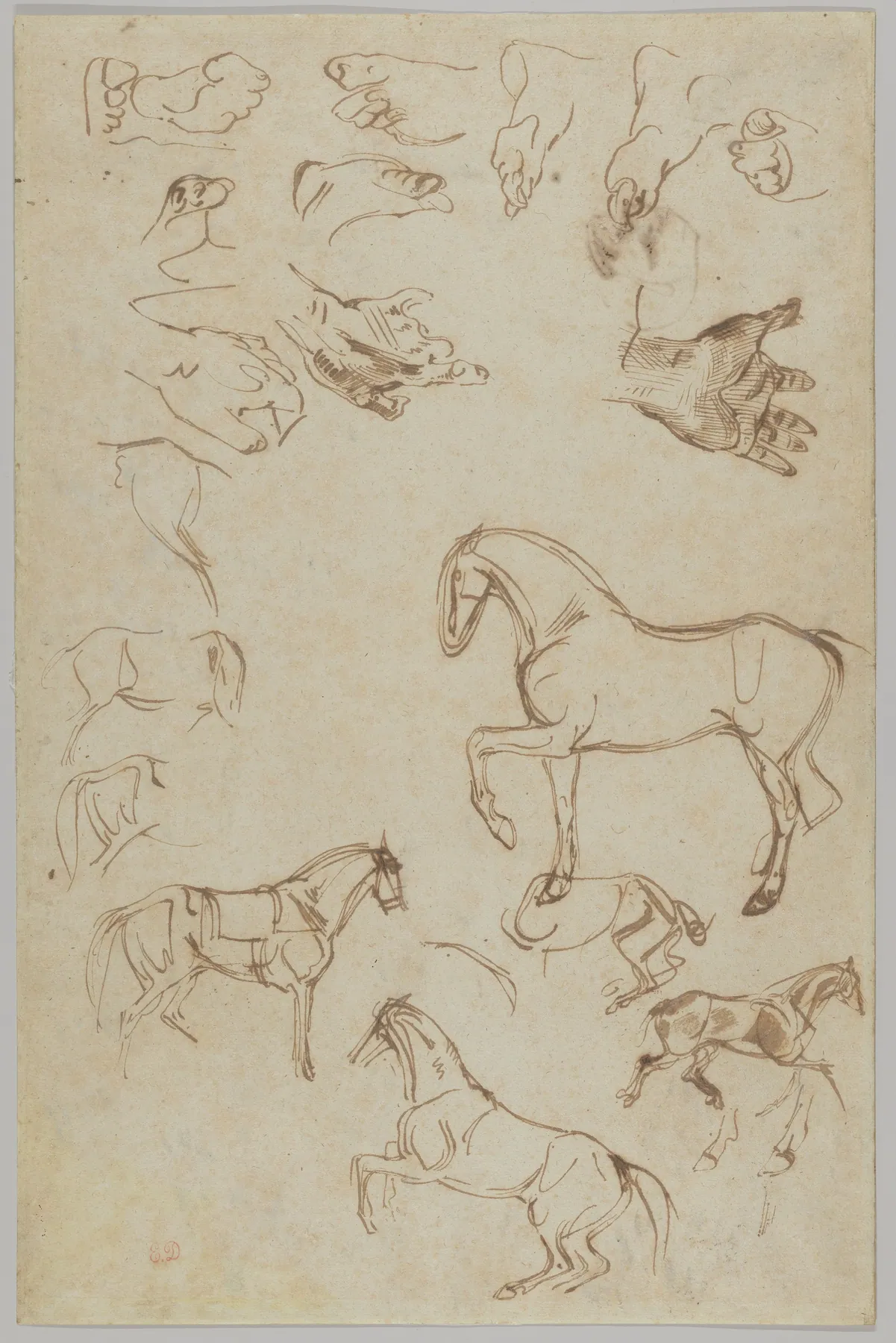
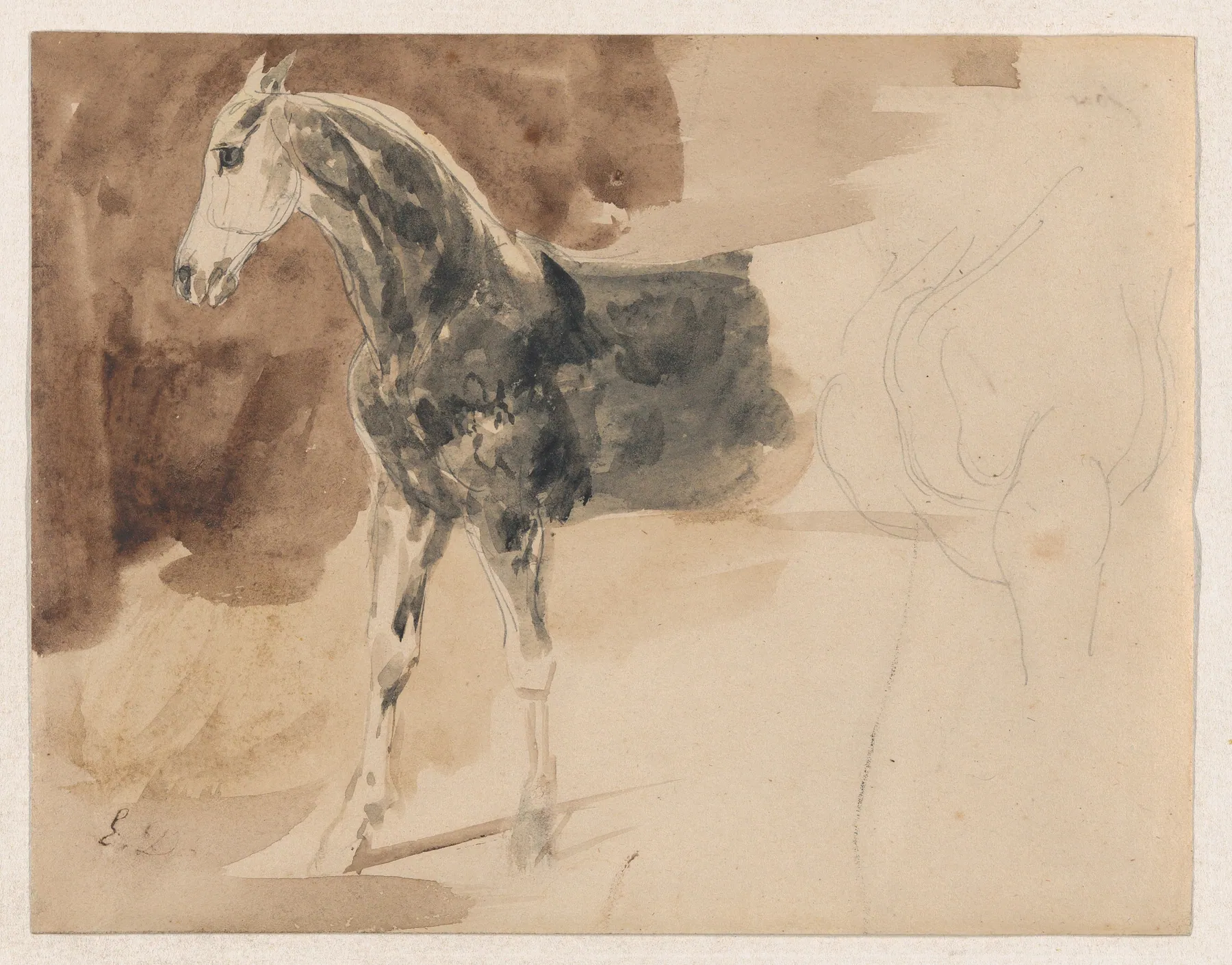
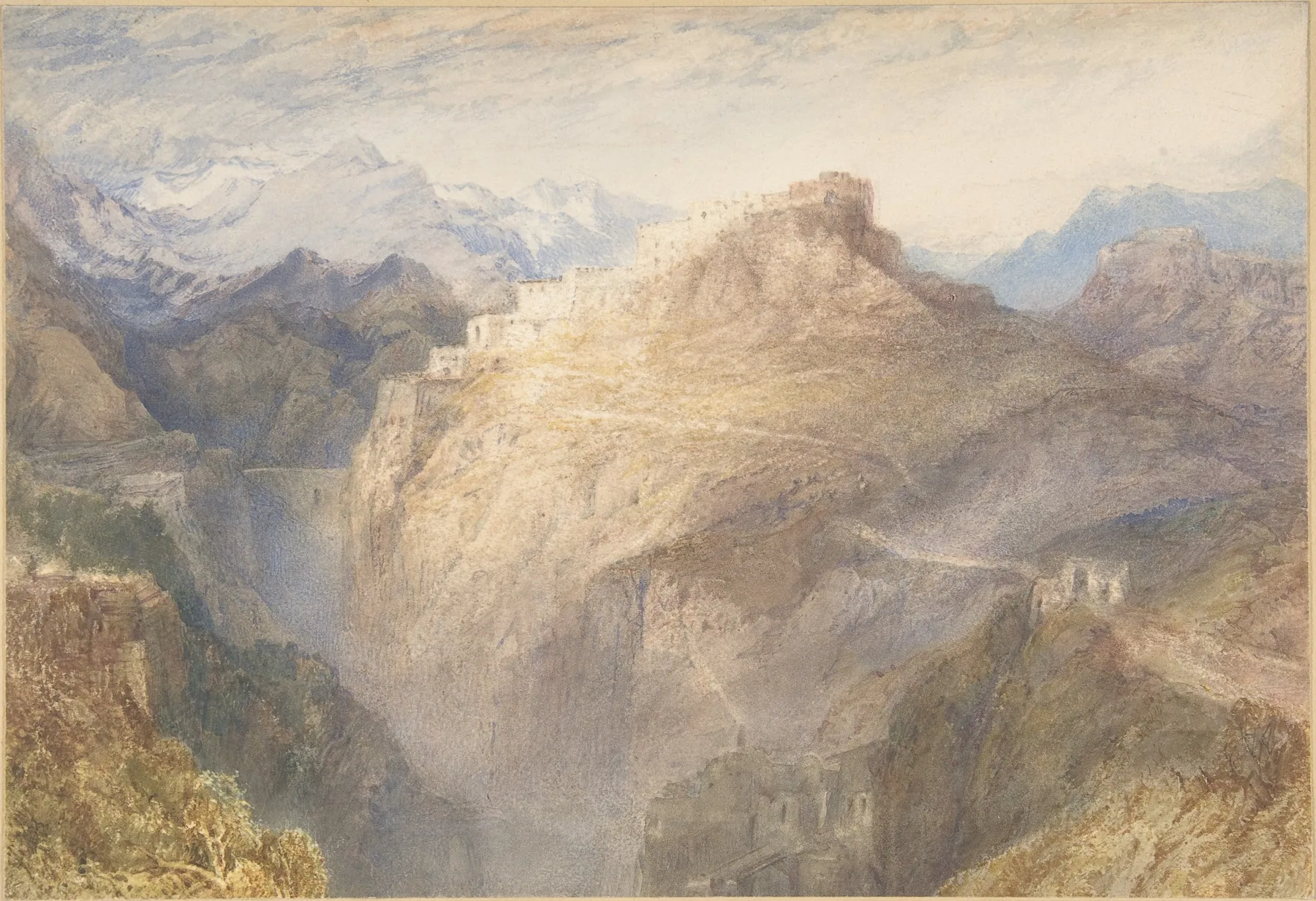
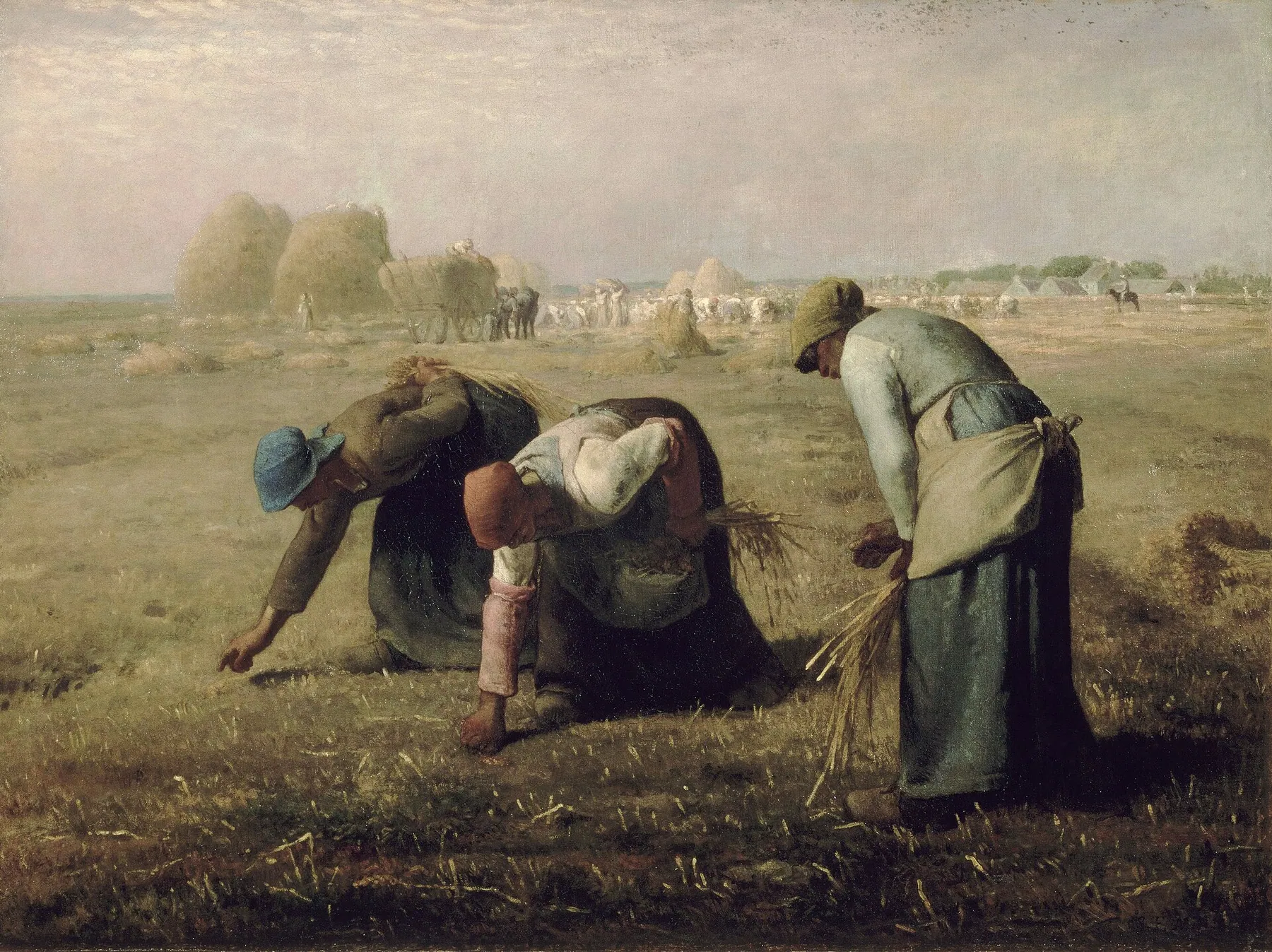
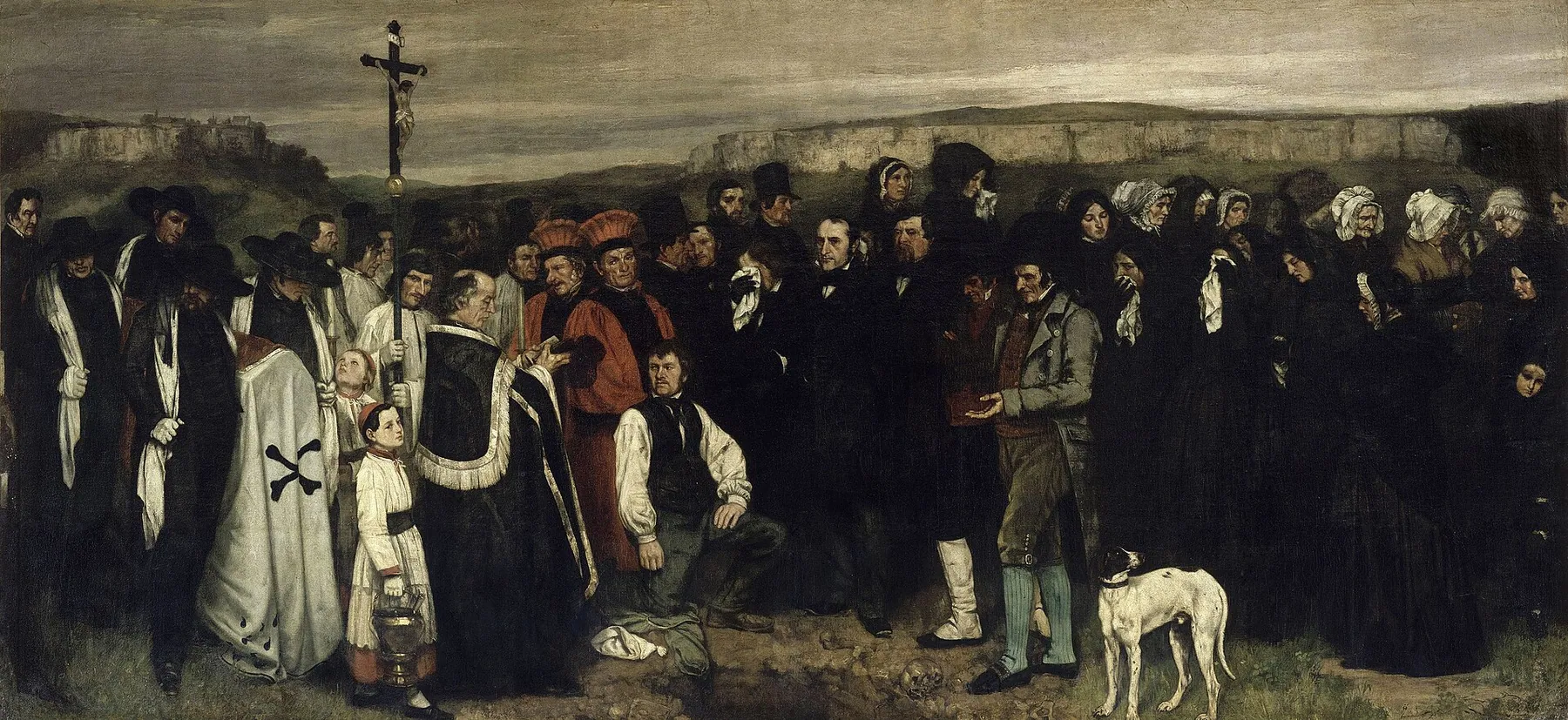
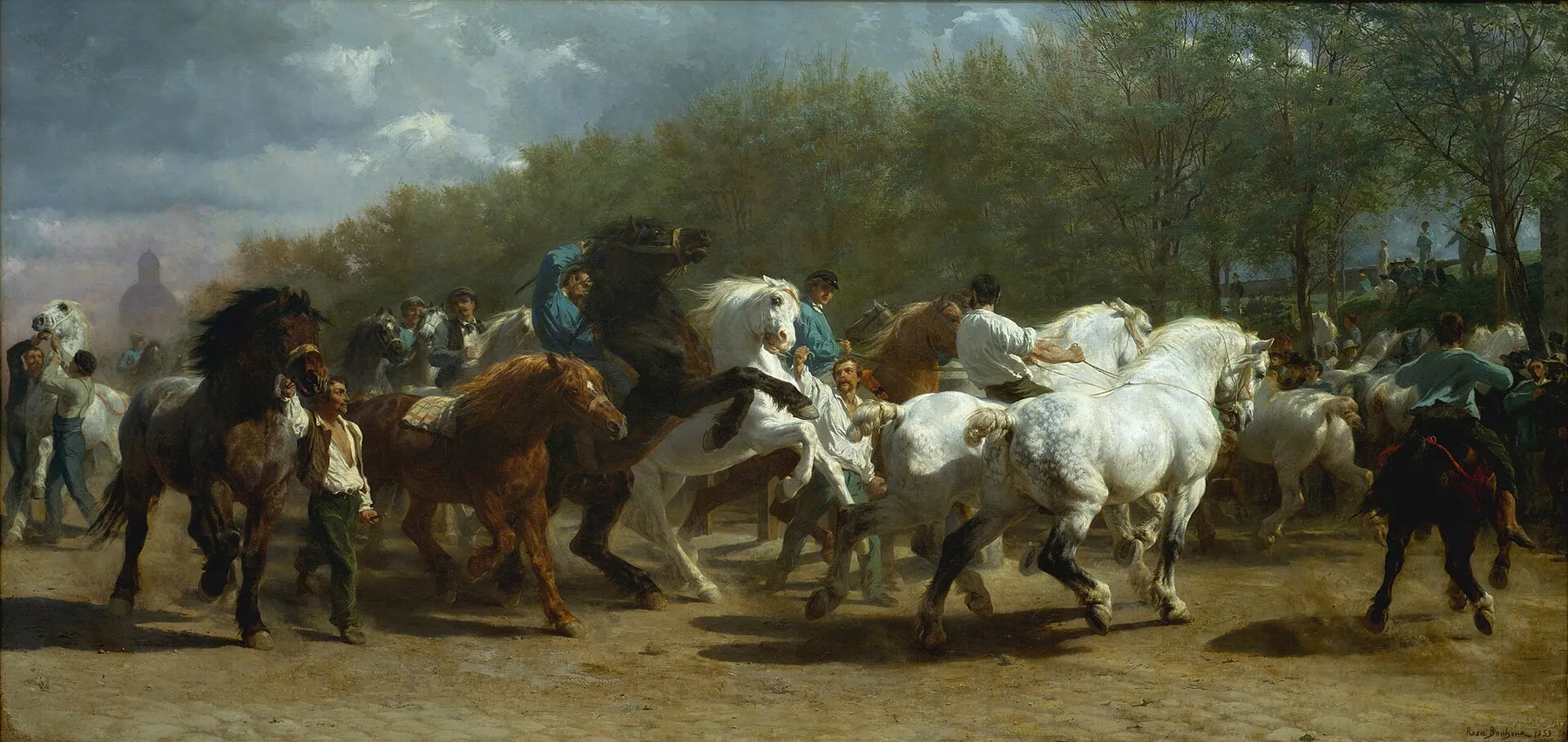
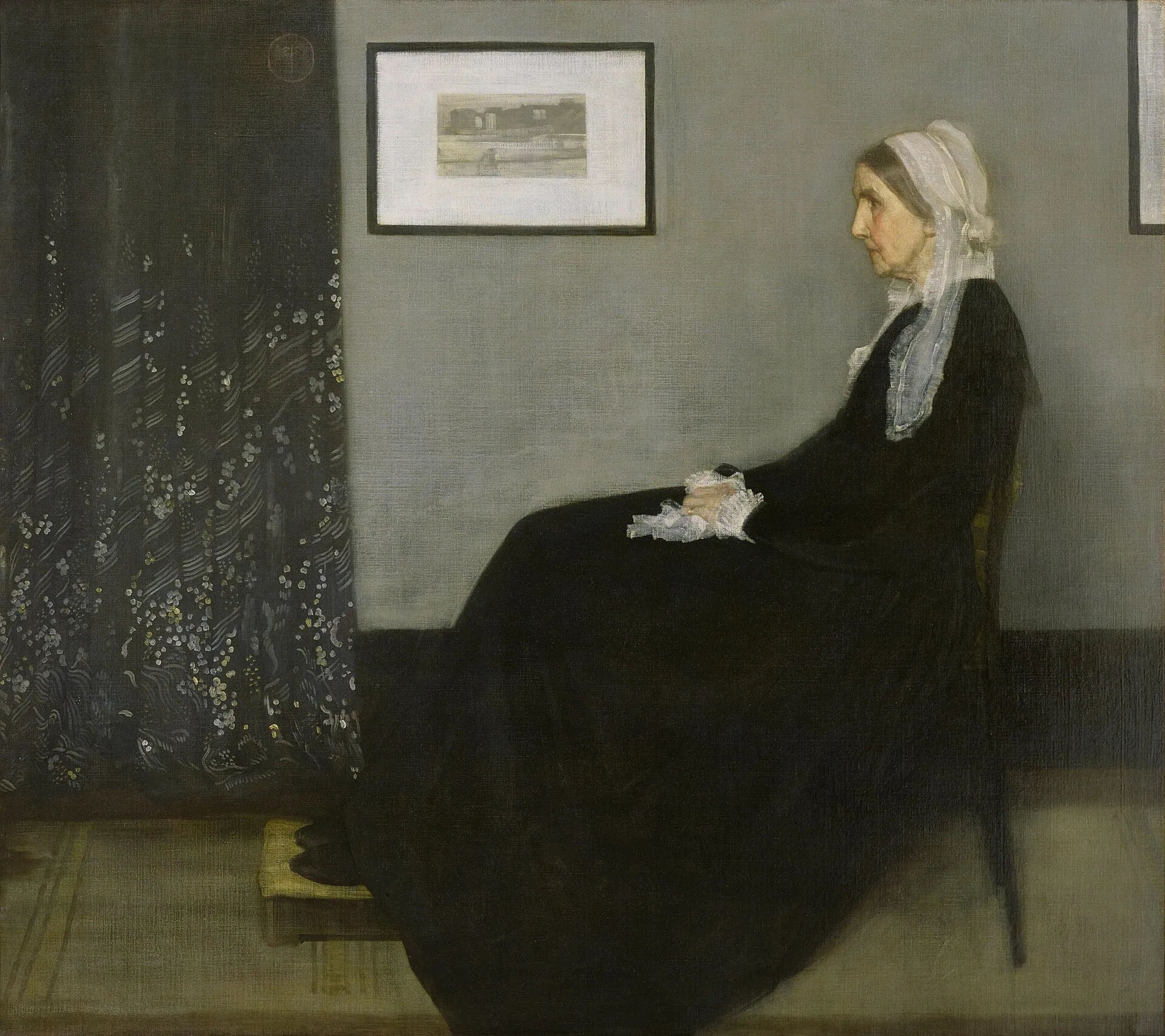
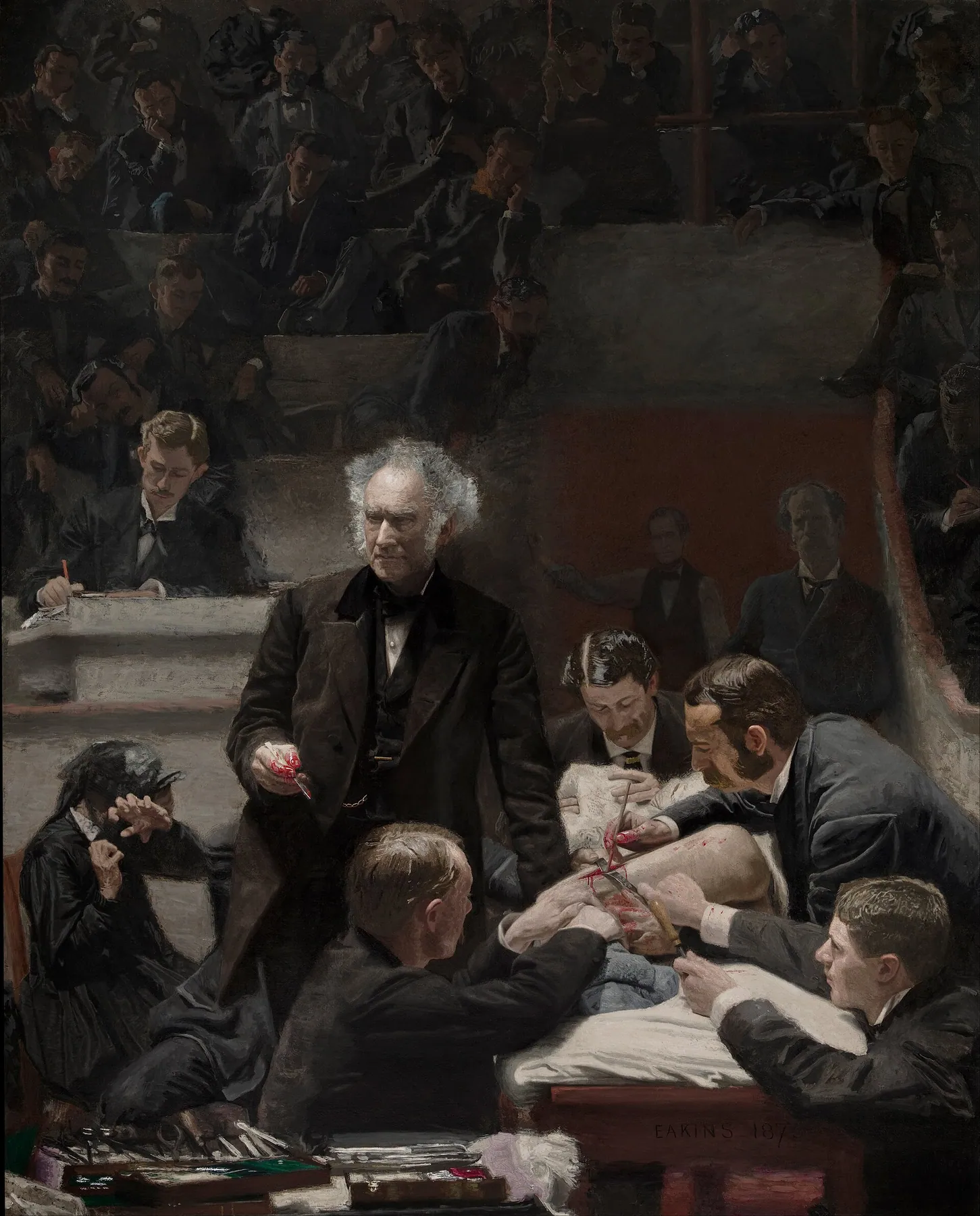
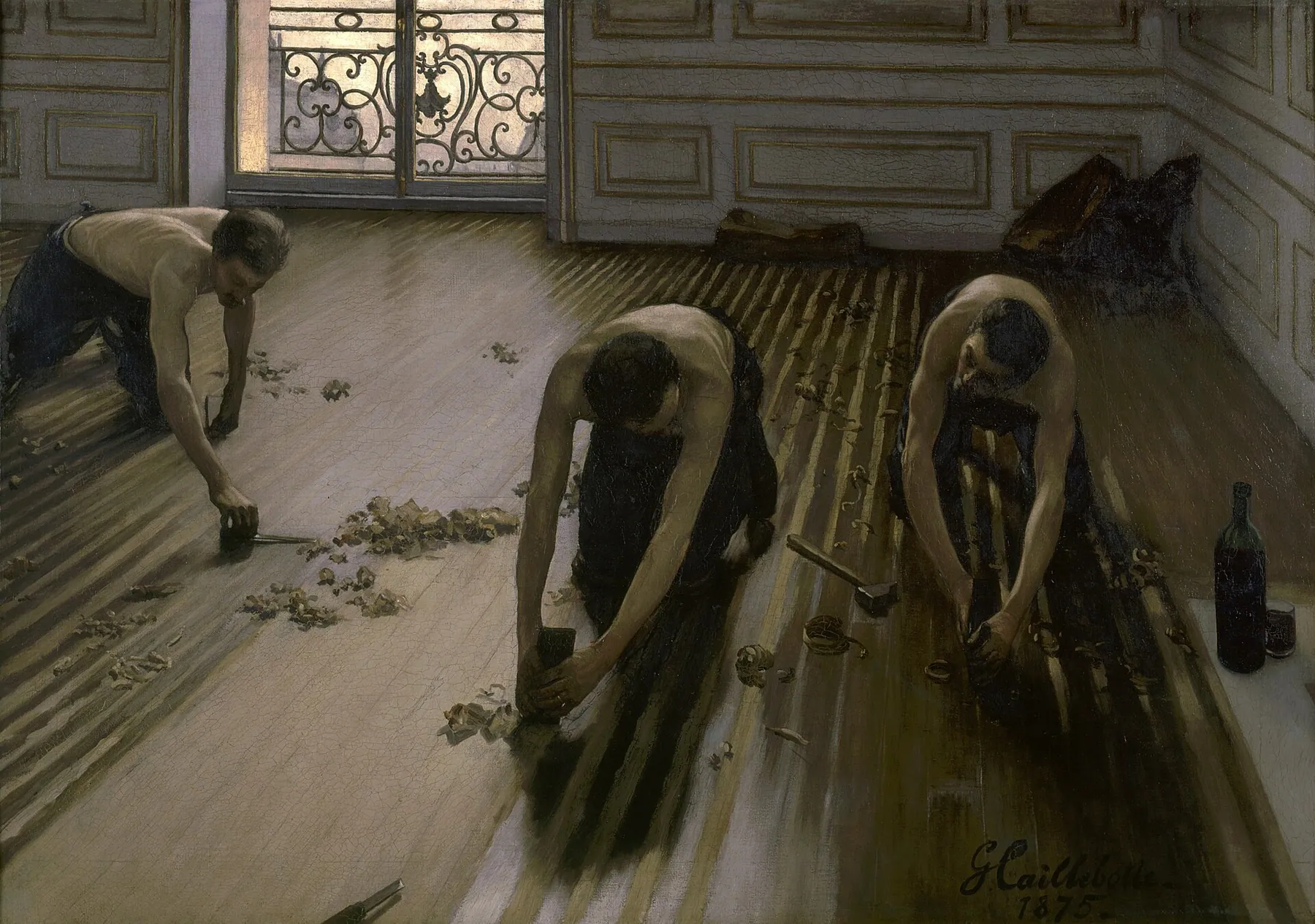
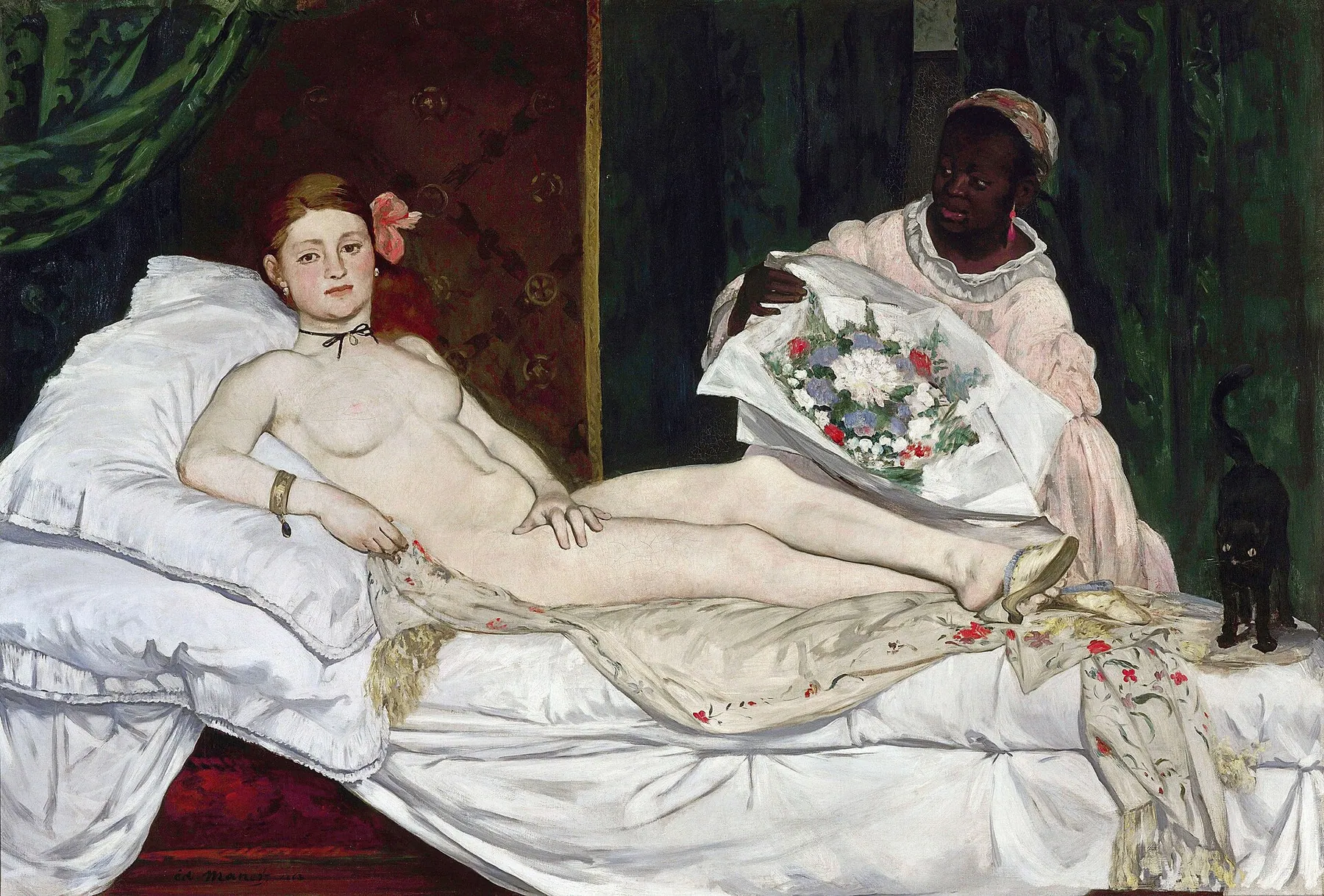
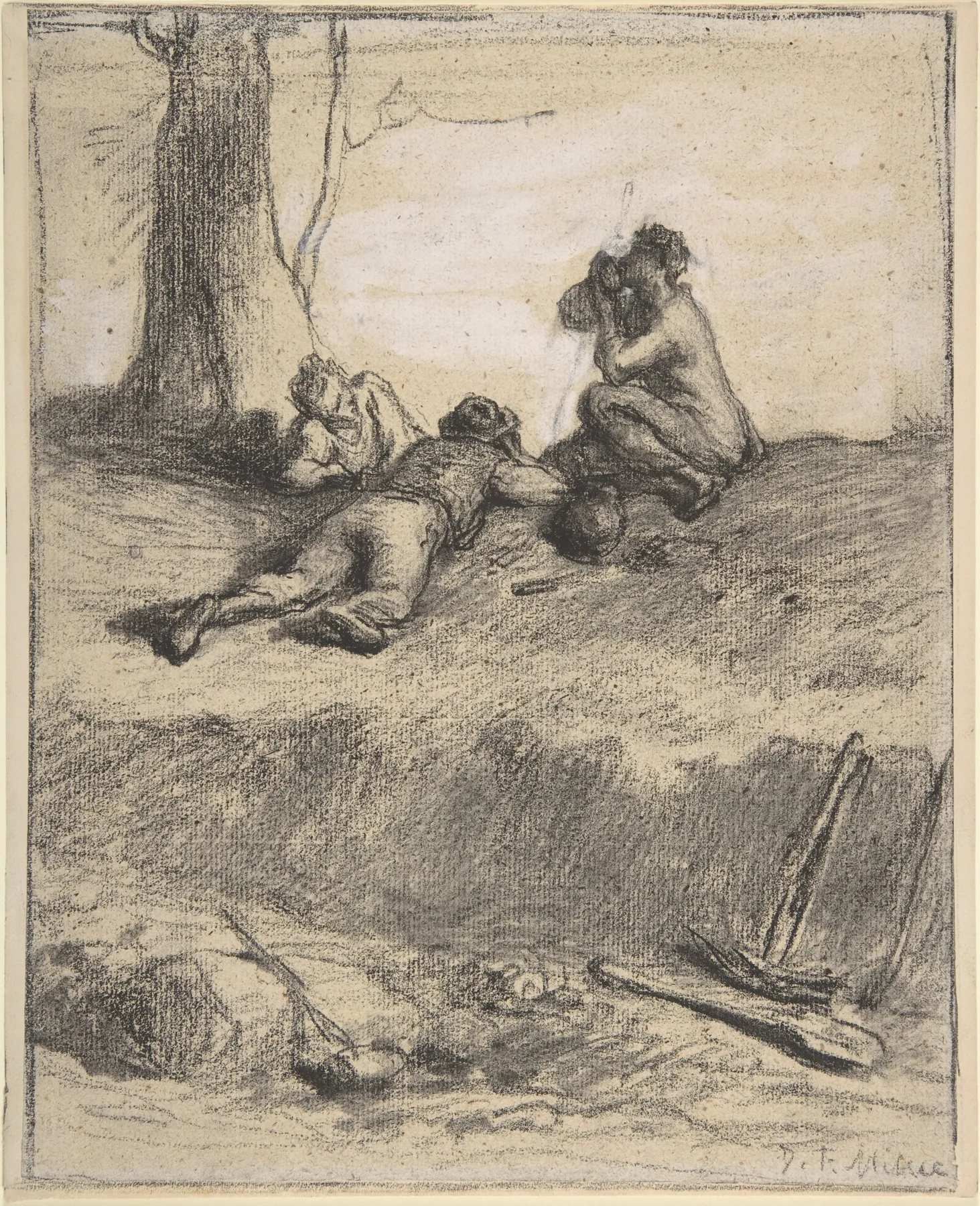
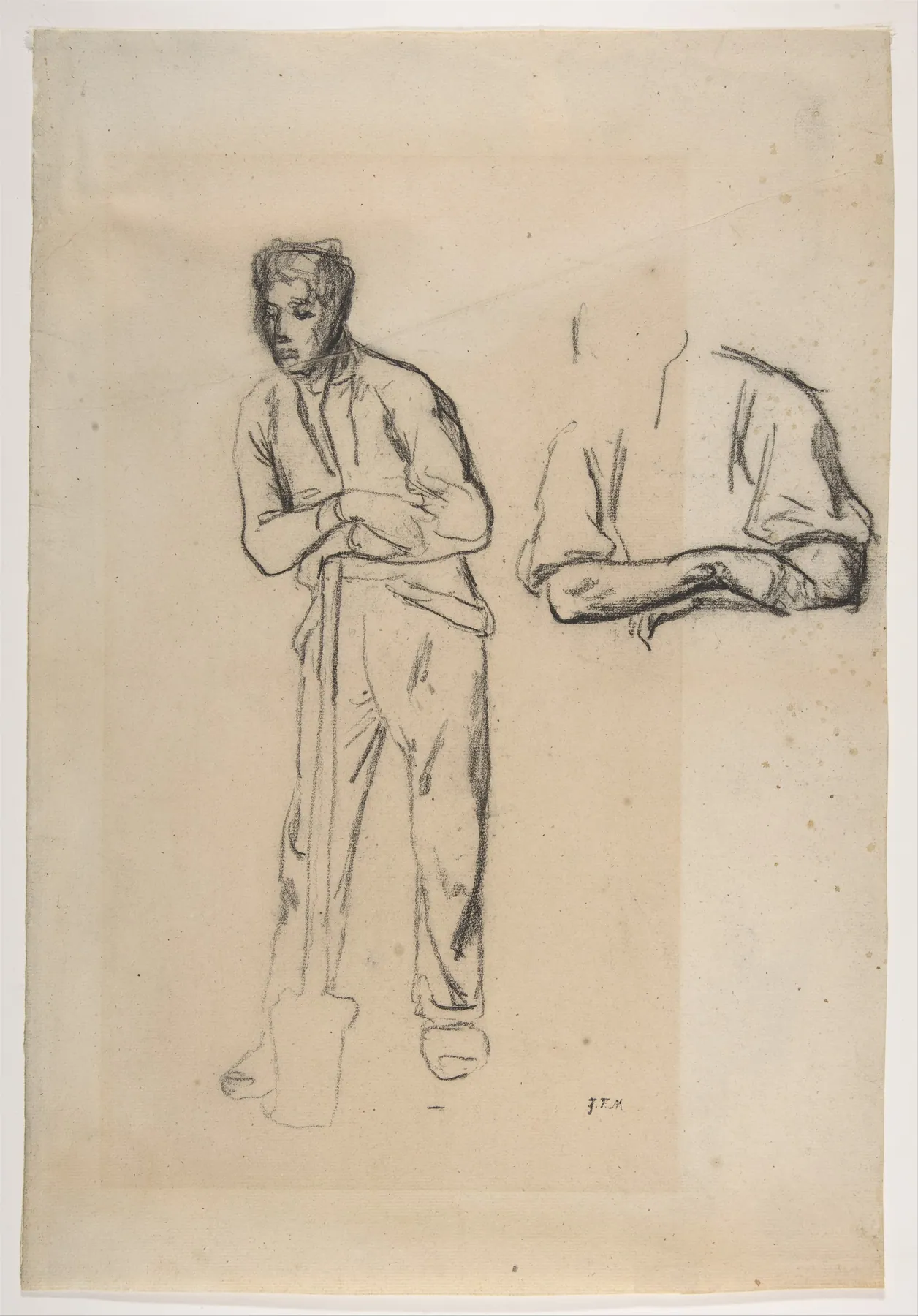
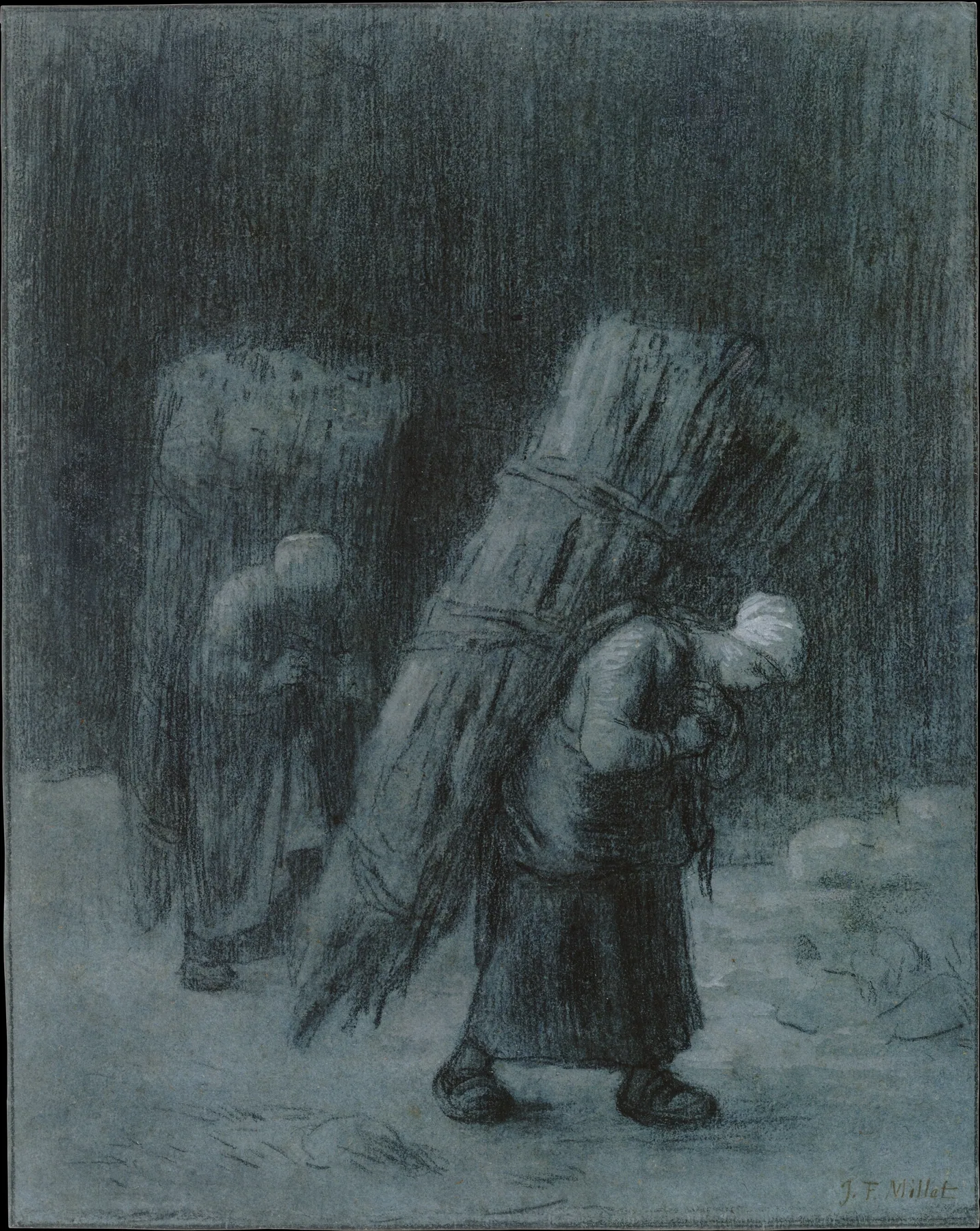
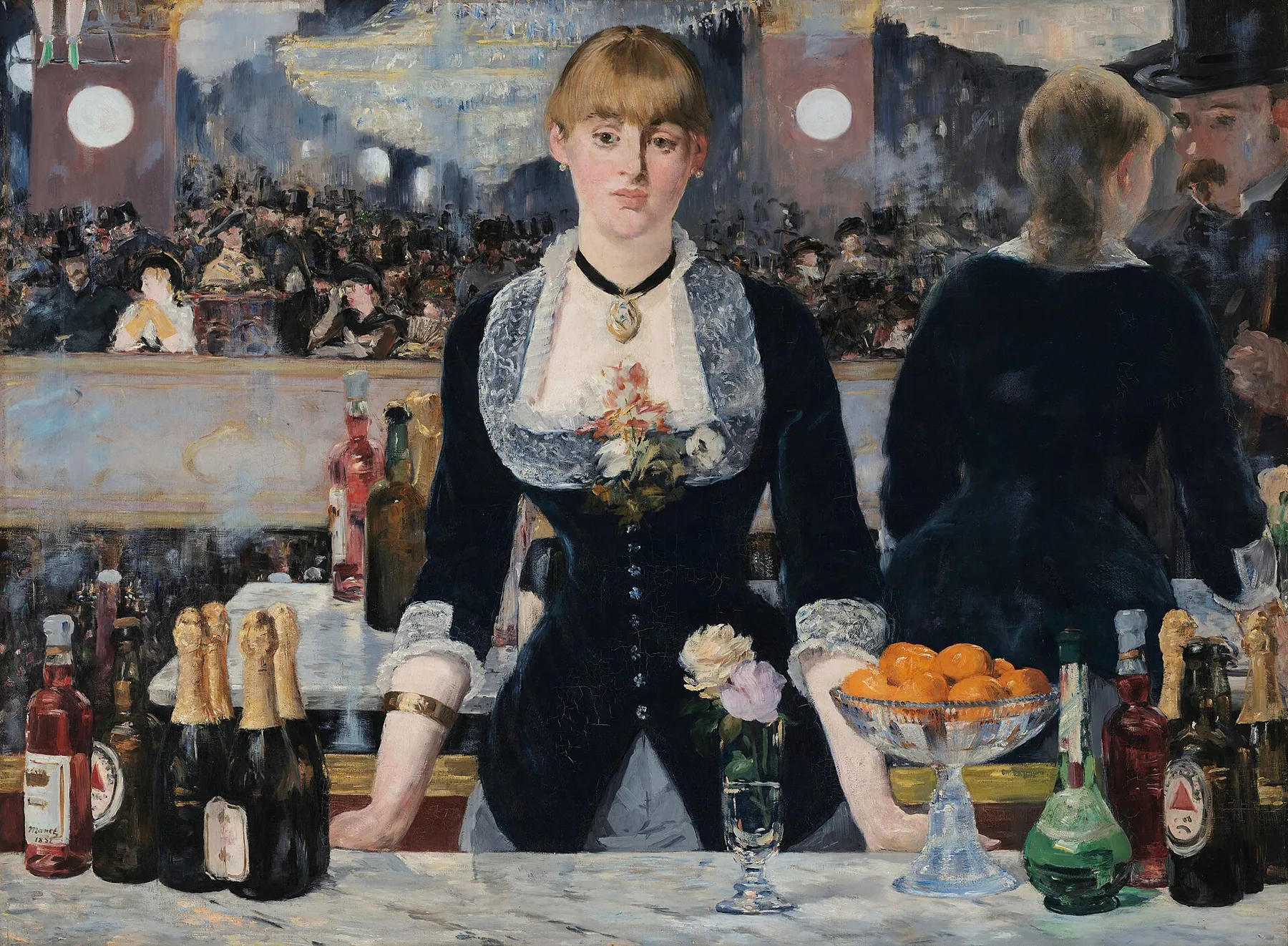
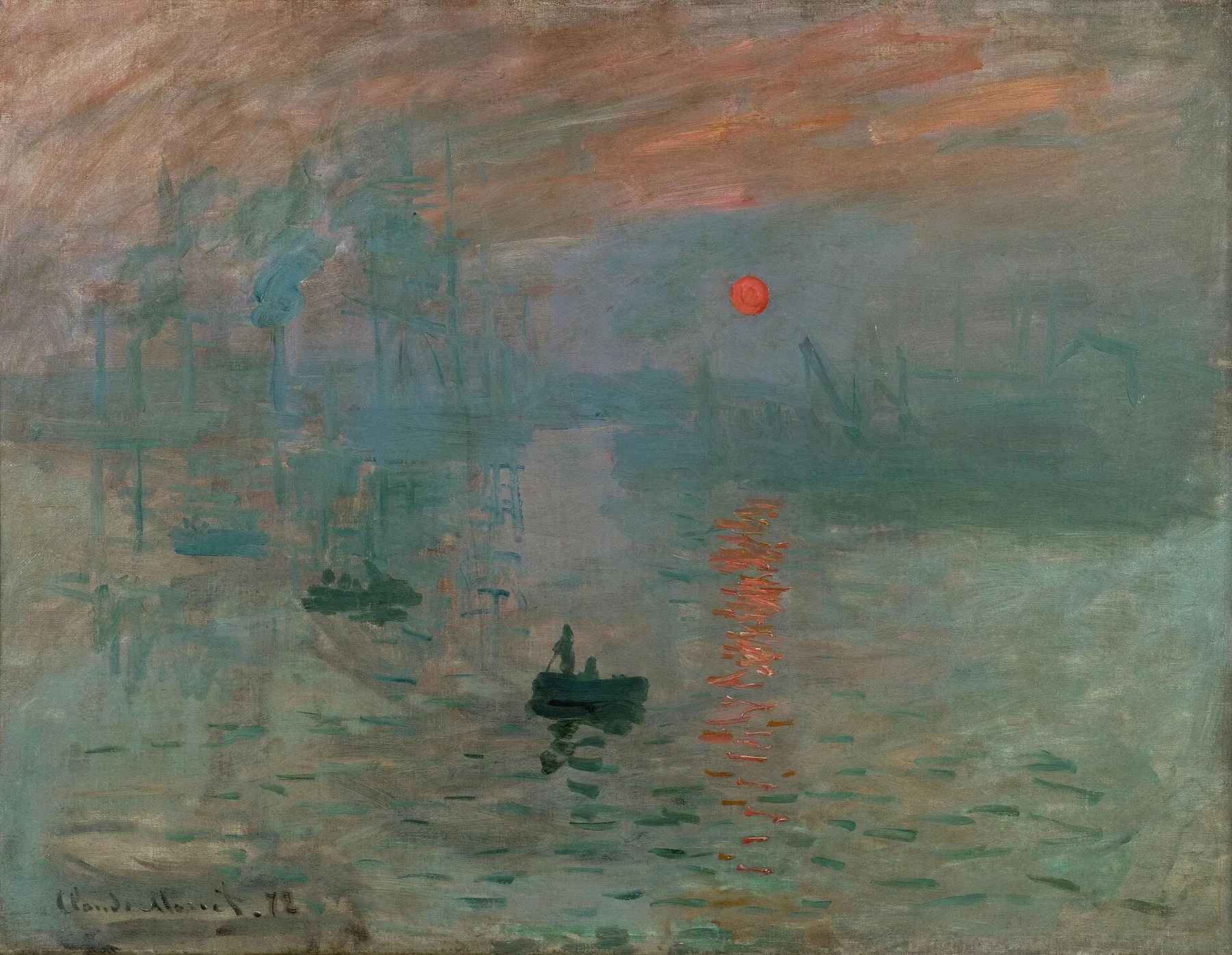
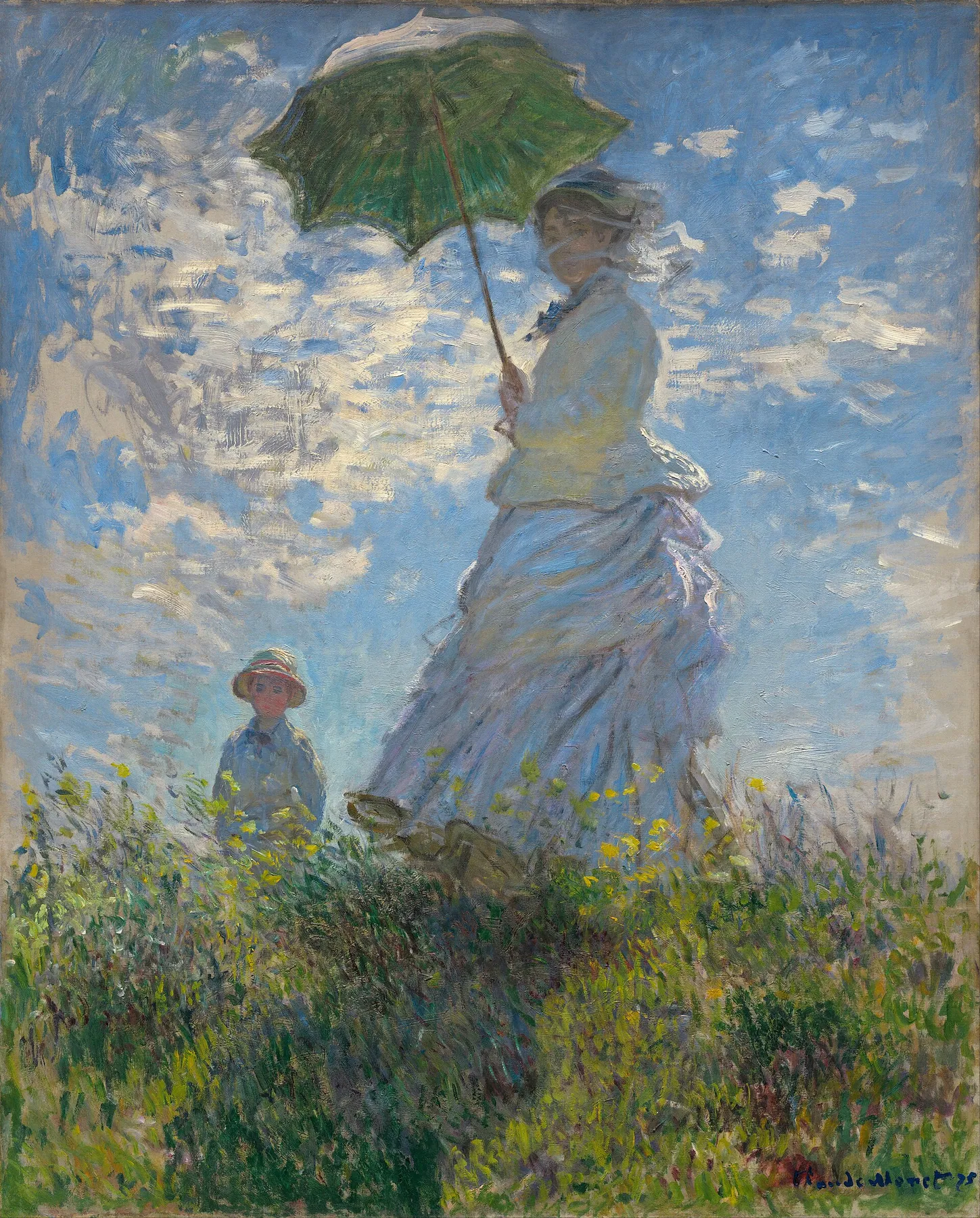
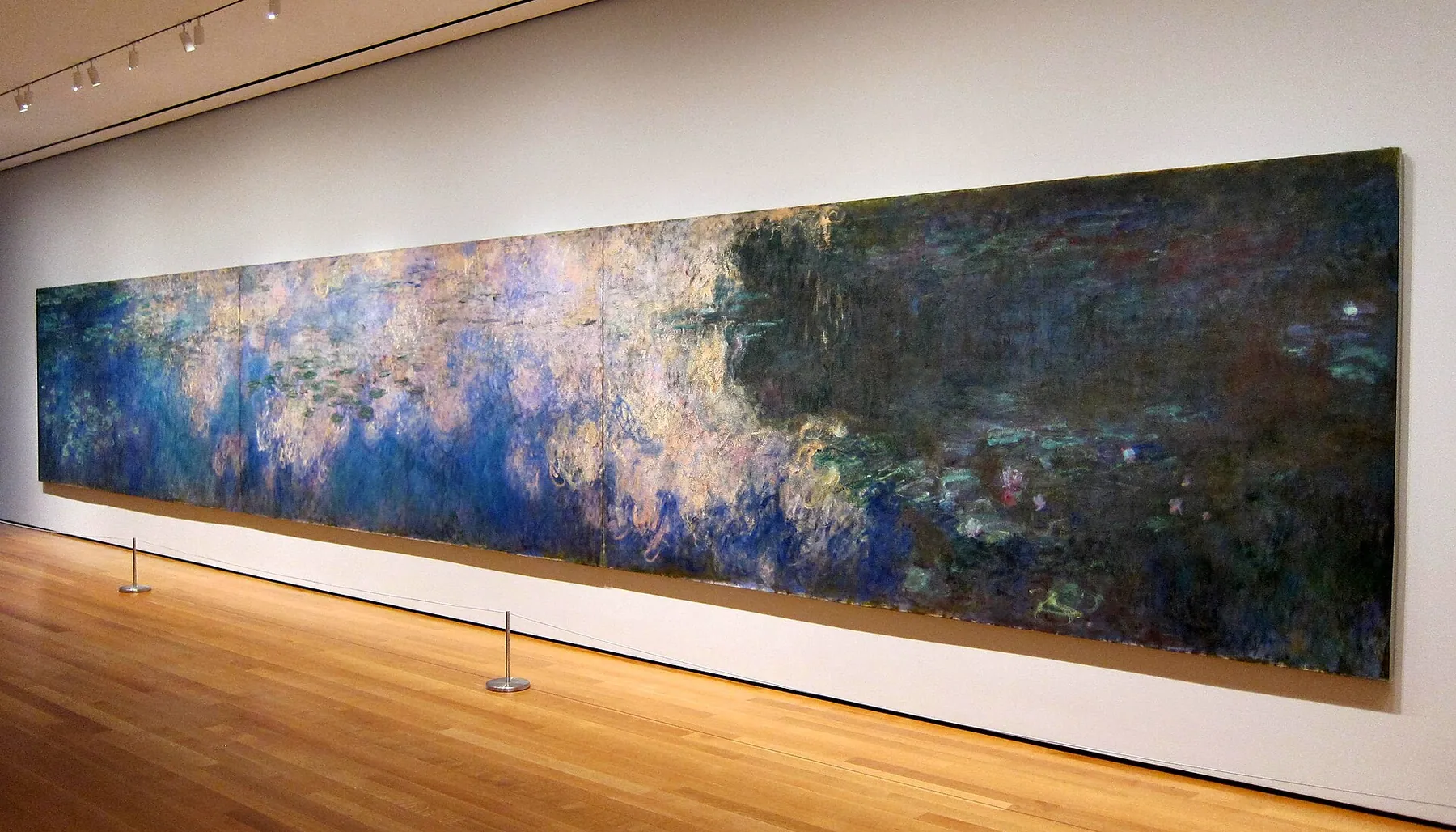
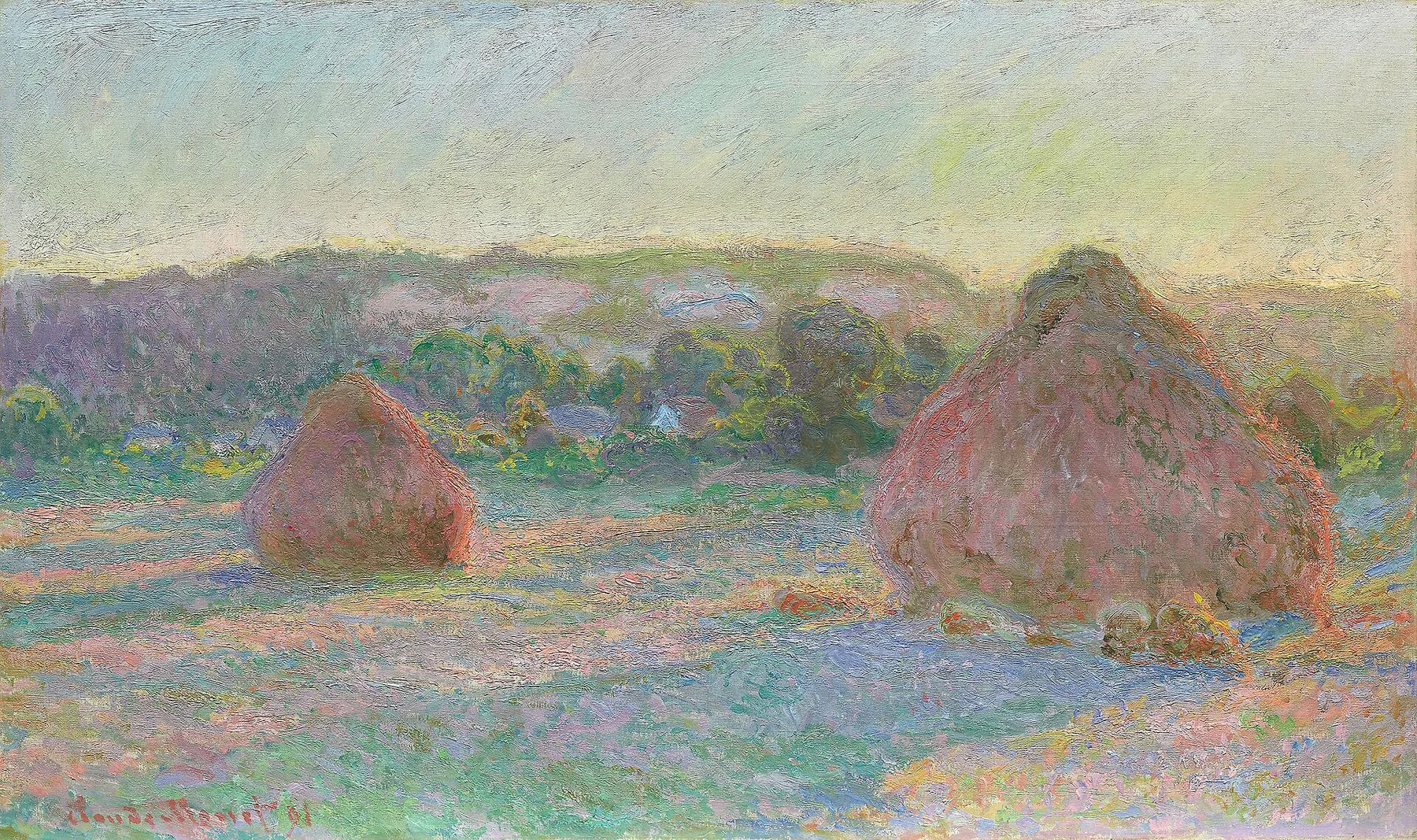
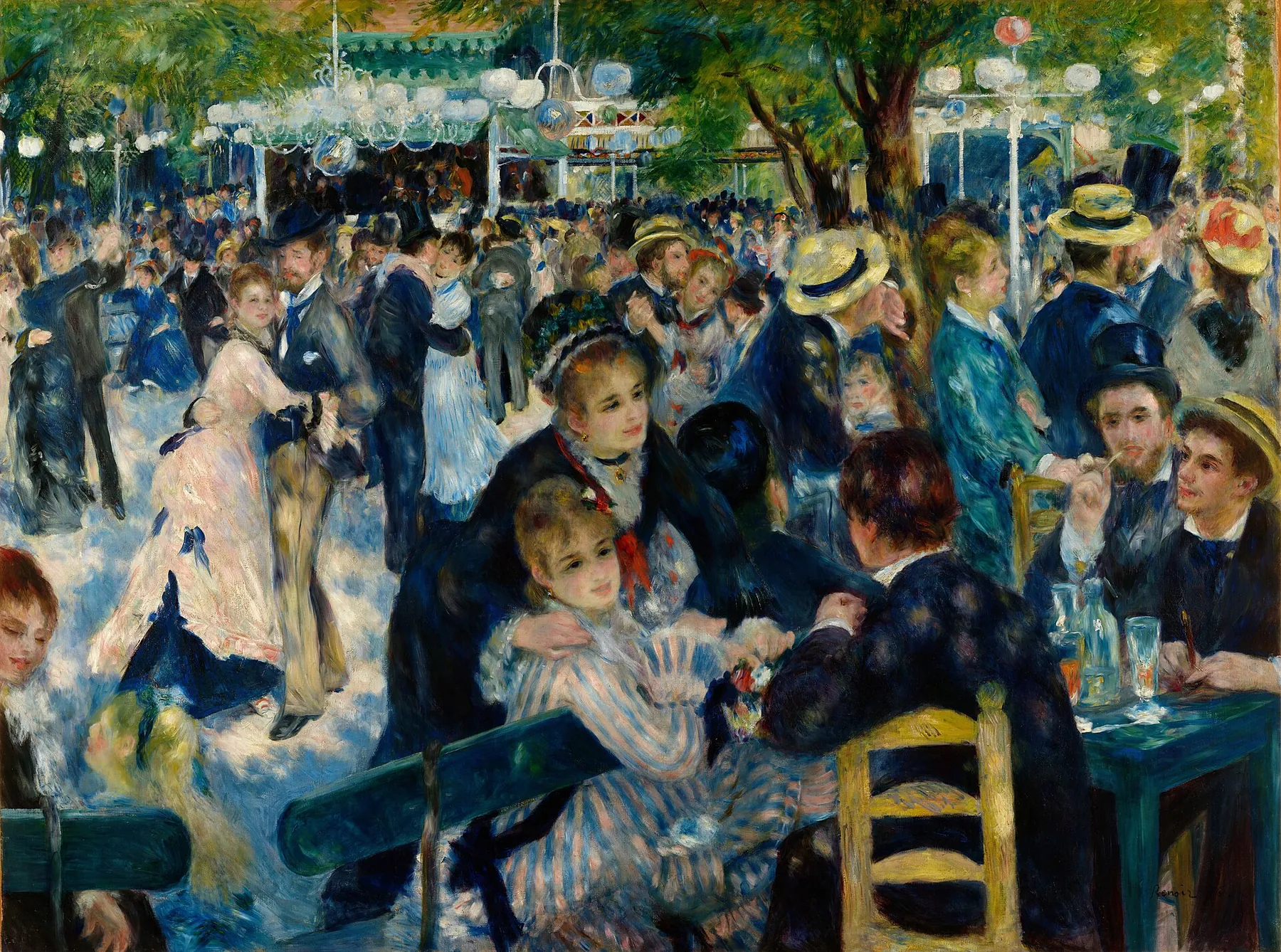
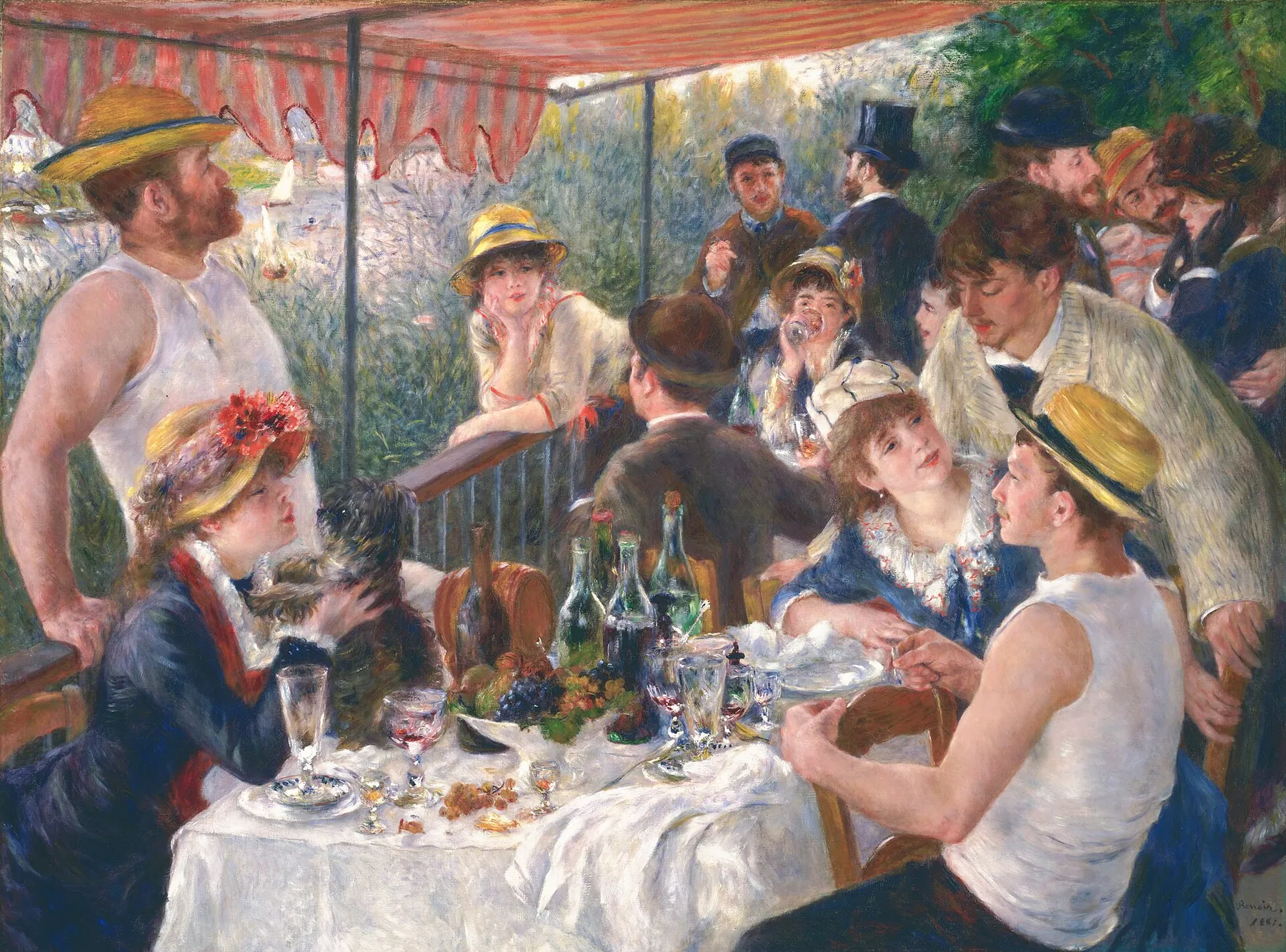
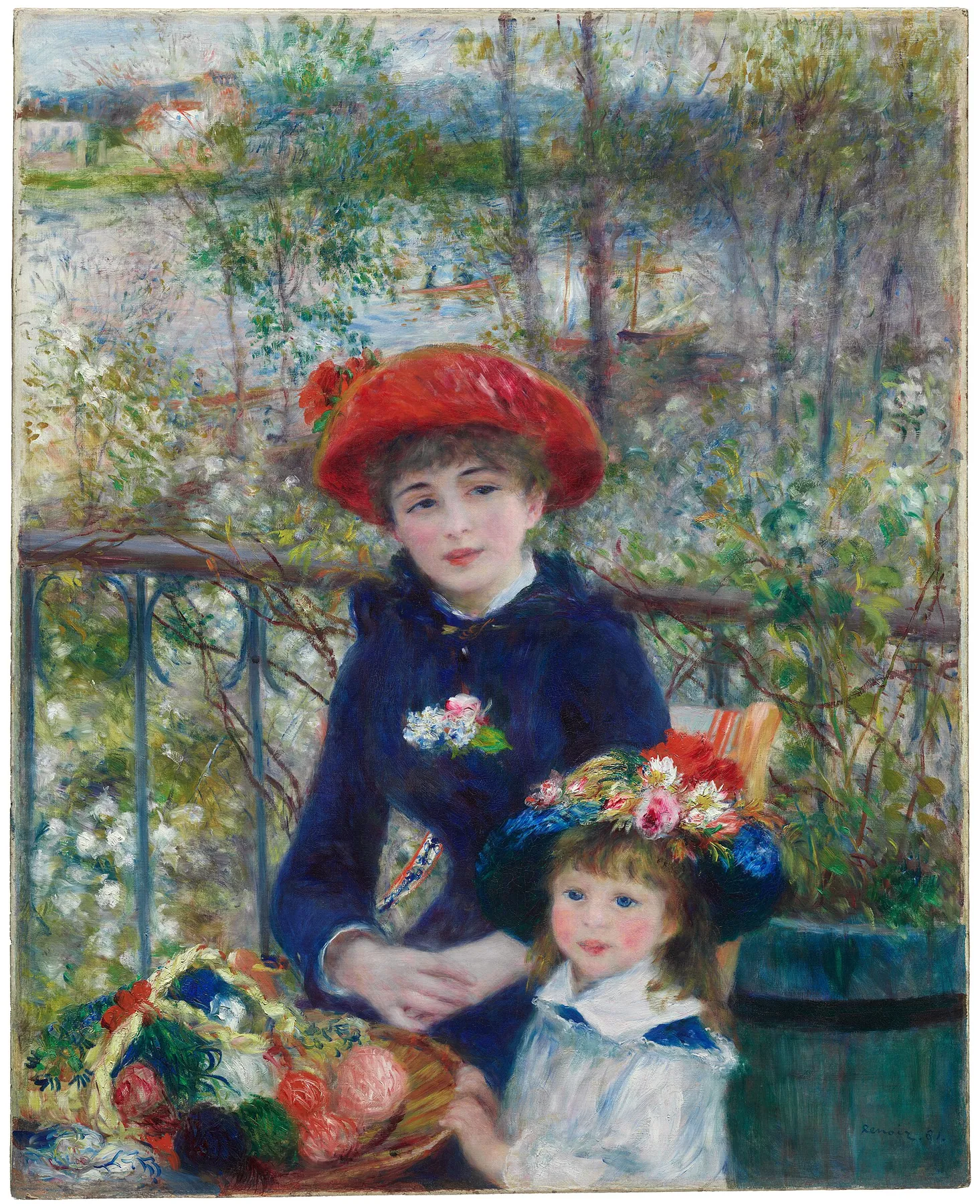
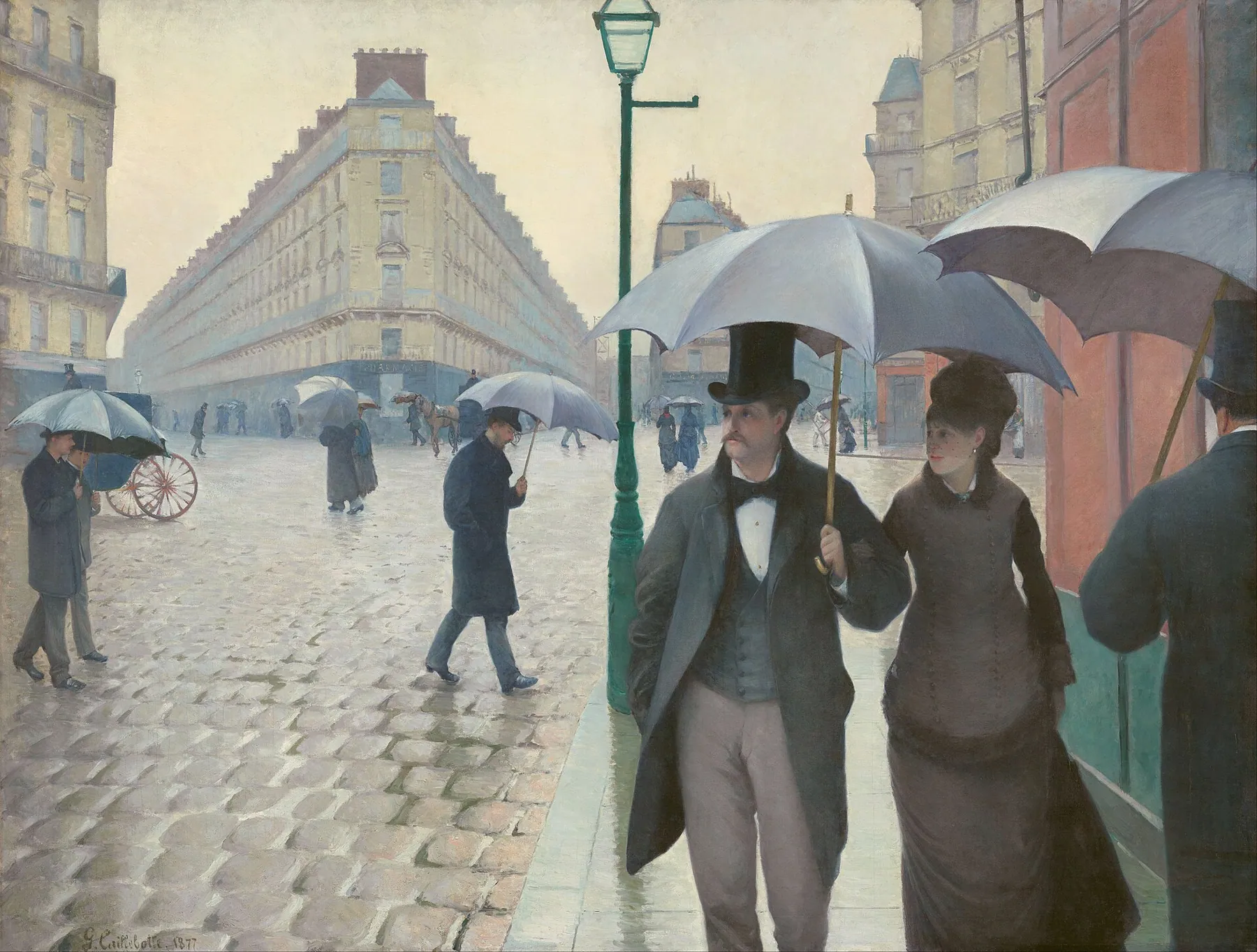
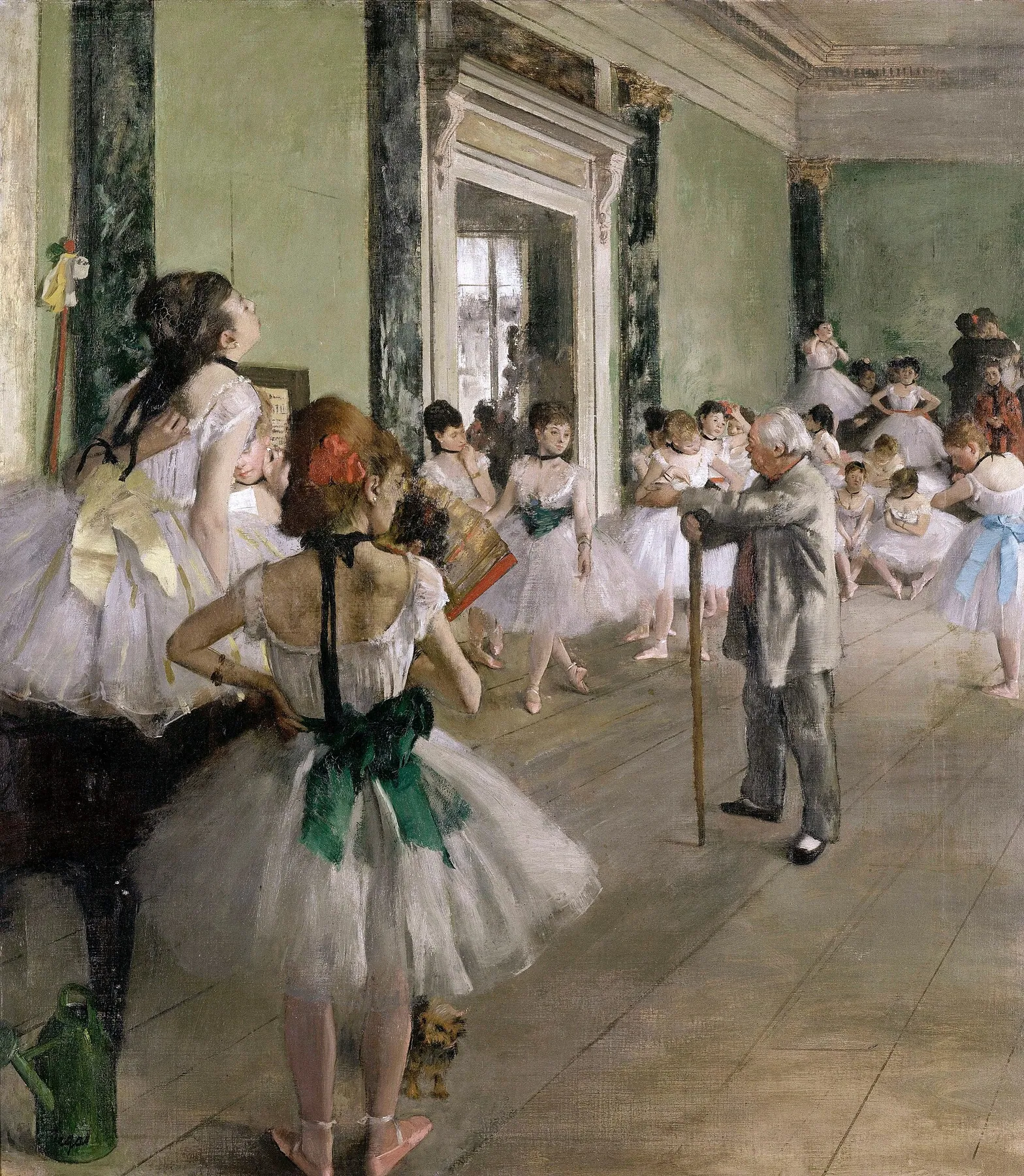
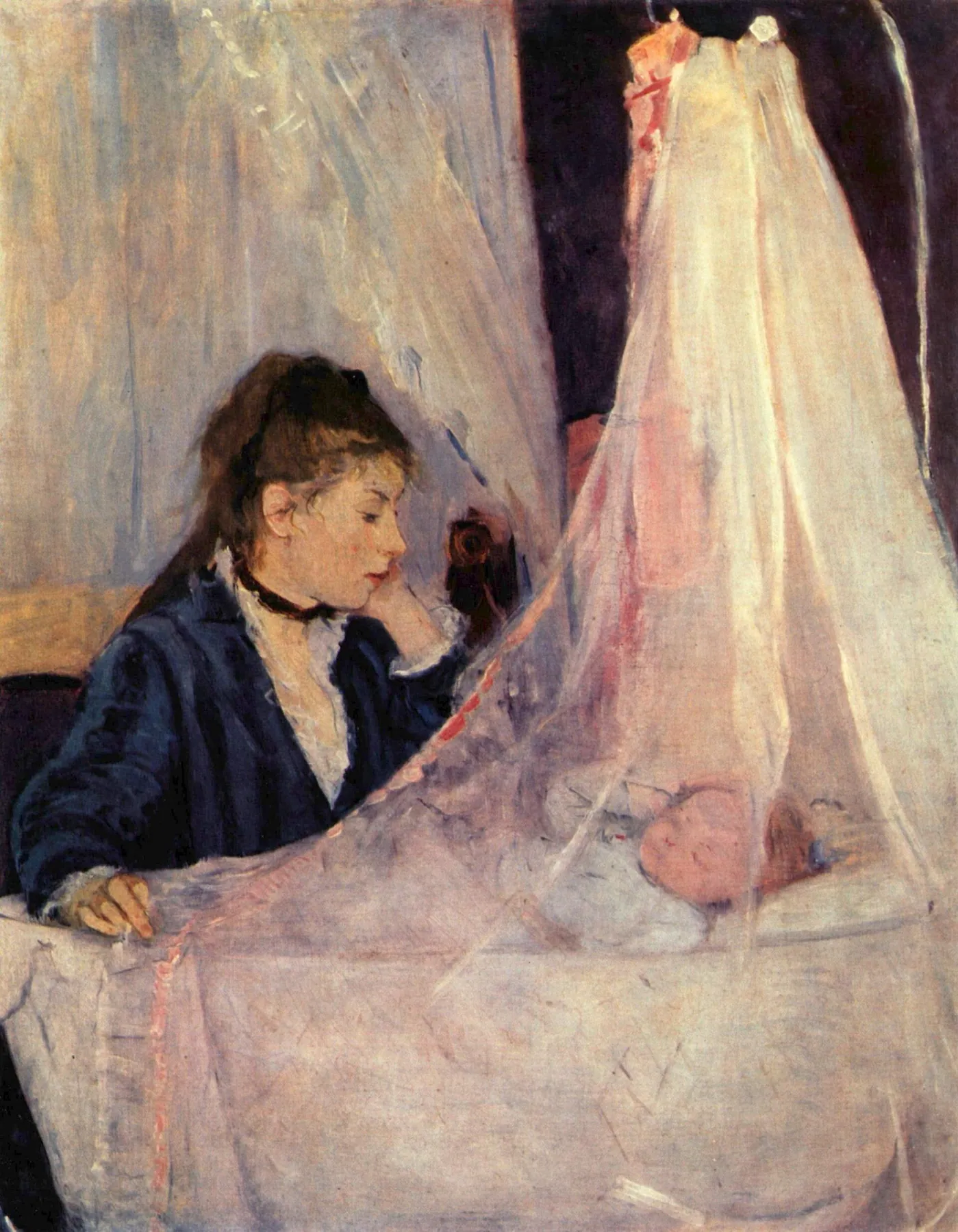
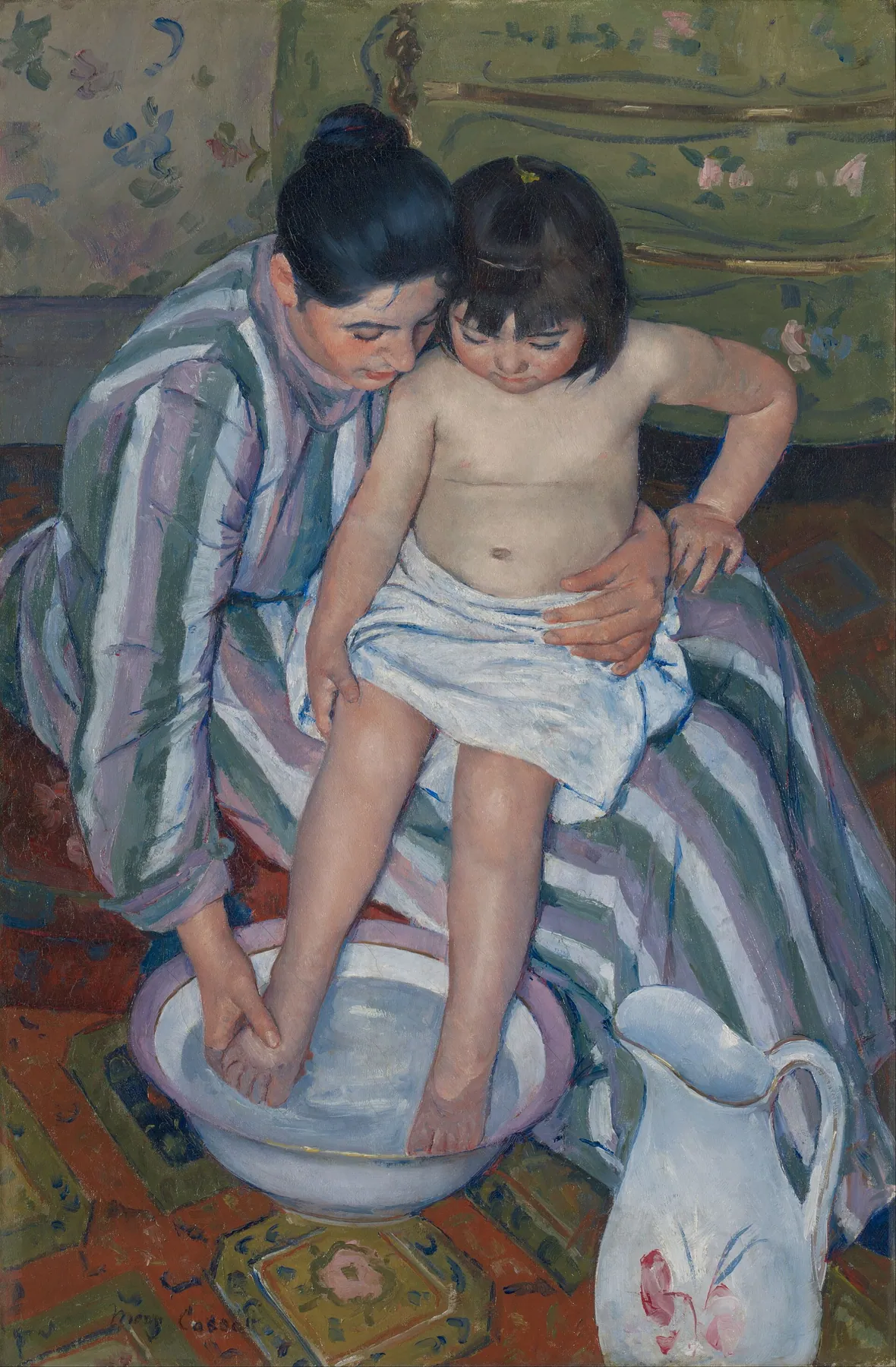
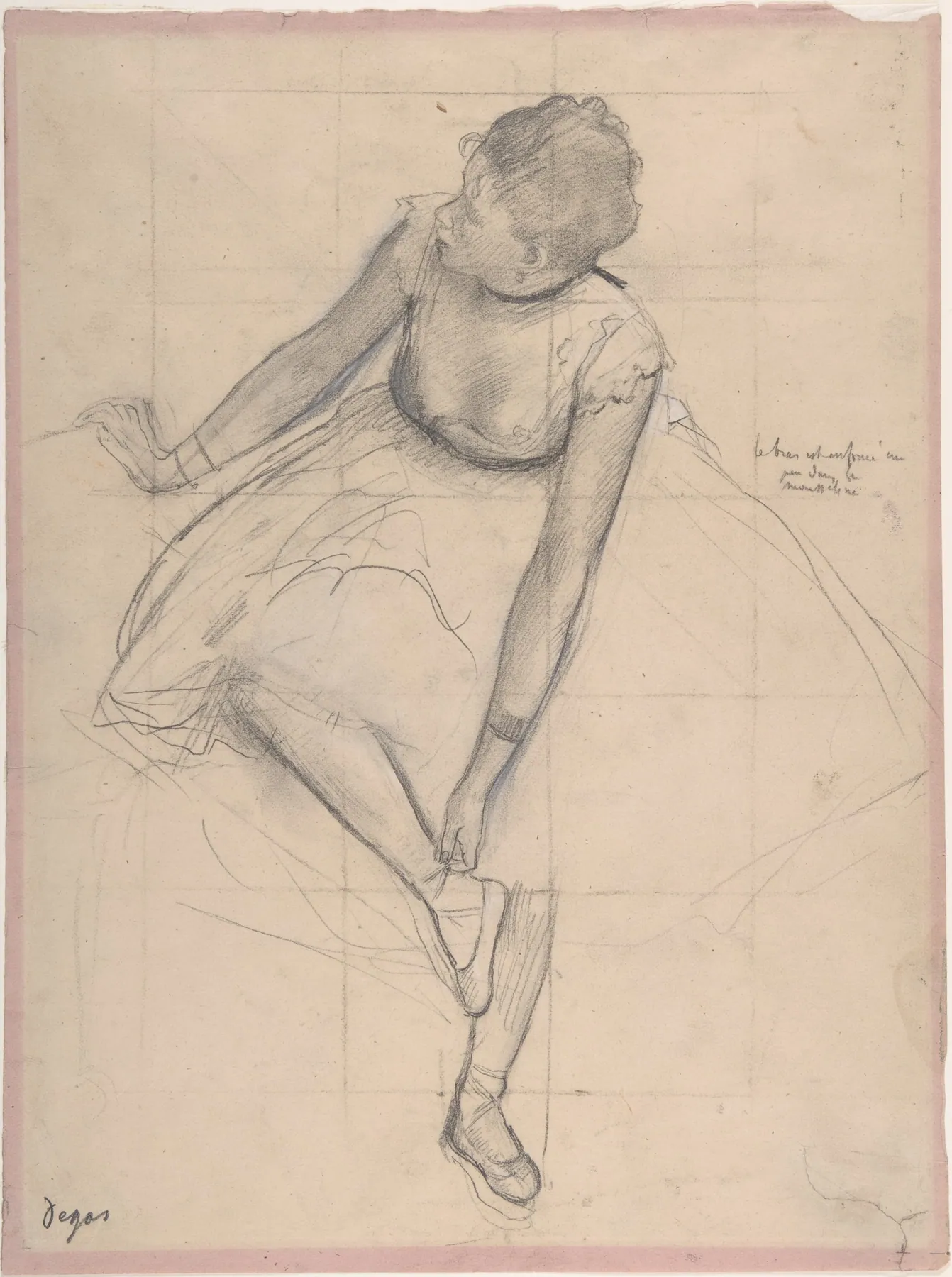
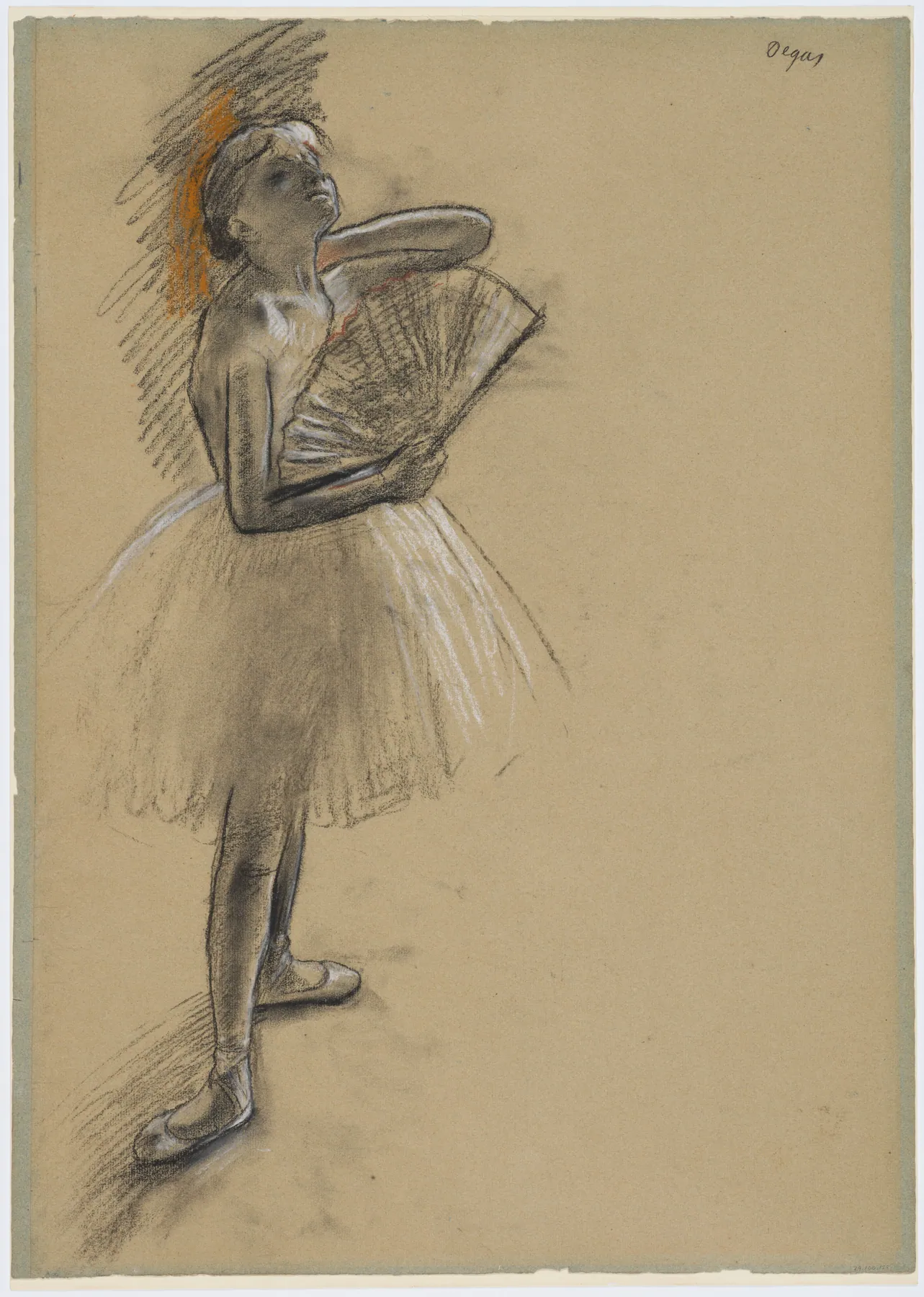
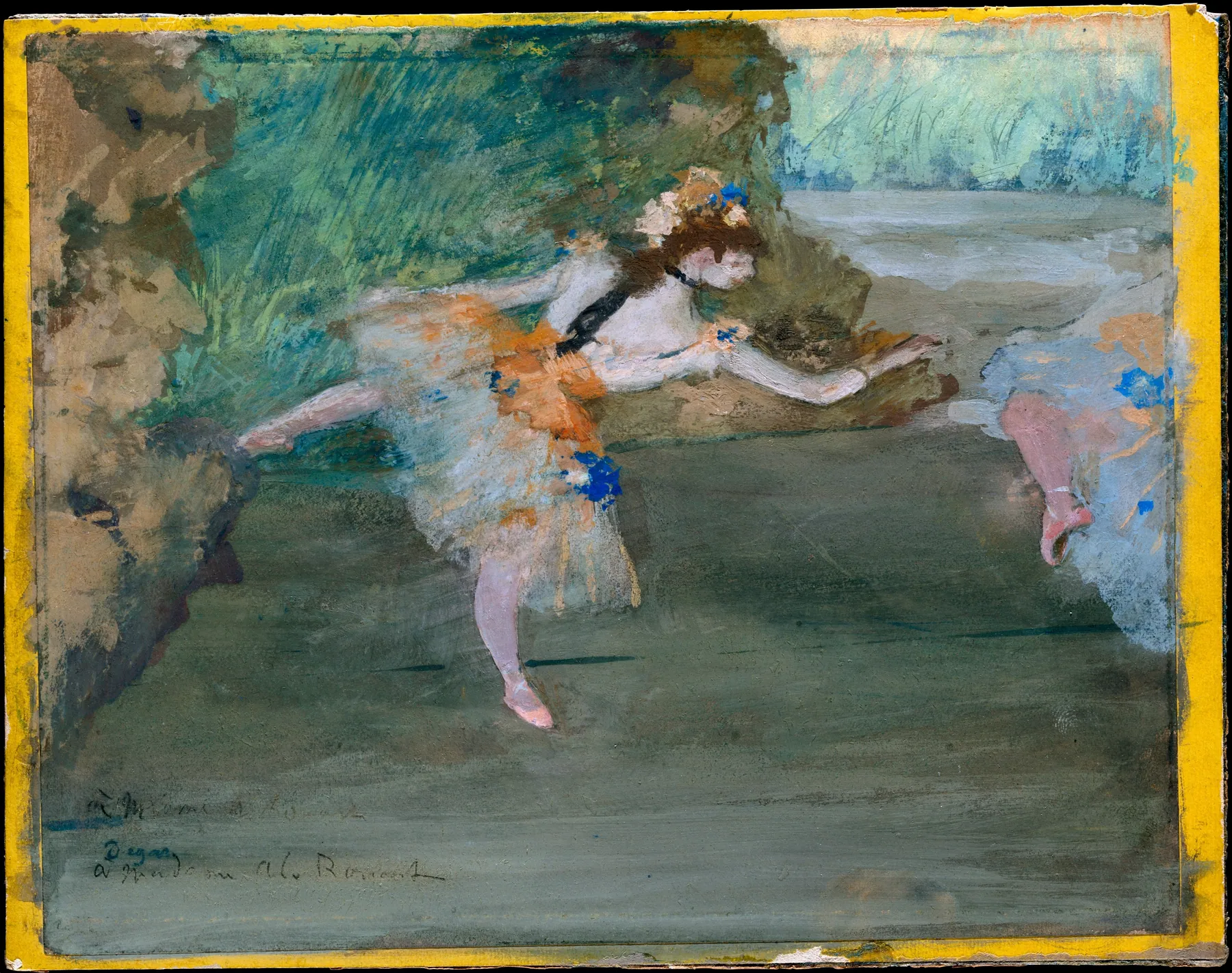
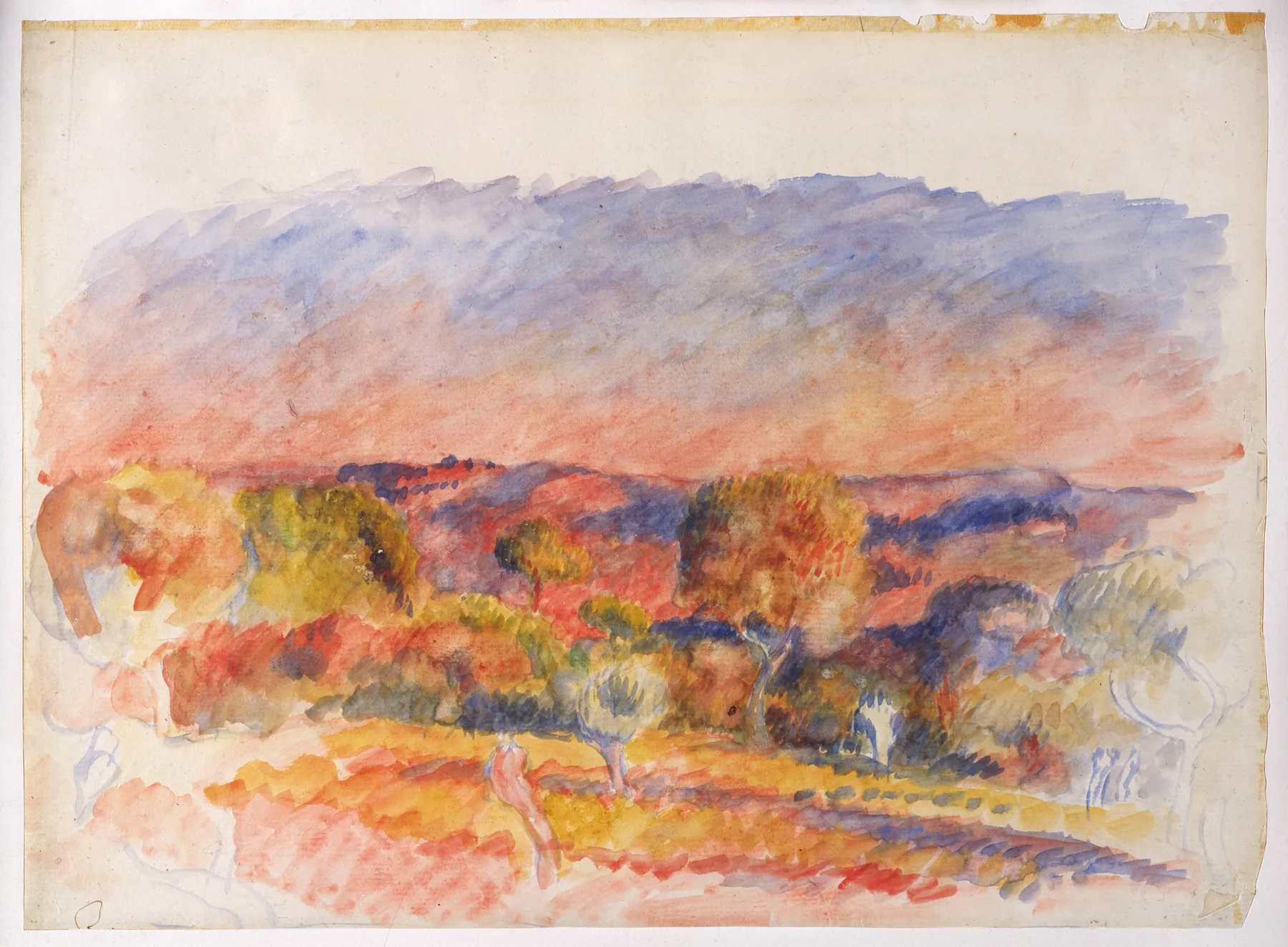
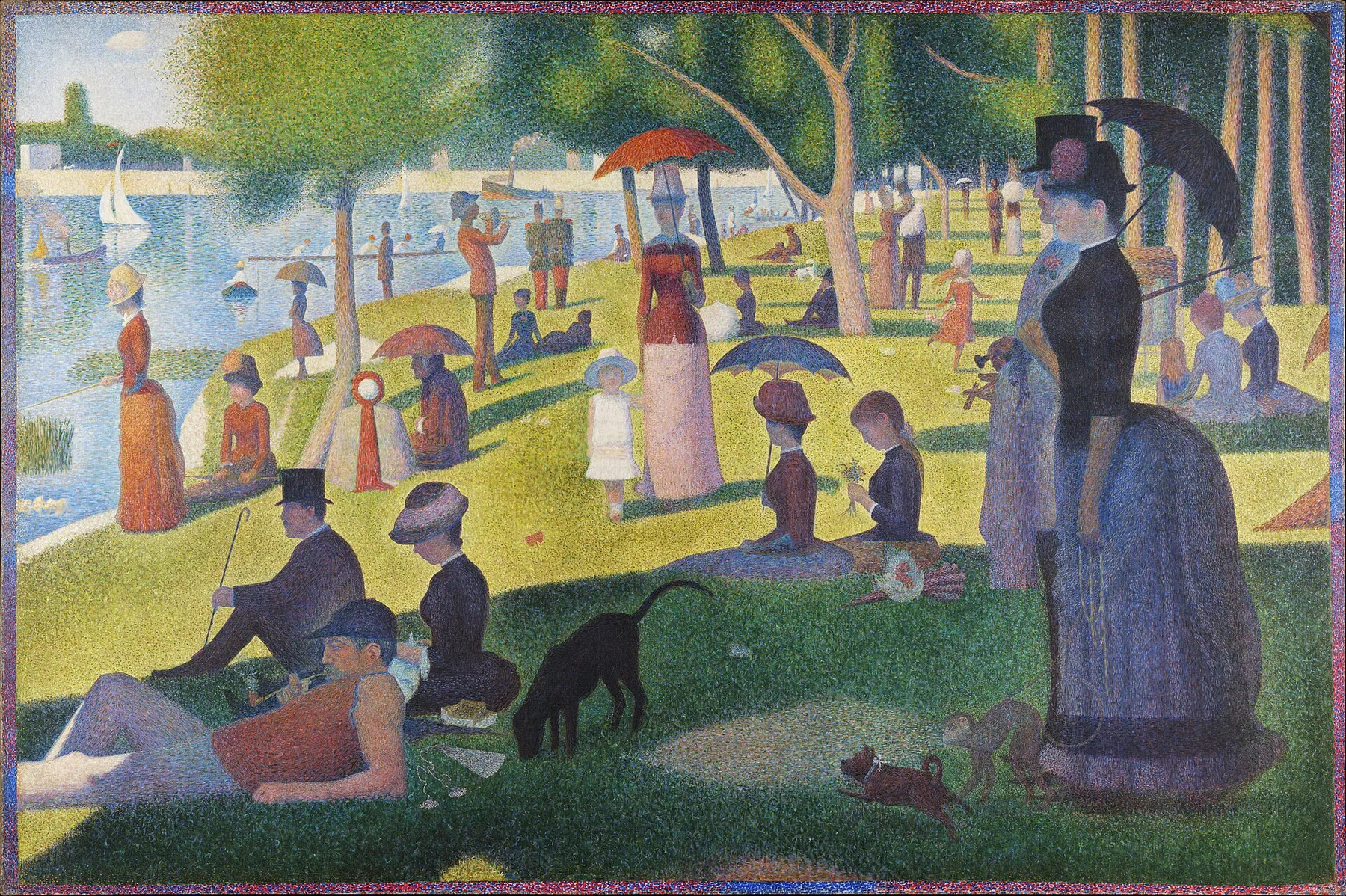
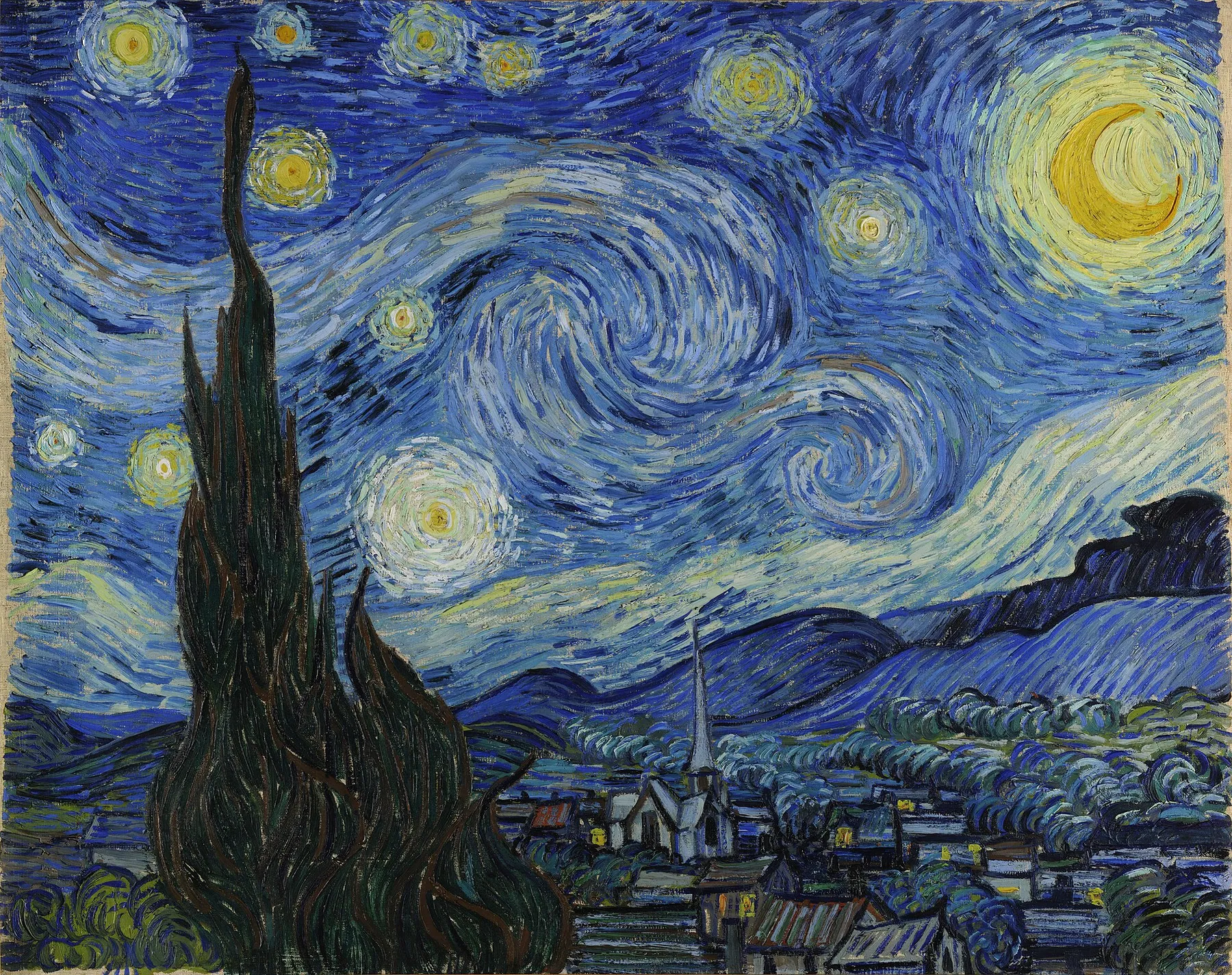
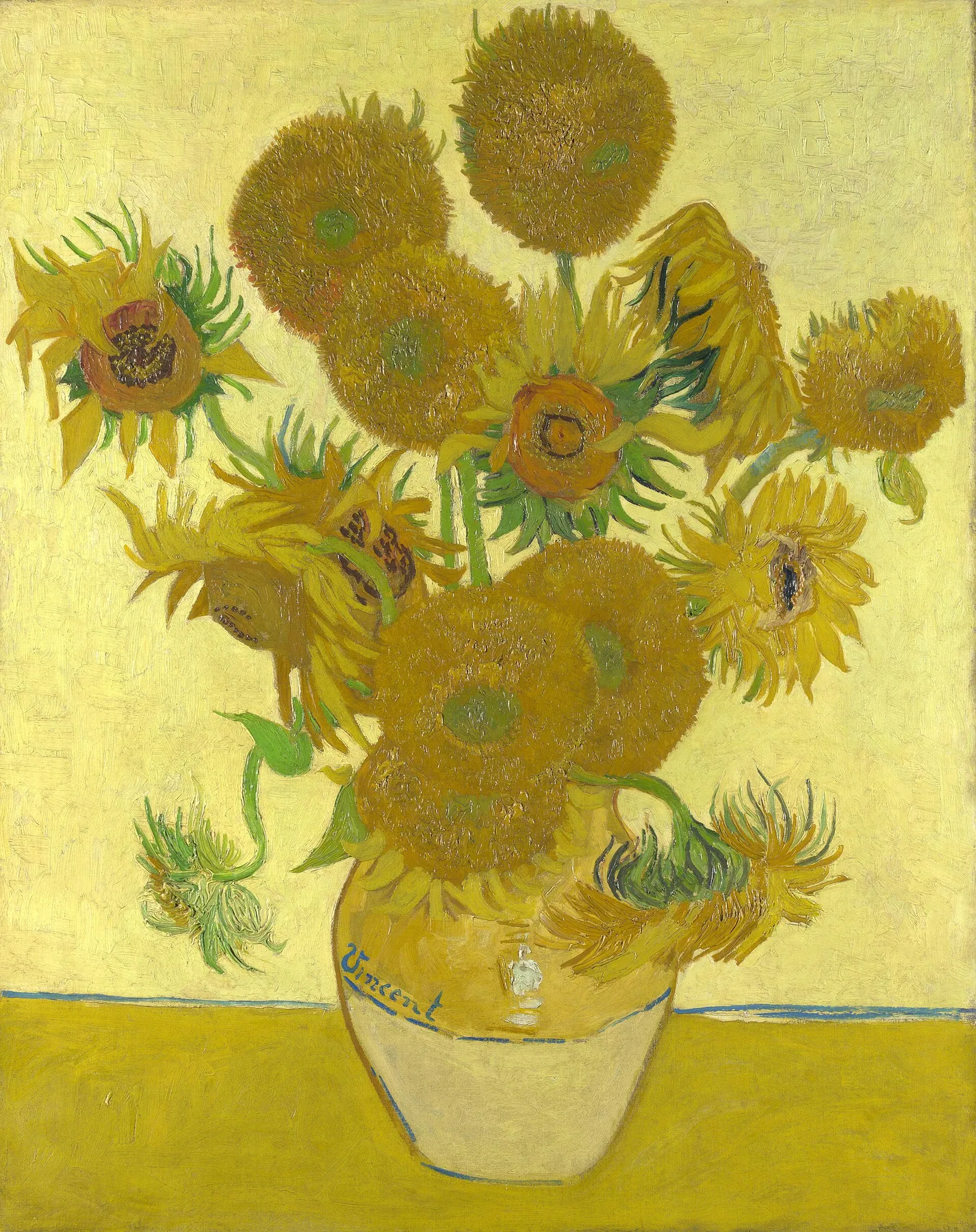
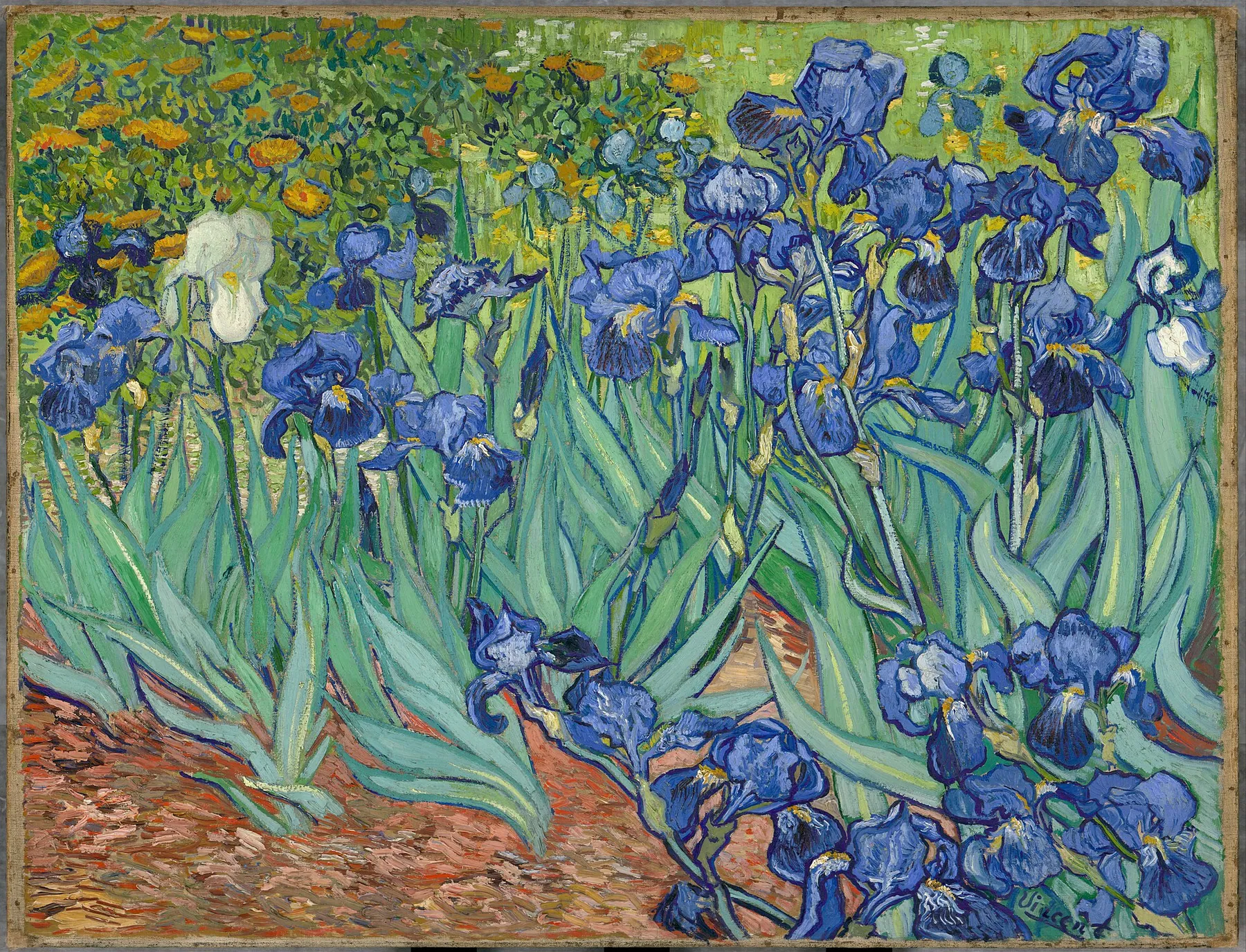
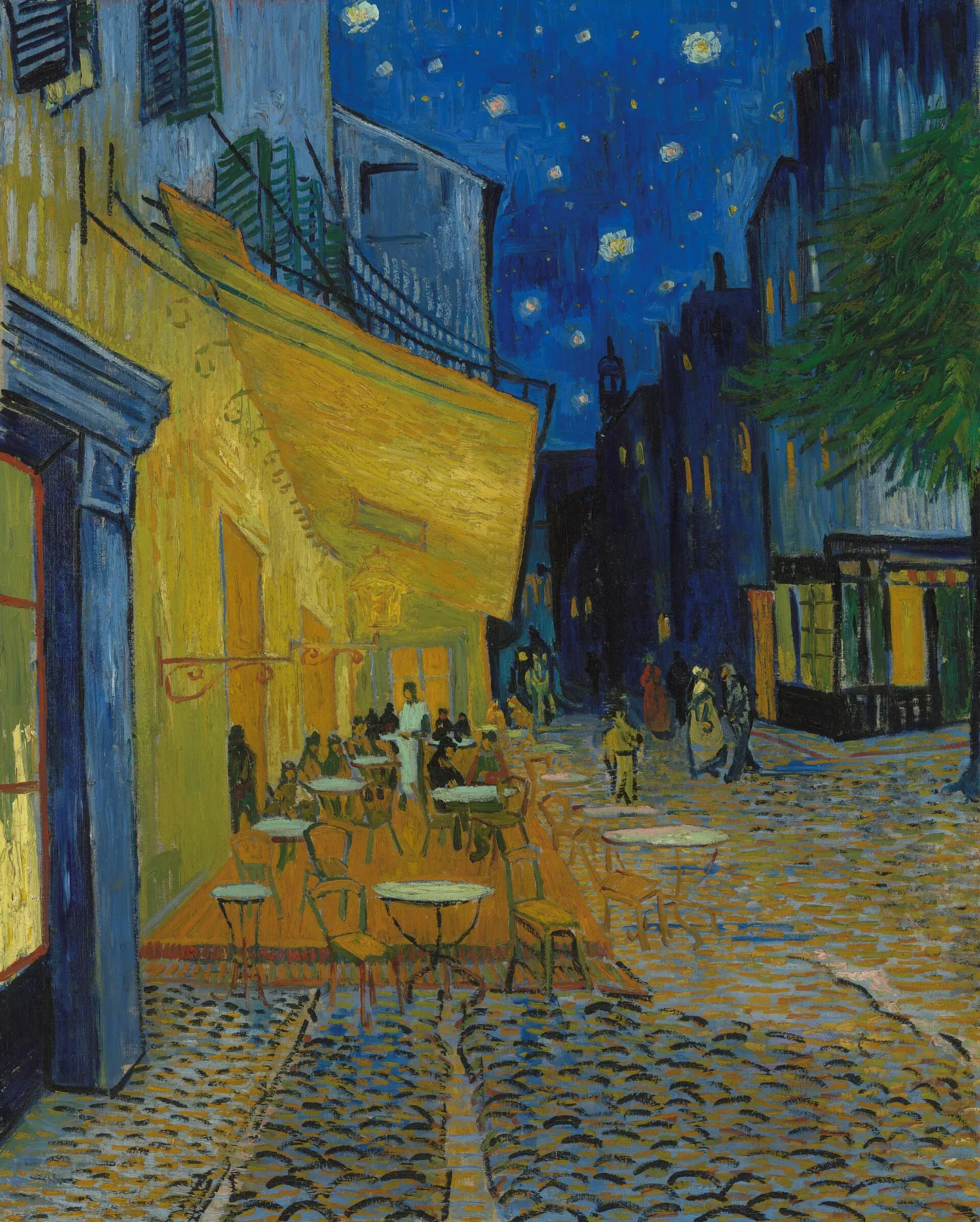
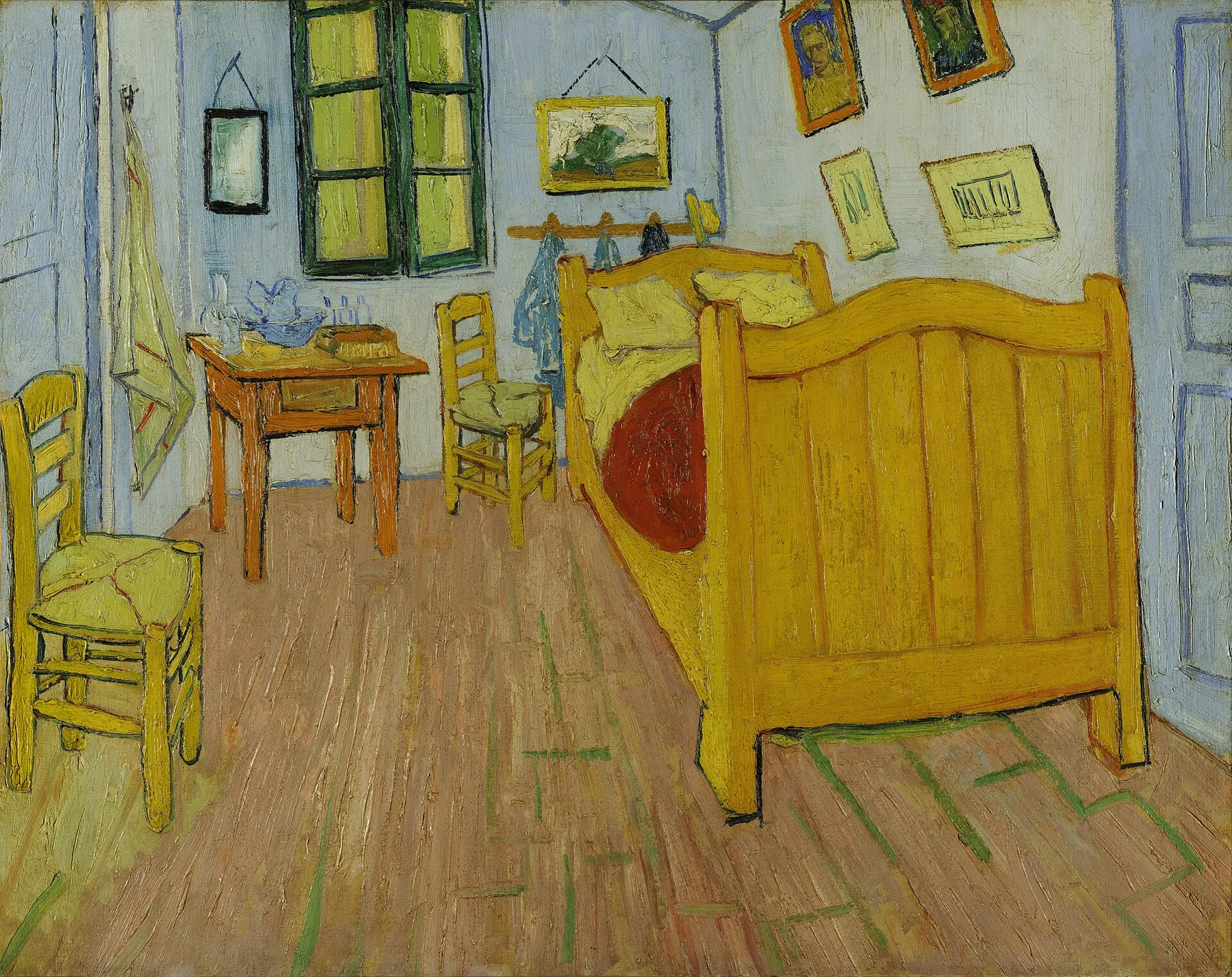
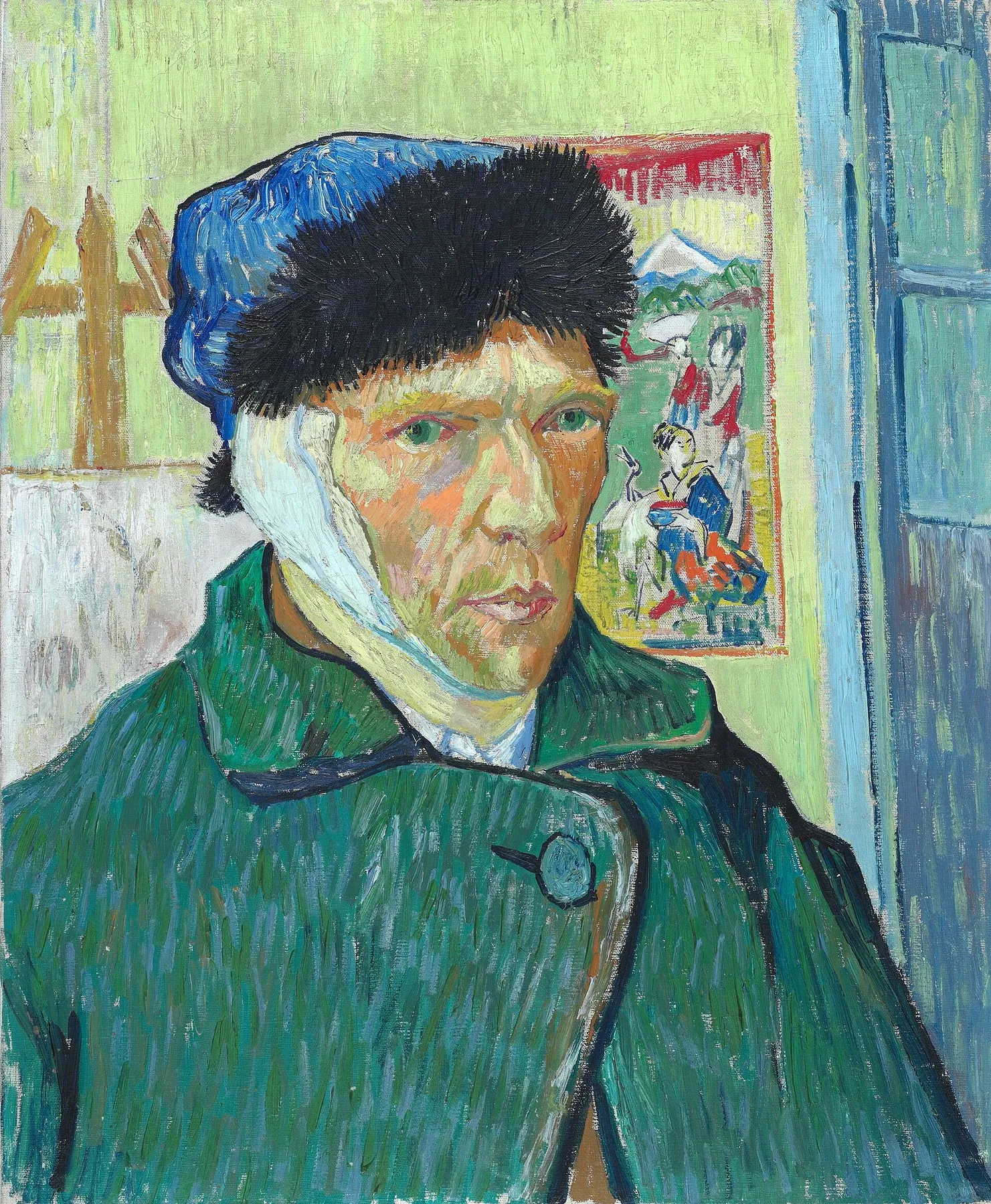
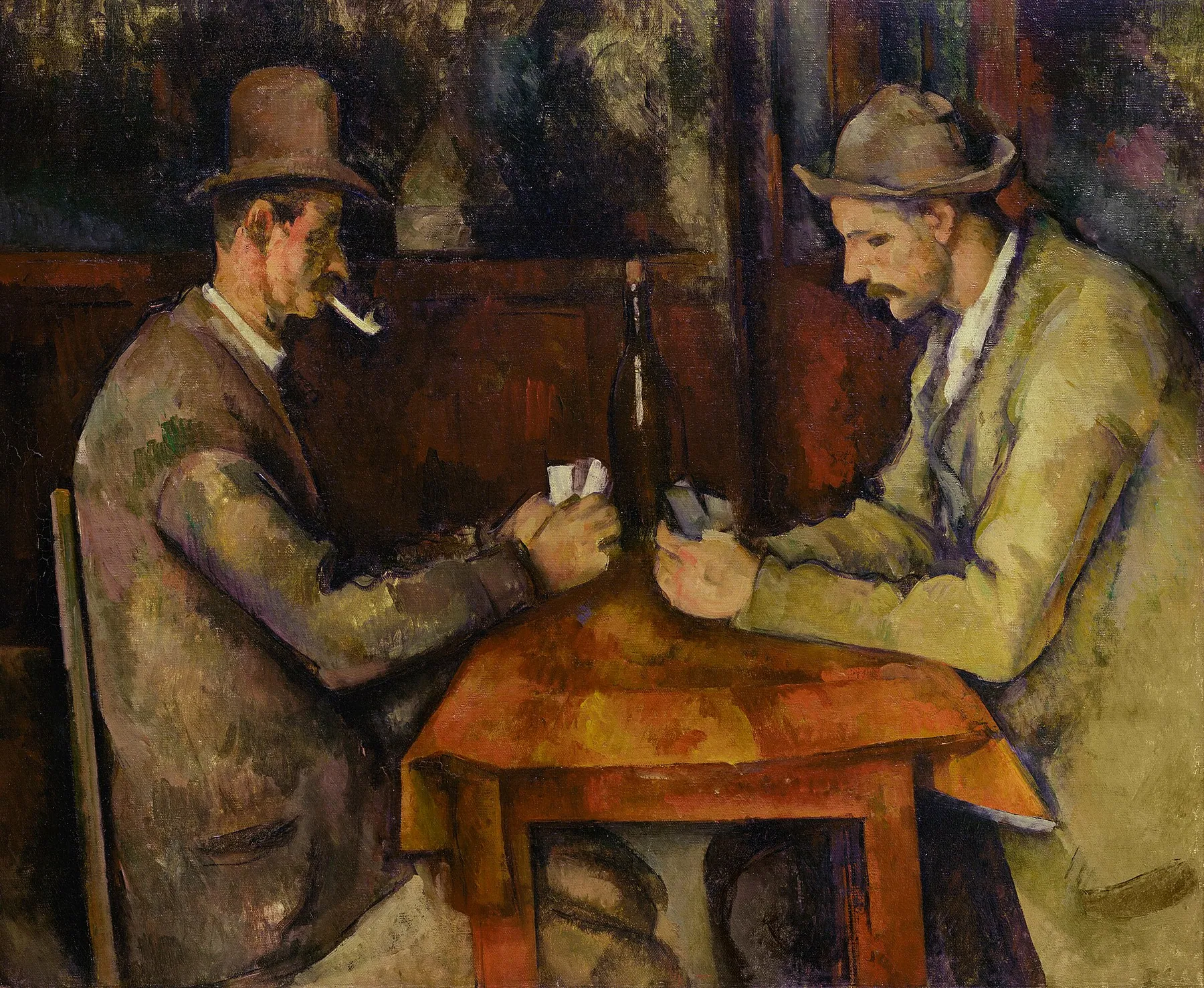
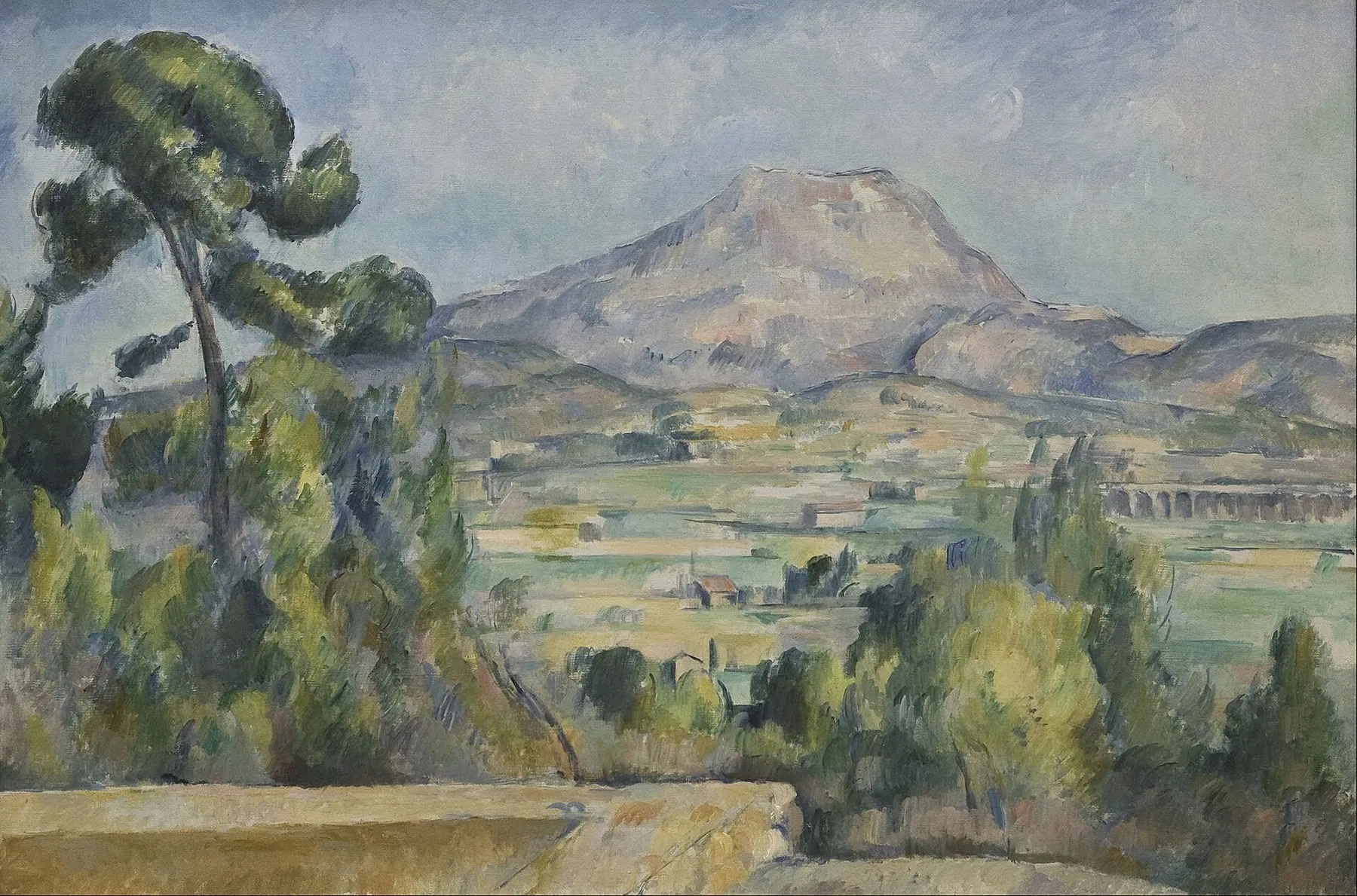
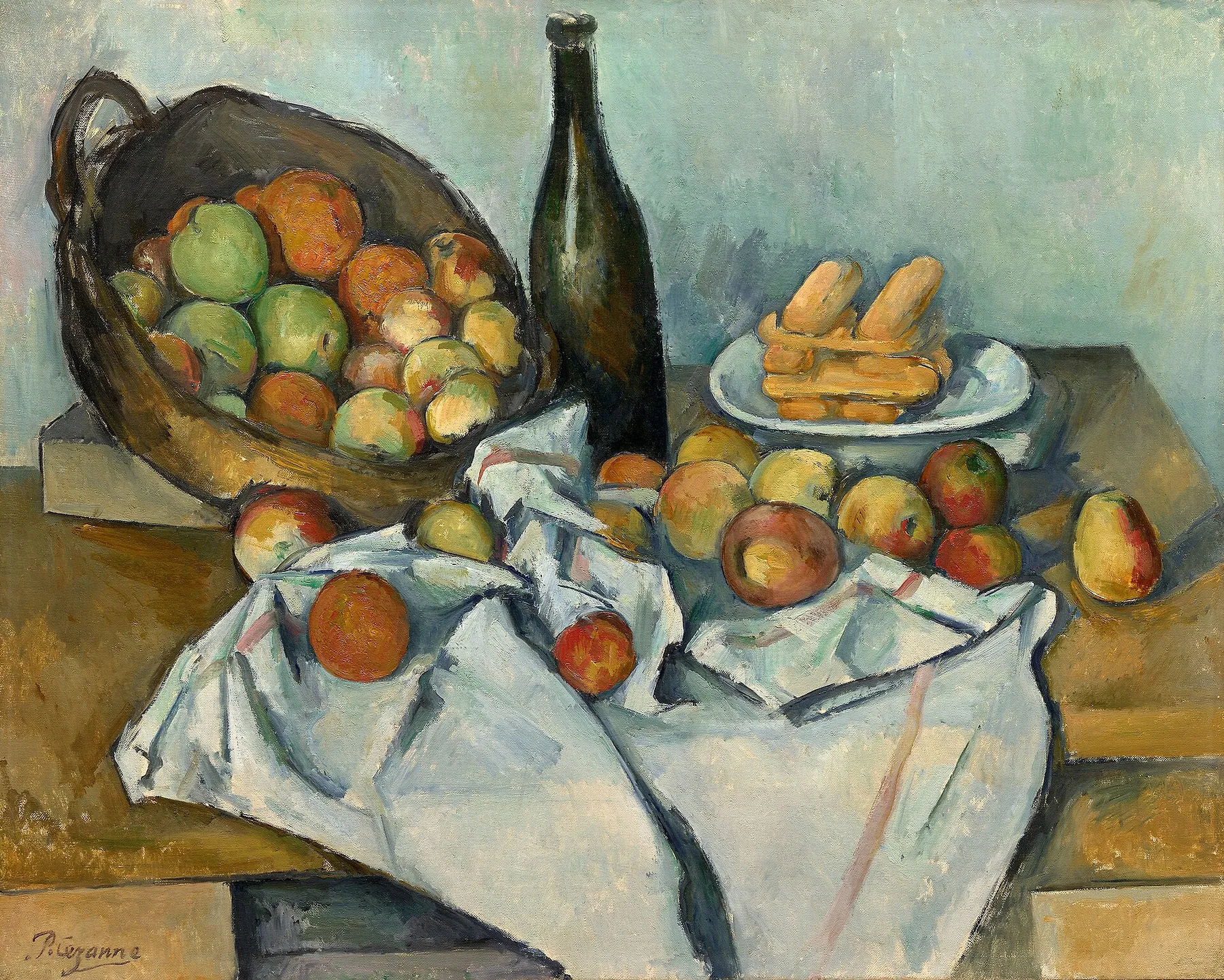
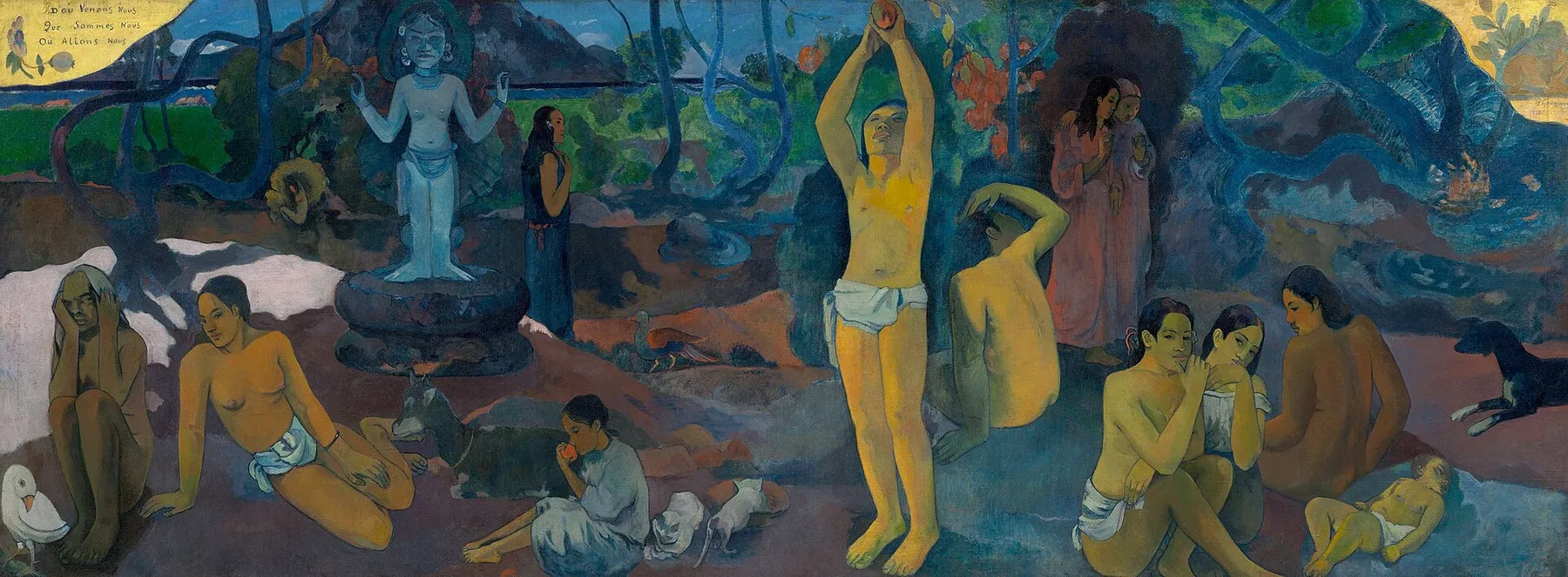
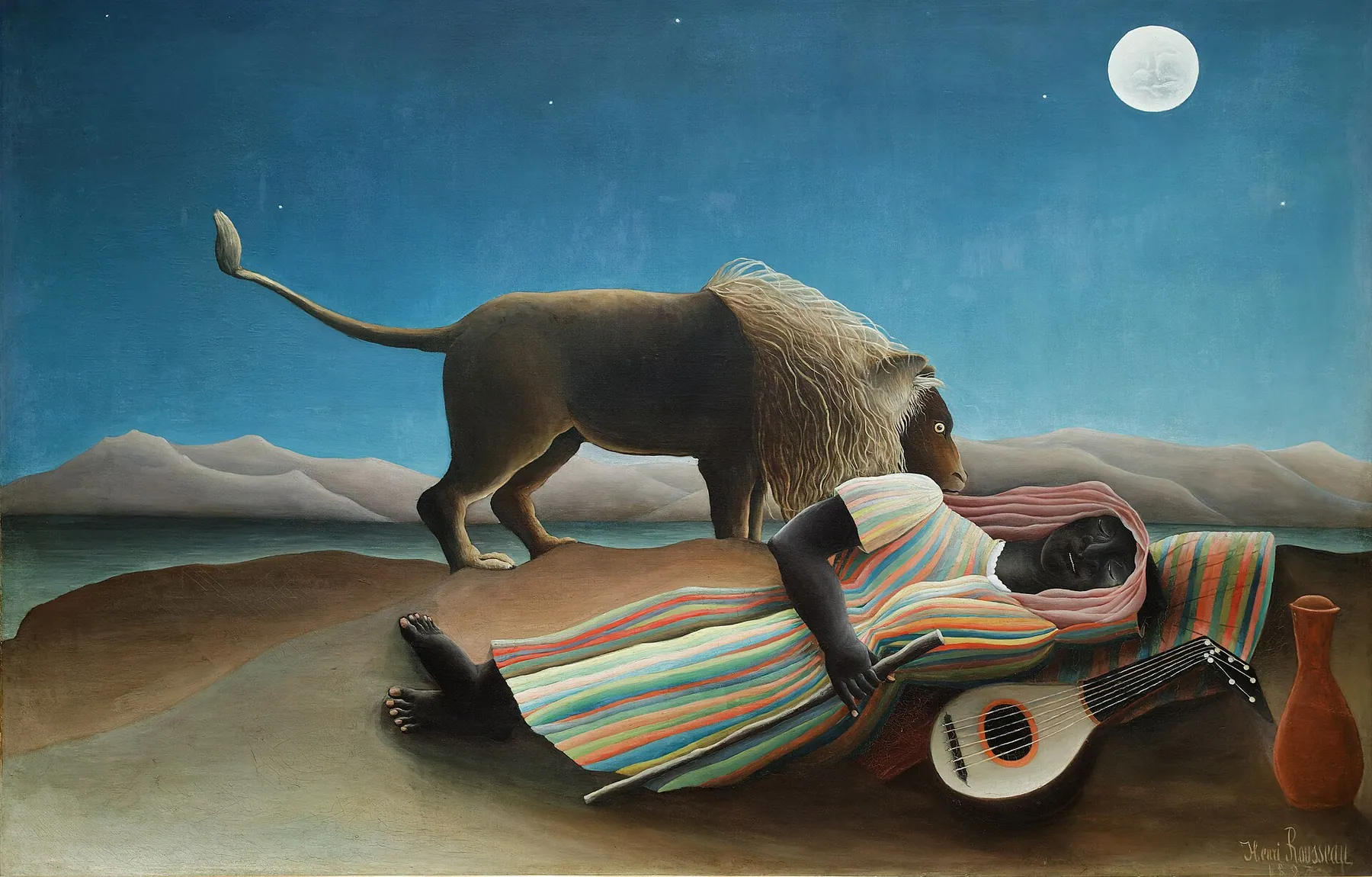
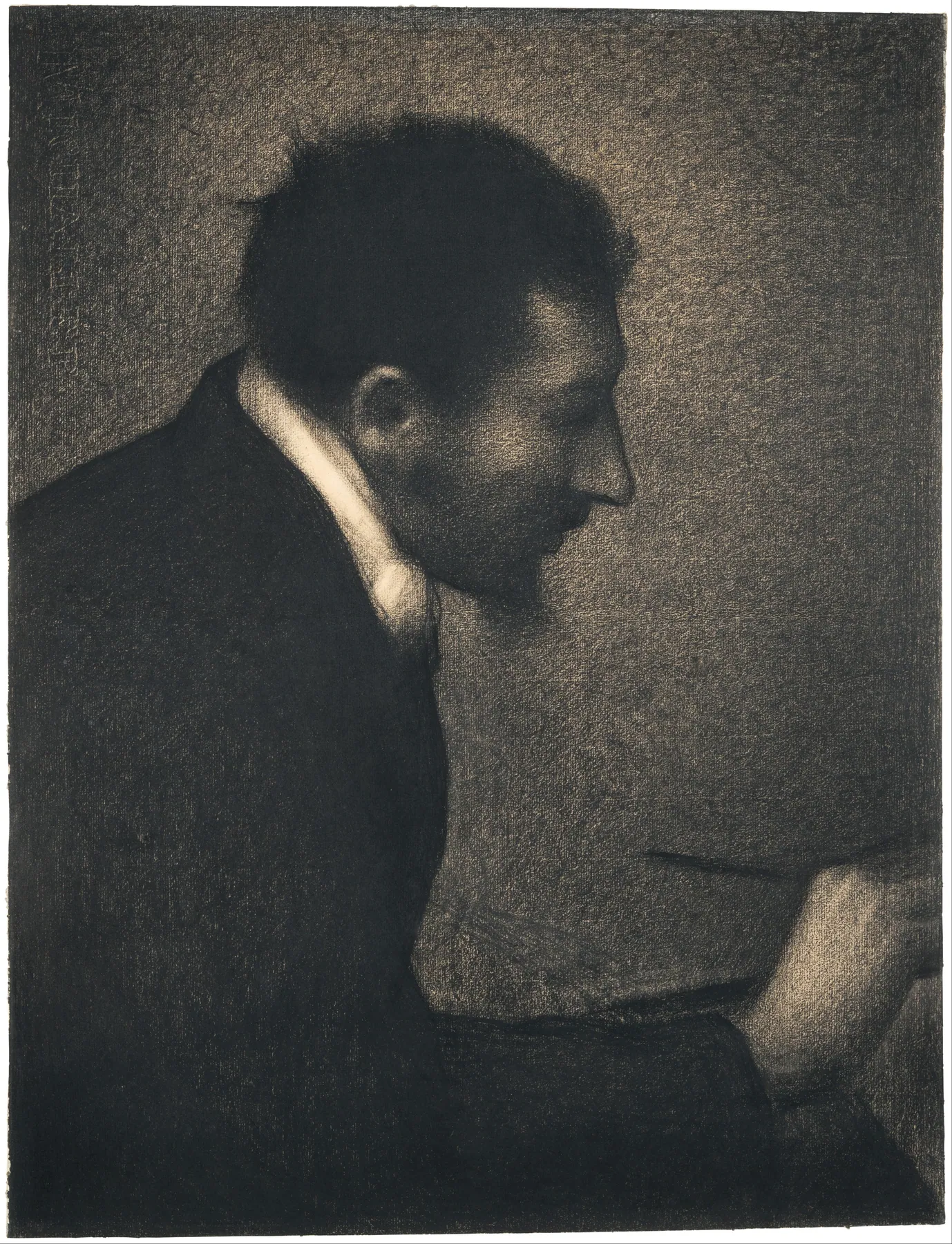
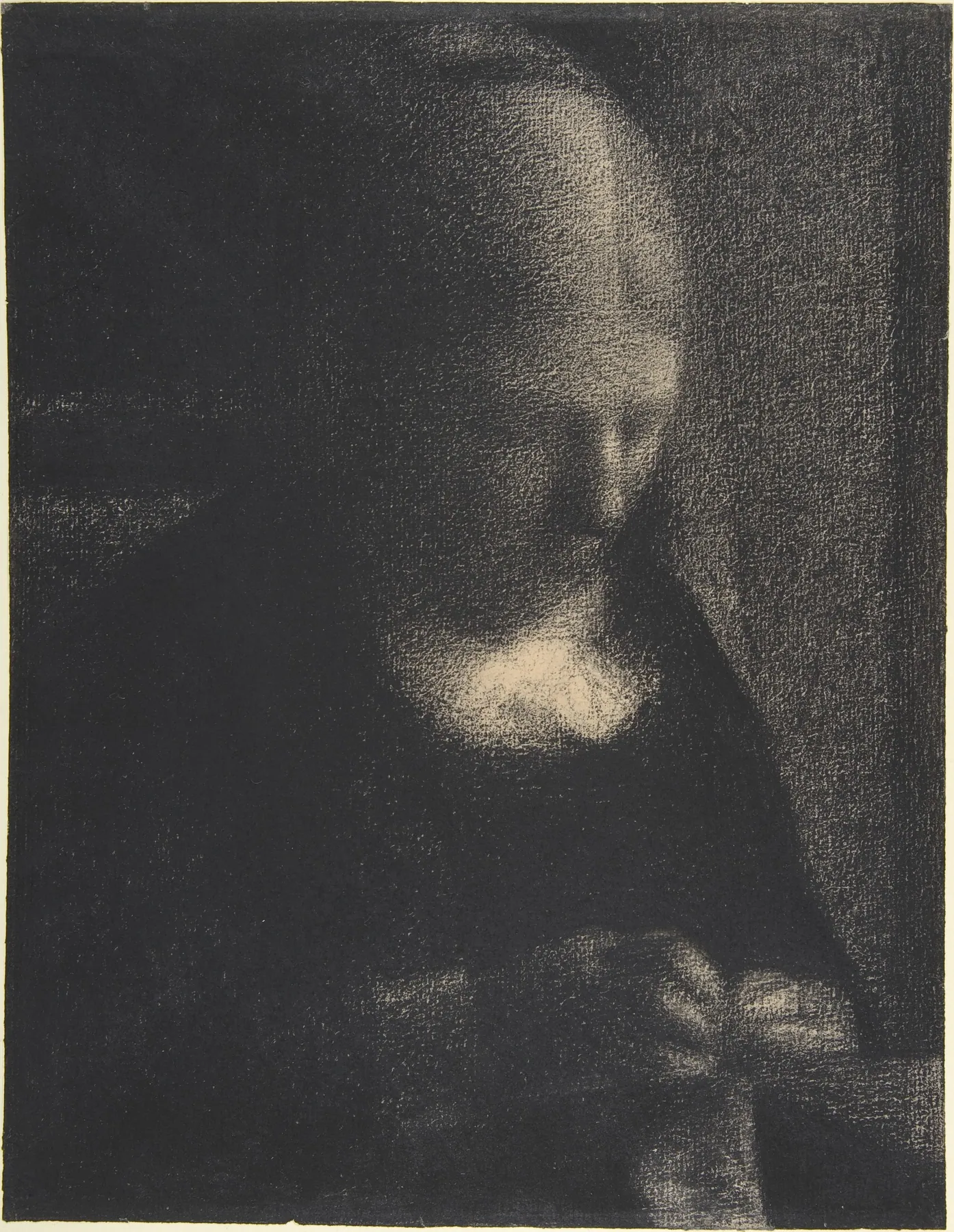
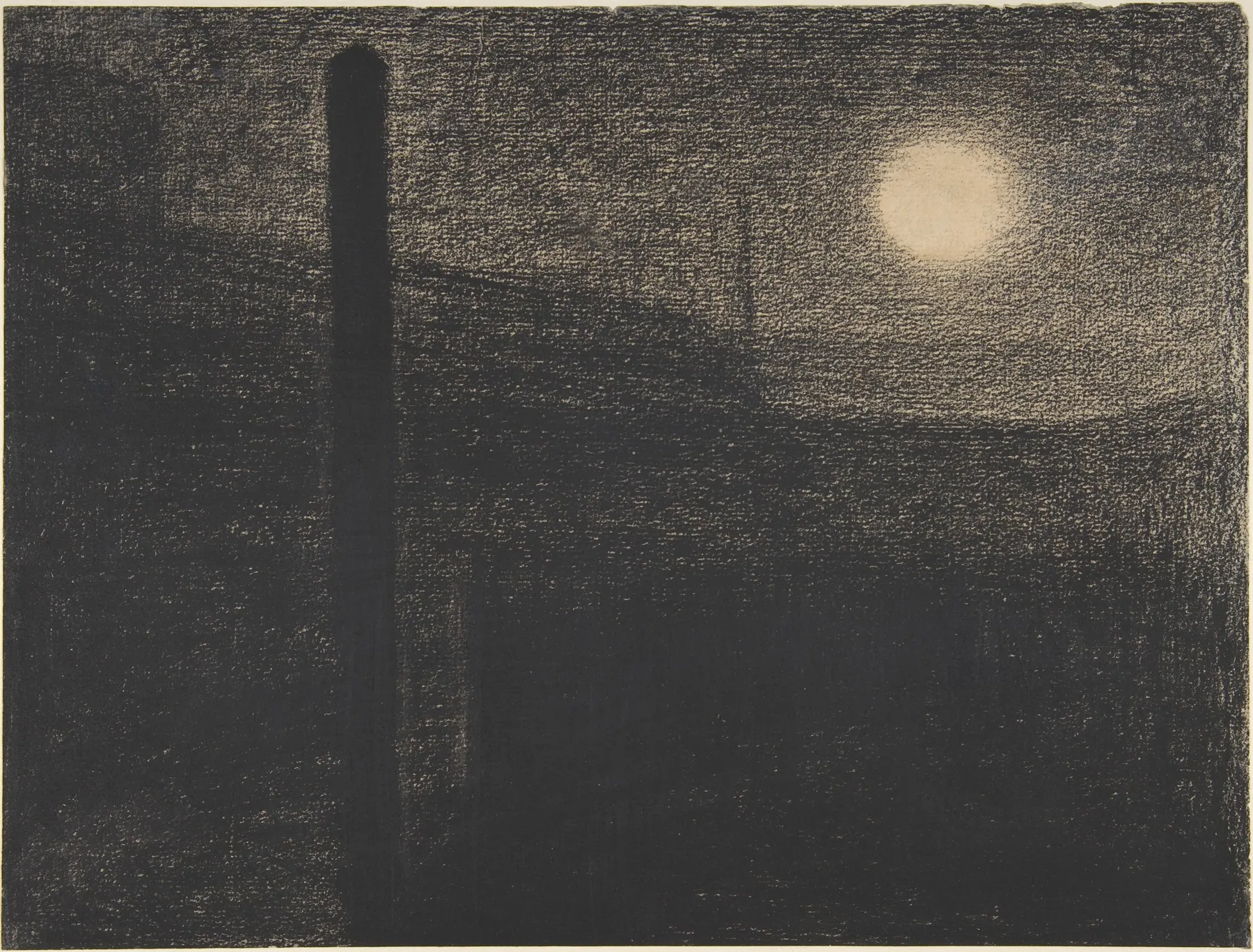
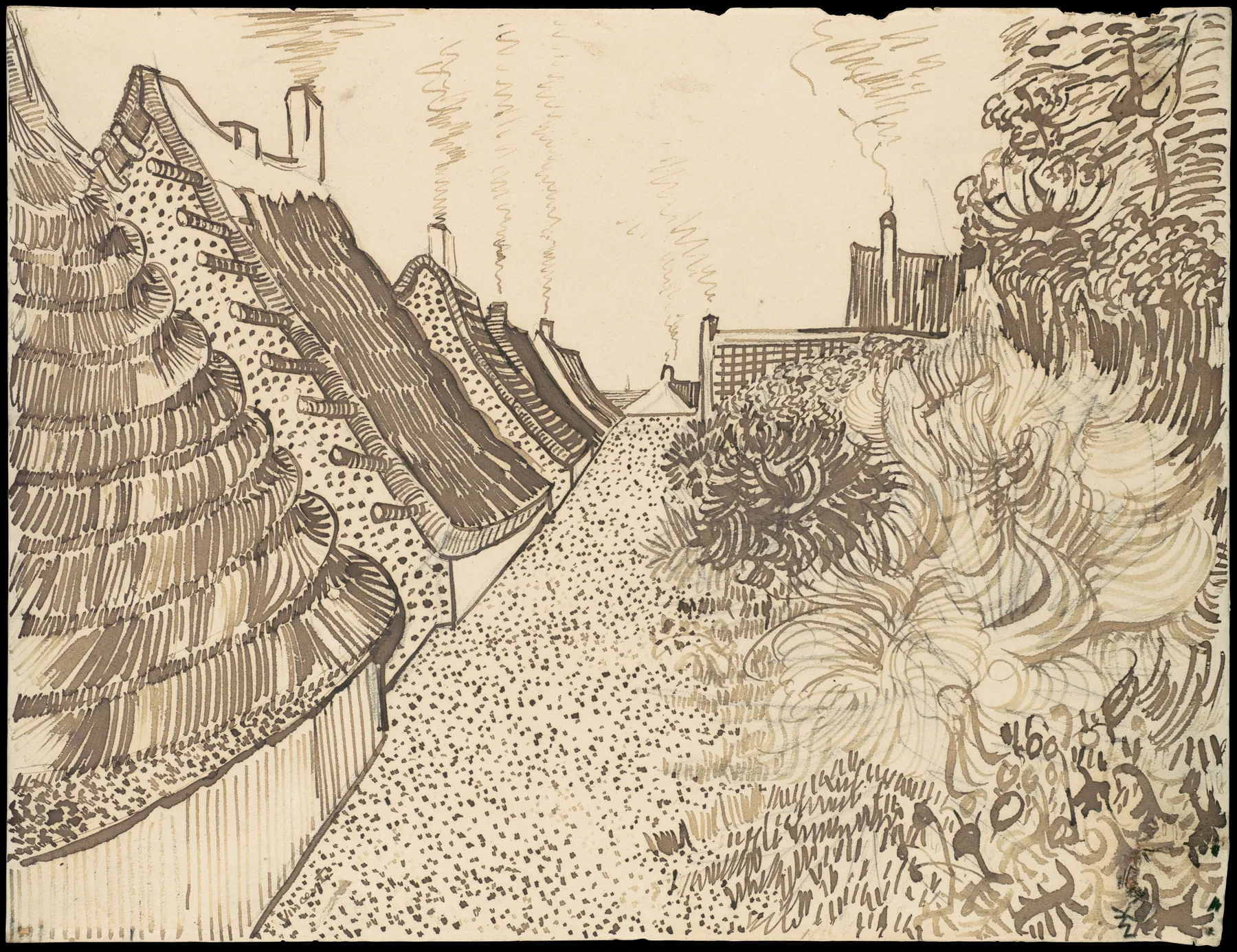
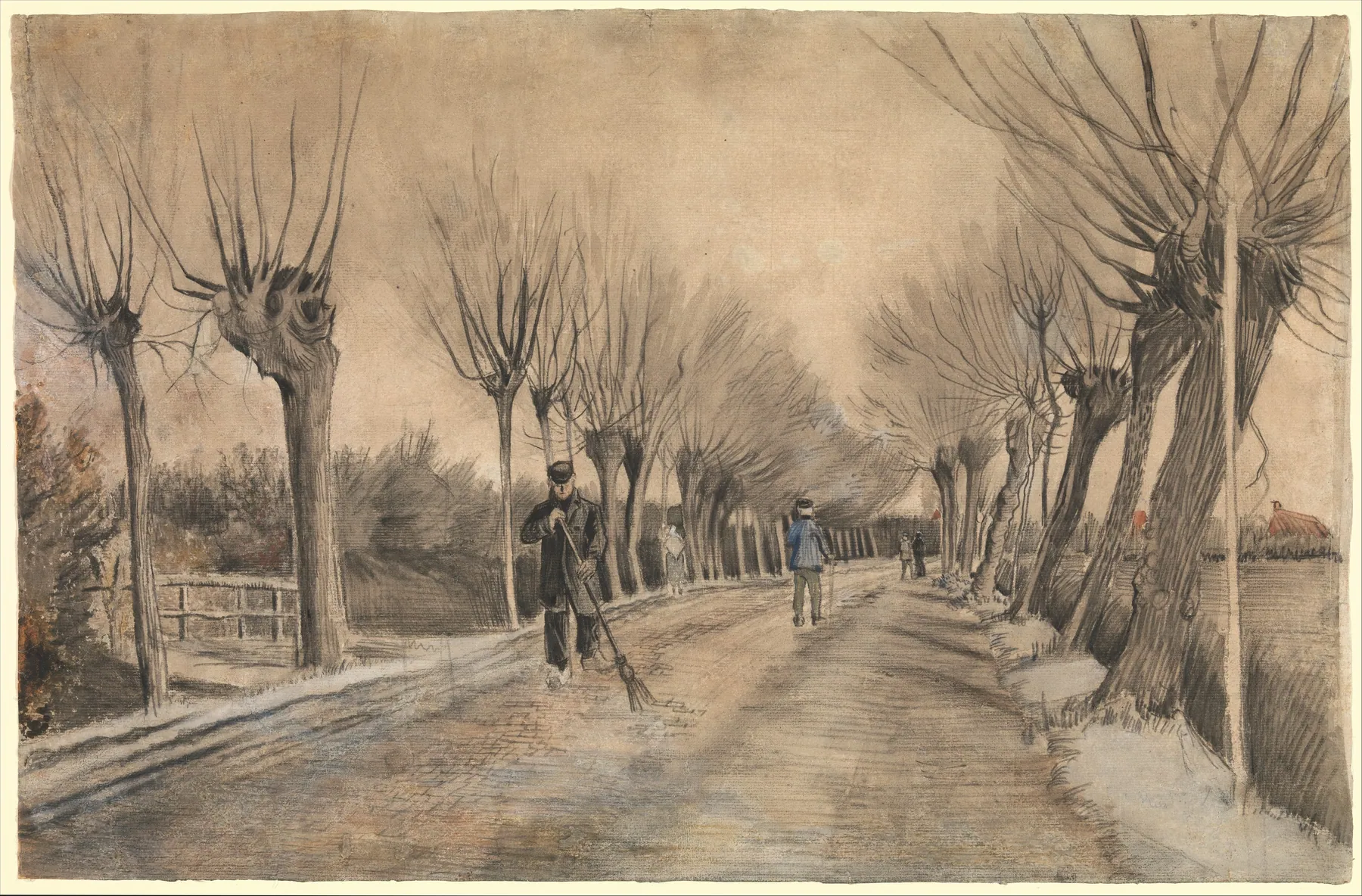
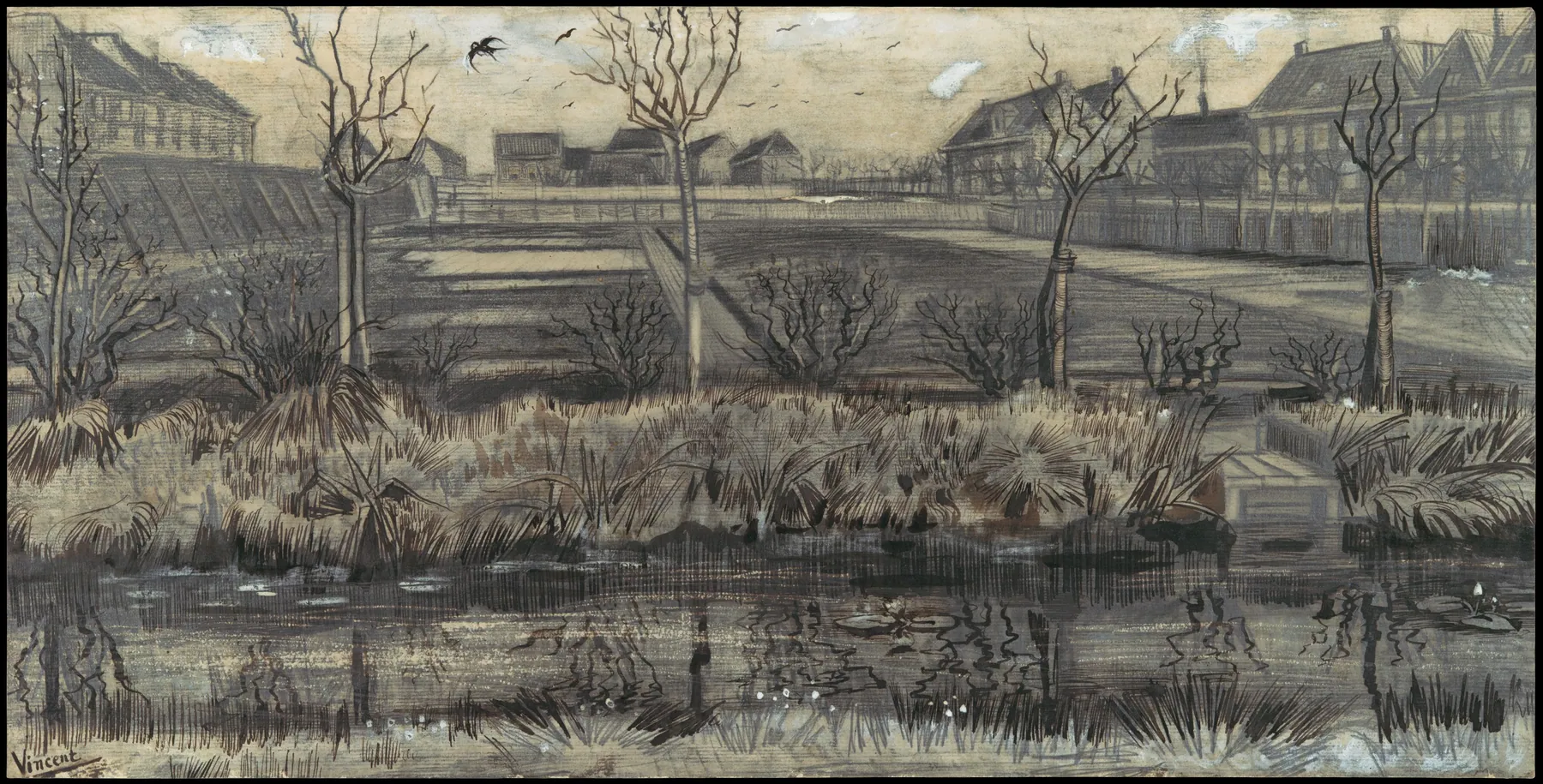
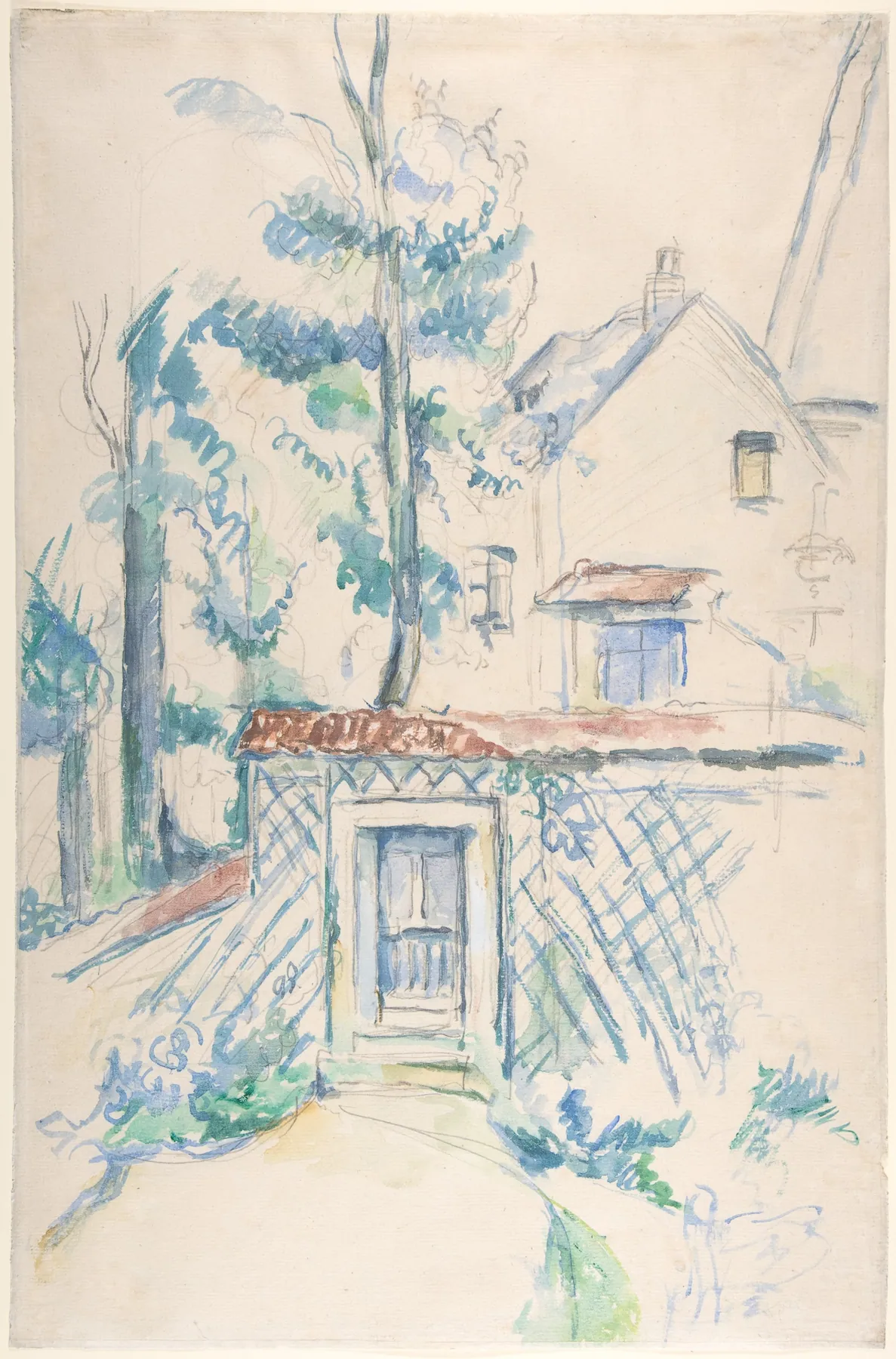
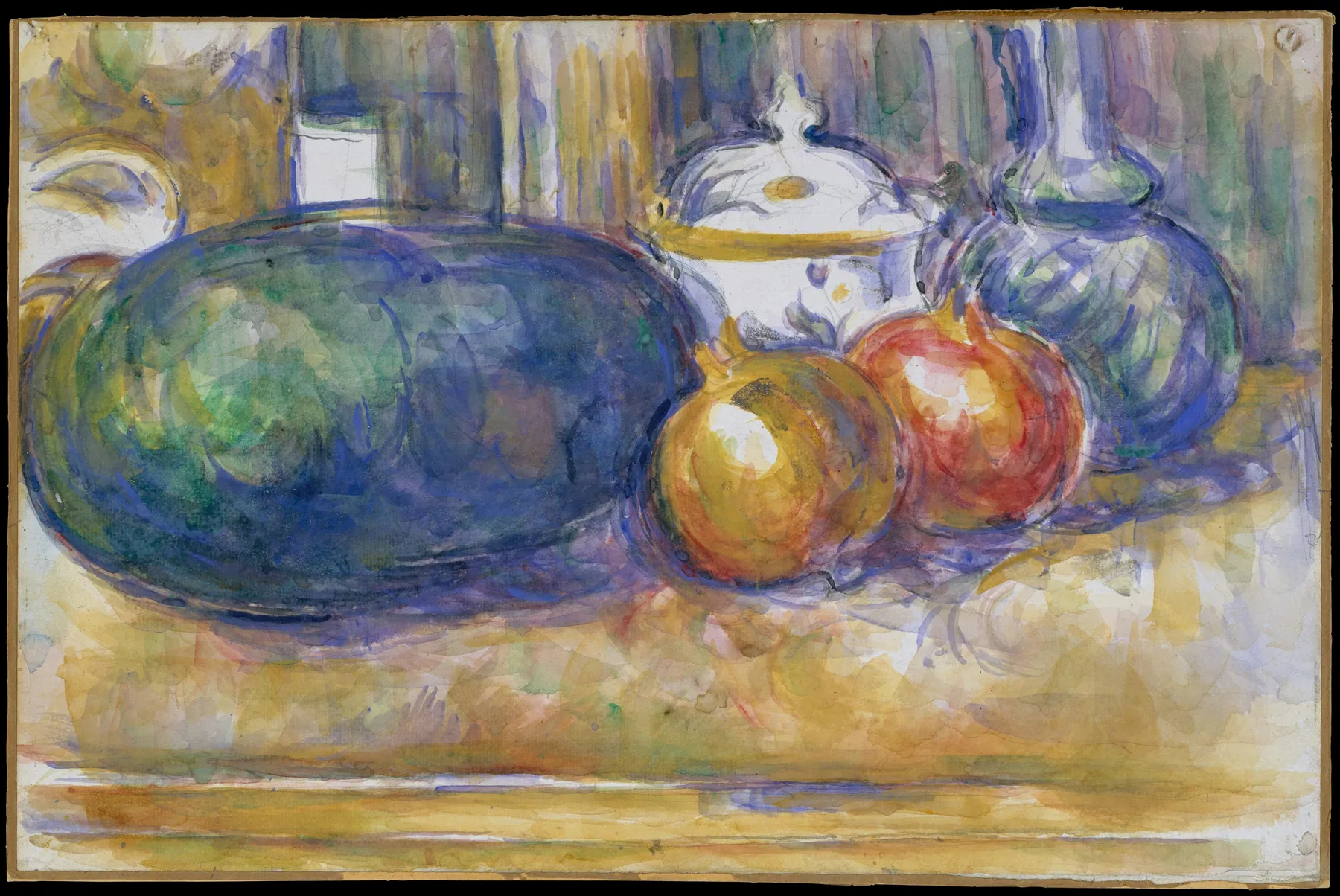
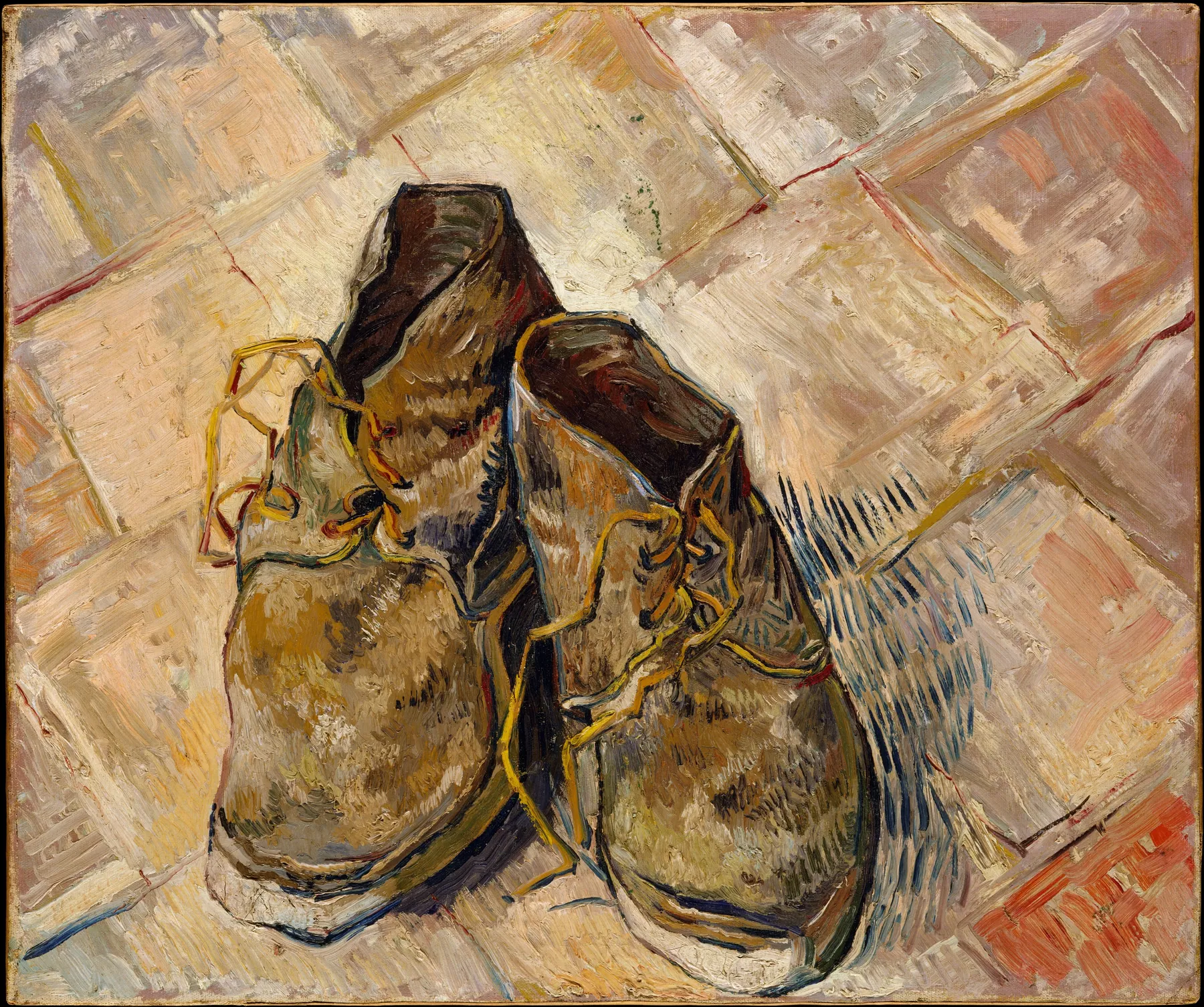
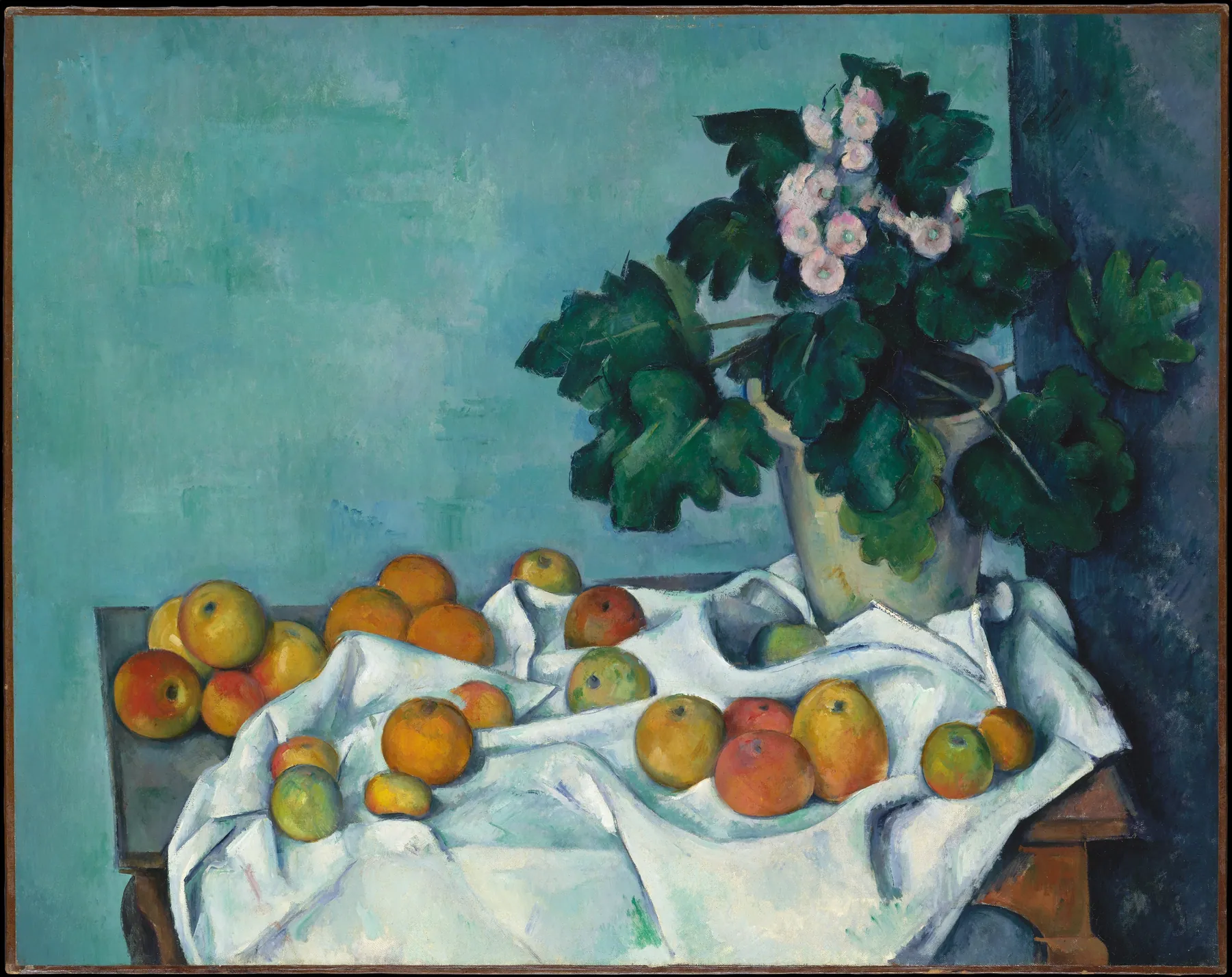
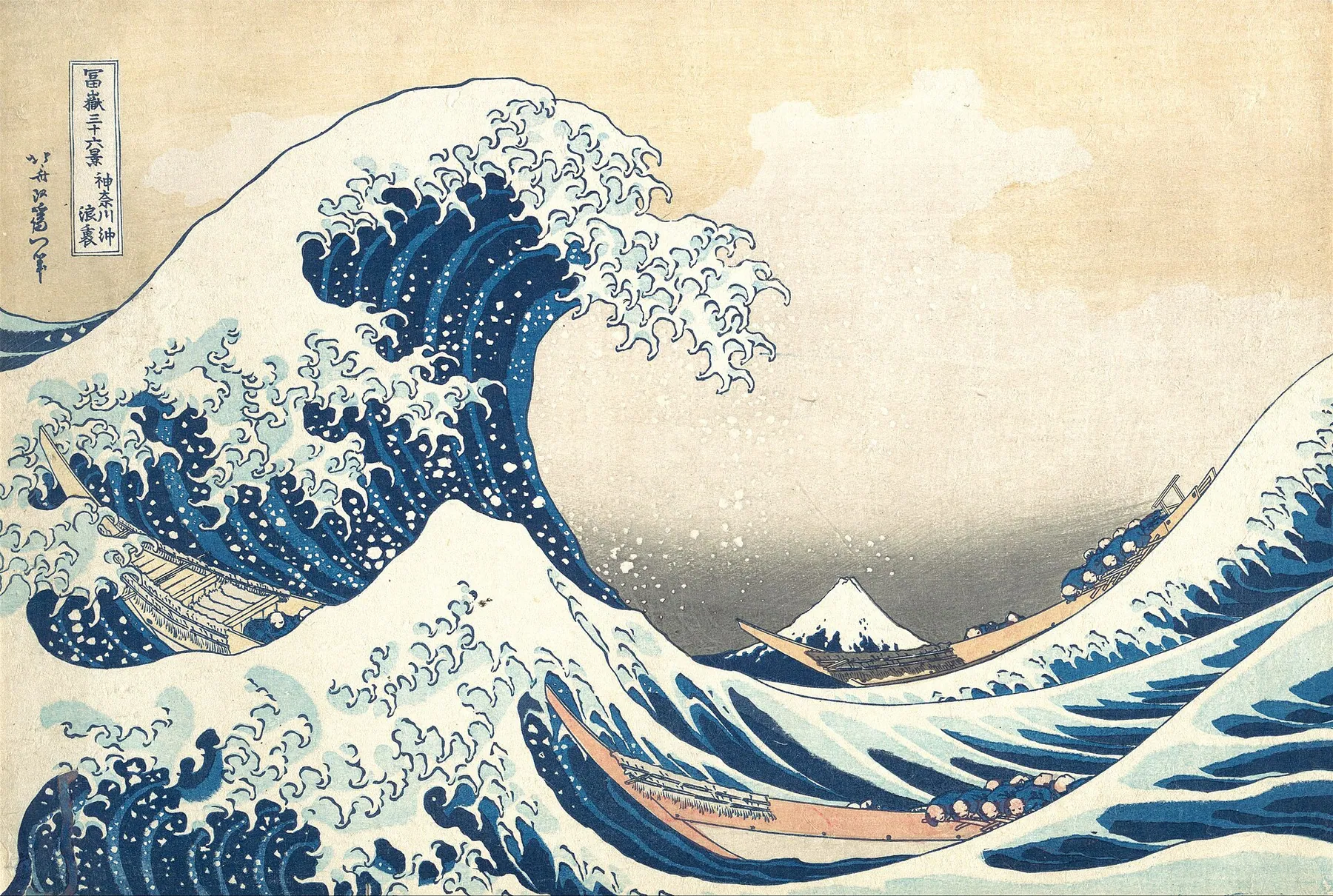
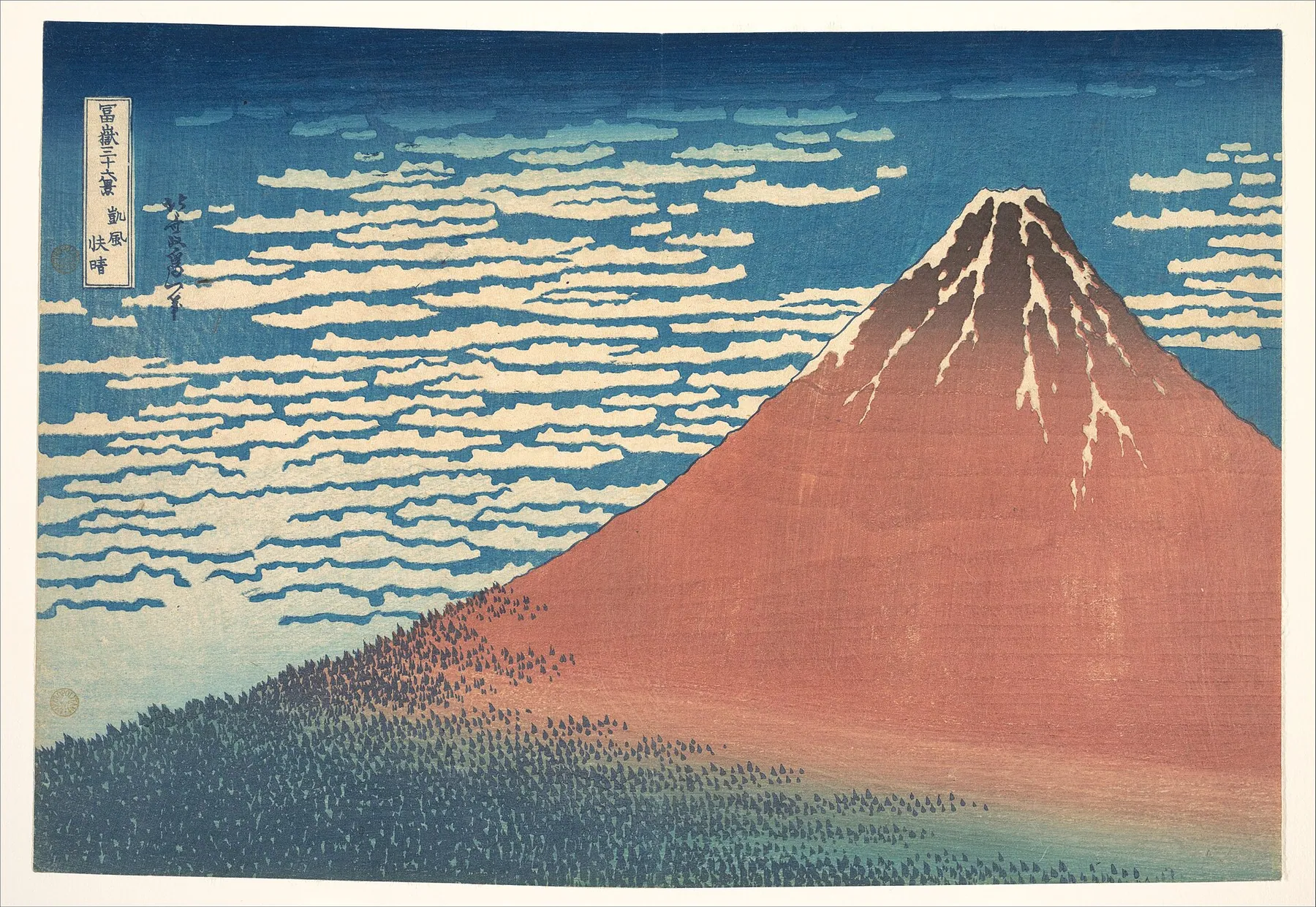
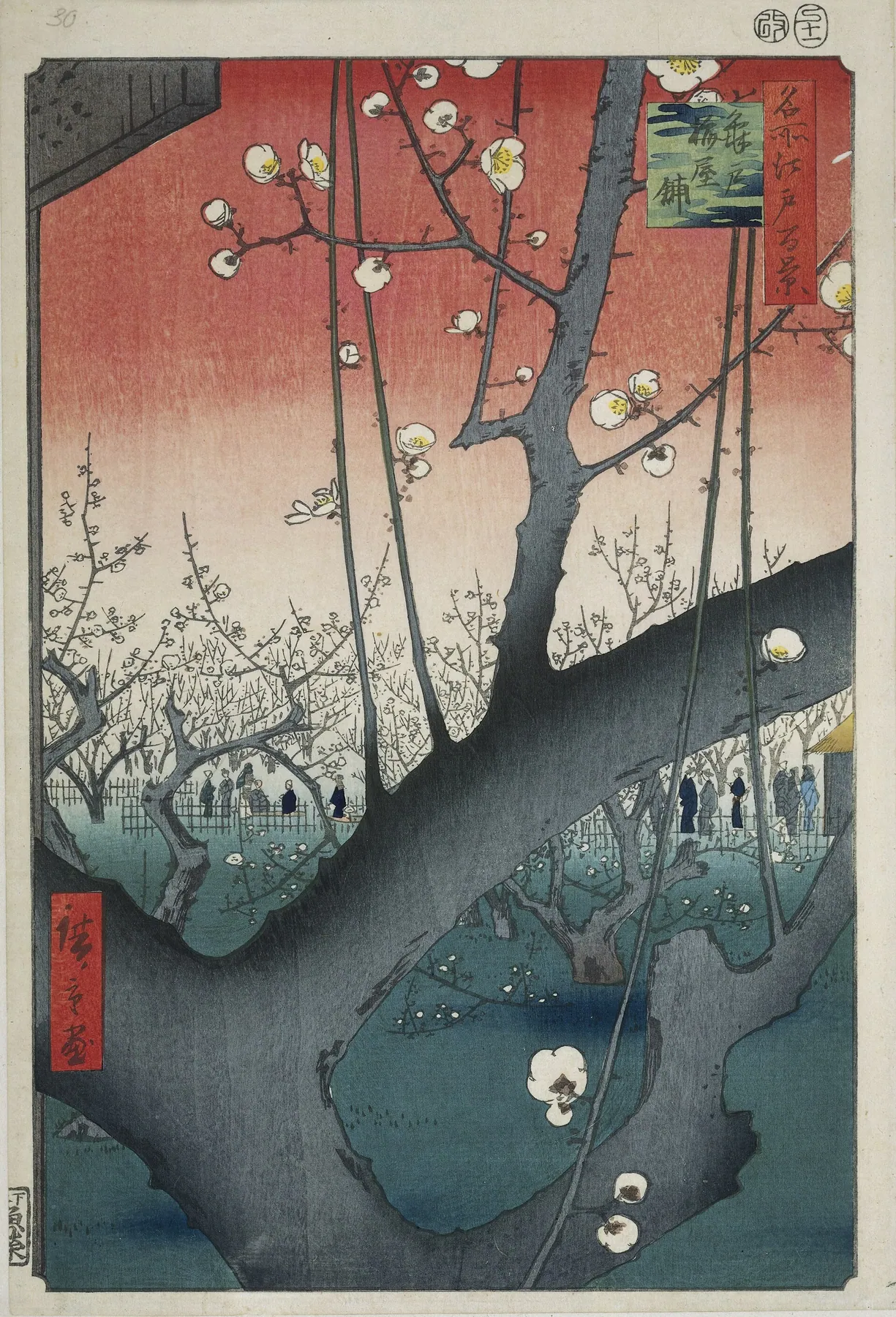
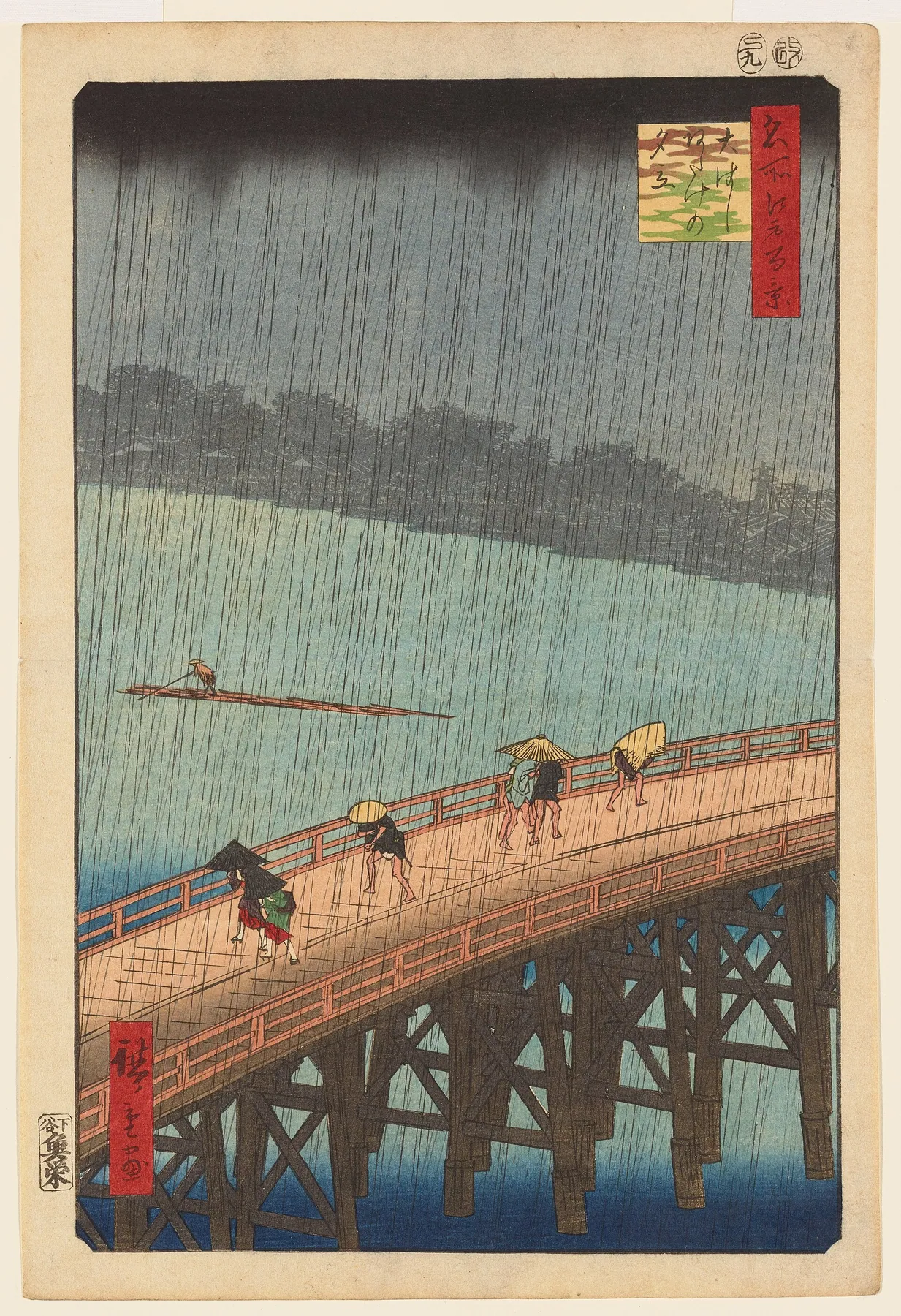
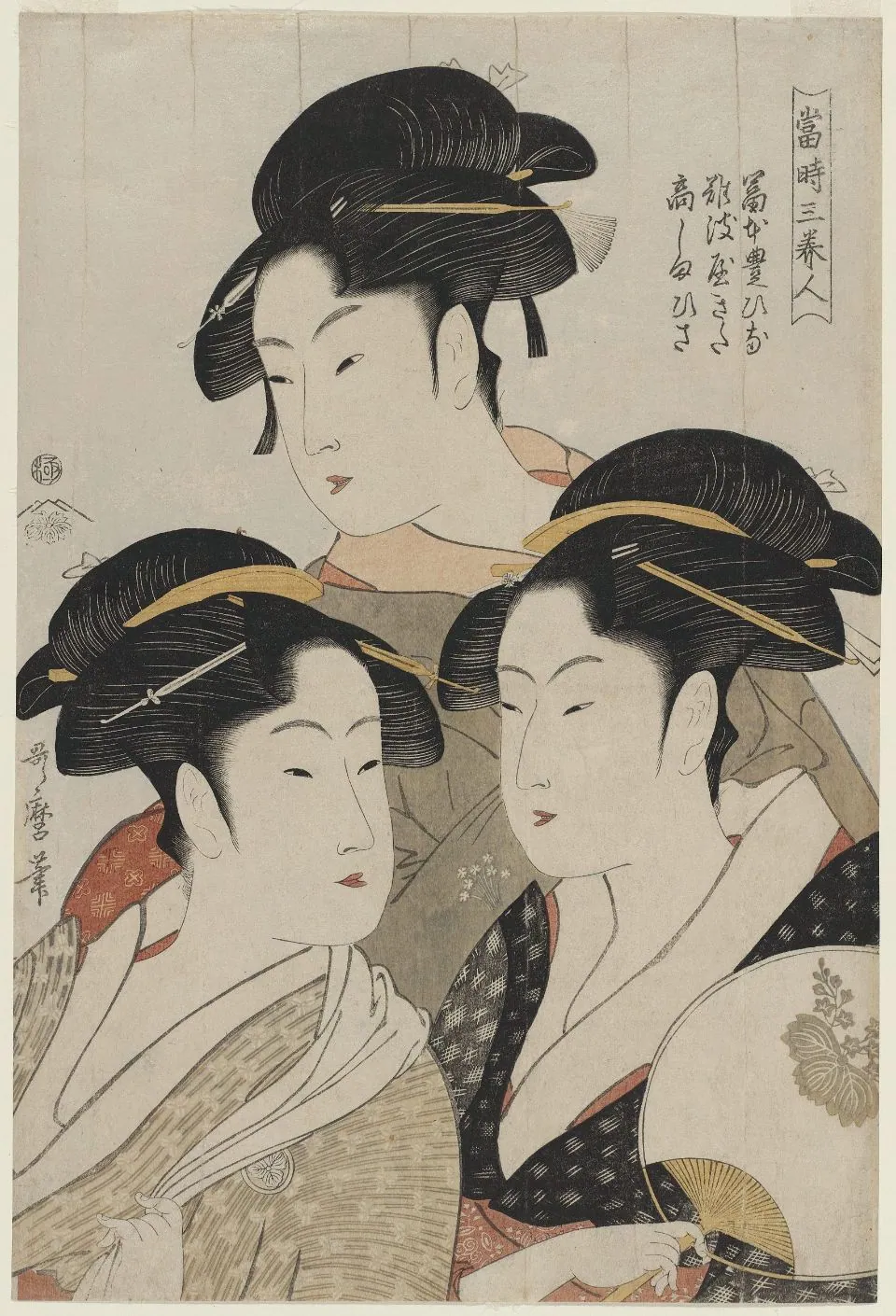
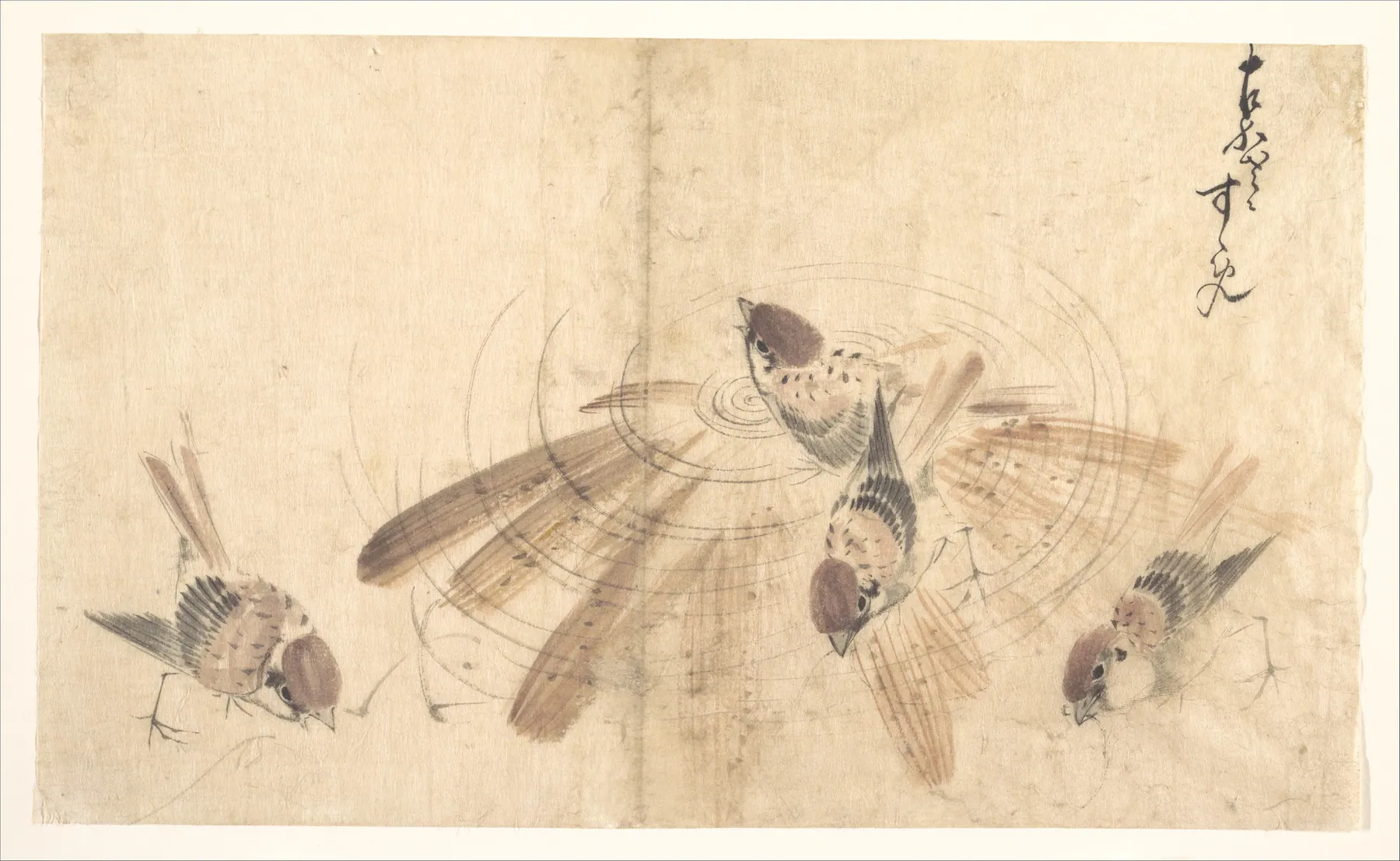
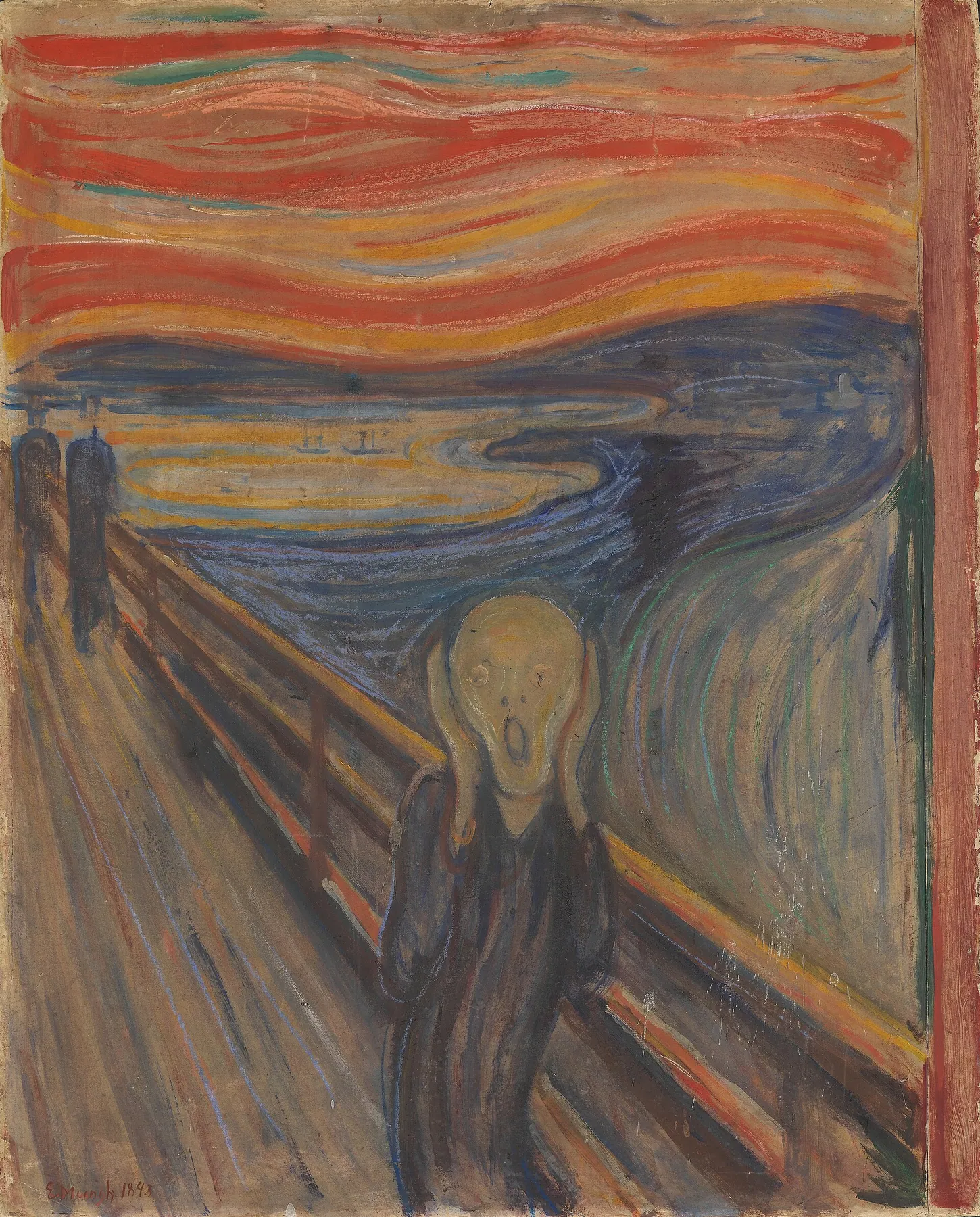
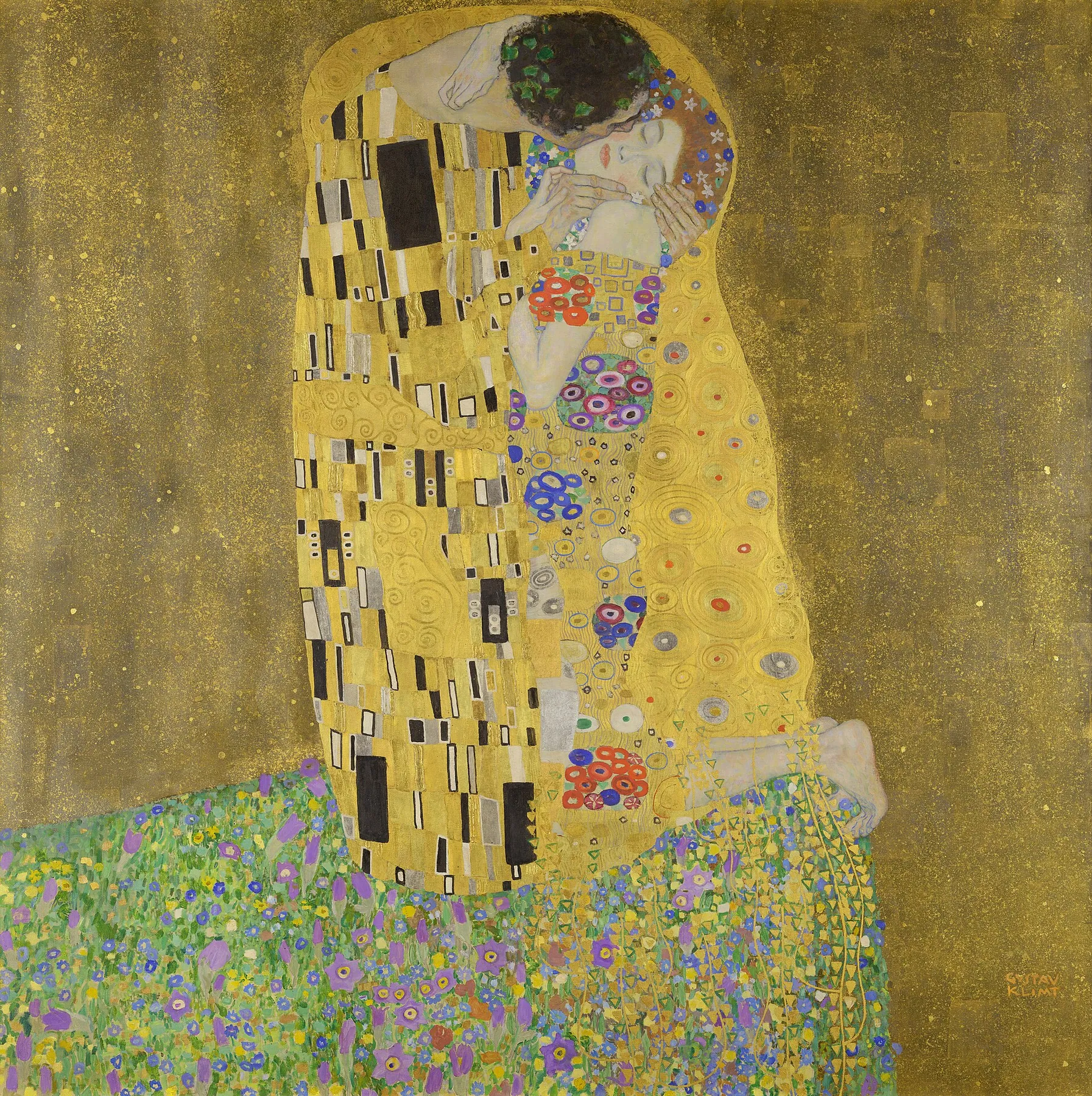
◎ notesMona Lisa, Leonardo da Vinci (c. 1503–1519). Oil on poplar panel. Musée du Louvre, Paris. Source: Wikimedia Commons · Public domain◎ notesThe Birth of Venus, Sandro Botticelli (c. 1484–1486). Tempera on canvas. Uffizi Galleries, Florence. Source: Wikimedia Commons · Public domain◎ notesThe School of Athens, Raphael (1509–1511). Fresco. Apostolic Palace, Vatican City. Source: Wikimedia Commons · Public domainPrimavera, Sandro Botticelli (c. 1480). Tempera on panel. Uffizi Galleries, Florence. Source: Wikimedia Commons · Public domain◎ notesThe Last Supper, Leonardo da Vinci (c. 1495–1498). Tempera and oil on gesso (mural). Santa Maria delle Grazie, Milan. Source: Wikimedia Commons · Public domainLady with an Ermine, Leonardo da Vinci (c. 1489–1491). Oil on walnut panel. Czartoryski Museum, Kraków. Source: Wikimedia Commons · Public domainThe Tempest, Giorgione (c. 1506–1508). Oil on canvas. Gallerie dell'Accademia, Venice. Source: Wikimedia Commons · Public domainBacchus and Ariadne, Titian (1520–1523). Oil on canvas. The National Gallery, London. Source: Wikimedia Commons · Public domainVitruvian Man, Leonardo da Vinci (c. 1490). Pen and ink with wash over metalpoint on paper. Gallerie dell'Accademia, Venice. Source: Wikimedia Commons · Public domainStudies for the Libyan Sibyl, Michelangelo Buonarroti (ca. 1510–11). Red chalk, with small accents of white chalk on the left shoulder of the figure in the main study (recto); soft black chalk, or less probably charcoal (verso). The Metropolitan Museum of Art, New York. Source: The Metropolitan Museum of Art · CC0 (Met Open Access)The Head of the Virgin in Three-Quarter View Facing Right, Leonardo da Vinci (1510–13). Black chalk, charcoal, and red chalk, with some traces of white chalk (?); some remains of framing lines in pen and brown ink at upper right (not by Leonardo). The Metropolitan Museum of Art, New York. Source: The Metropolitan Museum of Art · CC0 (Met Open Access)Head of a Man in Profile Facing to the Left, Leonardo da Vinci (1490–94). Pen and brown ink, over soft black chalk. The Metropolitan Museum of Art, New York. Source: The Metropolitan Museum of Art · CC0 (Met Open Access)A Bear Walking, Leonardo da Vinci (ca. 1482–85). silverpoint on light buff prepared paper. The Metropolitan Museum of Art, New York. Source: The Metropolitan Museum of Art · CC0 (Met Open Access)Five Nude Infants in Various Poses, Raphael (ca. 1500). Metalpoint, traces of charcoal or black chalk, on pale pinkish gray prepared paper. The Metropolitan Museum of Art, New York. Source: The Metropolitan Museum of Art · CC0 (Met Open Access)Study of a Man's Head, Jacopo da Pontormo (1520–25). Red chalk; stumping. The Metropolitan Museum of Art, New York. Source: The Metropolitan Museum of Art · CC0 (Met Open Access)◎ notesThe Arnolfini Portrait, Jan van Eyck (1434). Oil on oak panel. The National Gallery, London. Source: Wikimedia Commons · Public domainThe Garden of Earthly Delights, Hieronymus Bosch (c. 1490–1510). Oil on oak panels (triptych). Museo del Prado, Madrid. Source: Wikimedia Commons · Public domain◎ notesHunters in the Snow, Pieter Bruegel the Elder (1565). Oil on oak panel. Kunsthistorisches Museum, Vienna. Source: Wikimedia Commons · Public domain◎ notesThe Ambassadors, Hans Holbein the Younger (1533). Oil on oak panel. The National Gallery, London. Source: Wikimedia Commons · Public domainThe Tower of Babel, Pieter Bruegel the Elder (1563). Oil on oak panel. Kunsthistorisches Museum, Vienna. Source: Wikimedia Commons · Public domainYoung Hare, Albrecht Dürer (1502). Watercolour and bodycolour on paper. Albertina, Vienna. Source: Wikimedia Commons · Public domainSelf-Portrait at 28, Albrecht Dürer (1500). Oil on lime panel. Alte Pinakothek, Munich. Source: Wikimedia Commons · Public domainThe Peasant Wedding, Pieter Bruegel the Elder (1567). Oil on oak panel. Kunsthistorisches Museum, Vienna. Source: Wikimedia Commons · Public domainHead of a Young Woman, Albrecht Dürer (1522). Black chalk highlighted with white chalk (abraded) on green prepared paper. The Metropolitan Museum of Art, New York. Source: The Metropolitan Museum of Art · CC0 (Met Open Access)Self-portrait, Study of a Hand and a Pillow, Albrecht Dürer (1493). Pen and brown ink. The Metropolitan Museum of Art, New York. Source: The Metropolitan Museum of Art · CC0 (Met Open Access)Bittern's Wings: study showing both sides, Albrecht Dürer (1515). Watercolor on vellum. The Metropolitan Museum of Art, New York. Source: The Metropolitan Museum of Art · CC0 (Met Open Access)Portrait of John Poyntz, Hans Holbein the Younger (early 16th century). Black and red chalk (use of stumping), brush and brown wash and black ink. The Metropolitan Museum of Art, New York. Source: The Metropolitan Museum of Art · CC0 (Met Open Access)◎ notesThe Calling of Saint Matthew, Caravaggio (1599–1600). Oil on canvas. San Luigi dei Francesi, Rome. Source: Wikimedia Commons · CC0◎ notesThe Night Watch, Rembrandt van Rijn (1642). Oil on canvas. Rijksmuseum, Amsterdam. Source: Wikimedia Commons · Public domain◎ notesLas Meninas, Diego Velázquez (1656). Oil on canvas. Museo del Prado, Madrid. Source: Wikimedia Commons · Public domain◎ notesGirl with a Pearl Earring, Johannes Vermeer (c. 1665). Oil on canvas. Mauritshuis, The Hague. Source: Wikimedia Commons · Public domain◎ notesThe Milkmaid, Johannes Vermeer (c. 1658). Oil on canvas. Rijksmuseum, Amsterdam. Source: Wikimedia Commons · Public domainThe Lacemaker, Johannes Vermeer (c. 1669–1670). Oil on canvas. Musée du Louvre, Paris. Source: Wikimedia Commons · Public domainView of Delft, Johannes Vermeer (c. 1660–1661). Oil on canvas. Mauritshuis, The Hague. Source: Wikimedia Commons · Public domainThe Anatomy Lesson of Dr Nicolaes Tulp, Rembrandt van Rijn (1632). Oil on canvas. Mauritshuis, The Hague. Source: Wikimedia Commons · Public domainSelf-Portrait with Two Circles, Rembrandt van Rijn (c. 1665–1669). Oil on canvas. Kenwood House, London. Source: Wikimedia Commons · Public domainThe Laughing Cavalier, Frans Hals (1624). Oil on canvas. The Wallace Collection, London. Source: Wikimedia Commons · Public domainStill Life with a Gilded Goblet, Willem Claesz. Heda (1635). Oil on panel. Rijksmuseum, Amsterdam. Source: Wikimedia Commons · Public domainVase with Flowers, Rachel Ruysch (c. 1700). Oil on canvas. Mauritshuis, The Hague. Source: Wikimedia Commons · Public domainHead of a Woman Looking to Upper Left, Annibale Carracci (1590–1600). Charcoal, highlighted with white chalk, on blue paper faded light- brown. The Metropolitan Museum of Art, New York. Source: The Metropolitan Museum of Art · CC0 (Met Open Access)Seated Youth Facing Right, Seen from the Back, Annibale Carracci (1560–1609). Red chalk with some white chalk highlights (recto); scribbles in red chalk (verso). The Metropolitan Museum of Art, New York. Source: The Metropolitan Museum of Art · CC0 (Met Open Access)Anatomical Studies: a left forearm in two positions and a right forearm, Peter Paul Rubens (ca. 1600–05). Pen and brown ink. The Metropolitan Museum of Art, New York. Source: The Metropolitan Museum of Art · CC0 (Met Open Access)Portrait of Nicolas Trigault in Chinese Costume, Peter Paul Rubens (1617). Black, red, and white chalk, blue pastel, and pen and brown and black ink on light brown laid paper. The Metropolitan Museum of Art, New York. Source: The Metropolitan Museum of Art · CC0 (Met Open Access)Study Sheet with Three Women and a Boy, Rembrandt (ca. 1638–39). Pen and brown ink. The Metropolitan Museum of Art, New York. Source: The Metropolitan Museum of Art · CC0 (Met Open Access)Two Studies of a Woman Reading, Rembrandt (1635–40). Pen and brown iron-gall ink. The Metropolitan Museum of Art, New York. Source: The Metropolitan Museum of Art · CC0 (Met Open Access)Cottage among Trees, Rembrandt (ca. 1650). Pen and brown ink, brush and brown wash, on paper washed with brown. The Metropolitan Museum of Art, New York. Source: The Metropolitan Museum of Art · CC0 (Met Open Access)Cottage near the Entrance to a Wood, Rembrandt (1644). Pen and inks ranging from light to dark brown, brown washes, corrected in white (oxidized, partially abraded), and touches of red chalk (in added structures to the left of the main cottage). The Metropolitan Museum of Art, New York. Source: The Metropolitan Museum of Art · CC0 (Met Open Access)Landscape with the Rest on the Flight into Egypt, Claude Lorrain (ca. 1635). Pen and brown ink, over black chalk. The Metropolitan Museum of Art, New York. Source: The Metropolitan Museum of Art · CC0 (Met Open Access)Coast Scene with a View of Civitavecchia, Claude Lorrain (1638). Black chalk, pen and brown ink, brush and brown wash with white heightening. The Metropolitan Museum of Art, New York. Source: The Metropolitan Museum of Art · CC0 (Met Open Access)Young Woman with a Water Pitcher, Johannes Vermeer (ca. 1662). Oil on canvas. The Metropolitan Museum of Art, New York. Source: The Metropolitan Museum of Art · CC0 (Met Open Access)The Blue Boy, Thomas Gainsborough (c. 1770). Oil on canvas. The Huntington, San Marino, California. Source: Wikimedia Commons · Public domainStudy of a Woman's Head and Hands, Antoine Watteau (ca. 1717). Red and white chalk and graphite. The Metropolitan Museum of Art, New York. Source: The Metropolitan Museum of Art · CC0 (Met Open Access)Seated Woman Holding a Fan, Antoine Watteau (ca. 1717). Red, black, and white chalk on brown paper; framing lines in pen and black ink. The Metropolitan Museum of Art, New York. Source: The Metropolitan Museum of Art · CC0 (Met Open Access)Studies of Hands and Feet, François Le Moyne (early 18th century). Red and black chalk, heightened with white, on beige paper. Framing lines in pen and brown ink. Lined. The Metropolitan Museum of Art, New York. Source: The Metropolitan Museum of Art · CC0 (Met Open Access)Head of a Young Man in Three-Quarter View, Giovanni Battista Tiepolo (18th century). Red chalk, highlighted with white chalk, on blue-gray paper. The Metropolitan Museum of Art, New York. Source: The Metropolitan Museum of Art · CC0 (Met Open Access)An Eagle with Wings Spread, Giovanni Battista Tiepolo (1696–1770). Charcoal, heightened with white chalk. The Metropolitan Museum of Art, New York. Source: The Metropolitan Museum of Art · CC0 (Met Open Access)Seated Man Reading, Jean Honoré Fragonard (1774). Red chalk. The Metropolitan Museum of Art, New York. Source: The Metropolitan Museum of Art · CC0 (Met Open Access)Portrait of a young woman seated, Thomas Gainsborough (ca. 1760). Black chalk with touches of red wash. The Metropolitan Museum of Art, New York. Source: The Metropolitan Museum of Art · CC0 (Met Open Access)Mountain Landscape with Figures and Buildings, Thomas Gainsborough (mid-to-late 1780s). Black and white chalk with stumping, on blue-gray paper. The Metropolitan Museum of Art, New York. Source: The Metropolitan Museum of Art · CC0 (Met Open Access)A clump of trees, Thomas Gainsborough (ca. 1757). Graphite, brush and gray wash. The Metropolitan Museum of Art, New York. Source: The Metropolitan Museum of Art · CC0 (Met Open Access)The Death of Marat, Jacques-Louis David (1793). Oil on canvas. Royal Museums of Fine Arts of Belgium, Brussels. Source: Wikimedia Commons · Public domainGrande Odalisque, Jean-Auguste-Dominique Ingres (1814). Oil on canvas. Musée du Louvre, Paris. Source: Wikimedia Commons · Public domainMadame Guillaume Guillon Lethière, née Marie-Joseph-Honorée Vanzenne, and her son Lucien Lethière, Jean Auguste Dominique Ingres (1808). Graphite. The Metropolitan Museum of Art, New York. Source: The Metropolitan Museum of Art · CC0 (Met Open Access)Armand Bertin, Jean Auguste Dominique Ingres (1842). Graphite. The Metropolitan Museum of Art, New York. Source: The Metropolitan Museum of Art · CC0 (Met Open Access)Niccolò Paganini (1782–1840), Jean Auguste Dominique Ingres (ca. 1830). Counterproof or tracing strengthened with graphite and gouache on translucent paper. The Metropolitan Museum of Art, New York. Source: The Metropolitan Museum of Art · CC0 (Met Open Access)Watson and the Shark, John Singleton Copley (1778). Oil on canvas. National Gallery of Art, Washington. Source: Wikimedia Commons · Public domain◎ notesThe Third of May 1808, Francisco Goya (1814). Oil on canvas. Museo del Prado, Madrid. Source: Wikimedia Commons · Public domain◎ notesWanderer above the Sea of Fog, Caspar David Friedrich (c. 1817–1818). Oil on canvas. Hamburger Kunsthalle, Hamburg. Source: Wikimedia Commons · Public domain◎ notesThe Hay Wain, John Constable (1821). Oil on canvas. The National Gallery, London. Source: Wikimedia Commons · Public domainFlatford Mill, John Constable (1816–1817). Oil on canvas. Tate Britain, London. Source: Wikimedia Commons · Public domain◎ notesThe Fighting Temeraire, J. M. W. Turner (1839). Oil on canvas. The National Gallery, London. Source: Wikimedia Commons · Public domainRain, Steam and Speed, J. M. W. Turner (1844). Oil on canvas. The National Gallery, London. Source: Wikimedia Commons · Public domainSnow Storm: Steam-Boat off a Harbour's Mouth, J. M. W. Turner (1842). Oil on canvas. Tate Britain, London. Source: Wikimedia Commons · Public domain◎ notesLiberty Leading the People, Eugène Delacroix (1830). Oil on canvas. Musée du Louvre, Paris. Source: Wikimedia Commons · Public domain◎ notesThe Raft of the Medusa, Théodore Géricault (1818–1819). Oil on canvas. Musée du Louvre, Paris. Source: Wikimedia Commons · Public domainThe Oxbow, Thomas Cole (1836). Oil on canvas. The Metropolitan Museum of Art, New York. Source: Wikimedia Commons · Public domainSelf-Portrait, Goya (ca. 1796). Brush and point of brush, carbon black ink. The Metropolitan Museum of Art, New York. Source: The Metropolitan Museum of Art · CC0 (Met Open Access)Studies of Horses, Hands, and Feet, Eugène Delacroix (ca. 1822–27). Pen and brown and iron gall ink (recto); graphite, pen and iron gall ink, brush and brown wash (verso). The Metropolitan Museum of Art, New York. Source: The Metropolitan Museum of Art · CC0 (Met Open Access)Study of a Horse, Eugène Delacroix (ca. 1824–29). Brush and brown and black wash over graphite. The Metropolitan Museum of Art, New York. Source: The Metropolitan Museum of Art · CC0 (Met Open Access)The Fort of L'Esseillon, Val de la Maurienne, France, Joseph Mallord William Turner (1835–36). Watercolor. The Metropolitan Museum of Art, New York. Source: The Metropolitan Museum of Art · CC0 (Met Open Access)The Gleaners, Jean-François Millet (1857). Oil on canvas. Musée d'Orsay, Paris. Source: Wikimedia Commons · Public domainA Burial at Ornans, Gustave Courbet (1849–1850). Oil on canvas. Musée d'Orsay, Paris. Source: Wikimedia Commons · Public domainThe Horse Fair, Rosa Bonheur (1852–1855). Oil on canvas. The Metropolitan Museum of Art, New York. Source: Wikimedia Commons · Public domainArrangement in Grey and Black No. 1, James McNeill Whistler (1871). Oil on canvas. Musée d'Orsay, Paris. Source: Wikimedia Commons · Public domainThe Gross Clinic, Thomas Eakins (1875). Oil on canvas. Philadelphia Museum of Art. Source: Wikimedia Commons · Public domainThe Floor Scrapers, Gustave Caillebotte (1875). Oil on canvas. Musée d'Orsay, Paris. Source: Wikimedia Commons · Public domainOlympia, Édouard Manet (1863). Oil on canvas. Musée d'Orsay, Paris. Source: Wikimedia Commons · Public domainRoadworkers at Lunch, Jean-François Millet (ca. 1850–52). Conté crayon with stumping, heightened with white gouache, on laid paper. The Metropolitan Museum of Art, New York. Source: The Metropolitan Museum of Art · CC0 (Met Open Access)Man with a Spade, Jean-François Millet (ca. 1855–58). Conté crayon. The Metropolitan Museum of Art, New York. Source: The Metropolitan Museum of Art · CC0 (Met Open Access)Women Carrying Faggots, Jean-François Millet (ca. 1858). Charcoal heightened with white gouache, charcoal border, on heavy laid gray-blue paper. The Metropolitan Museum of Art, New York. Source: The Metropolitan Museum of Art · CC0 (Met Open Access)◎ notesA Bar at the Folies-Bergère, Édouard Manet (1882). Oil on canvas. The Courtauld, London. Source: Wikimedia Commons · Public domain◎ notesImpression, Sunrise, Claude Monet (1872). Oil on canvas. Musée Marmottan Monet, Paris. Source: Wikimedia Commons · Public domainWoman with a Parasol, Claude Monet (1875). Oil on canvas. National Gallery of Art, Washington. Source: Wikimedia Commons · Public domainReflections of Clouds on the Water-Lily Pond, Claude Monet (c. 1920). Oil on canvas. Museum of Modern Art, New York. Source: Wikimedia Commons · Public domainStacks of Wheat (End of Summer), Claude Monet (1890–1891). Oil on canvas. Art Institute of Chicago. Source: Wikimedia Commons · Public domainBal du moulin de la Galette, Pierre-Auguste Renoir (1876). Oil on canvas. Musée d'Orsay, Paris. Source: Wikimedia Commons · Public domainLuncheon of the Boating Party, Pierre-Auguste Renoir (1880–1881). Oil on canvas. The Phillips Collection, Washington. Source: Wikimedia Commons · Public domainTwo Sisters (On the Terrace), Pierre-Auguste Renoir (1881). Oil on canvas. Art Institute of Chicago. Source: Wikimedia Commons · Public domainParis Street; Rainy Day, Gustave Caillebotte (1877). Oil on canvas. Art Institute of Chicago. Source: Wikimedia Commons · Public domainThe Dance Class, Edgar Degas (1873–1876). Oil on canvas. Musée d'Orsay, Paris. Source: Wikimedia Commons · Public domainThe Cradle, Berthe Morisot (1872). Oil on canvas. Musée d'Orsay, Paris. Source: Wikimedia Commons · Public domainThe Child's Bath, Mary Cassatt (1893). Oil on canvas. Art Institute of Chicago. Source: Wikimedia Commons · Public domainDancer Adjusting Her Slipper, Edgar Degas (1873). Graphite heightened with black and white chalk on pink wove paper (now faded); squared for transfer. The Metropolitan Museum of Art, New York. Source: The Metropolitan Museum of Art · CC0 (Met Open Access)Dancer with a Fan, Edgar Degas (ca. 1880). Pastel on gray-green laid paper. The Metropolitan Museum of Art, New York. Source: The Metropolitan Museum of Art · CC0 (Met Open Access)Dancer Onstage, Edgar Degas (ca. 1877). Gouache over graphite underdrawing on thin wove commercially coated yellow paper, laid down on board. The Metropolitan Museum of Art, New York. Source: The Metropolitan Museum of Art · CC0 (Met Open Access)Landscape, Auguste Renoir (1889). Watercolor on off-white laid paper. The Metropolitan Museum of Art, New York. Source: The Metropolitan Museum of Art · CC0 (Met Open Access)◎ notesA Sunday on La Grande Jatte, Georges Seurat (1884–1886). Oil on canvas. Art Institute of Chicago. Source: Wikimedia Commons · Public domain◎ notesThe Starry Night, Vincent van Gogh (1889). Oil on canvas. Museum of Modern Art, New York. Source: Wikimedia Commons · Public domainSunflowers, Vincent van Gogh (1888). Oil on canvas. The National Gallery, London. Source: Wikimedia Commons · Public domainIrises, Vincent van Gogh (1889). Oil on canvas. J. Paul Getty Museum, Los Angeles. Source: Wikimedia Commons · Public domainCafé Terrace at Night, Vincent van Gogh (1888). Oil on canvas. Kröller-Müller Museum, Otterlo. Source: Wikimedia Commons · Public domainThe Bedroom, Vincent van Gogh (1888). Oil on canvas. Van Gogh Museum, Amsterdam. Source: Wikimedia Commons · Public domainSelf-Portrait with Bandaged Ear, Vincent van Gogh (1889). Oil on canvas. The Courtauld, London. Source: Wikimedia Commons · Public domainThe Card Players, Paul Cézanne (1890–1895). Oil on canvas. Musée d'Orsay, Paris. Source: Wikimedia Commons · Public domainMont Sainte-Victoire, Paul Cézanne (c. 1887). Oil on canvas. The Courtauld, London. Source: Wikimedia Commons · Public domainThe Basket of Apples, Paul Cézanne (c. 1893). Oil on canvas. Art Institute of Chicago. Source: Wikimedia Commons · Public domainWhere Do We Come From? What Are We? Where Are We Going?, Paul Gauguin (1897–1898). Oil on canvas. Museum of Fine Arts, Boston. Source: Wikimedia Commons · Public domainThe Sleeping Gypsy, Henri Rousseau (1897). Oil on canvas. Museum of Modern Art, New York. Source: Wikimedia Commons · Public domainAman-Jean (Portrait of Edmond François Aman-Jean), Georges Seurat (1882–83). Conté crayon on Michallet paper. The Metropolitan Museum of Art, New York. Source: The Metropolitan Museum of Art · CC0 (Met Open Access)Embroidery; The Artist's Mother, Georges Seurat (1882–83). Conté crayon. The Metropolitan Museum of Art, New York. Source: The Metropolitan Museum of Art · CC0 (Met Open Access)Courbevoie: Factories by Moonlight, Georges Seurat (1882–83). Conté crayon. The Metropolitan Museum of Art, New York. Source: The Metropolitan Museum of Art · CC0 (Met Open Access)Street in Saintes-Maries-de-la-Mer, Vincent van Gogh (ca. July 15, 1888). Reed pen, quill, and brown ink over graphite on wove paper (laid down on wove paper; tack holes in all corners); later additions (by a restorer?) in black chalk, lower and upper right. The Metropolitan Museum of Art, New York. Source: The Metropolitan Museum of Art · CC0 (Met Open Access)Road in Etten, Vincent van Gogh (1881). Chalk, pencil, pastel, watercolor. Underdrawing in pen and brown ink. The Metropolitan Museum of Art, New York. Source: The Metropolitan Museum of Art · CC0 (Met Open Access)Nursery on Schenkweg, Vincent van Gogh (March–May 1882). Black chalk, graphite, pen, brush, and ink, heightened with white body color on laid paper watermarked ED & CIE (in a cartouche). The Metropolitan Museum of Art, New York. Source: The Metropolitan Museum of Art · CC0 (Met Open Access)Entrance to a Garden, Paul Cézanne (1878–80). Watercolor over graphite. The Metropolitan Museum of Art, New York. Source: The Metropolitan Museum of Art · CC0 (Met Open Access)Still-Life with a Watermelon and Pomegranates, Paul Cézanne (1900–1906). Watercolor over graphite on laid paper. The Metropolitan Museum of Art, New York. Source: The Metropolitan Museum of Art · CC0 (Met Open Access)Shoes, Vincent van Gogh (1888). Oil on canvas. The Metropolitan Museum of Art, New York. Source: The Metropolitan Museum of Art · CC0 (Met Open Access)Still Life with Apples and a Pot of Primroses, Paul Cézanne (ca. 1890). Oil on canvas. The Metropolitan Museum of Art, New York. Source: The Metropolitan Museum of Art · CC0 (Met Open Access)◎ notesThe Great Wave off Kanagawa, Katsushika Hokusai (c. 1831). Woodblock print; ink and colour on paper. Many impressions (this: Commons scan). Source: Wikimedia Commons · Public domainFine Wind, Clear Morning (Red Fuji), Katsushika Hokusai (c. 1830–1832). Woodblock print; ink and colour on paper. The Metropolitan Museum of Art, New York. Source: Wikimedia Commons · CC0Plum Park in Kameido, Utagawa Hiroshige (1857). Woodblock print; ink and colour on paper. Rijksmuseum, Amsterdam. Source: Wikimedia Commons · Public domainSudden Shower over Shin-Ōhashi Bridge and Atake, Utagawa Hiroshige (1857). Woodblock print; ink and colour on paper. Many impressions (this: Commons scan). Source: Wikimedia Commons · Public domainThree Beauties of the Present Day, Kitagawa Utamaro (c. 1792–1793). Woodblock print; ink, colour and mica on paper. Museum of Fine Arts, Boston. Source: Wikimedia Commons · Public domainSparrows, Katsushika Hokusai (ca. 1825). Sketch for a woodblock print; ink and color on paper. The Metropolitan Museum of Art, New York. Source: The Metropolitan Museum of Art · CC0 (Met Open Access)The Scream, Edvard Munch (1893). Oil, tempera and pastel on cardboard. National Museum, Oslo. Source: Wikimedia Commons · Public domain◎ notesThe Kiss, Gustav Klimt (1907–1908). Oil and gold leaf on canvas. Belvedere, Vienna. Source: Wikimedia Commons · Public domainPortrait of Adele Bloch-Bauer I, Gustav Klimt (1907). Oil, silver and gold on canvas. Neue Galerie, New York. Source: Wikimedia Commons · Public domainThe Lady of Shalott, Elizabeth Siddal (1853). Pen, ink and sepia on paper. Private collection. Source: Wikimedia Commons · Public domainThe Blue Rider, Wassily Kandinsky (1903). Oil on canvas. Foundation E.G. Bührle, Zurich. Source: Wikimedia Commons · Public domainComposition VII, Wassily Kandinsky (1913). Oil on canvas. State Tretyakov Gallery, Moscow. Source: Wikimedia Commons · Public domainSkeleton, front view (De humani corporis fabrica), Andreas Vesalius (woodcut attributed to the workshop of Titian) (1543). Plate / drawing. Source: Wikimedia Commons · Public domainSkeleton, side view (De humani corporis fabrica), Andreas Vesalius (1543). Plate / drawing. Source: Wikimedia Commons · Public domainSkeleton, back view (De humani corporis fabrica), Andreas Vesalius (1543). Plate / drawing. Source: Wikimedia Commons · Public domainFirst plate of the muscles (De humani corporis fabrica), Andreas Vesalius (1543). Plate / drawing. Source: Wikimedia Commons · Public domainMuscle plate (De humani corporis fabrica), Andreas Vesalius (1543). Plate / drawing. Source: Wikimedia Commons · Public domainThe skull sectioned, Leonardo da Vinci (1489). Plate / drawing. Source: Wikimedia Commons · Public domainThe muscles of the shoulder, Leonardo da Vinci (c. 1510–1511). Plate / drawing. Source: Wikimedia Commons · Public domainSuperficial anatomy of the shoulder and neck, Leonardo da Vinci (c. 1510–1511). Plate / drawing. Source: Wikimedia Commons · Public domainThe bones and muscles of the arm, Leonardo da Vinci (c. 1510–1511). Plate / drawing. Source: Wikimedia Commons · Public domainThe bones of the hand, Leonardo da Vinci (c. 1510–1511). Plate / drawing. Source: Wikimedia Commons · Public domainThe bones, muscles and tendons of the hand, Leonardo da Vinci (c. 1510–1511). Plate / drawing. Source: Wikimedia Commons · Public domainTwo studies of a man's left leg in profile, Leonardo da Vinci (c. 1500s). Plate / drawing. Source: Wikimedia Commons · Public domainSkull, side view (Gray's Anatomy, fig. 188), Henry Vandyke Carter for Henry Gray (1918 edition). Plate / drawing. Source: Wikimedia Commons · Public domainMuscles of the head, face and neck (Gray's Anatomy, fig. 378), Henry Vandyke Carter for Henry Gray (1918 edition). Plate / drawing. Source: Wikimedia Commons · Public domainMuscles of the back (Gray's Anatomy, fig. 409), Henry Vandyke Carter for Henry Gray (1918 edition). Plate / drawing. Source: Wikimedia Commons · Public domainSuperficial muscles of the chest and arm (Gray's Anatomy, fig. 411), Henry Vandyke Carter for Henry Gray (1918 edition). Plate / drawing. Source: Wikimedia Commons · Public domainBones of the left hand, palm view (Gray's Anatomy, fig. 219), Henry Vandyke Carter for Henry Gray (1918 edition). Plate / drawing. Source: Wikimedia Commons · Public domainBones of the left foot, top view (Gray's Anatomy, fig. 268), Henry Vandyke Carter for Henry Gray (1918 edition). Plate / drawing. Source: Wikimedia Commons · Public domainBones of the foot, outer side (Gray's Anatomy), Henry Vandyke Carter for Henry Gray (1918 edition). Plate / drawing. Source: Wikimedia Commons · Public domain
All images are in the public domain (or CC0). Each caption links to the source page with full licence details.
 ◎ notes
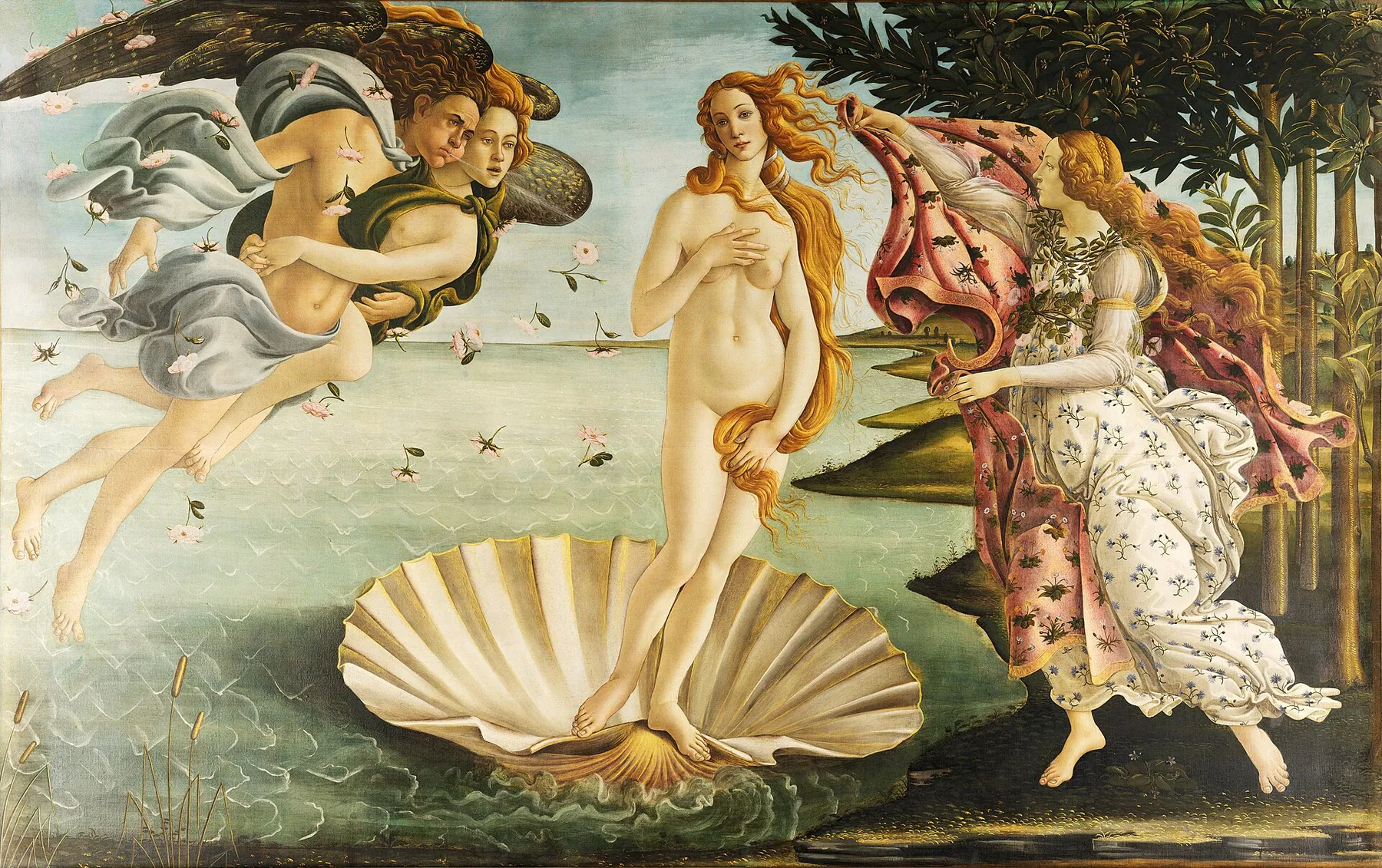 ◎ notes
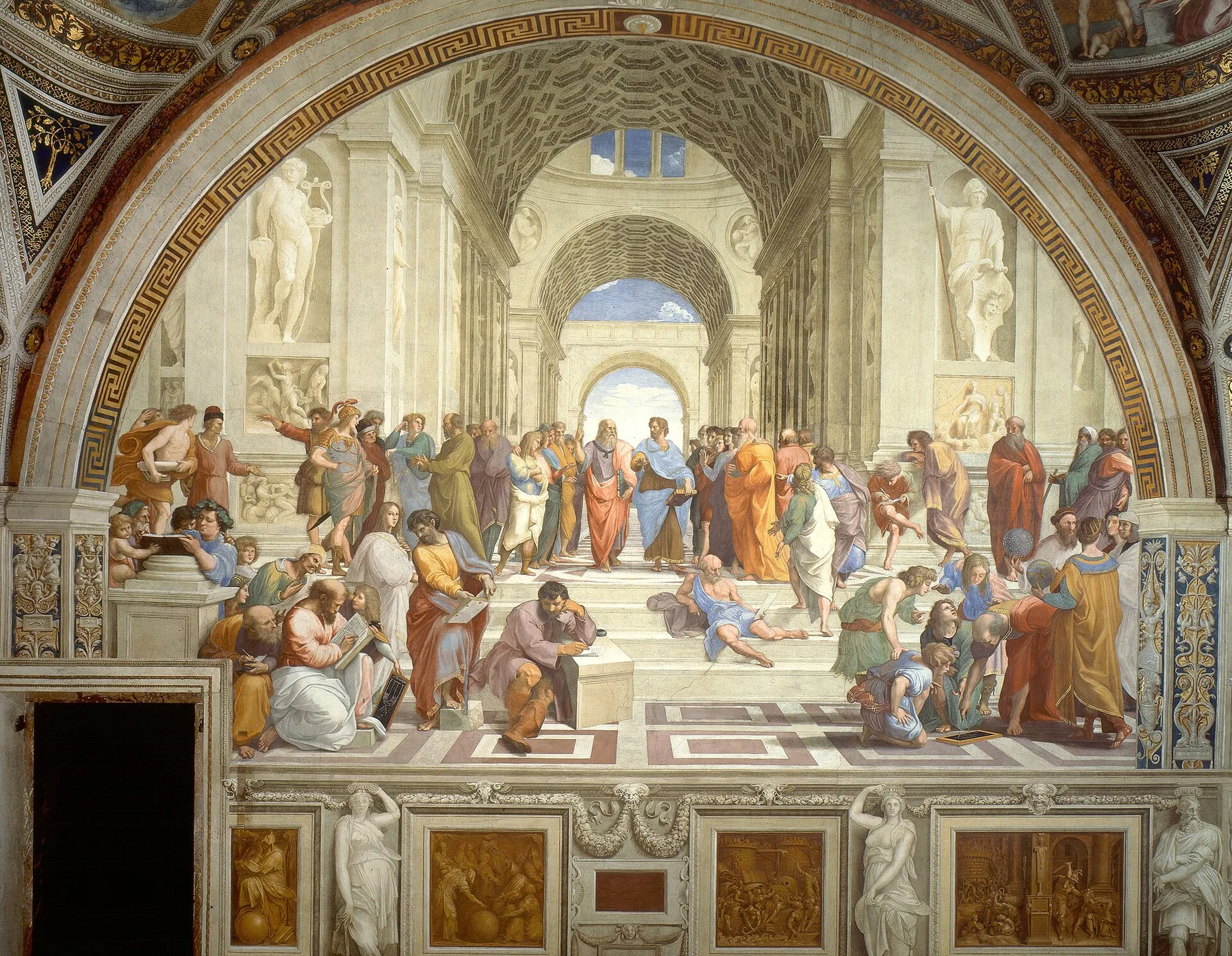 ◎ notes
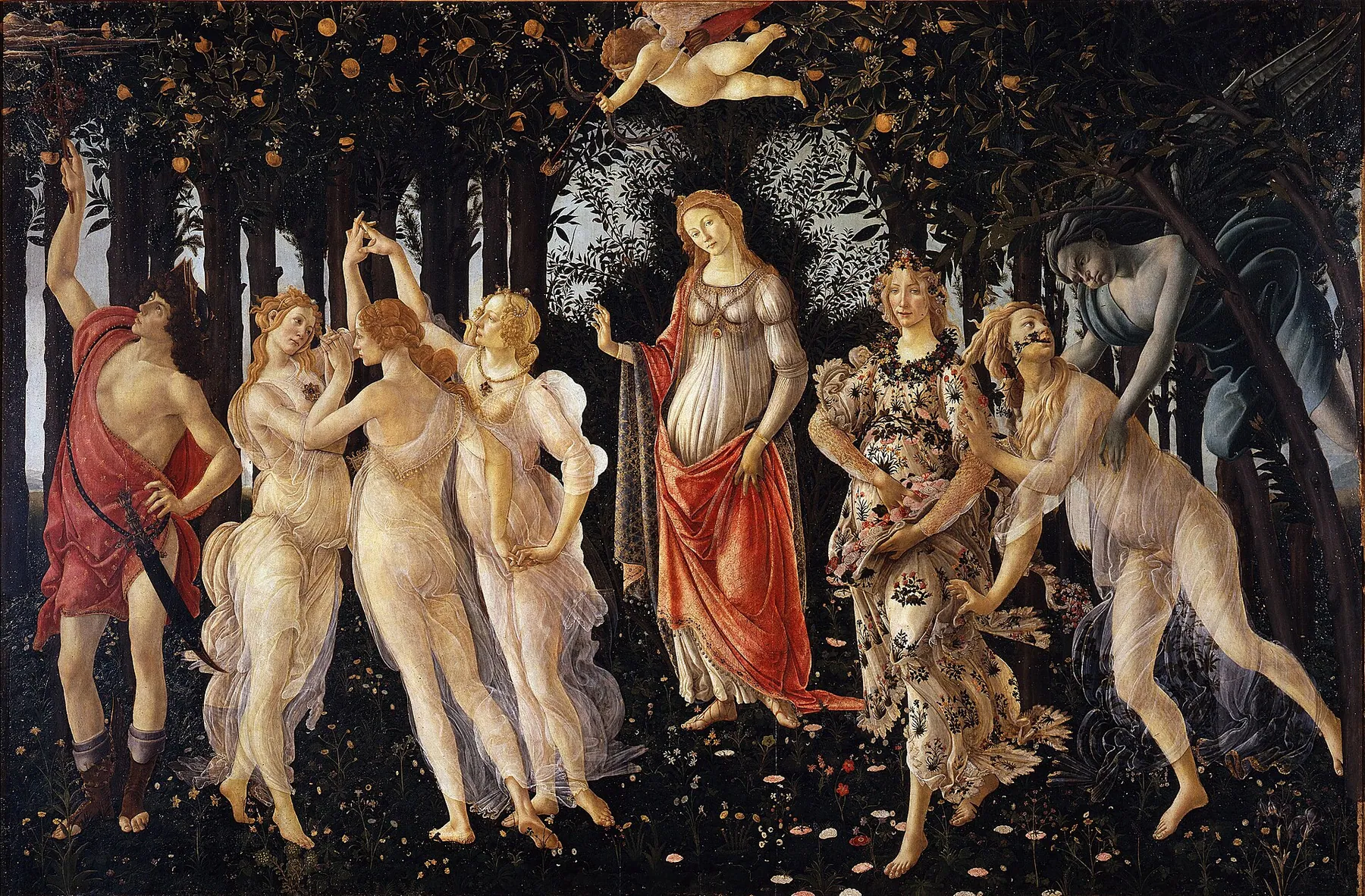
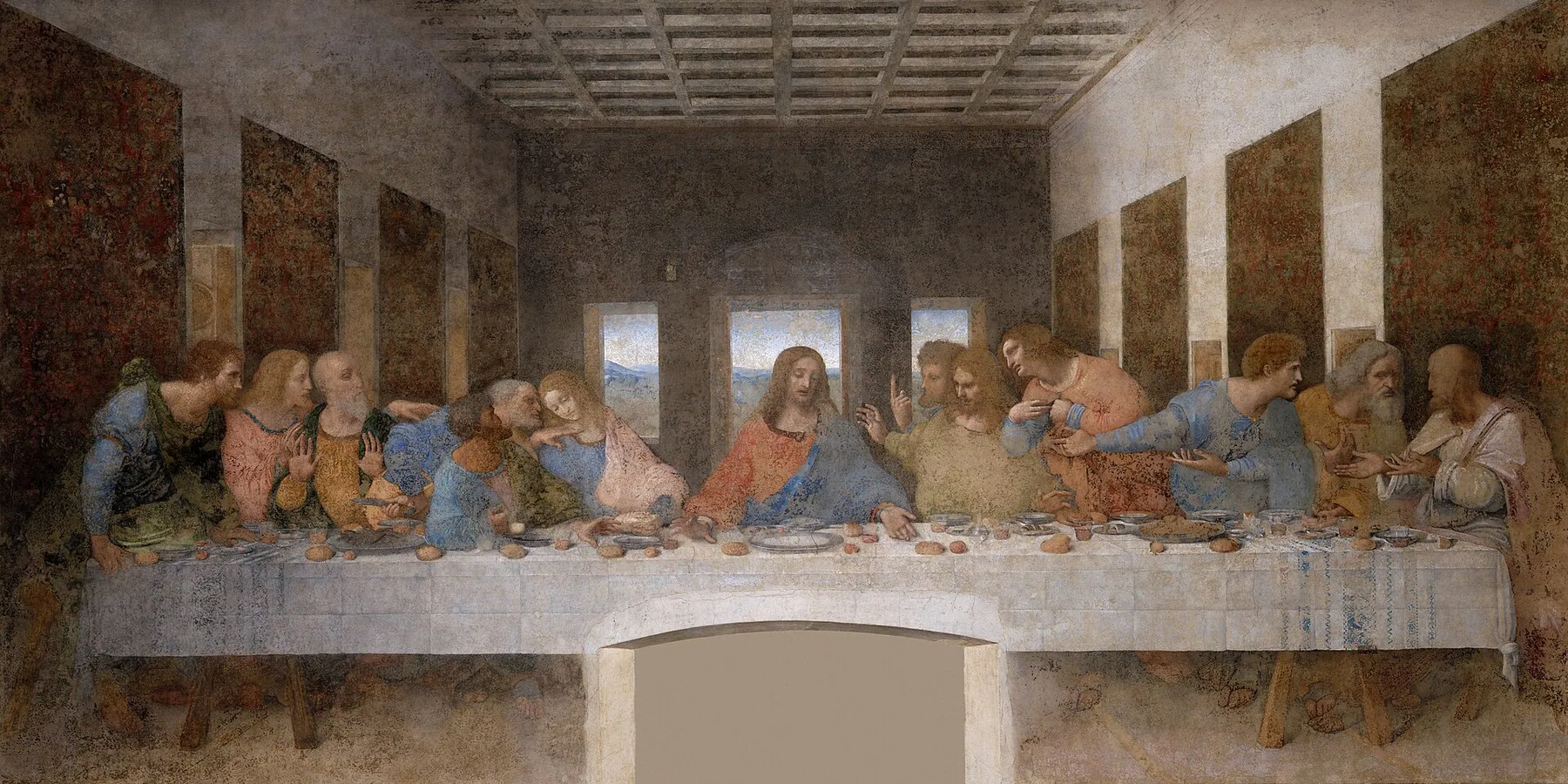 ◎ notes
 ◎ notes
 ◎ notes
 ◎ notes
 ◎ notes
 ◎ notes
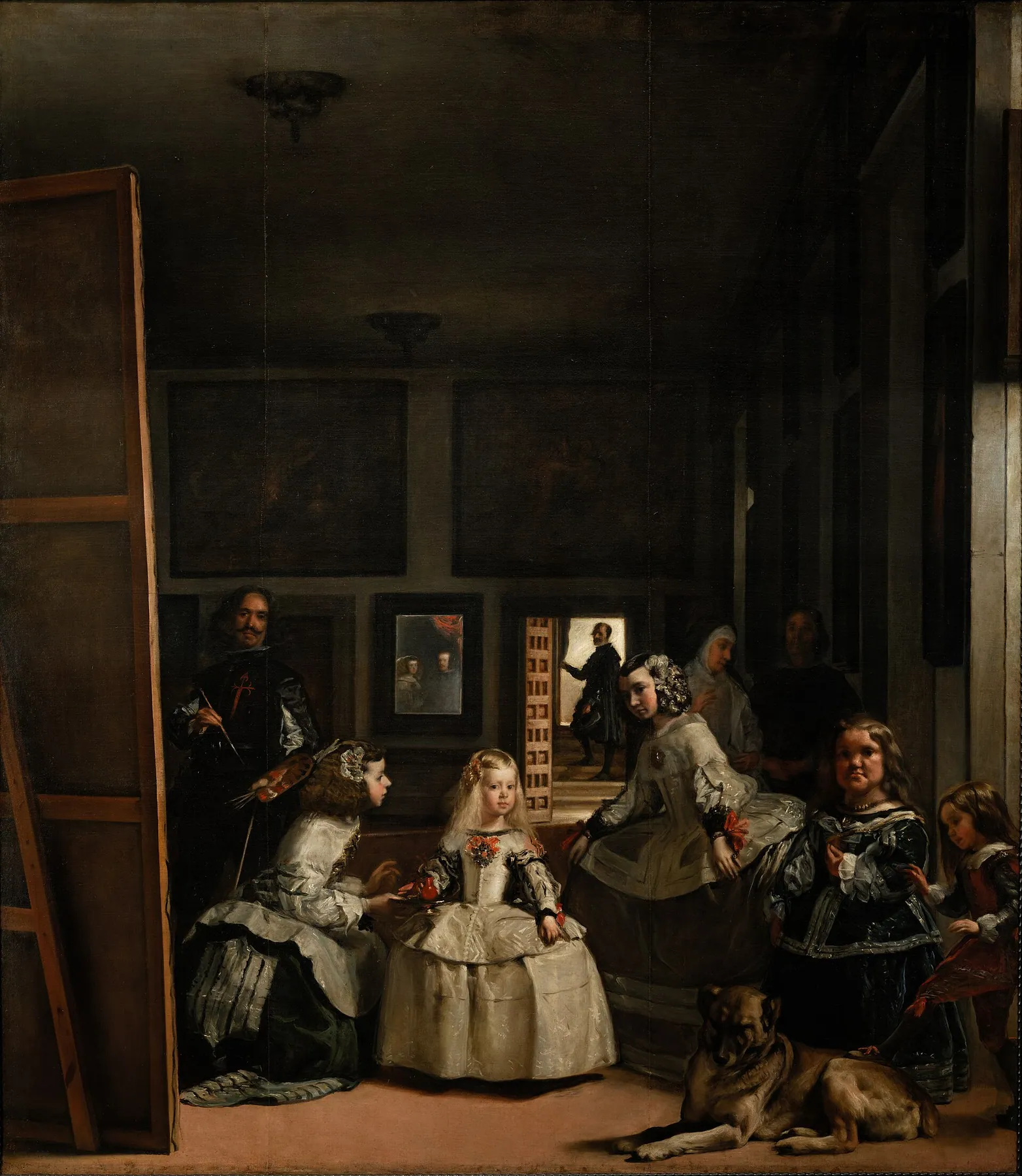 ◎ notes
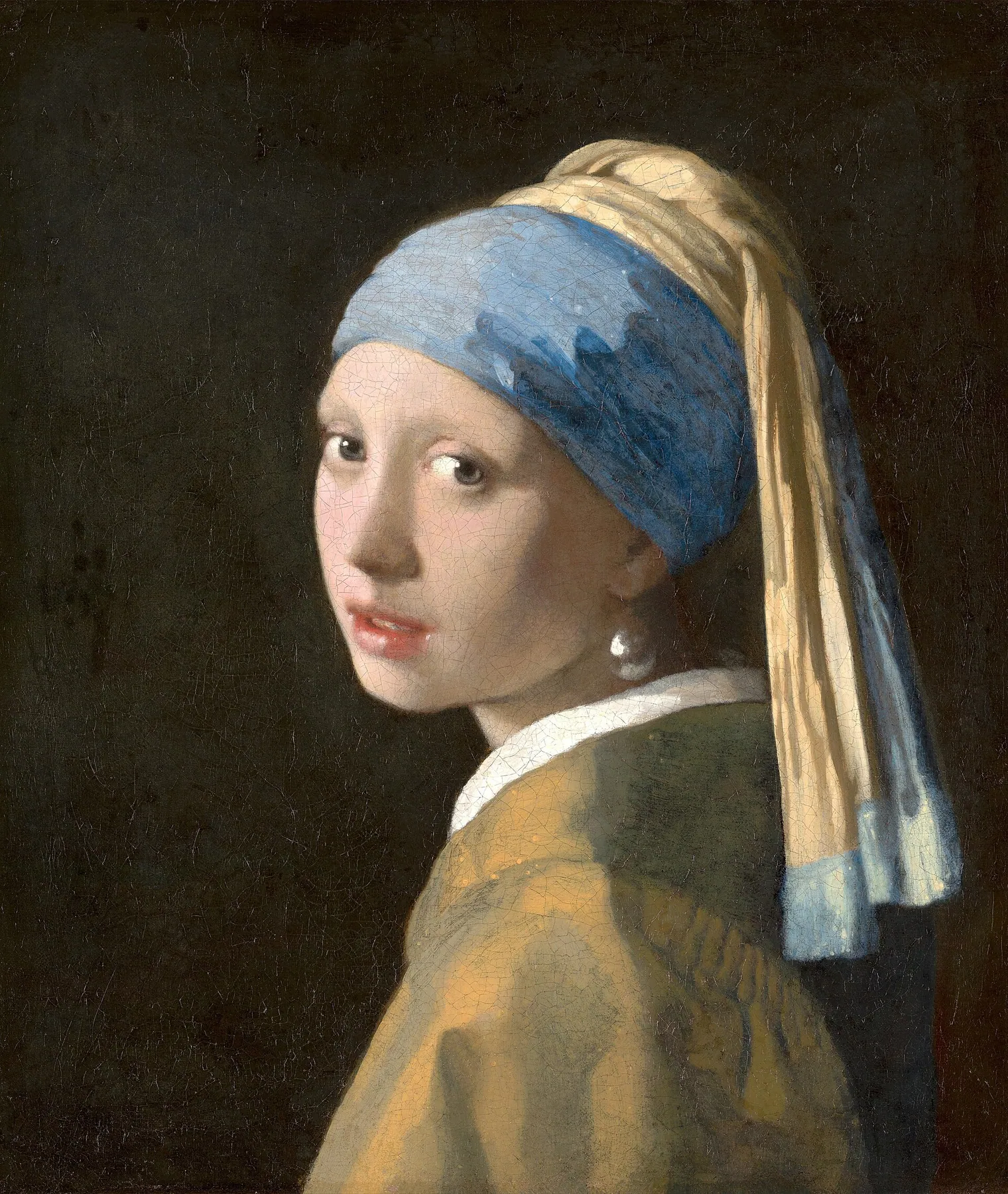 ◎ notes
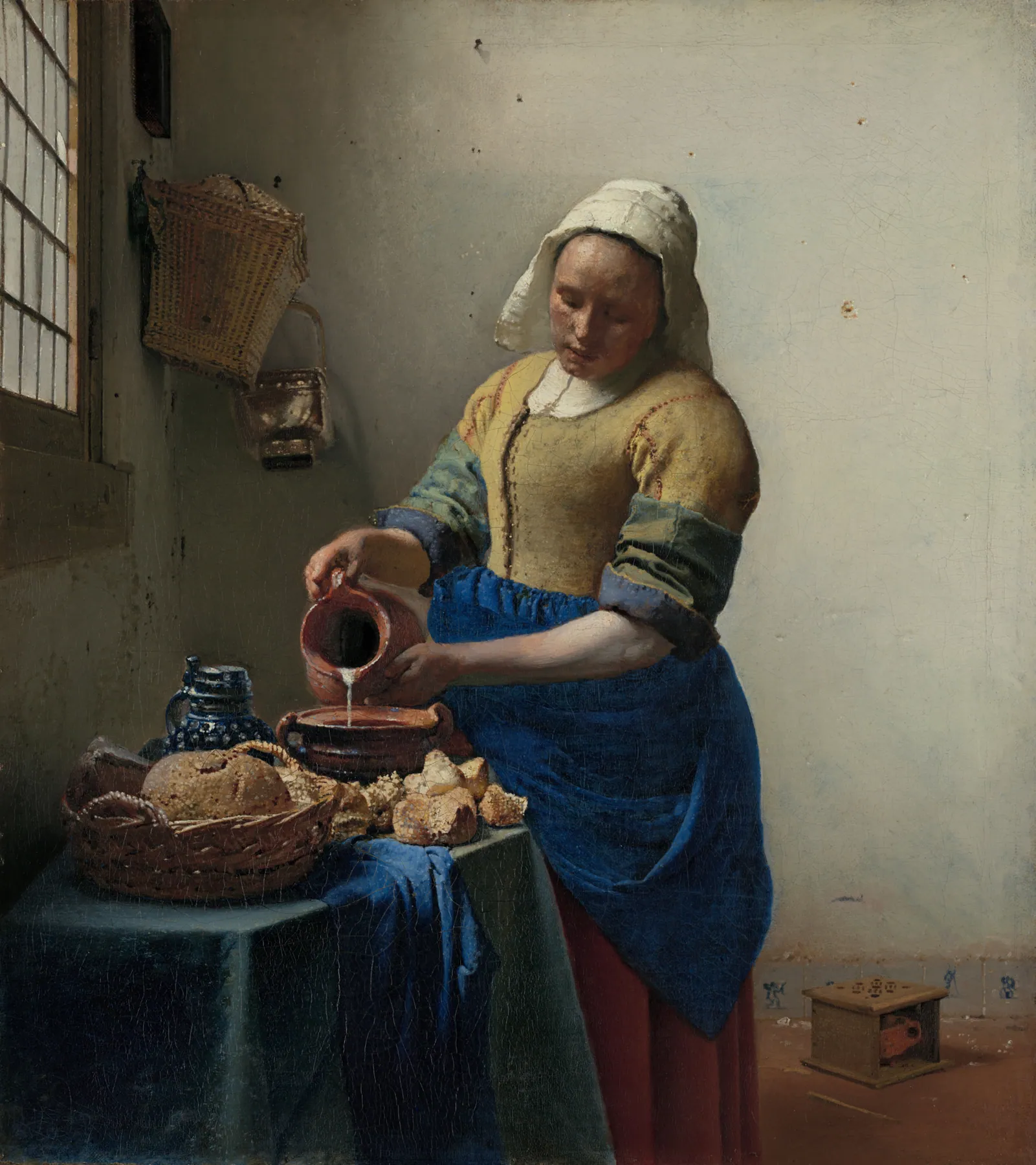 ◎ notes
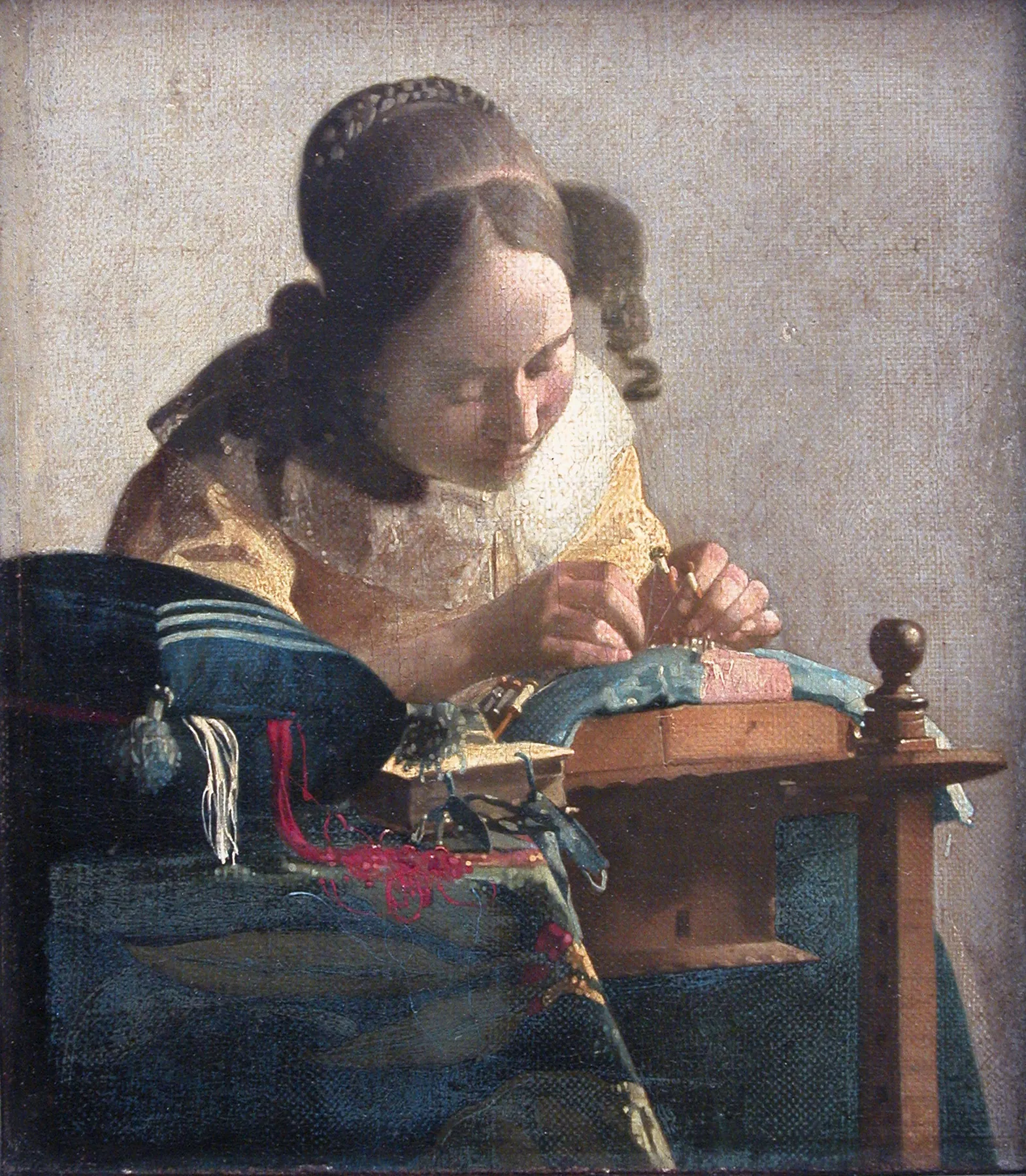
 ◎ notes
 ◎ notes
 ◎ notes
 ◎ notes
 ◎ notes
 ◎ notes
 ◎ notes
 ◎ notes
 ◎ notes
 ◎ notes
 ◎ notes
 ◎ notes