Perspective and composition
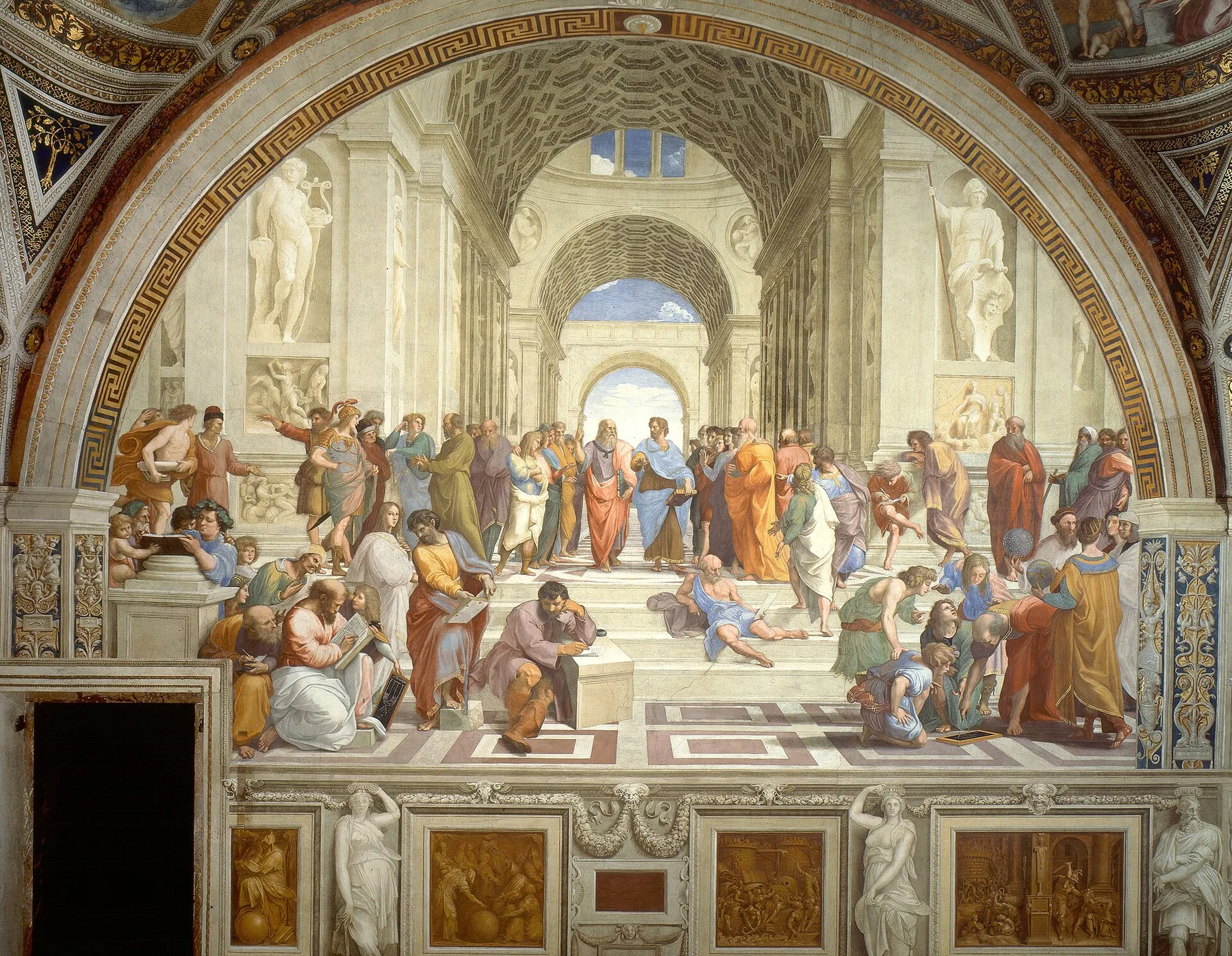
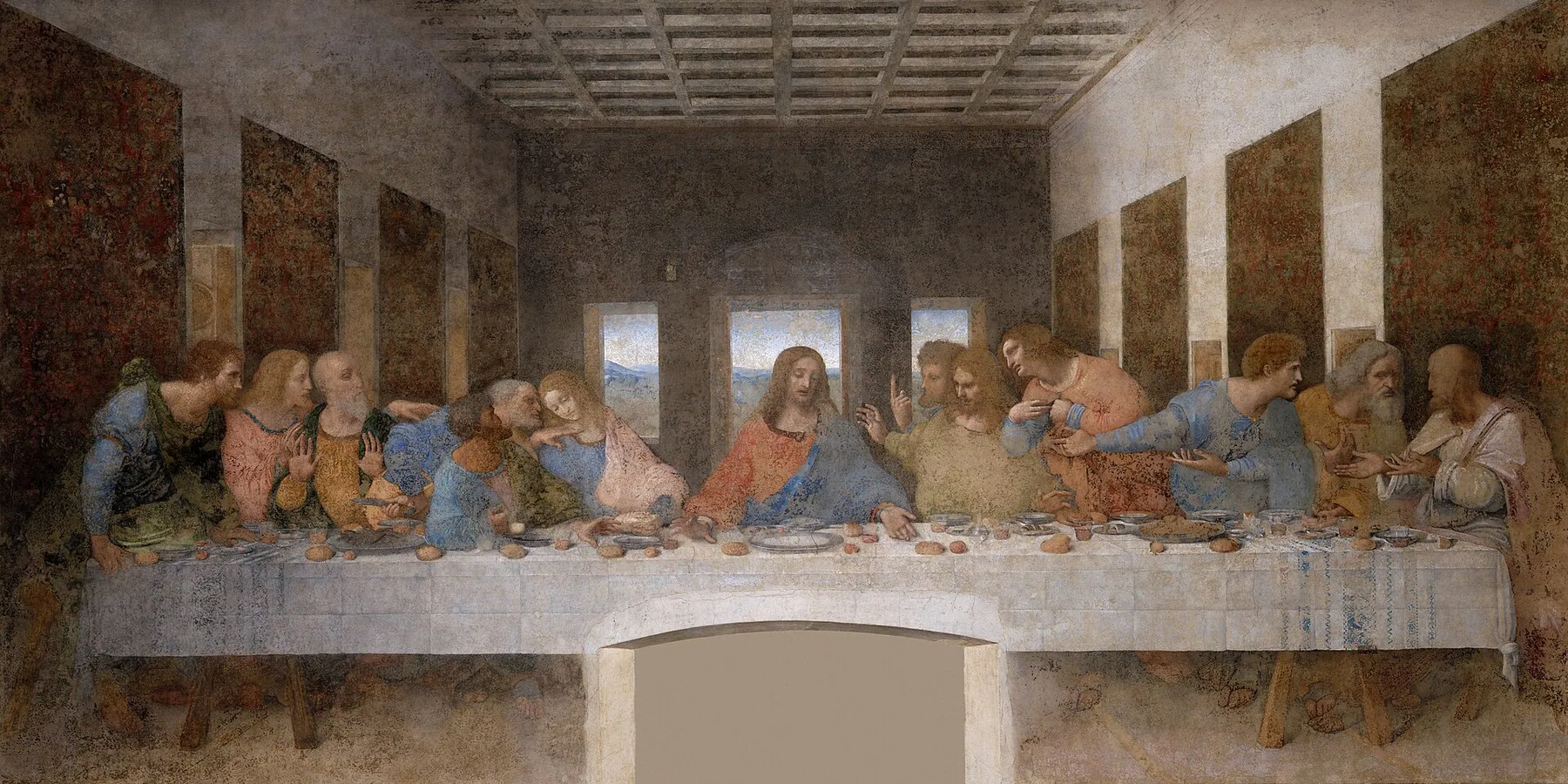
Perspective makes space believable; composition decides where the eye goes. Both were systematised in the Renaissance and are still the foundation of picture-making.
 ◎ notes
 ◎ notes
Linear perspective
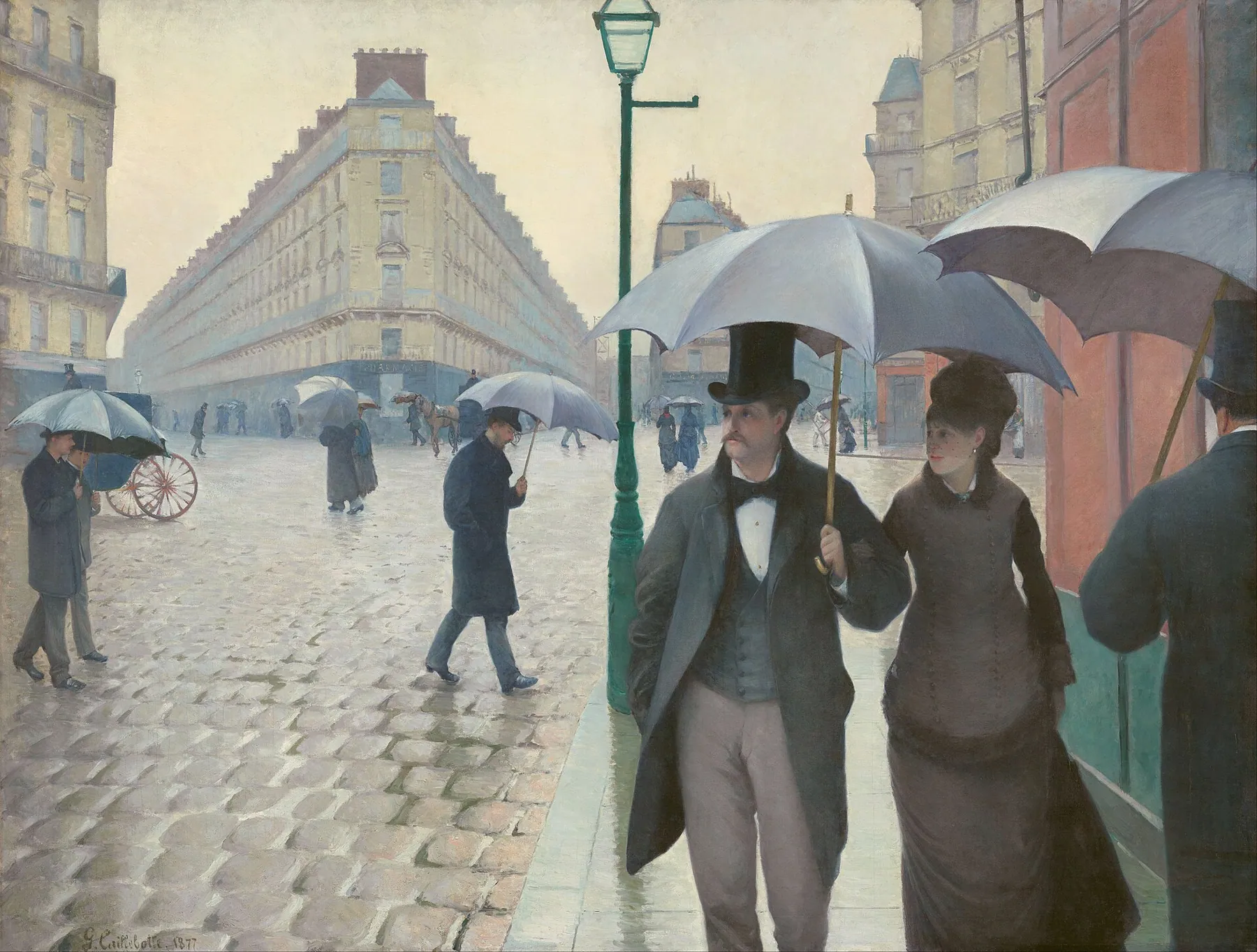
The horizon line is always at your eye level. Parallel lines that recede meet at a vanishing point on that horizon. One-point perspective has one vanishing point (looking straight down a street); two-point has two (looking at a building's corner); three-point adds one above or below for tall or steep views.
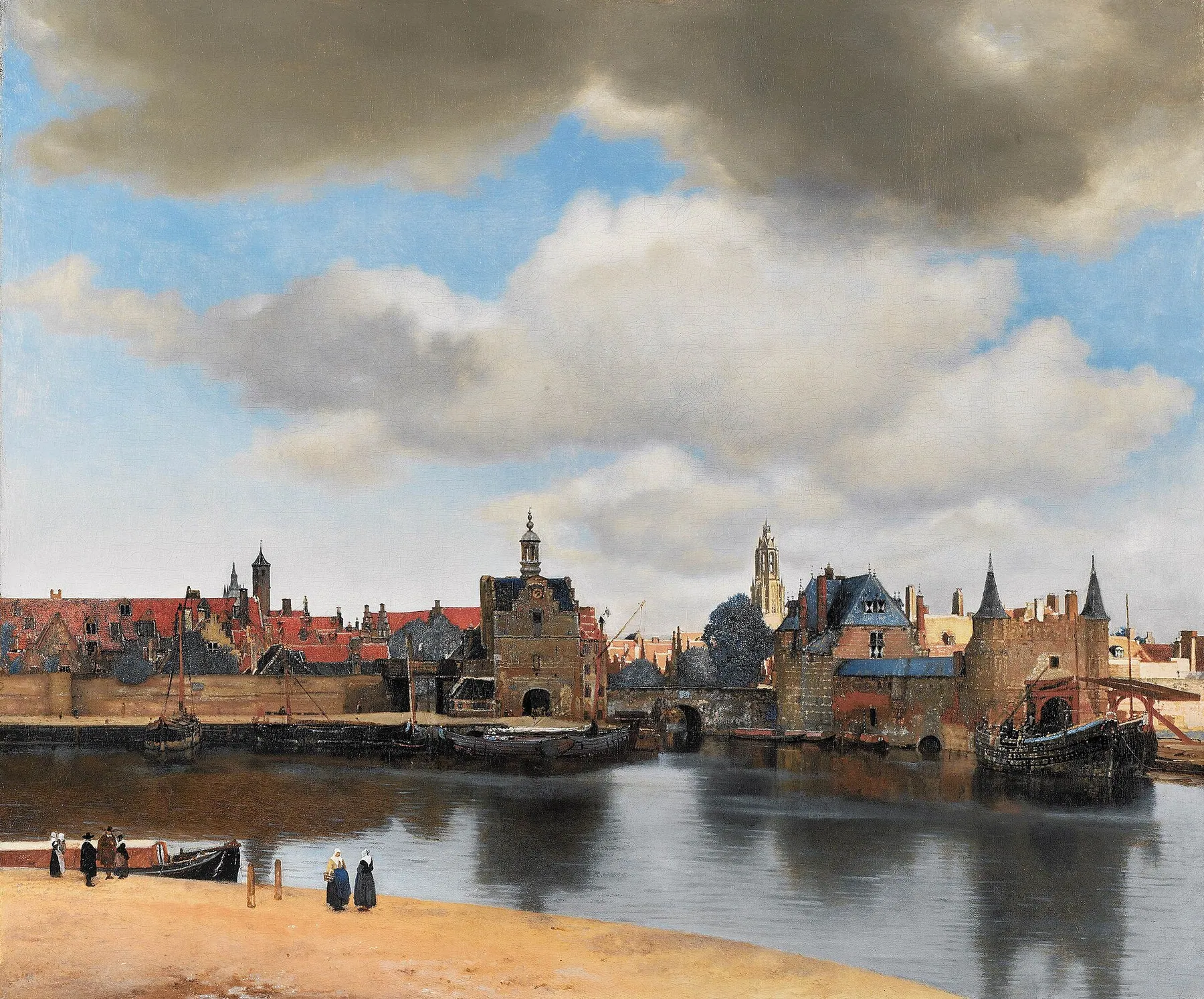
Atmospheric perspective is just as important outdoors: distant things are lighter, bluer, lower in contrast and softer at the edges. Leonardo called it the perspective of disappearance.
Composition
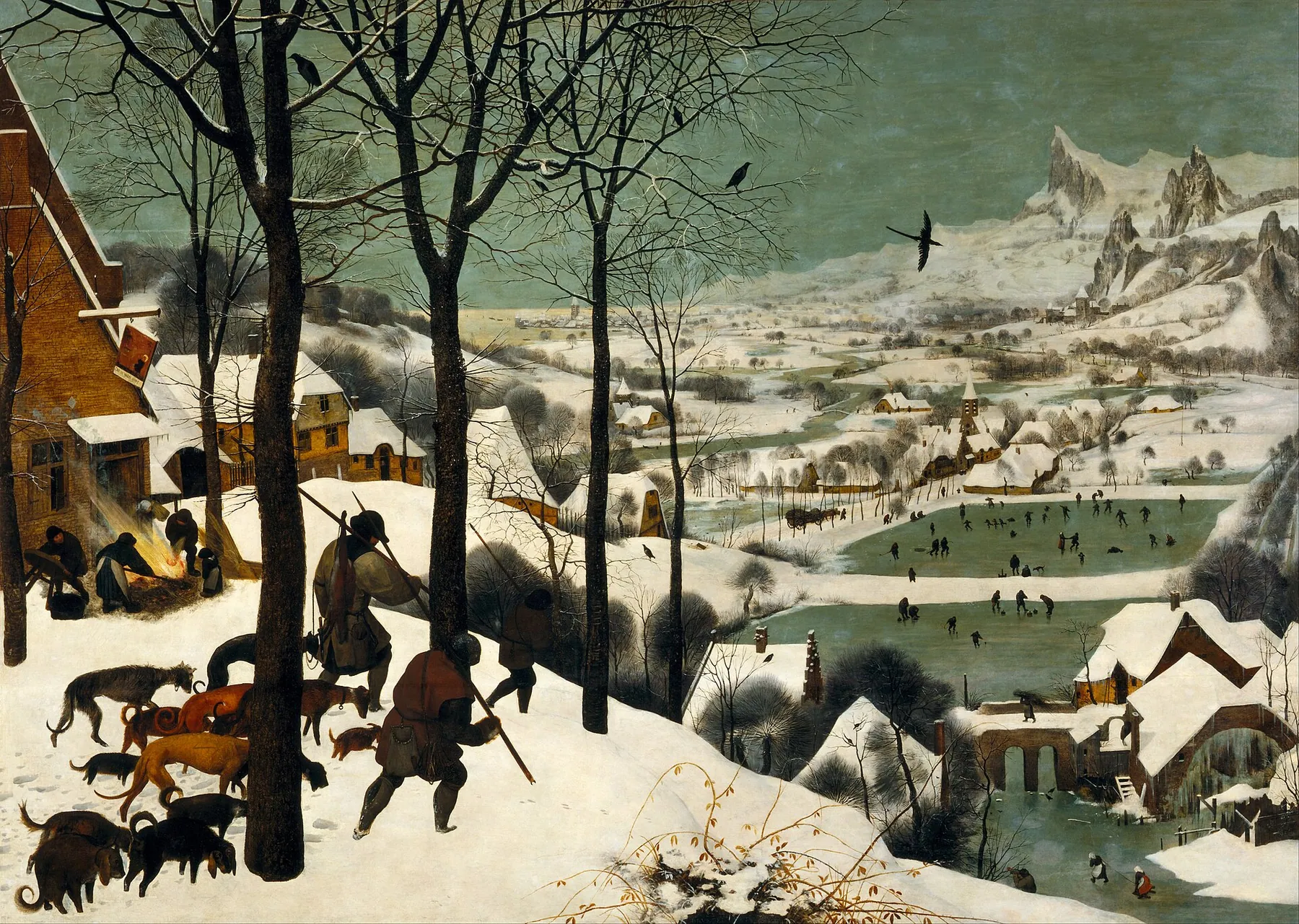
Start with big shapes, not details. Arrange three to five masses of light and dark, give the picture one clear focal point and lead the eye to it with lines, contrast and colour. The rule of thirds is a useful starting point; Bruegel's Hunters in the Snow leads you diagonally from the hunters into the valley.
Vary sizes and intervals. Equal spacing and centred subjects are calm; diagonals and asymmetry add tension.
Try it
- Draw a street corner in two-point perspective with the horizon at your eye level.
- Copy the composition of a painting in five lines only.
- Make three thumbnails of the same scene with different focal points.
Examples to study
 ◎ notes
Watch
Perspective - 10 Minutes To Better Painting - Episode 9 · Marco Bucci
Simple One Point Linear Perspective for Beginners & Self-Taught Artists · Art Prof: Your Art School
Create Believable Depth & Space in Your Paintings: Atmospheric Perspective Explained · Art Prof: Your Art School
Videos load from YouTube (privacy-enhanced mode) only when you press play.