Anatomy IV: The head and skull
Every portrait sits on a skull. Learn the few planes and landmarks of the skull and you can draw a head from any angle — then add the features and the muscles of expression.
Construction: ball and plane
Andrew Loomis's well-known method starts with a ball for the cranium. Slice off the sides to make flat side planes, and hang the jaw and face below. The centre line and the brow line wrap around the ball, so tilting them is how you turn the head.
Divide the face into thirds: hairline to brow, brow to the base of the nose, nose to the chin. The eyes sit roughly halfway down the whole head, and there is about one eye-width between the eyes. The ears fit between the brow line and the base of the nose.
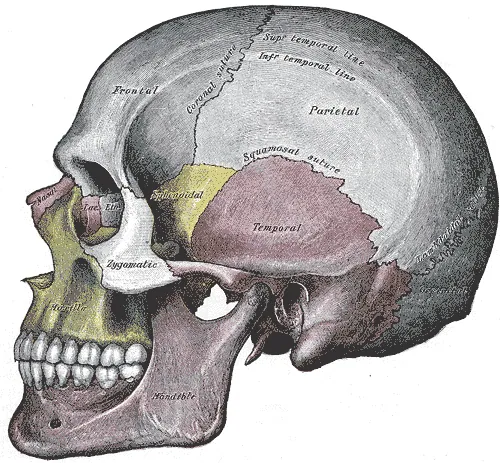
Bones that show
The brow ridge, cheekbones (zygomatic bones), the bridge of the nose, the jaw angle and the chin are all close to the surface. Light catches them first, which is why they are the keys to a convincing likeness.
The eye is a ball set into the socket; the lids wrap over it, so they are curved, not flat lines. The upper lid casts a shadow on the eyeball.
Muscles of expression
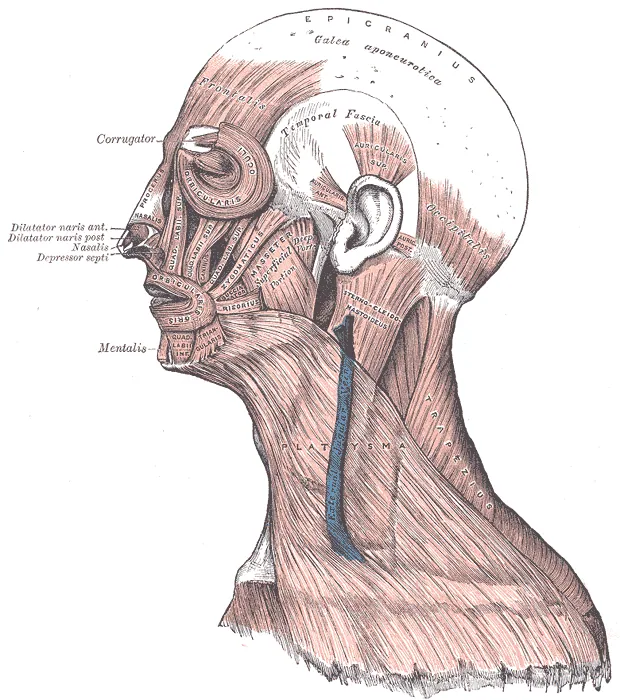
Facial muscles attach to skin, not just bone, so they wrinkle it. The frontalis lifts the brows (forehead creases), the corrugator pulls them together (frown lines), the orbicularis oculi closes the eye (crow's feet), the zygomaticus major pulls the mouth into a smile and the orbicularis oris purses the lips.
Reference table
| Structure | Location | Function / effect |
|---|---|---|
| Frontal bone | Forehead | Shapes the brow and forehead plane |
| Parietal bones | Top and sides of the vault | Give the skull its width |
| Temporal bone | Side, around the ear | Anchors the jaw joint; the temple is a shallow hollow |
| Occipital bone | Back of skull | Where the neck muscles attach |
| Zygomatic bone and arch | Cheekbone | The widest point of the face; catches light |
| Maxilla | Upper jaw | Holds the upper teeth; forms the muzzle |
| Mandible | Lower jaw | Opens the mouth; its angle defines the jaw line |
| Nasal bone | Bridge of nose | Hard upper third of the nose; the rest is cartilage |
| Masseter | Jaw angle | Closes the jaw; bulges when clenching |
| Temporalis | Temple | Closes the jaw |
| Zygomaticus major | Cheek to mouth corner | Smiling |
| Orbicularis oculi | Around the eye | Closing the eye, squinting |
| Frontalis | Forehead | Raising the eyebrows |
Historic plates
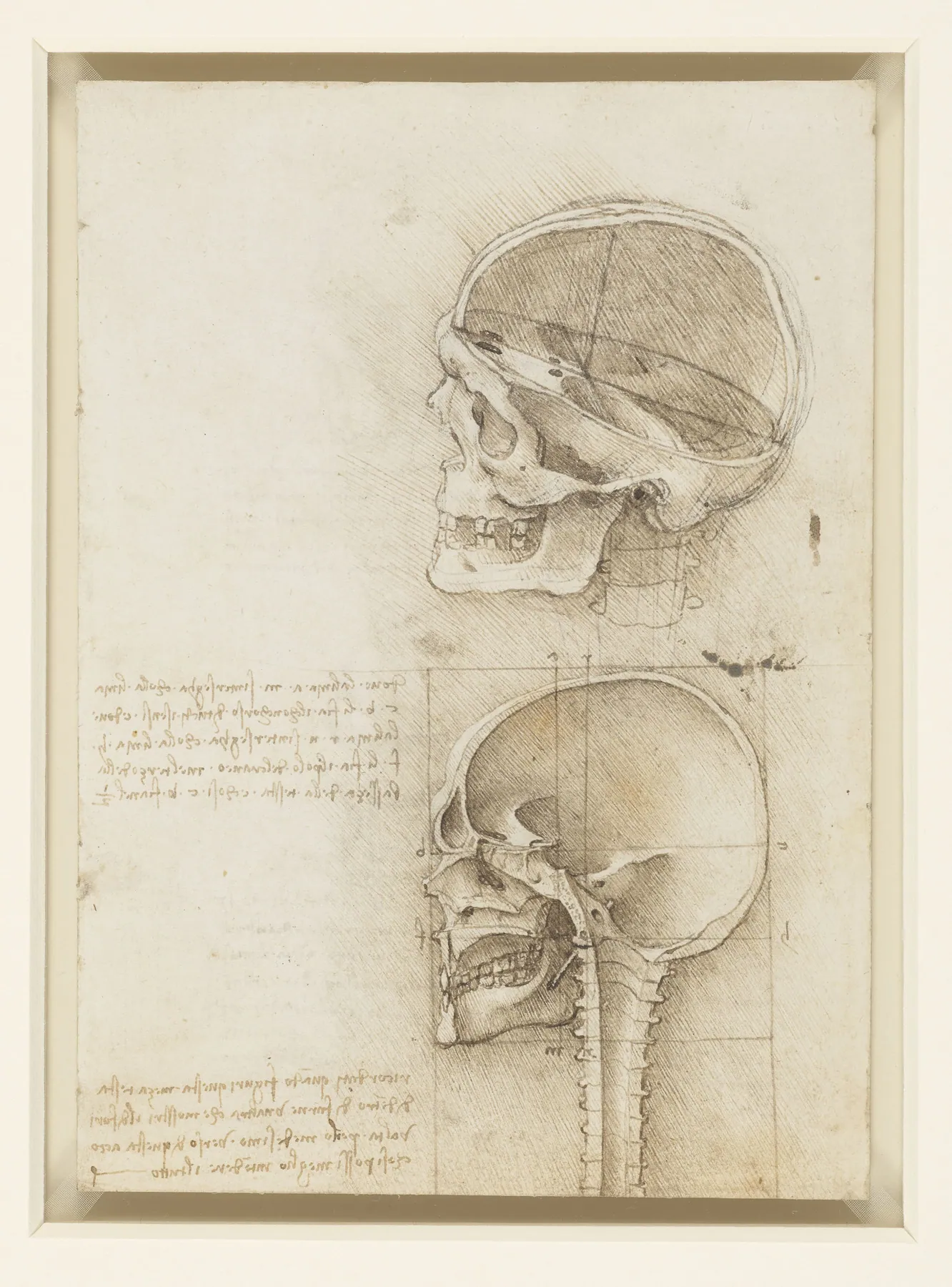
Public-domain plates from Vesalius (1543), Leonardo's anatomical notebooks and Gray's Anatomy (1918). Tap to zoom into the detail.
Master studies
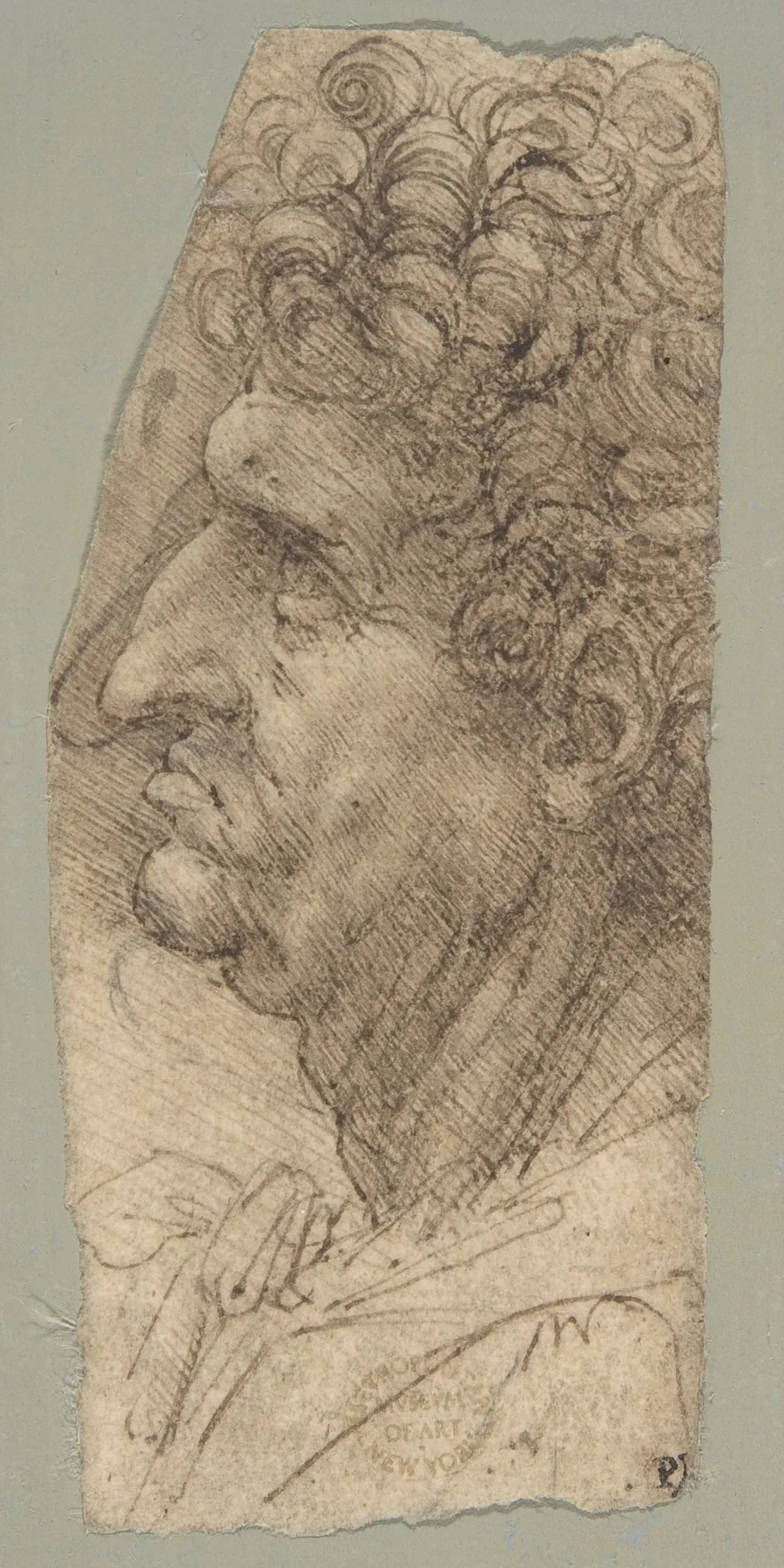
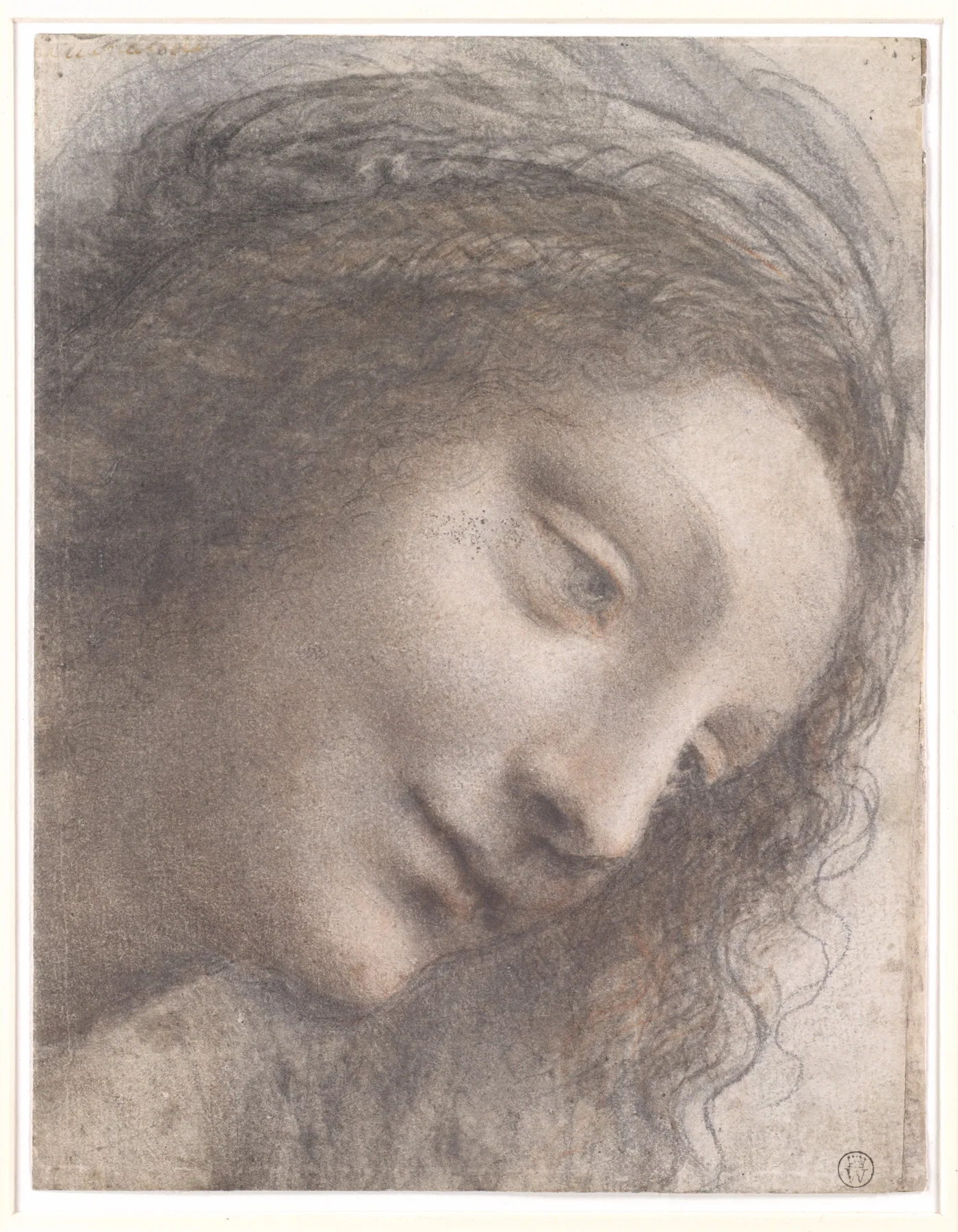
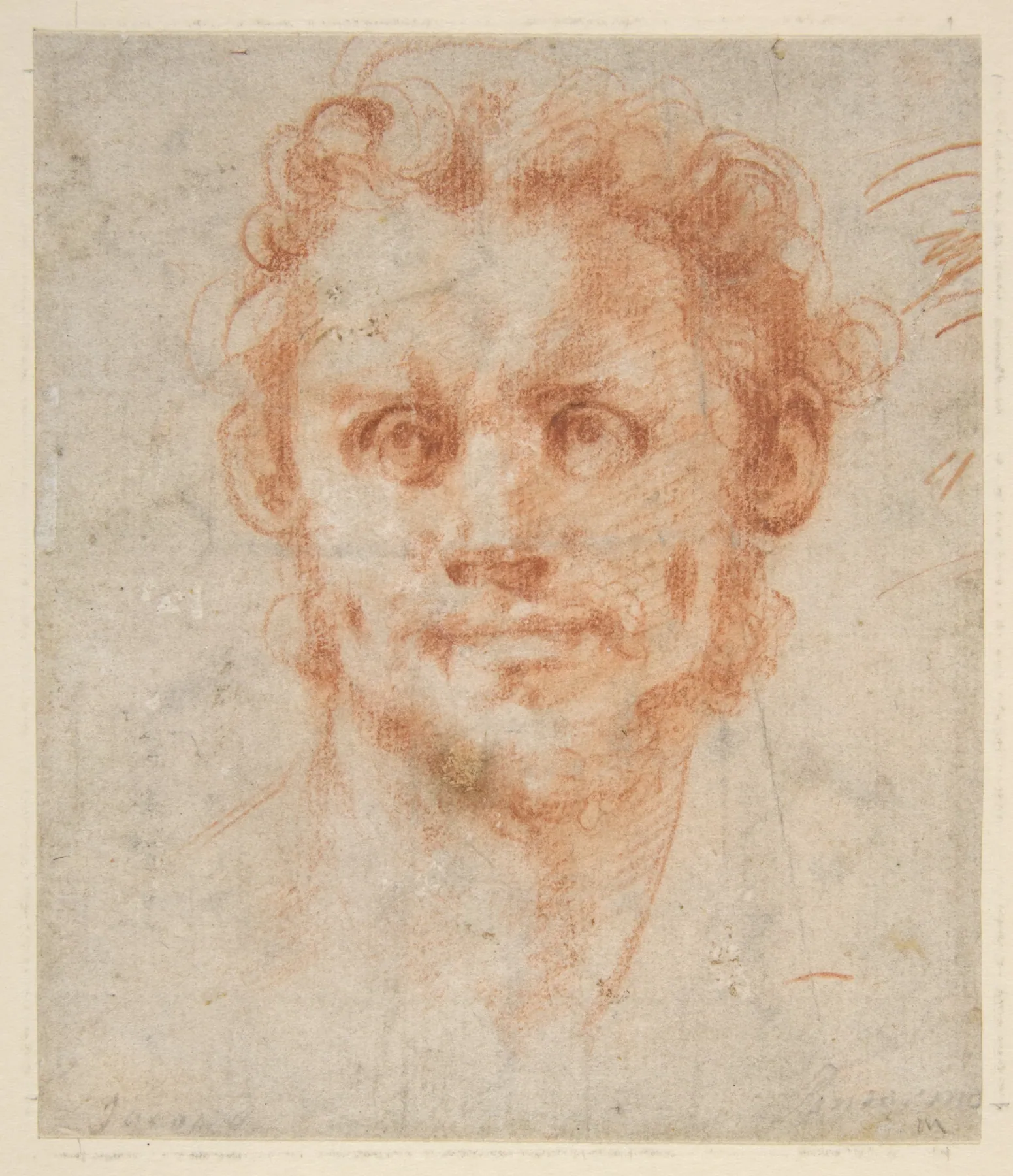
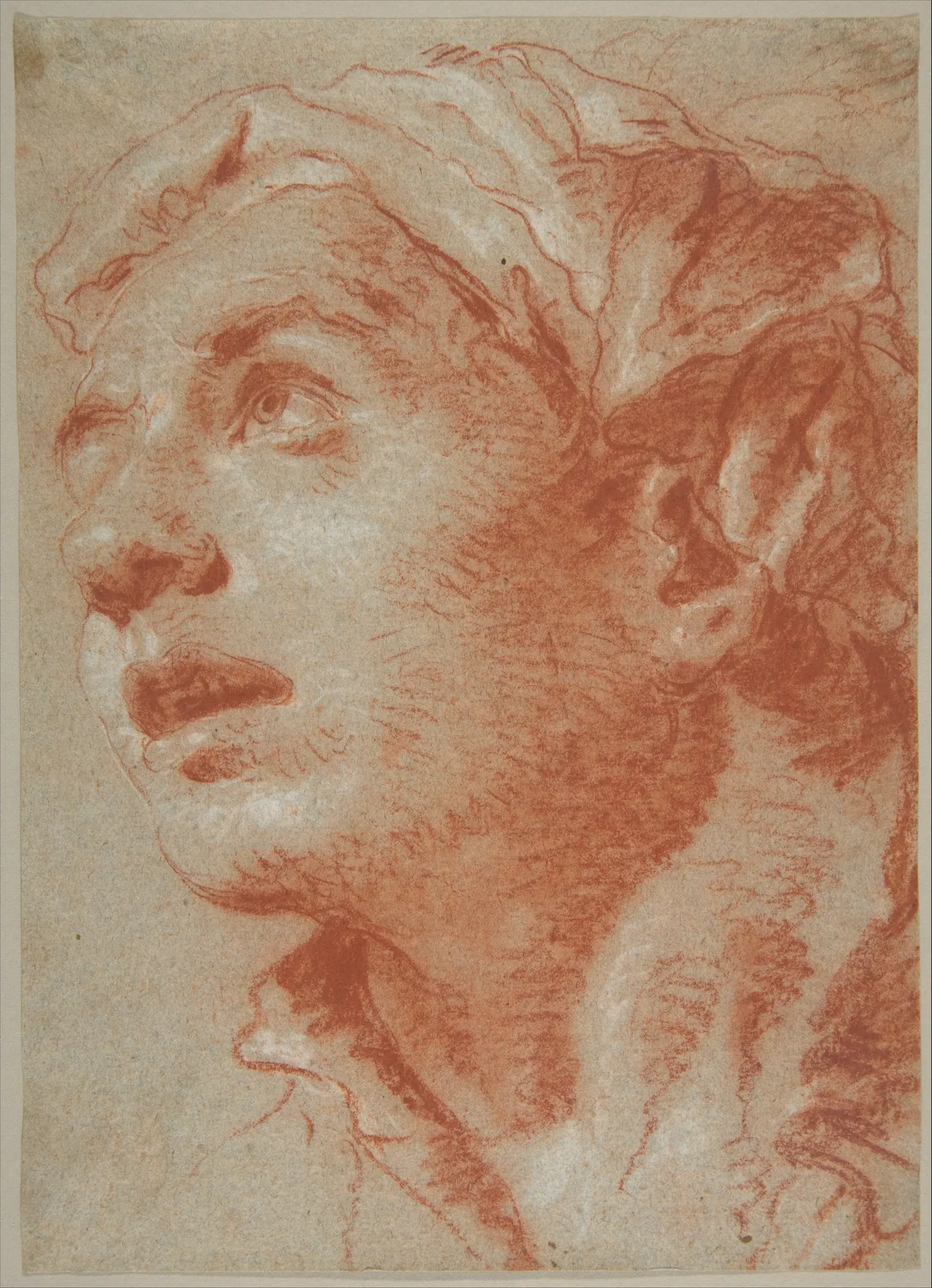
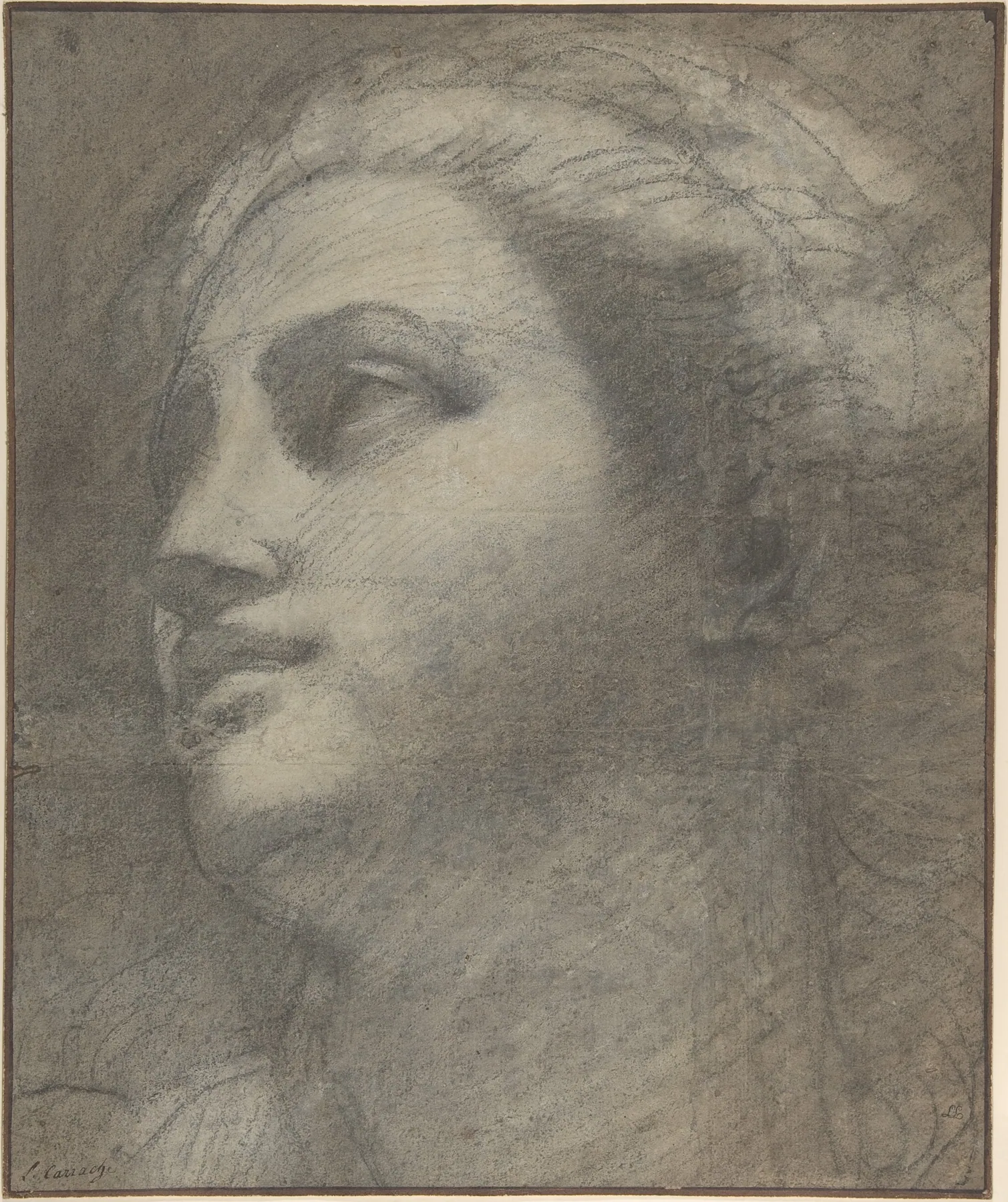
- Draw ten heads as ball-and-plane constructions turning in different directions.
- Copy the Leonardo skull and mark the brow line, cheekbone and jaw angle.
Watch
How to Draw the Head from Any Angle · Proko
Quickly Draw Heads with the Loomis Method - Part 1 · Proko
How to Study the Skull for Better Drawings · Proko
How to Draw the Head - Front View · Proko
Videos load from YouTube (privacy-enhanced mode) only when you press play.