Neoclassicism
c. 1760–1830. Neoclassicism rejected Rococo frivolity for the order, clarity and moral seriousness of ancient Greece and Rome — crisp outlines, smooth surfaces and heroic subjects.
Context
Excavations at Pompeii and Herculaneum (from the 1740s) made ancient art newly fashionable.
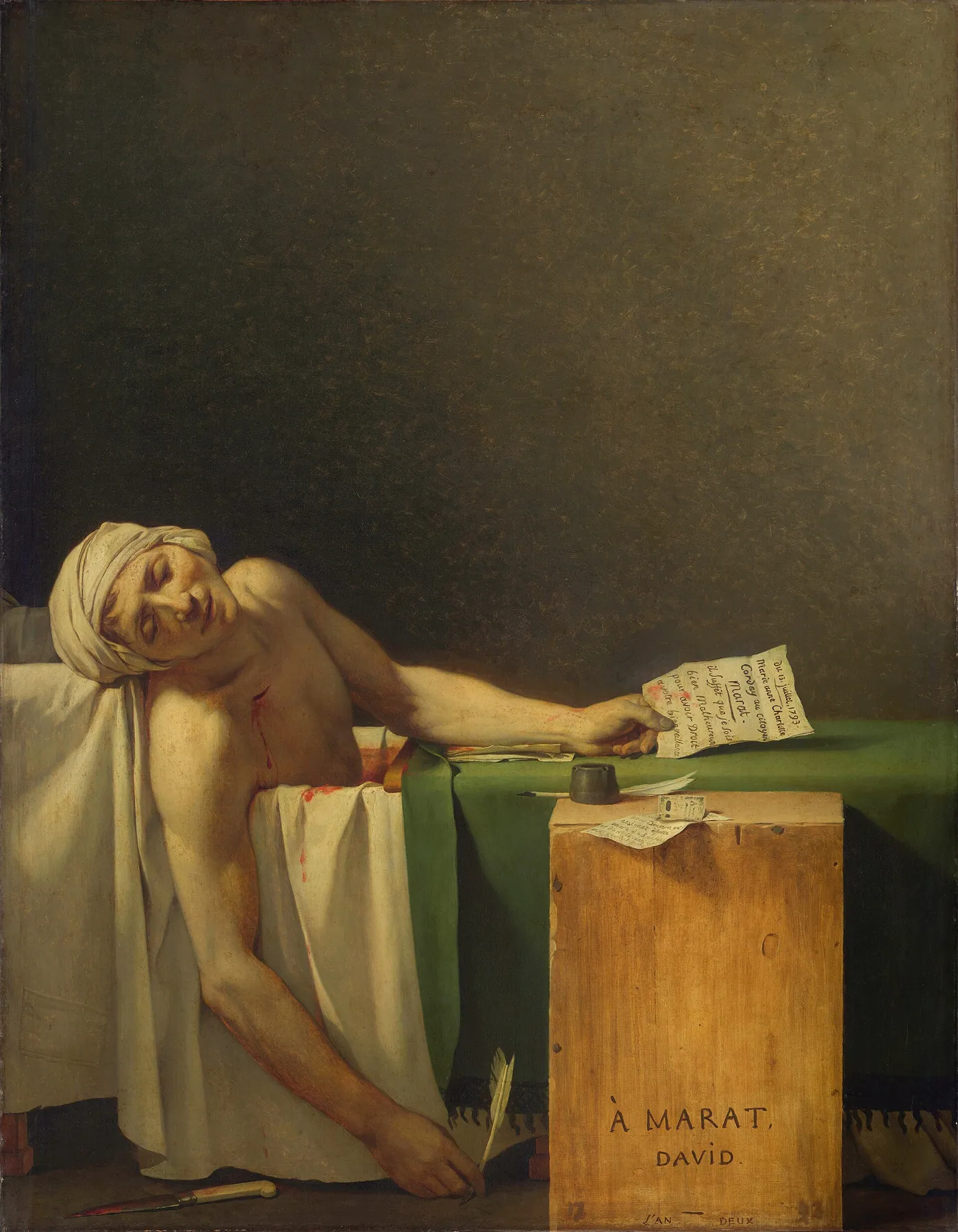
The Enlightenment and the French Revolution wanted art about virtue, duty and sacrifice. Jacques-Louis David became the painter of the Revolution and later of Napoleon.
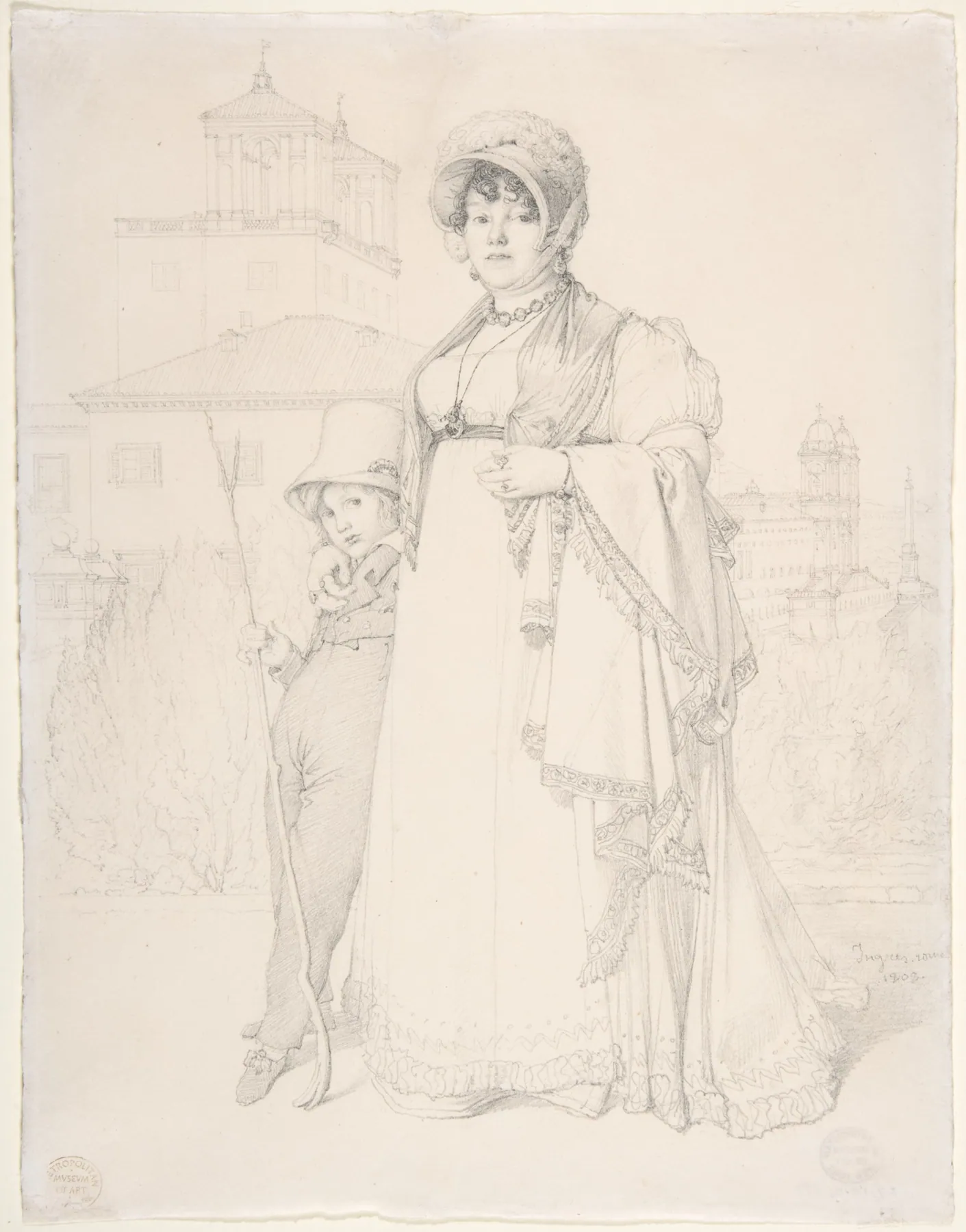
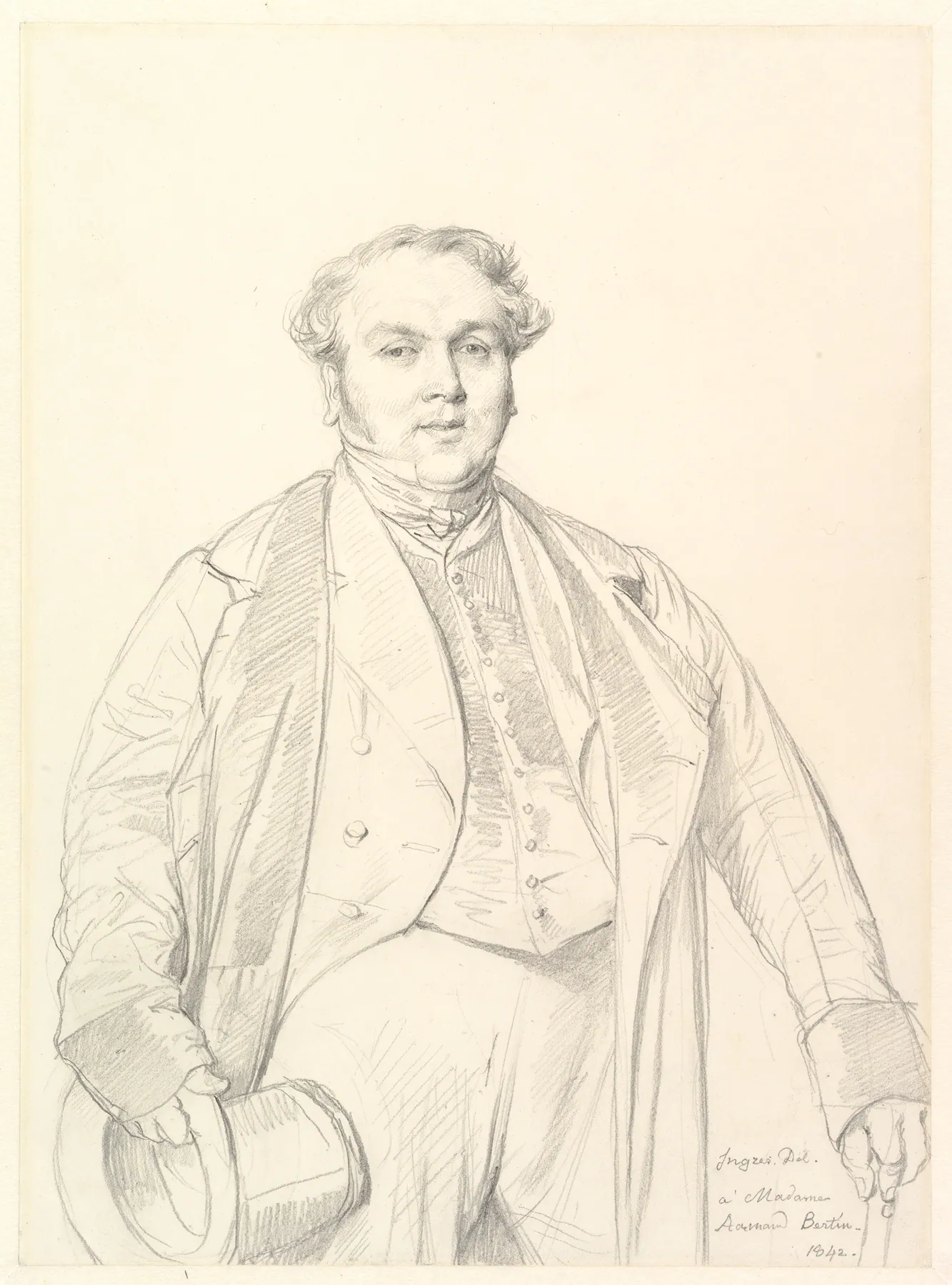
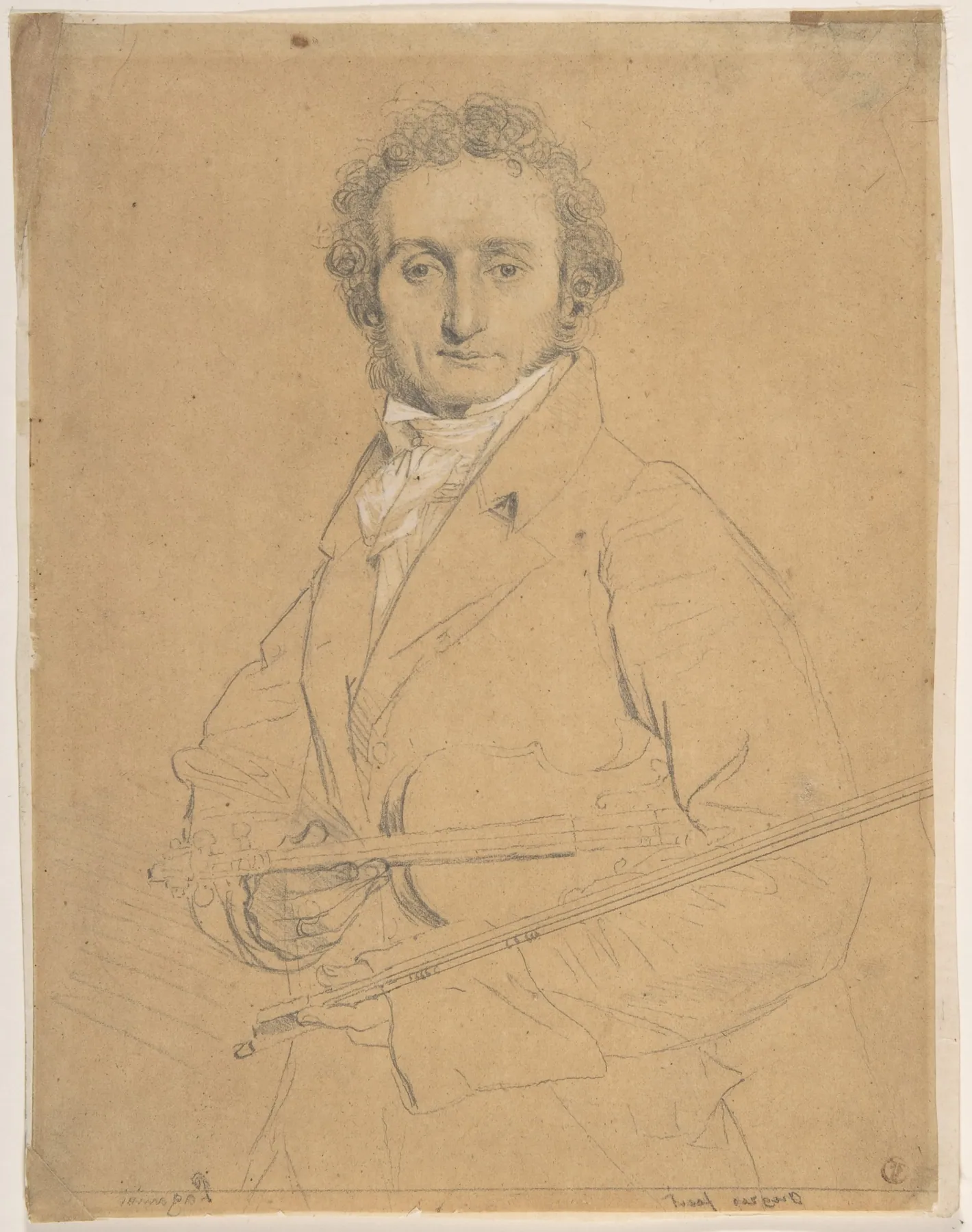
The academies (official art schools) made Neoclassical drawing — careful study of the figure and of antique sculpture — the foundation of art training for a century.
Key artists
| Artist | Life | Known for |
|---|---|---|
| Jacques-Louis David | 1748–1825 | Severe, heroic compositions: The Death of Marat. |
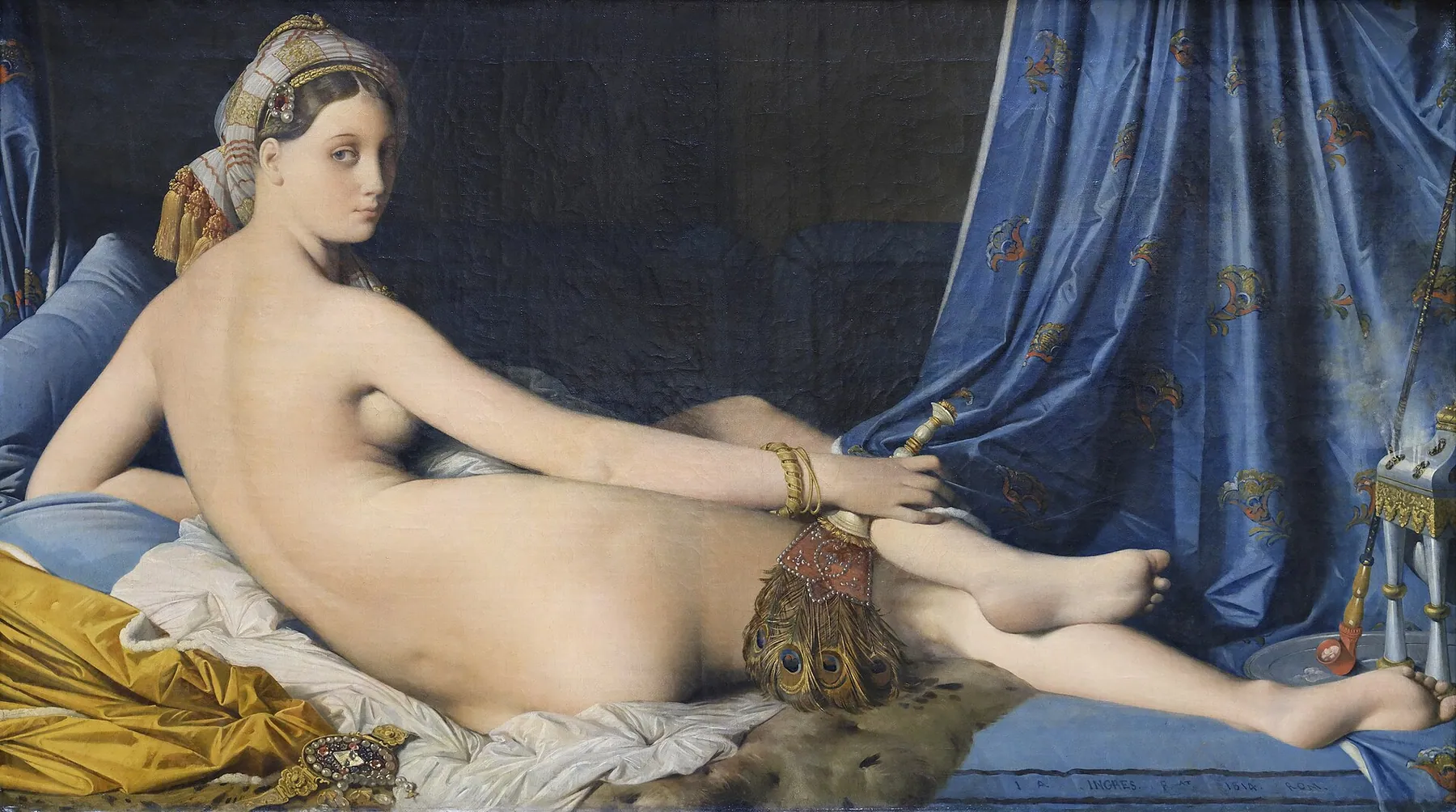
| Jean-Auguste-Dominique Ingres | 1780–1867 | Pure line and smooth finish: Grande Odalisque; masterly pencil portraits. |
| Angelica Kauffman | 1741–1807 | Classical history paintings and portraits. |
| Antonio Canova | 1757–1822 | Sculptor whose marble ideals influenced painters. |
Key works
Tap any image to zoom; works marked ◎ have notes on key details.
Techniques
- Drawing first: firm, continuous contours.
- Smooth 'licked' surface with brushstrokes blended away.
- Shallow, stage-like space with figures arranged like a relief sculpture.
- Restrained colour and clear, even lighting.
- Academic training: drawing from casts, then from the live model.
How to paint in this style
- Start with an exact contour drawing; refine it until every curve is deliberate.
- Arrange the figures parallel to the picture plane, like a frieze.
- Underpaint in grisaille (greys) to model the forms like sculpture.
- Apply colour in smooth, blended layers with soft brushes; hide brushmarks.
- Keep backgrounds plain or architectural so the figure group reads clearly.
Lead white, ochres, vermilion, Prussian blue, ultramarine, earth reds and bone black — used with restraint.
Drawings and studies
Watch
Jacques-Louis David, The Death of Marat · Smarthistory
Ingres, La Grande Odalisque · Smarthistory
Videos load from YouTube (privacy-enhanced mode) only when you press play.