c. 1720–1780. After Baroque grandeur came lightness: pastel colours, playful love scenes, elegant parties in gardens and feathery brushwork. Rococo started in Paris and spread across Europe.
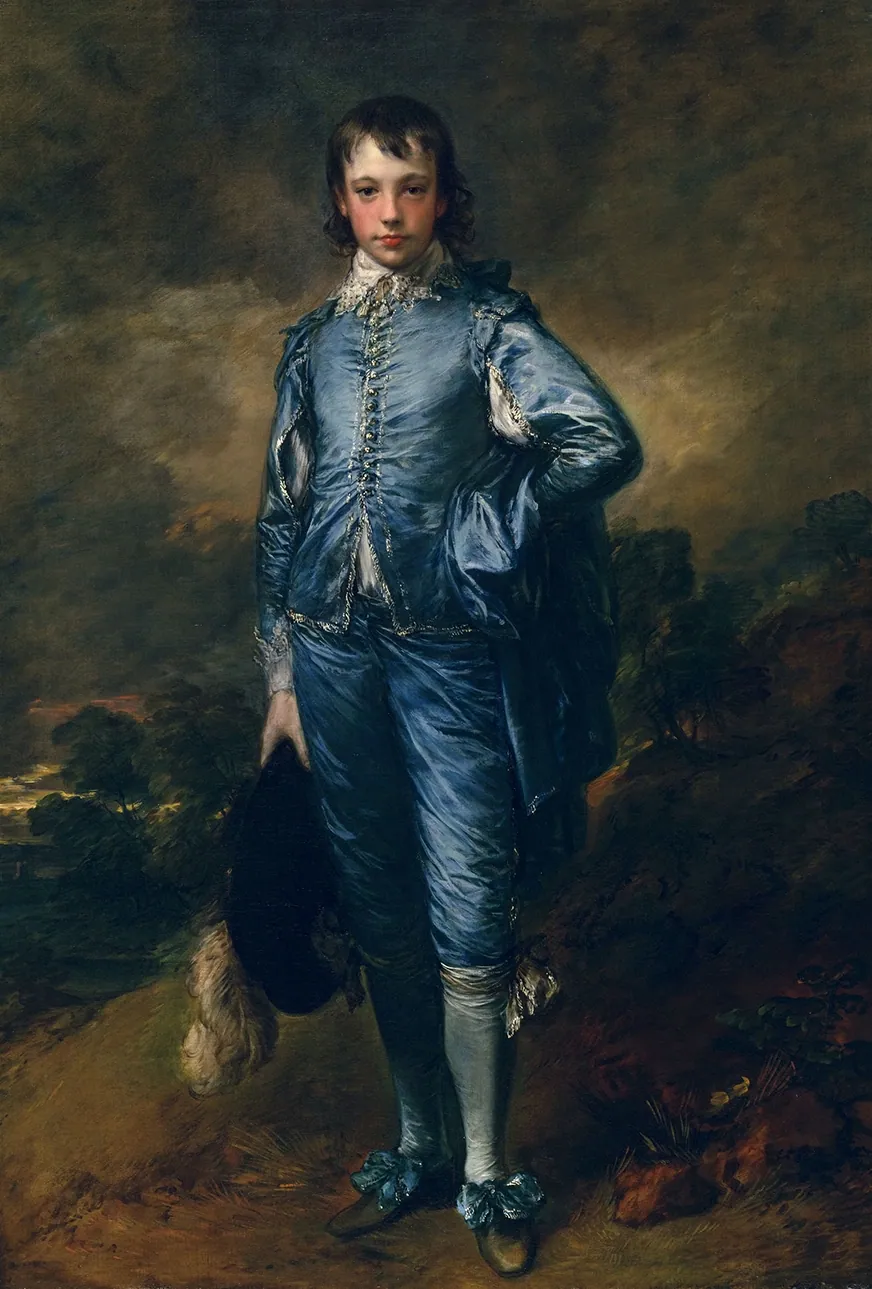
The Blue Boy, Thomas Gainsborough (c. 1770). Oil on canvas. The Huntington, San Marino, California. Source: Wikimedia Commons · Public domain
Context
After Louis XIV died in 1715, French aristocrats moved from Versailles back to elegant Paris townhouses and wanted smaller, intimate, decorative paintings.
Antoine Watteau invented the fête galante — fashionable people relaxing in dreamy parkland. Fragonard and Boucher took it further with flirtation and pink-and-blue colour.
In Britain, Gainsborough and Reynolds made portraiture the leading genre; Venice produced Tiepolo's sky-filled ceilings.
Key artists
Artist
Life
Known for
Antoine Watteau
1684–1721
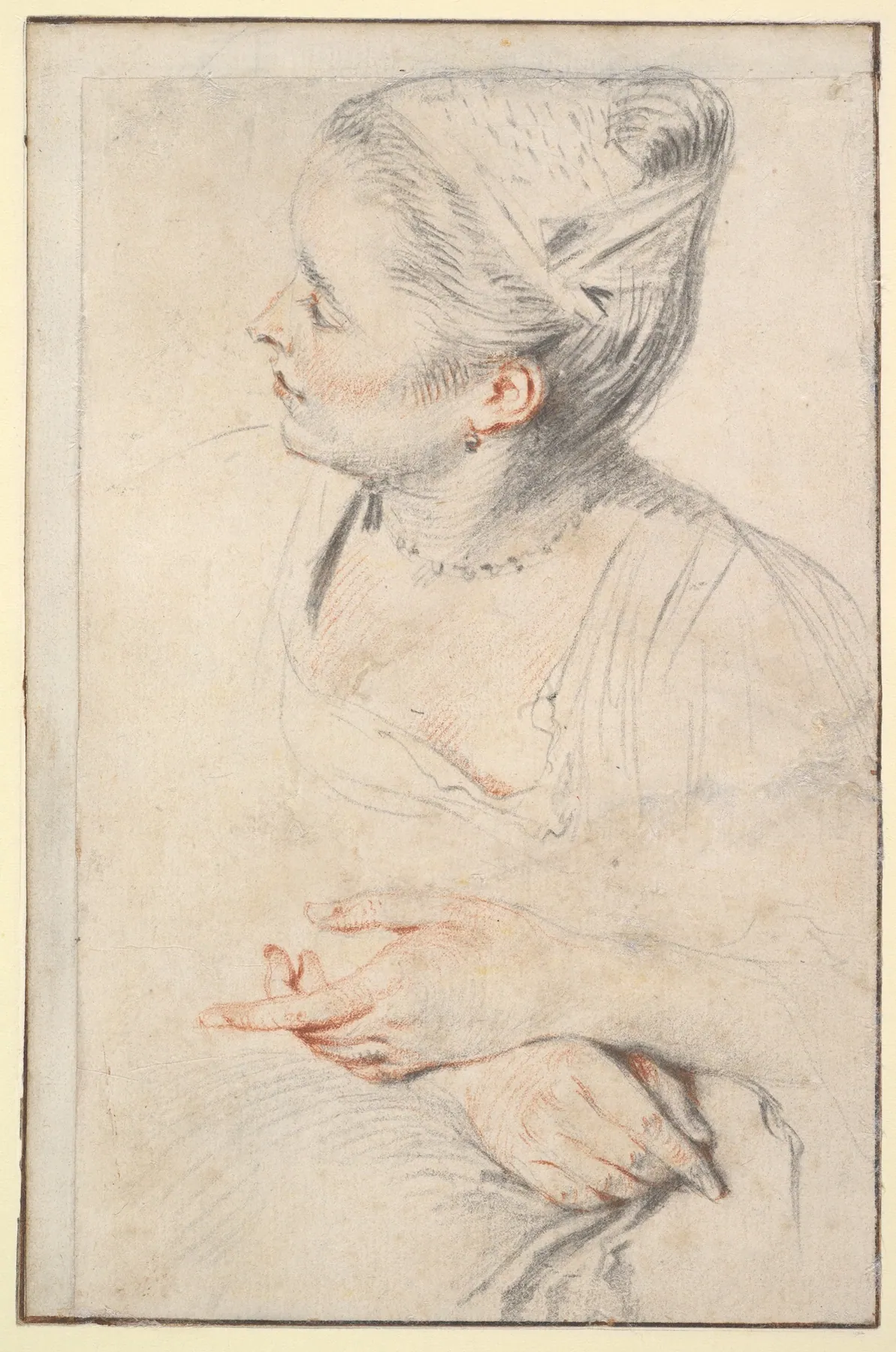
Fêtes galantes and exquisite chalk drawings.
François Boucher
1703–1770
Decorative mythologies in pastel colour.
Jean-Honoré Fragonard
1732–1806
Fast, joyful brushwork.
Giovanni Battista Tiepolo
1696–1770
Airy ceiling frescoes.
Thomas Gainsborough
1727–1788
Feathery portraits and landscapes: The Blue Boy.
Key works
Tap any image to zoom; works marked ◎ have notes on key details.
Techniques
Light, high-key palette: pinks, powder blues, creams and soft greens.
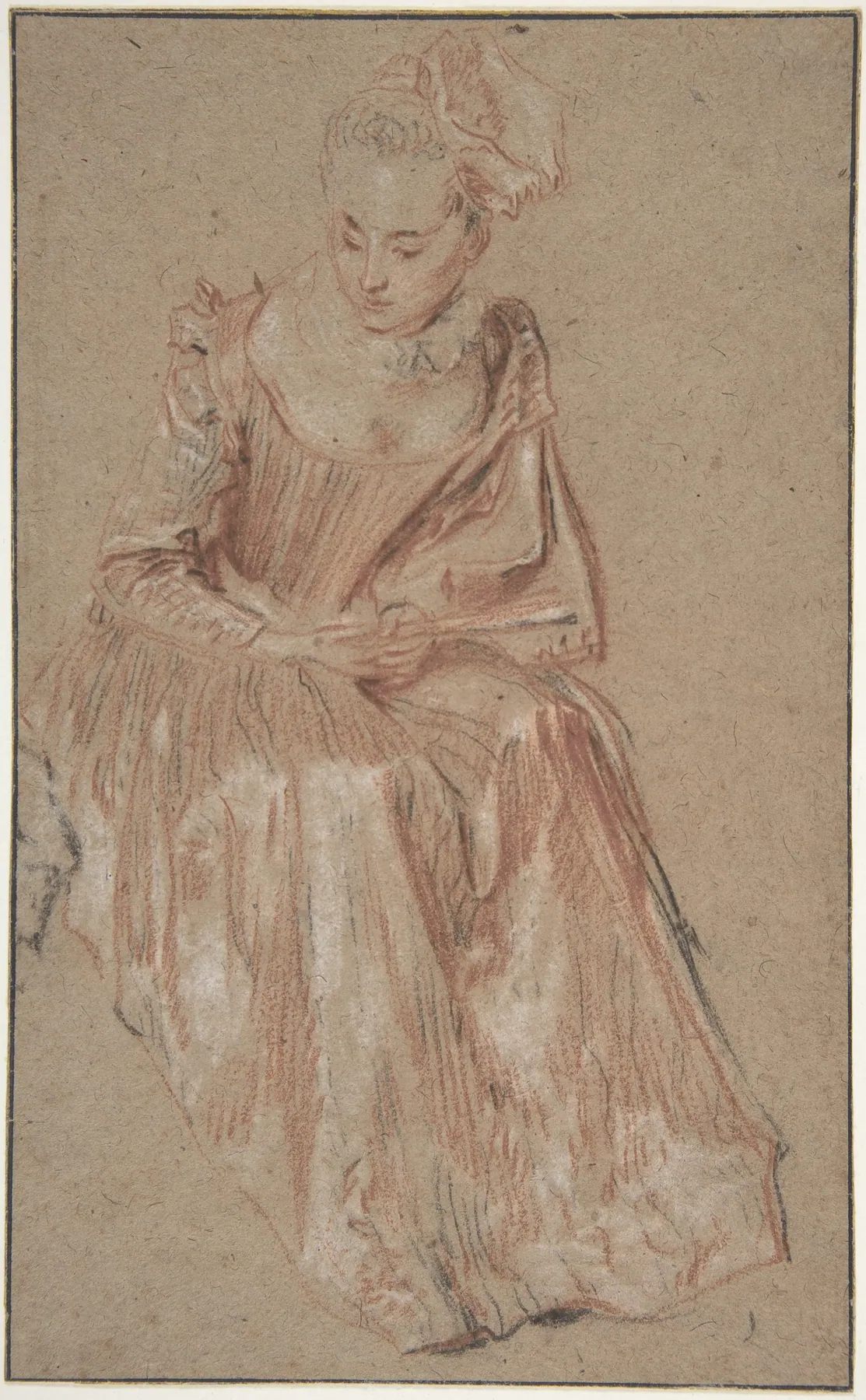
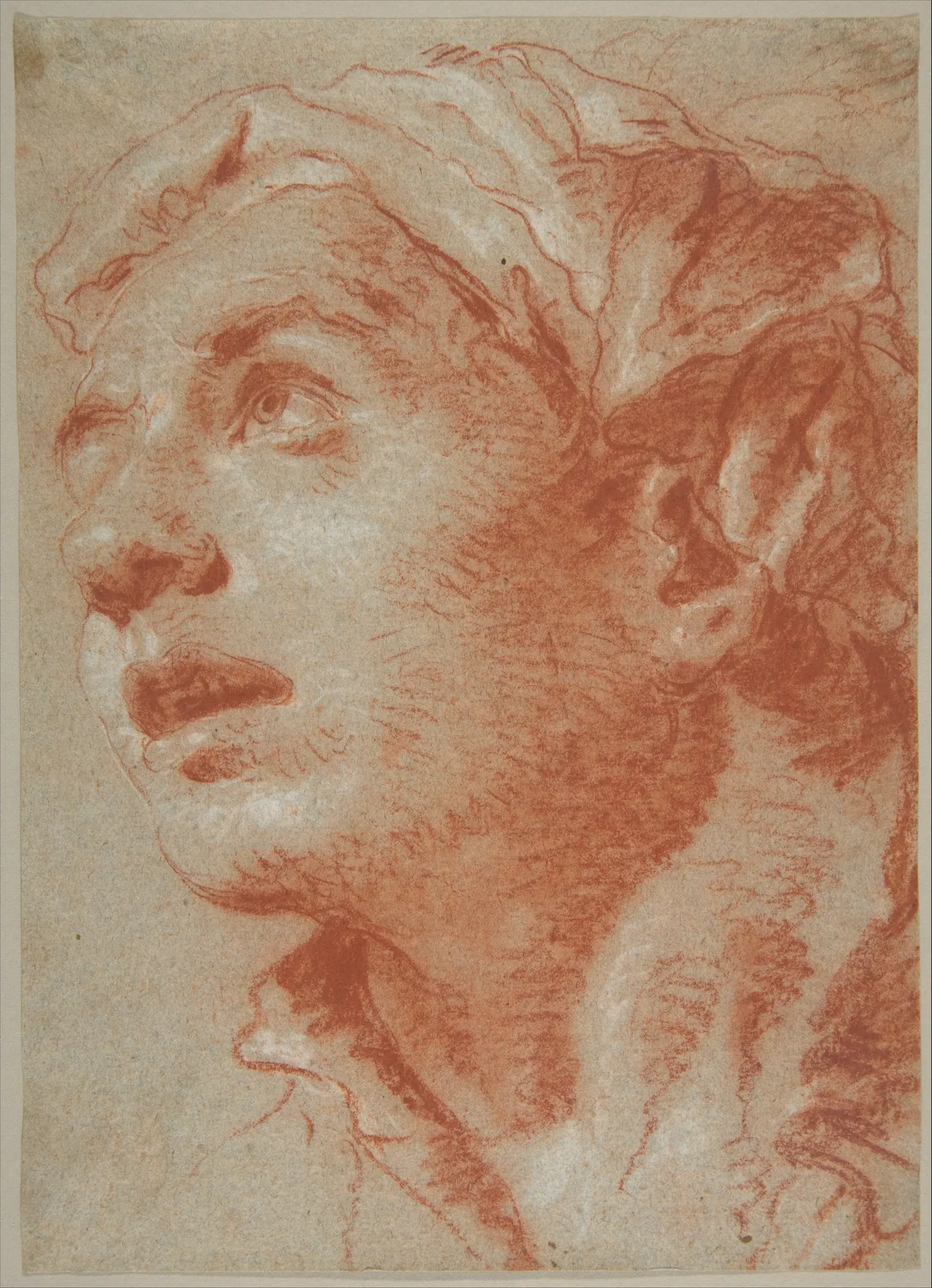
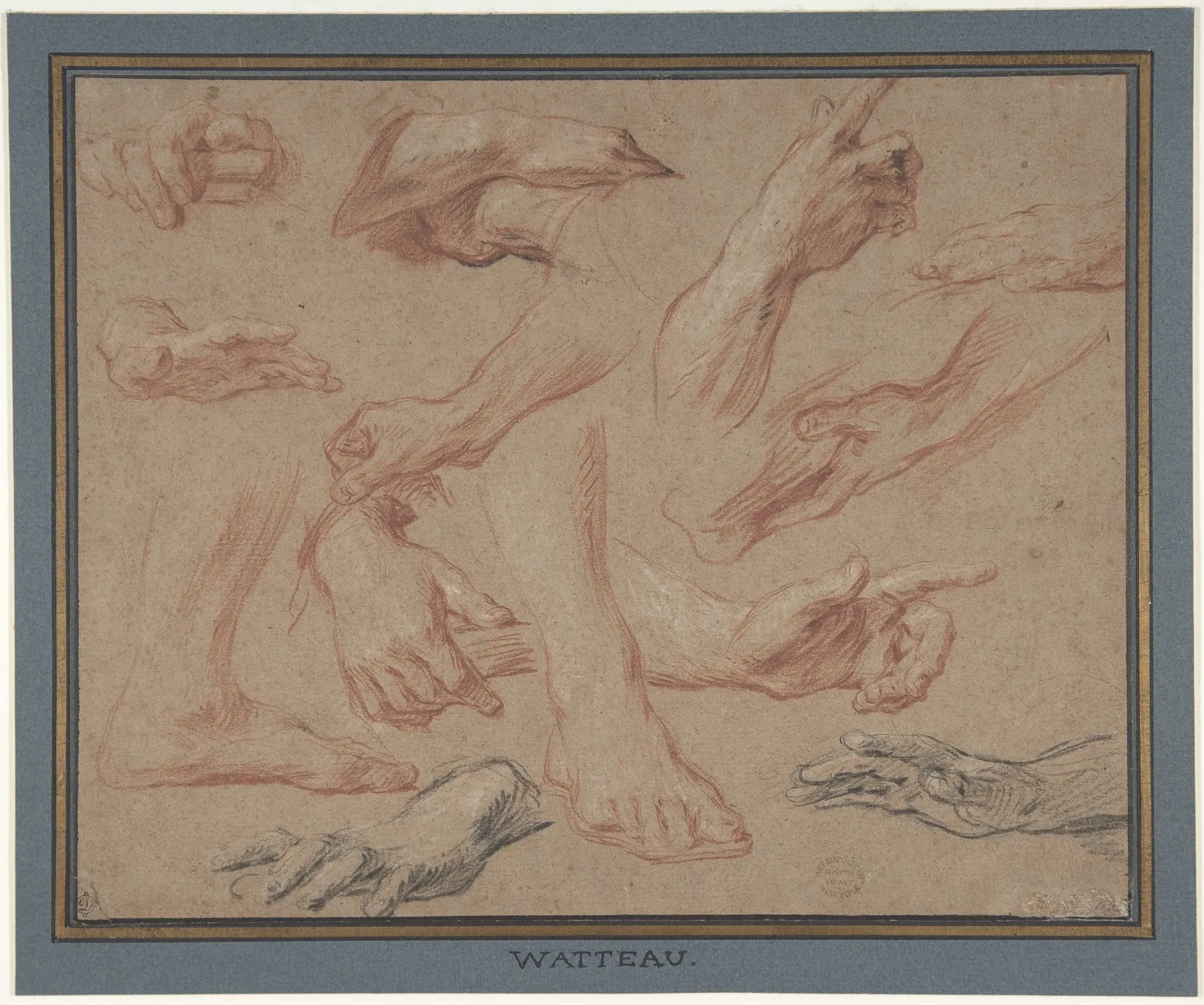
Trois crayons drawing: red, black and white chalk on toned paper.
Feathery, flickering, visible brushstrokes.
Asymmetrical, curving compositions with S and C curves.
Soft, diffused light without hard Baroque shadows.
How to paint in this style
Choose a light-coloured ground — pale grey or cream.
Sketch with curves: let figures, trees and drapery flow in S-shapes.
Mix a family of light, slightly greyed pastels and keep the darks soft and coloured, never black.
Paint foliage and fabric with quick, broken, feathery strokes.
Let the background dissolve into a hazy, decorative landscape.
Typical palette
Lead white, Naples yellow, vermilion, carmine lake, Prussian blue (new in the 1700s), ochres and greens mixed from Prussian blue and yellow.
Drawings and studies
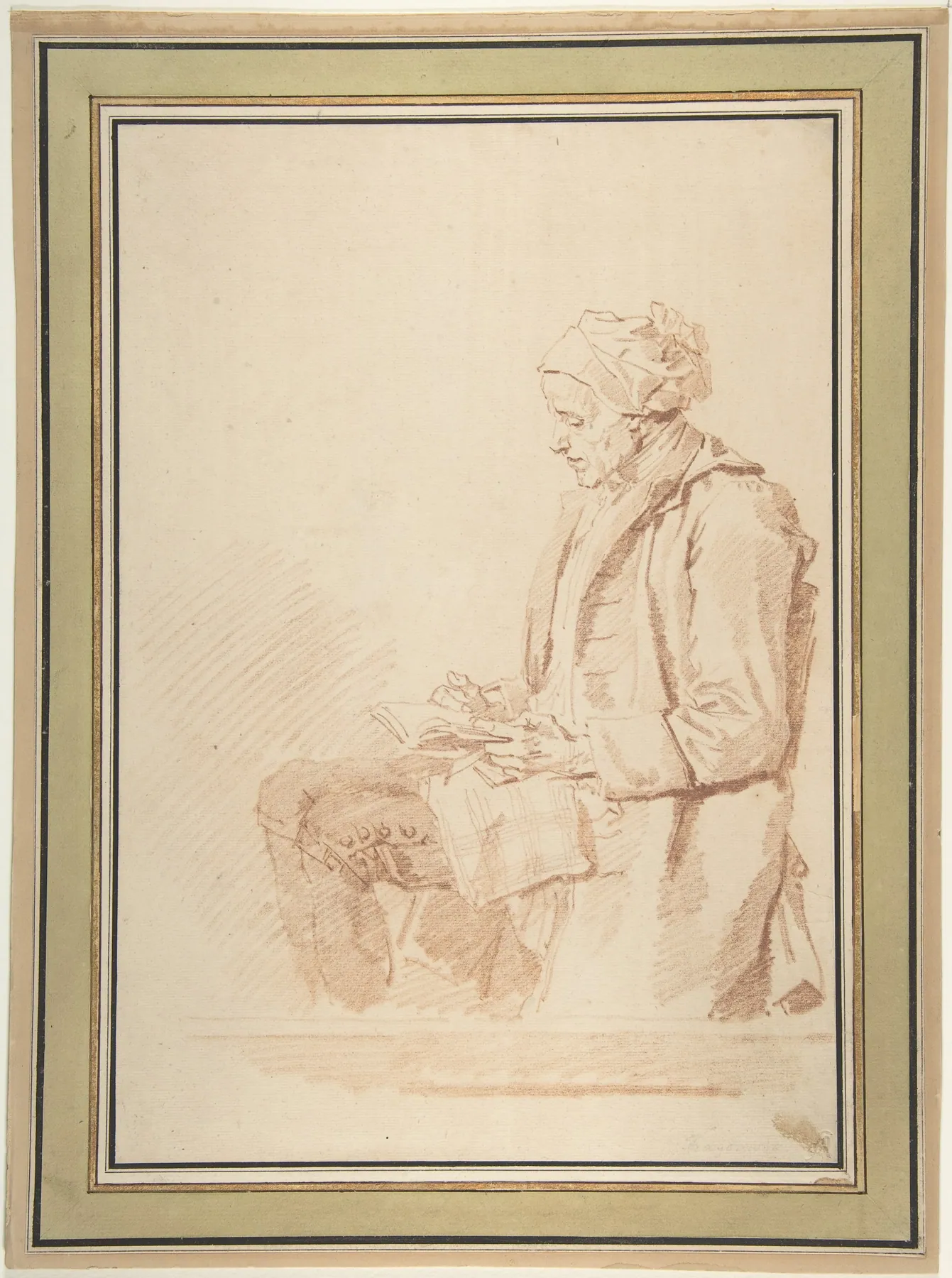
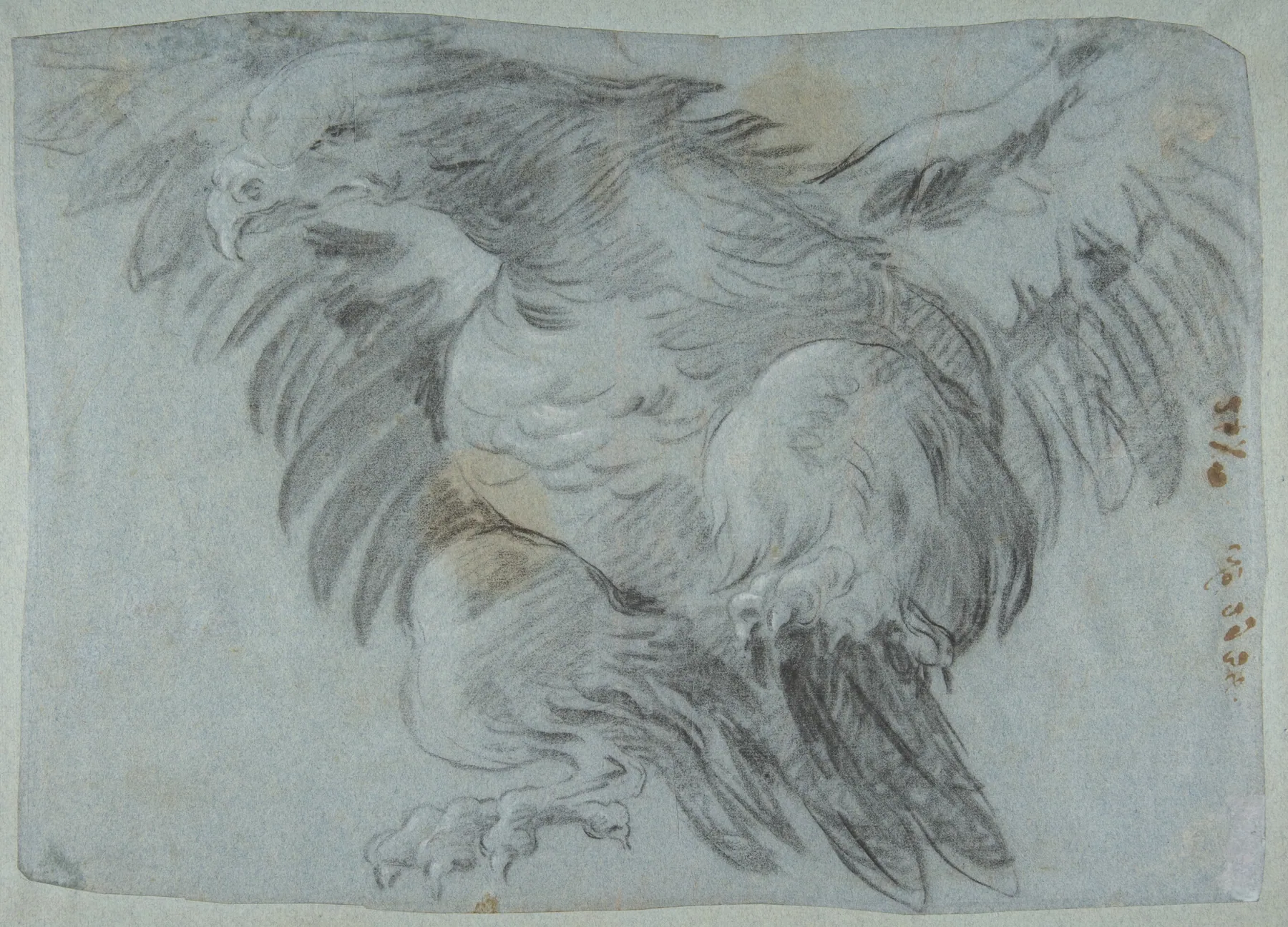
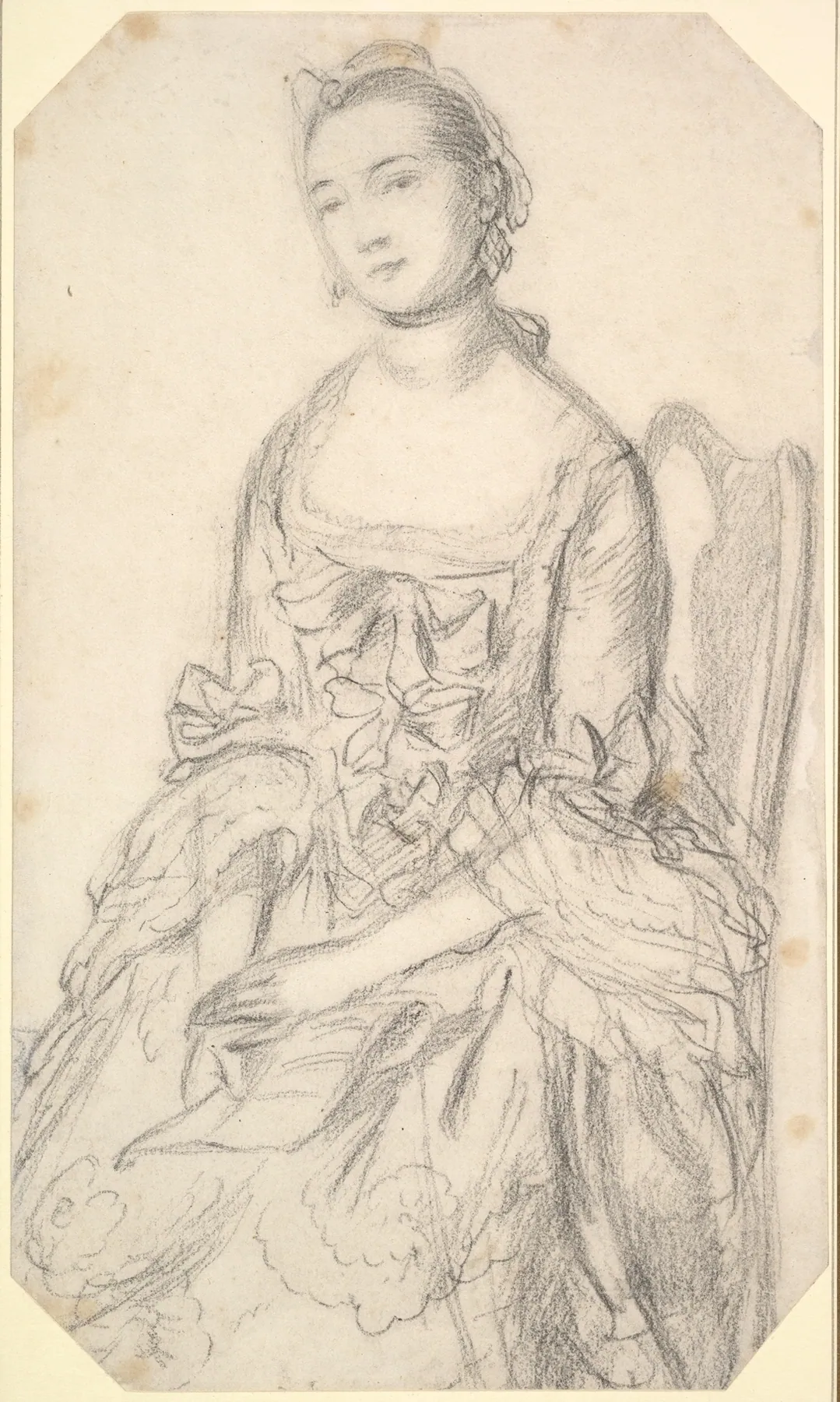
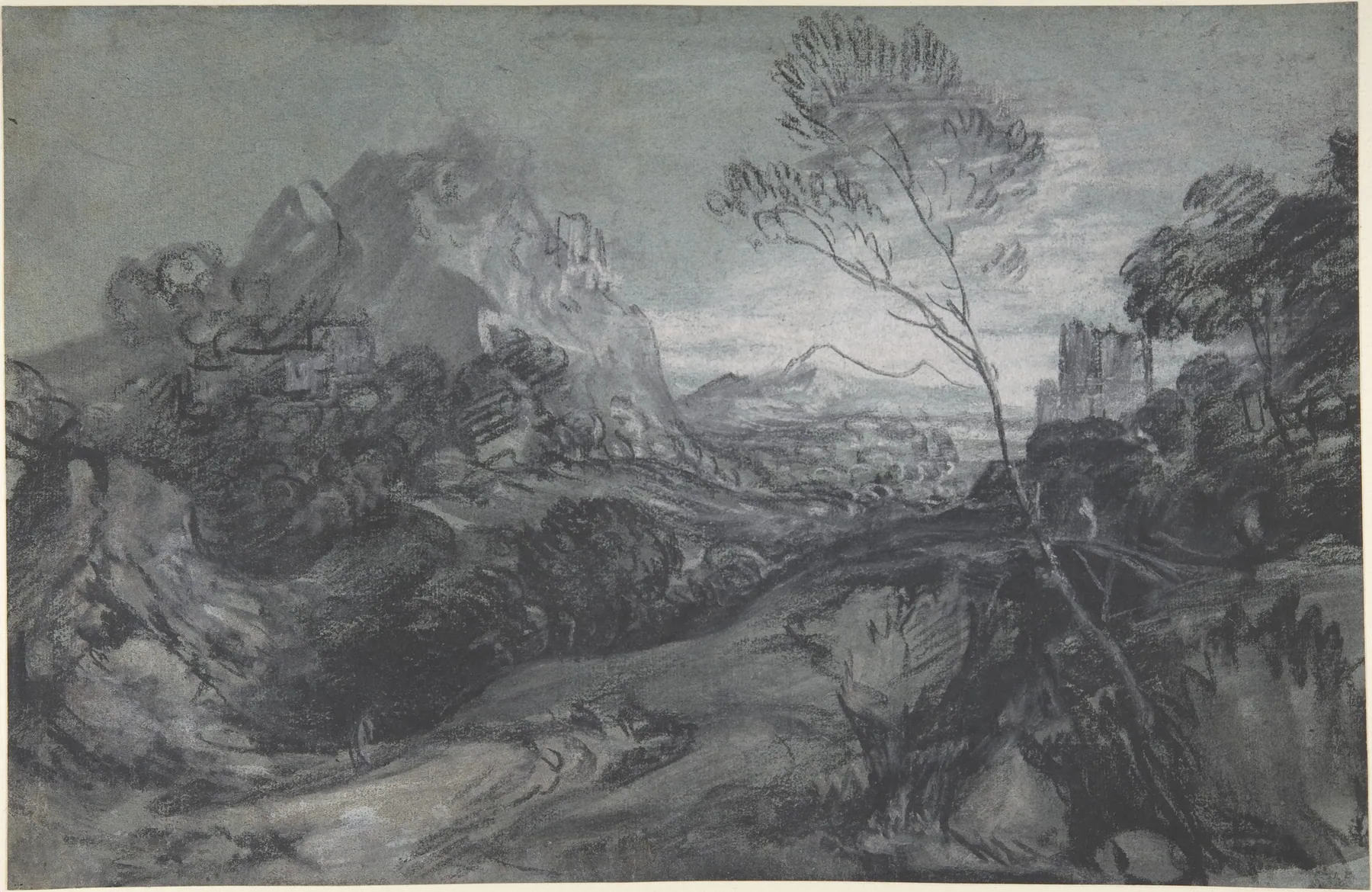
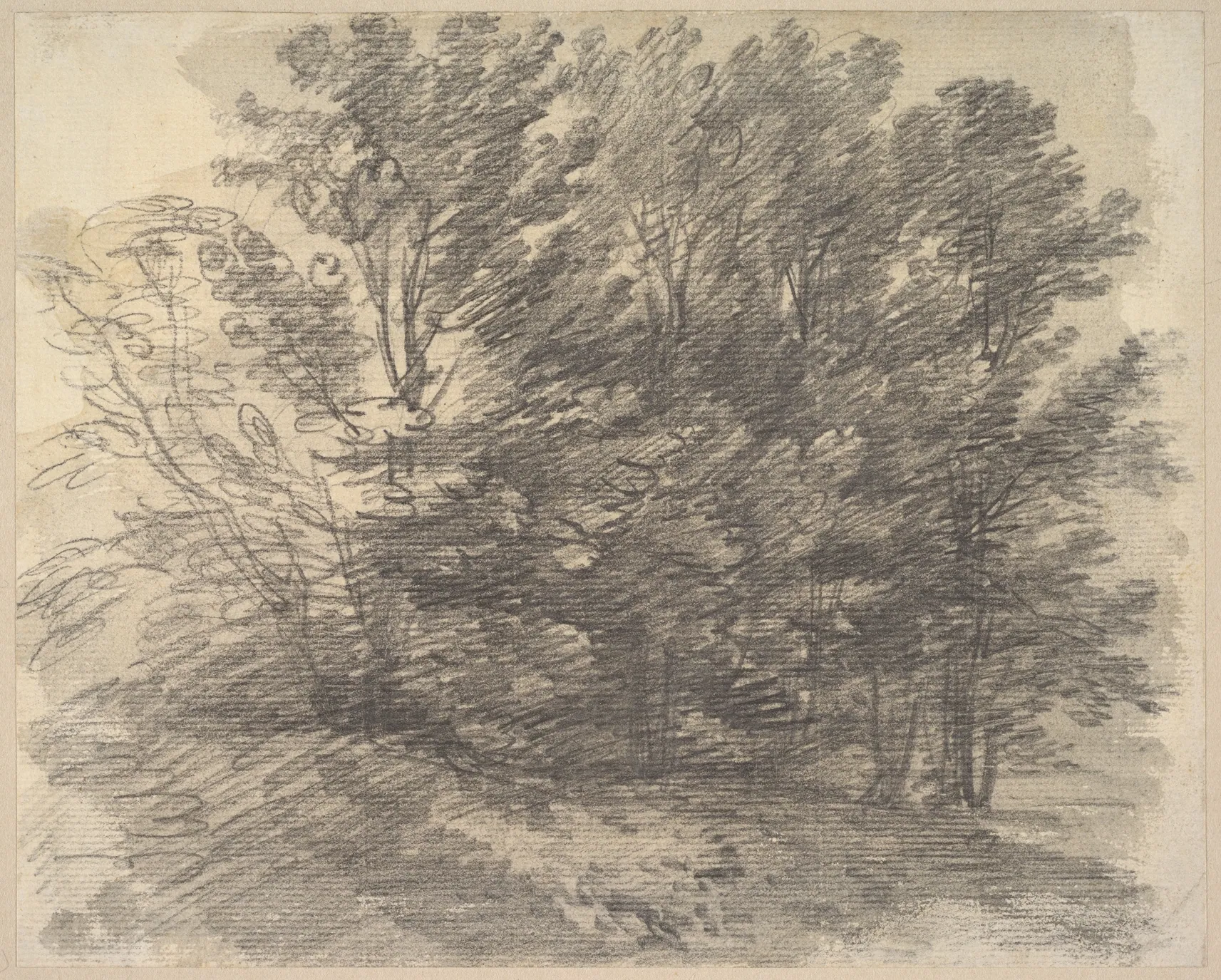
Study of a Woman's Head and Hands, Antoine Watteau (ca. 1717). Red and white chalk and graphite. The Metropolitan Museum of Art, New York. Source: The Metropolitan Museum of Art · CC0 (Met Open Access)Seated Woman Holding a Fan, Antoine Watteau (ca. 1717). Red, black, and white chalk on brown paper; framing lines in pen and black ink. The Metropolitan Museum of Art, New York. Source: The Metropolitan Museum of Art · CC0 (Met Open Access)Seated Man Reading, Jean Honoré Fragonard (1774). Red chalk. The Metropolitan Museum of Art, New York. Source: The Metropolitan Museum of Art · CC0 (Met Open Access)Head of a Young Man in Three-Quarter View, Giovanni Battista Tiepolo (18th century). Red chalk, highlighted with white chalk, on blue-gray paper. The Metropolitan Museum of Art, New York. Source: The Metropolitan Museum of Art · CC0 (Met Open Access)An Eagle with Wings Spread, Giovanni Battista Tiepolo (1696–1770). Charcoal, heightened with white chalk. The Metropolitan Museum of Art, New York. Source: The Metropolitan Museum of Art · CC0 (Met Open Access)Studies of Hands and Feet, François Le Moyne (early 18th century). Red and black chalk, heightened with white, on beige paper. Framing lines in pen and brown ink. Lined. The Metropolitan Museum of Art, New York. Source: The Metropolitan Museum of Art · CC0 (Met Open Access)Portrait of a young woman seated, Thomas Gainsborough (ca. 1760). Black chalk with touches of red wash. The Metropolitan Museum of Art, New York. Source: The Metropolitan Museum of Art · CC0 (Met Open Access)Mountain Landscape with Figures and Buildings, Thomas Gainsborough (mid-to-late 1780s). Black and white chalk with stumping, on blue-gray paper. The Metropolitan Museum of Art, New York. Source: The Metropolitan Museum of Art · CC0 (Met Open Access)A clump of trees, Thomas Gainsborough (ca. 1757). Graphite, brush and gray wash. The Metropolitan Museum of Art, New York. Source: The Metropolitan Museum of Art · CC0 (Met Open Access)