Home / The Book / Part III · Craft, genres and media
Part III · Craft, genres and media · Chapter 24 of 31
Drawing media: from silverpoint to charcoal
Old master drawings in museum open-access collections are the best drawing teachers there are. Each medium asks for a different way of seeing.
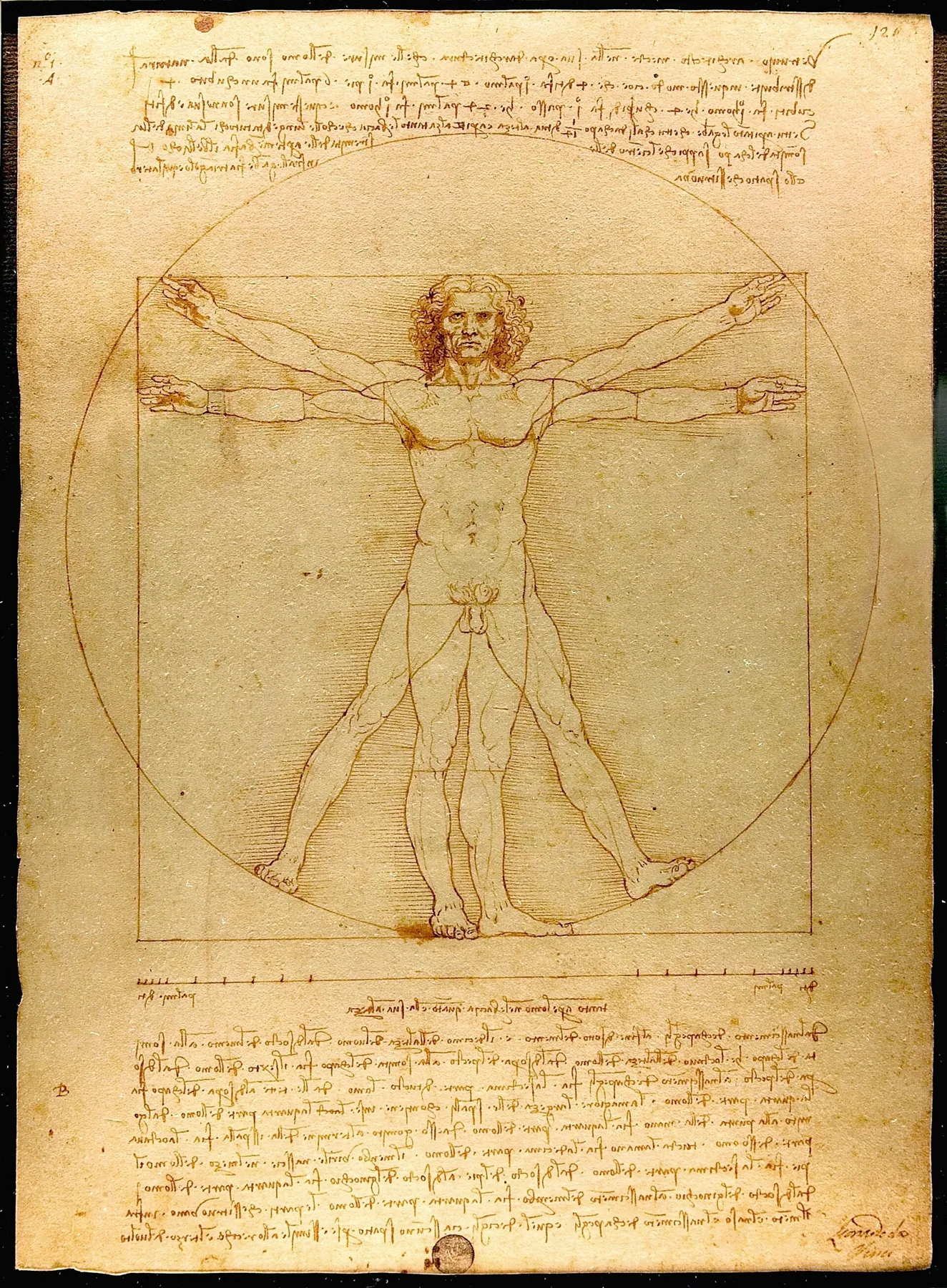
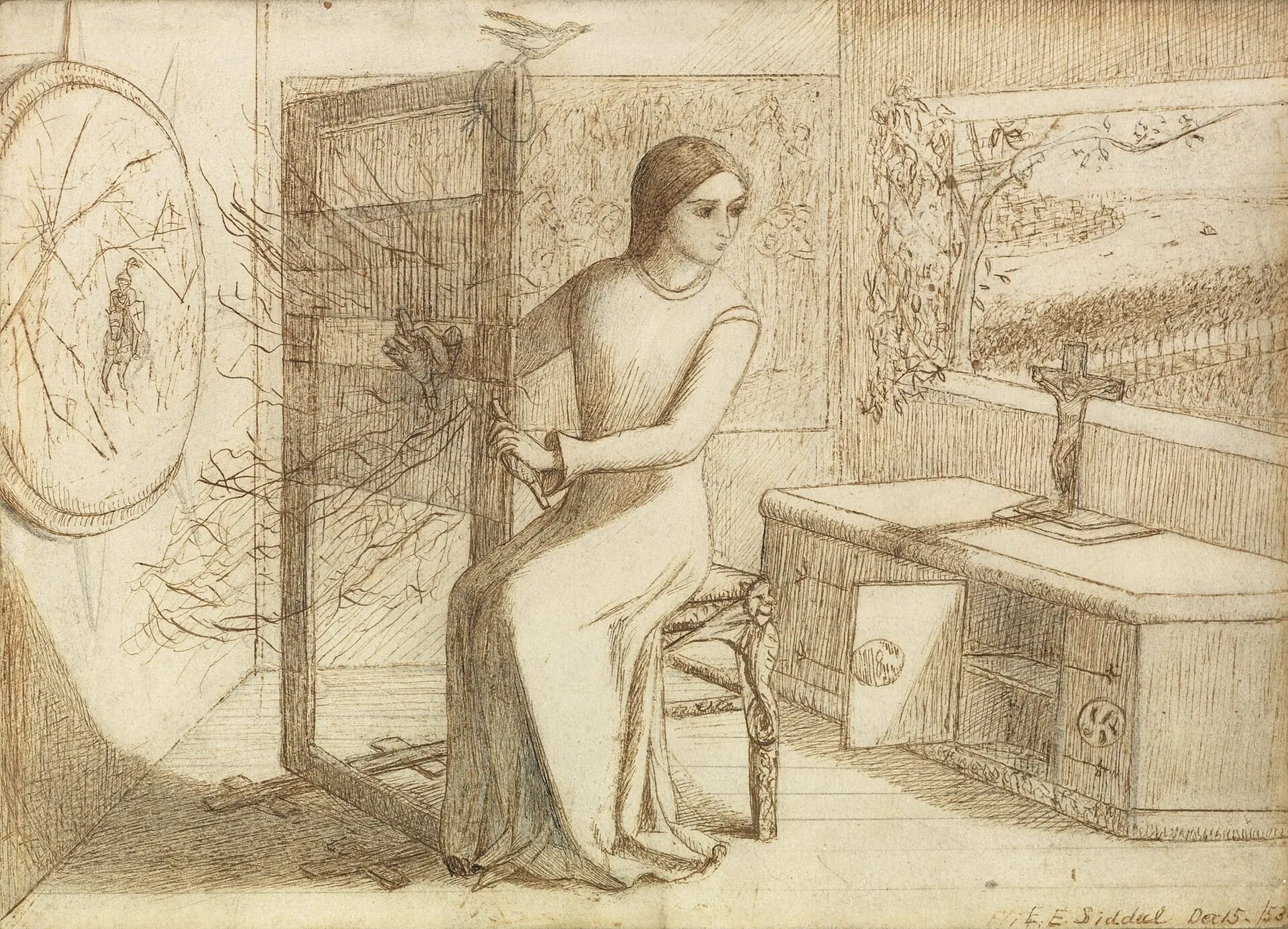
Vitruvian Man, Leonardo da Vinci (c. 1490). Pen and ink with wash over metalpoint on paper. Gallerie dell'Accademia, Venice. Source: Wikimedia Commons · Public domainThe Lady of Shalott, Elizabeth Siddal (1853). Pen, ink and sepia on paper. Private collection. Source: Wikimedia Commons · Public domain
The classic media
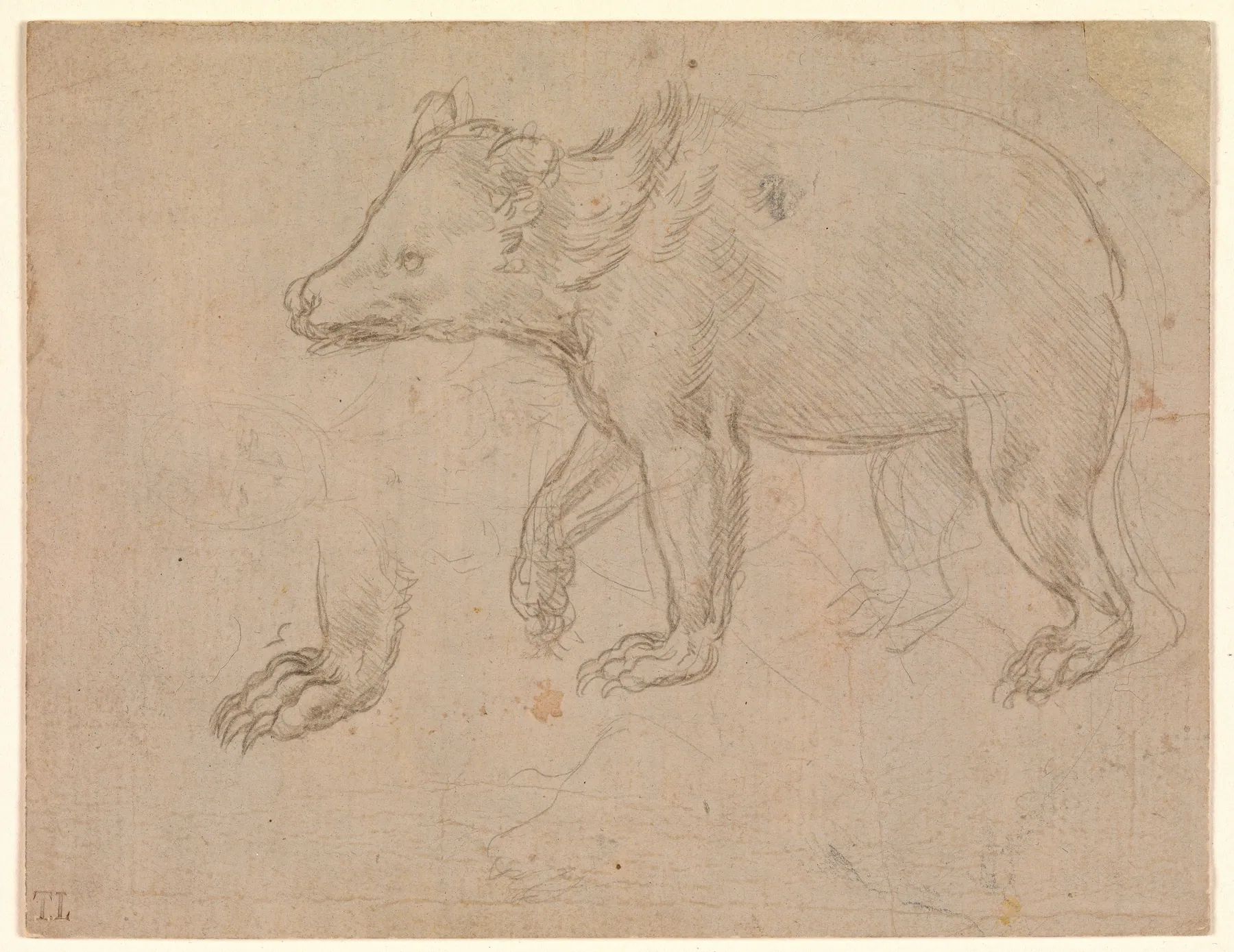
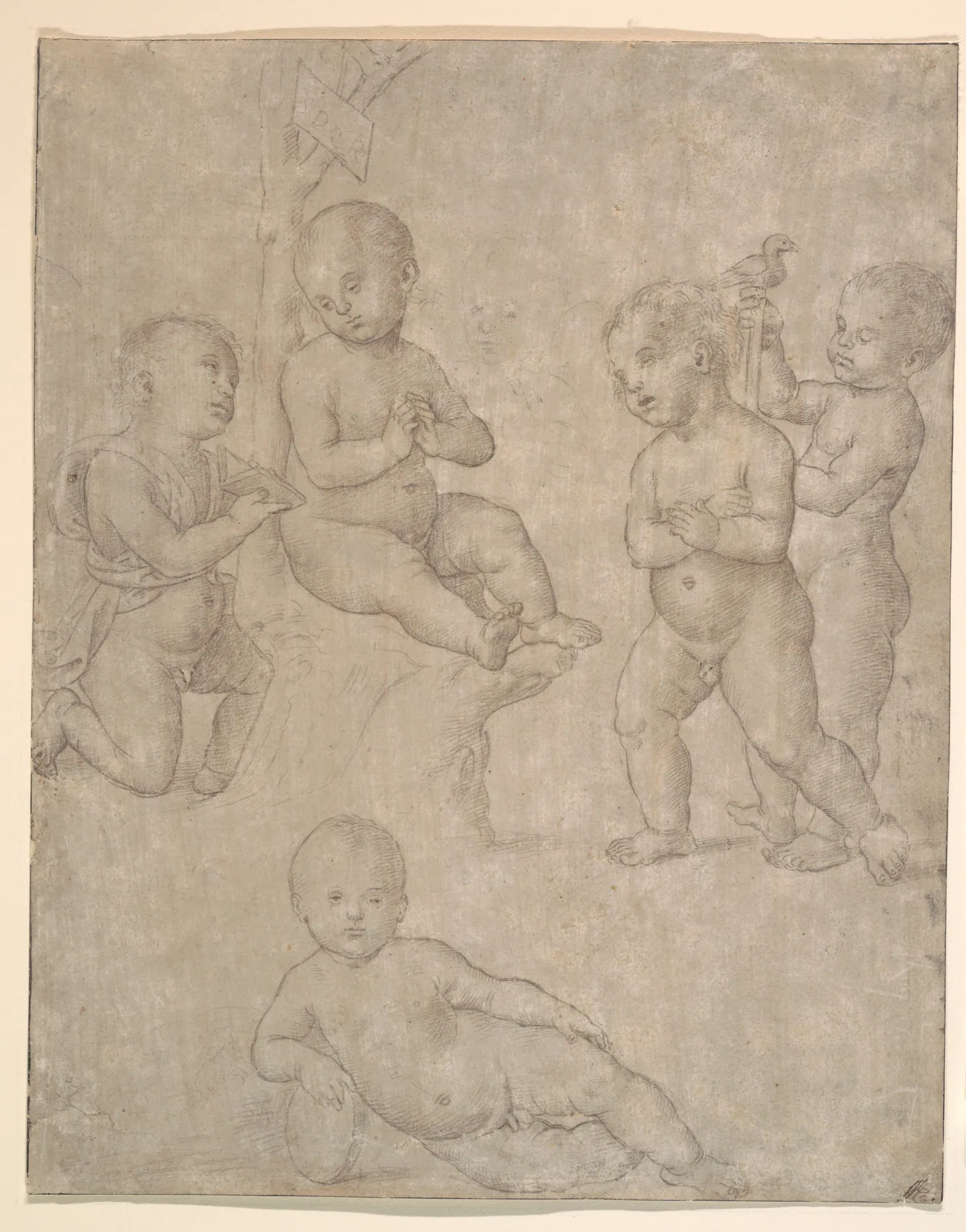
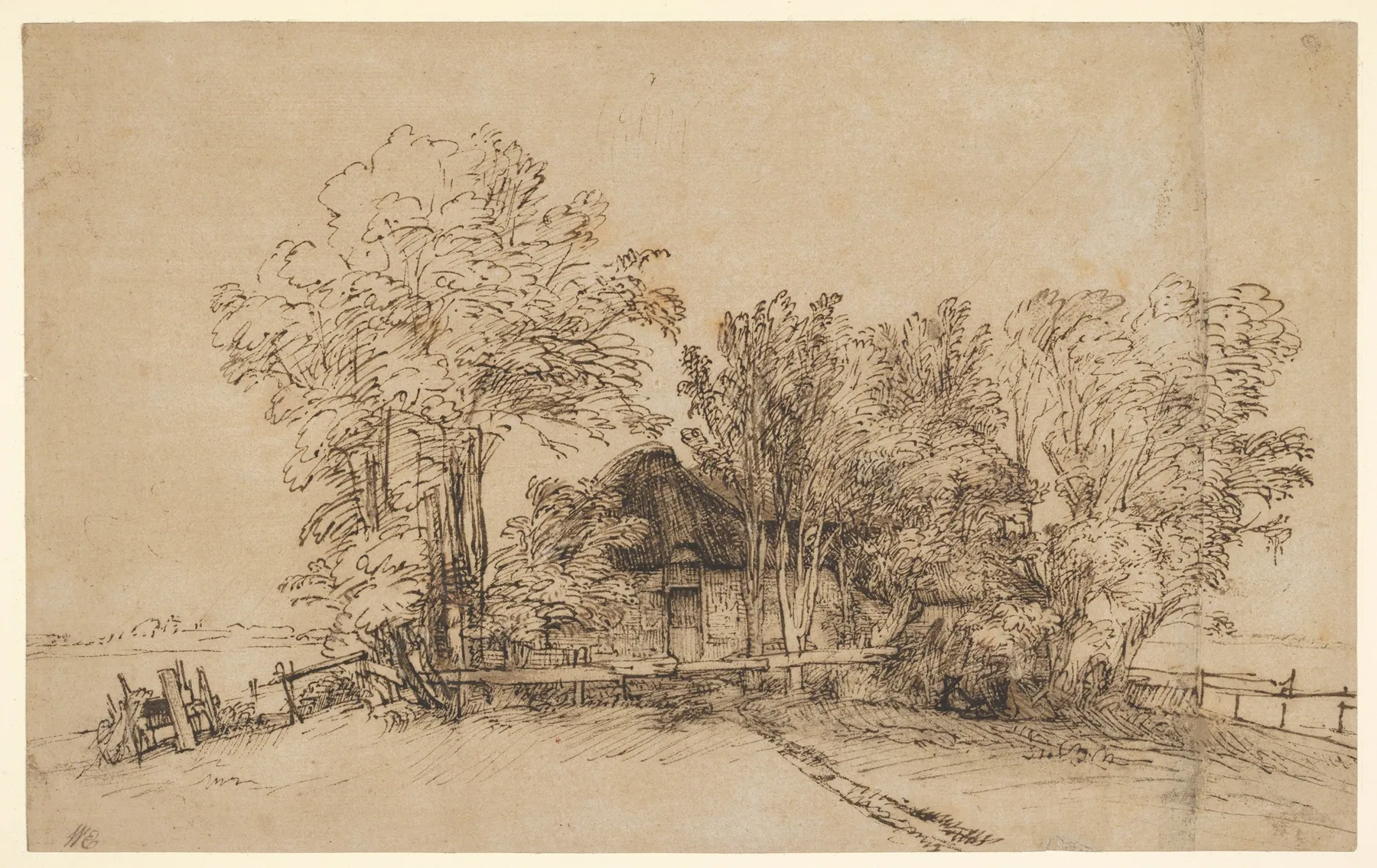
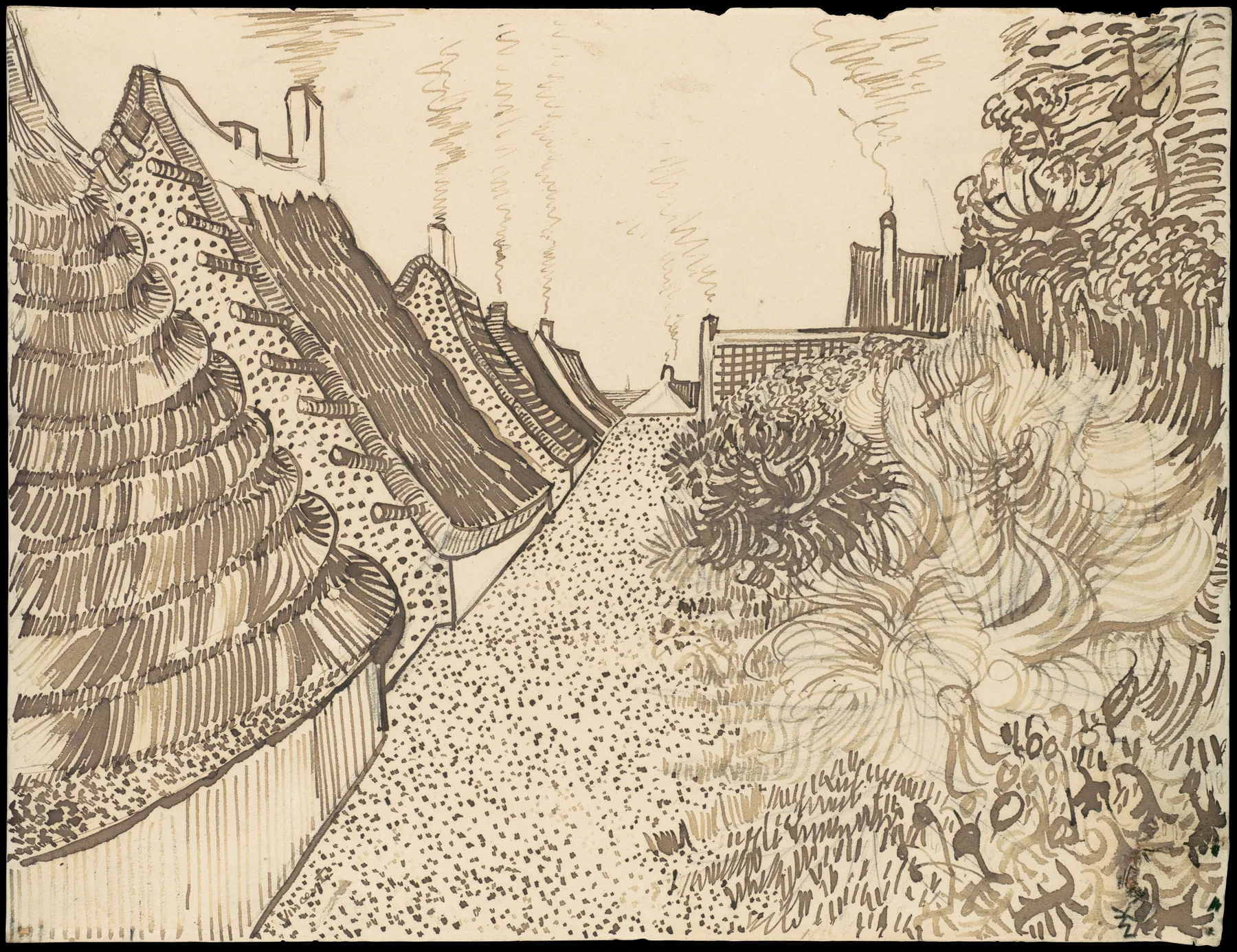
Metalpoint (silverpoint): a metal stylus on prepared paper, making fine, pale, permanent lines — Leonardo's Bear Walking and Raphael's infants. Pen and ink: crisp lines and hatching, from Dürer to van Gogh's reed-pen drawings, where the marks change direction to describe each texture.
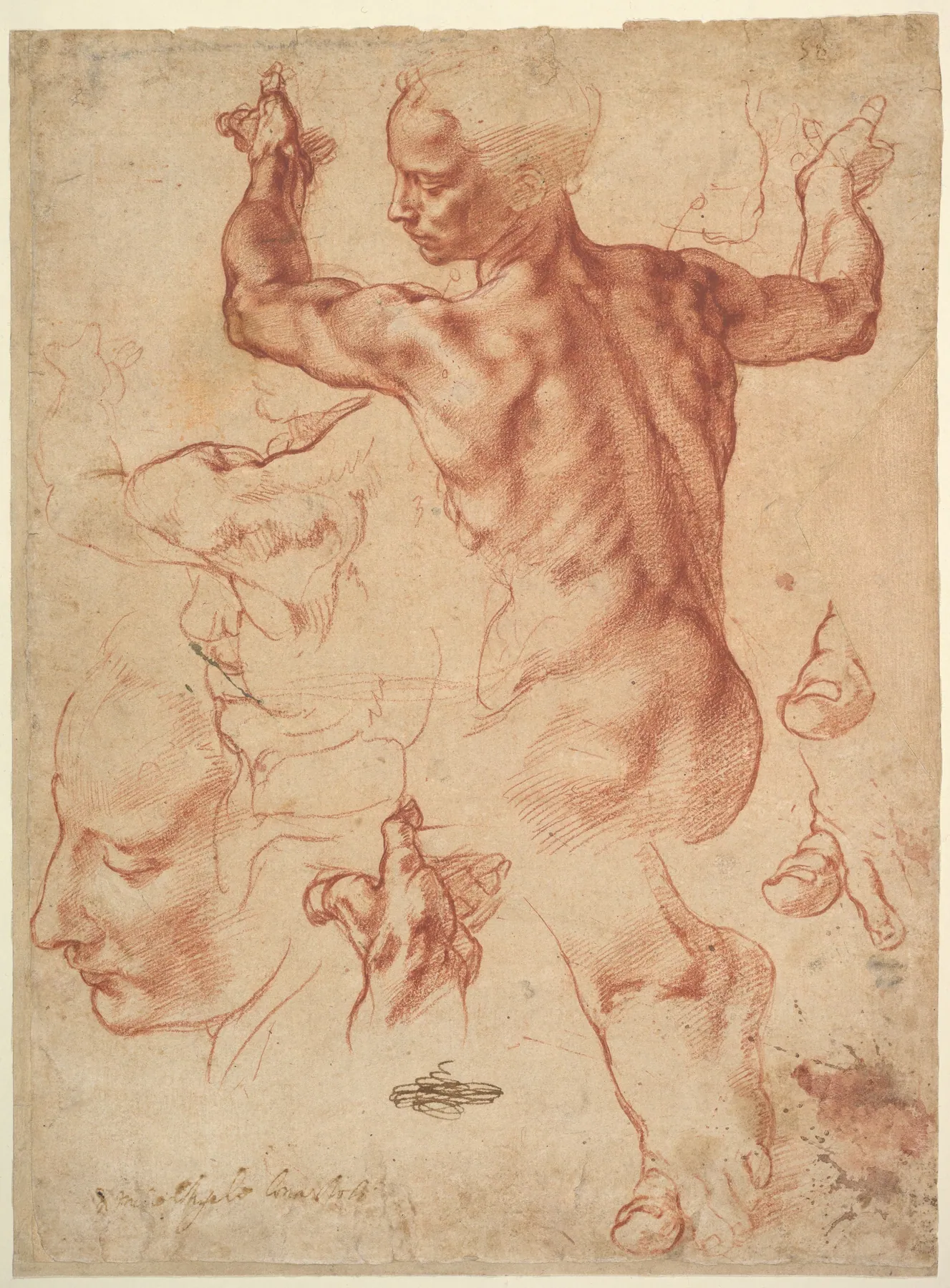
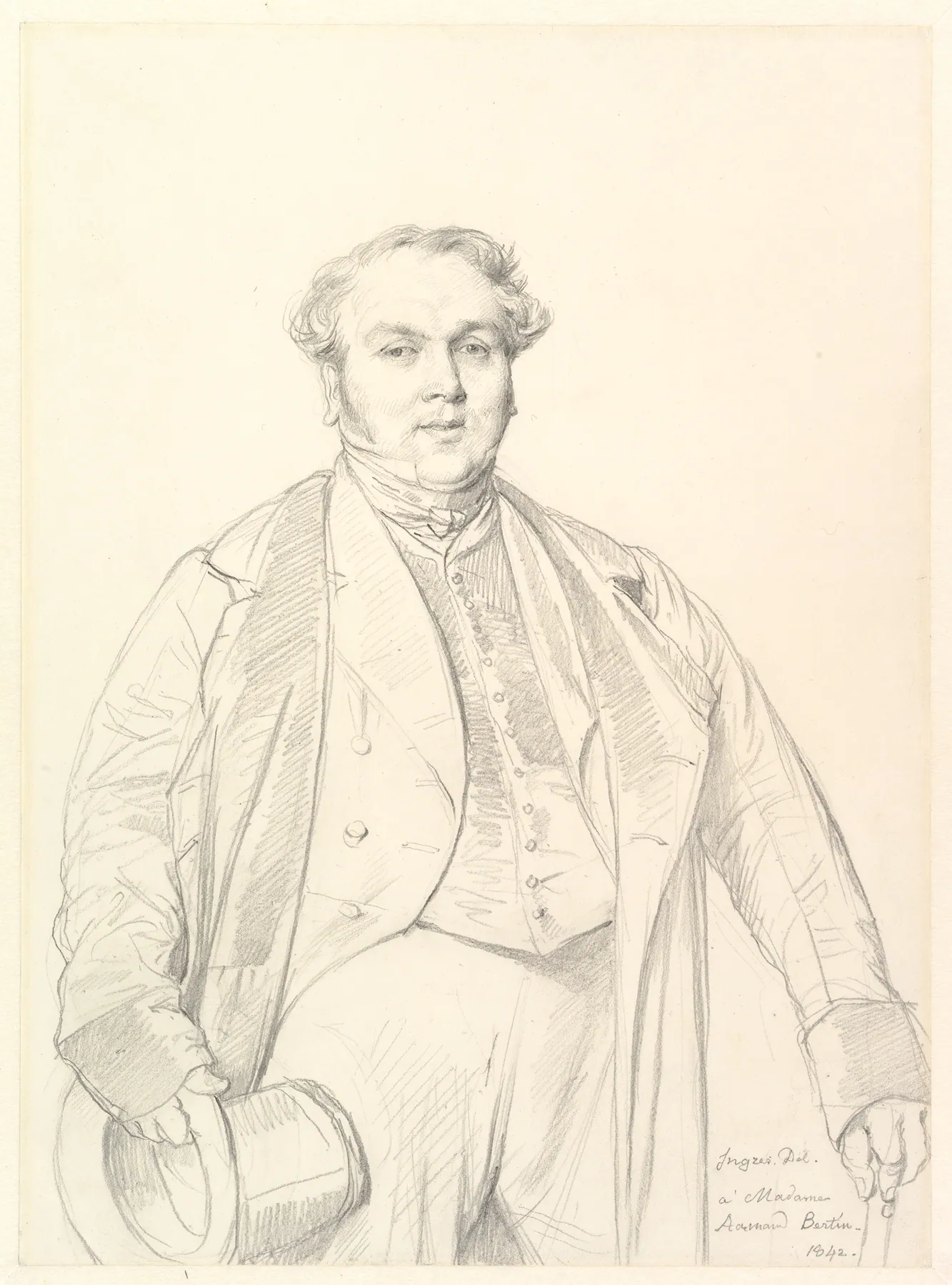
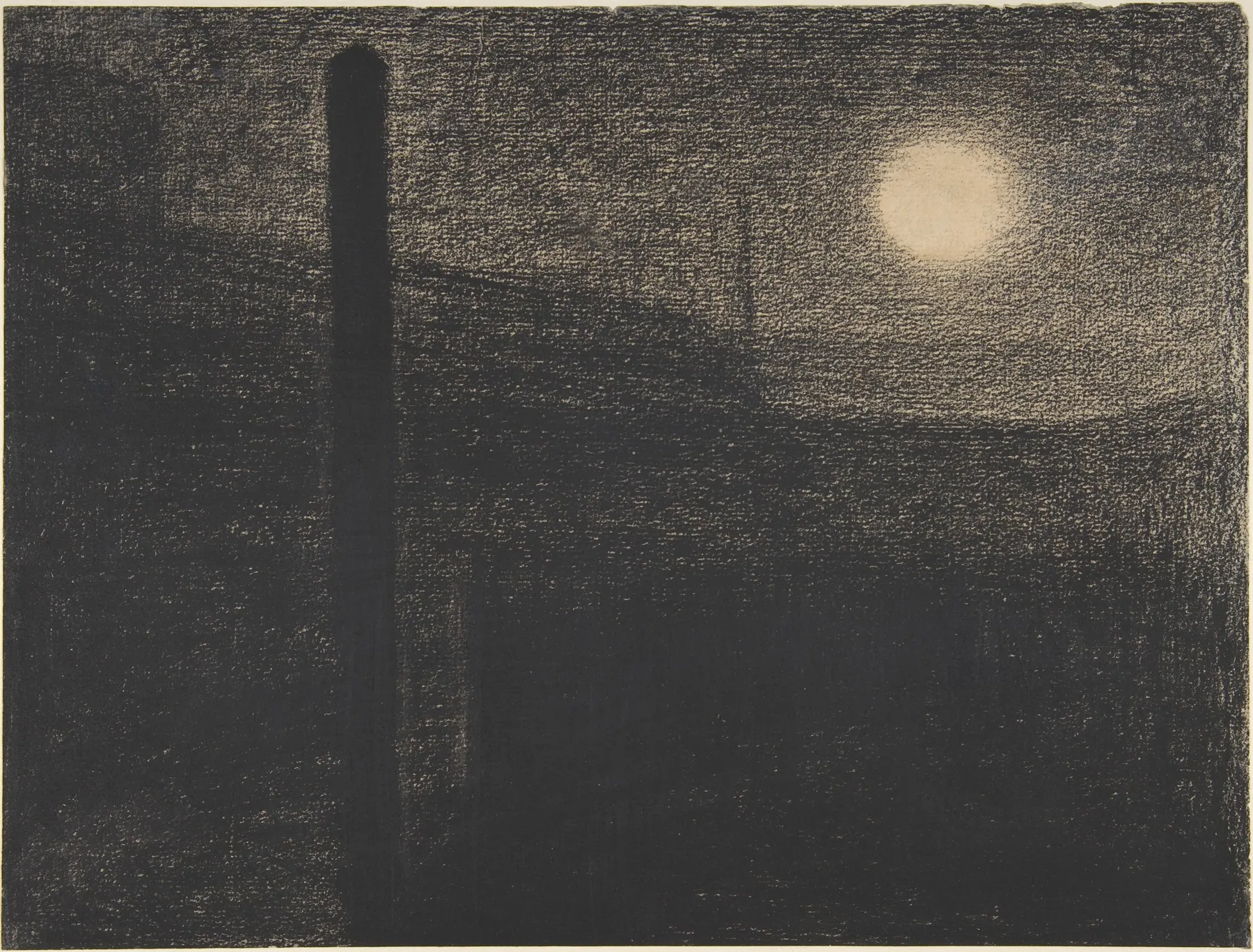
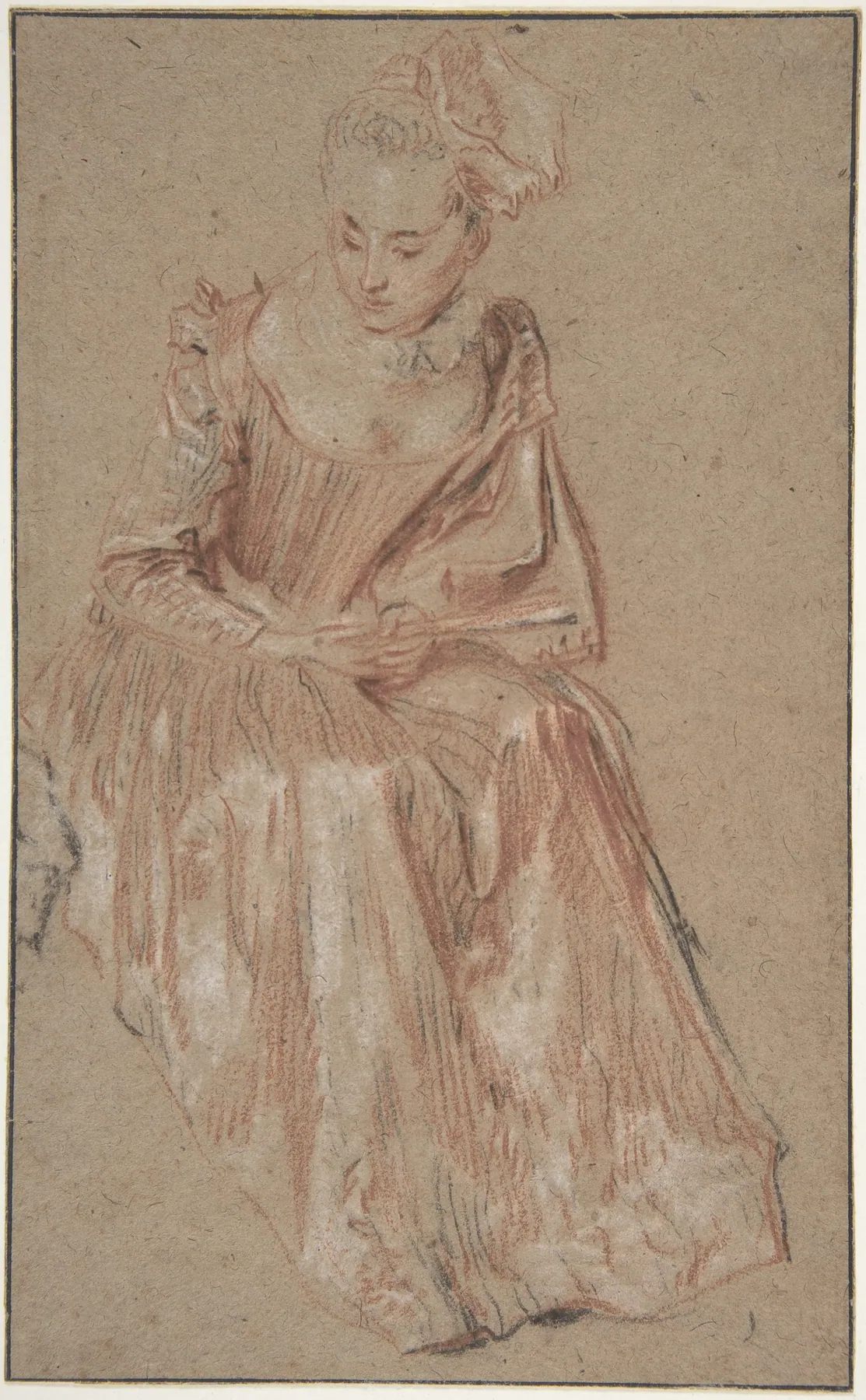
Red and black chalk: soft, warm and smudgeable; Michelangelo and Watteau used red chalk for flesh. Trois crayons (red, black and white chalk on toned paper) gives a full value range quickly. Graphite: Ingres's precise portraits show how much a hard pencil can say. Conté and charcoal: Seurat built velvety darks on textured paper with no outlines at all.
Toned paper
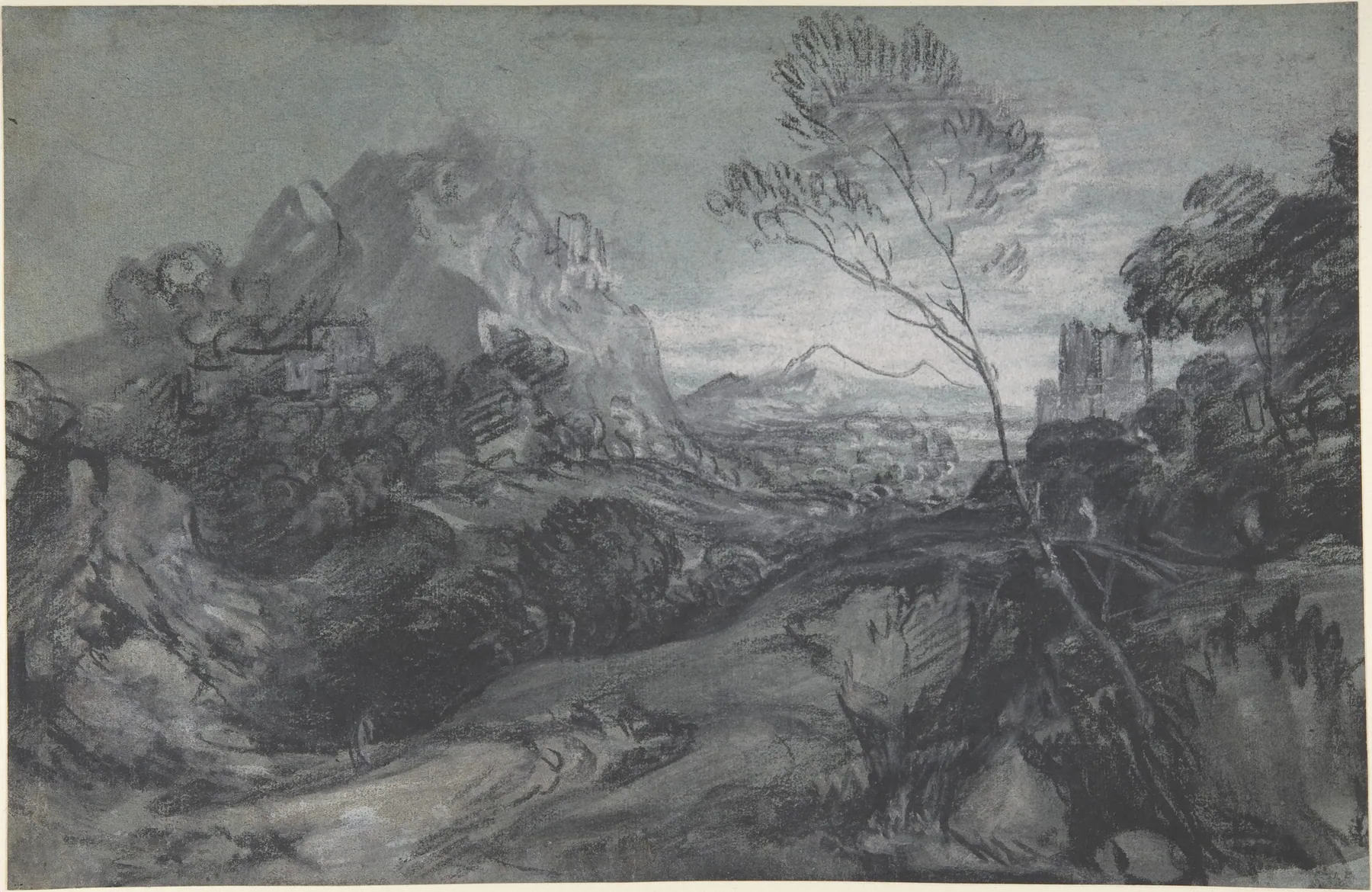
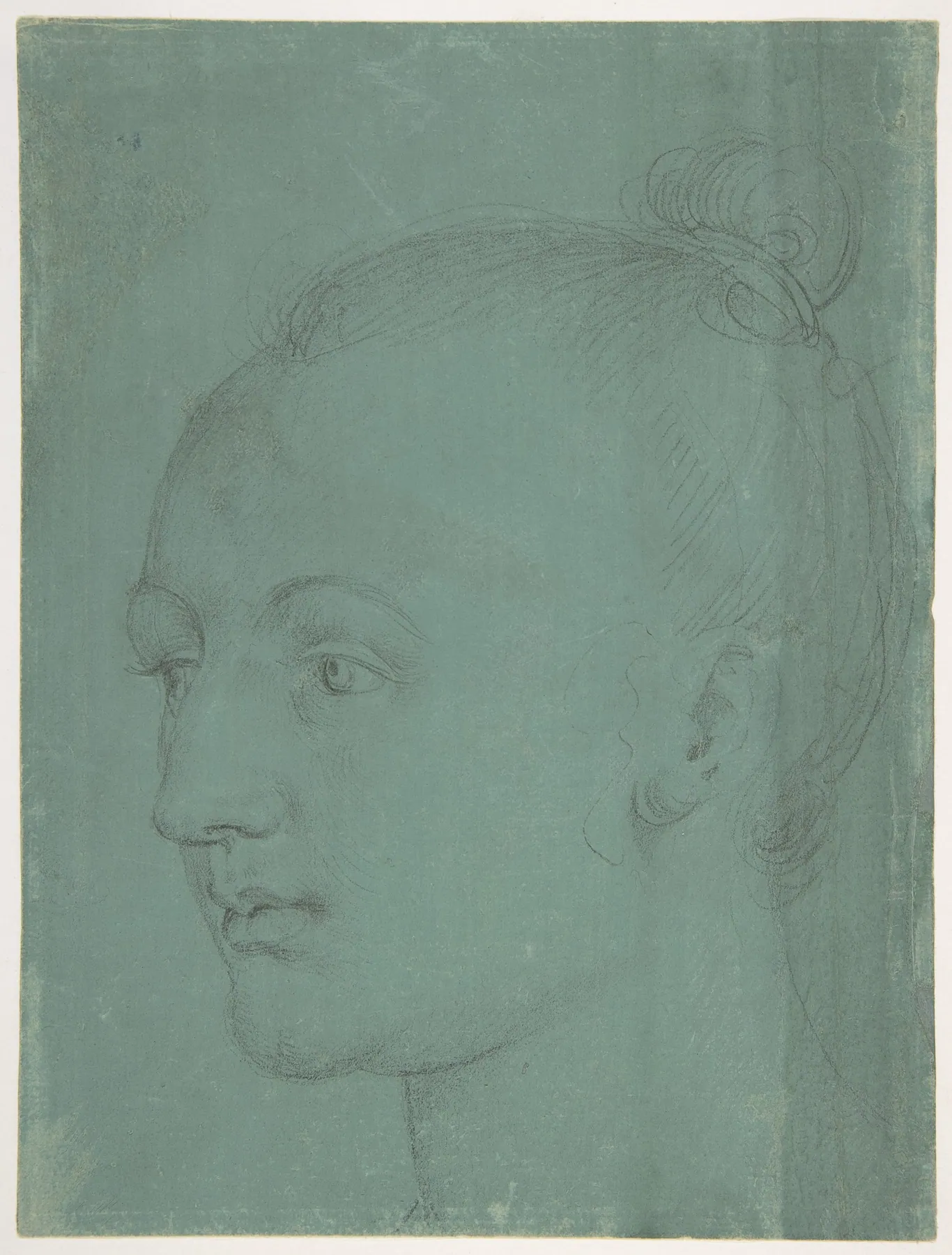
Working on mid-toned paper means the paper is your halftone: draw the darks in black and only the lights in white. It is the fastest way to describe form.
Try it
Copy a Rembrandt pen drawing using only lines, no smudging.
Draw a head on mid-grey paper with black and white chalk.
Do a Seurat-style study in conté with no outlines.
Examples to study
A Bear Walking, Leonardo da Vinci (ca. 1482–85). silverpoint on light buff prepared paper. The Metropolitan Museum of Art, New York. Source: The Metropolitan Museum of Art · CC0 (Met Open Access)Five Nude Infants in Various Poses, Raphael (ca. 1500). Metalpoint, traces of charcoal or black chalk, on pale pinkish gray prepared paper. The Metropolitan Museum of Art, New York. Source: The Metropolitan Museum of Art · CC0 (Met Open Access)Studies for the Libyan Sibyl, Michelangelo Buonarroti (ca. 1510–11). Red chalk, with small accents of white chalk on the left shoulder of the figure in the main study (recto); soft black chalk, or less probably charcoal (verso). The Metropolitan Museum of Art, New York. Source: The Metropolitan Museum of Art · CC0 (Met Open Access)Cottage among Trees, Rembrandt (ca. 1650). Pen and brown ink, brush and brown wash, on paper washed with brown. The Metropolitan Museum of Art, New York. Source: The Metropolitan Museum of Art · CC0 (Met Open Access)Armand Bertin, Jean Auguste Dominique Ingres (1842). Graphite. The Metropolitan Museum of Art, New York. Source: The Metropolitan Museum of Art · CC0 (Met Open Access)Courbevoie: Factories by Moonlight, Georges Seurat (1882–83). Conté crayon. The Metropolitan Museum of Art, New York. Source: The Metropolitan Museum of Art · CC0 (Met Open Access)Street in Saintes-Maries-de-la-Mer, Vincent van Gogh (ca. July 15, 1888). Reed pen, quill, and brown ink over graphite on wove paper (laid down on wove paper; tack holes in all corners); later additions (by a restorer?) in black chalk, lower and upper right. The Metropolitan Museum of Art, New York. Source: The Metropolitan Museum of Art · CC0 (Met Open Access)Seated Woman Holding a Fan, Antoine Watteau (ca. 1717). Red, black, and white chalk on brown paper; framing lines in pen and black ink. The Metropolitan Museum of Art, New York. Source: The Metropolitan Museum of Art · CC0 (Met Open Access)Mountain Landscape with Figures and Buildings, Thomas Gainsborough (mid-to-late 1780s). Black and white chalk with stumping, on blue-gray paper. The Metropolitan Museum of Art, New York. Source: The Metropolitan Museum of Art · CC0 (Met Open Access)Head of a Young Woman, Albrecht Dürer (1522). Black chalk highlighted with white chalk (abraded) on green prepared paper. The Metropolitan Museum of Art, New York. Source: The Metropolitan Museum of Art · CC0 (Met Open Access)