The Italian Renaissance
c. 1400–1600. The Renaissance — 'rebirth' — is when European painters rediscovered the art of ancient Greece and Rome and set out to paint the world as the eye really sees it. Perspective, anatomy, light and the dignity of the individual all arrive here.
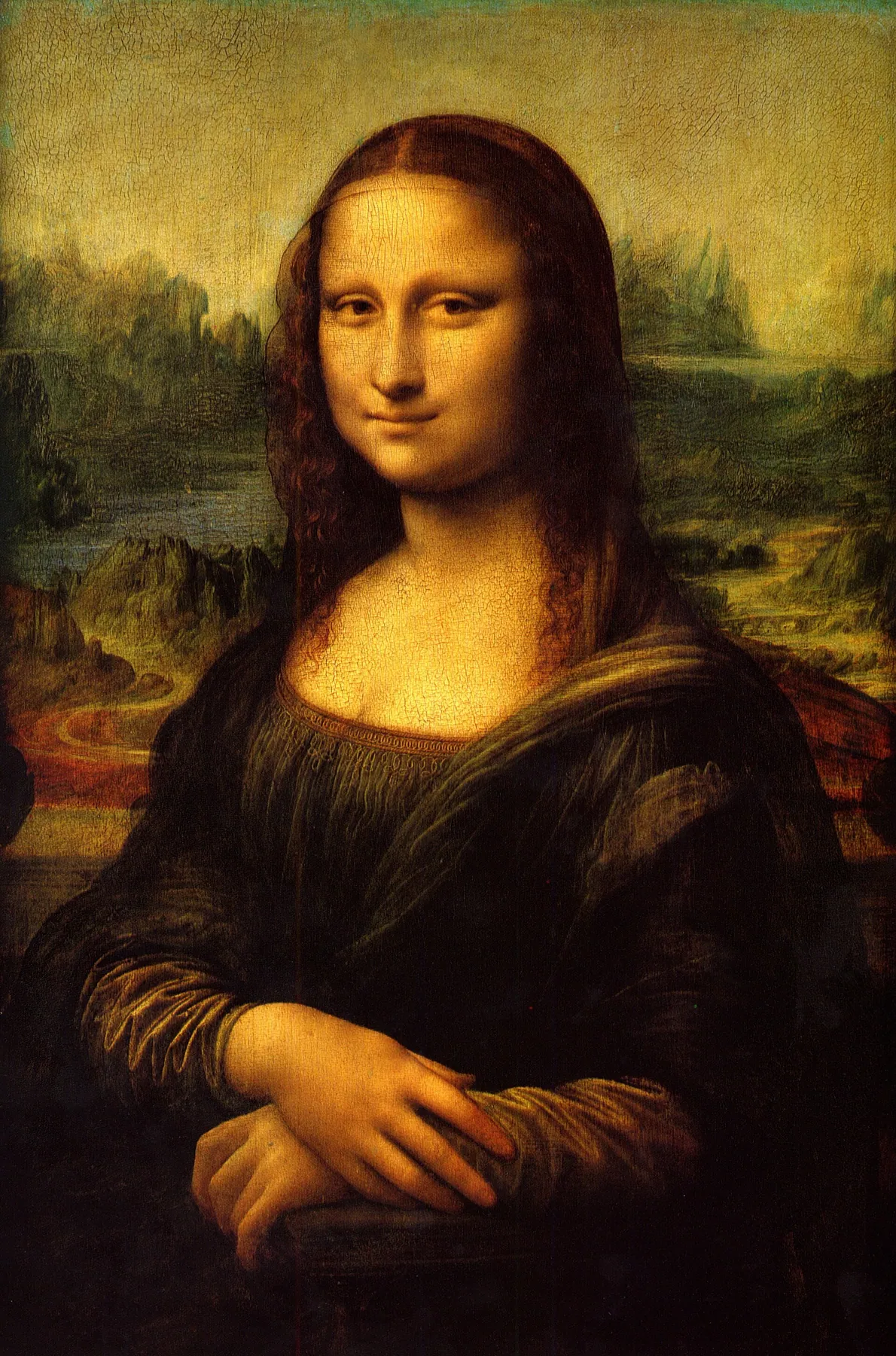 ◎ notes
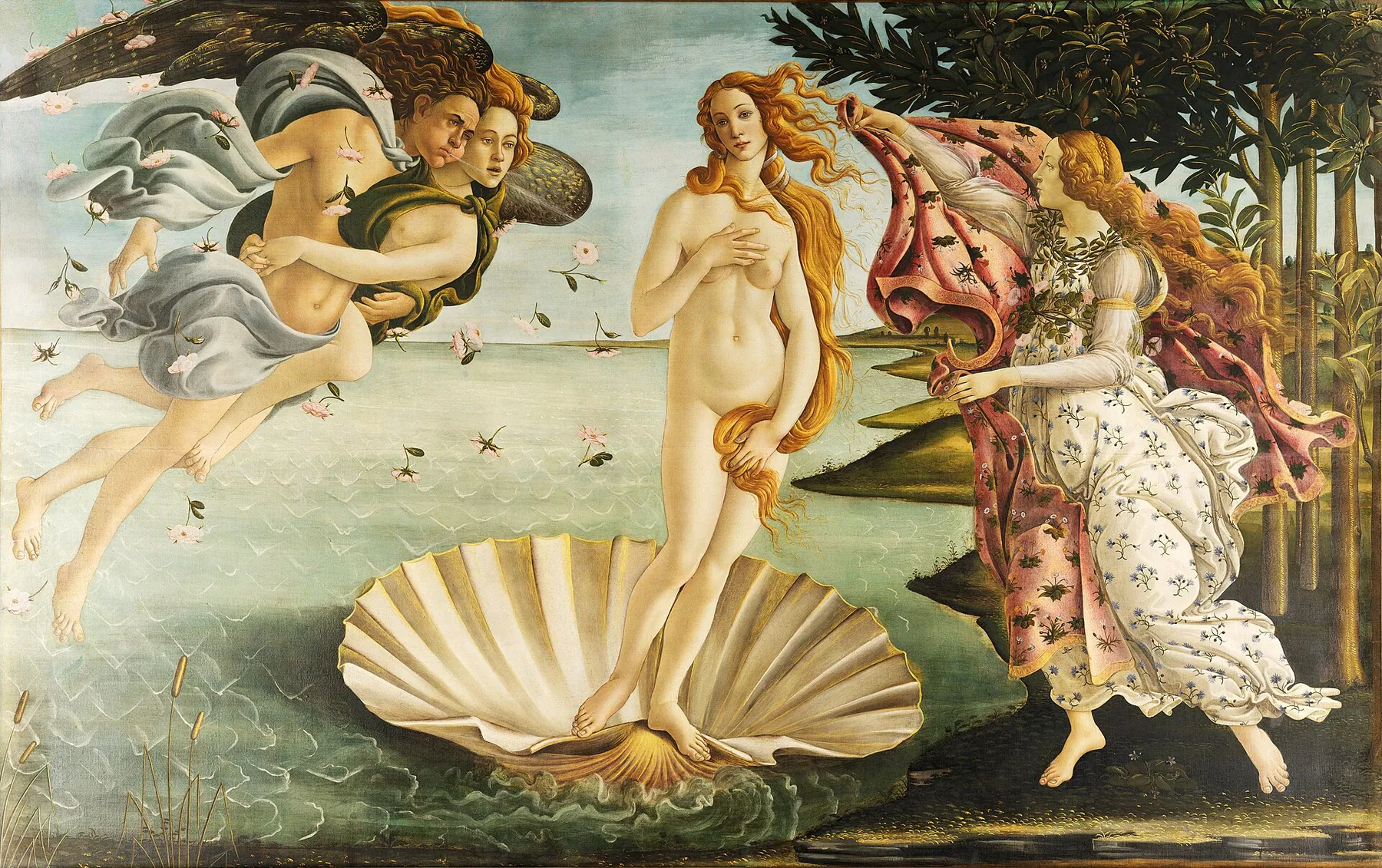 ◎ notes
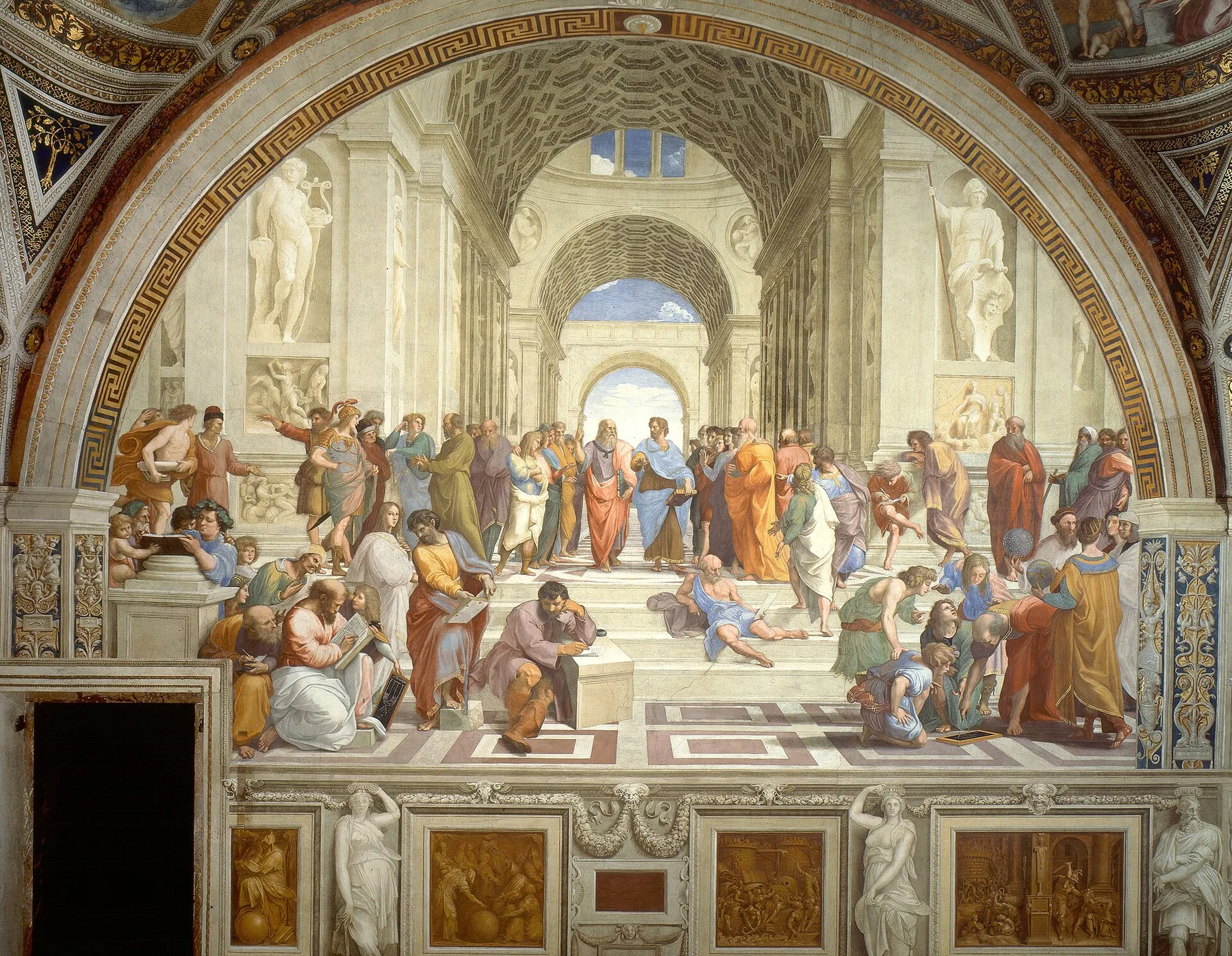 ◎ notes
Context
In 15th-century Florence, wealthy merchant families such as the Medici paid for churches, palaces and paintings. Humanist scholars revived Greek and Latin texts, and artists began to see themselves as thinkers, not just craftsmen.
Around 1420 the architect Filippo Brunelleschi demonstrated linear perspective, and Leon Battista Alberti wrote it down for painters in On Painting (1435). For the first time a flat panel could behave like a window into believable space.
The High Renaissance (about 1490–1527) — Leonardo, Michelangelo and Raphael — balanced realism with ideal beauty. In Venice, Giorgione and Titian put colour and atmosphere first, and used oil on canvas instead of tempera on wood.
Key artists
| Artist | Life | Known for |
|---|---|---|
| Sandro Botticelli | c. 1445–1510 | Graceful line and mythological subjects: The Birth of Venus, Primavera. |
| Leonardo da Vinci | 1452–1519 | Sfumato, anatomy and observation of nature: Mona Lisa, The Last Supper. |
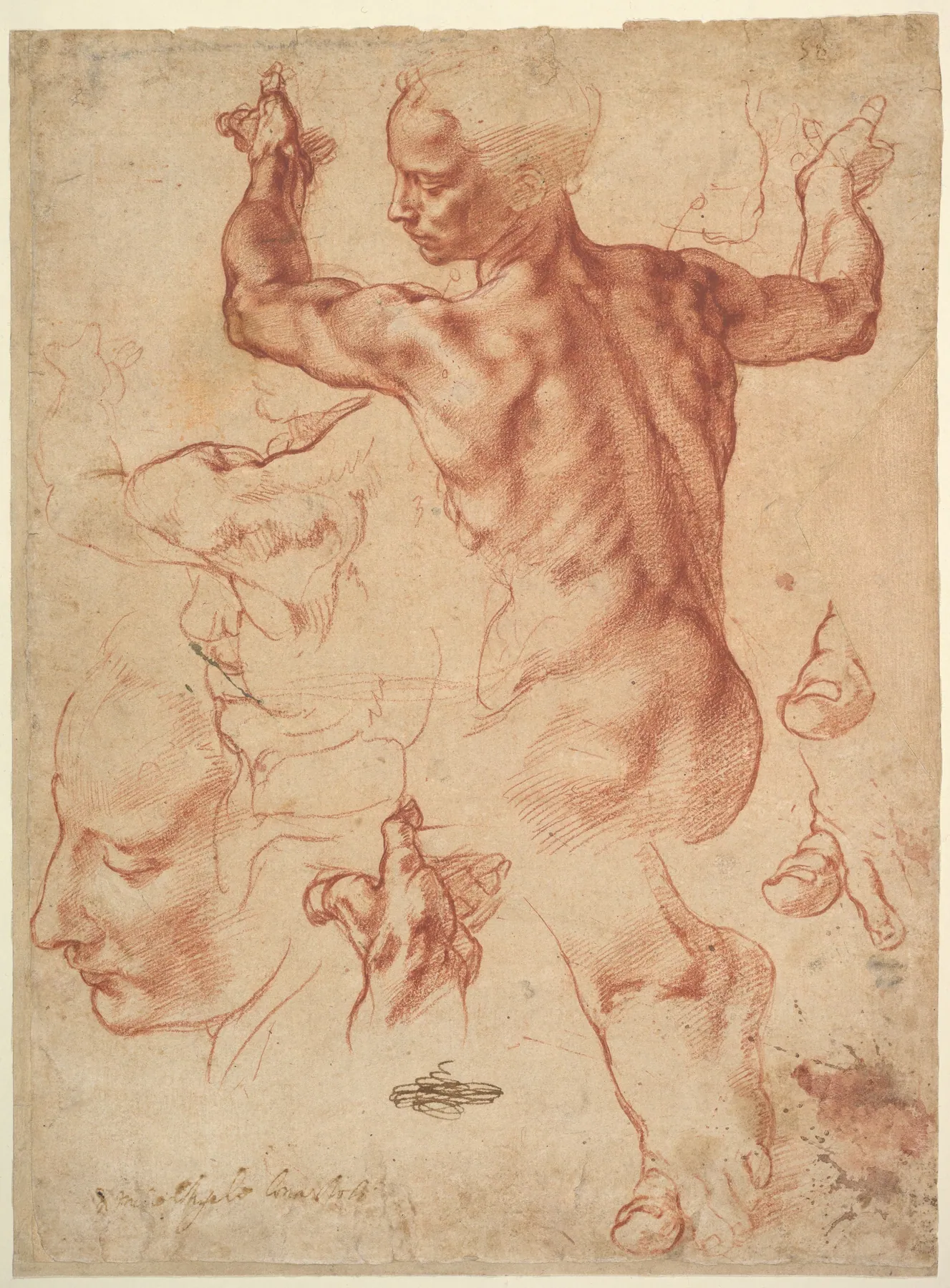
| Michelangelo | 1475–1564 | Sculptural, muscular figures: the Sistine Chapel ceiling. |
| Raphael | 1483–1520 | Clarity, harmony and perfect composition: The School of Athens. |
| Giorgione | c. 1477–1510 | Mood and landscape: The Tempest. |
| Titian | c. 1488–1576 | Venetian colour and loose late brushwork: Bacchus and Ariadne. |
Key works
Tap any image to zoom; works marked ◎ have notes on key details.
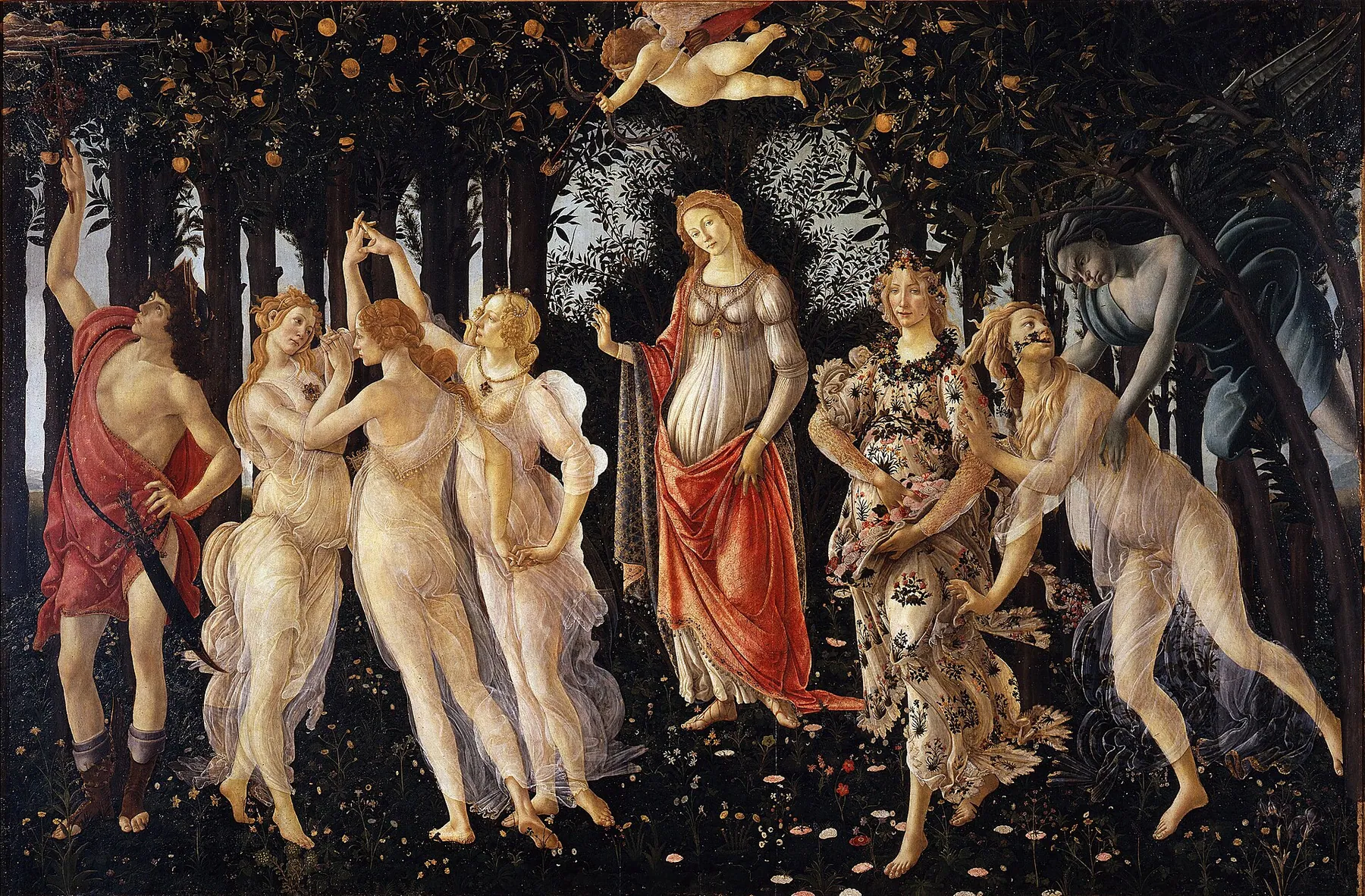
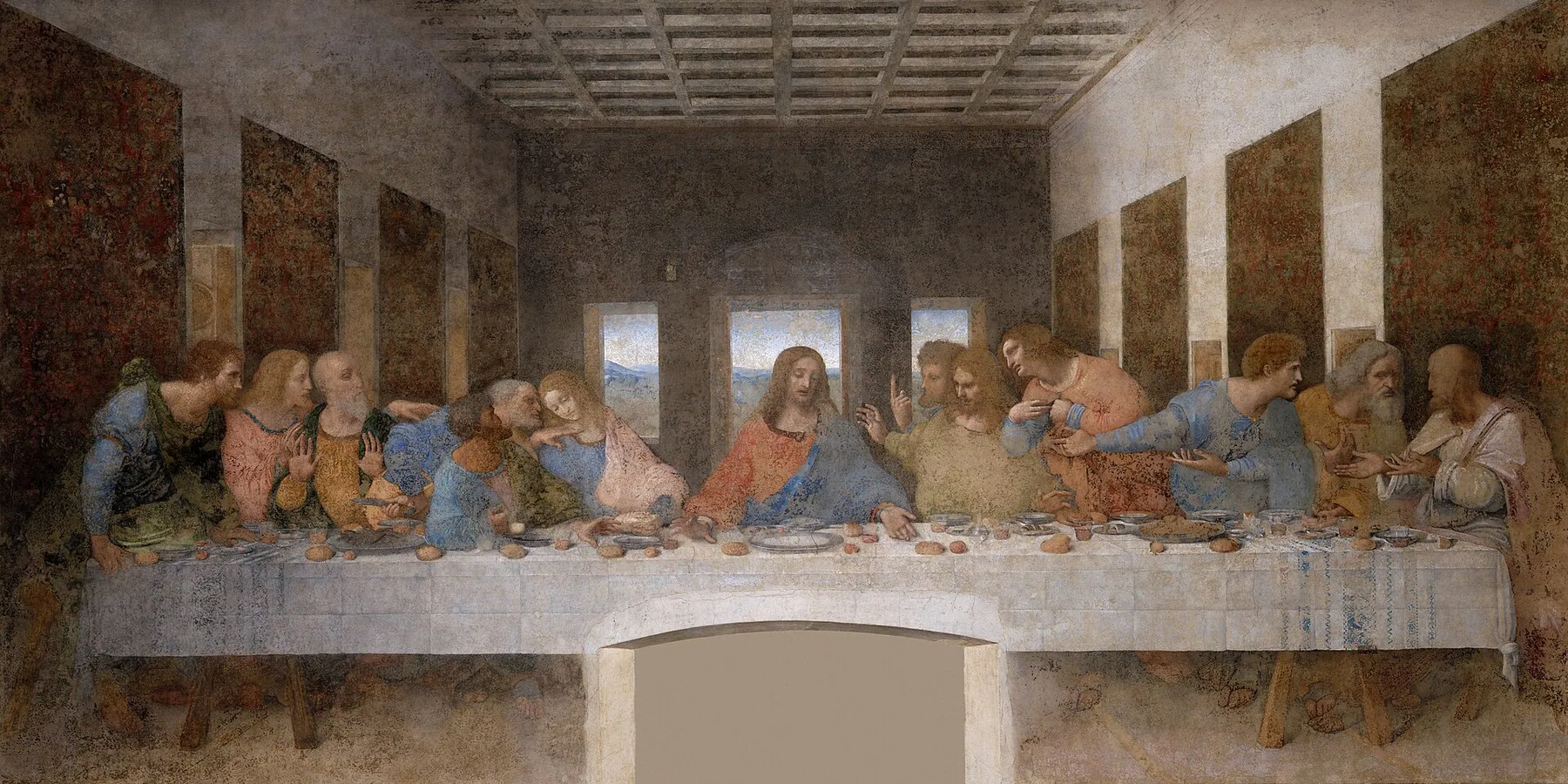 ◎ notes
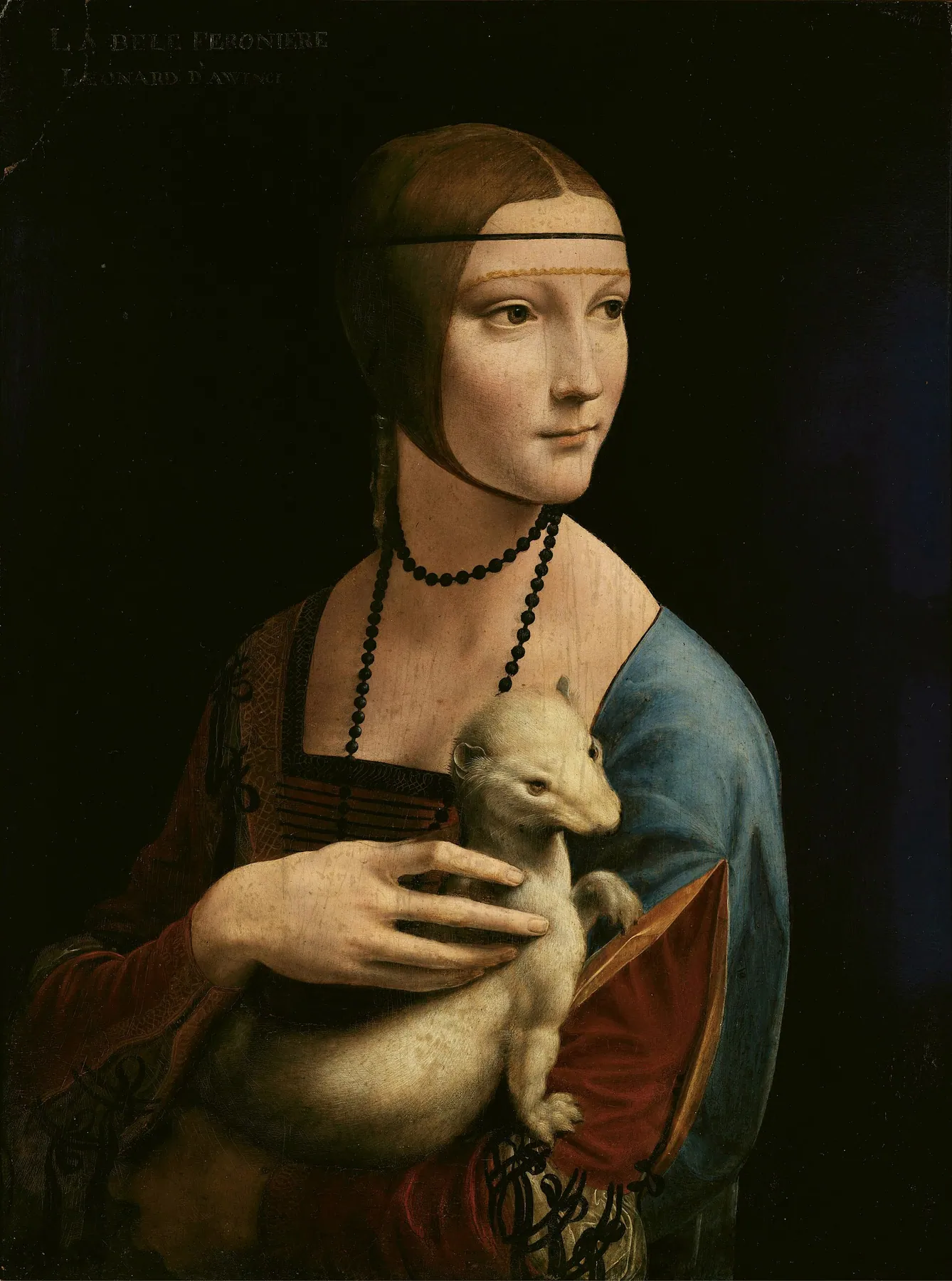
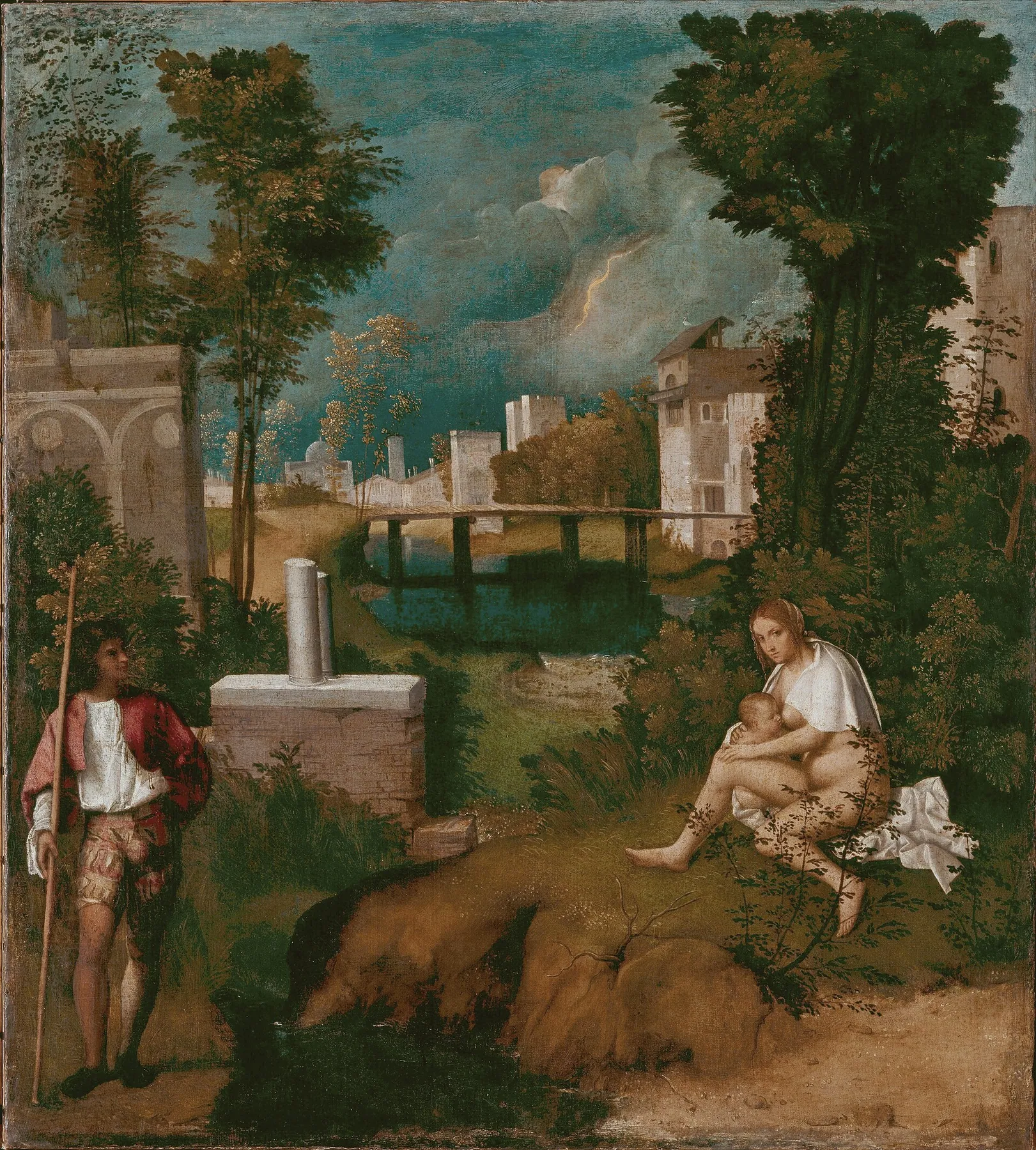
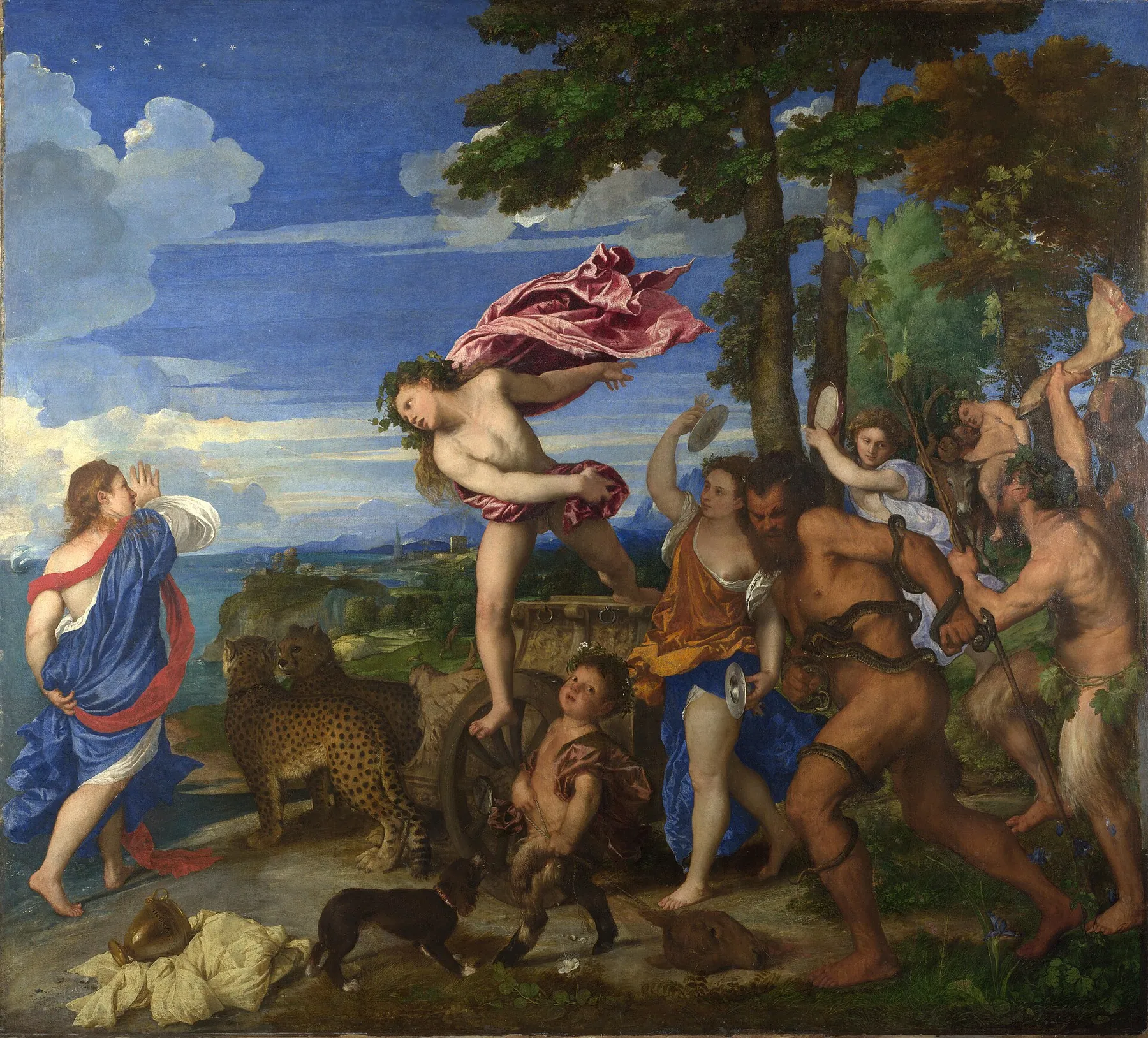
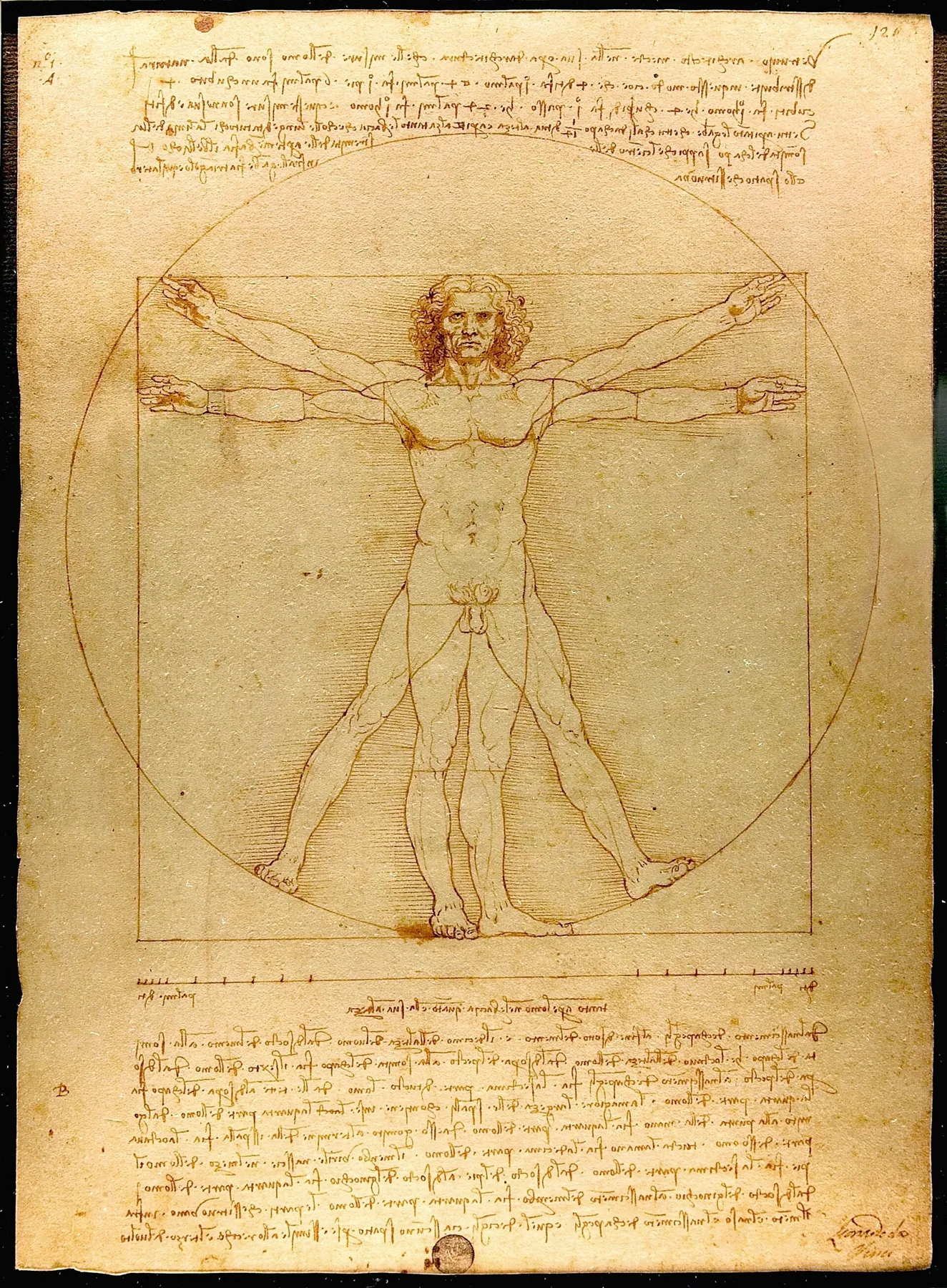
Techniques
- Linear perspective: parallel lines meet at a vanishing point on the horizon (eye level).
- Egg tempera on gessoed wood panels — fast-drying, built up in fine hatched strokes.
- Fresco: pigment in water painted onto fresh lime plaster, one day's section (giornata) at a time.
- Oil glazing: thin transparent layers over a monochrome underpainting.
- Sfumato: soft, smoky transitions between light and shadow with no hard outline (Leonardo).
- Chiaroscuro: strong modelling of light and dark to make figures look solid.
- Pyramidal composition: figures grouped into a stable triangle.
- Contrapposto: weight on one leg so hips and shoulders tilt in opposite directions.
How to paint in this style
- Plan a stable composition — try a triangle of figures in front of a symmetrical background.
- Draw a horizon line and a single vanishing point; build floors and architecture to it.
- Make a full-size drawing (cartoon) and transfer it to your panel or canvas.
- Underpaint the whole picture in a warm or green-grey monochrome (verdaccio) to settle values.
- Glaze local colours thinly on top: ultramarine for robes, vermilion and red lake, earth tones for flesh.
- Soften every edge in the face with a dry brush for sfumato; keep the outline lost in shadow.
- Finish with an atmospheric landscape: warm and detailed in front, cooler and bluer as it recedes.
Lead white, yellow ochre, lead-tin yellow, vermilion, red lake, raw umber, burnt sienna, green earth (for flesh underpainting), malachite, azurite and — for the most important robes — ultramarine from lapis lazuli.
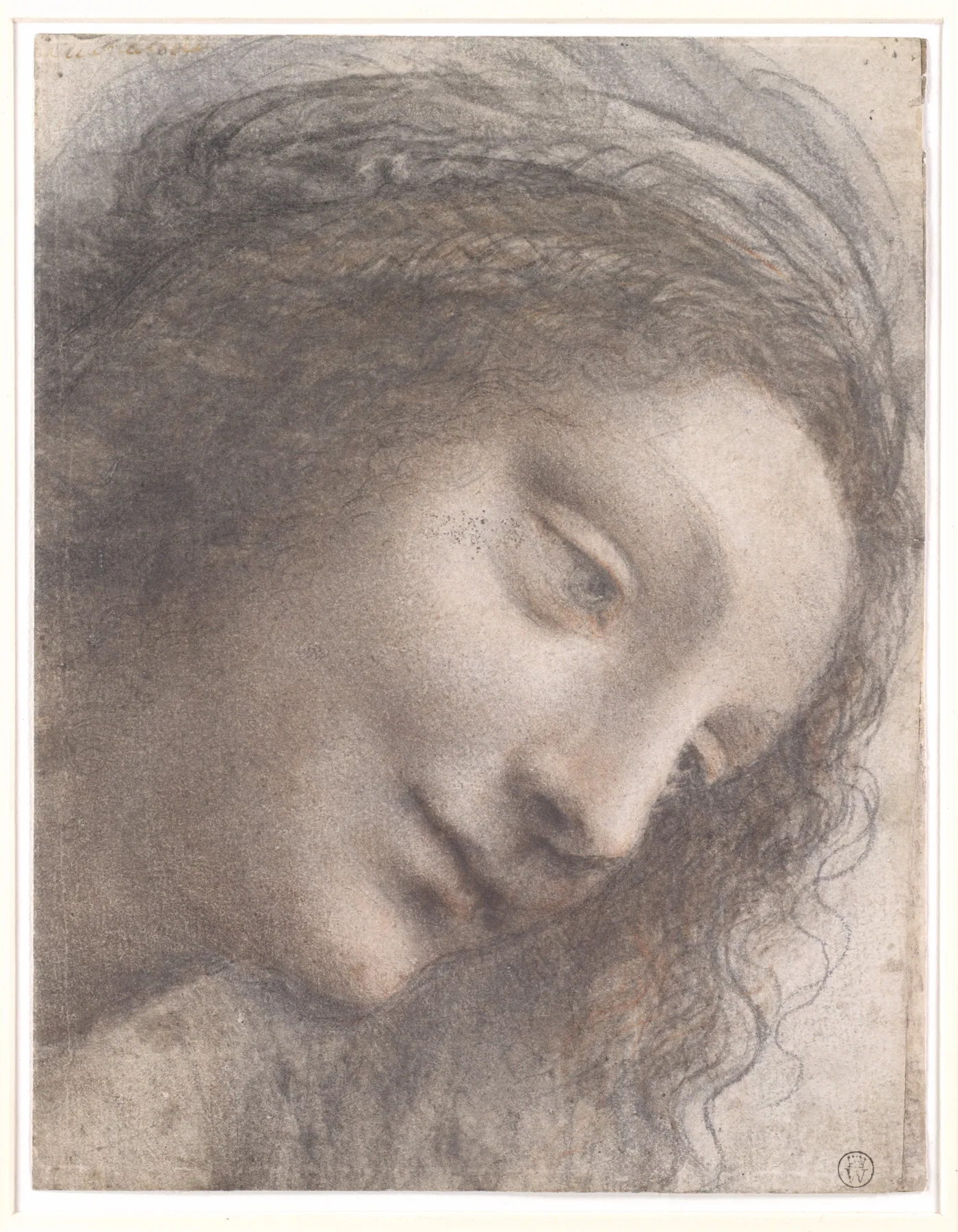
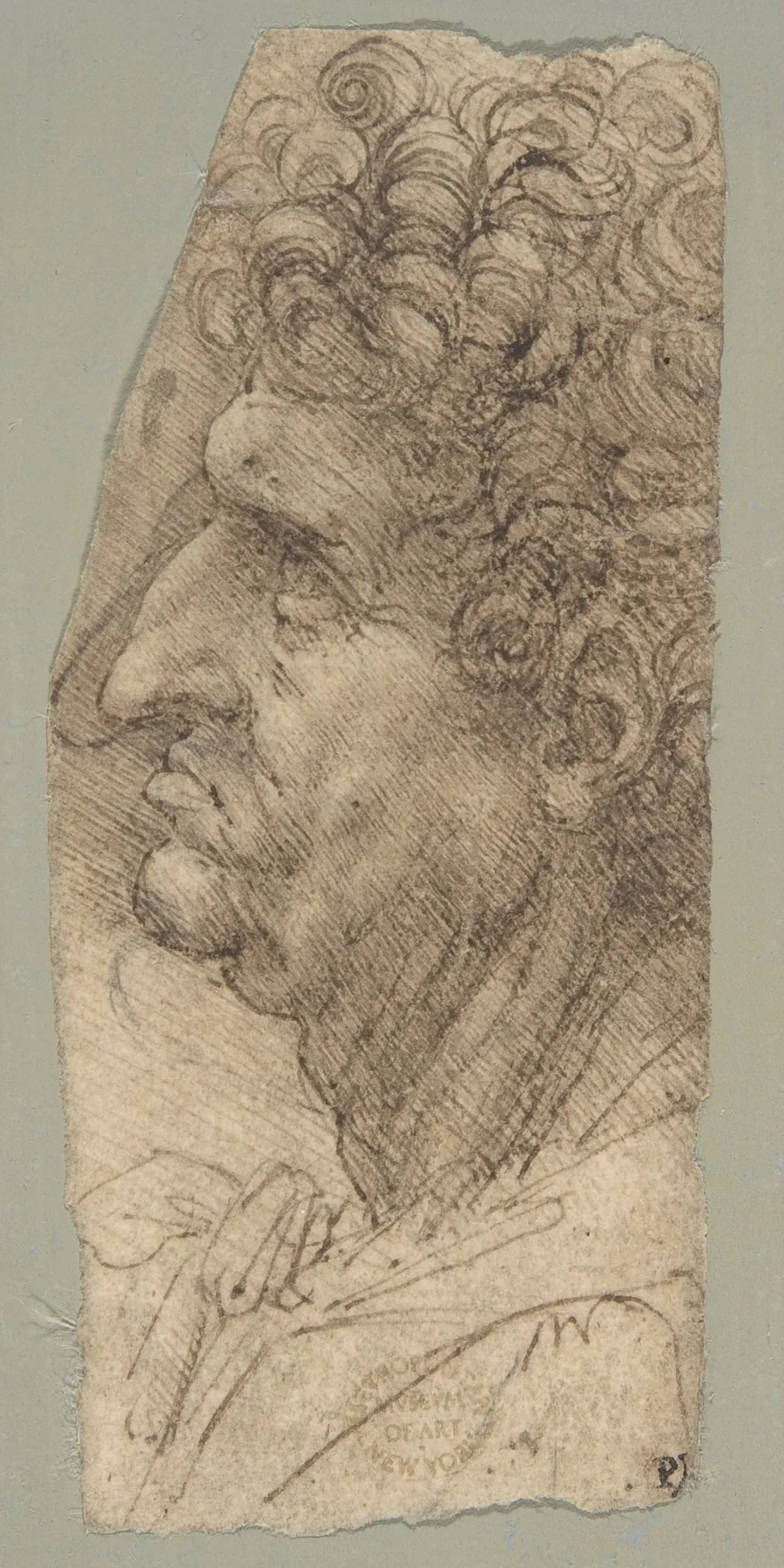
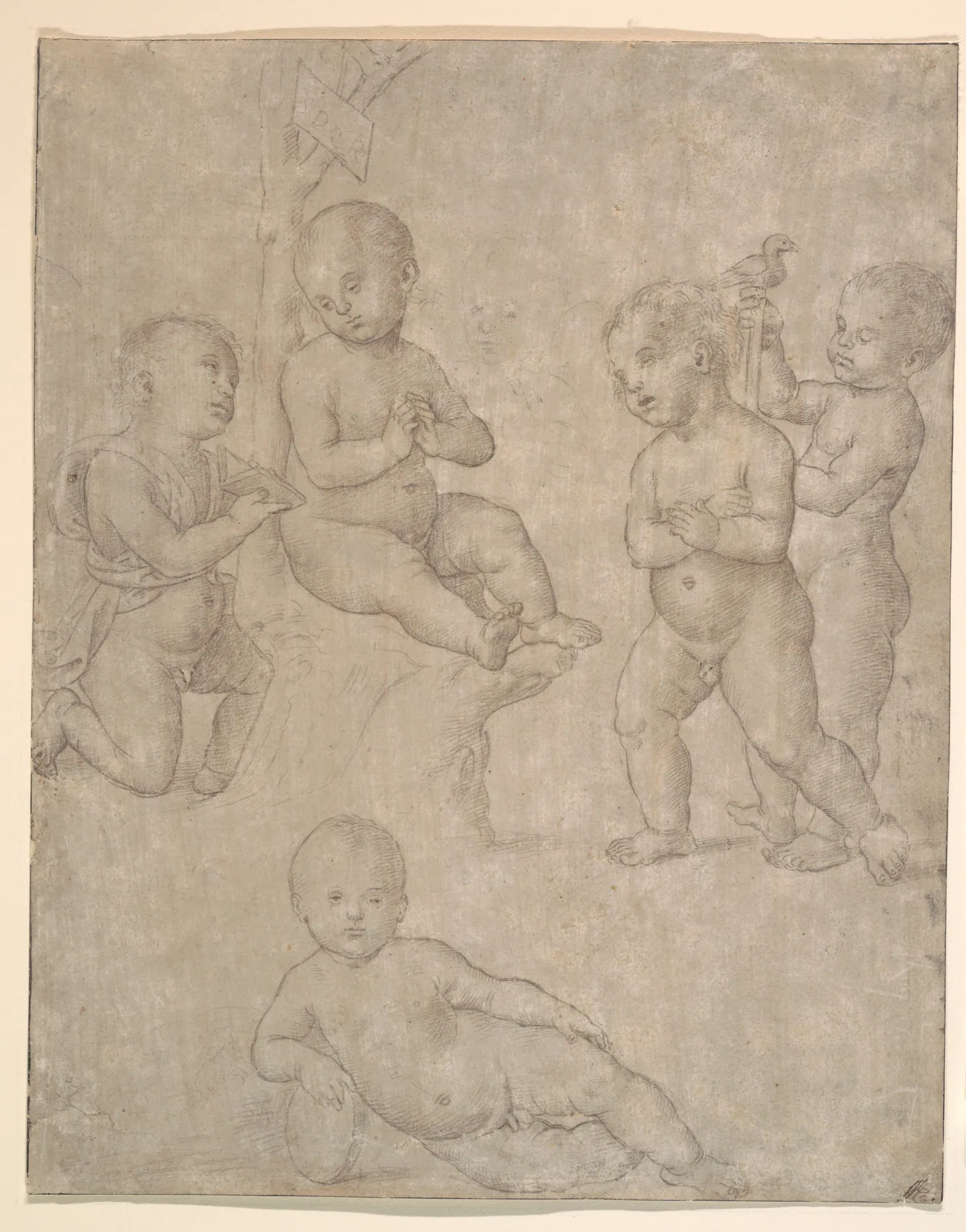
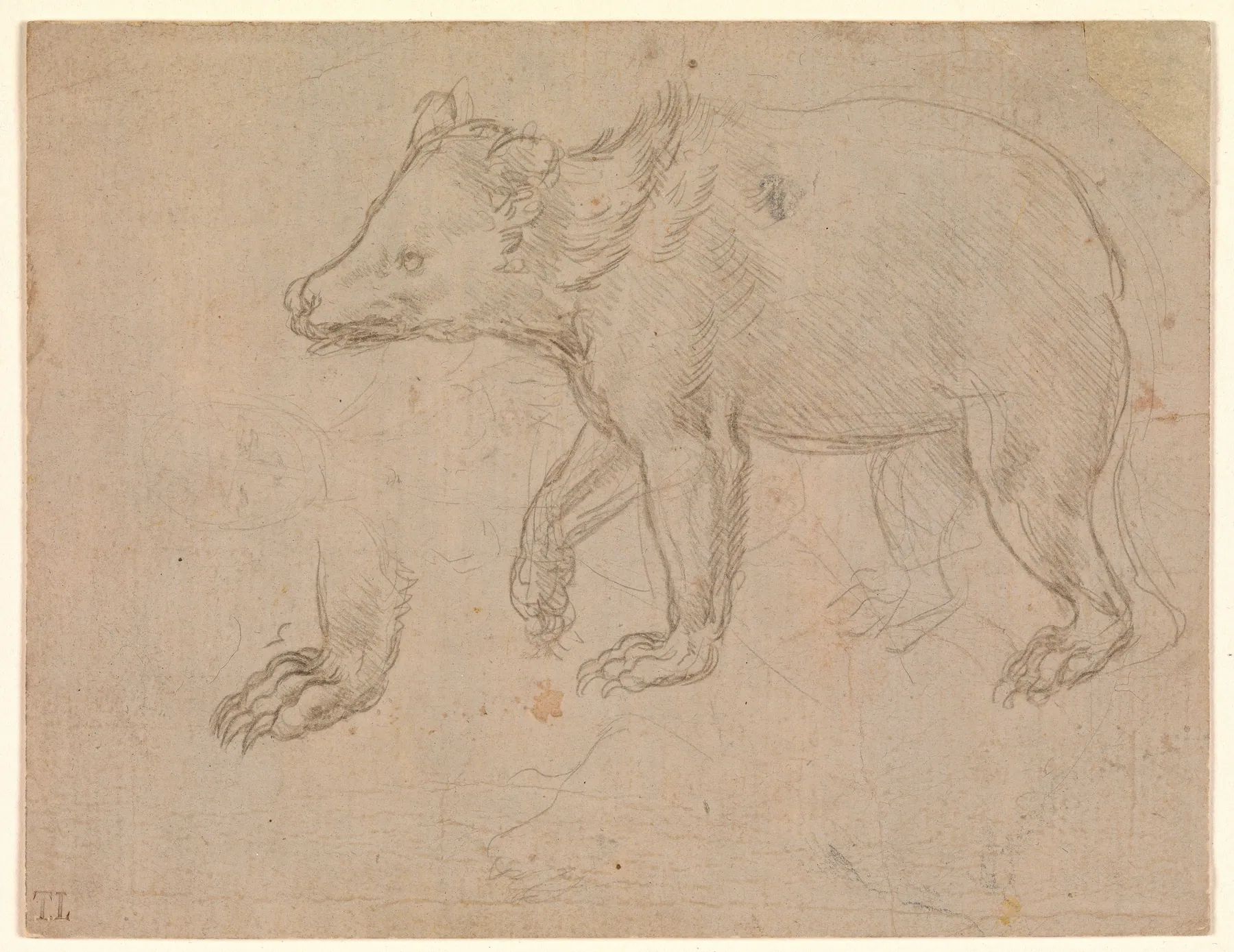
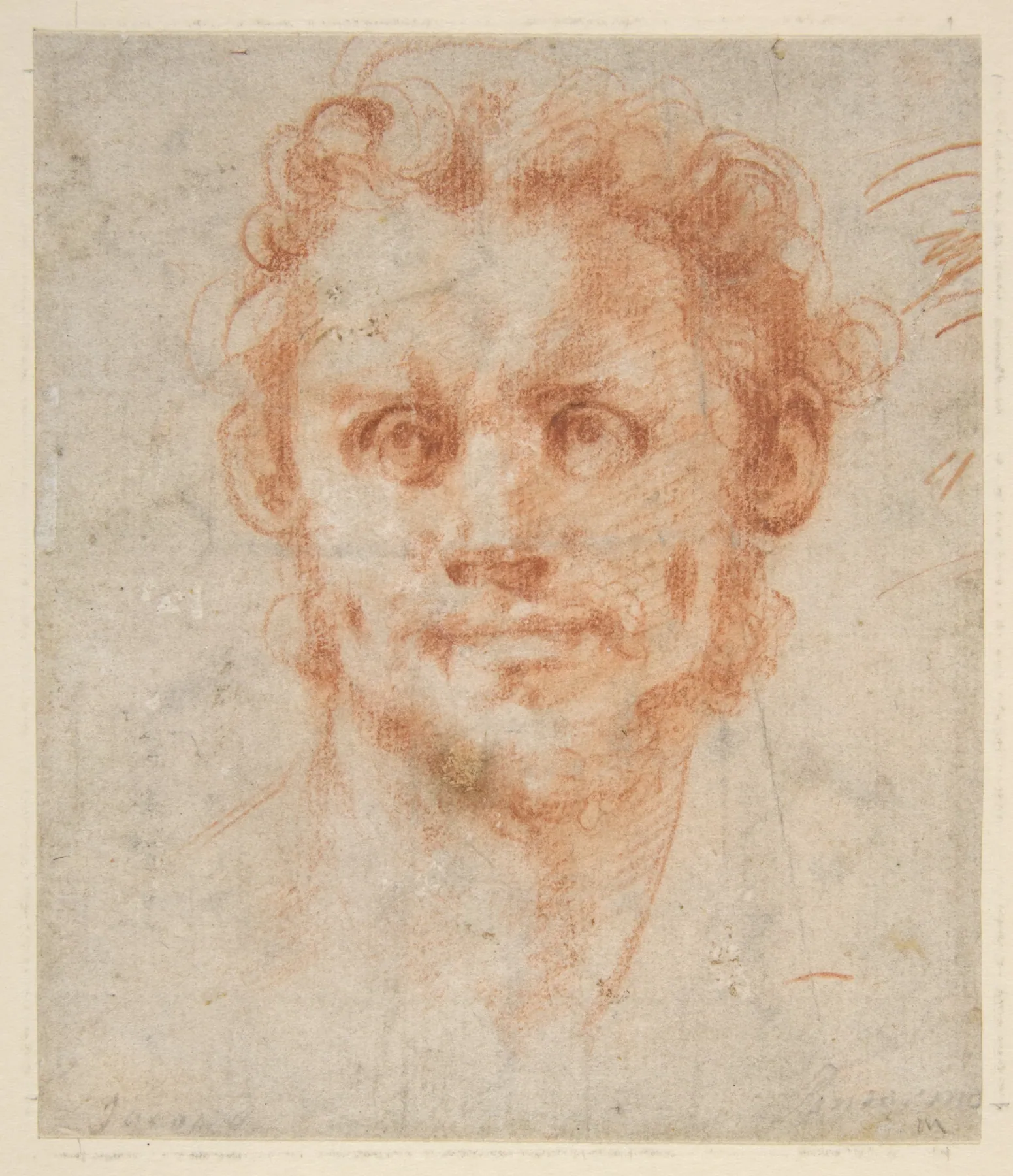
Drawings and studies
Watch
Leonardo, The Mona Lisa — in the Renaissance and today · Smarthistory
Raphael, School of Athens · Smarthistory
In the garden with Venus, Botticelli's Primavera · Smarthistory
Leonardo and the Last Supper (renewed!) · Smarthistory
Videos load from YouTube (privacy-enhanced mode) only when you press play.