Anatomy VIII: Movement and foreshortening
Movement is anatomy in action. Foreshortening is what happens when a form points towards or away from you — and it is the hardest and most rewarding part of figure drawing.
Drawing motion
Start every pose with the line of action, then the three masses, then the limbs as cylinders. Exaggerate the gesture slightly — a drawing that is accurate but stiff looks less alive than one that pushes the pose.
Look for balance. A figure is stable when its centre of gravity (roughly the pit of the neck down to the ground) falls over the supporting foot or between both feet. A figure in motion is caught off balance.
Foreshortening
When a limb points at you it gets shorter, its far end hides behind its near end and the ellipses of its cross-sections get rounder. Draw it as a series of overlapping forms: the near shape in front, the next one partly hidden behind it.
Trust what you see, not what you know. Measure the foreshortened length with your pencil — it will look 'too short', and that's correct. Use overlaps, bigger near forms and stronger contrast near the viewer to sell the depth.
Reference table
| Clue | What it does |
|---|---|
| Overlap | Near forms cut in front of far ones |
| Size change | Near parts are larger |
| Rounder ellipses | Show a form turning towards you |
| Contrast | Near forms get crisper edges and stronger values |
| Line of action | Keeps the pose alive while you deal with depth |
Historic plates
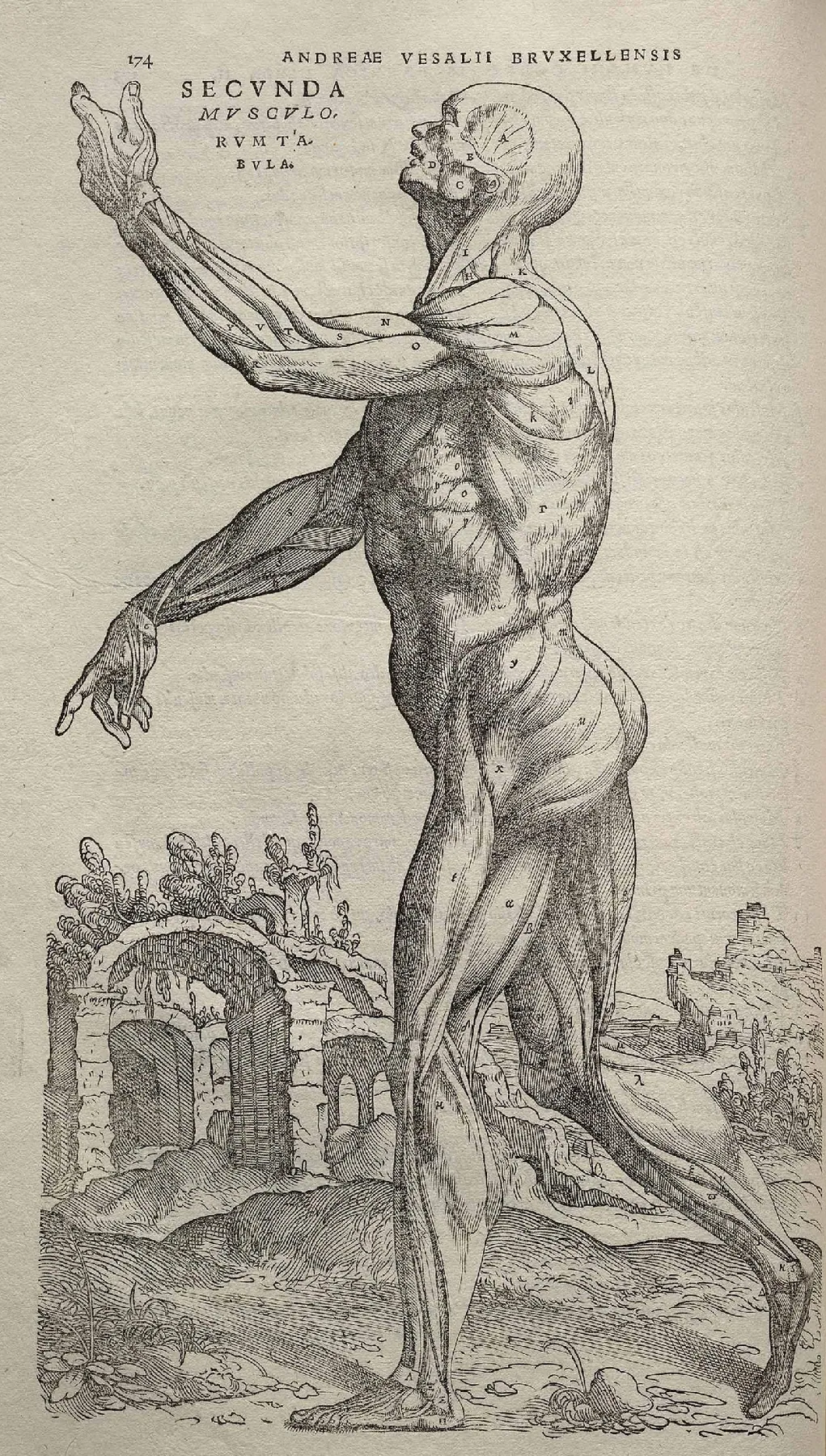
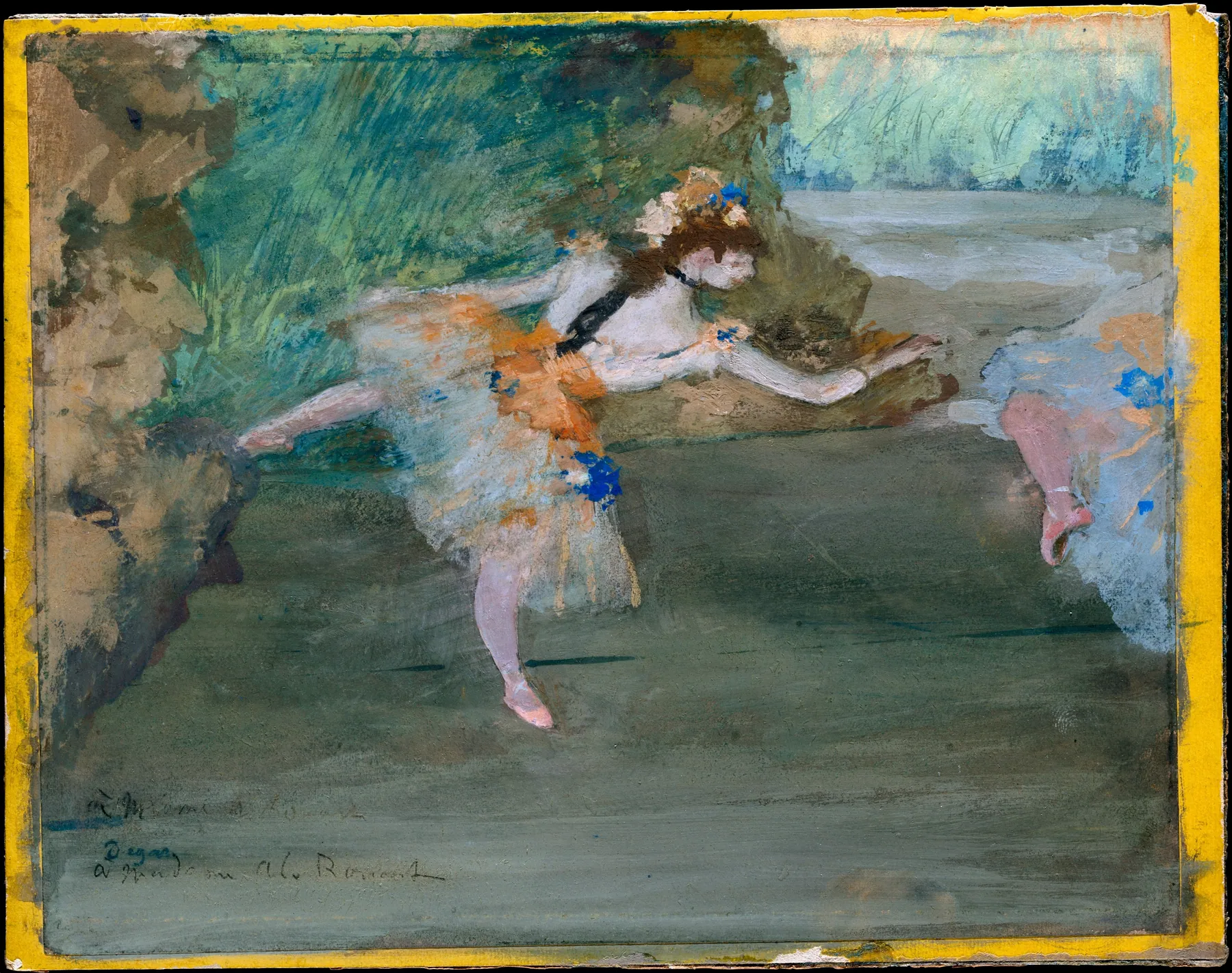
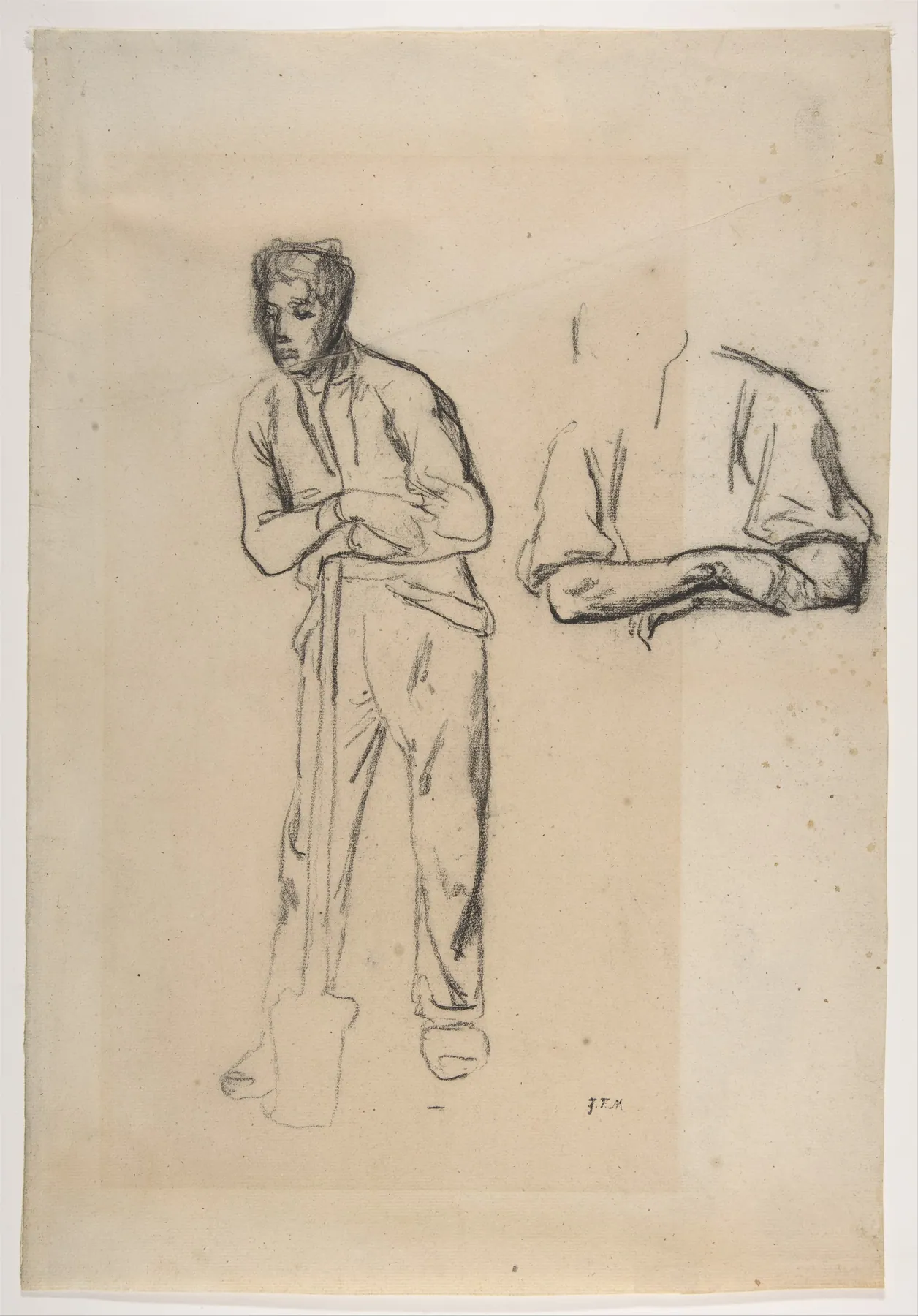
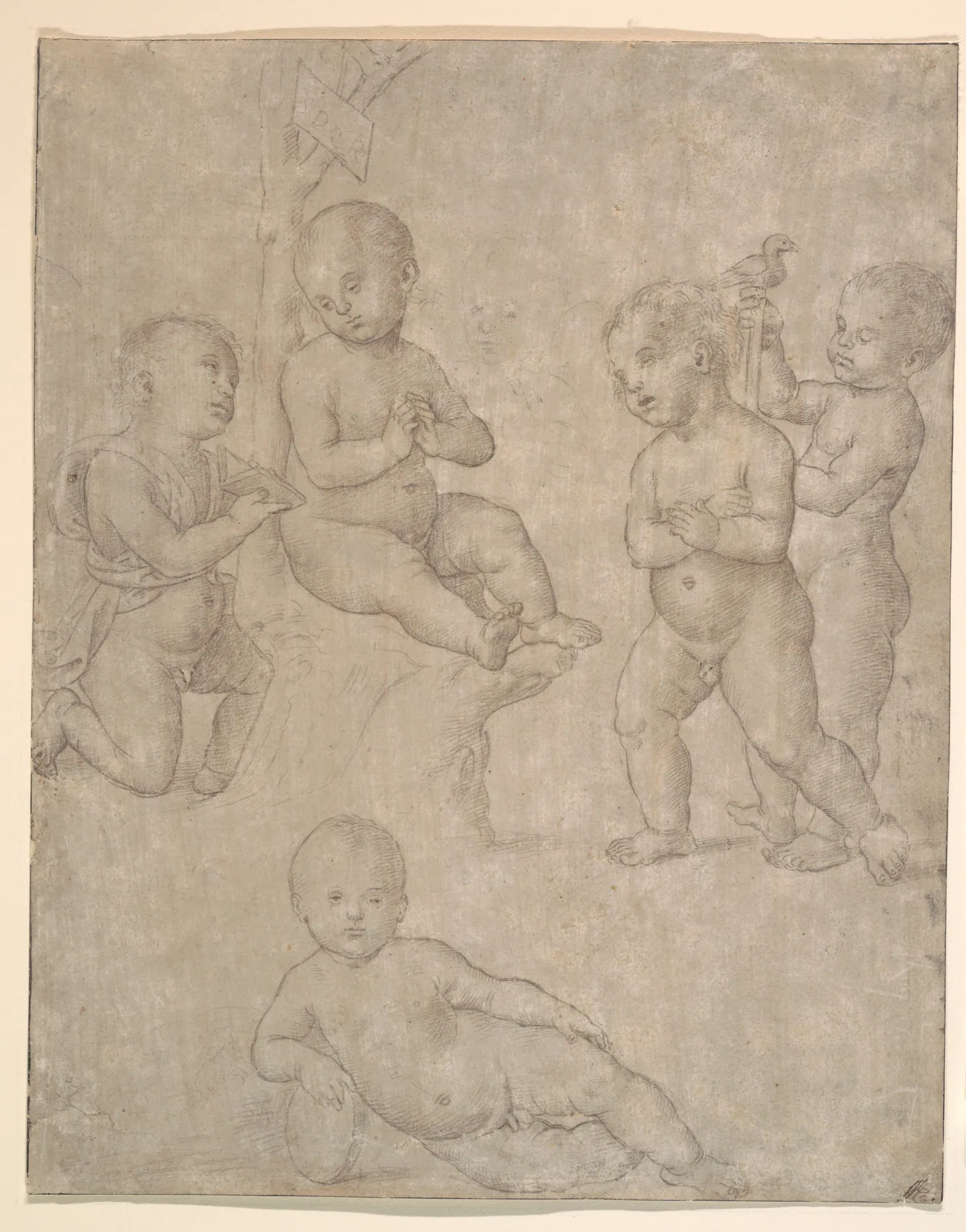
Public-domain plates from Vesalius (1543), Leonardo's anatomical notebooks and Gray's Anatomy (1918). Tap to zoom into the detail.
Master studies
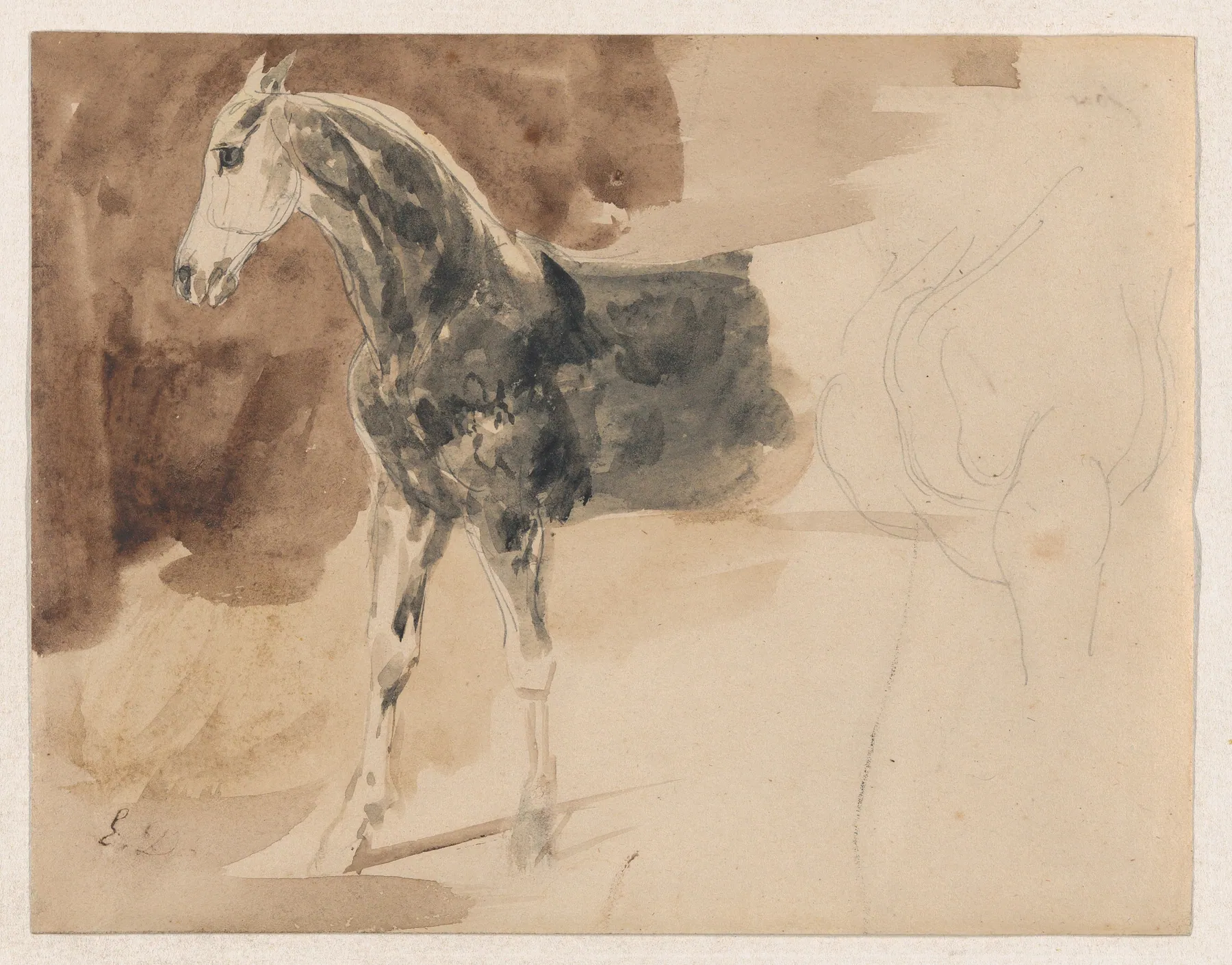
- Draw your own hand pointing at you in a mirror using only overlapping shapes.
- Do 20 one-minute poses focusing on the line of action, then 2 five-minute poses adding cylinders.
Watch
THIS Improves Your Gesture Drawing · Proko
The 16 Line Gesture Method · Proko
Extreme Foreshortening Techniques · Proko
How to Draw Crazy Perspective · Proko
Videos load from YouTube (privacy-enhanced mode) only when you press play.