Realism
c. 1840–1880. Realists insisted on painting the real, contemporary world — workers, peasants, funerals, ordinary people — rather than gods, heroes and idealised beauty.
Context
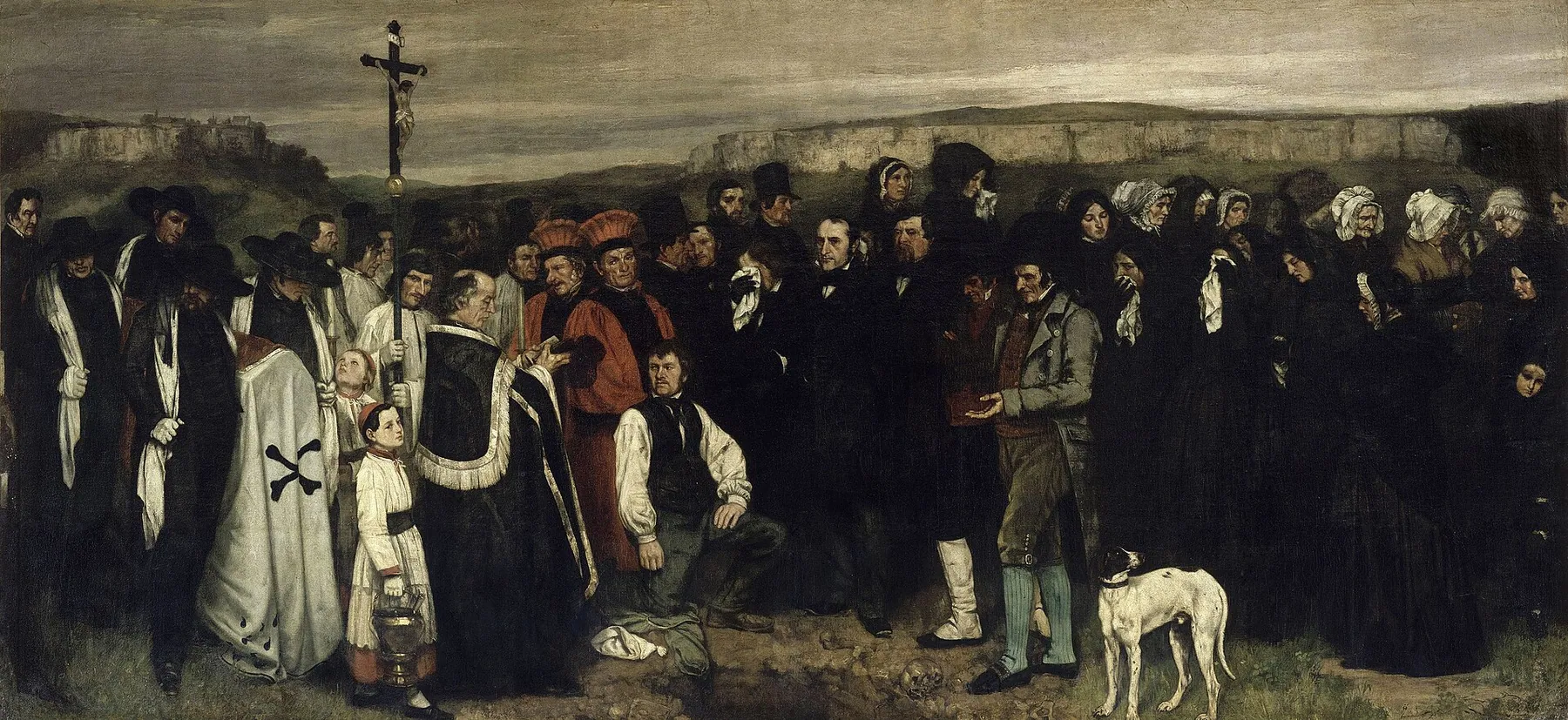
After the revolutions of 1848, Gustave Courbet declared he would paint only what he could see. His huge canvases of everyday village life shocked the Paris Salon.
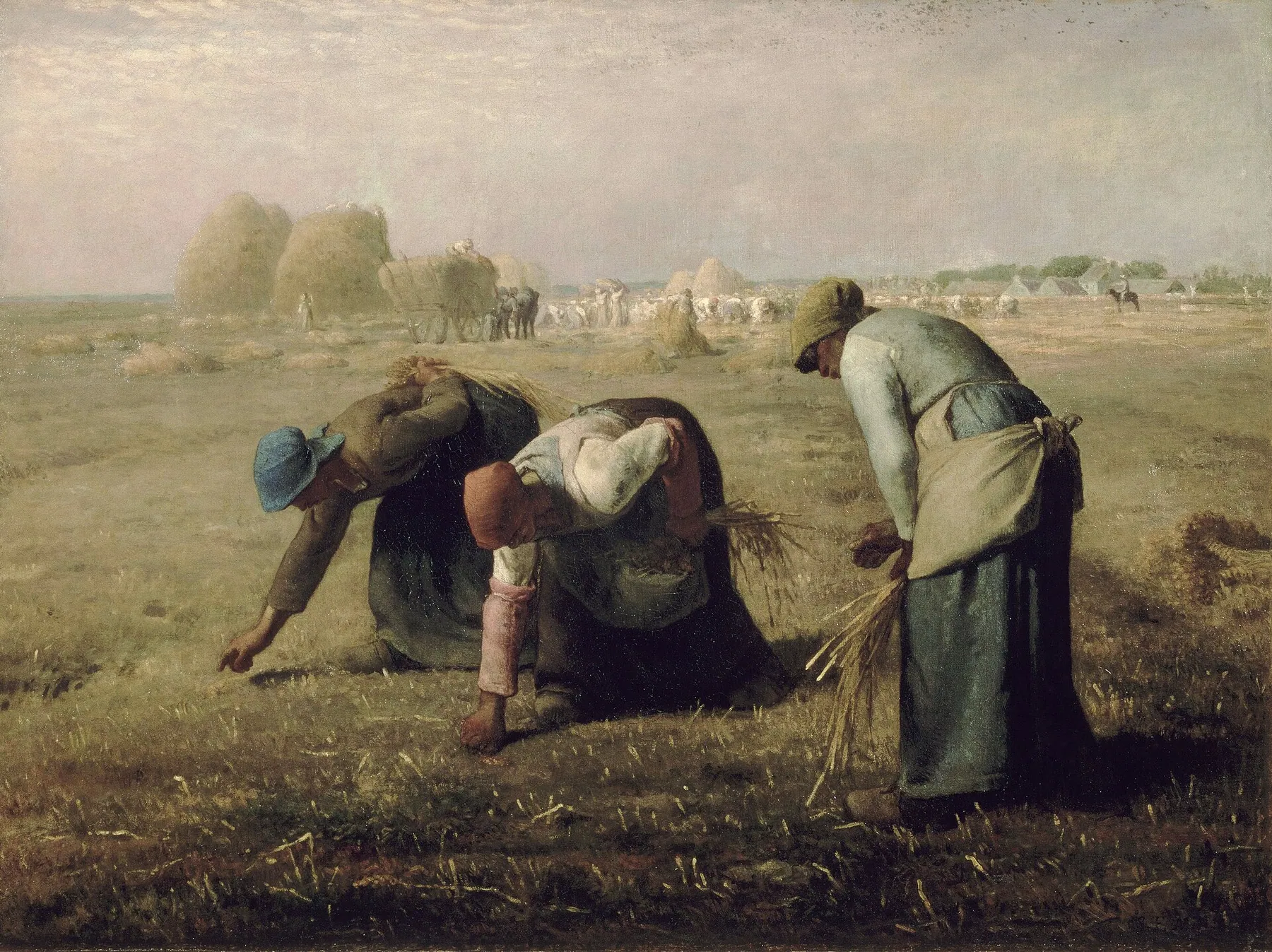
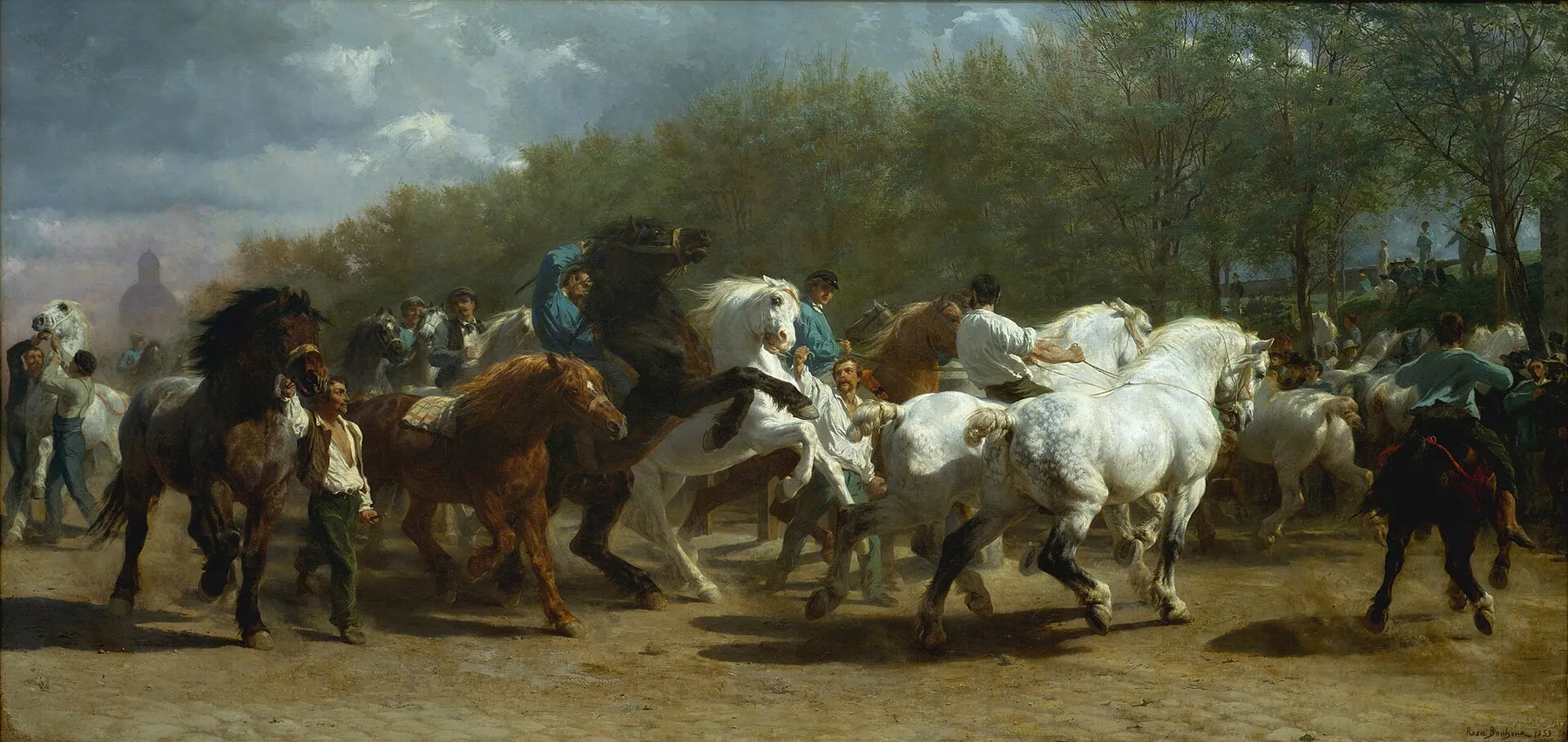
Jean-François Millet gave peasant labour a quiet monumental dignity; Rosa Bonheur painted animals with scientific accuracy; Honoré Daumier satirised modern city life.
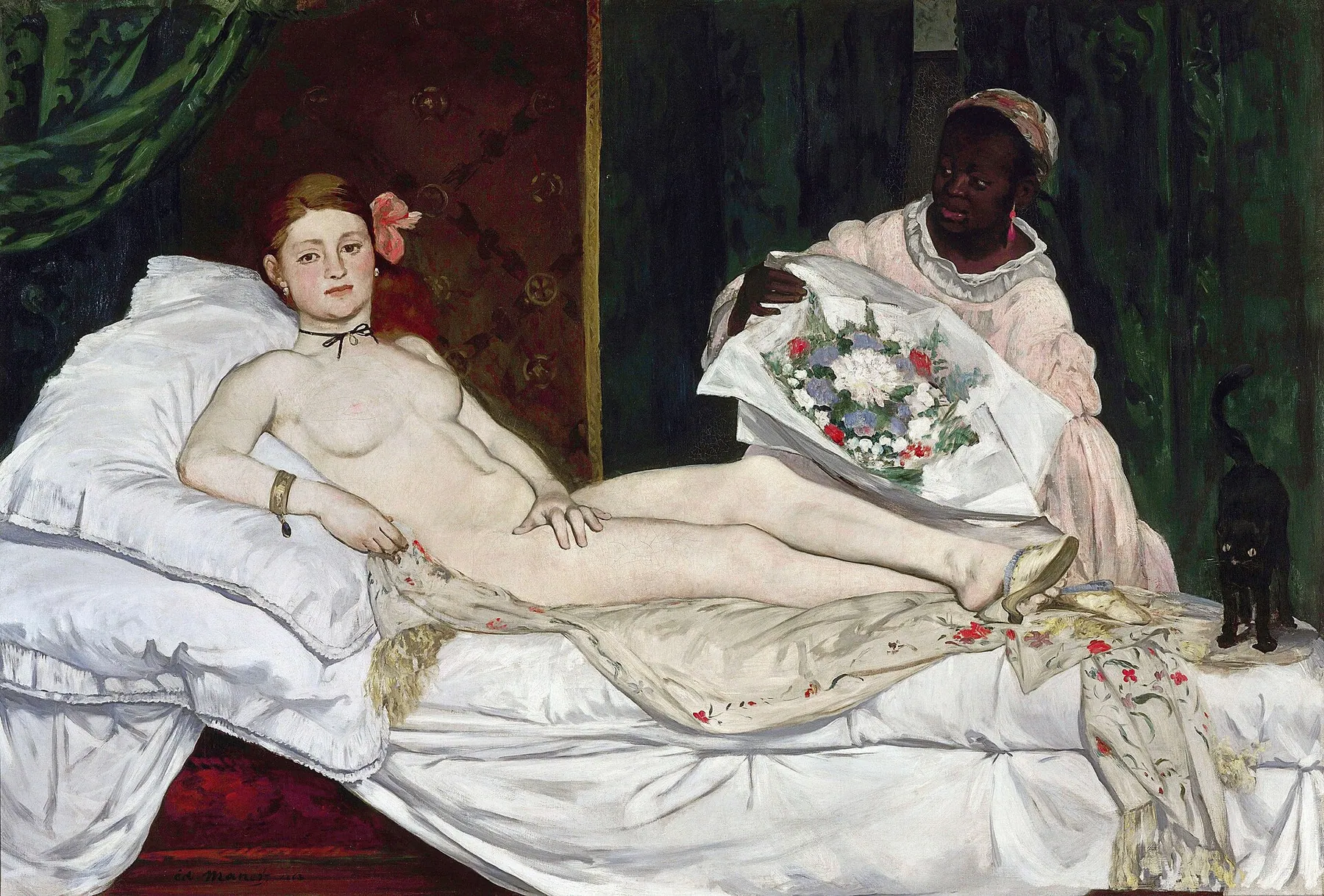
Photography (from 1839) challenged painters to rethink what painting was for. Manet bridged Realism and Impressionism with flat, frank modern subjects.
Key artists
| Artist | Life | Known for |
|---|---|---|
| Gustave Courbet | 1819–1877 | A Burial at Ornans; leader of Realism. |
| Jean-François Millet | 1814–1875 | The Gleaners; peasant life. |
| Rosa Bonheur | 1822–1899 | The Horse Fair; animal painting. |
| Édouard Manet | 1832–1883 | Olympia; modern subjects, flat light. |
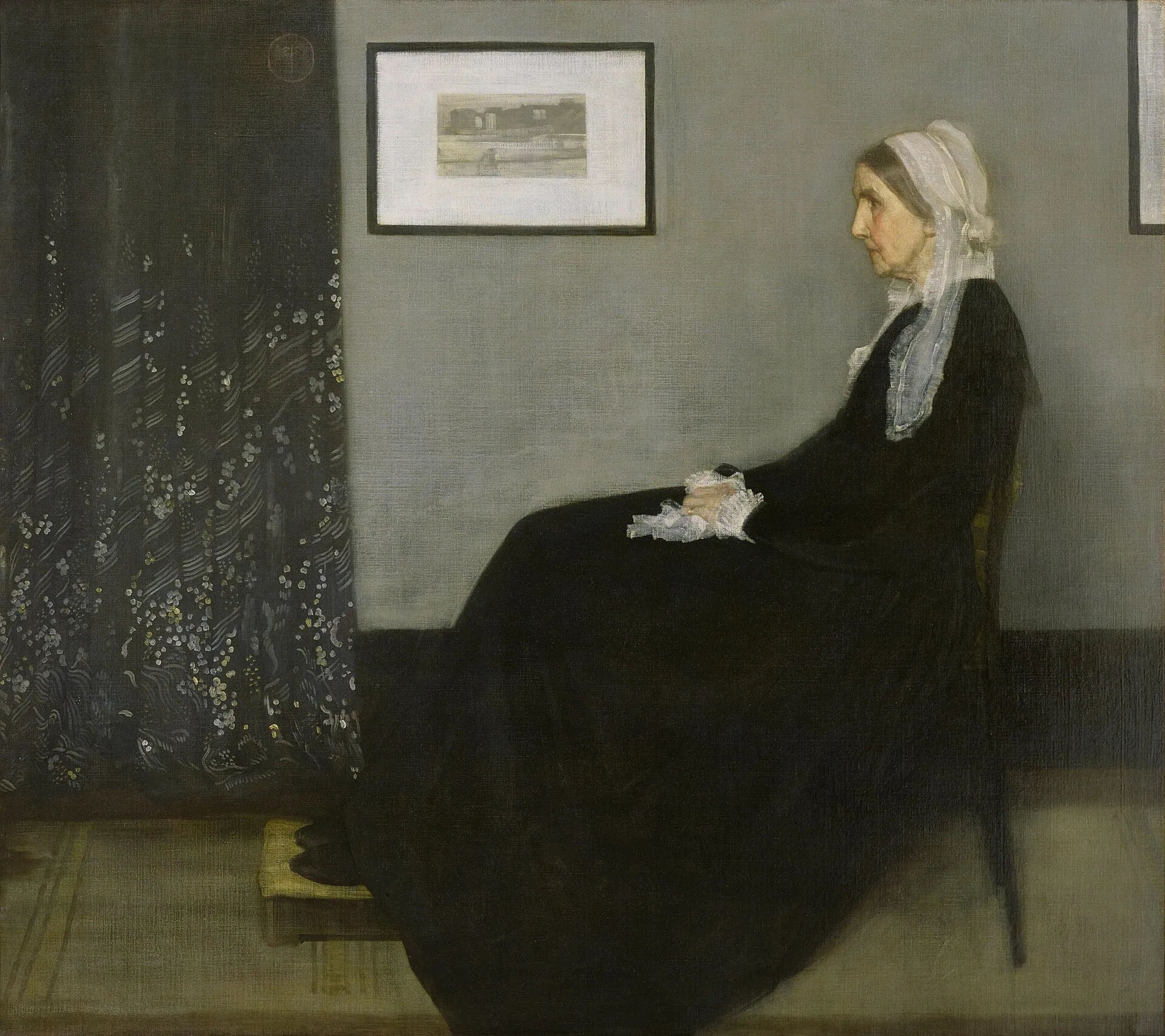
| James McNeill Whistler | 1834–1903 | Tonal 'arrangements' in grey and black. |
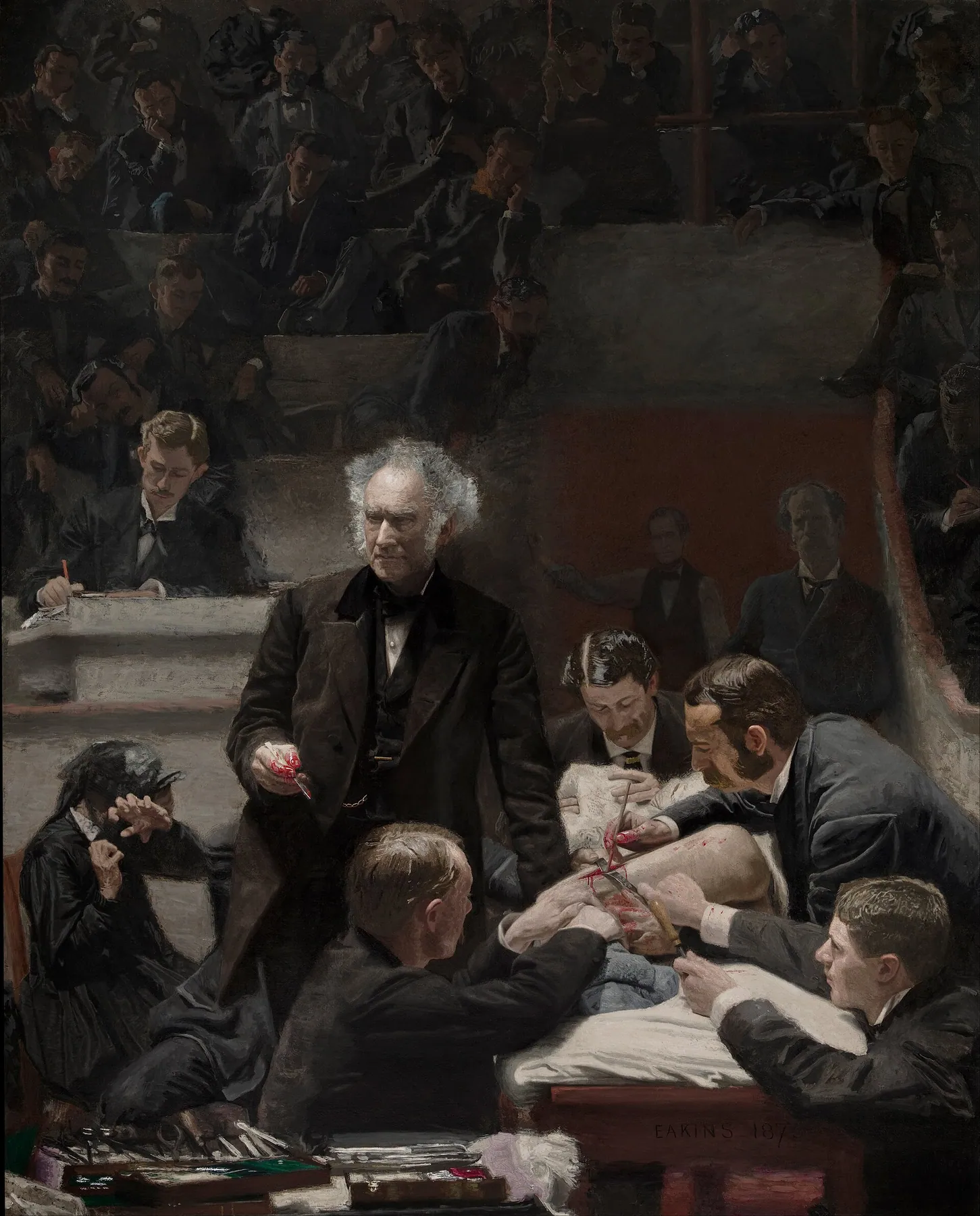
| Thomas Eakins | 1844–1916 | Scientific realism and anatomy: The Gross Clinic. |
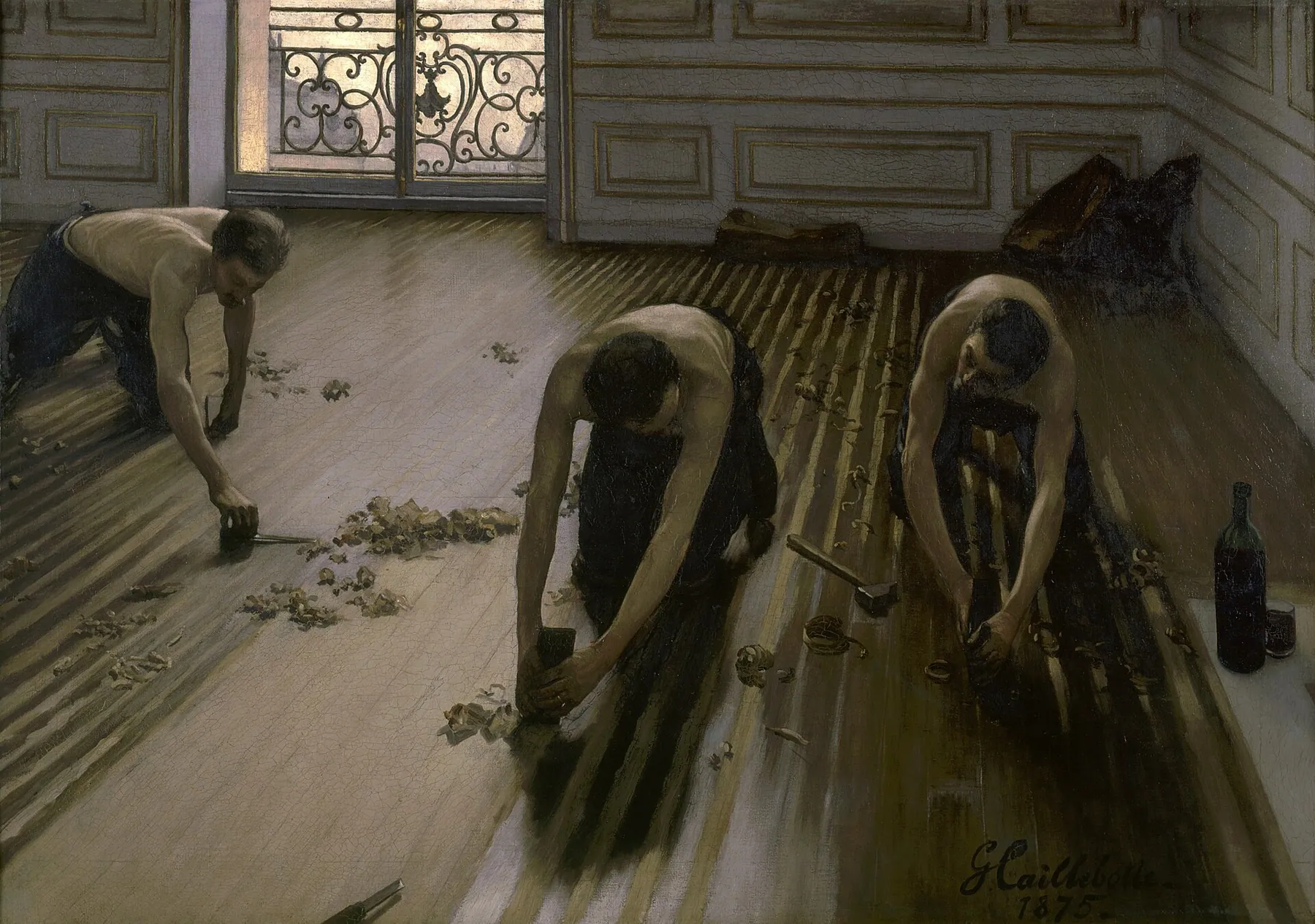
| Gustave Caillebotte | 1848–1894 | The Floor Scrapers; urban labour. |
Key works
Tap any image to zoom; works marked ◎ have notes on key details.
Techniques
- Observation from life; no idealising.
- Earthy, sober palettes with strong value structure.
- Palette knife and thick paint (Courbet).
- Large scale for ordinary subjects — a statement in itself.
- Study of anatomy from dissection and photography (Eakins).
How to paint in this style
- Choose an everyday subject you can observe directly: people at work, your street, your kitchen.
- Draw from life; resist making people prettier than they are.
- Use a limited earth palette — ochre, umber, sienna, black and white — plus one or two stronger colours.
- Organise the picture into big, simple light and dark shapes.
- Paint solidly and opaquely, using a palette knife for walls, rock or earth.
Lead (flake) white, yellow ochre, raw sienna, burnt sienna, raw umber, vermilion, ultramarine, viridian and ivory black.
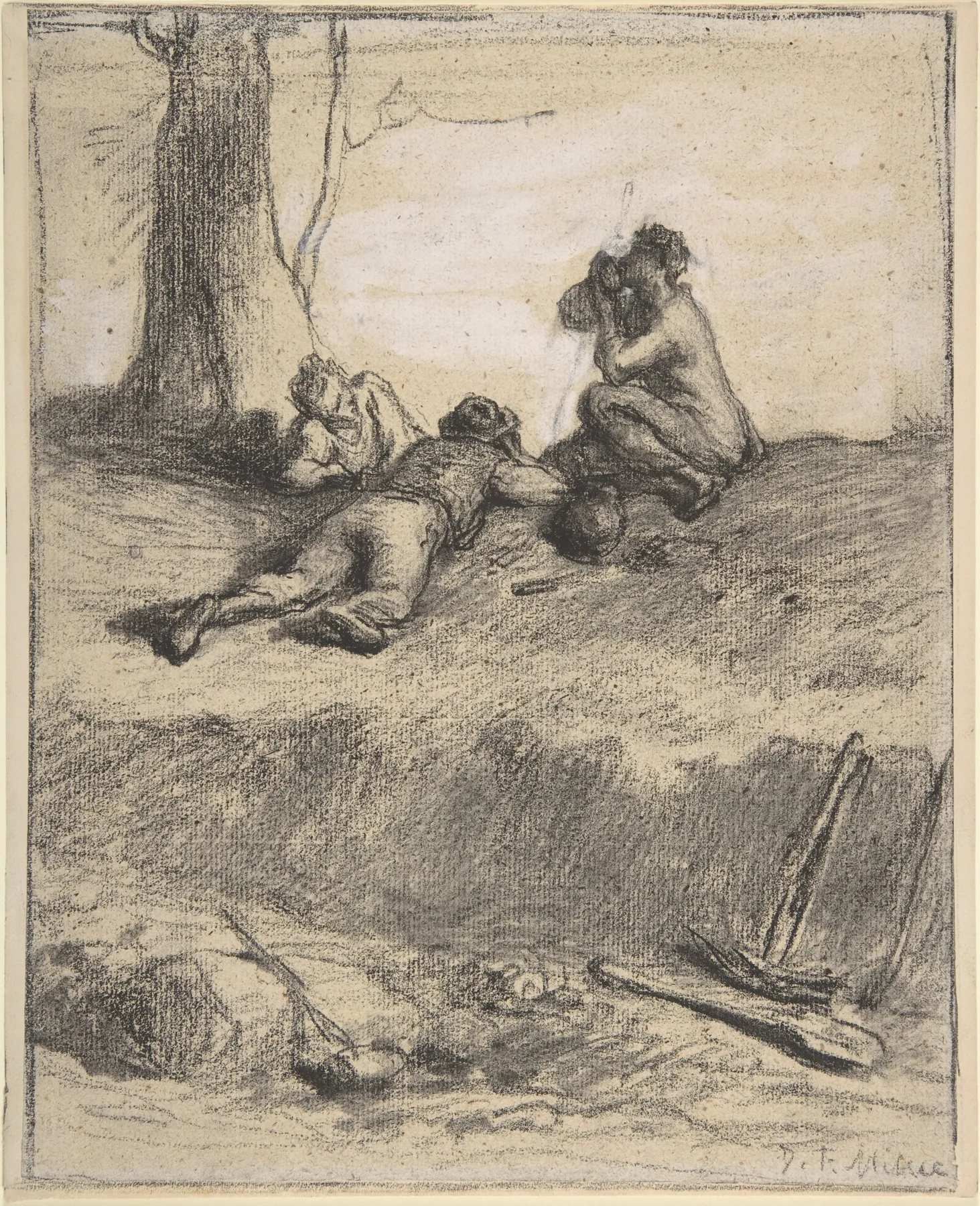
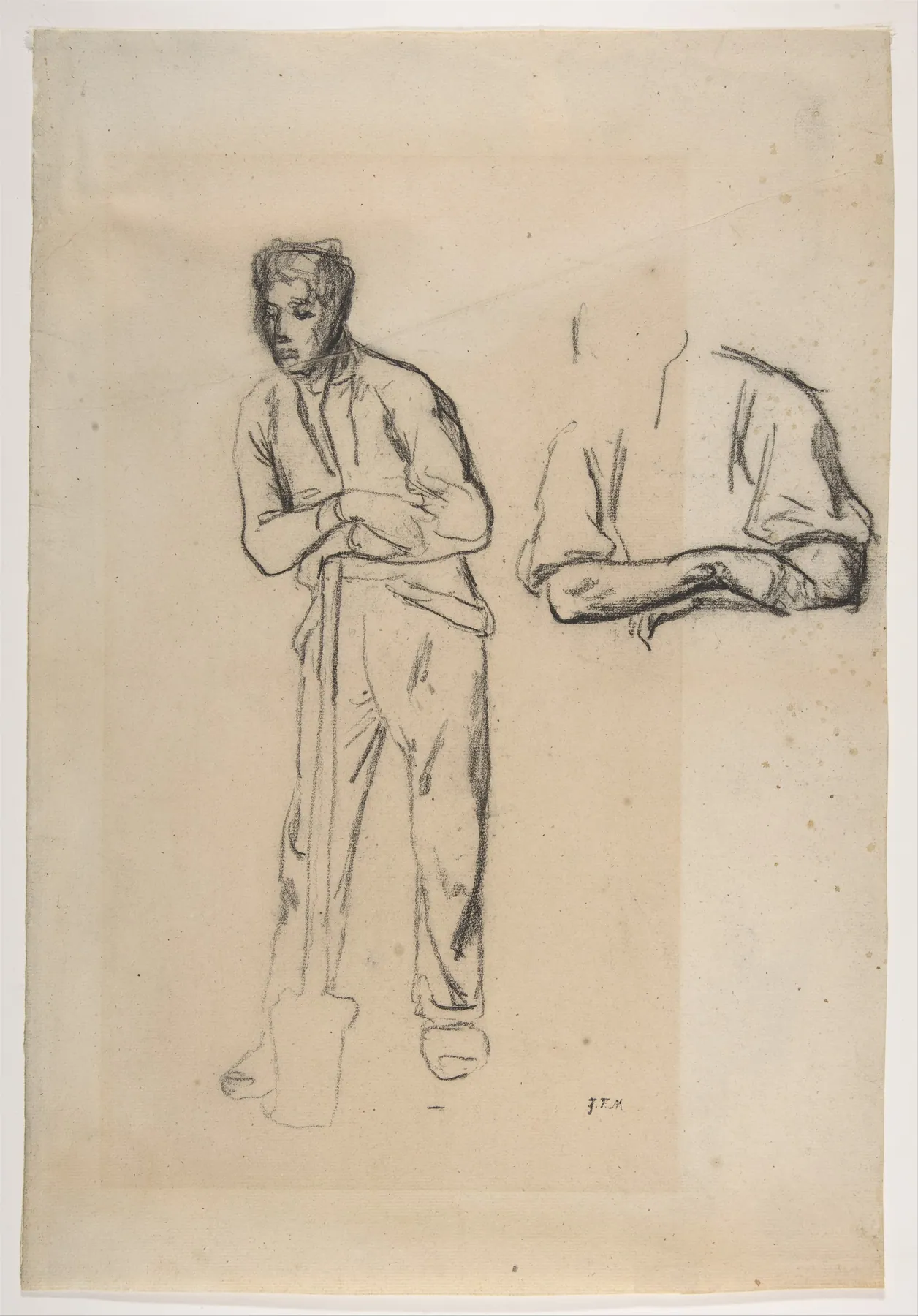
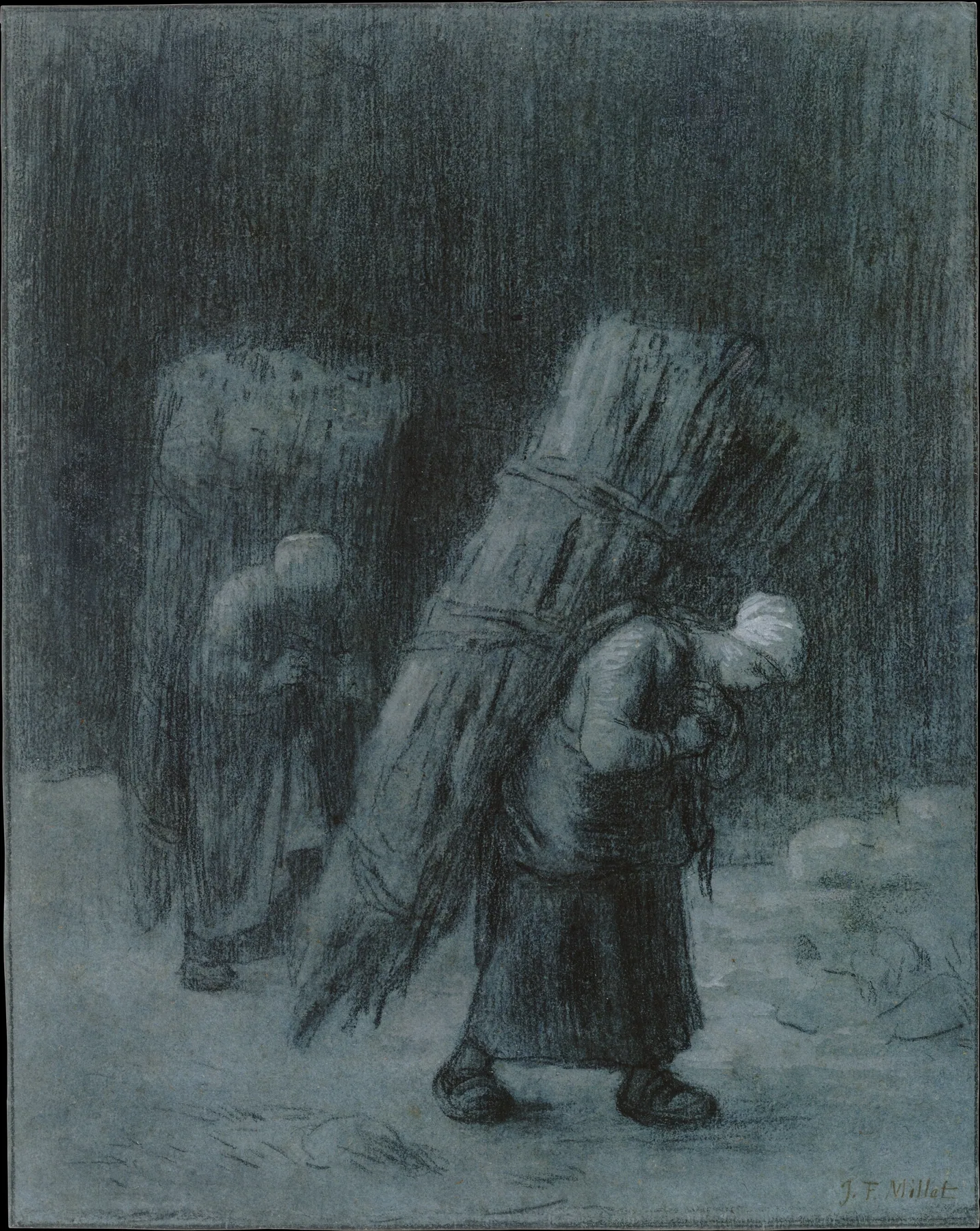
Drawings and studies
Watch
Courbet, A Burial at Ornans, 1849-50 · Smarthistory
Édouard Manet, Olympia (and now, with Laure) · Smarthistory
Videos load from YouTube (privacy-enhanced mode) only when you press play.